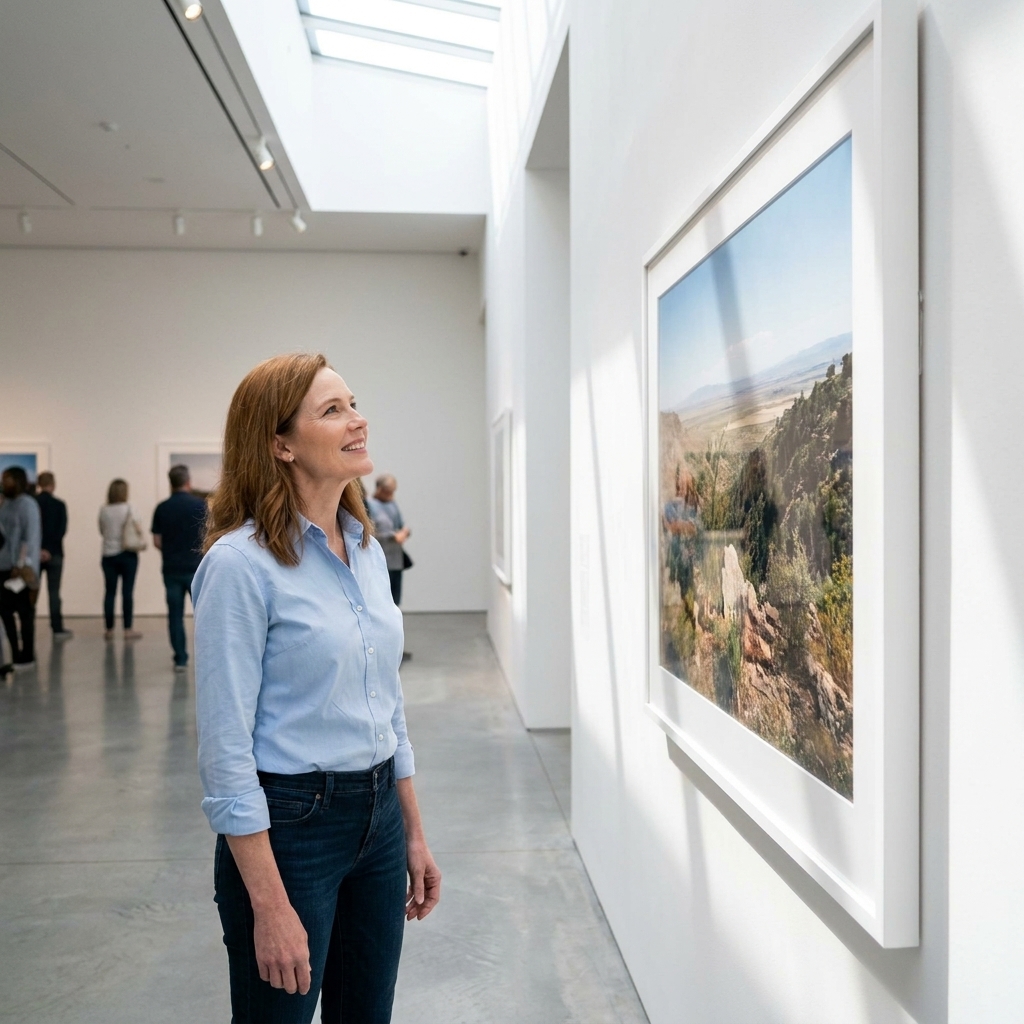
Photography has always had a complicated magic trick up its sleeve. It is both an art form and a receipt. A dream and a document. And when it is curated well, when a gallery sequence turns a hallway into a heartbeat, you remember why we keep making images even when the world is already full of them.
This is your Arts Reel field guide to the institutions that do photography best: the places that set the canon, champion the new, preserve the fragile, and somehow make you slow down long enough to actually see. Pack comfortable shoes, a little patience for timed entry, and the willingness to stay five extra minutes in the last room because one print will not let you go.
How to use this guide
Every stop below is dedicated exclusively, primarily, or programmatically to photography. Some are museums with deep permanent holdings. Others are nimble galleries, kunsthalle-style spaces, workshops, and festivals that shape taste through exhibitions, publishing, and education. All are influential, meaning their choices ripple outward into what gets collected, studied, commissioned, and shown.
- Best for: the kind of visitor who reads wall text but also trusts their gut.
- Time needed: from a sharp one-hour hit to a full afternoon with a café break and a bookstore detour.
- Pro tip: check whether the venue restricts photography in galleries. The irony is real, and usually justified.
North America
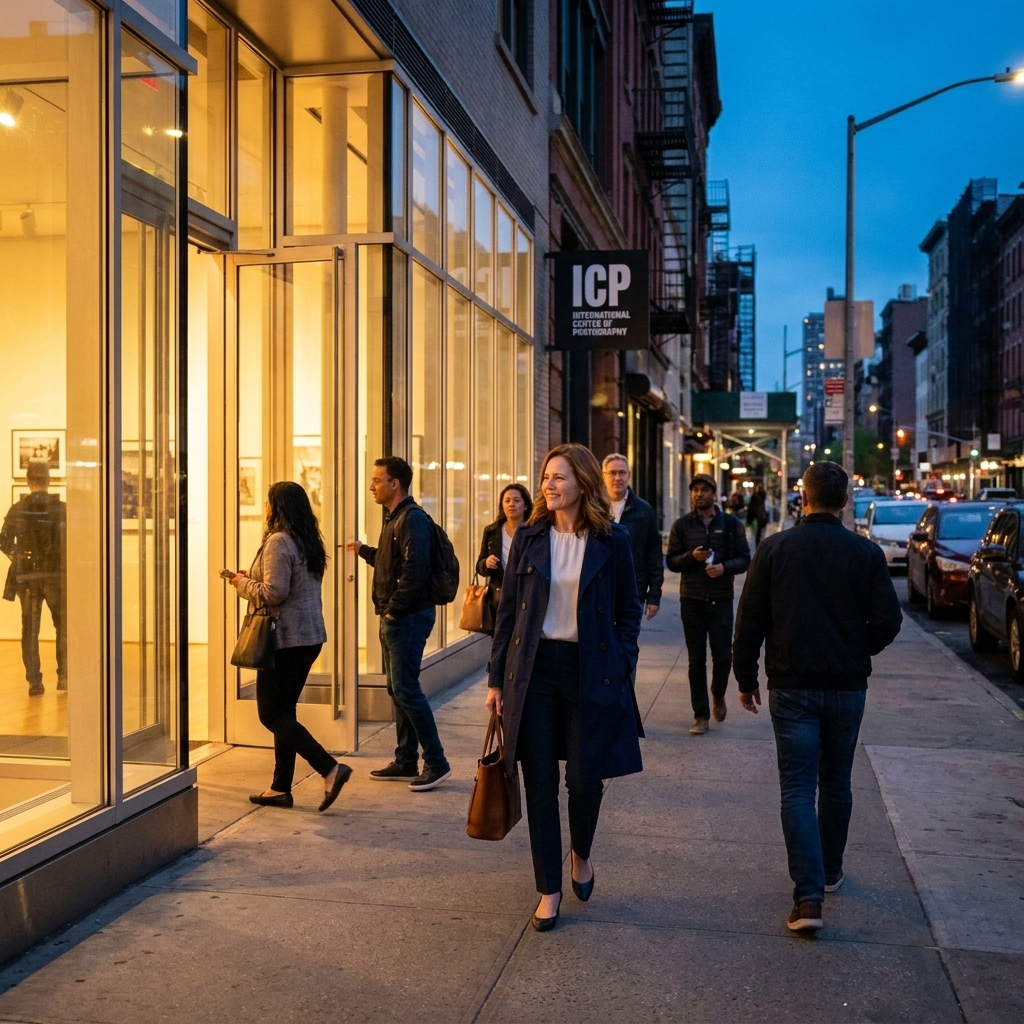
International Center of Photography (ICP) | New York City
ICP sits at the intersection of images and ideas, and it does not apologize for photography’s role in shaping public life. Expect exhibitions that move between documentary urgency, fashion, conceptual work, and everything in the messy middle where the medium actually lives. The education programs and talks are a bonus if you like your art with a side of process.
- Go for: contemporary photography and visual culture, with smart context.
- Do not miss: the bookstore, which is basically a curated rabbit hole.
George Eastman Museum | Rochester, New York
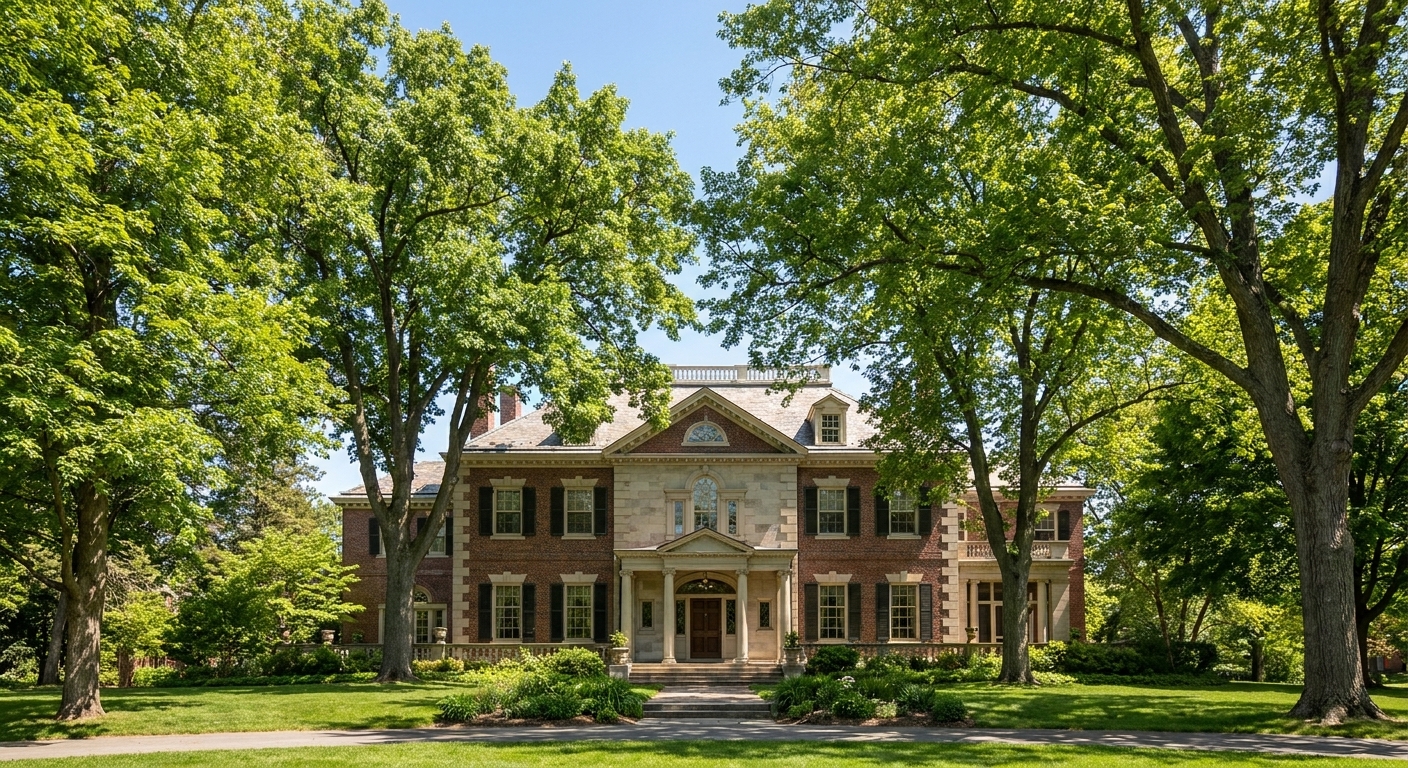
If you have ever wondered where photography’s DNA is stored, start here. The Eastman is both a museum and a time machine: early processes, major twentieth-century work, and the kind of material history that makes you appreciate how physically complicated image-making used to be. It is also a film institution, which feels right. The media have always been siblings.
- Go for: deep history and the craft of early photographic processes.
- Plan: enough time for the historic house and gardens if you want a change of pace.
Center for Creative Photography (CCP) | Tucson, Arizona
CCP is a pilgrimage site for anyone who cares about the American photographic tradition and the archives that underpin it. Scholars come for the collections and finding aids. Regular visitors come for exhibitions that pull rare prints and ephemera into the light. It is quietly thrilling, like watching a great stage manager make a show look effortless.
- Go for: archives, legacy photographers, and beautifully researched exhibitions.
- Insider move: check what is on view from the study collections.
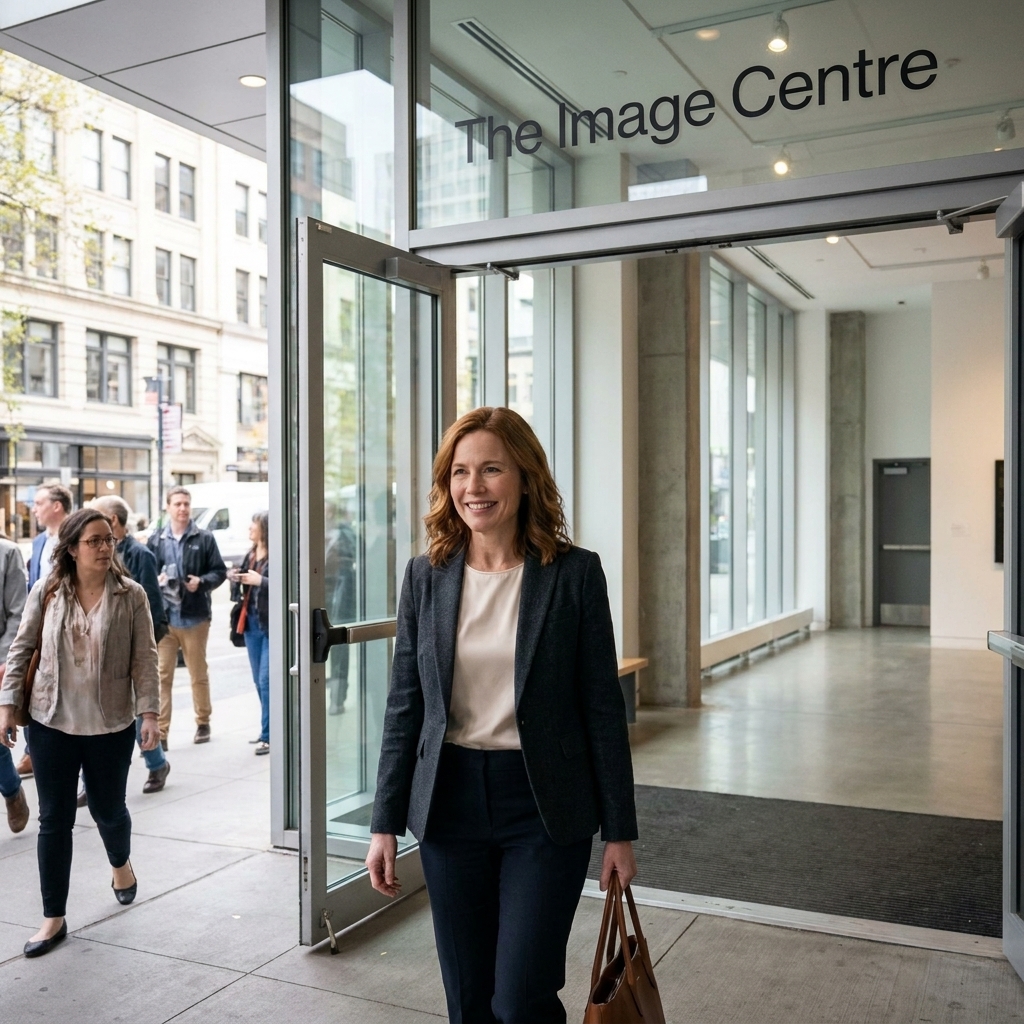
The Image Centre (Toronto Metropolitan University) | Toronto
Toronto’s Image Centre earns its place on this list by treating photography as both culture and craft, with exhibitions that move comfortably from historical work to contemporary arguments. It is also one of those institutions where the surrounding academic gravity helps: shows tend to be clear-eyed, well contextualized, and never allergic to nuance.
- Go for: thoughtfully curated exhibitions and research-driven programming.
- Pair with: a photobook stop in the city, because Toronto’s print culture is part of the pleasure.
Europe
Victoria and Albert Museum (Photography Centre) | London
The V&A’s Photography Centre is a gift for the visually curious. You get photography in dialogue with design, fashion, and material culture, which is exactly how images actually function in the world. The space itself encourages lingering, and the curatorial choices often highlight how photographs circulate and change meaning over time.
- Go for: photography’s relationship to style, technology, and everyday life.
- Pair with: the fashion galleries if you want to trace image-making from garment to glossy page.
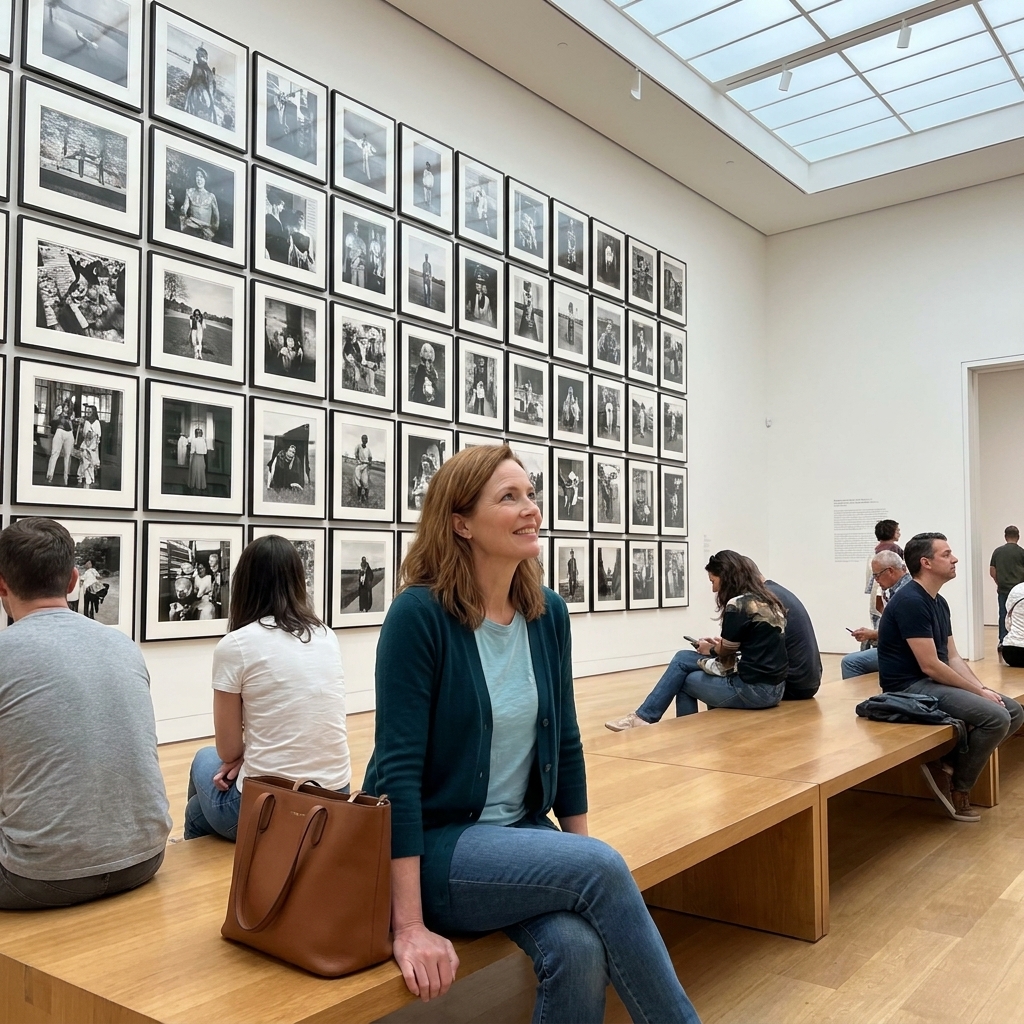
The Photographers’ Gallery | London
More focused and more intimate than the mega-museums, The Photographers’ Gallery is one of the best places to see what the medium is doing right now. Exhibitions are sharp, the pace is energetic, and the vibe is pleasantly un-stuffy. It feels like a studio visit that happens to have museum-grade lighting.
- Go for: contemporary shows with a strong curatorial point of view.
- Do not miss: the bookshop and print culture programming.
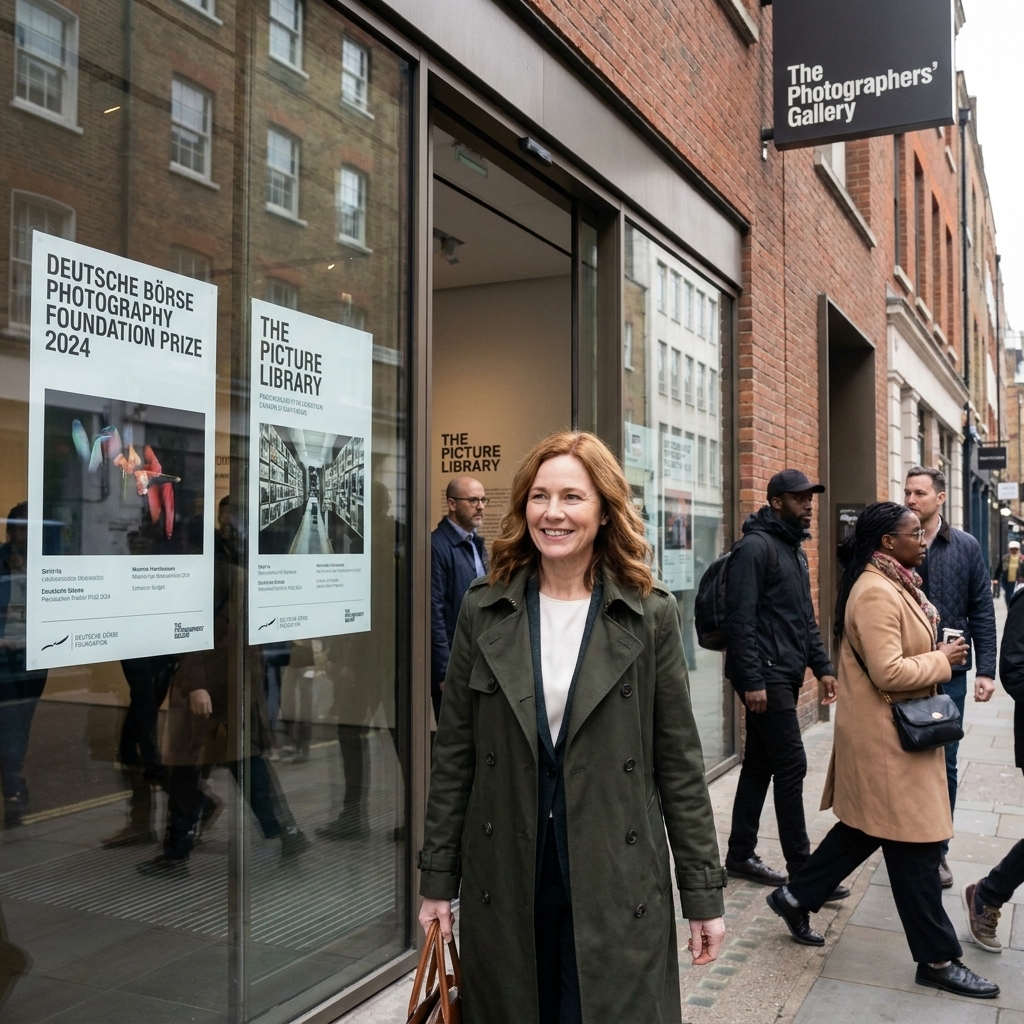
Maison Européenne de la Photographie (MEP) | Paris
MEP is one of Paris’s best antidotes to the idea that photography is a lesser sibling to painting. The exhibitions often balance icon-makers with contemporary artists pushing the form, and the building’s rhythm makes it easy to move from room to room without visual fatigue. In a city that rewards wandering, this is a purposeful drift.
- Go for: major retrospectives and strong contemporary programming.
- Tip: aim for a weekday morning to enjoy the quieter rooms.
Foam Fotografiemuseum | Amsterdam
FOAM’s size is part of its charm. The exhibitions are concentrated, punchy, and often emotionally direct. It is the kind of museum where you walk in thinking you will spend 45 minutes and leave two hours later holding a new favorite artist in your head like a secret.
- Go for: contemporary photography across portraiture, documentary, and experimental work.
- Bonus: a strong publishing identity that extends the exhibitions beyond the walls.
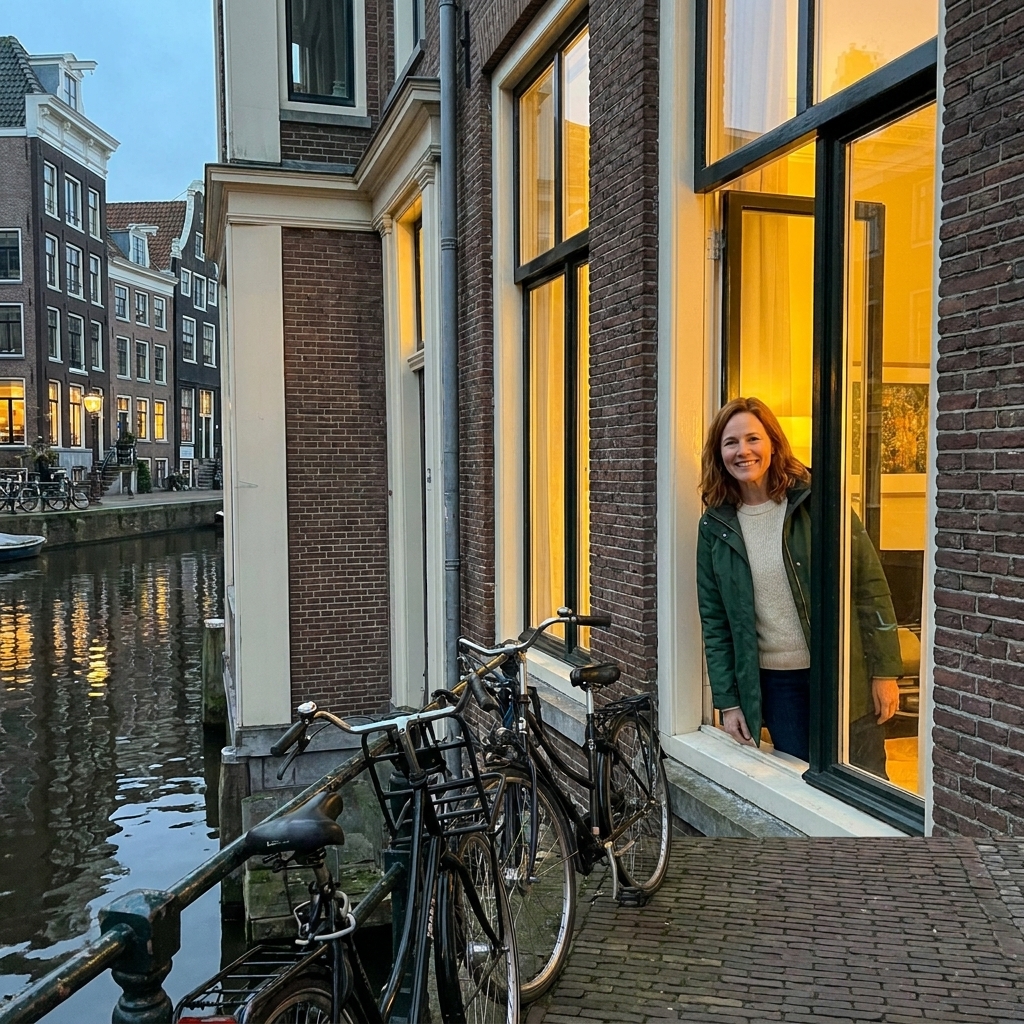
C/O Berlin | Berlin
C/O Berlin has a reputation for big, crowd-pleasing shows that still respect the audience’s intelligence. The exhibitions frequently connect photography to politics, pop culture, and design, without turning the experience into homework. You will likely leave wanting to rewatch a film, reread a novel, or call a friend and argue gently about what an image owes the truth.
- Go for: ambitious exhibitions with strong cultural framing.
- Plan: a little extra time for the shop and talks if you can.
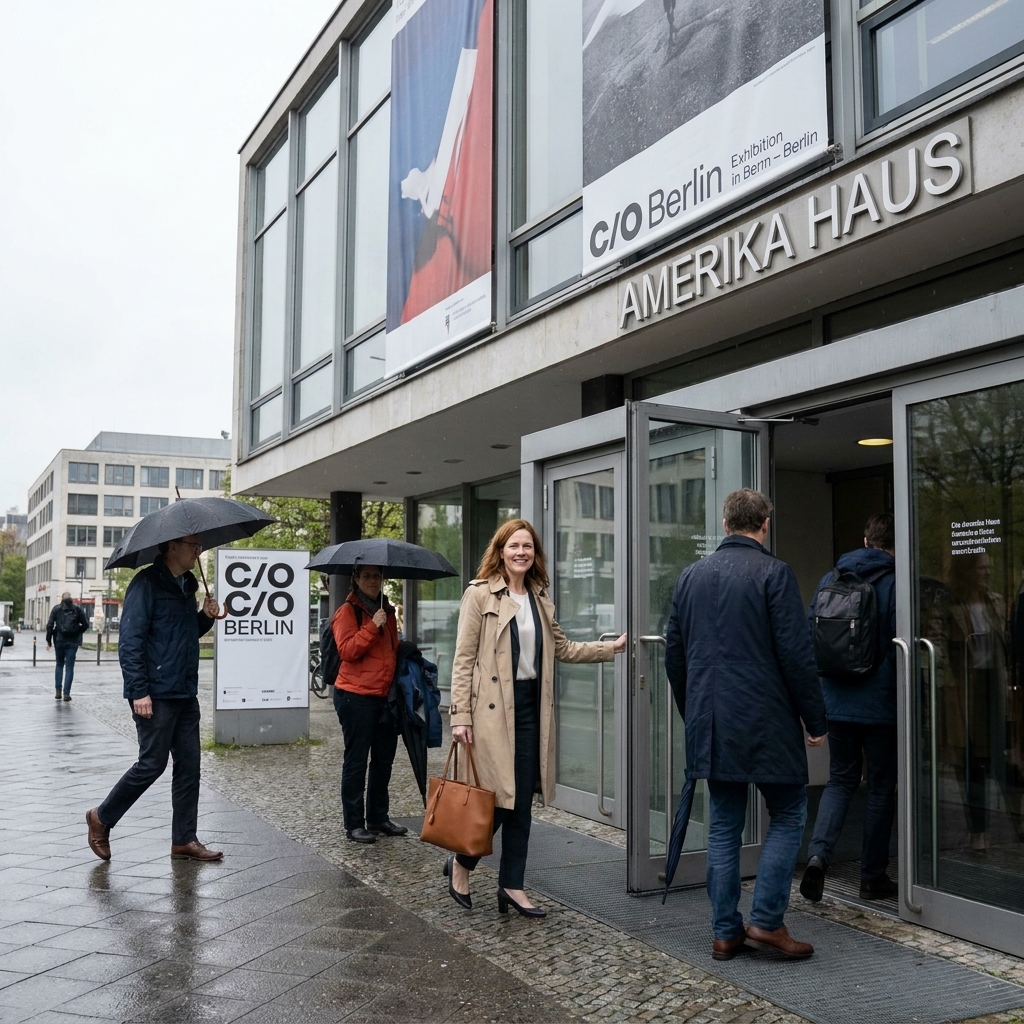
Fotomuseum Winterthur | Winterthur, Switzerland
For visitors who like their photography contemporary, critical, and thoughtfully presented, Fotomuseum Winterthur is essential. It has long championed artists working at the edges of the medium, including image-makers grappling with digital culture and the way photographs live online now.
- Go for: forward-looking work and careful curatorial research.
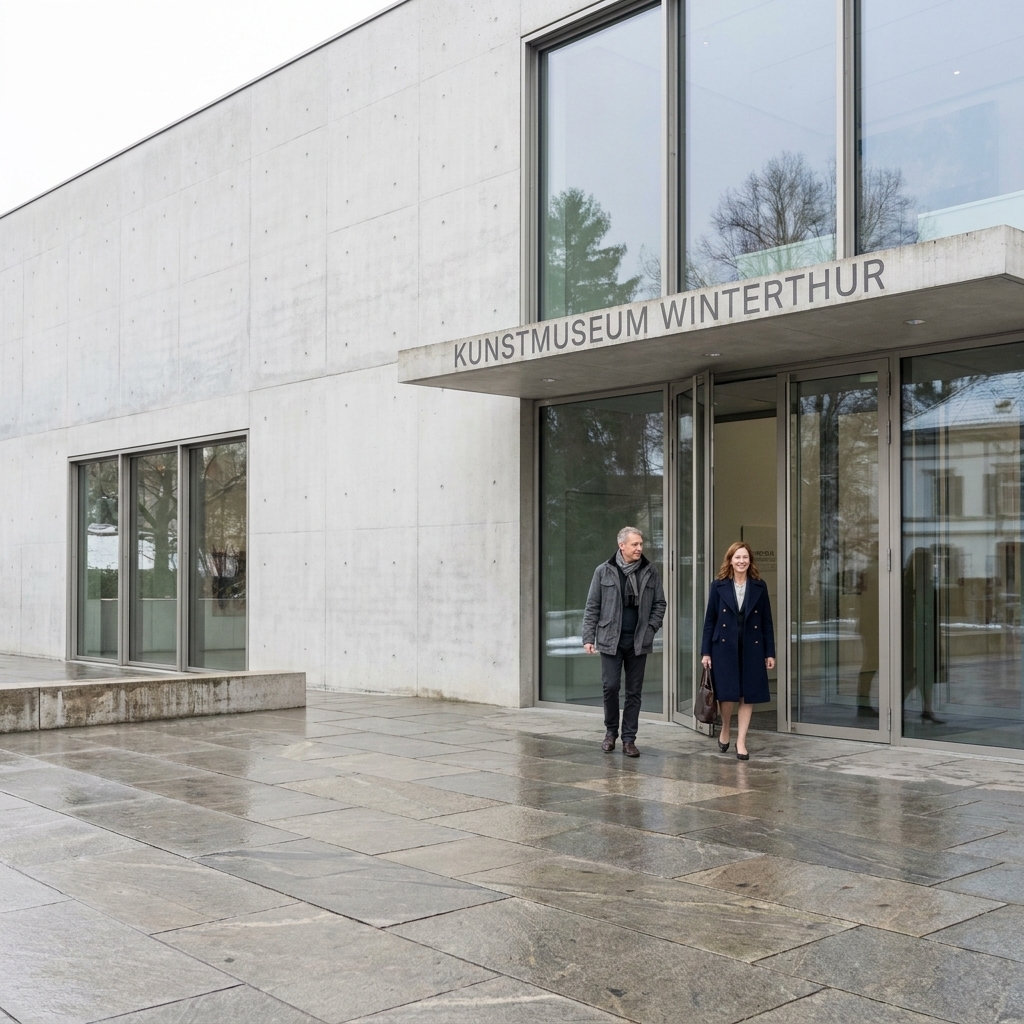
Les Rencontres d’Arles | Arles, France
Not a single gallery, but a summer takeover that has shaped photography’s global conversation for decades. Shows pop up in churches, industrial spaces, and museums across town, which turns looking into a kind of performance. You pace yourself like you would at a theater festival, choosing what to see, what to skip, and what to let surprise you.
- Go for: a high-density immersion in international photography.
- Strategy: book accommodations early and build rest breaks into your day.
Asia-Pacific
Tokyo Photographic Art Museum | Tokyo
Tokyo’s devotion to craft makes this museum feel like a masterclass in how photographs are made and seen. Programming often spans Japanese masters, international work, and exhibitions that foreground printing, sequencing, and the physical object. If you love the smell of a good photobook and the quiet drama of a dark tonal range, come here.
- Go for: Japanese photography and impeccably installed exhibitions.
- Tip: leave time for the surrounding Ebisu area, which is built for a post-museum stroll.
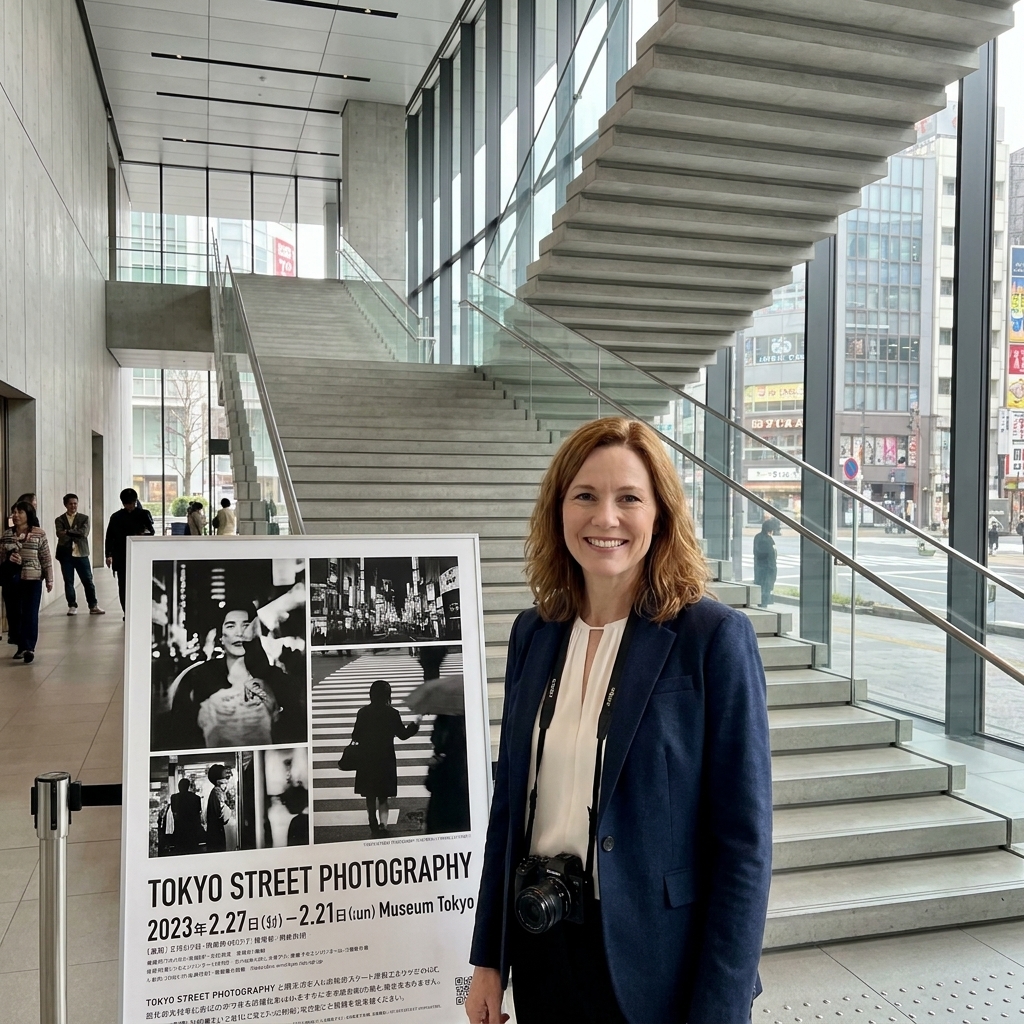
MMCA Seoul (Samcheong-dong) | Seoul
MMCA is not photography-only, but its photography exhibitions and acquisitions have helped elevate the medium within a broader contemporary context in Korea. If your trip is about seeing how photography converses with video, installation, and performance, this is a smart anchor stop.
- Go for: photography in dialogue with contemporary art practices.
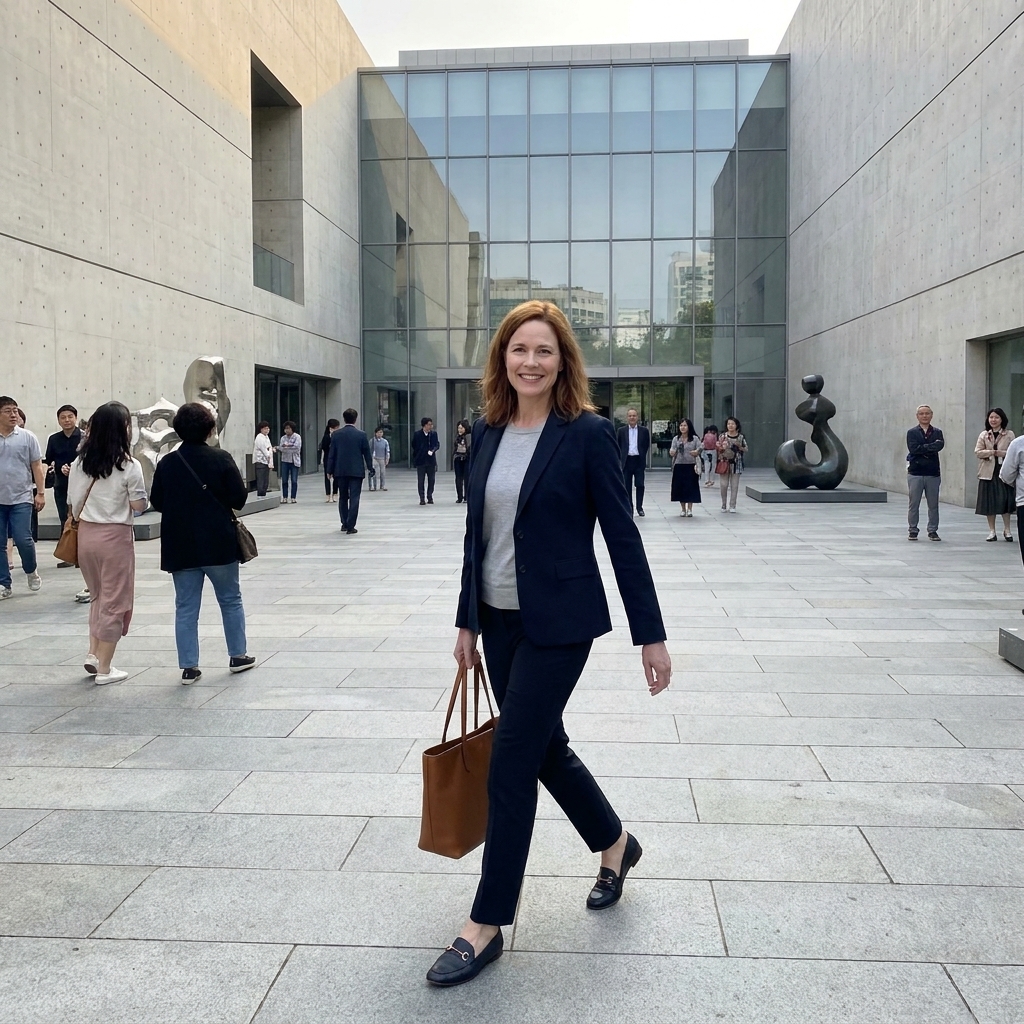
Centre for Contemporary Photography (CCP) | Melbourne
Melbourne’s Centre for Contemporary Photography is the kind of place that keeps the medium honest. The exhibitions are contemporary and closely argued, with an eye on the living present rather than nostalgia. If you want to understand how photography thinks in Australia right now, start here and follow the threads outward.
- Go for: contemporary Australian photography and tight, idea-forward shows.
- Planning note: check the talk and workshop calendar, because the public programs often match the ambition of the exhibitions.
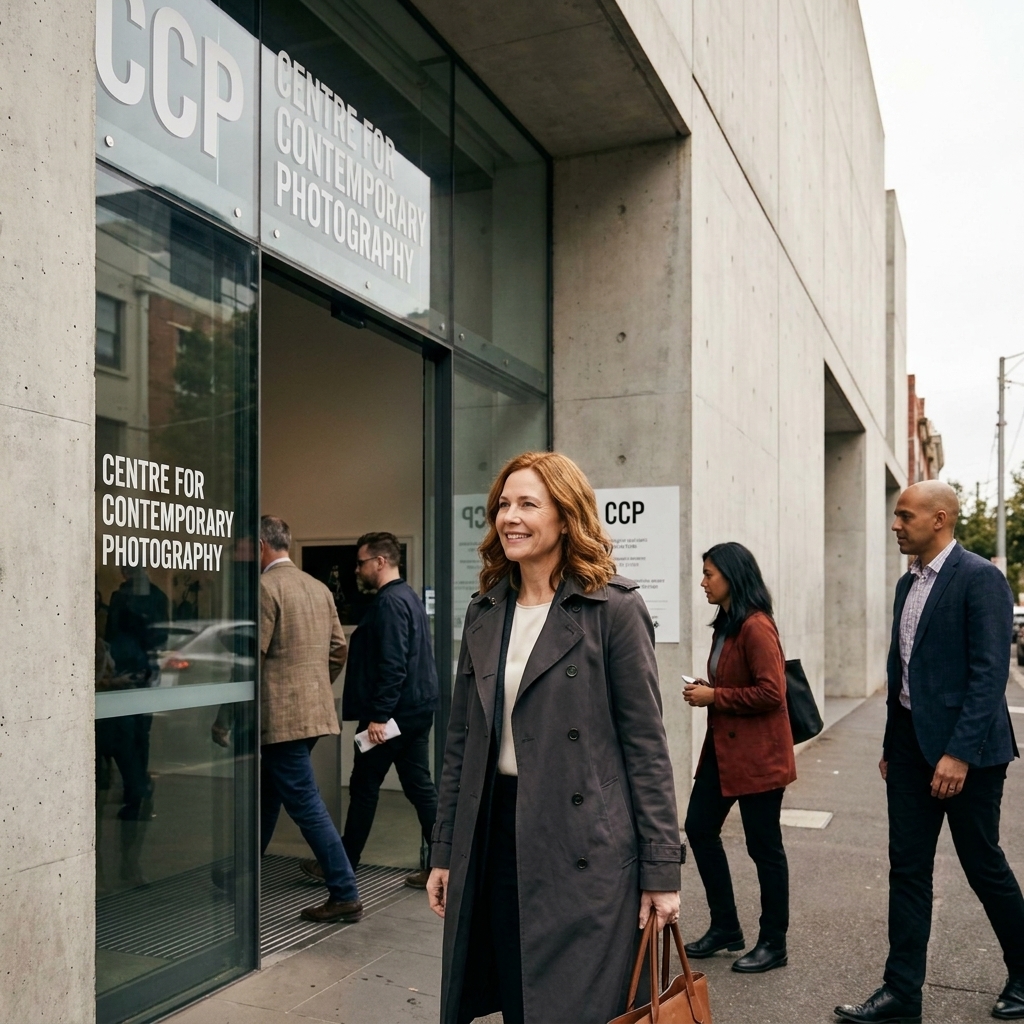
National Gallery of Victoria (Photography) | Melbourne
NGV is not a photography-only institution, but it is one of the most reliable places in Australia to catch photography presented with serious care, whether as standalone exhibitions or as part of larger contemporary seasons. It is where you go when you want the argument to be ambitious, and the installation to be precise.
- Go for: museum-scale presentations and photography within broader visual culture.
- Tip: check what is on at both NGV International and The Ian Potter Centre: NGV Australia before you plan your day.
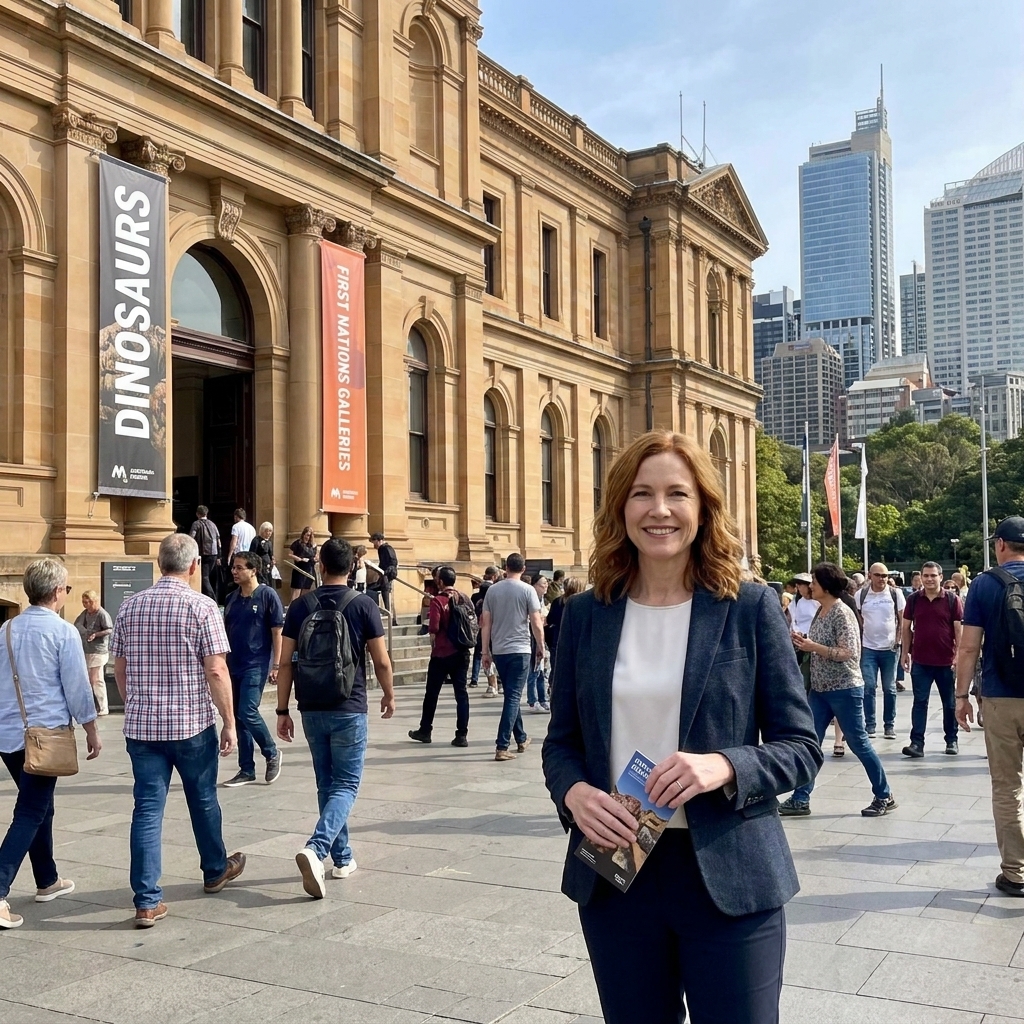
Art Gallery of New South Wales (Photography) | Sydney
Sydney’s most useful advice for photo travelers is simple: check seasons. When the Art Gallery of New South Wales goes photography-forward, it does it with scale, scholarship, and the kind of institutional attention that changes how you read an image. Even when photography is threaded through broader shows, the city rewards the patient viewer.
- Go for: major exhibitions and strong cross-medium context.
- Planning note: confirm exhibition dates before you book flights, because the best photography here often arrives as a headline temporary show.
Africa
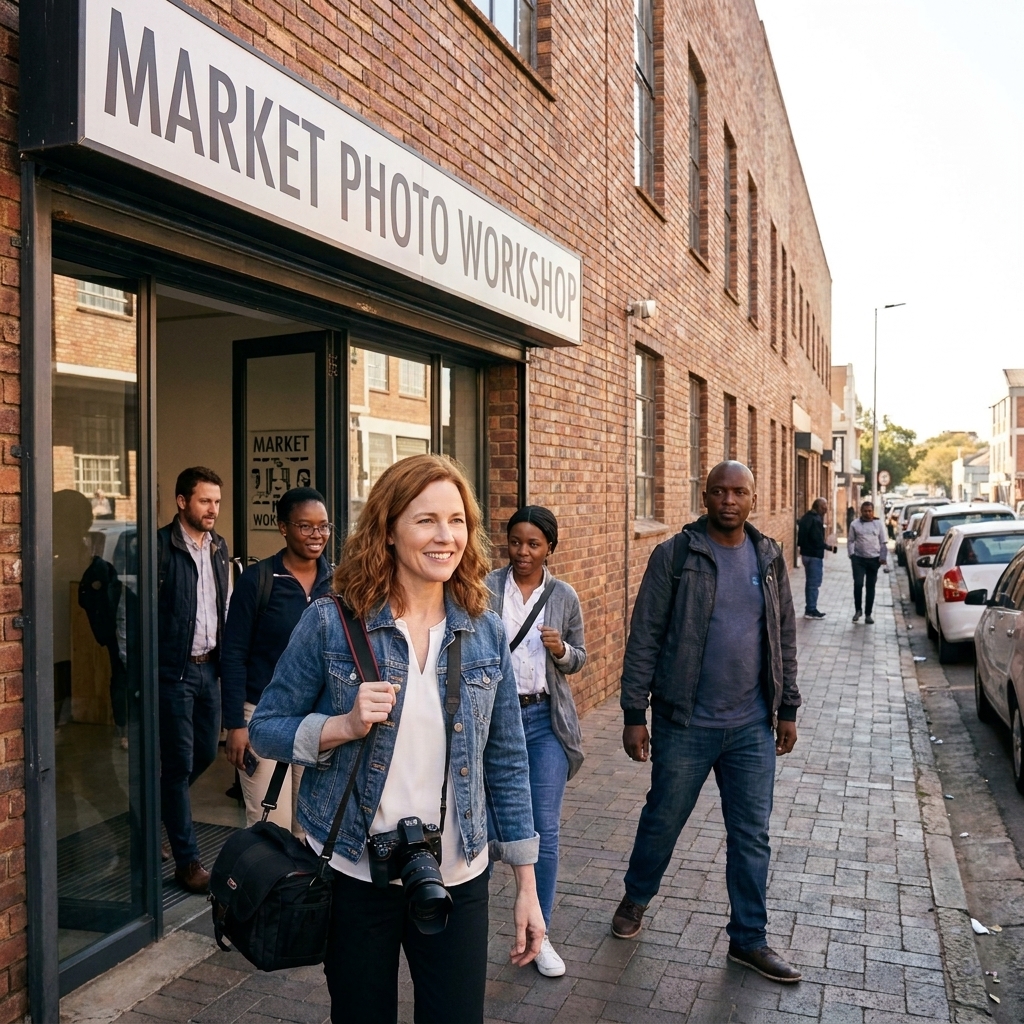
Market Photo Workshop | Johannesburg
Market Photo Workshop is not just a place to look at photographs. It is a place where photographs get made, debated, and sharpened. Founded to expand access and authorship, it has become one of the most important institutions for understanding South African photography as practice, education, and civic language.
- Go for: emerging voices, documentary traditions, and community-rooted visual storytelling.
- Tip: look for exhibitions tied to student cohorts and alumni. That is often where the energy is loudest.
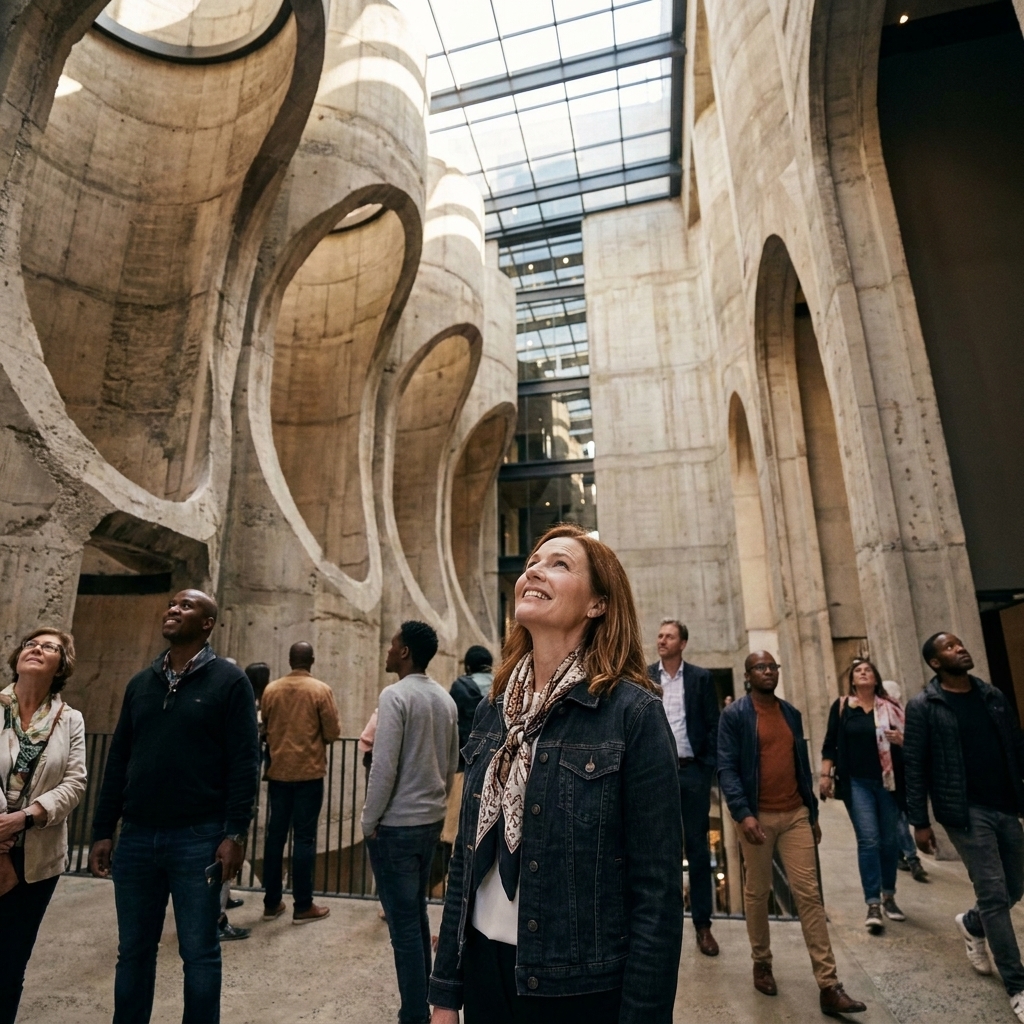
Zeitz MOCAA | Cape Town
Zeitz MOCAA is not photography-only, but it is a crucial stop if you want to see how photography sits inside a broader contemporary African conversation. When the museum gets the photographic mix right, it can make you feel the shift from single image to larger narrative, from art object to cultural evidence.
- Go for: photography in dialogue with contemporary African art, plus ambitious installations and cross-medium shows.
- Best approach: treat photography here as part of a wider ecosystem, not a separate wing.
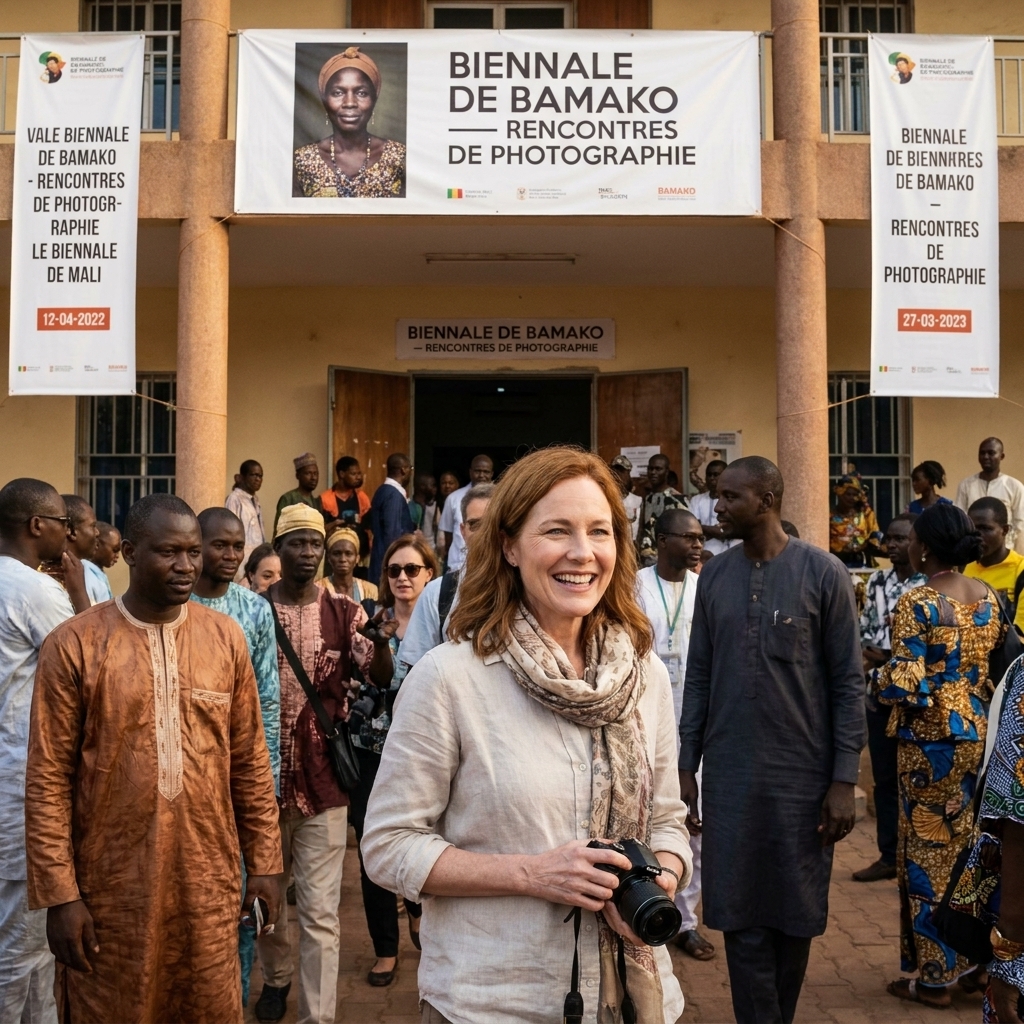
Bamako Encounters | Bamako, Mali
Biennials can change the map of a medium, and Bamako Encounters has done exactly that for African photography. It is a citywide pulse, an argument in exhibitions, and a chance to see work presented with local stakes and international reach. If you are serious about photography’s future, this belongs on your calendar. Check the dates before you commit, since schedules can shift from edition to edition.
- Go for: a concentrated view of African photography across generations and geographies.
- Strategy: plan early and build in time for talks and panels. The conversations are part of the exhibition.
Global circuit
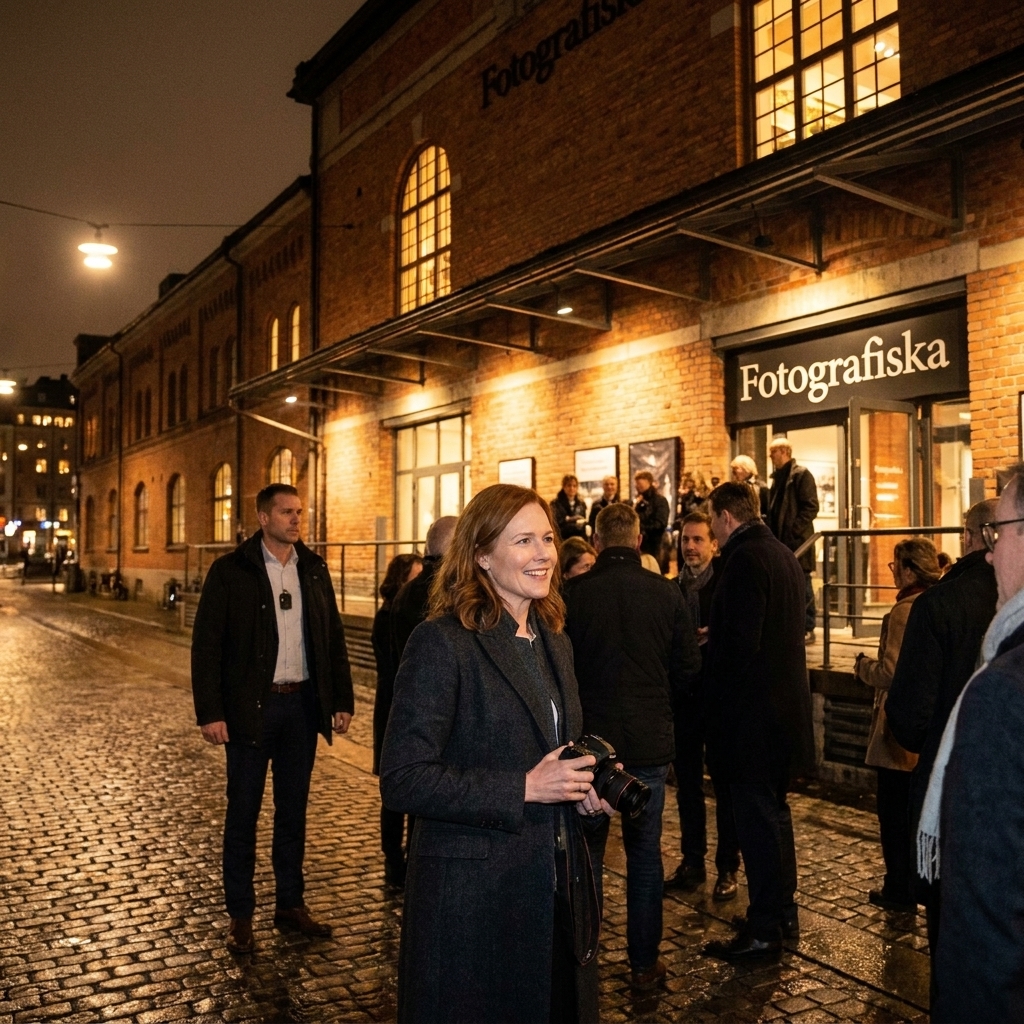
Fotografiska | Multiple cities
Fotografiska is not a traditional collecting museum. Think kunsthalle model: no permanent collection, but a steady churn of touring exhibitions with high production values, late hours, and a social pulse that makes photography feel like a night out as much as a daytime pilgrimage. The influence is real, even when the model is different.
- Go for: big contemporary shows, strong programming, and extended hours.
- Find it in: locations vary over time, so verify what is currently operating when you book. Commonly cited cities include Stockholm, New York, Berlin, Tallinn, and Shanghai.
Why these places matter
You can feel it when a venue is shaping the conversation instead of just hosting it. Here is what I watch for, both as a critic and as a person who reads the whole playbill.
- Collections that matter: not only famous names, but the supporting archive that shows how images were made, circulated, and contested.
- Exhibitions with stakes: a clear curatorial argument, even if you disagree with it.
- Printing and installation quality: photography lives or dies in the details. Bad lighting is basically heckling.
- Publishing culture: catalogues, magazines, and photobooks that extend the work’s life.
- Education and access: talks, workshops, screenings, and community programs that treat audiences as collaborators, not consumers.
Plan your trip
Give your eyes a rhythm
Photography looking is intense. Plan one major museum, one smaller gallery, and one non-museum visual activity per day. That third slot could be a neighborhood walk, a photobook store, or a low-stakes café where you can process what you just saw.
Book timed tickets and check bag rules
Many museums now use timed entry, and some photography exhibitions are strict about backpacks and coats. A small crossbody bag and a layer you can tie around your waist will save you from the cloakroom line.
Do the bookstore last
This is not just consumer advice. Photobooks and catalogues make better sense after you have seen the show. Also, your suitcase will not judge you if you wait until the end.
Try the two-minute rule
Pick two photographs in each room and give them a full two minutes. Notice the edges. Notice the light. Notice where your eye keeps returning. That small commitment changes the entire visit.
FAQ
Are photography museums worth it if I mostly take pictures on my phone?
Absolutely. In fact, it can make the experience richer. Seeing master prints and thoughtfully sequenced shows will change how you think about framing, light, and storytelling, no matter what device is in your hand.
How long should I budget for a dedicated photography museum?
For a mid-sized venue, 90 minutes to 2.5 hours is a sweet spot. If there is a major retrospective plus a second show, go closer to three hours and schedule a break.
Do these venues allow visitors to photograph the photographs?
Sometimes. Policies vary by institution and exhibition. When in doubt, look for signage at the entrance to each gallery. And even when it is allowed, consider taking notes instead. Your memory deserves a few unmediated minutes.
What is the best season for photography travel?
Spring and fall are ideal for cities with heavy museum traffic. For festivals, plan around their calendars. Arles in summer is a classic for a reason, but it rewards early planning and comfortable shoes.
Your next stop
If you want a single place to start, choose based on your relationship to photography:
- For the history lover: George Eastman Museum
- For the contemporary explorer: ICP, FOAM, C/O Berlin
- For the craft purist: Tokyo Photographic Art Museum
- For the festival thrill: Les Rencontres d’Arles, Bamako Encounters
Wherever you go, try this: read the wall text, then step back and let the photograph speak without translation. The best galleries do not just show you images. They teach you how to look, and how to keep looking after you leave.