Spring does something predictable to the eye. The light changes, the afternoons stretch, and suddenly everyone wants to look at things on purpose. If you have even a mild weakness for a well-hung gallery wall or the quiet thrill of a print that holds its darkest blacks, this is your season.
This is not a roundup of what is currently open. It is a watch list: ten contemporary photography exhibitions from roughly 2020 to 2024 that I keep thinking about, the ones that stayed in my head after the wall text ended. Some toured, some returned in new versions, and several of these artists keep reappearing in major collections and institutional chapters. Treat this like a reference shelf. When a name shows up on a museum calendar near you, you will know it is worth rearranging your weekend.
These are institutional touchstones, not a global survey. One caveat up front: the list tilts toward the US and Europe because that is where these specific exhibitions landed institutionally. Use the names, not the addresses.
Selection note: I chose institutional shows where installation, sequencing, and the logic of a series did as much work as any single image. The point is not “best,” it is “still useful.”
1) LaToya Ruby Frazier
LaToya Ruby Frazier: Monuments of Solidarity (Museum of Modern Art, New York, 2024) makes a familiar argument feel newly urgent: the personal is infrastructural. It is a project-driven exhibition with a documentary backbone, but the real force comes from how the room insists on connections. Frazier’s work has the rare ability to be intimate and systemic at the same time. Labor, family, environmental violence, the long memory of place.
What I remember most is how the sequencing builds a civic argument out of personal histories. Portraits and sites keep speaking to each other. A family member’s face, a plant floor, a street corner, a hospital corridor. Then comes the curatorial pressure of adjacency: a body beside a building, a gaze beside a pipeline of decisions. The show treats the photograph as both evidence and elegy, without letting either mode get comfortable.
- Best for: Viewers who want documentary with teeth and tenderness.
- Don’t miss: The pairings of people and built environments, where the human and the municipal start to feel inseparable.
2) Zanele Muholi
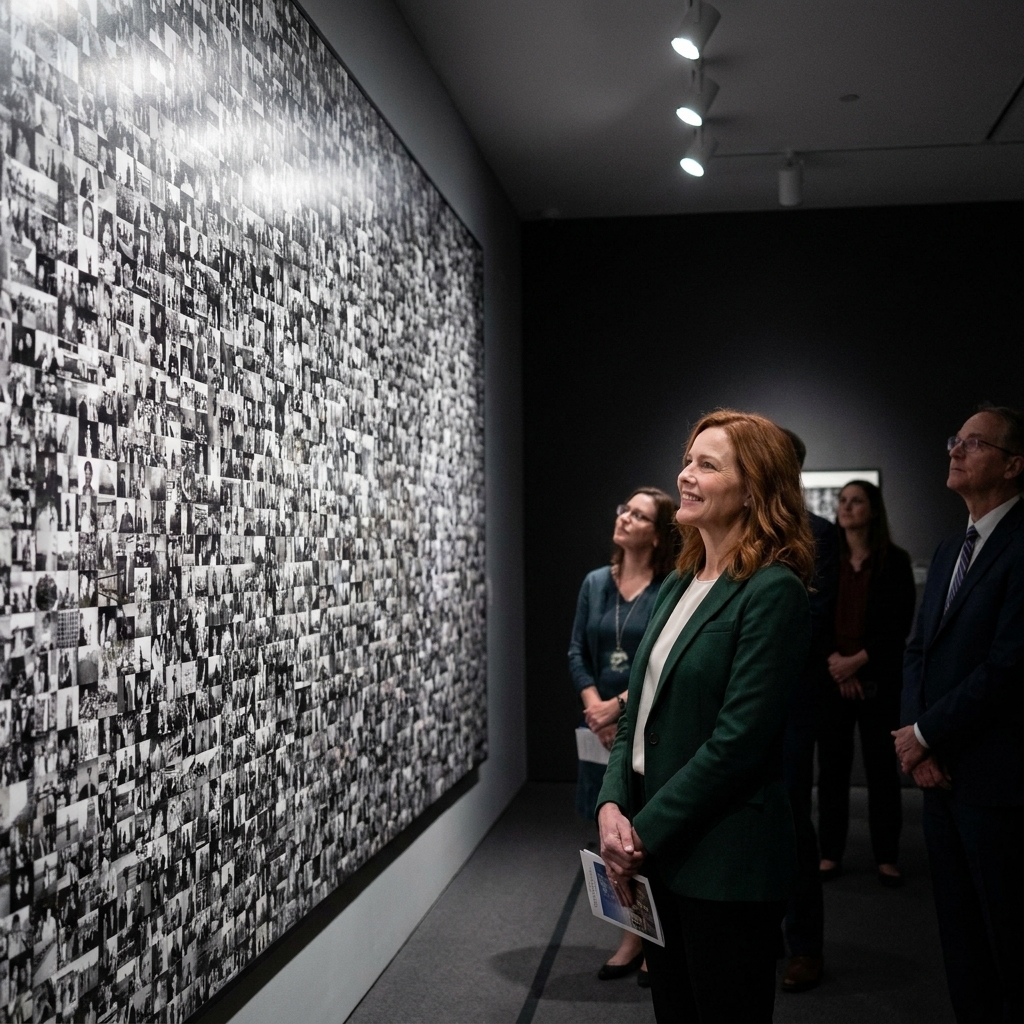
Zanele Muholi (Gropius Bau, Berlin, 2021) is the kind of survey that does not simply present portraits, it constructs a public record. The scale and repetition matter. They turn looking into witnessing, the way a chorus can turn a single voice into something that cannot be ignored. As a wide-ranging exhibition across multiple major series, it leans into accumulation as method.
Moving across series like Faces and Phases and Somnyama Ngonyama, the cumulative effect becomes the argument. Captions are not a courtesy here, they are structural information. Names, dates, places. The work teaches you how to read it, if you let it.
- Best for: Anyone who believes portraiture can be political without losing its poetry.
- Don’t miss: The dense hangs that let repetition do its slow, insistent work.
3) Wolfgang Tillmans
Wolfgang Tillmans: To Look Without Fear (Museum of Modern Art, New York, 2022–2023) felt less like a retrospective than a mind arranging itself in public. Bodies, politics, abstraction, club nights, everyday tenderness, and the occasional jolt of formal experimentation. The show is large-scale and installation-forward, with the kind of curatorial sprawl that makes meaning through proximity.
Size and paper choice shift the emotional temperature of the same subject. A small print can act like a private aside; a huge wall piece can feel like weather. And do not treat the ephemera and text as decoration. In a good Tillmans installation, those elements function like connective tissue, making the jumps between images feel earned.
- Best for: People who like their exhibitions a little messy in the best, most alive way.
- Don’t miss: The small works, where the show’s volume drops and you suddenly hear what is underneath.
4) Carrie Mae Weems
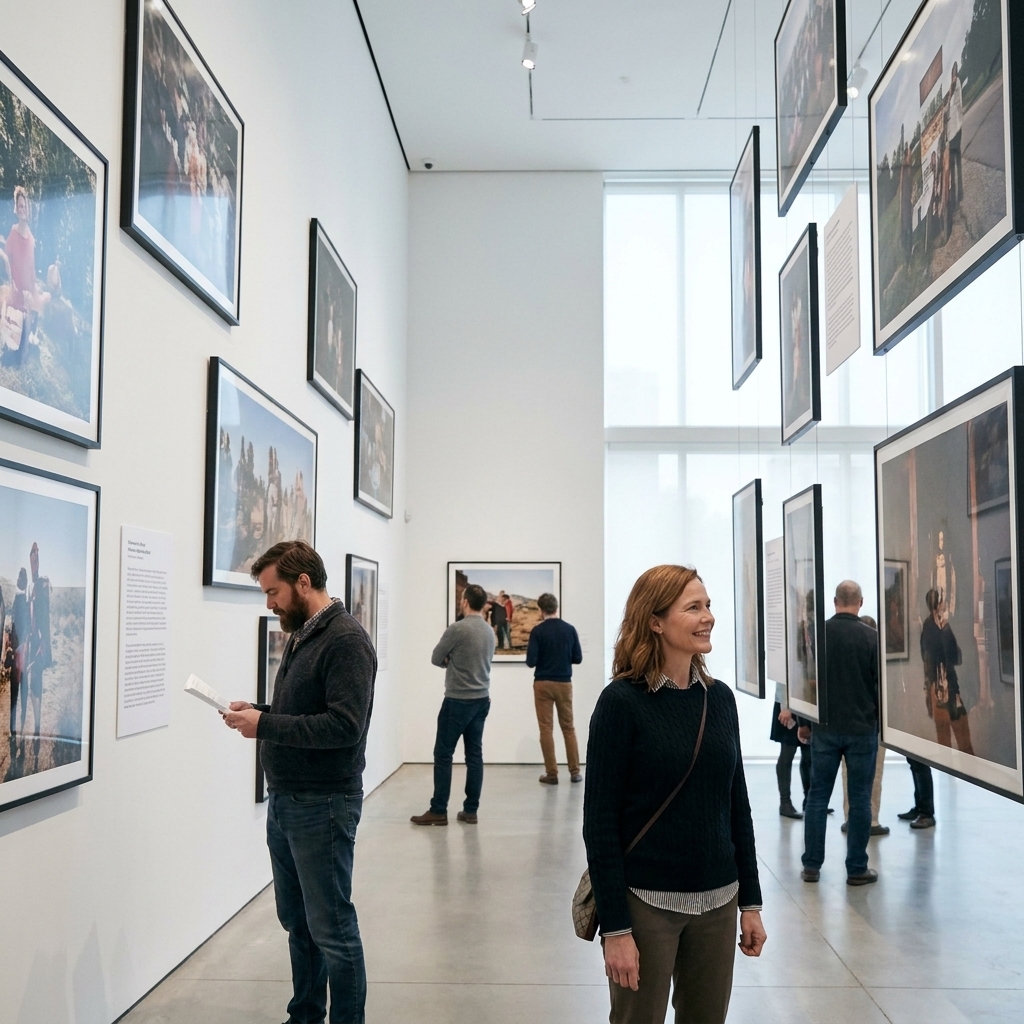
Carrie Mae Weems: Reflections for Now (Barbican, London, 2023) is what happens when an artist is given enough room to make the choreography of power visible. It plays as a survey with the weight and pacing of a mid-career statement, moving across key bodies of work without losing the thread of her voice. Weems has a way of making the act of looking feel like a choice you are responsible for.
Look for staging, text, and repetition. Her use of architectural imagery and institutional interiors can make a museum feel like a set lit for interrogation. A single gesture can tip from wry to devastating in the space of a caption. When her voice enters through wall text or recorded language, it is not supplemental. It is part of the structure.
- Best for: Viewers who want conceptual rigor without losing narrative heat.
- Don’t miss: The rooms where text and image meet, and the temperature shifts as you read.
5) Dayanita Singh
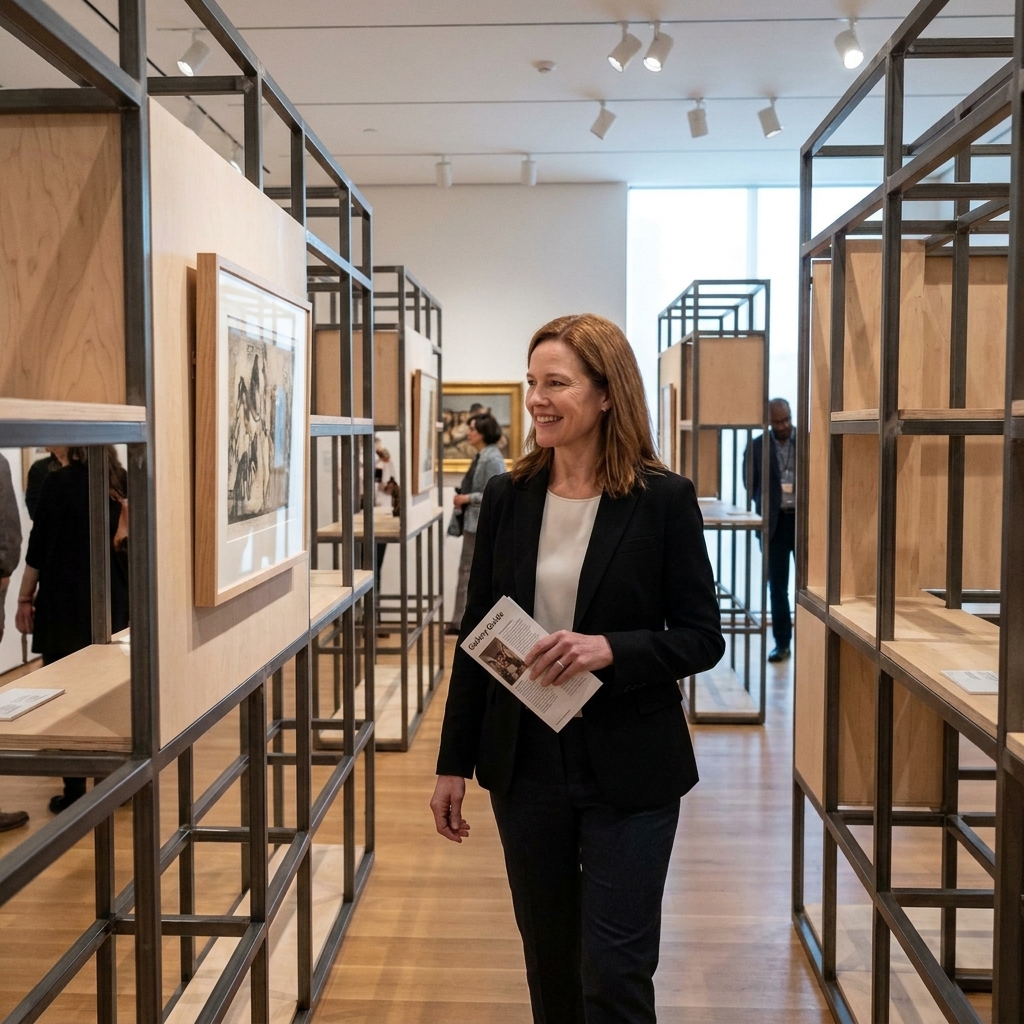
Dayanita Singh: Dancing with My Camera (Gropius Bau, Berlin, 2022) makes a persuasive case for the photograph as a restless object. It is retrospective-leaning, but what it really surveys is a way of thinking: photographs as books, as modular structures, as sequences that can be regrouped. Here, the format is not the container. The format is the argument.
What stays with me is how sequencing becomes architecture, and the archive stops behaving like storage and starts behaving like a living thing. Consider what changes when images move between wall groups, book logic, and display structures that feel closer to furniture than to frames. Meaning here is a matter of arrangement, and arrangement is the drama.
- Best for: Anyone who loves the idea of the archive as something you can rearrange with your hands.
- Don’t miss: Moments where the same images propose more than one order, and the work declares its mobility.
6) Dawoud Bey
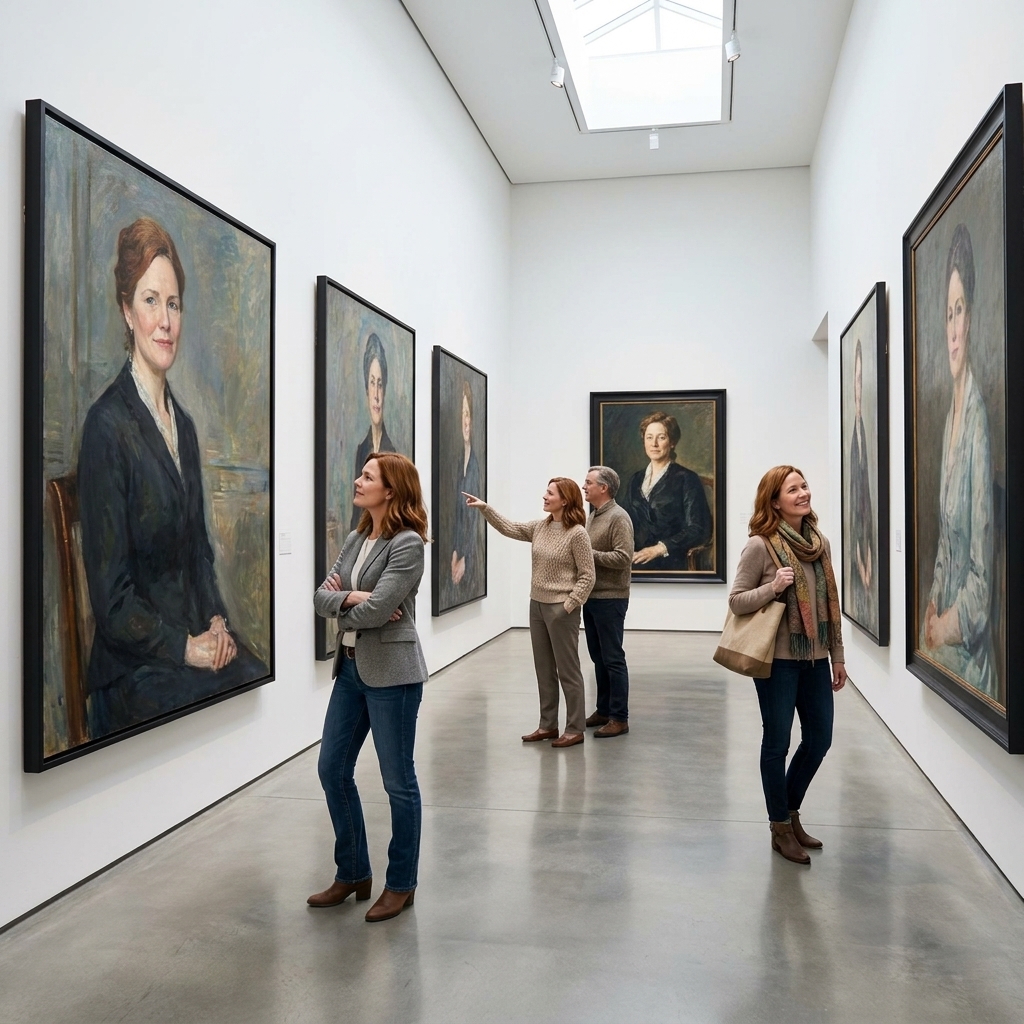
Dawoud Bey: An American Project (San Francisco Museum of Modern Art, 2020) is a retrospective that changes the pace of a building. Bey’s photographs feel like meetings, not captures. They model what it looks like to photograph people with dignity and complexity, without flattening them into symbols. Even in a museum context, the work keeps the ethics of attention in the foreground.
Scale changes your physical relationship to the subject, especially in the large color portraits where a face becomes a full-body encounter. If you catch works from a long-running series, stay with the continuity rather than hunting for a single definitive image. Bey’s power is cumulative: presence, patience, and the sense that the sitter is not being turned into a lesson.
- Best for: Viewers who want portraiture that feels like a conversation conducted with care.
- Don’t miss: The largest portraits, where the distance between you and the subject becomes the point.
7) Viviane Sassen
Viviane Sassen: Venus & Mercury (Huis Marseille, Amsterdam, 2020) lives in that charged zone where fashion, dream logic, and formal abstraction overlap. It is a tightly framed project show with a strong formal throughline, the kind that lets you feel an artist’s decisions repeat and mutate across a room. Sassen uses color and shadow like tools for mischief, and the results can feel playful and unnerving at the same time.
Bodies become geometry. Edges, occlusions, and the way light creates its own subject do a lot of the talking. Often the most important figure in the frame is the shadow, and the tension sharpens precisely where the subject refuses to fully appear.
- Best for: Anyone who likes their images a little slippery and strange.
- Don’t miss: Works where the subject is partially obscured, and the picture starts to behave like a riddle.
8) Deana Lawson
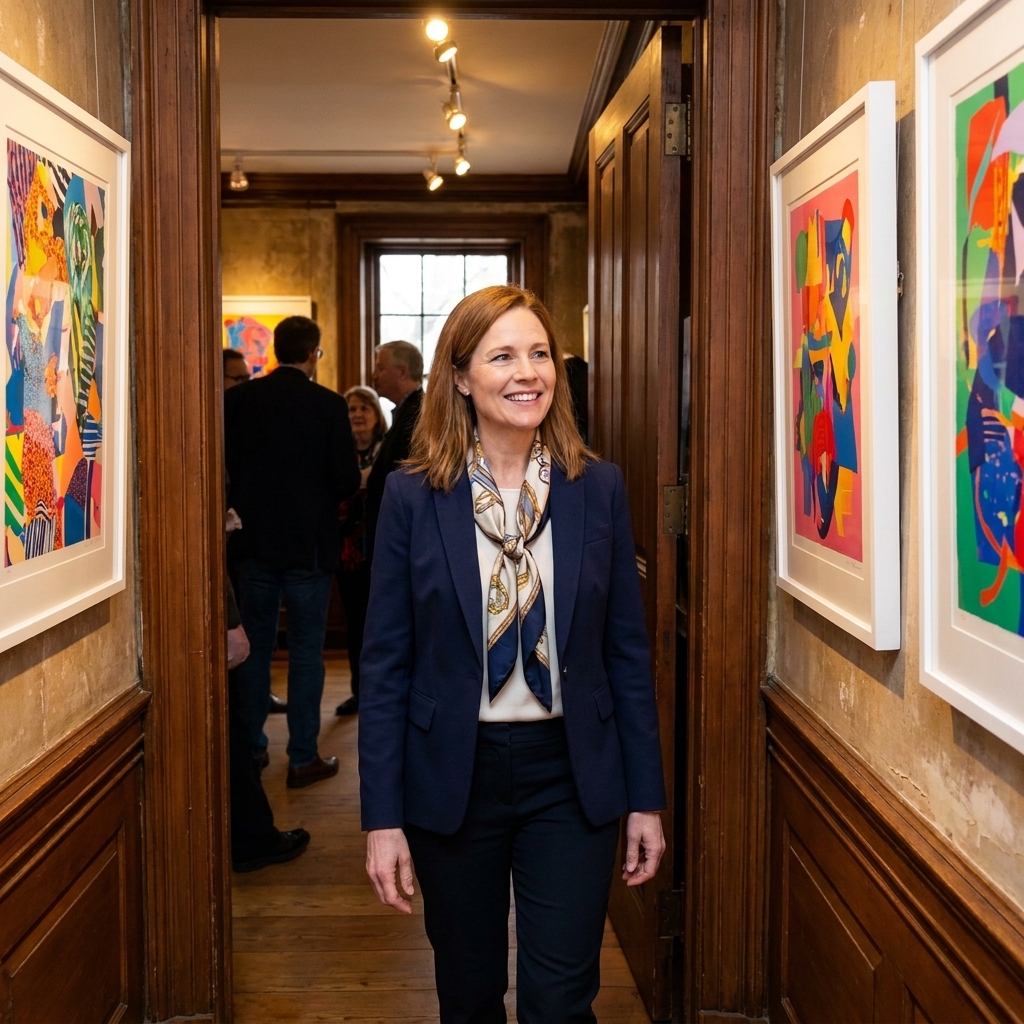
Deana Lawson (Institute of Contemporary Art, Boston, 2021–2022) made portraiture feel like mythmaking without ever losing its grip on the present tense. It plays as a survey of staged portraiture and its symbolic mechanics, and the installation lets the work build a kind of slow pressure. The domestic becomes ceremonial. The ordinary becomes charged. Her images ask what it means to be seen with intensity, and who gets to control that intensity.
Symbolic details look casual until they do not. Mirrors, curtains, posture, the geometry of the room, the way a bedspread or a doorway starts behaving like a stage. Lawson is meticulous about what gets to enter the frame, and every choice is doing narrative work. The longer you stay, the more the room starts to speak back.
- Best for: Viewers who want portraiture that reads like a spell.
- Don’t miss: The images where domestic space turns overtly theatrical, and the symbolism starts to hum.
9) Theaster Gates
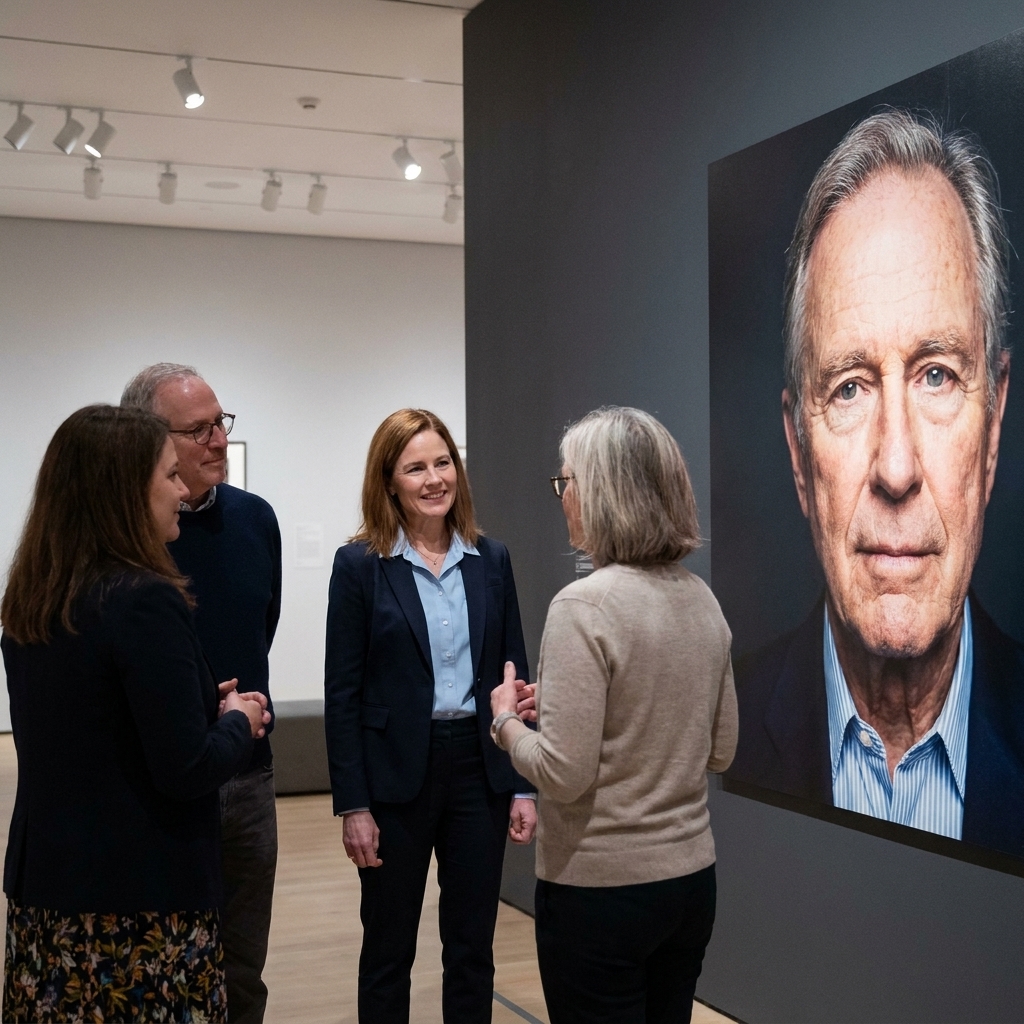
Theaster Gates: Young Lords and Their Traces (New Museum, New York, 2022–2023) is here because it treats photographs and photographic ephemera as load-bearing material. This is an archival, installation-driven project built around photographic matter, printed matter, and the institutional frame itself. Images do not illustrate a thesis. They are the spine of the thesis, the proof of contact, the record of a movement’s life inside and outside the frame.
Images move through systems here. Give the vitrines their due: reproduced documents, posters, and contact-with-history objects that can look secondary at first glance. That is often where the center of gravity is hiding. If there are public programs attached to a presentation of this work, treat them as part of the artwork’s logic. In Gates’s world, the exhibition frequently has a bloodstream.
- Best for: Anyone who likes art that thinks structurally.
- Don’t miss: The archive moments, where ephemera and framing do as much work as any single image.
10) Guanyu Xu
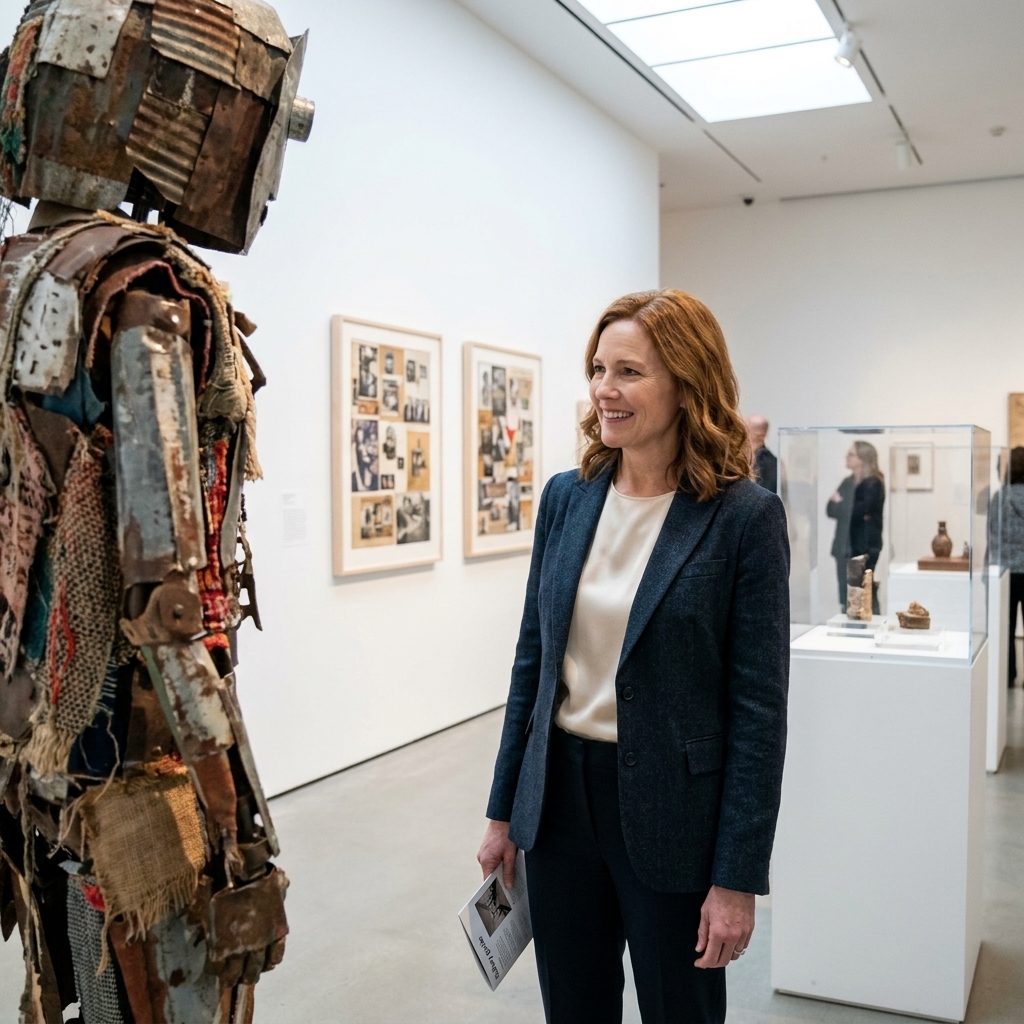
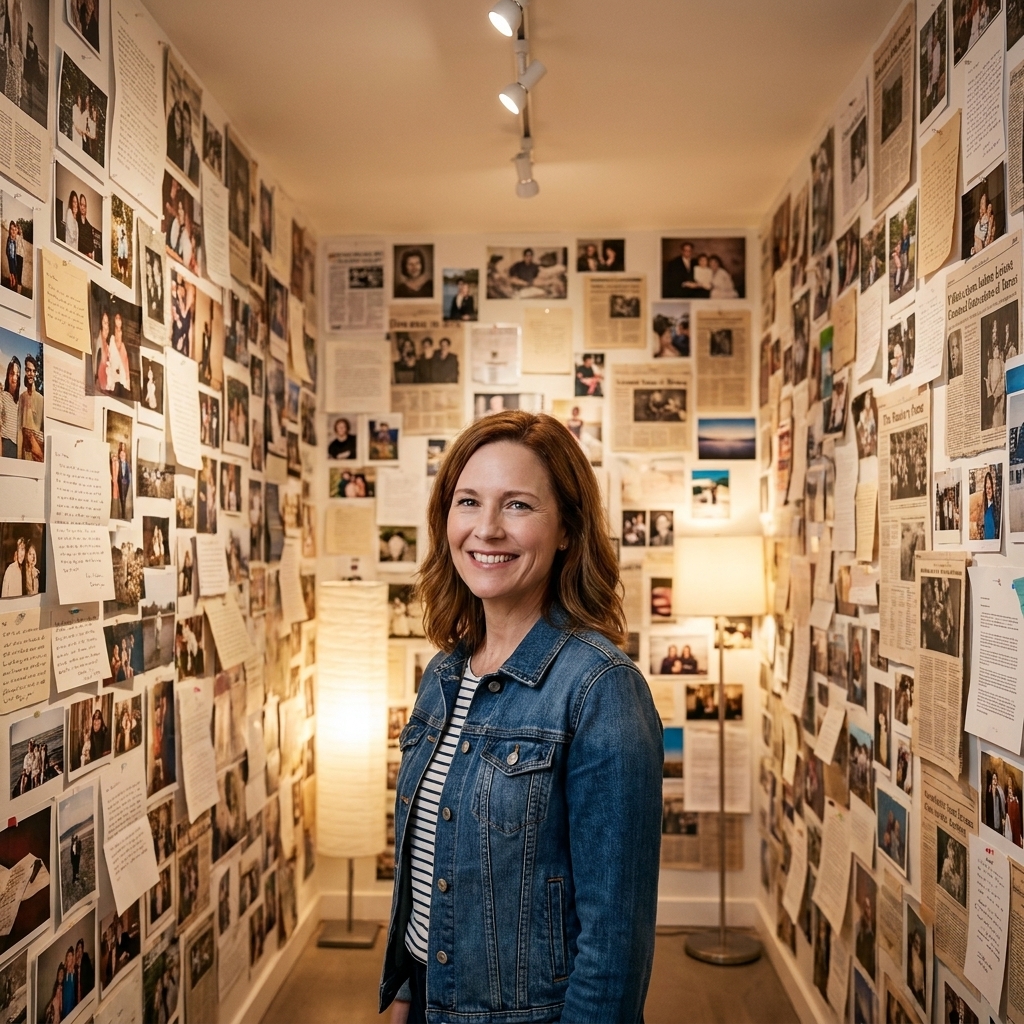
Guanyu Xu: Parallel Rooms (Museum of Contemporary Photography, Chicago, 2020) is the kind of photography you do not just view, you navigate. It is installation-first, built from personal archive and domestic space, and it understands the home as both refuge and battleground. The work is lush, vulnerable, and frankly brave, pulling private imagery into public view without sanding off the conflict.
Photographs behave differently when they become environment. Personal archive, wallpaper, and installation scale turn memory into something you walk through, not just something you stand in front of. The most vivid moments are often threshold moments: a corner packed to density, a doorway that turns into a frame, a tender image forced to share wall space with the reality of what cannot safely be said. That friction is the pulse.
- Best for: Viewers who like photography that becomes a room you have to move through.
- Don’t miss: The corners and doorways, where architecture and autobiography lock together.
How to use this list
- Use it like a radar: If one of these names pops up in a museum schedule, collection hang, biennial, or touring survey, take it seriously. These are artists whose work tends to reward the room it is given.
- Track institutions, not addresses: For past shows, the point is context. Where a project landed, and what kind of museum held it, often tells you how it might reappear later.
- Read in sequences: Start with one full series before bouncing around. Many photographers think in chapters, not single images.
- Take the catalogue seriously: If the work stays with you, the book is not souvenir culture. It is an extension of the exhibition’s argument.
- Use museum archives: Most institutions keep past exhibition pages with installation views, checklists, and press PDFs. Those pages are often the fastest way back into a show you missed.
If you only see one: Pick the artist whose method matches your mood. For documentary with stakes, follow Frazier or Bey. For portraiture that turns the room into a tribunal, go to Weems or Lawson. For installation and sequence as the point, take Singh or Xu.
Bias note: This list leans US and Europe because that is where these particular exhibitions landed institutionally. If you are elsewhere, use the names, not the addresses. Follow the artist, then follow the museum archive: touring versions, collection rehanging, and catalogue afterlives are often where the work becomes newly legible.
Note: Exhibition titles, punctuation, and run dates can vary slightly across touring versions, institutional styling, and archive listings. If you are citing specifics, use the hosting institution’s archive page as the source of record.