I grew up in Chicago in a family that treated backstage like a second living room. I learned early that applause is not just noise, it is communication. It tells performers, musicians, stagehands, and everyone in the booth that what they built together is landing in the room. Still, if you have ever hovered with your hands half-raised wondering, “Is this a clapping moment?” you are not alone.
The good news: you do not need a secret handshake to applaud at plays and musicals. You just need a few common cues and a little awareness of the people around you.
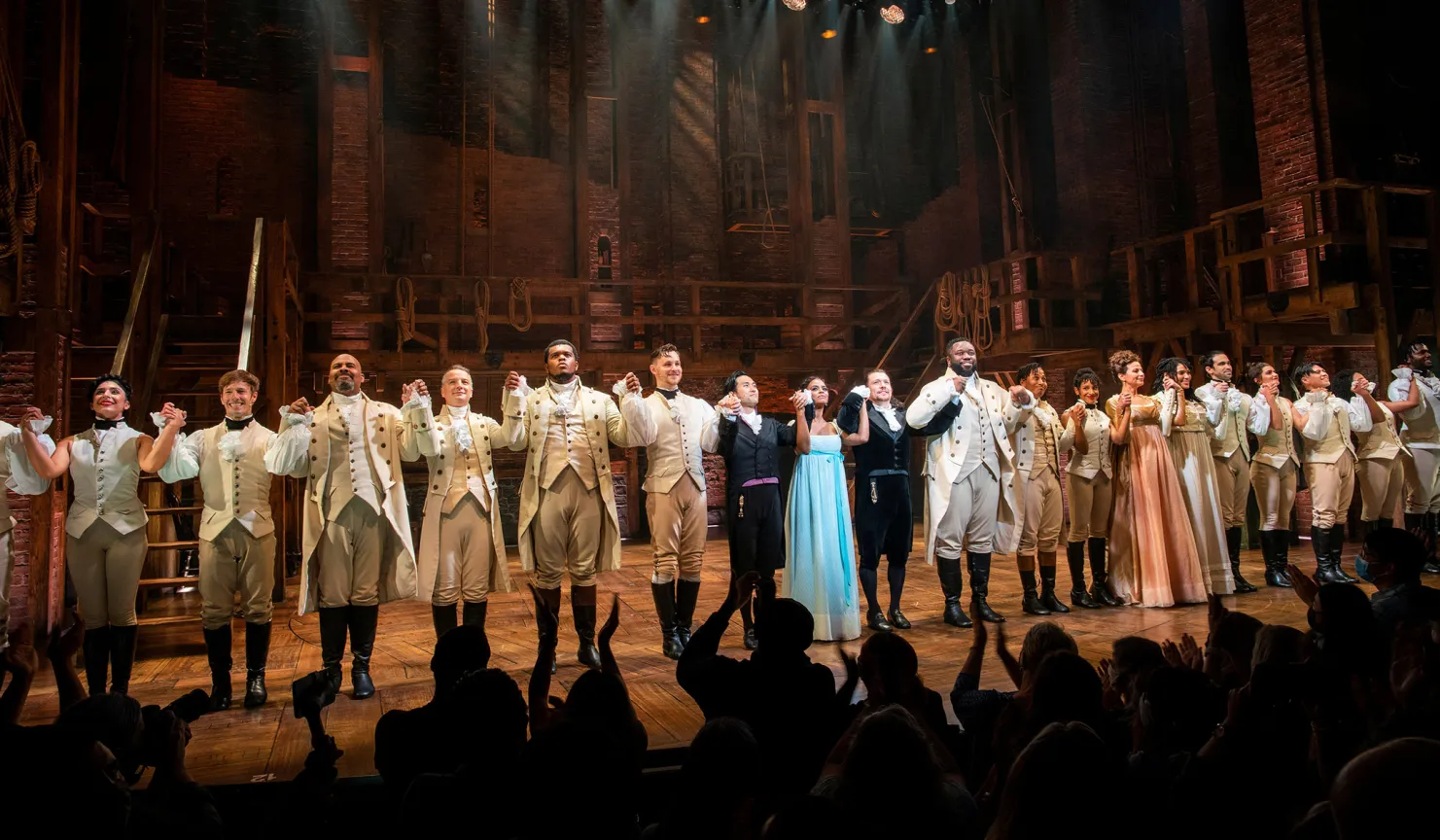
The big rule: applause should support the story
In non-musical plays (often called “straight plays”), the “music” is often the rhythm of dialogue. In musicals, the “music” is literally the music. In both, the goal is the same: let applause celebrate a moment without interrupting the next one.
If your clapping would cover a line, step on a quiet transition, or break tension the actors are carefully holding, it is usually better to save it for the next natural break.
One important caveat: applause culture varies. Broadway and big touring houses can be louder and quicker to respond. Smaller regional theaters, community theater, and many UK and European audiences often stay quieter during the action. None of that is “more correct.” It just changes what feels normal in the room.
Common times to applaud
1) Before the show starts
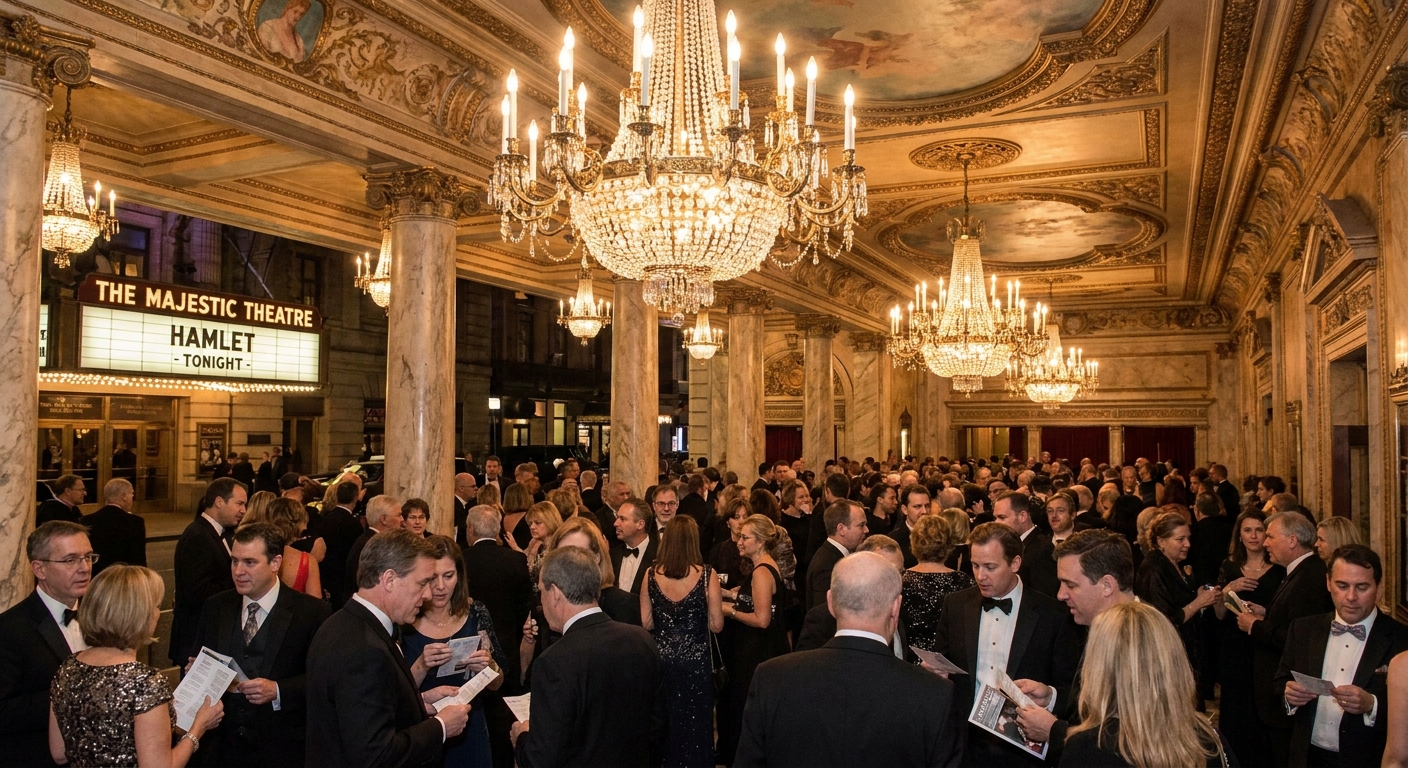
You may hear applause when the house lights dim, when the conductor steps into the pit (if visible), or when a pre-show announcement wraps. In some venues it is a standard little “we are here and ready.” In others, the room stays quiet until the first moment lands.
If it starts, join in. If it does not, no worries. Either way, keep it brief. You are not trying to win an audition for “Most Enthusiastic Patron.”
2) Entrance applause
When it happens: a star entrance, a beloved character’s first appearance, or a surprise cameo moment.
How to do it well: clap, cheer if the room is cheering, then let it taper quickly so the actor can deliver the next line. Many productions build a tiny pause into the blocking for exactly this reason, so do not stress about taking a beat. Just be ready to stop as soon as dialogue starts.
In plays: entrance applause is less constant, but it can happen for well-known actors or a big reveal.
In musicals: it is more common, especially in commercial productions with recognizable casting.
3) After a song
This is the most straightforward applause point in musical theater: the end of a number. If the song finishes and there is a clear button, cutoff, or held pose, applause is welcome.
One tip from years of sitting near the front: if you are unsure whether the song is actually over, watch for physical punctuation. A held final pose, a visible breath release, or a lighting shift often signals, “Yes, this is the end of the number.”
4) After a big moment or scene
Plays do get applause, just at different hinges. Common moments include:
- End of an act: applause is expected when the lights go out for intermission.
- End of a scene with a clear blackout: if the stage goes dark, that is a natural break.
- A knockout monologue: if the actor finishes and there is a beat of silence before the next action, the room may clap.
If a monologue ends and another actor responds instantly, skip it. The best compliment you can give is your attention.
5) Curtain call
Yes, applaud. This is the designated time to be generous.
Curtain call applause usually has a few waves:
- Initial applause as the cast returns to bow
- Bigger applause as principals step forward
- Peak applause for standout moments, and often for the conductor or musicians if they are acknowledged
A standing ovation is optional. If you loved the show, stand. If you admired elements but are not moved to stand, enthusiastic sitting applause is completely respectable.
Mid-number clapping: when it works and when it does not
Mid-number applause can be thrilling, but it is also the easiest way to accidentally drown out lyrics, a punchline, or a musical transition.
When it is usually welcome
- After a show-stopping vocal run or high note that lands on a sustained moment
- After a dance break where the music hits a button and the choreography punctuates it
- When the performer clearly holds for it and the orchestra sustains or resets
When to hold back
- During rapid-fire lyrics where every word matters
- During quiet acting songs where the emotional tension is the point
- During transitions where the music keeps moving and applause would blur the next phrase
If you are in doubt, give yourself a two-second rule. If the moment is still hanging in the air after two seconds, applause probably fits. If the next line is already arriving, keep listening.
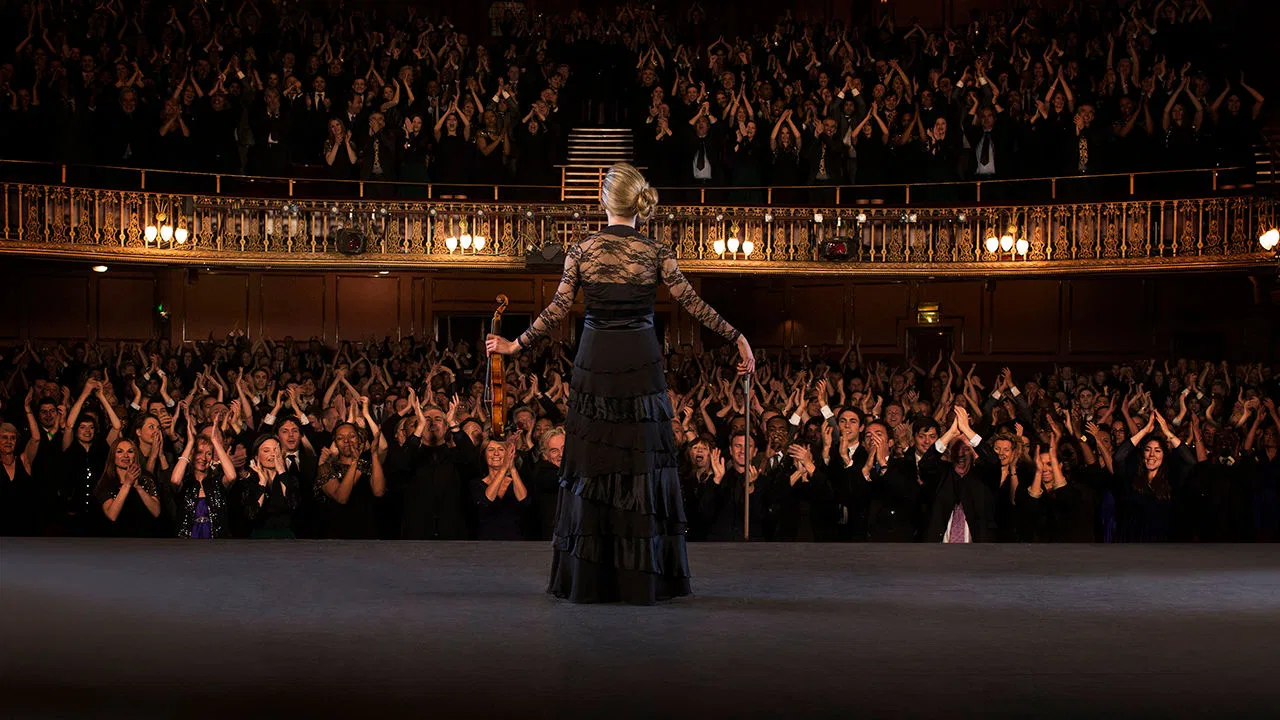
How to take cues from the room
Some audiences clap early and often. Others are quiet, especially at dramas or more intimate productions. Neither is inherently more “correct.” The healthiest approach is to read the atmosphere the way you would read the tone of a conversation.
- Follow the first three applause moments. Early in the show, you will learn the room’s personality fast.
- Watch for performer cues. A held pose, a smile that says “I know what I just did,” or a tiny pause can be an invitation.
- Notice whether applause is stepping on lines. If clapping keeps cutting off dialogue, the room will usually self-correct and you can, too.
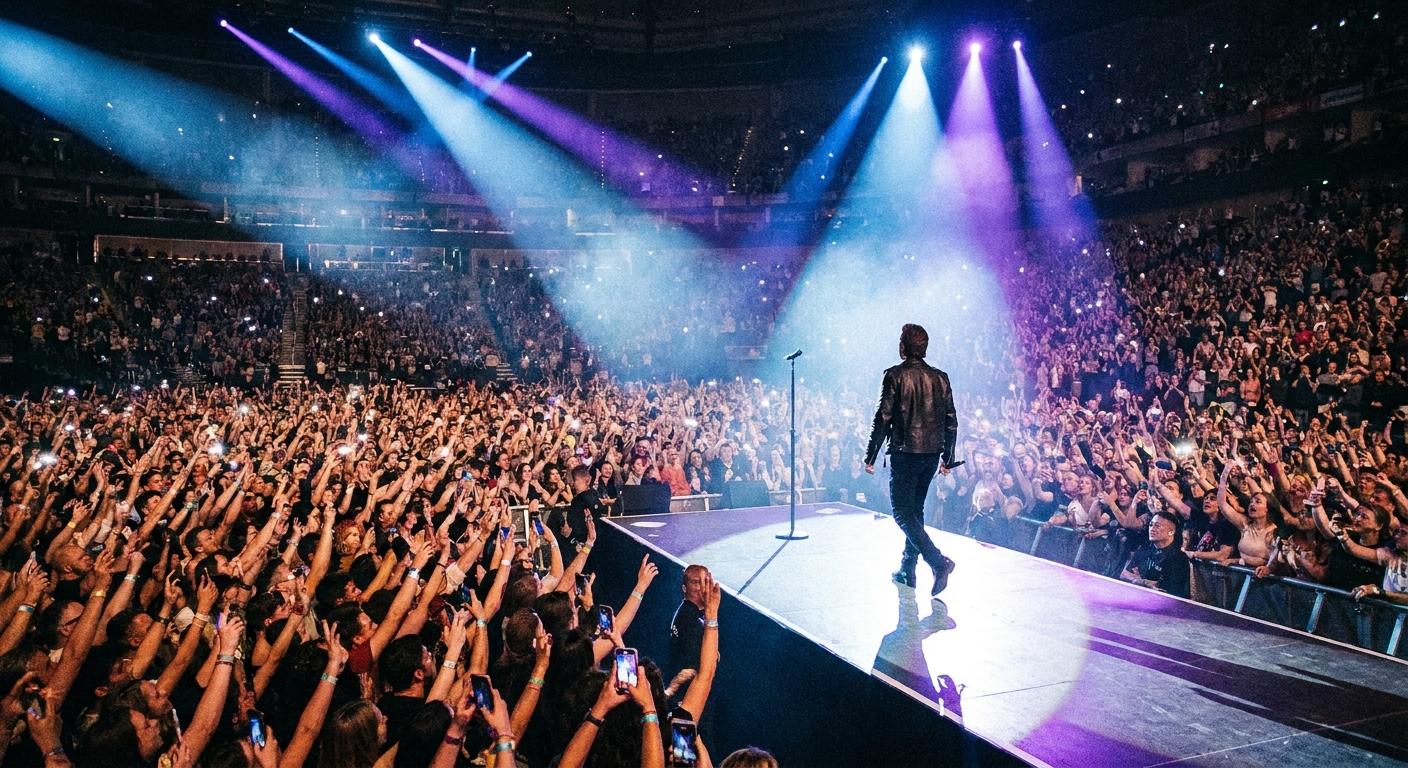
- Match volume to venue. A 99-seat black box does not need arena-level cheering. Save that energy for curtain call.
And if you miss a clapping moment because you were being polite, you can always applaud at the next break. No one is keeping a scorecard.
Special announcements and big applause
Sometimes the theater itself will give you a clear “this is a clapping moment.” If an announcement mentions a debut, a put-in, a final performance, or an understudy or swing going on, the applause can be longer than usual. That is not just acceptable, it is often the point. The company is marking something real, and the audience response helps carry that performer into the show.
What not to do
- Do not clap over dialogue. If an actor starts speaking, stop clapping. They are working, and the audience next to you paid to hear them.
- Do not keep clapping alone. If the applause dies and you are the last set of hands going, let it go gracefully.
- Do not yell comments during a play. In some musicals, an occasional cheer can be part of the culture in some houses. In most plays, shouted commentary reads as disruptive.
- Do not start applause at random in tense scenes. Some stories are designed to feel uncomfortable or quiet on purpose. Let silence be part of the experience.
Plays vs. musicals
At a play
Applause tends to happen at intermission, at the end, and occasionally after a major speech or scene change with a blackout. The default is listening. If you clap, keep it purposeful.
At a musical
Applause is often more frequent, especially after numbers and big dance moments. Many commercial productions build applause breaks into the score. That said, some musicals are through-composed, more intimate, or intentionally devastating in tone, and they may flow forward with very little room to clap. Let the show tell you what it wants.
A quick genre note
If you bounce between different kinds of live performance, remember that theater etiquette is not the same as a classical concert. In orchestral concerts, people typically avoid clapping between movements of a symphony or concerto. In theater, the “movements” are built into the storytelling differently, so you are listening for endings, buttons, blackouts, and breath breaks instead.
FAQ
What if I clap at the wrong time?
It happens. Most of the time, it is not catastrophic, and performers are pros at riding the room. Stop once the next line begins, settle in, and keep enjoying the show.
Should I clap when the set changes or a technical effect happens?
If there is a big scenic reveal or a dazzling transformation and the room applauds, join in. Designers and crews often appreciate that kind of recognition. Just make sure it lands on a clear reveal, not in the middle of active dialogue.
Is it rude not to stand for a standing ovation?
No. Stand if you feel moved to stand. If you do not, applaud warmly from your seat. The most meaningful respect is engaged attention throughout the performance.
What if the audience is silent after a song?
In many big commercial musicals, a totally silent button is unusual, but it can absolutely happen in chamber-sized shows, through-composed work, or emotionally heavy moments where silence is part of the design. If the song ends softly and the scene continues without a pause, stay quiet. If there is a clean ending and a beat, a measured applause is appropriate, and others may follow.
The simplest cheat: applaud at endings
If you want one reliable guideline: applaud at clear endings. End of a song. End of an act. End of the show. Everything else is optional and depends on the production’s rhythm.
Theater is a live art. Your response is part of the electricity in the room. When in doubt, listen closely, watch the performers, and clap when the moment opens its hands and invites you in.