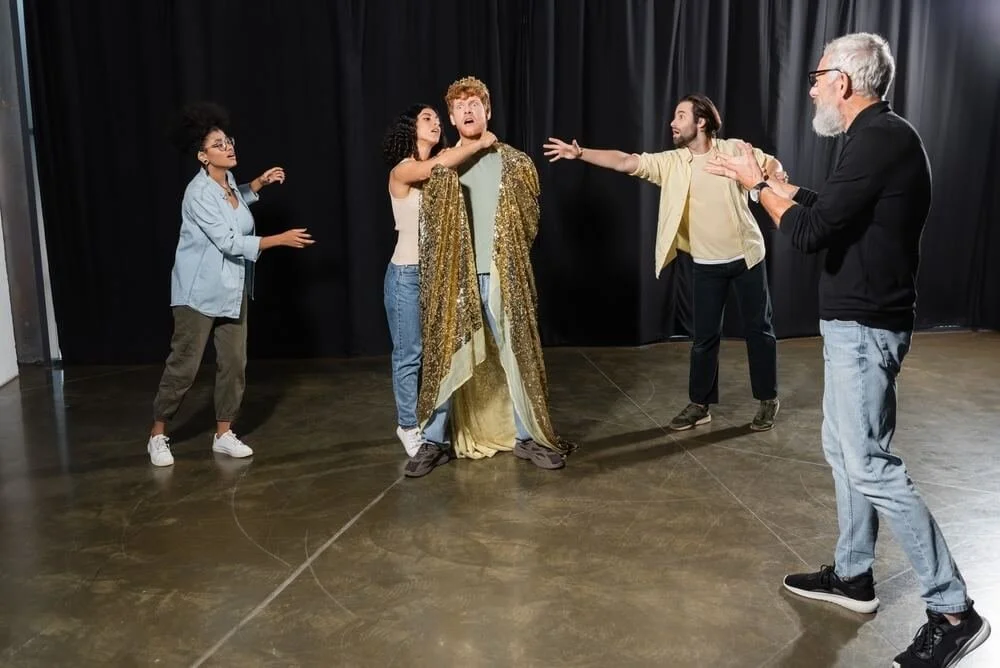
I grew up in Chicago backstage, where the real drama was rarely the kind happening onstage. It was the quiet, hyper-focused choreography of keeping the show alive when a zipper breaks, a voice cracks, or someone wakes up with a fever at 4 p.m. If you have ever glanced at a Playbill and wondered what an understudy, a swing, or a standby actually does, you are not alone. The terms get tossed around like everyone is born knowing them.
They are all covers, meaning performers hired to protect the production when a regular cast member cannot go on. “Cover” can mean the person (a cover performer) and also the assignment (who they cover). But the roles are not interchangeable. Each one replaces different people, trains differently, and carries a different kind of pressure. And yes, a program credit for each means something distinct about what that performer is responsible for.
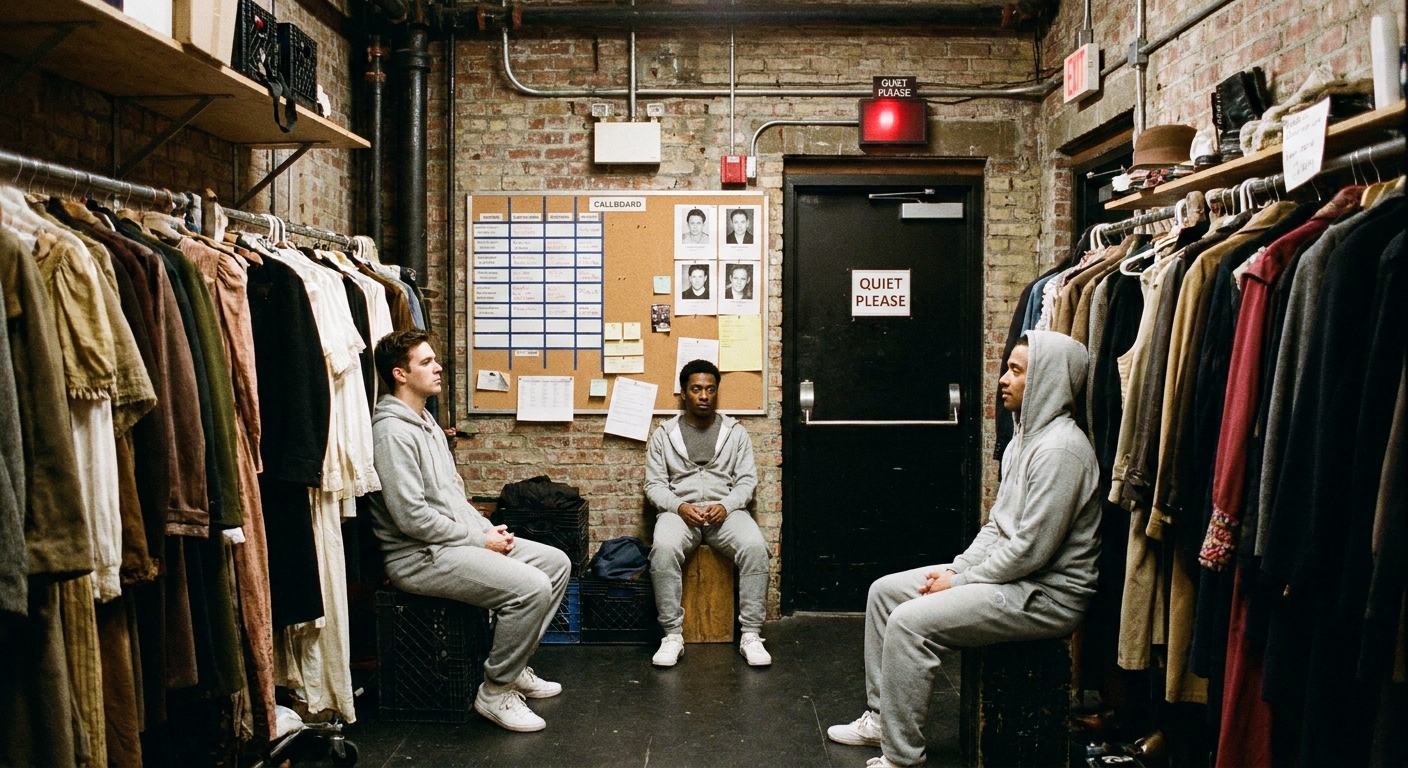
Quick definition
If you want the fastest way to keep the terms straight, here it is:
- Understudy: A performer in the company who is prepared to step into a specific role or set of roles if needed. Often they perform another track when not covering.
- Swing: A performer who covers multiple ensemble tracks (and sometimes small featured roles). Some swings are only on when needed, while others also perform a regular ensemble track when they are not covering.
- Standby: A performer hired to be ready for one specific principal role, typically as a dedicated cover. In many productions they are not onstage unless they go on, but practices vary by contract and show.
Now, the satisfying details.
Understudy: built-in backup
Who they replace
An understudy replaces a principal performer (a named role in the cast list) or sometimes a featured role, depending on how the show assigns coverage. In many productions, ensemble members are assigned as understudies for one or more leads. In other words, the understudy is often already part of the nightly stage picture, just in a different track.
What they rehearse
Understudies learn the role they cover in full: blocking, choreography, songs, scenes, costume changes, and the traffic pattern of backstage life. They might rehearse in scheduled understudy calls, in dance calls, or in brush-up rehearsals, depending on the production’s needs and schedule.
What makes understudying uniquely athletic is that you are balancing two performances at once: the one you do every night and the one you might be thrown into with limited notice.
Why the program credit matters
A program credit that lists someone as an understudy usually tells you two things:
- They are in the company as a regular cast member and also trained to cover.
- The production has redundancy built in, which is one reason long-running shows can keep going through illnesses, vacations, and emergencies.
When you hear an announcement that “the role of X will be played by Y,” it is often a cover stepping in, sometimes an understudy, sometimes a standby, and occasionally someone in an emergency cover situation.
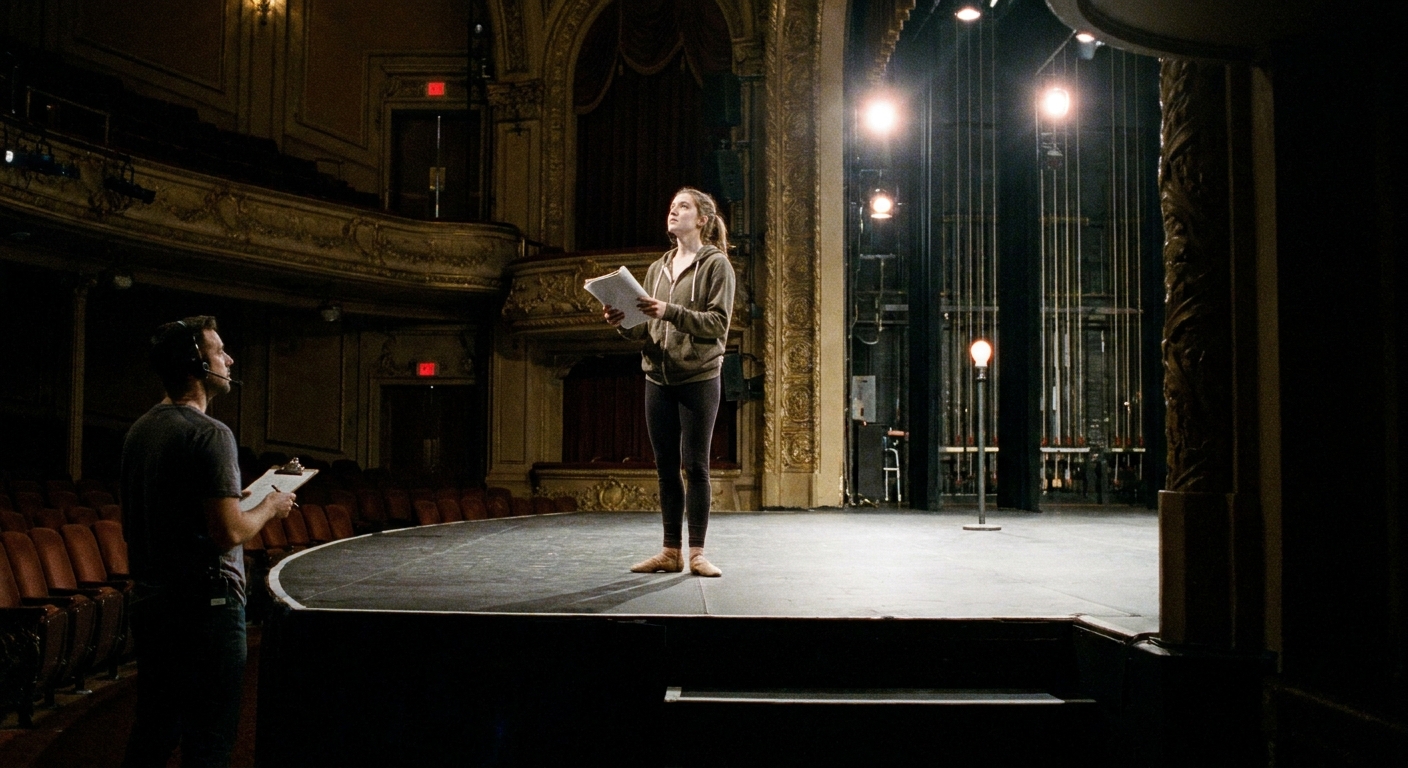
Swing: many tracks
Who they replace
A swing replaces ensemble performers by covering their tracks, meaning the specific set of entrances, choreography, harmonies, scene work, and backstage logistics assigned to that ensemble member. A swing typically covers multiple tracks, sometimes a large number depending on the show’s size and complexity.
Some productions also use swings to cover small featured roles, but the heart of the job is ensemble coverage.
What they rehearse
Swings memorize multiple versions of the show. They have to know where to stand and what to do in Track A, then Track B, then Track C, each with different spacing, partner work, quick changes, prop handoffs, and backstage routes. This is not “I know the dance.” This is “I know the dance from three different bodies’ points of view, plus how it ripples through everyone else’s spacing.”
Because of that, swings often work closely with dance captains and stage management, and they rely heavily on meticulous notes. In some companies, swings keep a “swing bible,” a personalized packet of track maps and cues, though the format varies by production.
Why the program credit matters
Seeing “Swing” in a program signals a specialized job designed for unpredictability. A swing credit typically means:
- They may not be onstage every night, depending on who is out and how the company is structured.
- They are responsible for multiple people’s jobs, which can change day to day.
- They keep the ensemble intact, which keeps staging, harmonies, and overall rhythm from unraveling.
On nights when a swing goes on, you might be watching someone do a track they have not performed publicly in weeks. If that sounds terrifying, yes. Also thrilling.
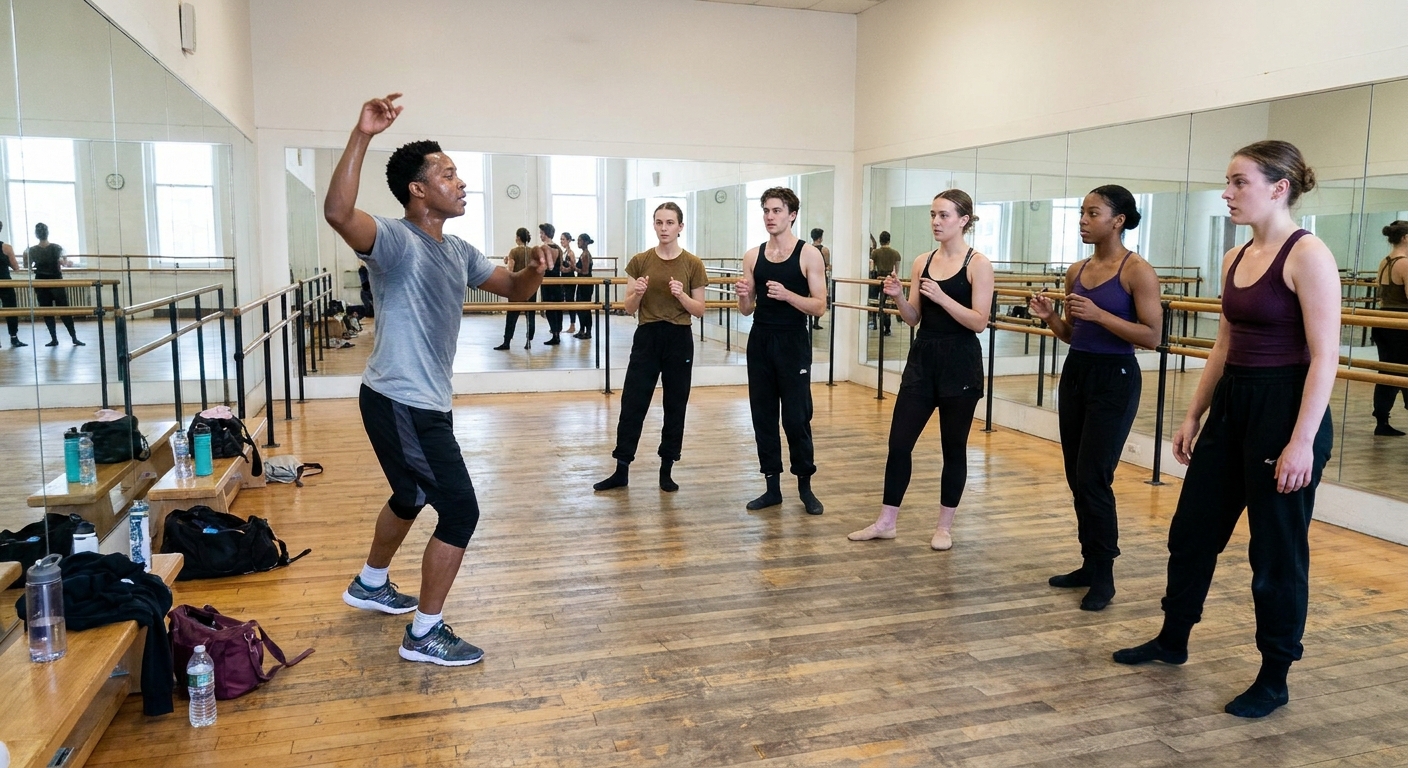
Standby: one role ready
Who they replace
A standby is assigned to replace one specific principal role (occasionally two, but the job is usually narrow and focused). The key difference from an understudy is that a standby is typically a dedicated cover and often is not performing another onstage track in the show when the principal is in. That said, the exact setup varies by production and contract.
Standbys are most commonly used when a role is especially demanding vocally or physically, or when a production wants a dedicated cover for a star, a high-risk role, or a role that is hard to cover from within the ensemble without disrupting the staging.
What they rehearse
Standbys maintain performance readiness for that single role: vocals, choreography, lines, scene work, and all technical elements. Because they might not be doing another track nightly, the job is about staying sharp and prepared, sometimes for long stretches without going on.
That kind of readiness is its own discipline. You are preserving the role in your body like it might be called upon at any moment, because it might be.
Why the program credit matters
A “Standby” program credit usually indicates:
- The production wants a dedicated safety net for that specific role.
- The standby may be required to be in the building or on call within a set time or distance, depending on policy and contract.
- The standby’s preparation is focused, because their entire assignment centers on that role.
If an understudy is the brilliant multitasker and a swing is the company’s chess master, a standby is the specialist who protects one essential piece of the machine.
How audiences find out
Most of the time, you learn about a cast change in one of three places: an insert slip in the program, a notice posted in the lobby, or an announcement made before the show begins. If something happens mid-performance, the announcement can come at intermission or, in rare cases, after a pause.
The wording varies, but the meaning is the same: the production is doing what live theater does best, adapting in real time.
Alternate: the other common term
If you hang around long-running shows, you will also see alternate, and it is easy to confuse it with standby.
- Alternate: Performs a role on scheduled days (for example, certain matinees), not only when someone is out. It is planned coverage, built into the weekly schedule.
- Standby: Generally unscheduled and goes on when the principal cannot.
Alternates are especially common for roles that are vocally punishing, physically intense, or both. The big difference is that an alternate has a calendar. A standby has a go-bag.
Put-ins and emergency covers
There is also the behind-the-scenes reality of put-in rehearsals, when a cover rehearses with the full company to integrate their version of the role with everyone else’s timing, spacing, and backstage shifts. And on truly chaotic days, productions may use an emergency cover plan, which can involve someone stepping into a role outside their usual assignment because the show must go on and the bench is suddenly thin.
This is part of why I avoid treating casting changes like a gotcha. Live performance is a living system with human bodies inside it.
Why it matters
Understanding understudies, swings, and standbys helps you appreciate what is happening when you see an insert slip in the program or hear an announcement from stage management.
It also helps you interpret what you are seeing. A swing going on can subtly change ensemble chemistry because spacing and partner work shift. An understudy stepping into a lead might bring a different shade of intention to a scene, especially if they have been playing a contrasting track nightly. A standby may deliver a startling level of precision in a role they have been protecting like a guarded flame.
Common misconceptions
“Understudy and standby are the same thing.”
They are both covers for principal roles, but an understudy is usually already performing in the show in another capacity, while a standby is typically a dedicated cover not routinely performing a separate track. Usually, not always.
“Swings only cover dancing.”
Swings cover tracks, not just choreography. That includes acting beats, singing parts, entrances, exits, prop handoffs, and the backstage routes that keep everyone from colliding in the dark.
“If there’s a cover, the performance will be worse.”
Sometimes it is different. Different is not worse. Covers rehearse hard, and many legendary performances have been delivered by people whose names were not on the marquee. The audience often gets a kind of electricity on cover nights, because everyone is listening harder.
Cheat sheet
- Understudy = covers a role while also being part of the regular company.
- Swing = covers multiple ensemble tracks and can be assigned differently from night to night.
- Standby = dedicated cover for a principal role, typically not performing another track nightly.
- Alternate = performs a role on scheduled days each week.
The next time you skim a program before the curtain rises, take an extra second on those credits. They are not footnotes. They are the people making sure the story gets told, even when life happens in the wings.