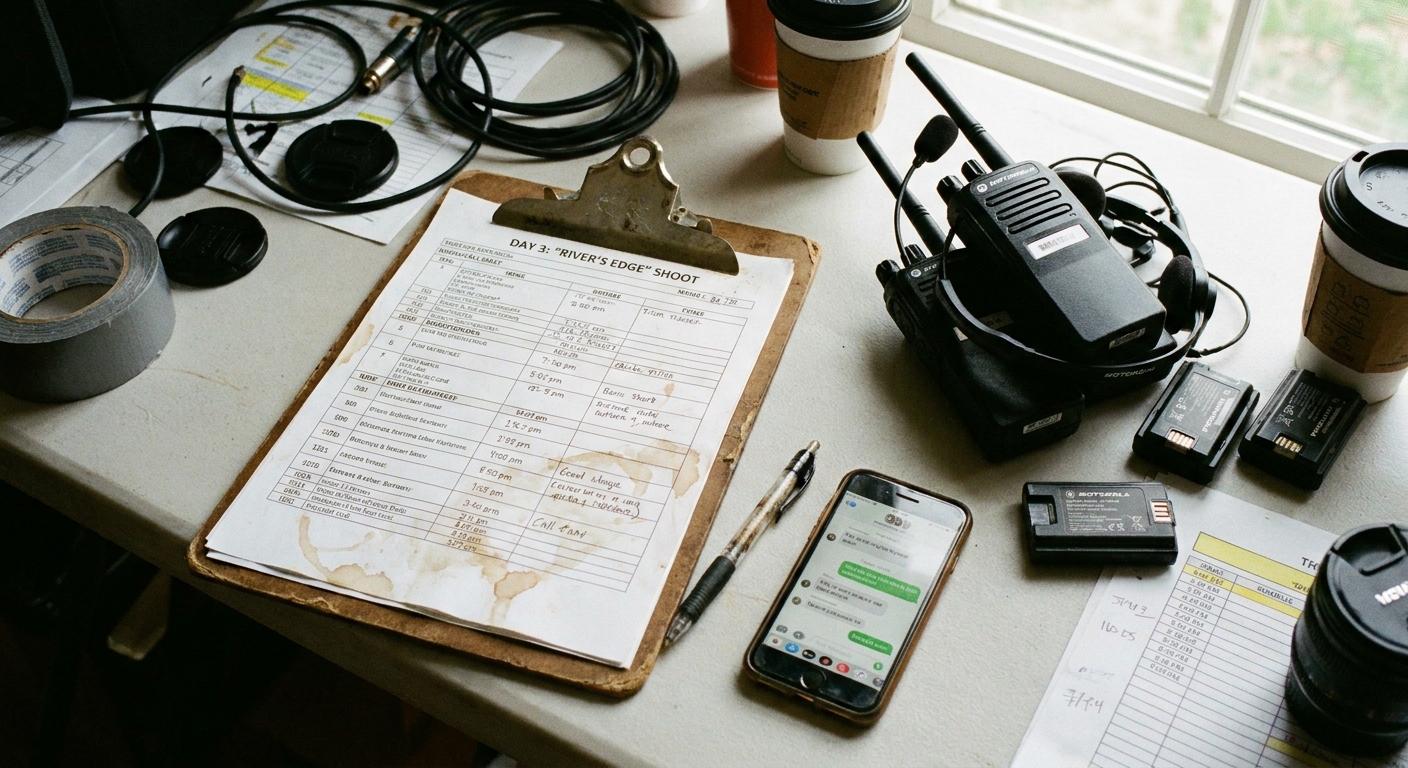
The first time someone on a walkie says, “Background is in holding,” it can sound oddly formal, like you have been placed in cinematic time out. In reality, background holding is one of the most normal, necessary pieces of a working set. It is the designated waiting area where extras stay when they are not actively needed on camera.
If you are booked as background, you will spend a lot of your day in holding, and that is not a bad sign. It is just how film and TV work: lighting changes, camera setups shift, actors rehearse, and the machine keeps moving. Holding is where production can keep you comfortable, organized, and ready to deploy when the assistant directors call for your group.
Background holding, defined
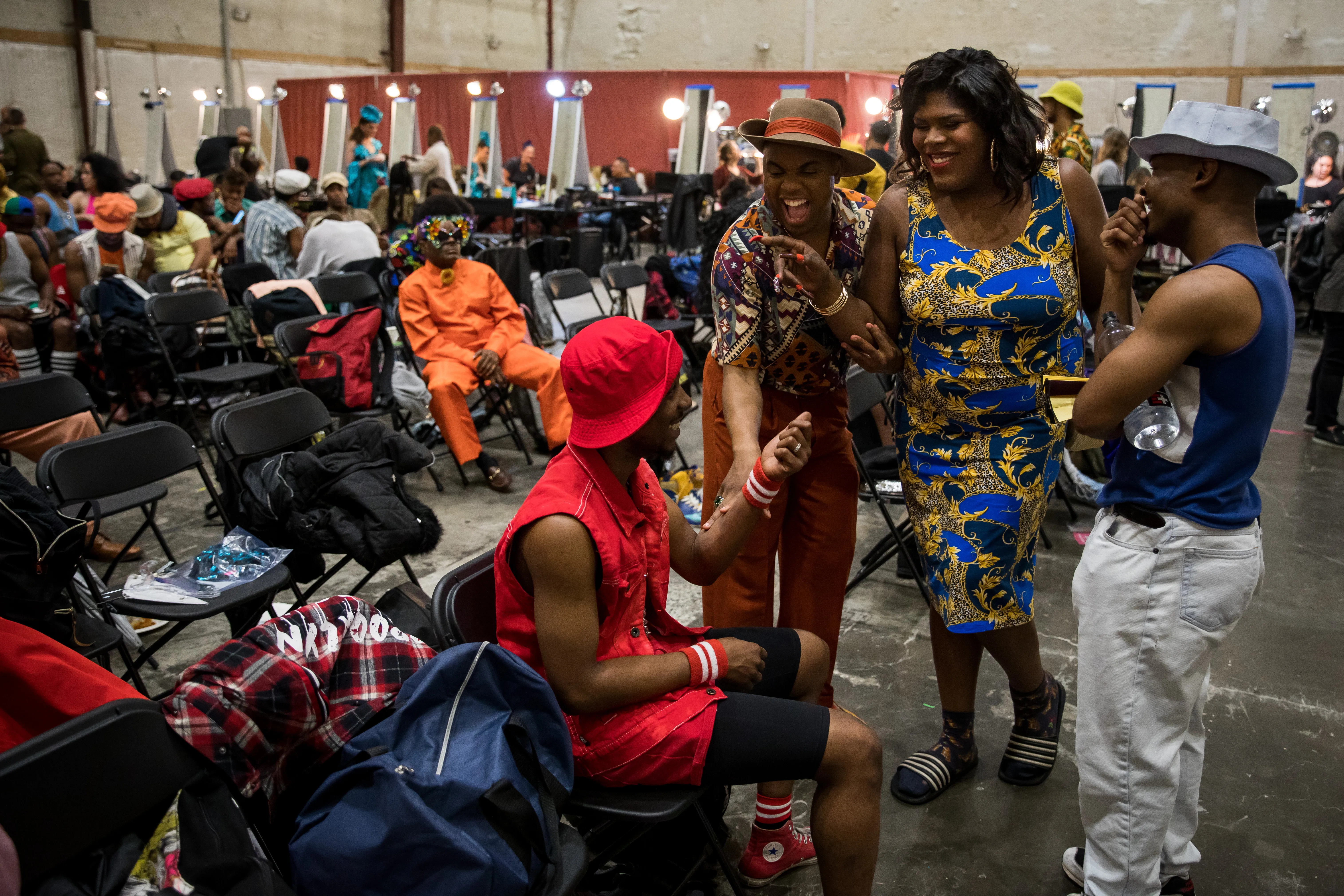
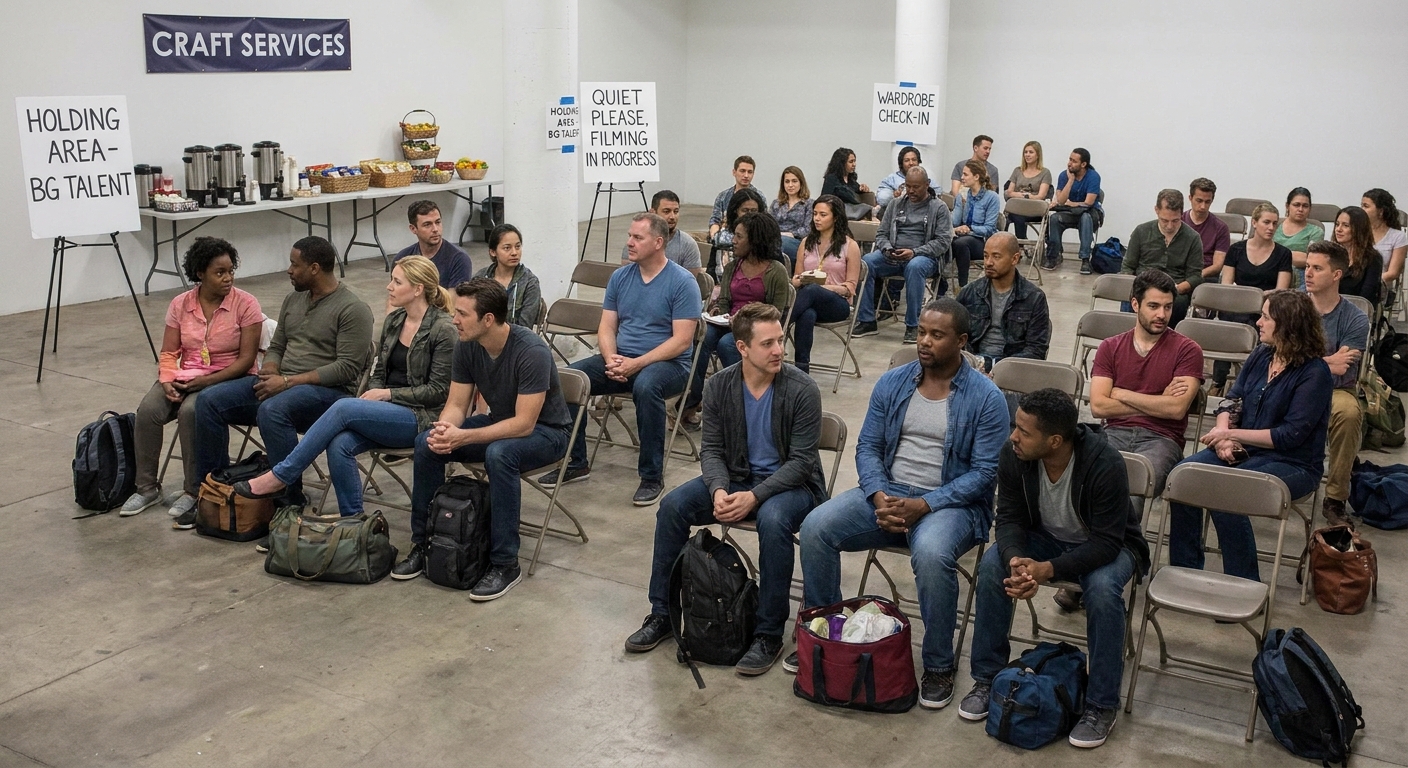
Background holding is the waiting area for background performers, also called extras, between setups and between takes. It is often overseen by the AD team and run day to day by background PAs, though the exact setup varies by production and region. On some shows, a 2nd 2nd AD, background coordinator, or wrangler-type role is the point person.
Holding can be a lot of things:
- a church basement rented for the day
- a tent village near a location
- a banquet hall in a hotel
- a school gym
- an empty storefront
- an adjacent room off a soundstage with rows of chairs
The one constant is purpose: it is a controlled place for background to wait so the set itself stays clear, quiet, and safe.
Why holding exists
From the outside, it can look like nothing is happening when the camera is not rolling. On a real set, “nothing” is usually dozens of people doing precise work. Background holding keeps the day running in three big ways:
- Space: Sets and locations can get crowded fast. Holding helps keep walkways, emergency exits, and gear lanes from being blocked.
- Sound: Noise travels. If holding is nearby, open to the location, or sharing walls with set, voices and music can spill into the work area. Some locations also have strict noise rules, period.
- Continuity and readiness: Production needs to know where you are, what you are wearing, and whether you are ready to step in when called.
It is also a safety issue. Stands, cables, rigs, vehicles, and moving equipment are everywhere. The fewer people who need to be on the shooting set, the better.
What you do in holding
Your job in holding is deceptively simple: be easy to find and ready to work. That usually means:
- Check in and stay checked in. After you sign in, do not wander off. If you must leave for any reason, tell the background PA.
- Keep wardrobe and props intact. Do not add a hoodie over your costume, change shoes, or remove a hat that was approved for continuity.
- Stay camera-ready. If hair and makeup have you set, treat it like you are already on a close-up.
- Listen for instructions. Calls can come quickly: “Café patrons to set,” “Business walkers,” “Students,” “Hospital visitors.” Your group is typically defined by wardrobe or scene type.
- Wait patiently. Film days are built on resets and adjustments. You are not being ignored. You are being staged.
Depending on the project, you might also be brought to holding for a wardrobe adjustment, a continuity photo, or a quick background rehearsal in a hallway or adjacent room.
Holding etiquette
Holding is usually more relaxed than the shooting set, but it is still a workplace. The fastest way to become “that person” is to forget that a set runs on communication and calm.
Noise rules
- Keep your voice low. Even if you feel far from set, you may not be far from someone else’s work, or the location may have noise restrictions.
- Do not play audio out loud. If you are watching something, use headphones and keep volume reasonable.
- Follow the PA’s volume calls. If someone says “quiet in holding,” it is not personal. It is operational.
Phone rules
Policies vary by production, but these are common expectations:
- Keep your phone on silent. Vibrate is usually fine, but avoid loud notifications.
- Do not take photos or video. Many sets have strict confidentiality rules, and even in holding you may see wardrobe, paperwork, or cast movement.
- Be present. A background PA should not have to call your name three times because you are deep in a scroll. If you miss a call, you can miss the scene.
When your group is called
Typically, a background PA will come into holding and call for a specific group. When that happens:
- Move immediately and calmly. You do not need to sprint. You do need to respond.
- Bring only what you are allowed to bring. Often you will leave bags in holding. Bring essentials only if instructed.
- Use the restroom before you go if you have time. Once you are on deck, you may be needed continuously for a stretch.
- Do a quick self-check. Wardrobe straight, no stray hair ties on wrists, no modern sunglasses if it is a period scene, no phone visible unless it is a scene prop.
If you are ever unsure, ask the background PA quietly. Clarity beats guessing every time.
Sign-in and sign-out
Holding is also where production tracks attendance. The language differs, but you will usually deal with:
- Sign-in: verifying you arrived and are ready to work
- Vouchers or digital timekeeping: logging your hours for pay, whether that is paper, an app, or a production system
- Breaks and meal timing: information the AD team and production track carefully
- Wrap and sign-out: confirming you are released and your time is correct
If you need to step away from holding, do it like a professional: tell the background PA where you are going and how long you expect to be. The goal is not control for control’s sake. The goal is that when a director wants a bustling sidewalk in five minutes, the AD team can actually deliver it.
Meals and bathrooms
This is the part nobody tells you until you are already hungry, or already in line.
- Ask where restrooms are when you arrive. If holding is in a rented space or tent village, the nearest option might be a walk.
- Do not assume you can leave whenever you want. Tell a PA before you step out, even for a quick bathroom run, especially if your group is “up.”
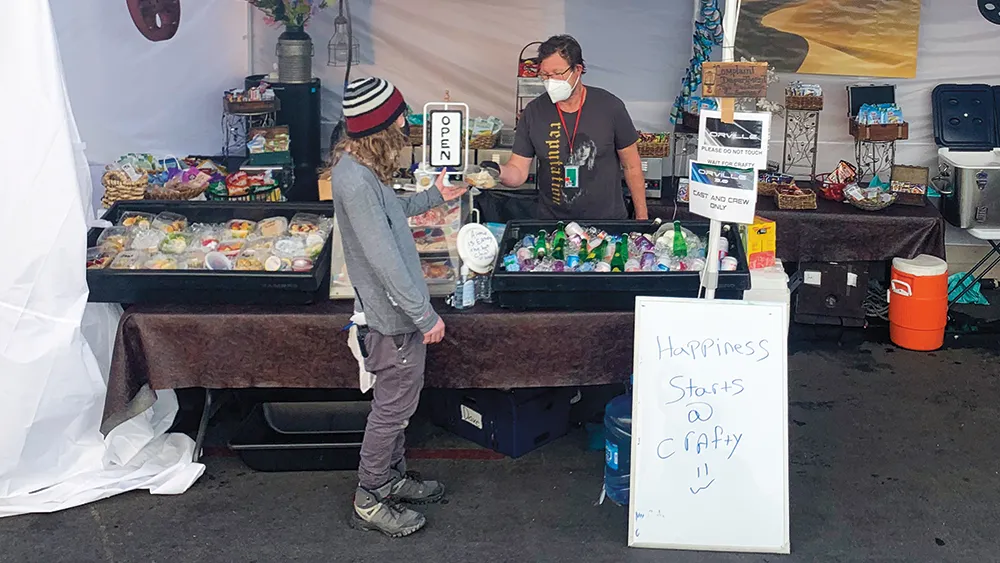
- Pay attention to meal instructions. Sometimes background is marched to catering as a group. Sometimes you are fed in waves. Sometimes it is a walking meal, meaning you grab food and return to holding or stay available while you eat.
It is not about making your life difficult. It is about keeping headcount and making sure the shot does not fall apart because half the sidewalk is in the bathroom line.
How holding differs from base camp
These terms get mixed up, especially for newcomers, but they are not the same.
Base camp
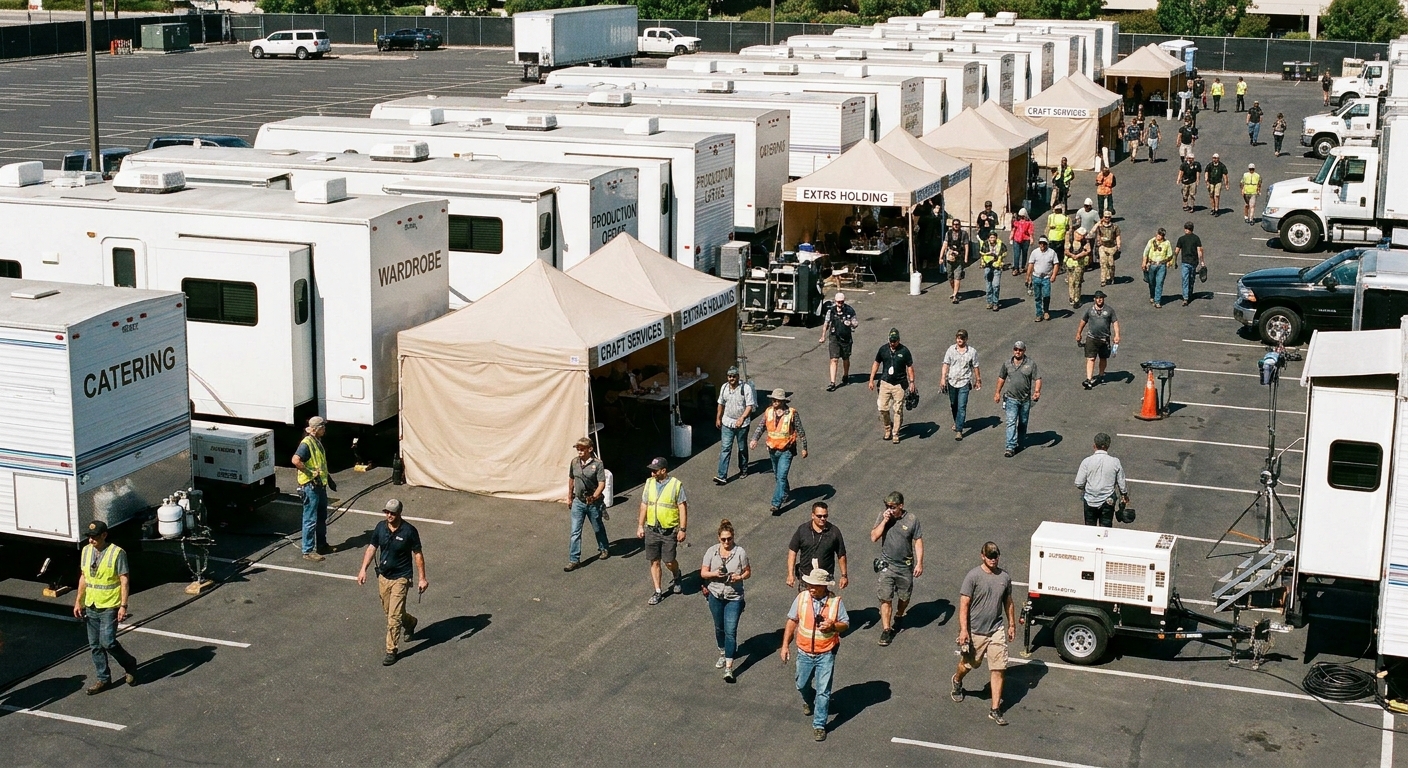
Base camp is the main off-set support area for the production. It is often where you will find:
- cast and crew parking or shuttles
- star trailers and supporting cast trailers
- hair, makeup, and wardrobe trailers
- production offices
- catering
Base camp can be miles from the filming location, particularly on location shoots. If someone tells you “base camp is here,” that is the production’s home base for the day, not necessarily where cameras are rolling.
Background holding
Background holding is specifically the waiting area for extras. Sometimes holding is at base camp. Sometimes it is closer to set. Sometimes it is a separate space entirely because that is what the location allows.
Holding vs the shooting set
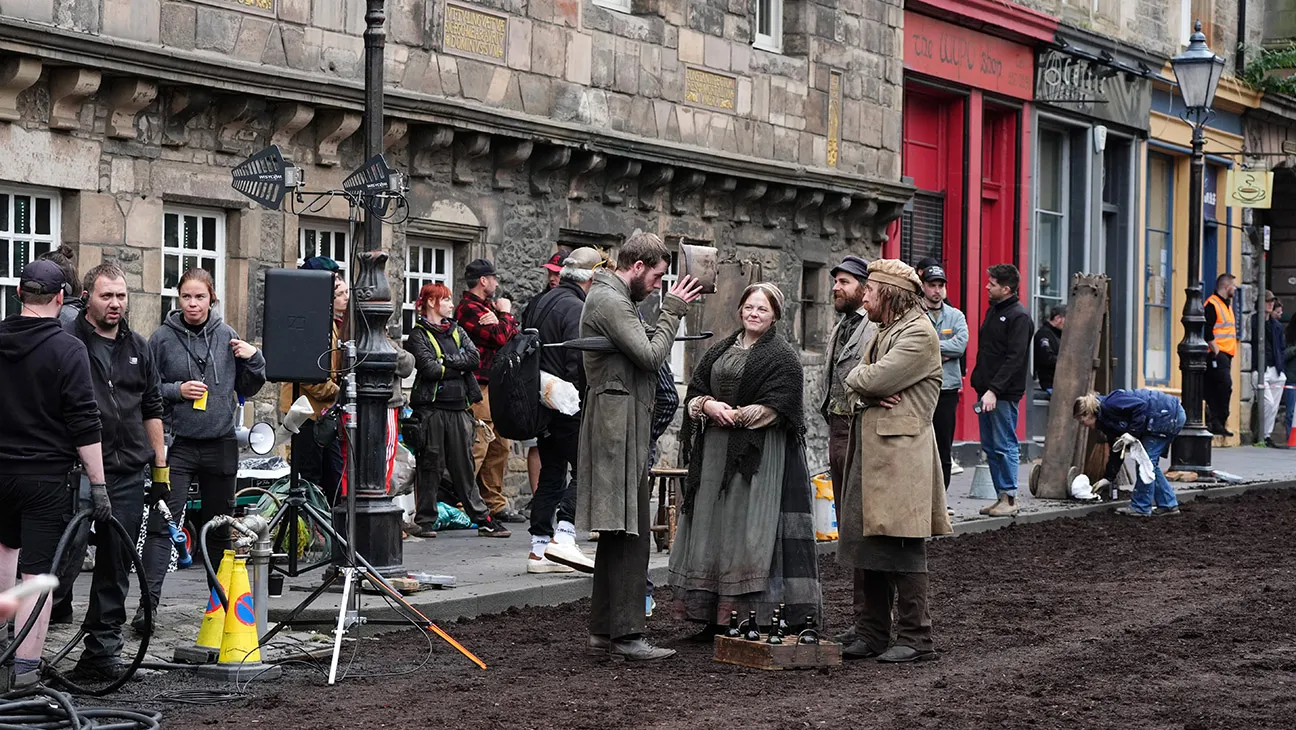
The shooting set is the active work zone where the scene is staged, lit, rehearsed, and filmed. Even if you are booked as background, you generally only go to set when you are called.
Once you are on set, the rules tighten:
- Silence is real. Conversations stop quickly, and “rolling” means everyone holds.
- Movement is controlled. You cross only when a PA indicates it is safe. You do not step over cables or drift into lit areas.
- Phones are often fully away. Some productions require them powered off.
- Continuity becomes sacred. The way you hold a cup, the side your bag is on, even how you button a coat can matter between takes.
If holding is the backstage green room, set is the stage. You can feel the difference in the air.
Common holding setups
Because locations are unpredictable, holding can range from surprisingly cushy to purely functional. A few you will likely encounter:
- Chairs in a room holding: rows of folding chairs, sign-in table, a PA station, and maybe outlets if you are lucky.
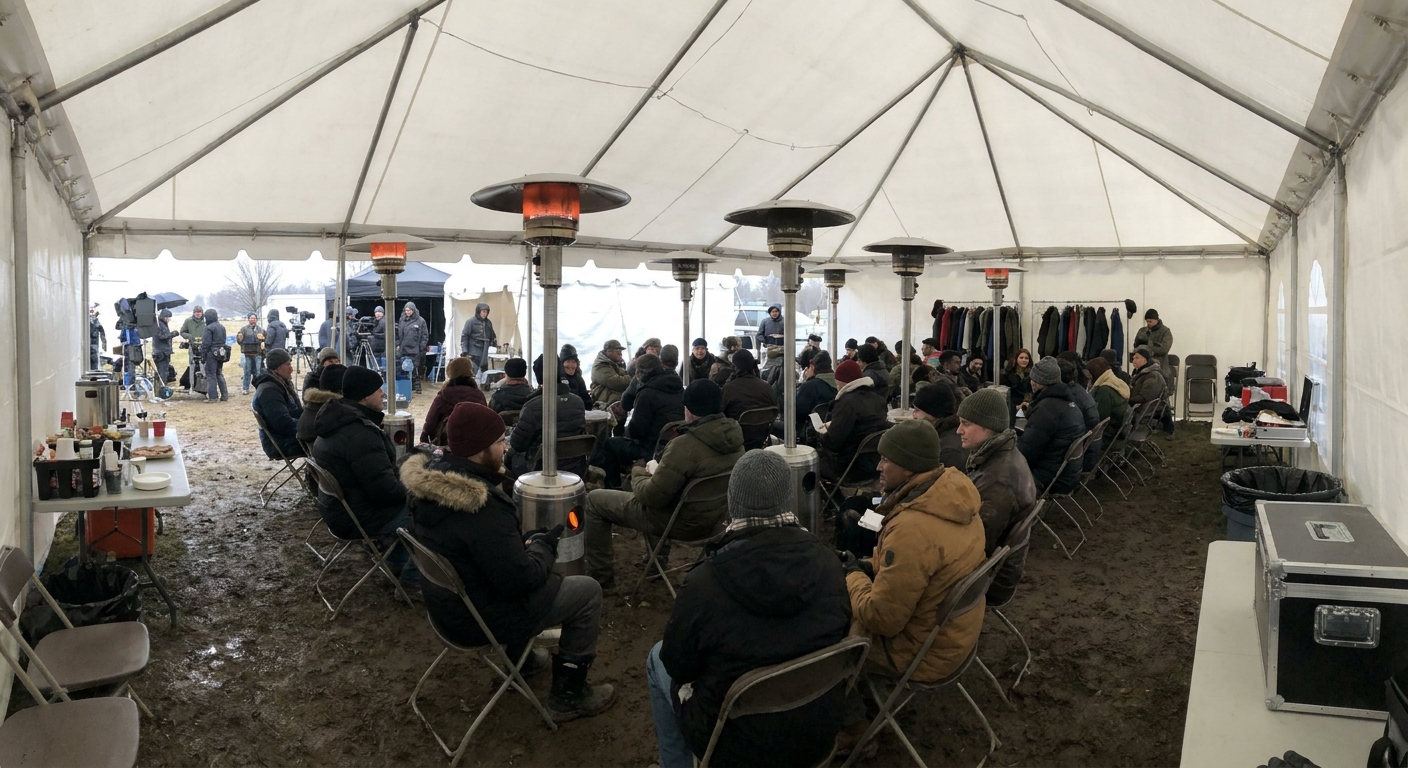
- Tent holding: common for exterior shoots. Bring layers, because mornings and nights can swing hard in temperature.
- Multiple holding areas: separated by scene type or wardrobe, such as “formal,” “casual,” “students,” or “period.”
- On-stage holding: on studio lots, holding might be a dedicated space near the soundstage with more predictable amenities.
Weather and comfort
I have spent enough hours in holding to know that comfort is less about luxury and more about preparation. The tricky part is that comfort choices can collide with wardrobe rules.
- Do not add layers over costume without asking. Even a simple jacket can change your silhouette, wrinkle your shirt, or show up in continuity if you forget to remove it.
- Use discreet warmers when allowed. Hand warmers, toe warmers, and a plain blanket on your lap can be lifesavers in tent holding, but keep anything visible cleared by a PA or wardrobe.
- Plan for sun and rain. If you bring an umbrella or hat for downtime, make sure it does not mess up hair, makeup, or costume, and do not bring it to set unless told.
One note from the theater kid in me: treat your costume like a costume. Even if you are playing “random commuter,” wardrobe is continuity, and continuity is the difference between professional and problematic.
Quick FAQ
Is background holding the same as a green room?
Not exactly. A green room is typically for performers waiting to go on stage or on camera, often with a comfort focus. Background holding is more utilitarian and logistics-driven, though some productions make it genuinely comfortable.
Can I leave holding to get food or go outside?
Only if the background PA says it is okay, and only after you communicate where you are going. The main rule is that you must be reachable and able to return quickly.
Why do we wait so long in holding?
Because the camera setup you are needed for might be hours after your call time, and productions would rather have background checked in and ready than scrambling later. Lighting changes, blocking adjustments, and schedule shifts are normal.
What happens if I miss being called from holding?
You can be dropped from the scene, replaced, or simply not rebooked. Either way, it is one of the easiest avoidable mistakes on a background job.
Do holding rules change for union and non-union shows?
They can. Practices vary by country, union status, budget level, and even the specific AD team. The fundamentals stay the same, though: be reachable, protect continuity, and follow instructions.
The takeaway
Background holding is not a punishment, and it is not a mystery club. It is the staging area that lets a production run smoothly while keeping you safe, organized, and ready to step into the frame when it counts. If you can master holding etiquette, you are already doing one of the most valuable things an extra can do on set: making everyone else’s job easier while staying prepared to do yours.