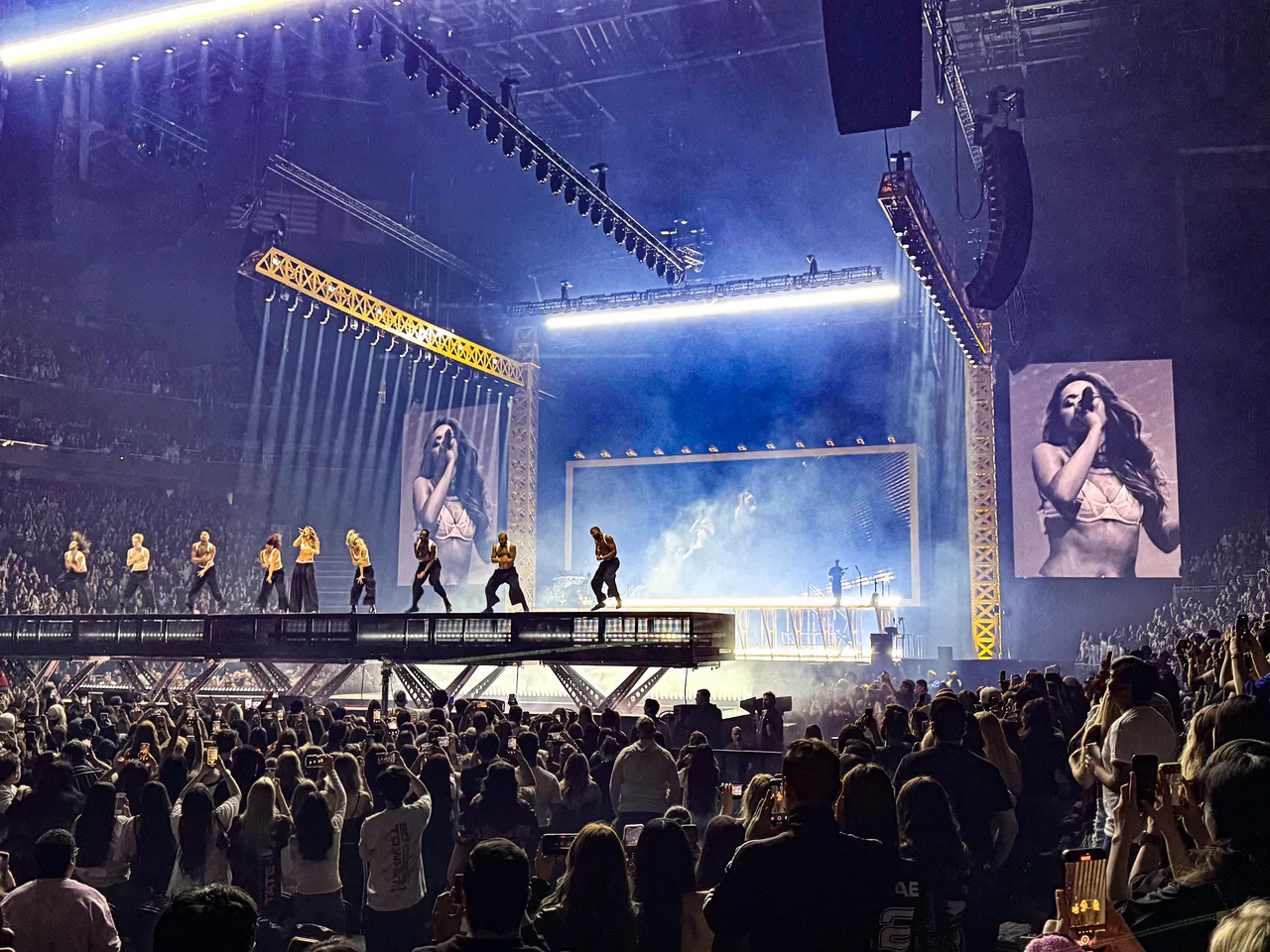
I grew up in Chicago backstage, the kind of kid who learned to read a call sheet before I learned to read a room. So when someone asks, “Do I have to sit through the opening act?” I always want to gently reframe it: you get to see the opening act. Sometimes that is a rising star. Sometimes it is a local favorite. Sometimes it is a perfectly chosen tonal appetizer that makes the headliner hit harder.
Here’s what an opening act is, what your ticket usually covers, how long support sets tend to run, and what showing up at the printed showtime really means.

What an opening act is
An opening act, often called a support act or opener, is the artist or band scheduled to perform before the main artist you bought the ticket to see, also known as the headliner.
Openers do a few jobs at once:
- Set the tone for the night, musically and emotionally.
- Warm up the crowd and help the room feel alive by the time the headliner hits.
- Introduce you to new music the headliner wants to spotlight.
- Buy the headliner time for final prep, wardrobe, and pre-show routines.
At some concerts there is one opener. At others there are multiple support acts. In touring packages, the “opener” role can feel fluid, with several artists rotating slots across dates.
Is the opening act included in your ticket?
Almost always, yes. In the standard concert setup, your ticket is for the full event, which includes the opening act(s) and the headliner.
You typically are not paying extra at the door to see the opener, and you generally do not need a separate ticket just because another artist is on first.
That said, exceptions exist. They are uncommon, but they can include festival-style events with tiered access, separately ticketed aftershows, or venue-specific packages where some experiences are walled off.
Why it can still feel confusing
A couple of things make people second-guess this:
- The headliner is the marketing focus. Posters, ticketing pages, and ads often spotlight one name in giant type.
- Support can change. Openers sometimes drop off a tour or get swapped in certain cities, which makes it seem like an add-on even though it is part of the same ticketed night.
- Upgrades are separate. VIP meet-and-greets, early entry, and pre-show lounges can be add-ons, but those are different from the opener’s set.
How long openers play
Support set lengths vary by genre, venue, and how many artists are on the bill, but most opening acts play a shorter, tighter set than the headliner.
- Typical opener set: often about 20 to 45 minutes
- Direct support (bigger opener): commonly 30 to 60 minutes
- Multiple openers: earlier acts are often 15 to 30 minutes each
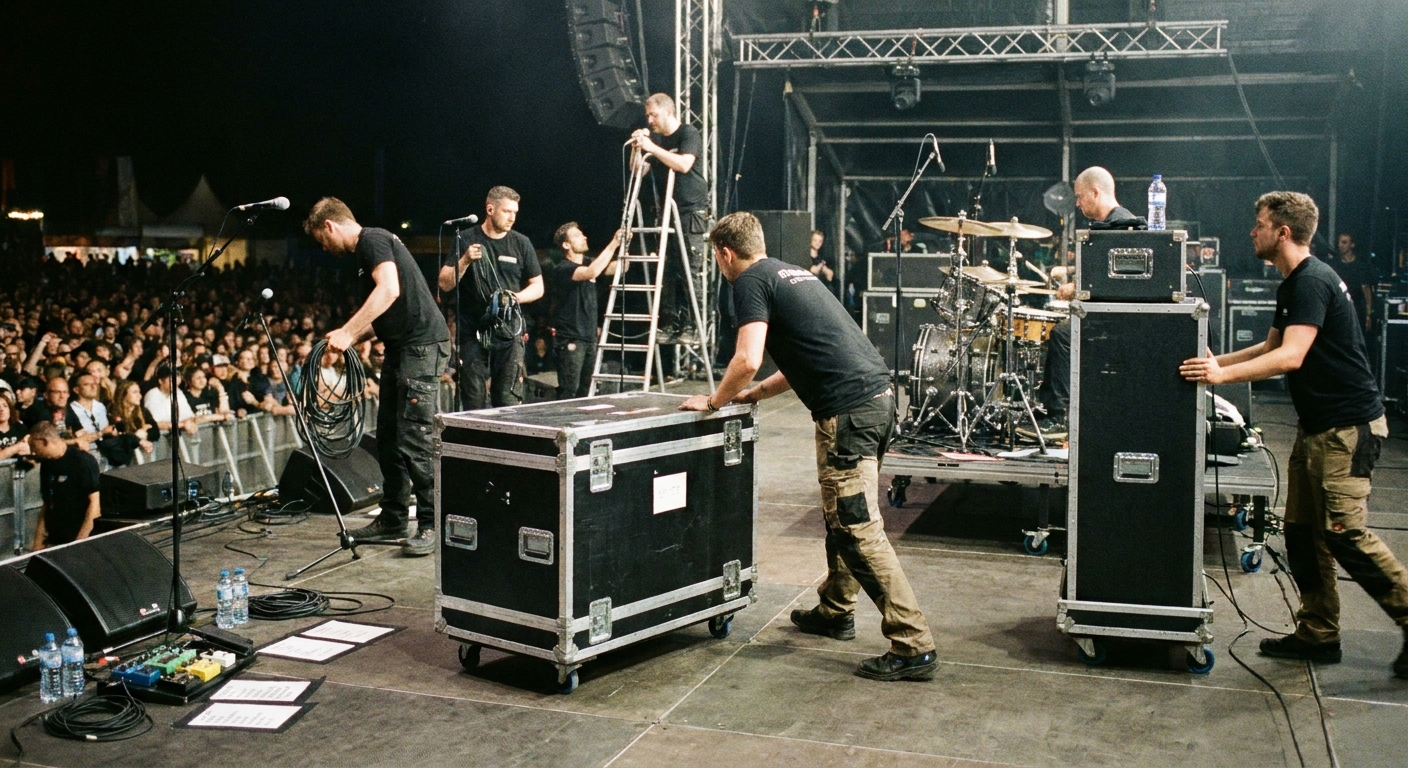
Between sets, there is usually a changeover while crews reset the stage, swap instruments, and adjust sound. That break can be quick in clubs and longer in theaters or arenas. A common range is 10 to 30 minutes, but it can run shorter or longer depending on the production.
What showtime really means
If you arrive at the printed showtime on your ticket, you are usually aiming to catch the start of the first scheduled performance, which is often the opening act.
The catch is that listings do not always use time the same way. Some tickets and venue pages show:
- Doors: when the venue lets people in
- Show: when music starts
- Event time: a general start time that might include announcements or seating before the first note
So before you plan your night around that one timestamp, check the venue listing for a separate doors time. If you want to be extra sure, look for set time posts on the venue’s social accounts, the promoter’s page, or the headliner’s and opener’s socials on the day of the show.
It matters because:
- Showtime is not headliner time. In many concerts, the headliner goes on later, after the opener finishes and the stage is reset.
- You can walk in mid-opener if you are late. If you show up after music starts, you could miss some or all of the opening set.
- The room fills in waves. Early in the night, it can feel pleasantly roomy, then noticeably more packed closer to the headliner.
If you love discovering new artists, treat showtime as your do not miss it marker. If you are only there for the headliner, arriving around showtime still gives you a buffer to get through lines, find your spot, and settle in without guessing when the main set actually begins.
Why you might not skip it
I understand the impulse. Tickets are expensive, nights are long, and sometimes you are coming from work or squeezing in dinner. Still, opening acts are one of the best parts of concert culture, especially if you care about craft.
Reasons it is worth it
- You might catch a future favorite early. Plenty of now-headliners once played to half-full rooms as support.
- The set is often all killer, no filler. Openers rarely have time to wander. They bring their sharpest songs.
- You get context for the headliner. A well-chosen opener acts like a thesis statement for the night’s vibe.
An opener is not “extra.” It is part of how the night is paced, like the first act of a great play.
Quick FAQ
Is an opening act the same as a special guest?
Often, yes. “Special guest” is frequently just a friendlier label for a support act, usually one the headliner is excited to spotlight. Either way, they typically perform before the headliner.
Can the opener be better than the headliner?
It happens. Sometimes the opener has the hungrier set, the tighter runtime, or a sound that hits you at exactly the right moment. The best nights are when both are great and the energy builds naturally.
Do all concerts have an opening act?
No. Some shows are billed as an evening with one artist. Some are co-headlining bills. Some smaller gigs simply feature one performer. If there is an opener, it is usually listed on the event page or venue listing.
What about co-headliners?
In a true co-headlining show, sets can be closer in length, and the order can vary by city. If order matters to you, check the specific date’s listing or day-of posts. That is one of those details that changes more than fans expect.
If I do not care about the opener, can I show up later?
You can, but expect more time navigating lines and getting settled. If you want a smoother entry and less guesswork, check for posted set times day-of and arrive with enough cushion to account for security, merch lines, and finding your spot.