I grew up backstage in Chicago, which means I learned early that “close to the stage” is not one single experience. There’s close with a comfy assigned seat, and then there’s close with a pit ticket, where you are standing shoulder-to-shoulder with other fans, and you can practically feel the subwoofers rearranging your ribcage. If you have ever wondered what you are actually buying when a listing says “PIT,” here’s what that ticket typically means and how the night usually plays out.
What a pit ticket is
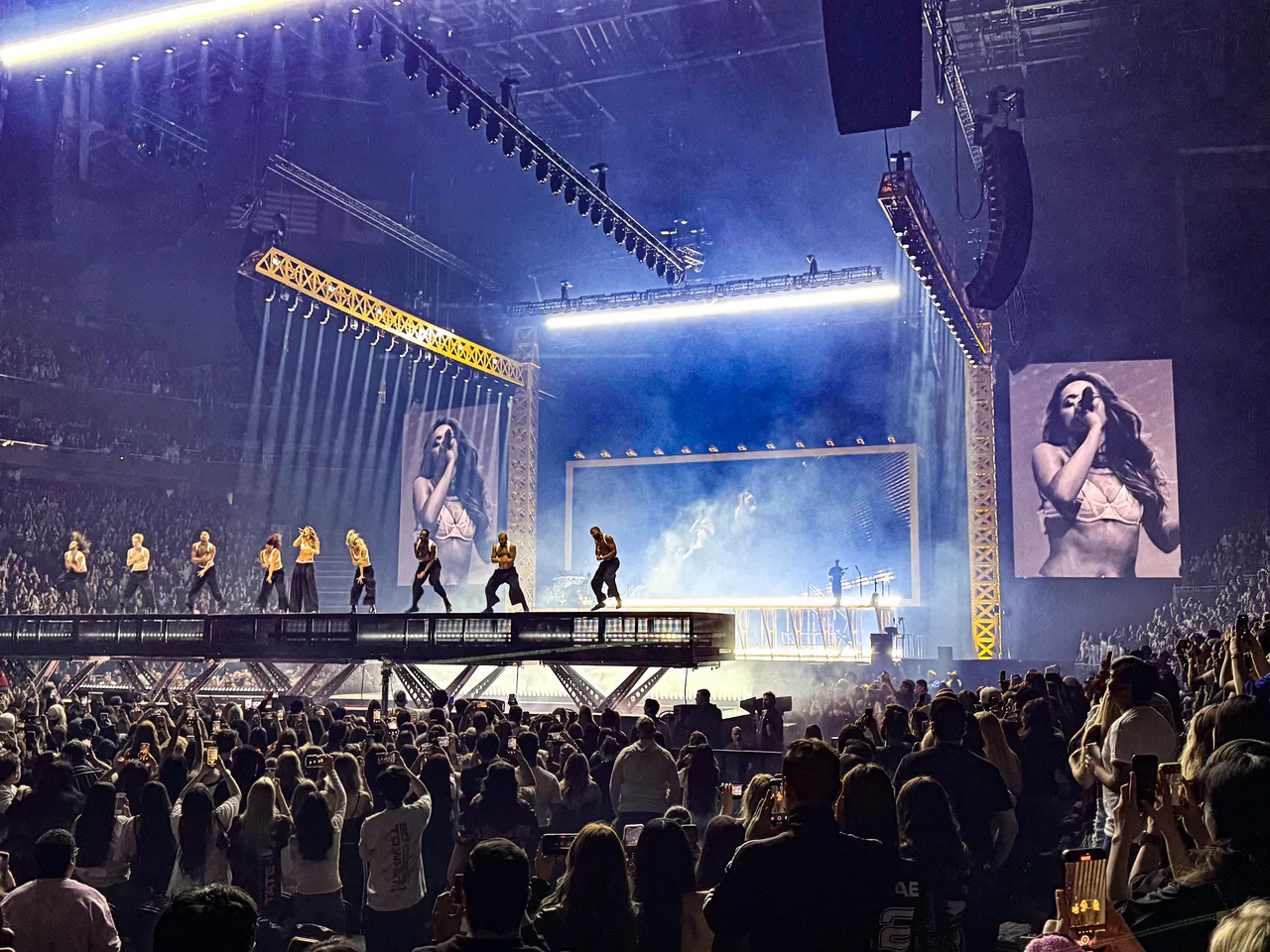
A pit ticket is admission to the standing-room floor area closest to the stage, often directly behind the security barricade. In many venues, “the pit” is the front slice of the floor, while the rest of the floor may be general standing room farther back. In other places, pit is essentially the entire floor. The exact footprint depends on the venue’s layout and the show’s production.
The key idea is this: a pit ticket usually does not come with an assigned chair. You are buying access to a zone, not a numbered seat.
That said, “pit” is not universal. Some tours use tiered or subdivided pits (think “Gold Circle” or “Front Pit”), and occasionally a show will label a very front section as pit even if it has folding chairs or a partially seated setup. When in doubt, check the venue map for your date.
What pit access usually includes
Standing room, not a seat
In the pit, plan to be on your feet for most of the night. You might sit on the floor between sets at some shows, but the default is standing once the room starts filling. You stay standing through the encore and the slow shuffle out.
Closest proximity to the stage
Pit is prized because it puts you nearest the performance. That can mean eye contact with the artist, seeing fingers on strings, catching choreography details you miss from farther back, and living inside the lighting and sound design.
Barricade access, sometimes
The barricade is the metal rail at the front of the pit, with security between you and the stage. If you arrive early enough and the crowd flow cooperates, you may be able to claim a spot directly on it. The barricade is both a perk and a responsibility. It’s a stable place to rest your arms, but it is also where security may ask you to step back, make room, or help keep the lane clear.
Wristbands or separate entry at some venues
Some venues separate pit ticket holders with a dedicated line, a distinct scan point, or a wristband that proves pit access. Others simply scan your ticket and let you flow toward the front. If your ticketing email mentions a wristband, treat it like gold. Do not remove it, do not “adjust” it, and do not assume security can replace it quickly.
How a pit night usually goes
1) Before you leave home
- Wear shoes you can stand in for hours. Style points are real, but so is arch support.
- Bring earplugs. Even if you love loud shows, protecting your hearing is the move, and the pit is where volume hits hardest.
- Plan your pockets. Pit is not the place for juggling loose items.
- Hydrate and eat beforehand. A pit crowd can make leaving and returning feel like a small quest.
- Check the venue’s rules for bags, cameras, outside water, and re-entry. Pit areas may have rules enforced more strictly because of crowd density at the front.
- Know your needs. If standing, tight spacing, strobes, or loud sound will be tough for you, look up accessibility options before the day of the show. Many venues offer ADA viewing areas or other accommodations if you request them early.
2) Arrival and lines
When you arrive, you will usually see a few different kinds of lines: a general entry line, VIP lines, and sometimes a line that is specifically for floor or pit. If pit is your priority, arrive earlier than you would for a seated section so you can choose your spot with intention rather than settling for whatever remains.
3) Security screening and bag check
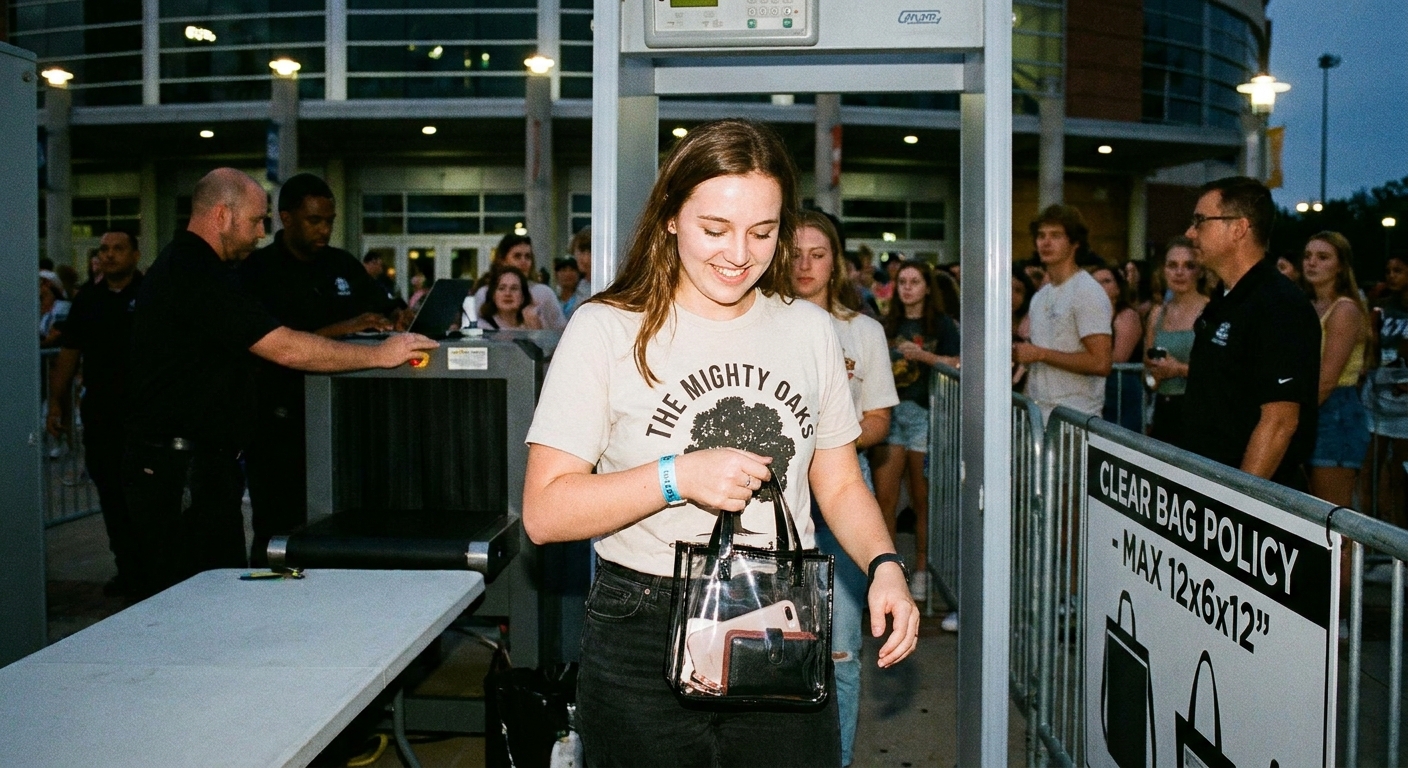
Expect airport-adjacent efficiency. Your ticket is scanned, your bag is checked if you brought one, and you may go through a walk-through detector or get wanded, depending on the venue. If pit has a wristband system, this is often where it happens or immediately afterward.
One modern detail: a lot of venues are cashless. Make sure your payment method works on your phone, and consider keeping a backup card tucked somewhere secure.
4) Getting into the pit and choosing your spot
Once you are on the floor, the first decision is: barricade, center, or side.
- Barricade can be thrilling and steady, but it is also the most crowded and the most competitive.
- Center often gives you the best direct sightline to the artist’s main mark, but it can compress quickly.
- Sides can offer breathing room and surprisingly great views, especially if the stage has extended platforms or if the artist works the edges a lot. (Personally, I love a side spot when the stage design has runways. You get angles and space.)
In the pit, your view is also influenced by height differences, phones going up, and how the crowd shifts when the headliner hits.
5) During the set
Pit energy is part of the show. People sing, jump, sway, and surge. Even at mellow shows, bodies move. A few things to expect:
- Sound and lights can feel more intense up close. Great if you love sensory immersion, less great if you are sensitive to strobes or very loud mixes.
- Crowd movement increases during big songs, entrances, and encores.
- Security is active at the barricade, passing out water, watching for unsafe behavior, and helping people out if they need to exit.
- High-impact moments can happen at certain shows. If a mosh pit opens up or crowd-surfers start coming over the top, you can usually step to the edge, move back, or signal security. If you are at the barricade and surfers come through, keep your head up and follow security’s directions.
If someone looks faint or panicked, flag security at the barricade or grab the attention of roving staff or medics. Help is often fastest near the front rail, but it’s not the only option.
6) Exiting after the encore
Leaving the pit can be slower than leaving a seated area because everyone funnels toward the same aisles. Be patient, keep your group together if you came with friends, and watch your footing. The floor can be slick with spilled drinks by the end of the night.
Bag rules in the pit
Bag policies vary by venue and tour, so always check the official venue page for your specific date. That said, pit areas are often strict because the front-of-house staff wants fewer bulky items in a dense crowd.
- Small bags are easier. Crossbody and belt bags tend to be the least stressful in the pit.
- Clear bag policies are common at arenas and stadiums. If a venue requires clear bags, that applies everywhere, including pit.
- Backpacks may be discouraged or prohibited. Even when allowed, they can be a magnet for extra scrutiny and can annoy people behind you in tight spaces.
- Large items can be turned away. If the venue has size limits, treat them as real, not aspirational.
Also: if you do bring a bag, keep it zipped and in front of you. The pit is joyful, but it is also busy, and it is easy to lose track of a loose-open tote when the bass drops.
What the pit feels like
Pit is not just “closer.” It is a different physical experience.
- You will be standing, likely packed in, and you may feel jostled.
- Personal space shrinks once the headliner begins.
- Visibility can change minute to minute. A great view can disappear when a tall fan steps in front of you or when phones rise during a favorite chorus.
- Heat builds. The front can get warm fast, especially indoors.
For many fans, all of that is part of the fun. For others, it is an excellent reason to choose another area of the venue. Neither reaction is more “real” than the other. It’s just knowing what kind of night you want.
Pit etiquette
- Respect the space you are in. Dancing is welcome, but throwing elbows is not.
- Be mindful with your phone. A quick clip is understandable. If you film a lot, keep it as low as you can, and consider a wrist strap or tether so you do not become the person launching a phone into someone’s forehead.
- Listen to security. If they ask you to step back from the barricade or open a lane, do it promptly.
- Help if someone is struggling. If someone looks faint or panicked, flag security or medics.
- If a mosh pit forms, choose your comfort level. You can often step to the edge, move back, or shift to a side. You do not have to participate to enjoy the show.
Quick FAQs
Is a pit ticket always general admission?
Most pit tickets function like general admission within the pit zone, meaning no assigned spot. Some shows use a numbered wristband, early-entry system, or a subdivided pit setup, but you are still typically choosing your place when you walk in.
Can you leave the pit and come back?
Sometimes yes, sometimes no. Policies vary based on the venue and how they control the floor. If you do leave, assume you may not get your original spot back, especially near the barricade.
Are pit tickets the same as floor tickets?
Not always. “Floor” can mean the entire standing floor, or it can include seated sections on the floor level, depending on the venue. “Pit” usually indicates the area closest to the stage, but boundaries can differ show to show.
What should you bring into the pit?
The essentials: ID, phone, payment method, and whatever the venue permits. Keep it minimal, secure, and easy to carry while standing in a crowd. If you are sensitive to volume, add earplugs to that short list.