Buying tickets is easy. Buying the right tickets is where the art comes in.
The best seat is not always the closest one, and it is definitely not always the most expensive. A great seat is the one that matches the kind of performance you are seeing and the kind of night you want. Do you want to feel the bass in your ribs, catch every lyric, read every facial expression, or slip out quickly before the encore crush?
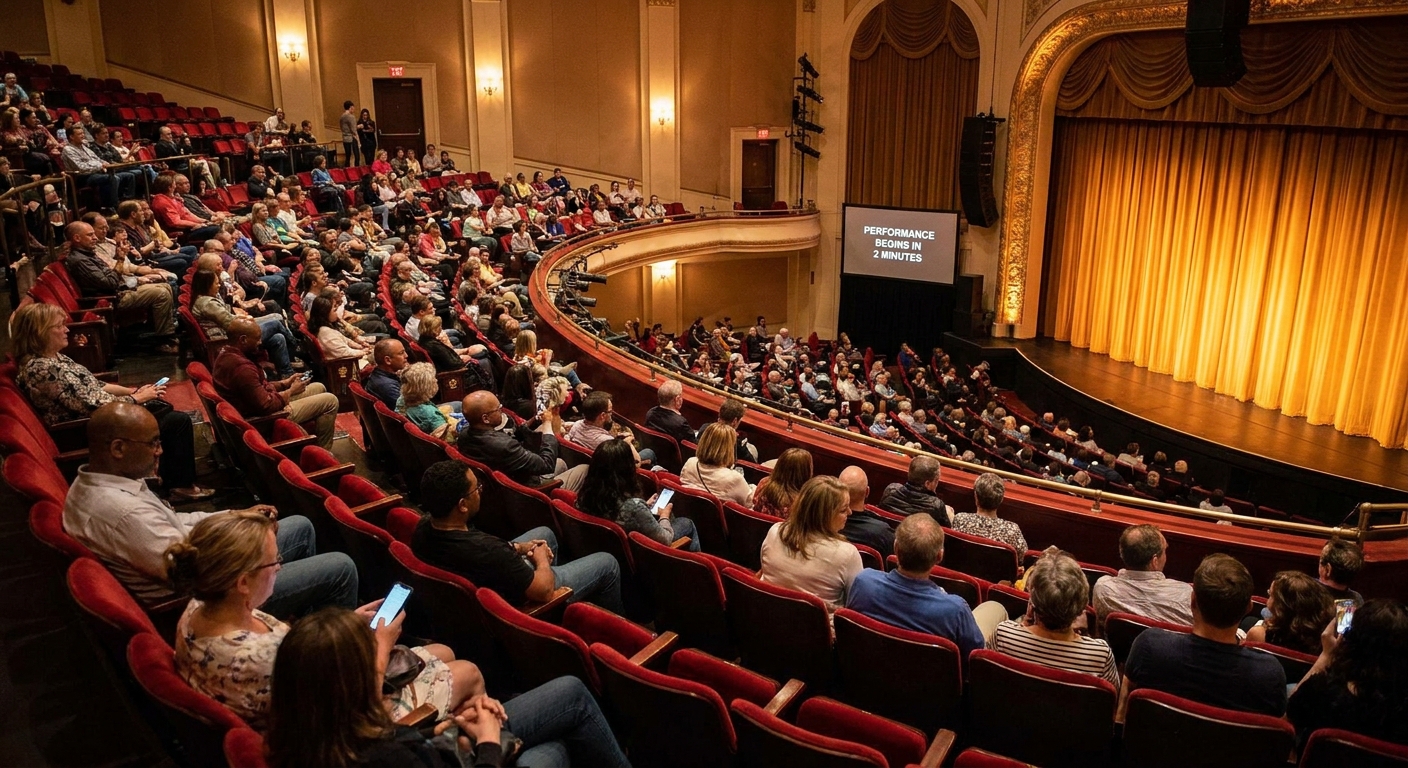
Below is a practical, venue-agnostic guide to sightlines, acoustics, balcony tradeoffs, aisle access, and when front row is actually worth the premium.
Start with your priority: sound, view, or comfort
Before you even look at a seating chart, decide what you care about most. Your answer will steer you toward different sections.
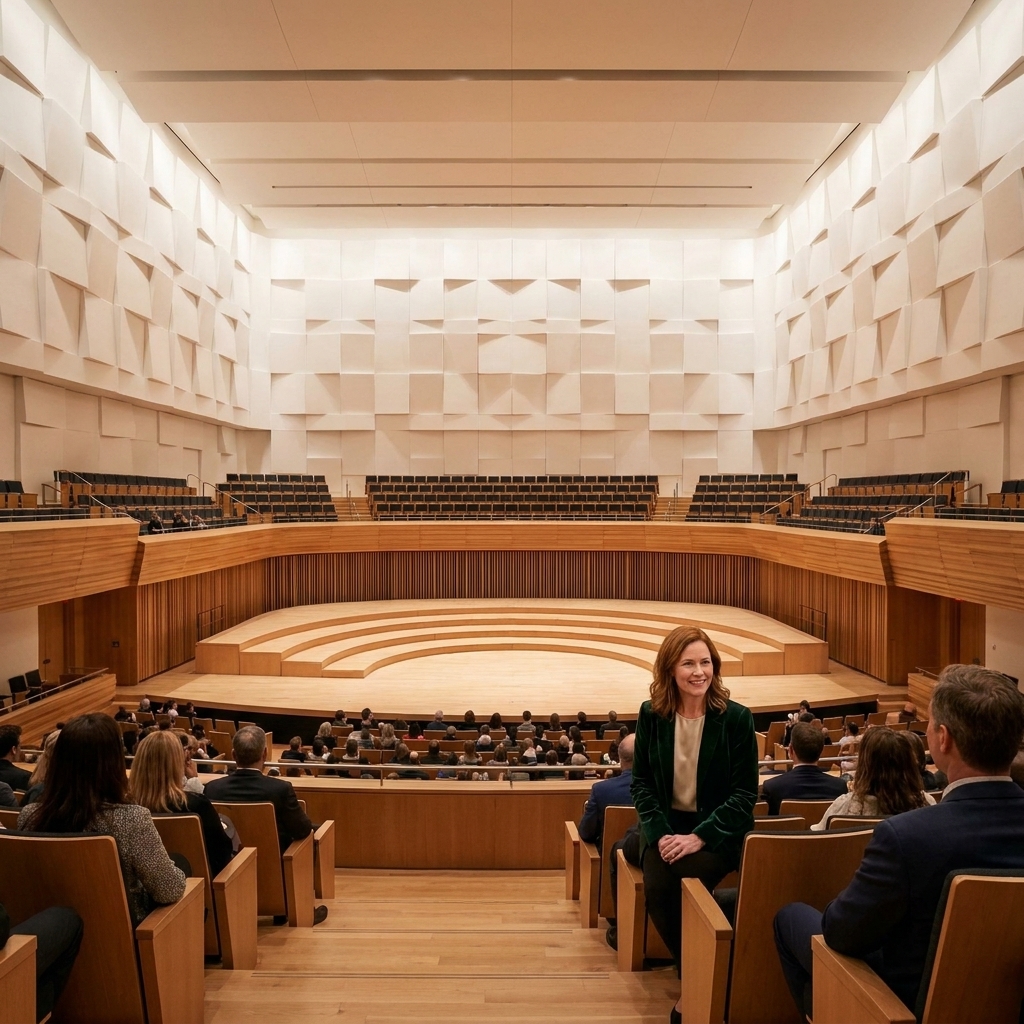
- If you want the best overall sound: aim for center seating, a little farther back than you think, often in the first third to middle of the room.
- If you want the best view of faces and details: prioritize a clean, centered sightline over distance.
- If you want the easiest night physically: choose aisle seats, avoid steep balconies, and consider proximity to exits and restrooms.
Once you pick your main goal, you can make tradeoffs without feeling like you are gambling.
Sightlines: what you can actually see
Center beats close when the show is visual
For musicals, dance-heavy concerts, and any production with projections, choreography, or big stage pictures, the most consistently satisfying seats are usually centered rather than ultra-close. Being too close can mean you are watching the show in pieces: a face here, a lighting cue there, a dancer’s feet you cannot quite catch.
Watch out for common obstructions
Every venue is different, but the same problems pop up everywhere:
- Overhangs: balcony overhang can hide lighting, projections, or anything staged upstage.
- Rails and safety bars: front rows of balconies or mezzanines sometimes have a rail in your eyeline, especially if you are shorter.
- Extreme side angles: “partial view” is sometimes honest, sometimes optimistic. Side seats can cut off entrances, sight gags, and subtitles or supertitles.
- Floor rise: flat-floor venues can be brutal if you are behind tall patrons. Raked seating helps, and balconies can be a blessing.
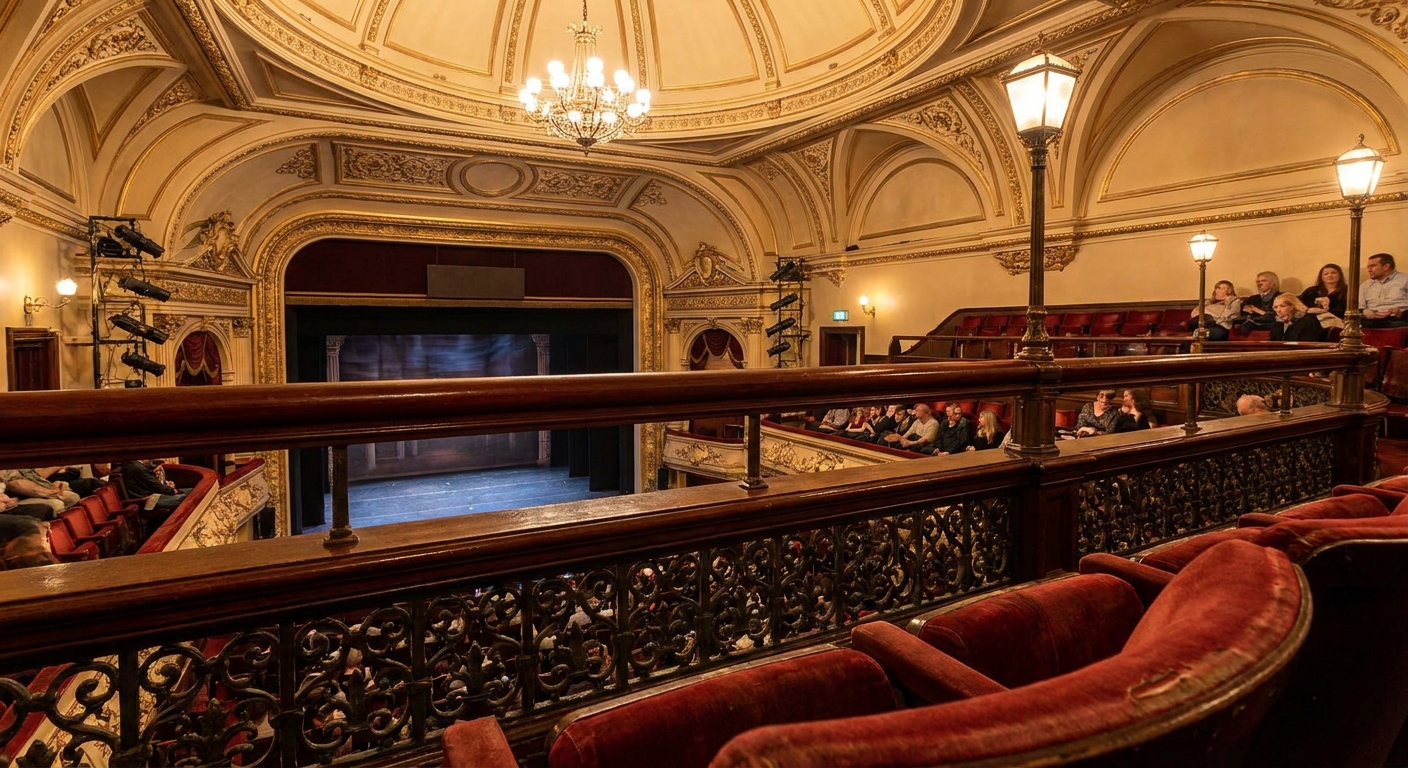
Quick rule: if the show relies on stage pictures, aim for a clean, centered view first, then get as close as your budget allows.
Acoustics: why “best sound” is rarely front row
Sound behaves differently in every room, but there is a reason many audio engineers and musicians prefer seats a bit back from the stage.
- Too close can be unbalanced: you might hear one stack of speakers more than the other, or get more drums than vocals.
- Mid-room often blends best: in many venues, the sound is tuned to where most people sit, not where the barricade is.
- Under-balcony can swallow highs: if you are beneath an overhang, sound can feel muffled or less open.
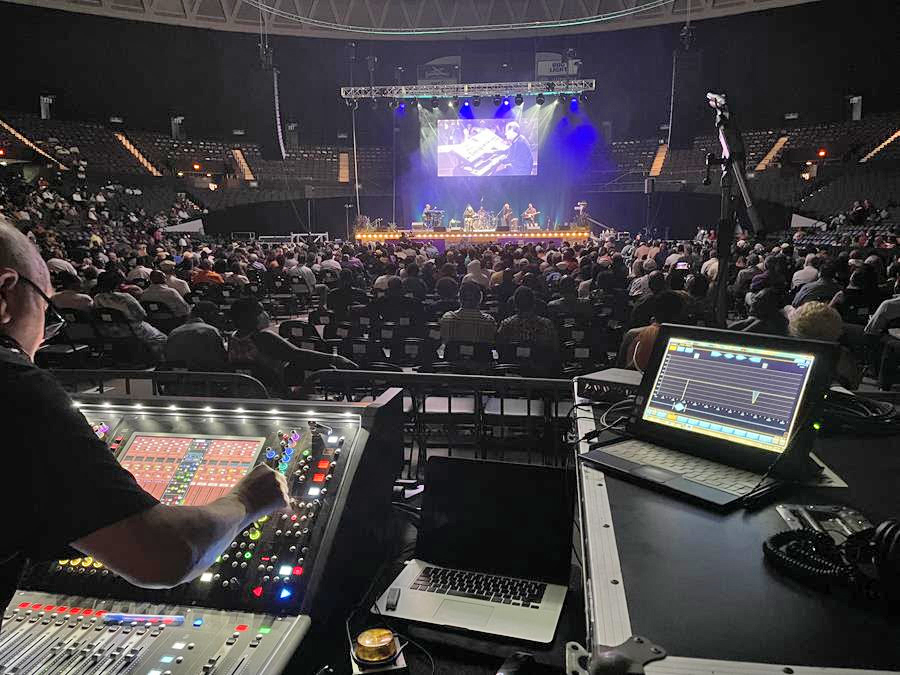
If you are chasing clean vocals and a full mix, a reliable target is center sections near the sound booth or slightly in front of it. That is commonly where the mix is being judged in real time.
Aisle access: the underrated luxury
Aisle seats are not glamorous on a seating map, but in real life they can save a night.
- For long shows: easy exit for intermission, restrooms, or a quick stretch without climbing over knees.
- For comfort: a little extra shoulder room and fewer accidental elbow negotiations.
- For arrivals: if you are cutting it close, an aisle reduces disruption and stress.
The tradeoff is foot traffic. If you are easily distracted, pick an aisle seat a few rows away from major entrances, or choose an inside seat with a better buffer.
Balcony vs orchestra: choosing your altitude
Balcony perks
- Better full-stage view: ideal for choreography, staging patterns, and visual spectacle.
- Often better value: prices can drop faster with height than with distance.
- Sometimes better for comedy: being slightly removed can let you relax and take in the room’s energy.
Balcony drawbacks
- Steep stairs: not friendly for everyone, especially in older theaters.
- Rails and sightline quirks: front-row railings and side angles are common.
- Less intimacy: if you want to feel eye contact and micro-expressions, balcony can dilute that.
Orchestra perks
- Intimacy: you catch acting details, breath, and the human scale of performance.
- Stronger connection: for comedy and singer-songwriter sets, proximity can heighten timing and emotional nuance.
Orchestra drawbacks
- Flat-floor issues: in some venues, one tall head can become your entire evening.
- Too close can narrow the show: big musicals and arena tours are designed to be seen as a whole.
When front row is worth it, and when it is not
Front row is a thrill, no question. But it is a very specific kind of thrill.
Front row is worth it if:
- It is a comedy show or intimate set where facial expressions and timing are the main event.
- You love performer proximity and you are happy to trade “best overall view” for “best story to tell later.”
- The venue is small and the stage is not unusually high.
Front row is not worth it if:
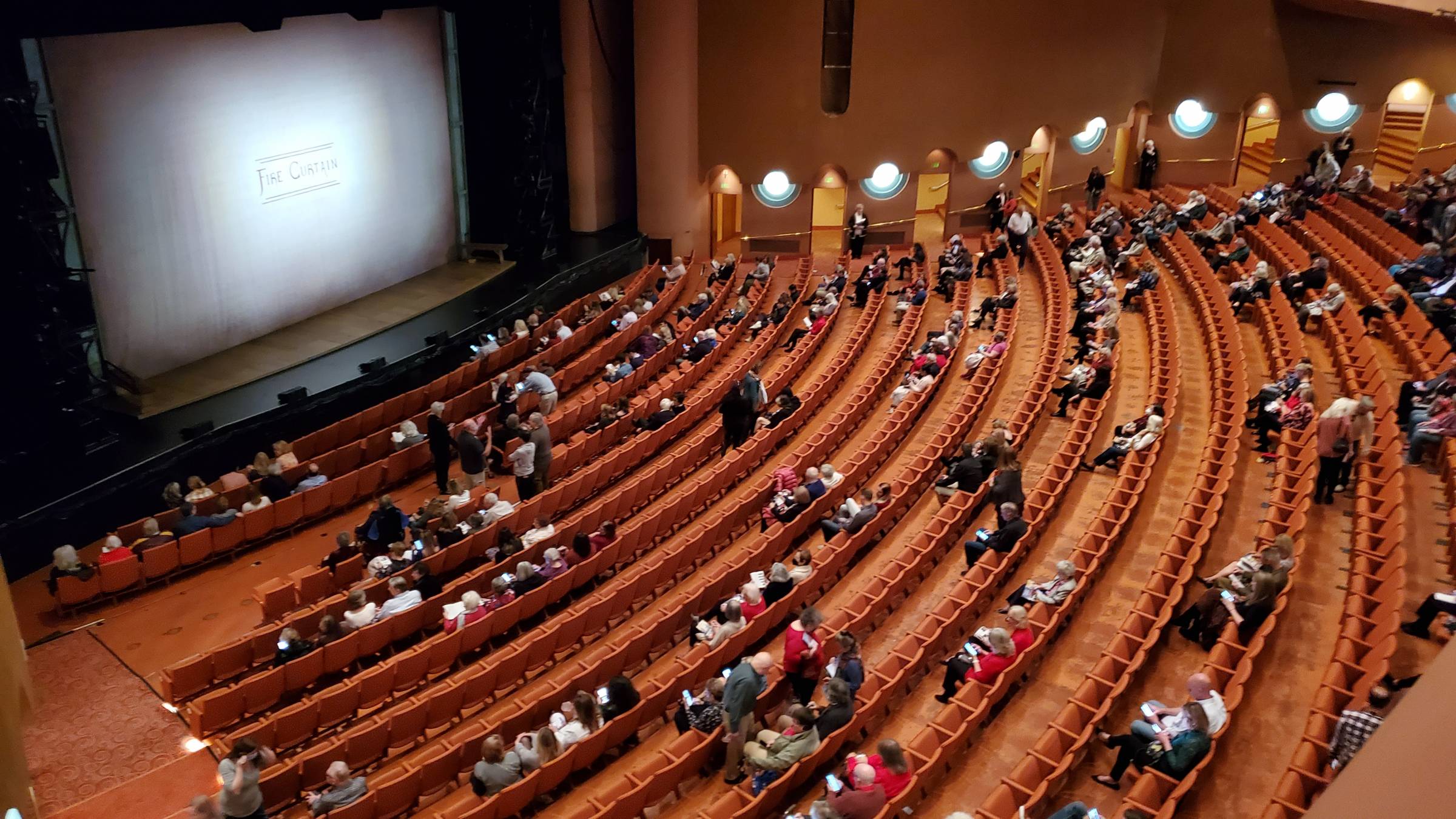
- The stage is tall and you will spend the night craning your neck.
- The production is visual-heavy with projections, choreography, or big scenic reveals.
- You want the best sound mix rather than the most intense physical experience.
One more honest note: front row can come with extra interaction, especially at comedy shows. If being noticed sounds like a nightmare rather than a delight, choose a few rows back and enjoy the same jokes with less adrenaline.
Best seats by show type
Concerts (clubs, theaters, arenas)
- Best all-around: center, mid-distance, ideally near the mix position.
- Best for energy: near the front, slightly off-center, where you can see without being pinned to the speakers.
- Best for comfort: first row of a balcony or mezzanine with a clear rail situation, or aisle seats in the lower bowl for arenas.
If the venue is standing-room, prioritize your line of sight to the stage over theoretical distance. A few feet to the side with a clean view beats “closer” behind a forest of phones.
Musicals and plays
- Best all-around: center orchestra or center mezzanine, not too close.
- Best for full staging: front half of the mezzanine is often a sweet spot.
- Use caution: extreme sides and seats under deep overhangs, especially for shows with projections or big upstage action.
If there are supertitles or onstage screens, make sure your angle lets you read them comfortably without turning your head all night.
Comedy shows
- Best all-around: center, a few rows back, close enough to read expressions but not so close you feel onstage.
- Best for participation: front row or tables near the stage, if you are game.
- Best for a quick exit: aisle seats near the back, especially at late shows.

Reading a seating chart like a critic
Seating maps can be misleading because they simplify three-dimensional spaces into tidy blocks. A few checks help you translate the map into reality.
- Look for the stage height: high stages punish front rows, low stages are friendlier.
- Find the overhang line: if the chart shows a balcony, assume there is a cutoff where the ceiling starts to intrude.
- Check the angle: a “great deal” on the far side might mean you are watching profiles and missing entrances.
- Note the aisle pattern: seats at the end of long rows can be convenient, but also high-traffic.
If the venue provides “view from seat” photos, use them. If it does not, search for audience-shot photos from past events in the same room and compare the angle to the section you are considering.
Accessibility and comfort considerations
Great seats also respect your body. A few practical factors can matter more than a slightly better angle.
- Mobility needs: prioritize elevator access, minimal stairs, and accessible seating platforms where available.
- Legroom: older theaters can be tight. Aisles and front-of-section rows often help.
- Sensory comfort: avoid seats directly beside speakers or very close to pyrotechnics and fog effects in concerts.
- Vertigo: some balconies are steep. Choose lower levels or the first few rows of an upper section.
If you are unsure, call the box office. A good venue team can tell you which sections feel steep, which have rails, and which offer the easiest access.
Quick cheat sheet
- Best “safe bet” for most shows: centered seats, not too close, not under an overhang.
- Best sound at many concerts: center near the sound booth, mid-room.
- Best view for musicals: center mezzanine or mid-orchestra with a clear rake.
- Best comedy experience: center a few rows back, unless you want to be part of the act.
- Best comfort upgrade: aisle seats, especially for long performances.
FAQ
Is the balcony always worse than the floor?
No. For musicals and dance, a balcony or mezzanine can be the best way to see the full stage picture. The key is avoiding extreme side angles and seats with rail or overhang issues.
Are aisle seats really worth paying extra for?
If you value comfort, easy exits, or you are attending a long show, yes. The premium often buys you a smoother night, not just a different view.
What if I can only afford the far sides?
Choose the side that keeps you closer to center even if it means sitting a few rows farther back. For theater, a slightly higher row on the side can also improve the angle over heads.
How do I avoid bad sound at a concert?
Avoid being directly beside speaker stacks, and be cautious under balconies. If you want the most balanced mix, aim for center sections around mid-room.