The first time you buy opera tickets, the seating chart can feel like an ornate puzzle: tiers, boxes, “dress circle,” “grand tier,” “family circle,” and a price map that suggests a balcony seat might cost as much as a small, sensible car payment.
Here is the good news: there is rarely a single “best seat” in an opera house. There is the best seat for you, for this opera, on that night, with your tolerance for heights, neck craning, and how deeply you care about seeing every eyebrow lift versus being wrapped in sound.
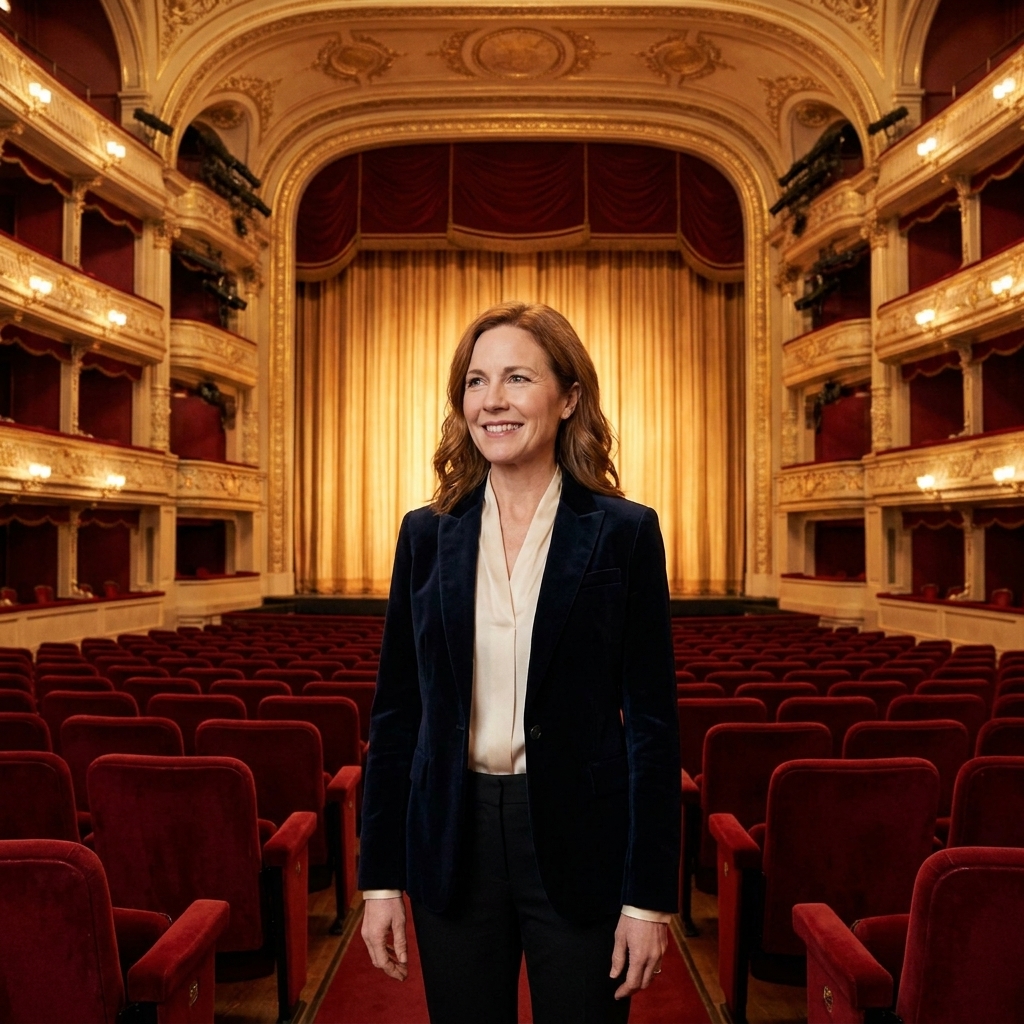
Know what you are shopping for
Quick translation: Orchestra (or stalls) is the main floor. Dress circle, grand tier, or first balcony is the first raised level, and the name depends on the house.
Opera is a three-course meal: music, drama, and design. Your seat determines which flavor you taste most.
- Sound-first: You want voices to bloom and the orchestra to feel dimensional, even if faces are smaller.
- Sightline-first: You want clear views of acting, stage pictures, and choreography, even if sound is a touch drier.
- Spectacle-first: You want the whole jewel box experience, the architecture, the crowd energy, and a view that makes you feel like you are inside a storybook.
Before you click “buy,” ask yourself one blunt question: Would I rather be closer to the performers, or hear the room sing? That answer usually points you to the right level.
Read the seating chart
Start with the centerline
In most major opera houses, the safest all-around choice is some version of center: center orchestra, center grand tier, center dress circle. The closer you stay to the middle, the fewer surprises you get.
Check overhangs and rails
Balconies can be wonderful bargains, but two things can quietly ruin your night:
- Overhang: A higher tier sticking out above you can trim sound and make the stage feel boxed in. If your seat is under an overhang, you may lose some acoustic sparkle and part of the vertical stage picture.
- Front rails: The first row of a balcony sounds dreamy until you realize the railing lands at eye level. People lean forward, you lean sideways, and you spend the evening trying to find a clean slice of stage.
If the seating map has a shaded area for limited view, believe it. If it does not, zoom in and watch for oddly low prices in “premium” rows. Those are often the rail seats.
Translate the fancy names
Terminology varies, but the anatomy is consistent:
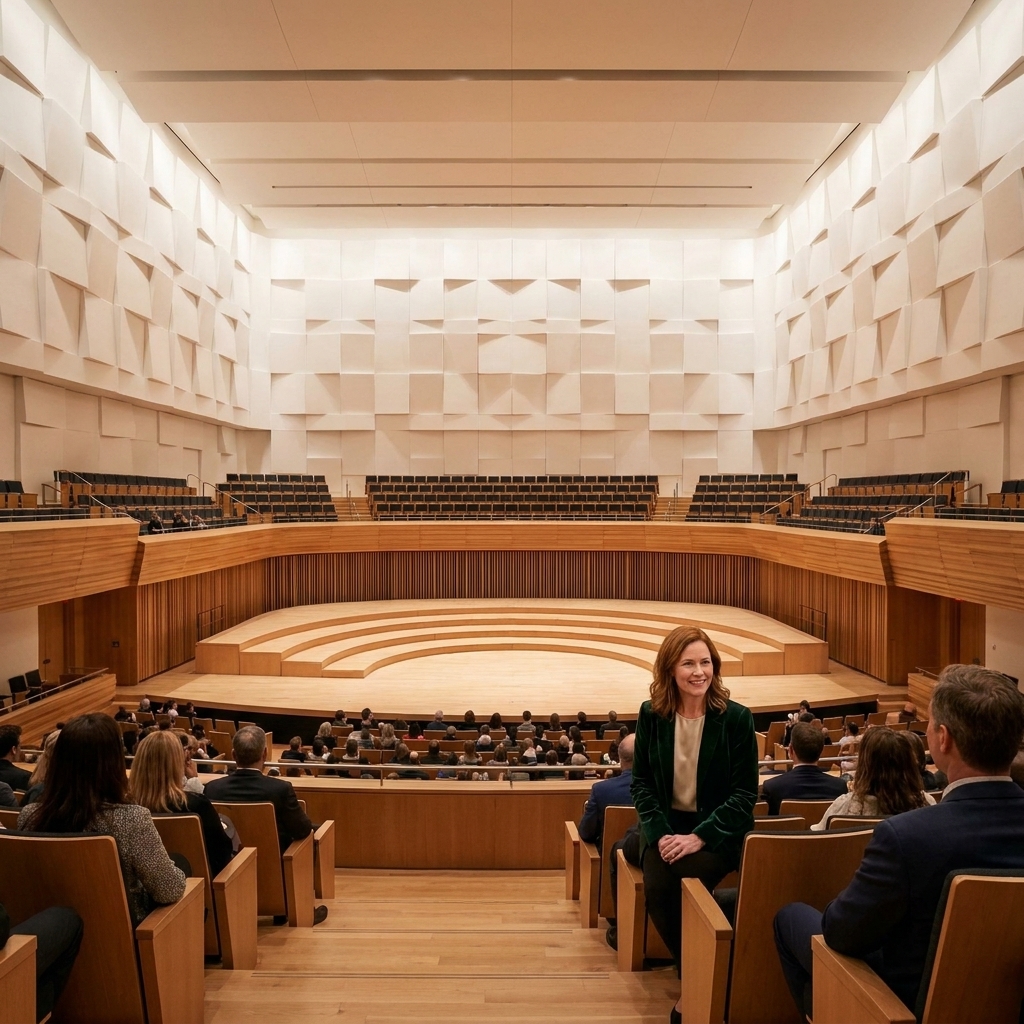
- Orchestra or Stalls: Ground level, closest to the stage.
- Dress Circle, Grand Tier, First Balcony: The first elevated ring. Often the sweet spot for sightlines and sound.
- Upper Balcony, Family Circle, Amphitheater: Higher rings. Better value, more panoramic, sometimes more distant.
- Boxes: Side sections that feel glamorous, but can be acoustically and visually tricky depending on angle.
Best default seats
If you want the fewest regrets on your first visit, aim here.
1) First balcony, front half (center)
This is the seat category I recommend when friends ask, “I want to love opera, where do I sit?” You usually get:
- A full, blended sound that carries both orchestra and voices
- A clear view of stage pictures and blocking
- A sense of scale that makes big sets make sense
If the house offers a dress circle or grand tier, look for rows just behind the very front rail.
2) Orchestra, mid-center
Closer is not always better. In very close orchestra rows, you can lose the “frame” of the stage and spend the night chasing action with your eyes. A mid-orchestra seat tends to give you:
- Strong presence on voices
- A balanced view of the stage
- Less neck strain than the first few rows
3) Side orchestra, slightly back
If center prices are wild, a side section can still be a great night if you avoid extreme angles. Choose seats closer to the center aisle than the outer wall, and you will often keep good sound while saving a meaningful amount.
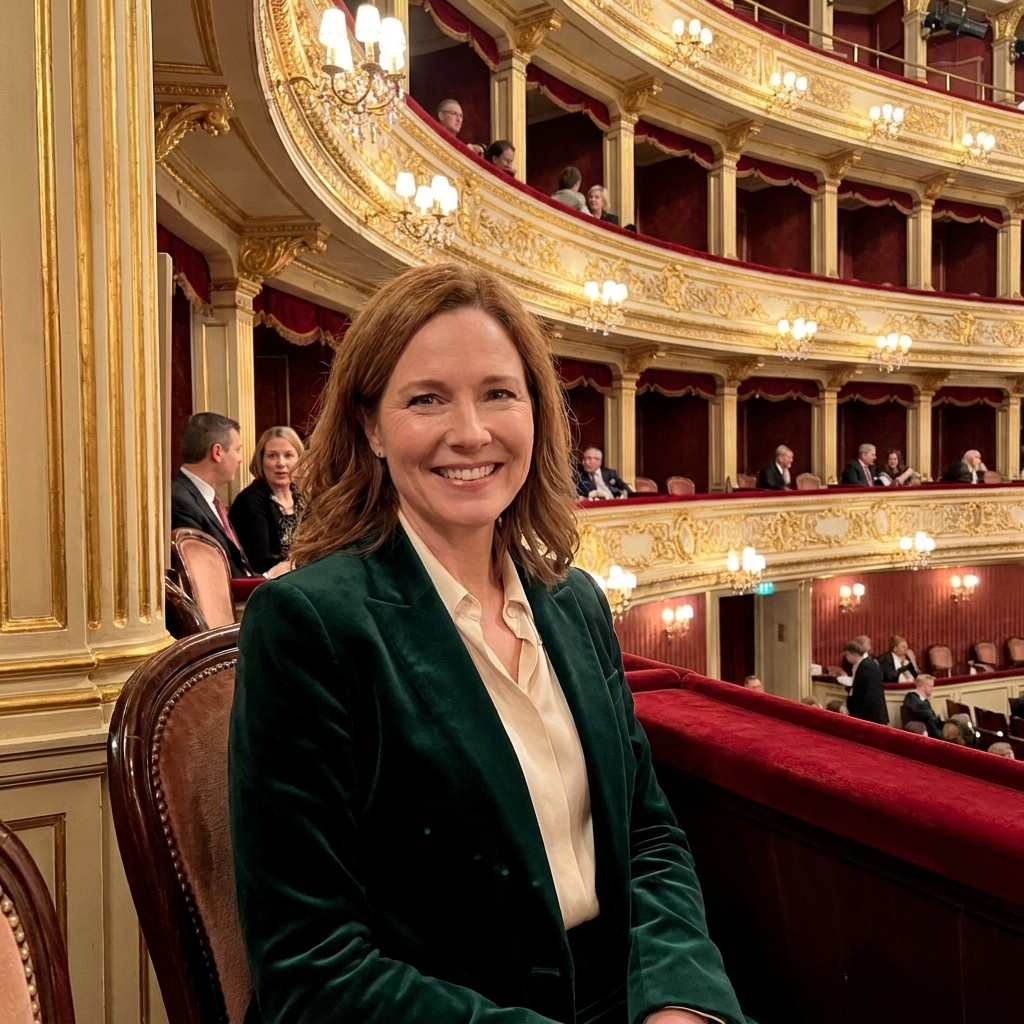
Splurge or save
Splurge for: intimate drama and stars
If you are seeing an opera that lives in micro-expressions, or you are going for a specific voice you have been streaming on repeat, consider spending more for a closer, more detailed view. Think chamber-like storytelling, psychological drama, or a recital-style evening.
Save for: big spectacle and familiar titles
Large-scale operas with huge choruses and grand production design can be thrilling from higher levels because the stage pictures read like living paintings. Also, if you already know the story and want to soak in the atmosphere, a value seat can be perfect.
A simple value rule
My rule of thumb: if the price jump is big for only a few rows closer, pause. In many traditional opera houses designed for unamplified voices, you are often paying for proximity and prestige more than a proportional upgrade in experience.
Boxes: glamorous, not foolproof
Boxes are the seats that make you feel like you wandered into a 19th-century novel. But here is what first-timers should know:
- Side angle: In far-side boxes, you might miss upstage action or important staging that happens deep in the corners.
- Sound can vary: Some boxes are acoustically gorgeous. Others feel tucked away from the main bloom of the room.
- Social layout: Boxes can be tight, and sightlines depend on who leans forward.
If you choose a box, pick one closer to the proscenium and avoid extreme side views unless you have confirmed the sightline is clean.
Acoustics basics
Every house has its own personality, but a few patterns show up often:
- Under-balcony orchestra seats can lose brightness. Sometimes you gain clarity, sometimes everything feels slightly muted.
- First balcony center often delivers the most even blend of stage and pit.
- Very high balcony can be surprisingly good for sound in some halls, but the experience becomes more panoramic than intimate.
Remember that singers are not miked in the way pop concerts are. You are hearing architecture as much as you are hearing technique. That is part of the thrill.
Titles and translations
If this is your first opera, you are likely relying on projected titles. Make sure you can actually see them.
Where titles might be
- Above the stage: Common in many houses. Very high balcony seats can require a lot of up-and-down eye travel.
- Seat-back screens: Some venues offer personal screens, which can be a lifesaver for side angles or partial views.
- Side boards near the proscenium: Available in some houses. This varies a lot by venue and by production.
When you are choosing between two similar options, pick the one that lets you read titles without strain. You will enjoy the music more when your neck is not negotiating with gravity.
Comfort and access
Two seats can have the same view and wildly different “can I sit here for three hours” energy. A quick practical scan helps.
Accessibility
- Step-free routes: Historic venues can mean lots of stairs. If stairs are a concern, check elevator access to your level before you buy.
- Wheelchair and companion seating: These are often in specific areas with dedicated sightlines and entrances. Book early and call the box office if the map is unclear.
- Hearing help: Many houses offer hearing assistance devices, induction loops, and sometimes captioning options. Availability and setup vary, so it is worth checking the venue accessibility page.
Body geometry: the real rail test
- If you are shorter: front-row balcony rails can be especially annoying. Choose the second row, or look for raised or glass rails if the venue notes them.
- If you are taller: legroom can be the issue, especially in older upper levels. An aisle seat can be a sanity saver.
- If you wear glasses: avoid seats that force constant stage-to-titles refocusing, especially very high levels with overhead titles.
Heat and vertigo
Upper levels can be warmer, and some balconies have a steep rake. If heights make you uneasy, choose a lower tier or a seat a few rows back from the front edge.
Common seat traps
- “Partial view, but it is fine.” Sometimes it is. Sometimes you miss key entrances, projected titles, or whole chunks of staging.
- “Front row balcony.” Rail issues are real. If you do front row, look for staggered seating or higher rail designs, and be honest about your height.
- “Behind the conductor is so cool.” In venues that sell behind-the-stage seating, you will see the conductor and backstage traffic. Acoustically, it can mean great orchestra detail but a less balanced blend for voices, plus an unconventional view.
- “Standing room is romantic.” It can be. It can also be a two-hour calf workout. If you are new, consider it only if you are comfortable being uncomfortable.
Smart booking moves
Use seat views, then verify
Interactive seat previews are helpful for angle, but they can be generous about how much you see past rails and heads. A quick check of real audience photos for that section can save you from a surprise obstruction.
Look at weekdays
If your schedule allows, weeknights often have better availability. At houses that use variable or demand-based pricing, the same seat can also cost less depending on demand.
Watch for price swings
Many venues adjust prices as demand changes. If you see a seat you love at a price you can live with, do not assume it will be there tomorrow at the same number.
Ask the box office one specific question
Instead of “Where should I sit?” try: “Is this seat under an overhang or behind a railing, and can I see the titles?” It is amazing how quickly clarity appears when you ask about the exact pain points.
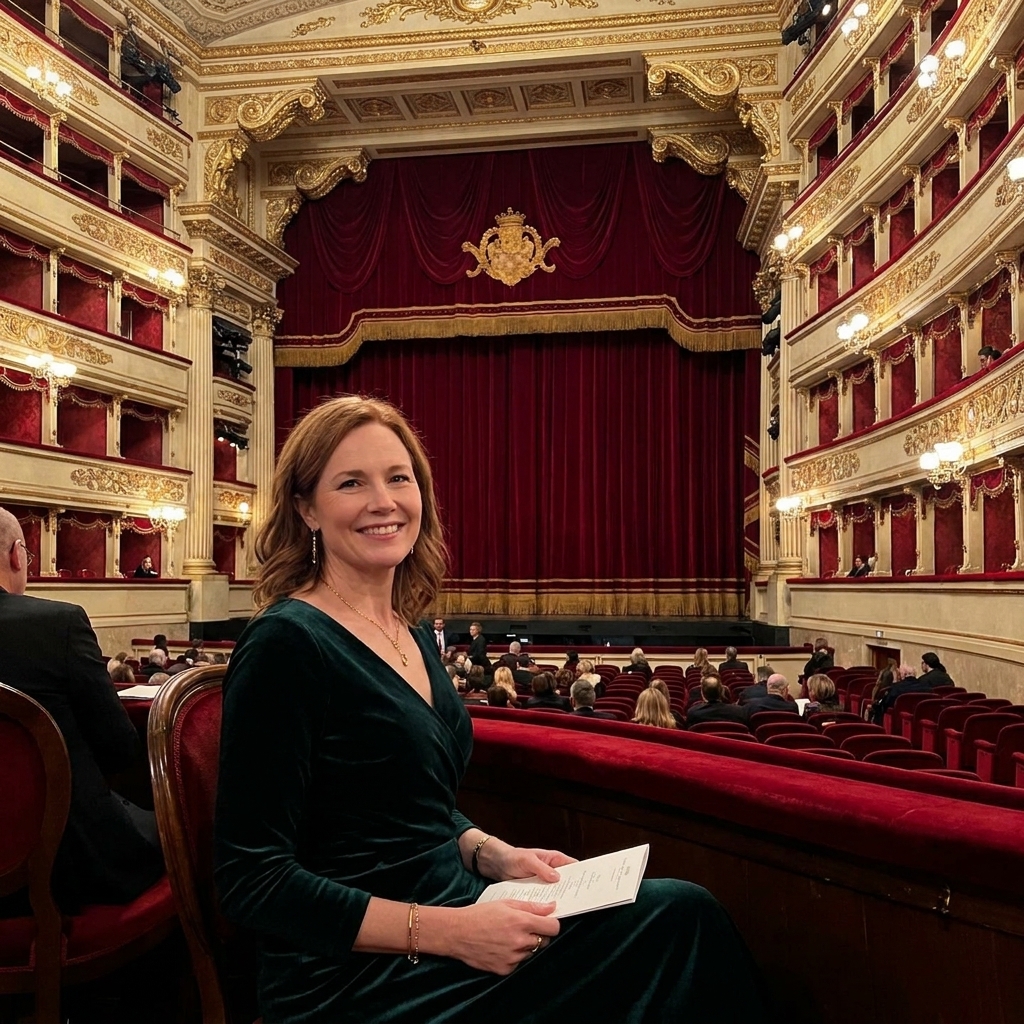
Quick picks
For voices
- Center first balcony, a few rows back from the rail
- Mid-orchestra center
- Center upper balcony in a renowned acoustic hall, if you do not mind distance
For acting and details
- Orchestra, not too close, near center
- First balcony center, front half
- Avoid extreme side boxes unless you know the staging is traditional
For value
- Side orchestra closer to the center aisle
- First balcony side sections with clean sightlines
- Upper balcony center, avoiding rail and overhang complications
Confidence checklist
- I know whether I am prioritizing sound, sightlines, or value.
- I checked if my seat is under an overhang.
- I considered railing risk if I am in the front row of a balcony.
- I confirmed I can see projected titles or have a screen option.
- I chose a seat that lets me sit comfortably for the full runtime.
If you leave the opera thinking, “I cannot believe human beings can do that with their bodies and voices,” you picked the right seat.
FAQ
Is it better to sit in the orchestra or the balcony?
For most first-timers, the first balcony center (often called dress circle or grand tier) is the most consistent blend of sound and sightlines. Orchestra seats can feel more immediate, but very close rows can make it harder to take in the full staging.
Are box seats worth it?
They can be, especially for the ambiance. Just know that side angles can limit your view and the acoustics can vary. Boxes closer to the stage opening tend to be safer than far-side boxes.
What does “limited view” usually mean?
It often means you will miss part of the stage, have a railing in the way, be tucked behind a wall in a box, or have trouble seeing titles. Sometimes it is a small compromise for a big discount. Sometimes it is the difference between watching an opera and listening to one.
How early should I arrive if I have a tricky seat?
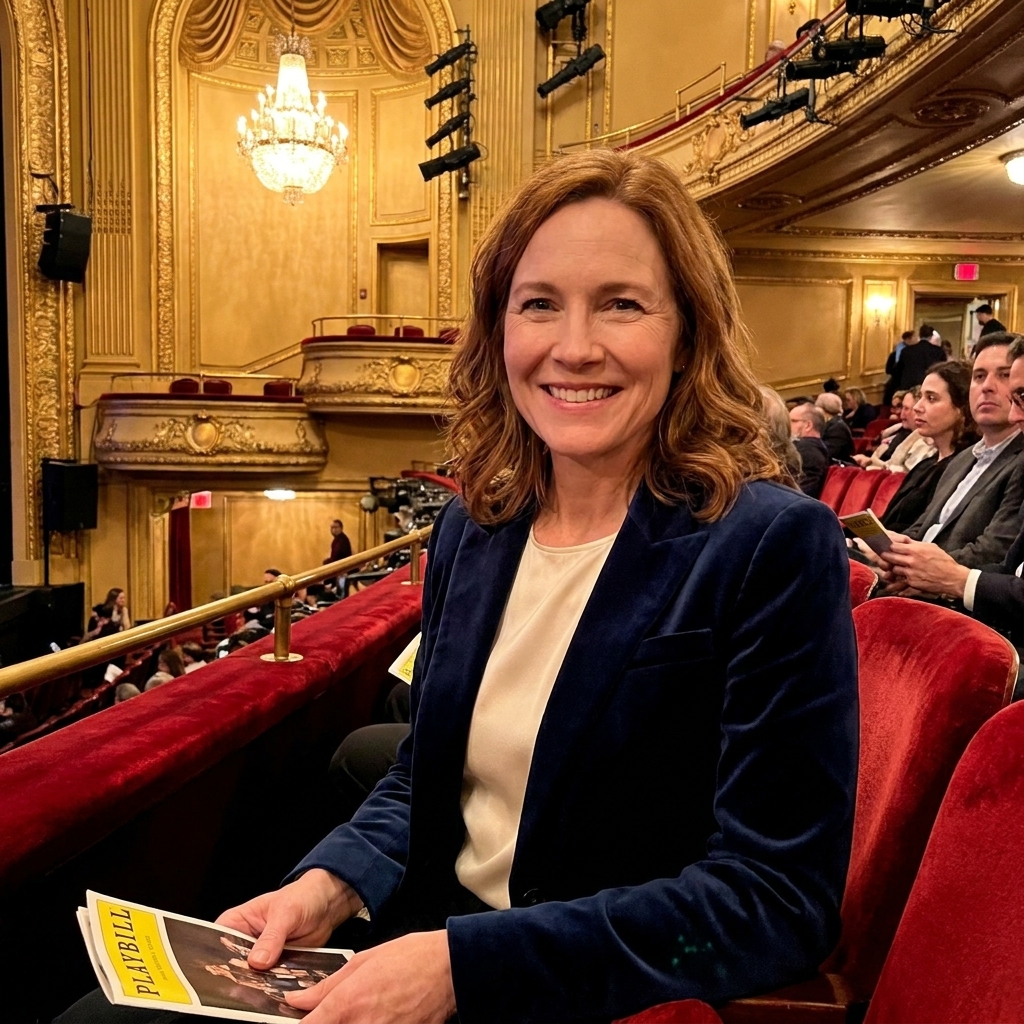
Earlier than you think. If you are in a box, side section, or high balcony, arriving early lets you settle, test sightlines, and adjust before the lights go down. Also, you deserve time to read the playbill like it is a love letter.