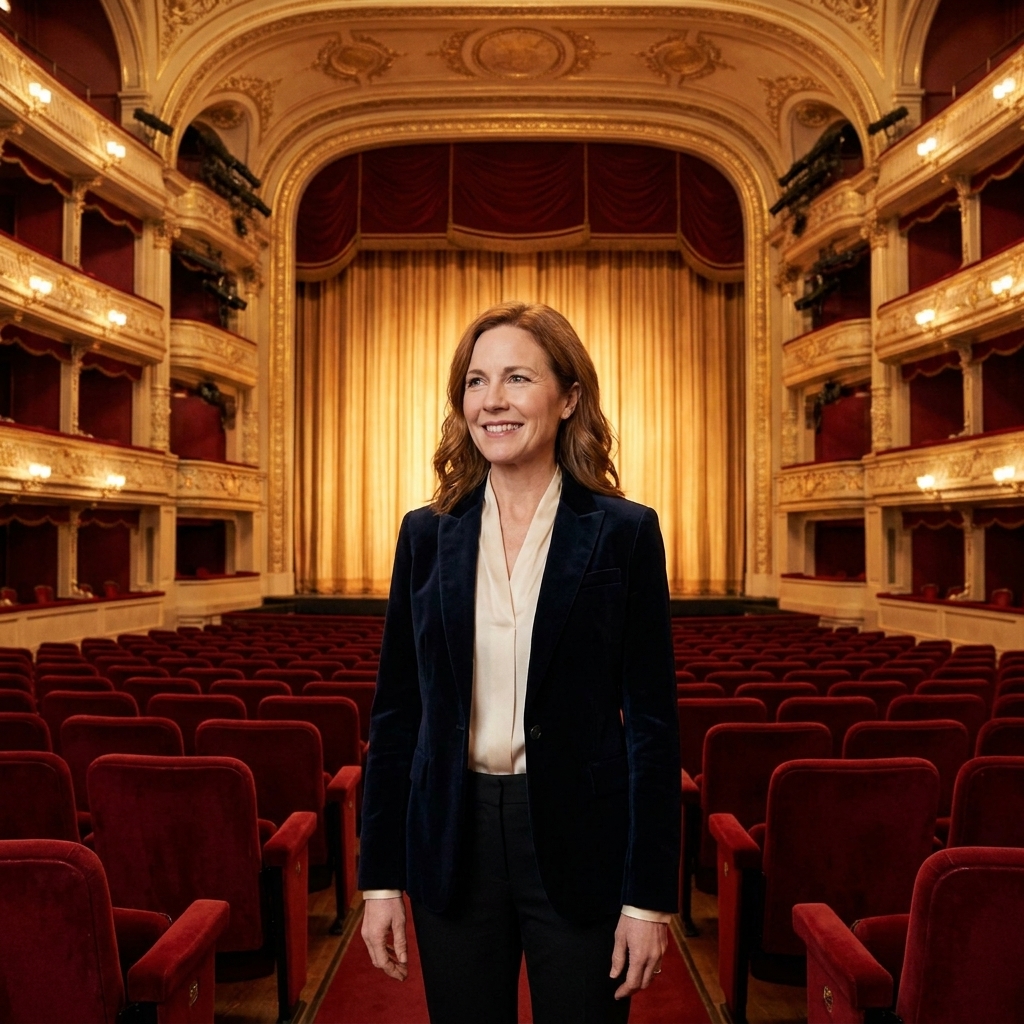
Opera has a reputation for being intimidating, like you need a velvet cape and a minor in Italian to get through the door. The truth is much kinder and much more fun: it is live theater with a full orchestra, huge voices, and feelings that do not apologize. You show up, you listen, you let the story hit you in the chest. This guide is here to take the mystery out of the experience so your first night feels less like an exam and more like a night out.
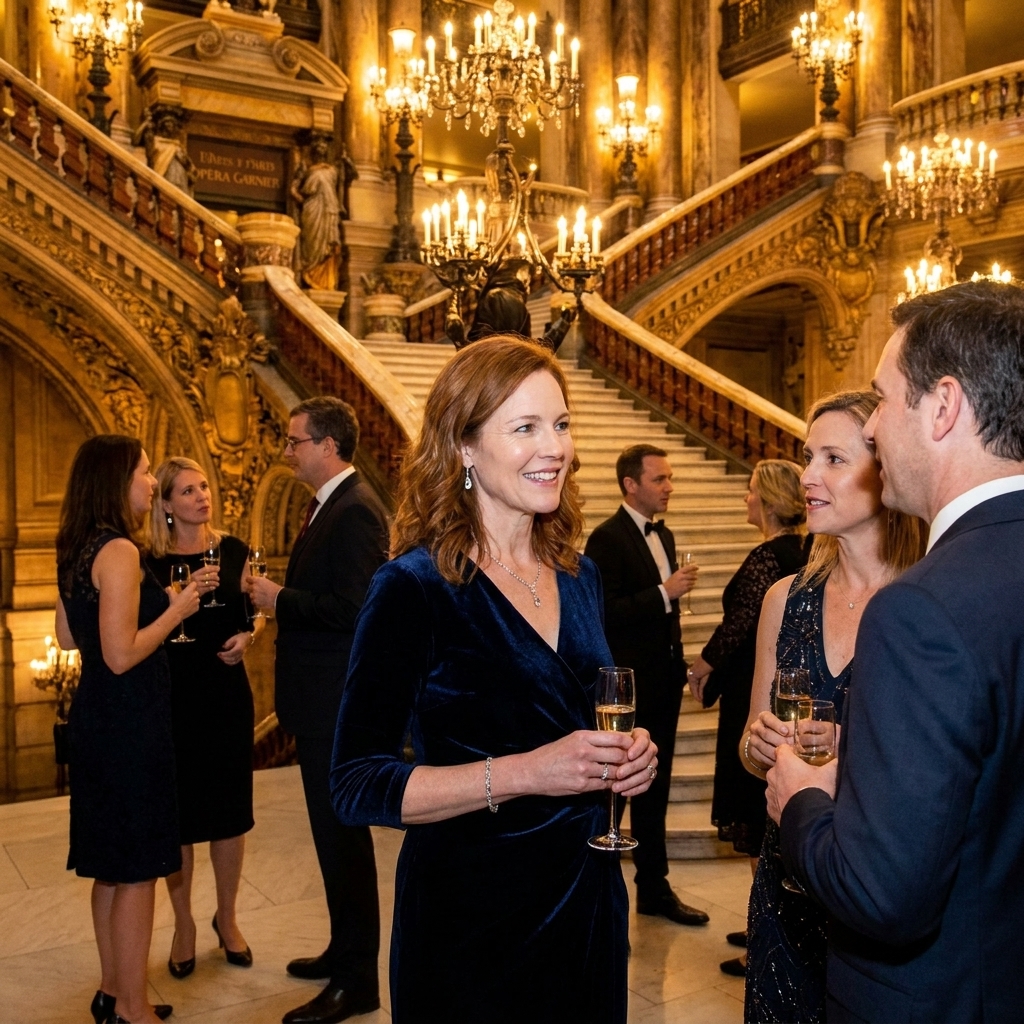
Before you go
Pick a good first opera
If you are choosing the show, stack the deck in your favor. Your first opera should feel like a warm welcome, not a dare.
- Go familiar: Titles you have heard of are famous for a reason. La Traviata, Carmen, The Magic Flute, La Bohème, and The Barber of Seville are sturdy entry points with clear emotions and memorable musical hooks.
- Consider length: Some operas are delightfully long. For a first visit, a two to three hour evening including intermission is an easy yes. Runtimes vary by production, so check the venue listing for the start time and estimated end time.
- New works count: Contemporary opera can be very beginner-friendly, especially if it is in your language or uses modern staging cues that guide the storytelling.
Know the setup, not the spoilers
Your goal is not to memorize the plot. Your goal is to know the basic situation so you can relax and watch the choices unfold. A quick synopsis and a glance at the main characters is enough. If you like, listen to one or two famous excerpts ahead of time so your ears have something to latch onto when the orchestra starts painting the room.
Plan your arrival
Many opera houses suggest arriving about 30 minutes early, sometimes longer if you need will-call, coat check, or just want time to breathe. Check your venue guidance if it is your first time. Late seating rules can be strict. Many venues hold latecomers until a suitable break, which can mean watching the opening from a monitor in the lobby.
Language basics
Most operas are sung in their original language. That is normal, and you are not expected to speak it. The story is carried by acting, music, and usually translations in the hall.
Tickets do not have to be pricey
Cost is one of the biggest perceived barriers, and it does not have to be. Many companies offer at least one of the following: rush tickets, day-of discounts, student or under-30 pricing, gallery seats, standing room, or partial-view seats at a lower price. If you can be flexible on date and seat location, you can often get in for much less than you expect.
What to wear
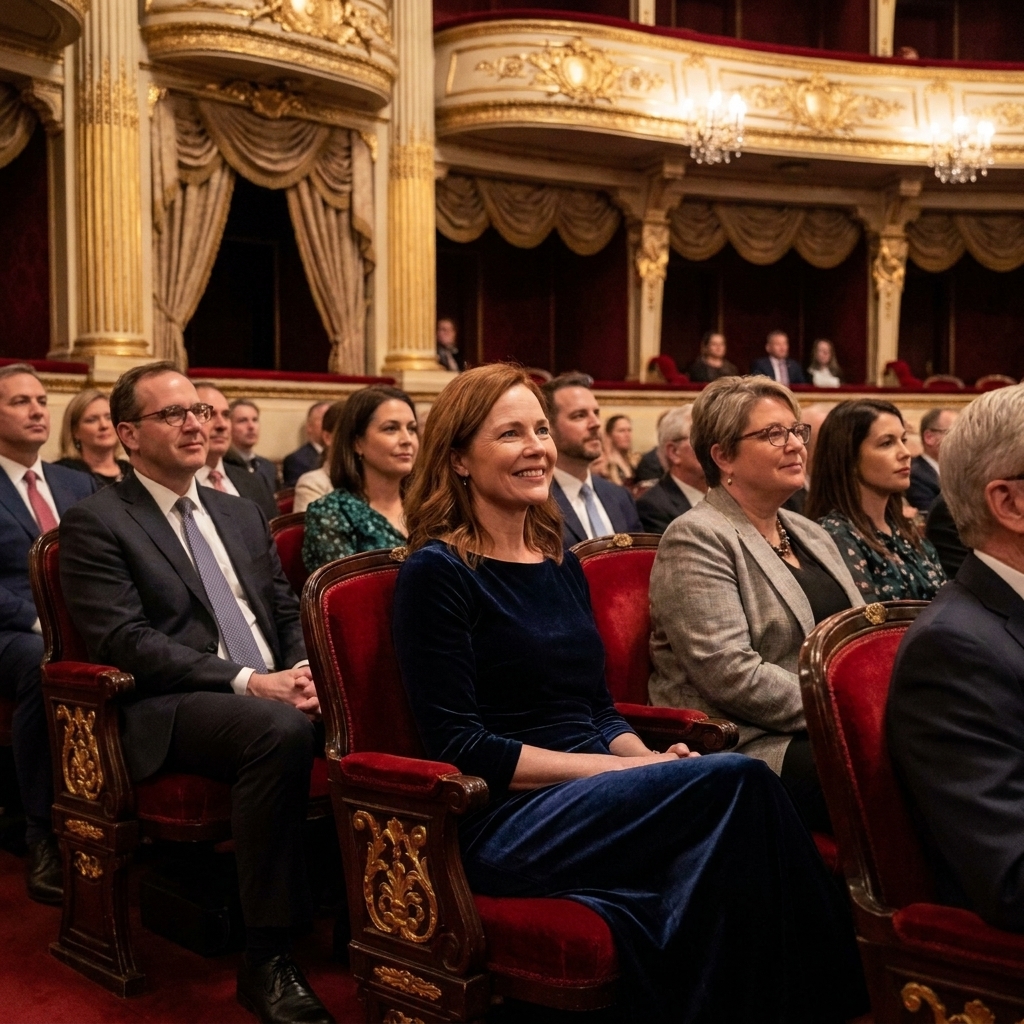
Let us lovingly retire the myth that opera requires white tie. Many people do dress up because it feels festive, but modern opera audiences range from jeans and a blazer to cocktail dresses. The safest approach is: look intentional.
Dress code in one line
Smart casual is accepted almost everywhere, and semi-formal is never out of place.
Simple outfit formulas
- Smart casual: Dark jeans or trousers, a crisp shirt or blouse, a blazer or neat sweater, closed-toe shoes.
- Semi-formal: A suit without a tie is fine, a cocktail dress, or a polished jumpsuit.
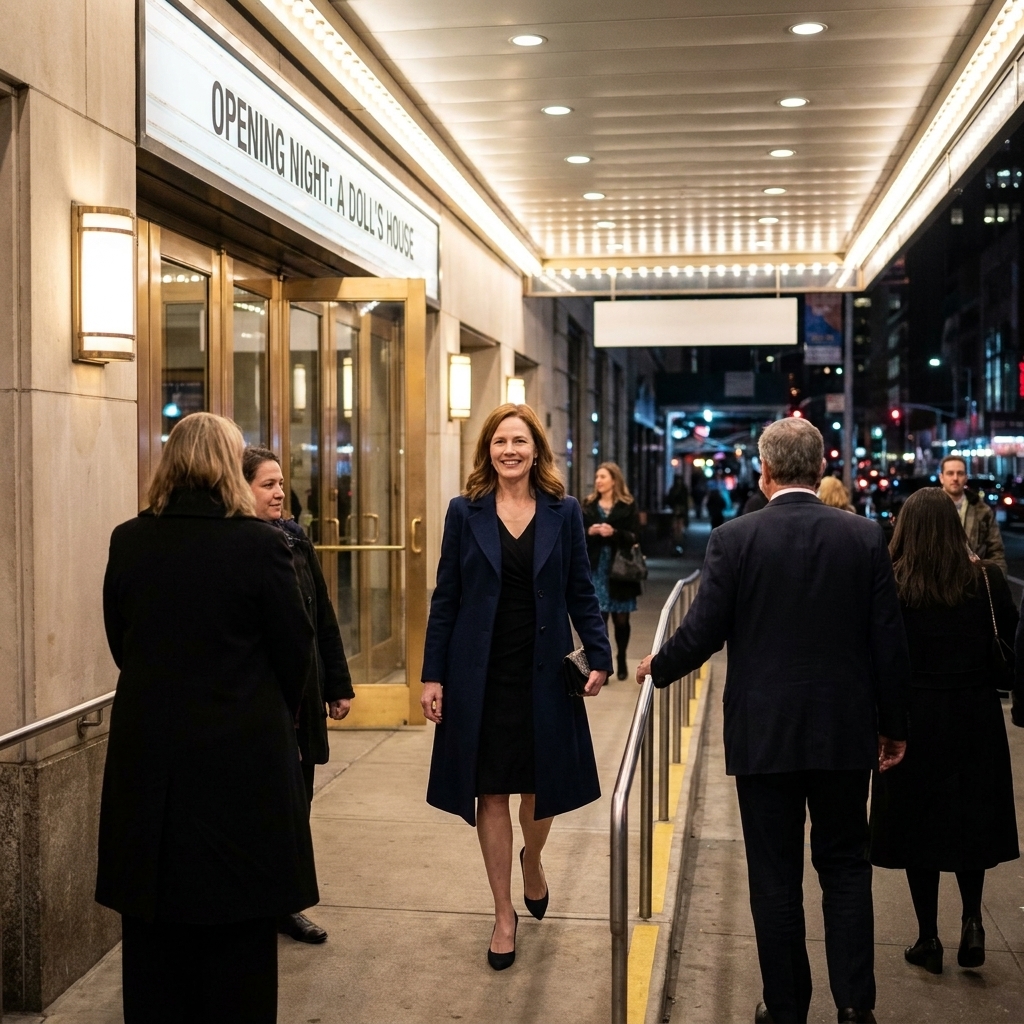
- Gala nights: If your ticket says gala, opening night, or benefit, expect more formal looks. If you do not have one, do not panic. Aim for your most elevated option.
What to avoid
- Anything noisy: Bangles that clink, loud heels on metal stairs, crinkly fabric. Opera is quiet between the music.
- Strong fragrance: The seating is close, and the orchestra pit does not need to smell like a department store.
- Big hats: Save them for the lobby photo, not the person behind you.
When you arrive
Tickets, coat check, program
Most opera houses run like well-oiled theaters. Ushers scan tickets, point you toward your section, and are genuinely happy to help you find your seat. If you have a bulky coat or umbrella, use coat check if offered. Then grab the program, which is part souvenir, part roadmap.
Seating basics
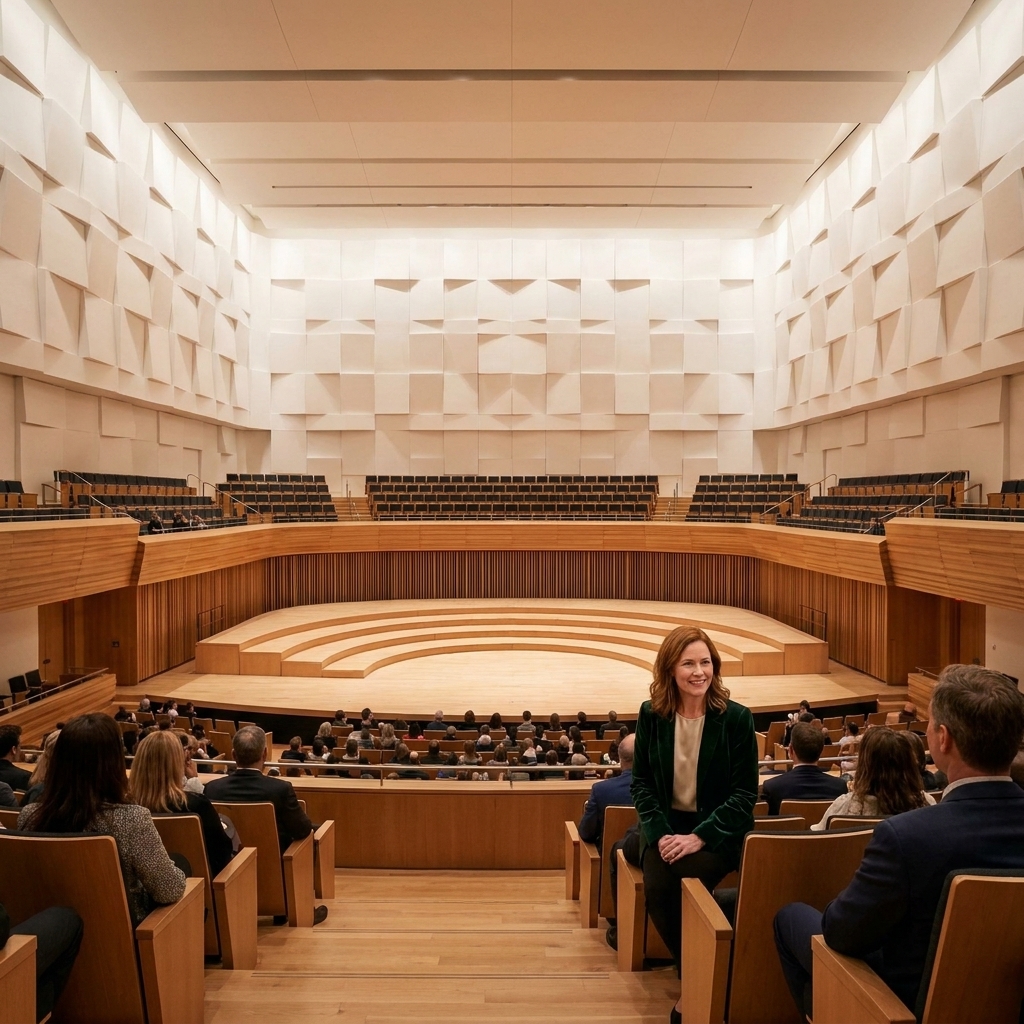
Views vary by house, but opera is designed to carry sound into the room. Seats with partial sightlines can still sound great, though it depends on the specific overhangs and architecture. If you are choosing in advance, prioritize a clear view of the stage over being extremely close. Being too close can make it harder to take in the full picture of staging and chorus movement.
Phones and photos
Turn your phone fully silent and keep it put away. Many houses prohibit photos and video during the performance, and policies vary. Some allow a quick curtain-call photo, some do not. If you want a memory, take a quick shot of the curtain or chandelier before the show begins if allowed, then return to being delightfully analog for a few hours.
Etiquette
When do I clap?
Sometimes. Opera applause is less about rigid rules and more about timing and listening to the room. It can also vary by repertoire and house culture.
- Clap when the music clearly lands: A big solo moment, a show-stopping high note, the end of a scene, or the end of an act.
- Do not clap over the orchestra: If the music continues, it is usually part of the dramatic flow.
- Follow the room: If the house erupts, join in. If it is quiet and focused, hold your applause until the moment settles.
Cheering and bravos
Completely normal at the end of an act or at curtain call. If you feel moved, you are allowed to sound like a human being enjoying art. A classic bravo is for a male performer, brava for a female performer, and bravi for a group. If you forget, your applause is already saying the important part.
Can I sing along?
No. I say this with love, because I have also had a chorus of well-meaning humming in my life. Save your private soundtrack for the walk home.
Coughs and candy
If you feel a cough coming on, try to stifle it and wait for a loud musical moment if possible. Avoid unwrapping candy during quiet passages. If you need a lozenge, unwrap it before the lights go down.
Intermission
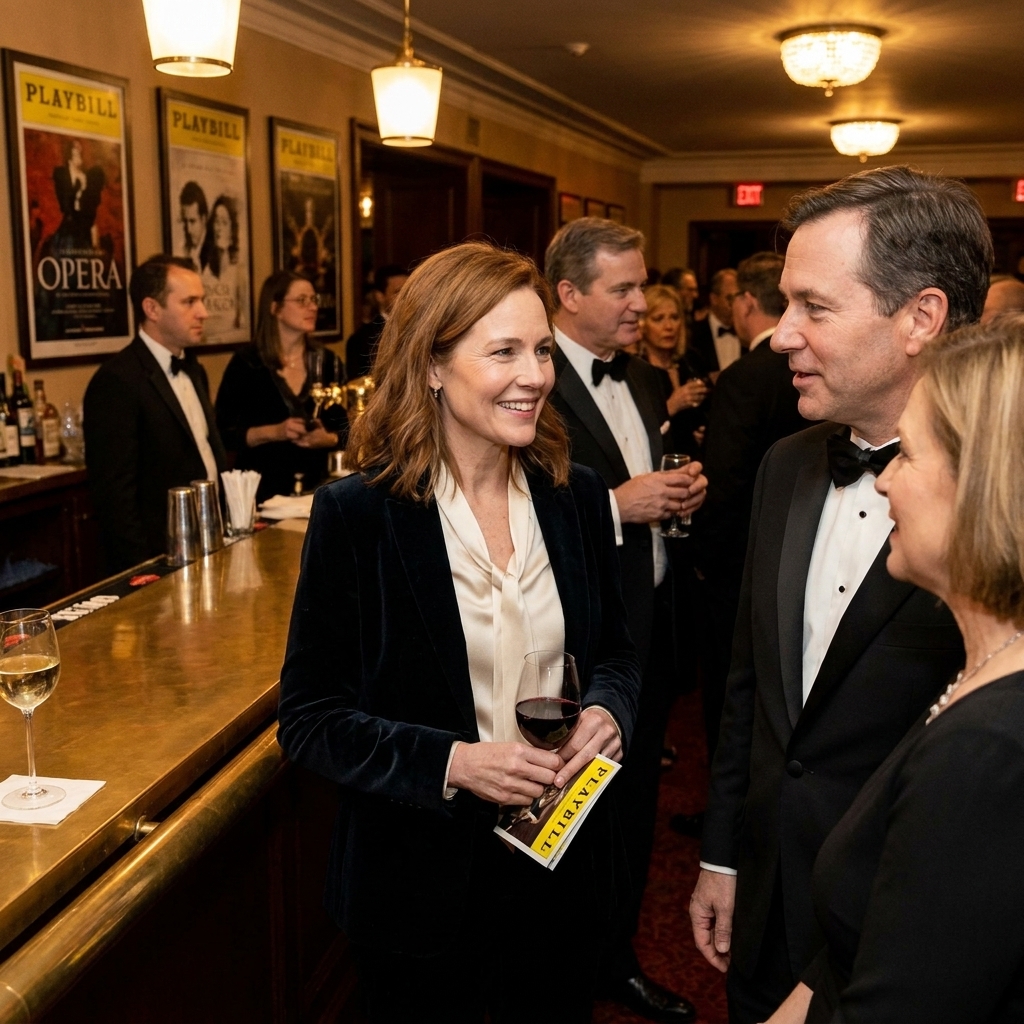
Intermission is not only for bathrooms. It is part of the opera rhythm, a chance to reset your ears and compare notes with your companion like you are characters in a very civilized comedy.
How long is it?
Typically 15 to 30 minutes. Some productions have two intermissions, especially for longer operas. The venue often displays countdown clocks or rings a bell to signal it is time to return to your seat.
Can I step outside?
Sometimes, but it is risky unless you know the house policy and the neighborhood. If you step out for air, keep an eye on the time and return early. Opera does not wait for latecomers, and neither do the people who want their aisle back.
Drinks and snacks
Many opera houses sell drinks and light snacks. Some allow you to bring drinks back to your seat in covered cups, some do not. Policies vary, so follow signage and ushers. The goal is to keep the room quiet and the upholstery safe.
Follow the story
Libretto and surtitles
The libretto is the text of the opera, basically the script. You do not need to read it cover to cover beforehand. Many performances, especially at larger venues, provide surtitles, translations projected above or near the stage, so you can follow along in real time. Smaller companies, festivals, and some special presentations may not, so it is worth checking your venue page.
How to read surtitles
- Glance, then watch: Treat surtitles like subtitles you check quickly, not a novel you stare at.
- Do not chase every line: Opera often repeats phrases for musical emphasis. You are not missing new plot each time.
- Let the music do its job: Even when you cannot catch every detail, you can feel who is winning, who is lying, and who is about to make a catastrophic choice.
If there are no surtitles
Read a short synopsis beforehand and keep a character list handy. You can also quietly review the scene summary during intermission.
How opera is built
You do not need vocabulary to enjoy it, but a tiny map helps. Many operas move between conversational storytelling and big, stop-you-in-your-seat moments.
- Overture or prelude: The orchestra sets the mood before anyone sings.
- Recitative or dialogue: Plot-moving music that plays like fast, dramatic speech.
- Arias and ensembles: The emotional close-ups, plus duets, trios, and group scenes where multiple truths collide at once.
Listening 101
Opera is built from emotional architecture. Listen for:
- Recurring musical ideas: In some operas you will hear themes that return with a character, a feeling, or a situation.
- Shifts in orchestration: Bright brass for triumph, strings for tenderness, woodwinds for mischief, percussion for dread.
- Ensembles: When multiple characters sing at once, it often means conflicting truths are colliding in real time.
Comfort and access
Opera houses want you to be comfortable enough to stay for the whole story. If you need support, you are not the first and you will not be the last.
- Hearing help: Many venues offer assistive listening devices. Ask the box office or an usher.
- Seat comfort: Some houses have boosters or cushions available, especially in older theaters.
- Sensory needs: If you are sensitive to volume, perfumes, or crowded lobbies, consider an aisle seat, arrive early to avoid the rush, and check if the company offers relaxed performances.
What it feels like
The best surprise for first-timers is how physical opera is. You feel the orchestra in your ribcage. You watch a singer take a breath and then fill a hall without a microphone. You notice stagecraft details that are pure theater magic: a doorway that becomes a trap, a piece of fabric that becomes a river, a lighting cue that makes time suddenly jump.
Some productions are traditional with grand costumes and painted sets. Others are modern, abstract, or placed in a new time period. Both can work. If a concept choice confuses you, anchor yourself in what never changes: the relationships, the stakes, and the sound.
Common questions
Is it OK if I do not understand everything?
Yes. Opera is not a comprehension quiz. If you understand the emotional weather of the scene, you are doing it right.
How early should I be in my seat?
Aim for at least 10 minutes before the scheduled start. The pre-show hush is part of the experience, and late seating can be delayed.
Can I bring kids?
Many companies offer family matinees or shorter works that are ideal for younger audiences. For evening performances, check age recommendations and consider whether your child can sit quietly for long stretches.
What if I need to step out?
If you truly need to leave, do so quickly and quietly, ideally during applause or a louder orchestral passage. Ushers will guide you back at an appropriate moment.
Pre-show checklist
- Arrive early enough for your venue, often about 30 minutes
- Silence your phone fully
- Skim the synopsis and character list
- Find restrooms before the lights go down
- Clap at the ends of scenes and acts, and let the room teach you the rest
Opera is a generous art form. It meets you where you are, whether you show up in a suit or a sweater, whether you know the libretto by heart or only recognize one melody from a cartoon you loved as a kid. All it asks is that you listen. The rest is the thrill of being in a room where a story is made, live, right in front of you.