Buying theater tickets can feel like a tiny high-stakes game show: pick the right square, win a great night. Pick the wrong one, and you might spend Act Two leaning like a sunflower toward the stage.
The good news is that most seat maps follow a few reliable rules. Once you know what each section is designed to do, you can choose confidently, whether you are headed to a Broadway house, a touring stop in a big civic center, or a beloved local theater with charmingly squeaky seats.
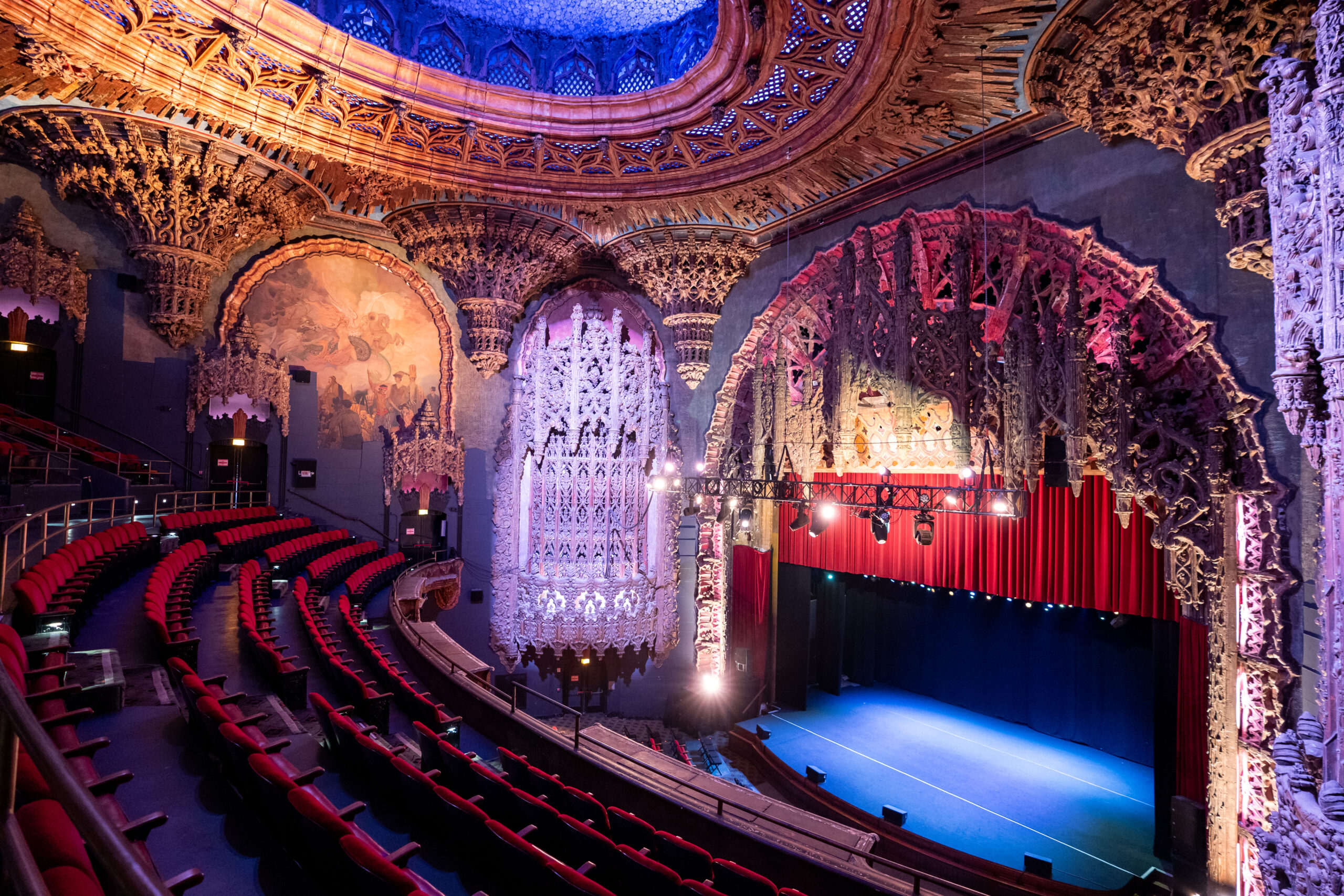
The fastest way to pick: decide what matters most
Before you zoom in on Row M versus Row N, answer two questions:
- Are you prioritizing facial detail or a full-stage view? Close seats deliver expressions. A bit farther back often gives cleaner choreography and clearer stage composition.
- Are you prioritizing natural sound or amplified sound? Most Broadway musicals and many plays use amplification today, but it is not universal. Either way, the room still shapes clarity and balance, and in some venues a little distance can actually improve the mix.
If you know your “north star,” the rest of the choices get easier.
Orchestra seats: intimacy and impact
What it feels like: You are in it. Orchestra is where breath, footfalls, and tiny acting choices land right in your lap.
Best orchestra areas
- Center orchestra, mid-rows: The sweet spot for most proscenium theaters. You get direct sightlines and a balanced mix of vocals, instruments, and room sound.
- Front orchestra, but not too close: If you love faces, look for a few rows back from the very front. Extremely close seats can mean craning upward and missing upper-stage action.
- Aisle seats: Great for legroom, quick exits, and anyone who prefers not to climb over neighbors. Just know some theaters have rails or lighted aisle markers that can be mildly distracting in the dark.
When orchestra can be tricky
- Very front rows: In some houses, the stage sits high. You may lose sight of feet or floor choreography, especially in dance-heavy shows.
- Far sides: Side orchestra can be a bargain, but you might miss moments staged upstage or behind scenery. If the show uses projections, side angles can distort them.
- Under the overhang: If a mezzanine or balcony hangs above, rows far back in the orchestra can fall under it. In some theaters, that can dull sound a bit and cut off top-of-stage visuals like flying scenery or high lighting effects. Check the seating notes if the map flags an overhang.
Best for: Straight plays, character-driven musicals, star performances, and anyone who wants to feel close to the acting.
Mezzanine seats: the best whole-picture value
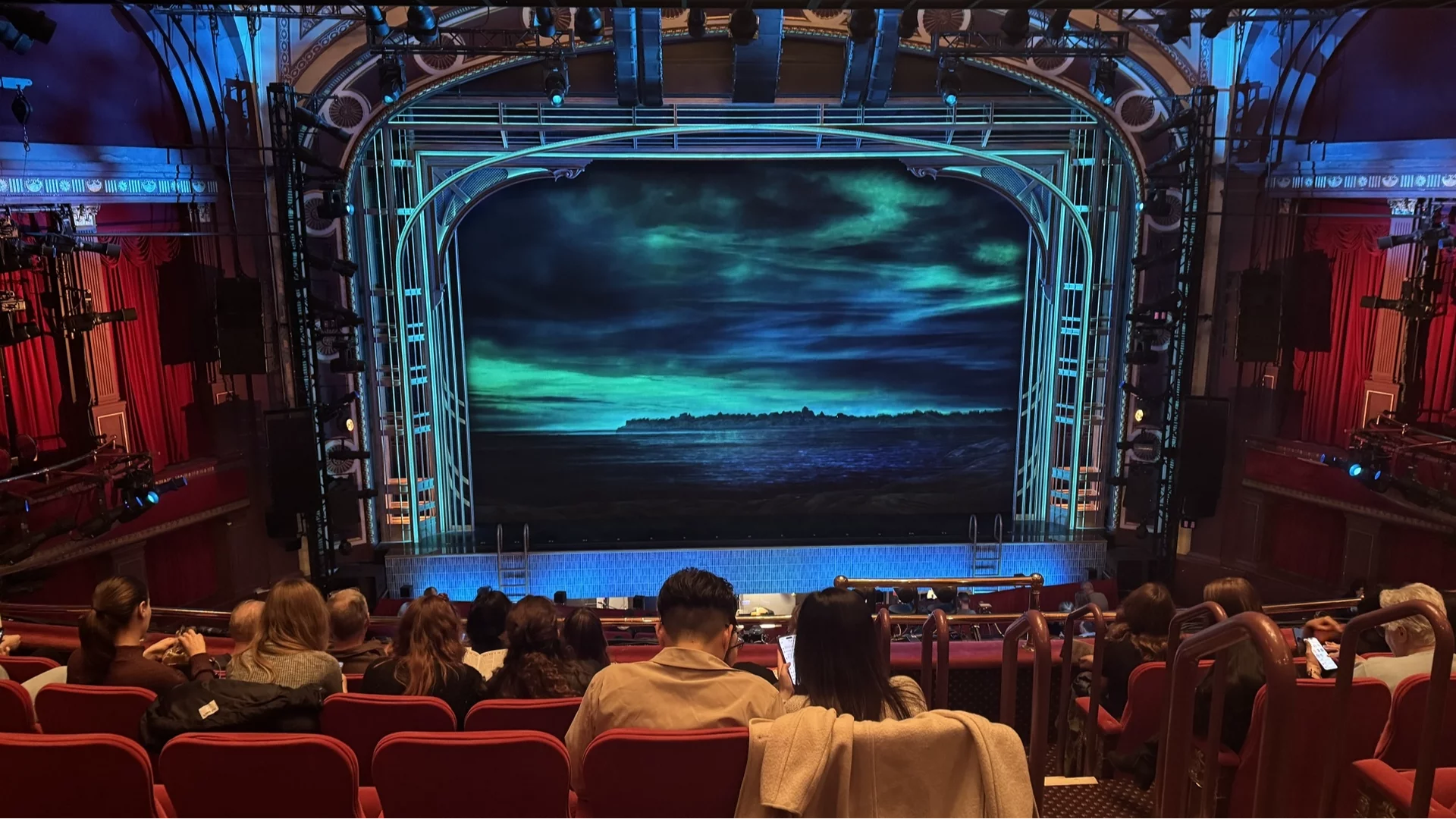
What it feels like: Mezzanine is where many theater lovers settle in happily because it often combines clear sound with a fuller view of stage composition.
Quick translation: Some venues label this first elevated level as the dress circle, loge, or grand tier. Others have multiple mezzanines. If you are unsure, look for “first level above orchestra” on the map.
Why mezzanine often wins for musicals
- Cleaner choreography lines: Dance reads beautifully when you are slightly elevated.
- Better scenic perspective: Big set pieces and stage pictures are designed to be read from a raised angle.
- Balanced audio in many venues: You are frequently in a strong zone for house speakers without being too close to one cluster.
What to watch for
- Front mezzanine rail: Rails can be a dream for sightlines, but if you are shorter, confirm the rail will not cut across your view. Seat reviews help here.
- Extreme sides: Side mezzanine can still have partial view issues, especially for shows that stage key moments at center or use turntables and projections.
- Legroom and steepness: Some mezzanines are steeper than the orchestra. That can improve sightlines but feel intimidating if you dislike heights.
Best for: Dance-forward musicals, spectacles with lots of staging, and anyone who wants strong views without premium orchestra pricing.
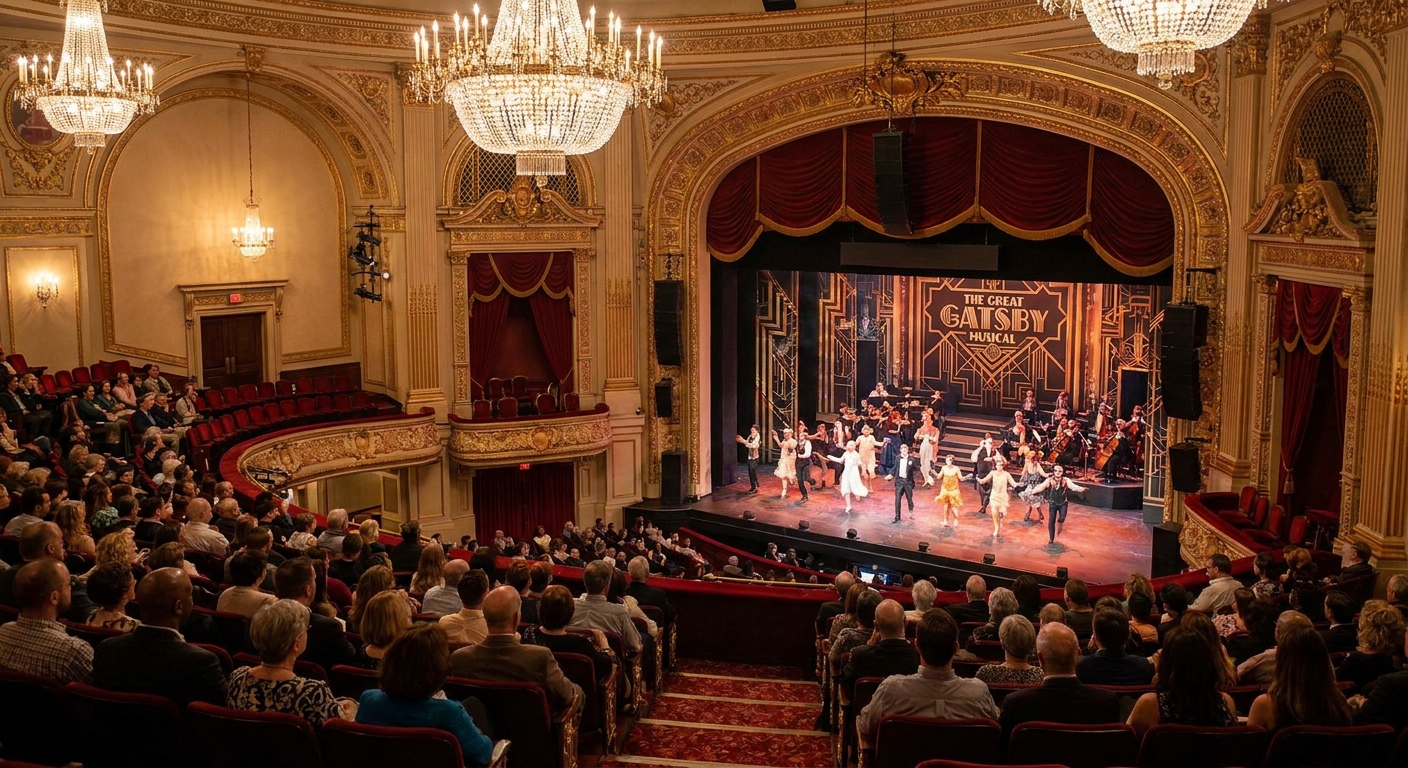
Balcony seats: budget-friendly, sometimes surprisingly great
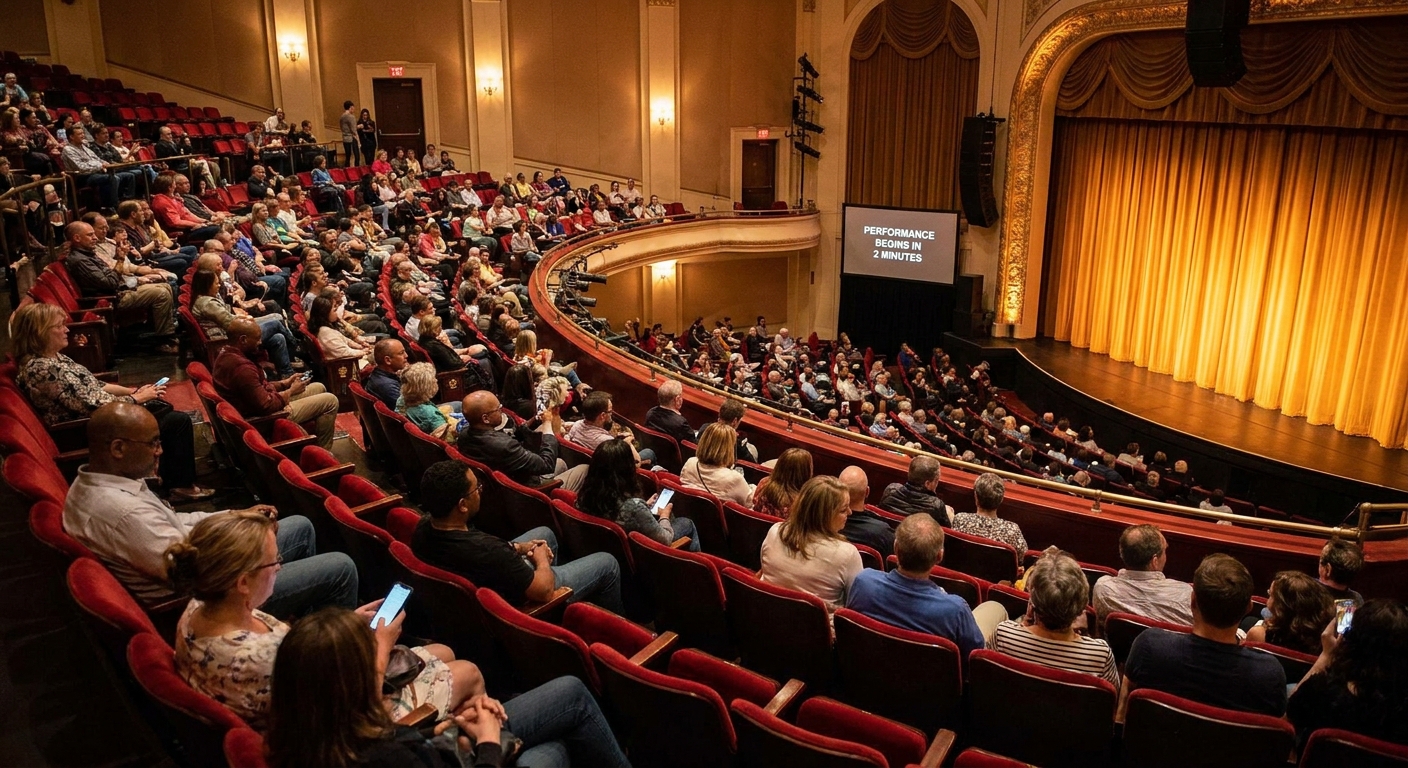
What it feels like: Balcony is the wide-angle lens. In some theaters, it is distant and steep. In others, it is an underrated perch with excellent sightlines and good sound.
Naming note: Some theaters call the upper level “balcony,” others split it into “mezzanine” and “balcony,” and some have a “upper mezzanine.” Use the map height and level count, not just the label.
How balcony changes the experience
- View: You see patterns, spacing, and lighting design clearly, but you lose facial detail. Opera glasses can help, but you will still be watching more “picture” than “close-up.”
- Sound: Depending on the venue and how the show is miked, you might hear a more blended mix. In heavily amplified shows, this can be perfectly fine. In unamplified plays or chamber-style shows, balcony can feel removed.
- Comfort: Balconies can be steep and higher up. If you are uneasy with heights, choose a lower row or opt for mezzanine.
Balcony tips that save regret
- Go as center as you can: Center balcony beats side balcony for sightlines almost every time.
- Mind the rail: If you are in the very front row and you are shorter, confirm the rail height will not cut across the stage.
- Check speaker placement: In some venues, balcony seats can sit near speaker arrays. That can mean loud but not always clear.
Best for: Big ensemble shows, familiar classics you do not mind seeing at a distance, and nights when the ticket price matters more than the close-up experience.
Side and partial-view seats: when they are worth it
Side seats are the theater world’s thrift-store rack. Sometimes you find a gem. Sometimes you go home wondering why that one crucial scene happened “somewhere over there.”
What “partial view” usually means
- Obstructed by architecture: A pillar, a wall, a rail, or the curve of the balcony.
- Obstructed by staging: You can see the stage, but not the far wing or upstage corners where actors occasionally play scenes.
When side seats can be a smart buy
- Comedies and dialogue-forward plays: If the show lives in the writing and performances, you may not mind missing a bit of visual symmetry.
- Repeat viewings: Already saw it once? A cheaper side seat can be a fun new angle.
- Some theaters label seats “partial view” very conservatively: A minor obstruction might be no big deal for you.
When to avoid side seats
- Projection-heavy shows: Angles can wash out or skew projected images.
- Big dance musicals: Choreography is designed for straight-on viewing.
- Shows with frequent center-stage reveals: If the production loves surprises, you want the full frame.
Rule of thumb: If the discount is small, choose a more central seat farther back. Center beats close, if close comes with compromises.
Broadway vs touring venues vs local theaters: what changes
Broadway houses
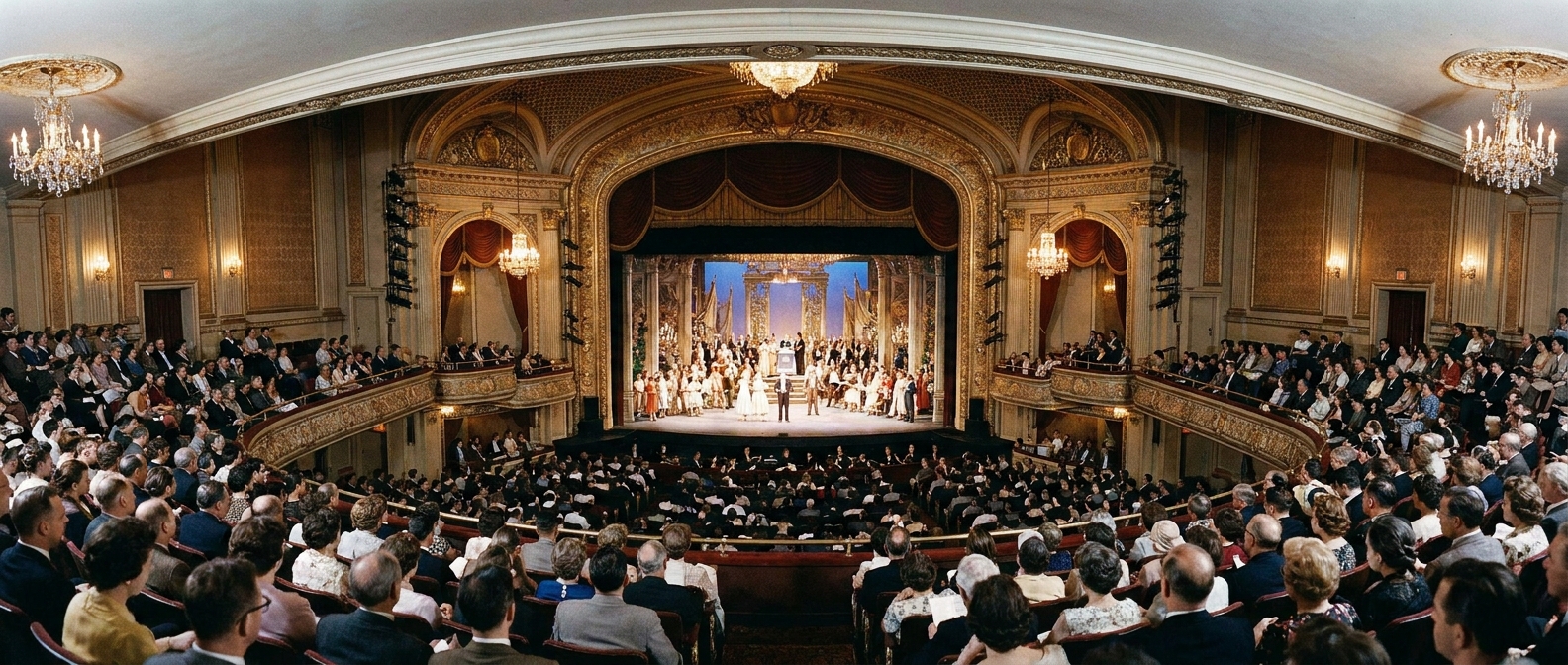
Many Broadway theaters are older, narrow, and full of personality. That also means more columns, more quirky sightlines, and more variability between “Row A” in one theater and “Row A” in another. If you can, look up the theater’s specific seat map and keep an eye out for labeled obstructions.
Touring productions in performing arts centers
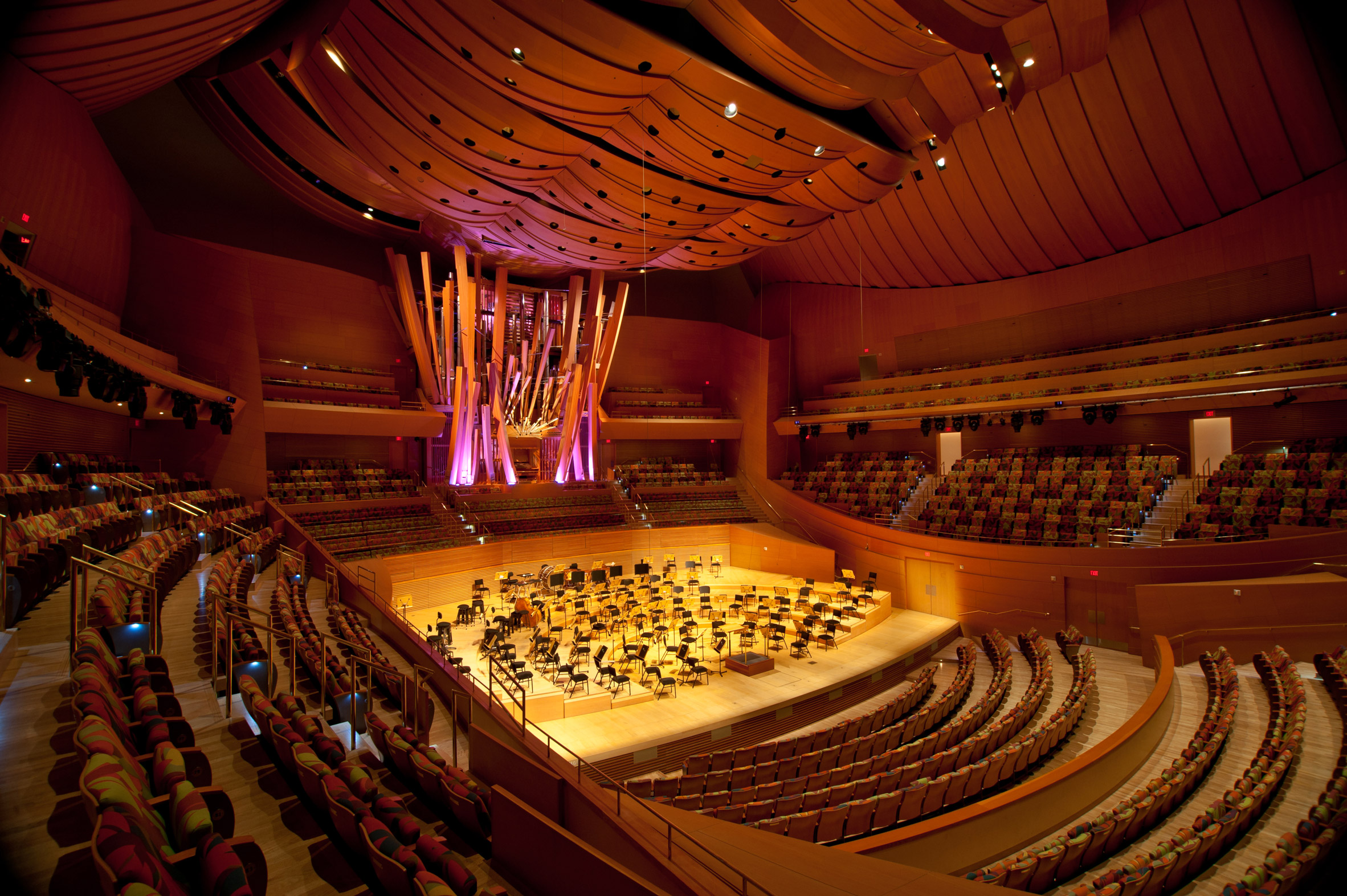
Touring stops are often larger, and many are built or renovated with amplified touring sound in mind, but plenty of civic auditoriums are older too. Because the room is bigger, “too close” can be less of a problem, but “too far back and too far to the side” can be more of one. For many tours, front mezzanine or a centered orchestra mid-section is a reliable bet.
Local and regional theaters
Smaller spaces can make almost every seat feel near, especially in black box theaters, thrust stages, or intimate prosceniums. In these venues, prioritize sightlines over distance. A slightly farther seat with a clean view often beats squeezing into a side angle.
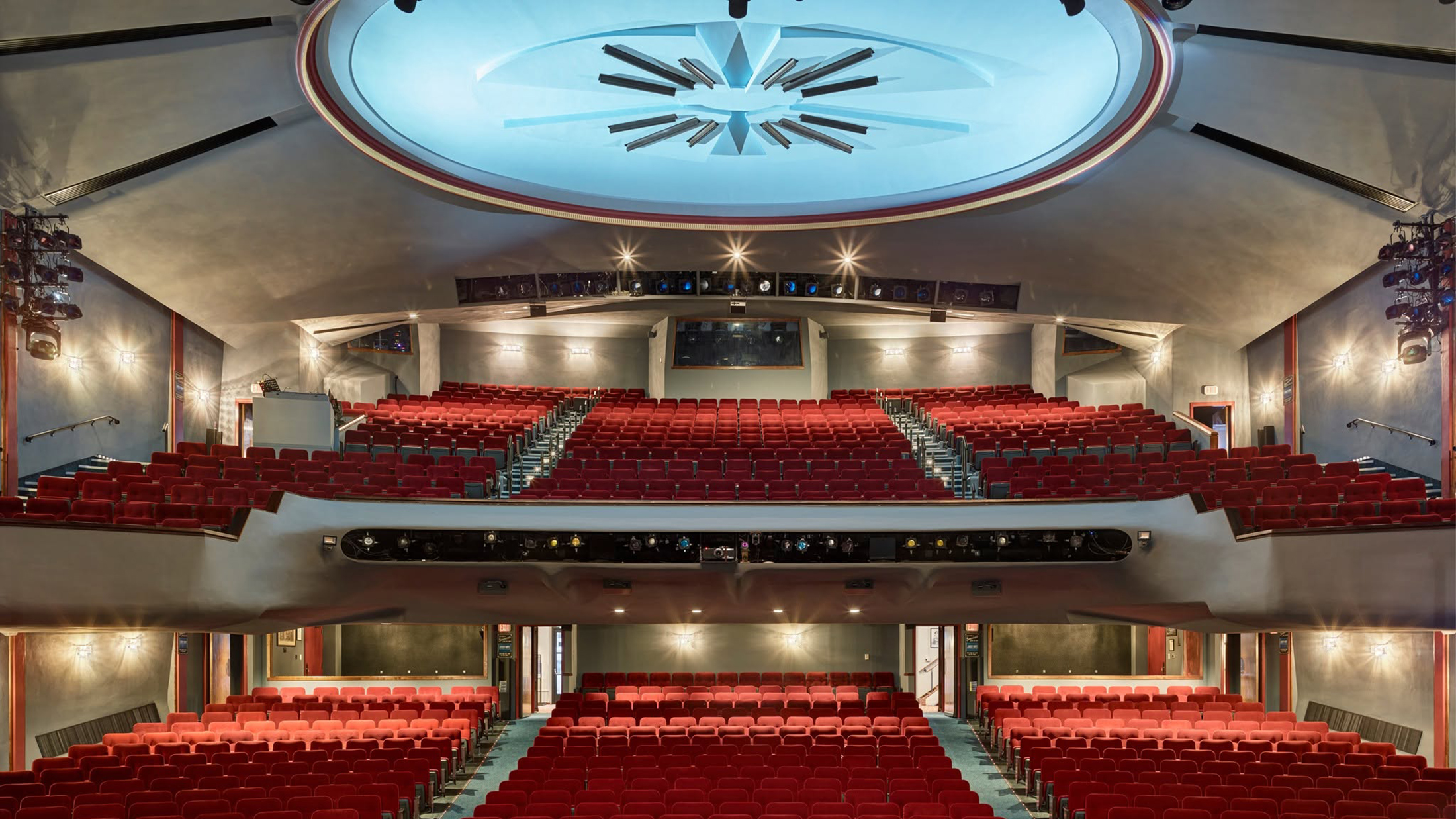
Choose by show type
Plays
- Pick: Center orchestra or front mezzanine.
- Why: You want faces and vocal clarity. Plays often reward closeness, especially when they are lightly miked or not miked at all.
Traditional book musicals
- Pick: Mid-orchestra center or front mezzanine center.
- Why: You want a balanced view of acting and choreography, plus a blended mix of vocals and instruments.
Dance-heavy shows
- Pick: Front mezzanine or mid-mezzanine center.
- Why: The elevated angle makes bodies, formations, and footwork read cleanly.
Spectacle, effects, and big scenic reveals
- Pick: Mezzanine center, or orchestra center far enough back to take in the full proscenium.
- Why: Effects are staged to fill the frame, and you do not want to be so close that you lose the edges.
Concert-style or microphone-forward shows
- Pick: Wherever your sightline is best, usually center sections.
- Why: When amplification does the heavy lifting, view becomes the bigger differentiator.
Immersive, thrust, or theater-in-the-round staging
- Pick: Seats that minimize neck turning, often a middle distance rather than front row.
- Why: You want to see multiple playing areas without spending the night pivoting.
Simple advice by budget
If you are splurging
- Choose: Center orchestra in the first third to middle third of the section, or front mezzanine center.
- Skip: Ultra-front rows unless you know that theater well and love being close.
If you want solid value
- Choose: Mezzanine a few rows back from the front rail, centered if possible.
- Also good: Orchestra slightly farther back, still centered, even if it feels less glamorous on the map.
If you are on a strict budget
- Choose: Center balcony over side orchestra in many venues, unless the balcony is extremely high and far.
- Consider: Side seats only if the discount is meaningful and the “partial view” note sounds manageable.
My theater-critic cheat line: A centered seat with a complete view usually beats a closer seat with compromises.
Box seats and loge seats: the wildcard
Boxes (and sometimes “loge” seats) sit on the side walls, closer to the stage than a typical side section. They can feel fancy and can be great for people-watching at intermission, but they are almost always an angled view.
- Worth it when: You want a special occasion vibe, you value comfort, or you are seeing a dialogue-forward show where a slight angle does not bother you.
- Be careful when: The production relies on center-stage visuals, projections, or symmetrical choreography. If you are sensitive to missing stage-left or stage-right action, choose something more centered.
Accessibility and comfort: what to look for
Every venue is different, so if you have specific access needs, it is worth checking the theater’s accessibility page or calling the box office. A two-minute conversation can save a lot of stress.
Mobility and step-free access
- Wheelchair and companion seating: Locations vary by venue. They are often on the orchestra level, and sometimes in accessible mezzanine areas if an elevator is available.
- Call ahead to confirm: Elevator access, step-free routes, and where accessible restrooms are located, especially in older buildings.
- Avoid: Sections that require long stair climbs, particularly in older houses where balconies can mean many steps.
Hearing needs
- Assistive listening devices: Many venues offer them at guest services. Ask about pickup locations and ID requirements.
- Best seats for clarity: Center sections can reduce the “one speaker dominates” feeling you sometimes get on the far sides.
Vision needs
- Bring small binoculars or opera glasses: Especially for balcony seats.
- Prioritize: Straight-on views for projection-heavy shows.
Sensory considerations
- Aisle seats: Helpful if you need the option to step out quickly.
- Distance from speakers: If volume is a concern, avoid being directly adjacent to visible speaker clusters, which can occur in some venues.
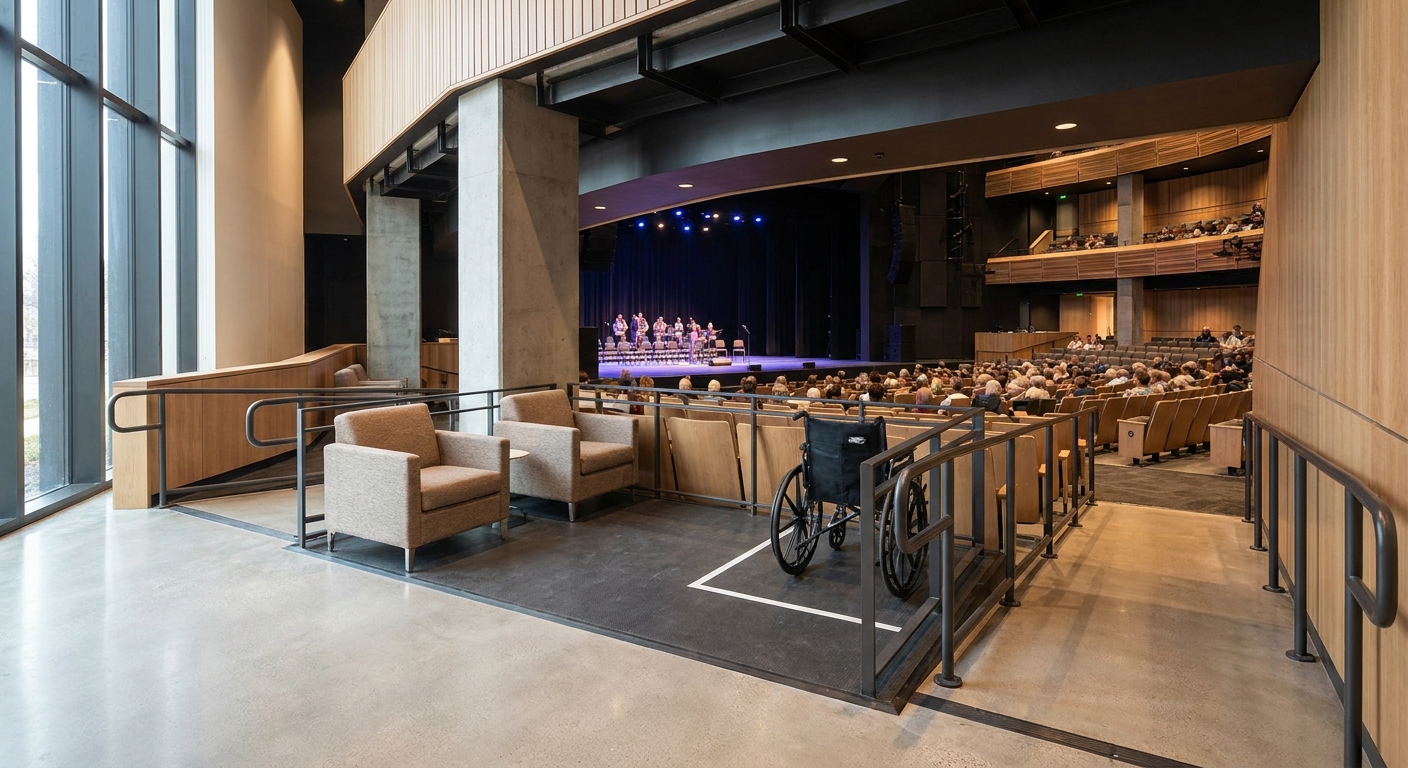
Quick seat-picking checklist
- Start center: Center orchestra or center mezzanine is the safest baseline.
- Confirm the true centerline: On some maps, “center” is not actually centered on the stage. Use the center aisle or seat numbering to find the middle.
- Watch for overhang: If a mezzanine hangs above the orchestra, avoid being too far back under it.
- Mind the rail: Front mezzanine and balcony rails can obstruct shorter viewers.
- Match the seat to the show: Plays like closeness, dance likes elevation, projections like straight-on.
- Do not fear farther back: A complete view often beats a close-up with neck strain.
FAQ
Is front row always the best?
Not always. Front row can mean craning your neck, missing floor choreography, and hearing sound that feels like it comes from above or behind depending on speaker placement. A few rows back is often more comfortable.
What is the best section for sound?
In many theaters, center mezzanine or mid-orchestra delivers the most natural balance. But acoustics vary widely by venue, and some shows are more amplified than others.
Are aisle seats better?
They are better for legroom and easy exits. Sightline-wise, a center seat can be stronger. If you choose an aisle, aim for a center aisle rather than the far edge of the section when possible.
Is balcony worth it for a Broadway musical?
It can be, especially if you choose center balcony and the theater is not exceptionally deep. You will trade facial detail for a full-stage view. If the show is choreography-forward, that trade can actually feel like a win.
How do I avoid “partial view” surprises?
Read the ticket notes carefully and look for specific obstruction warnings. If the listing is vague, the box office can often clarify what is blocked from that seat.