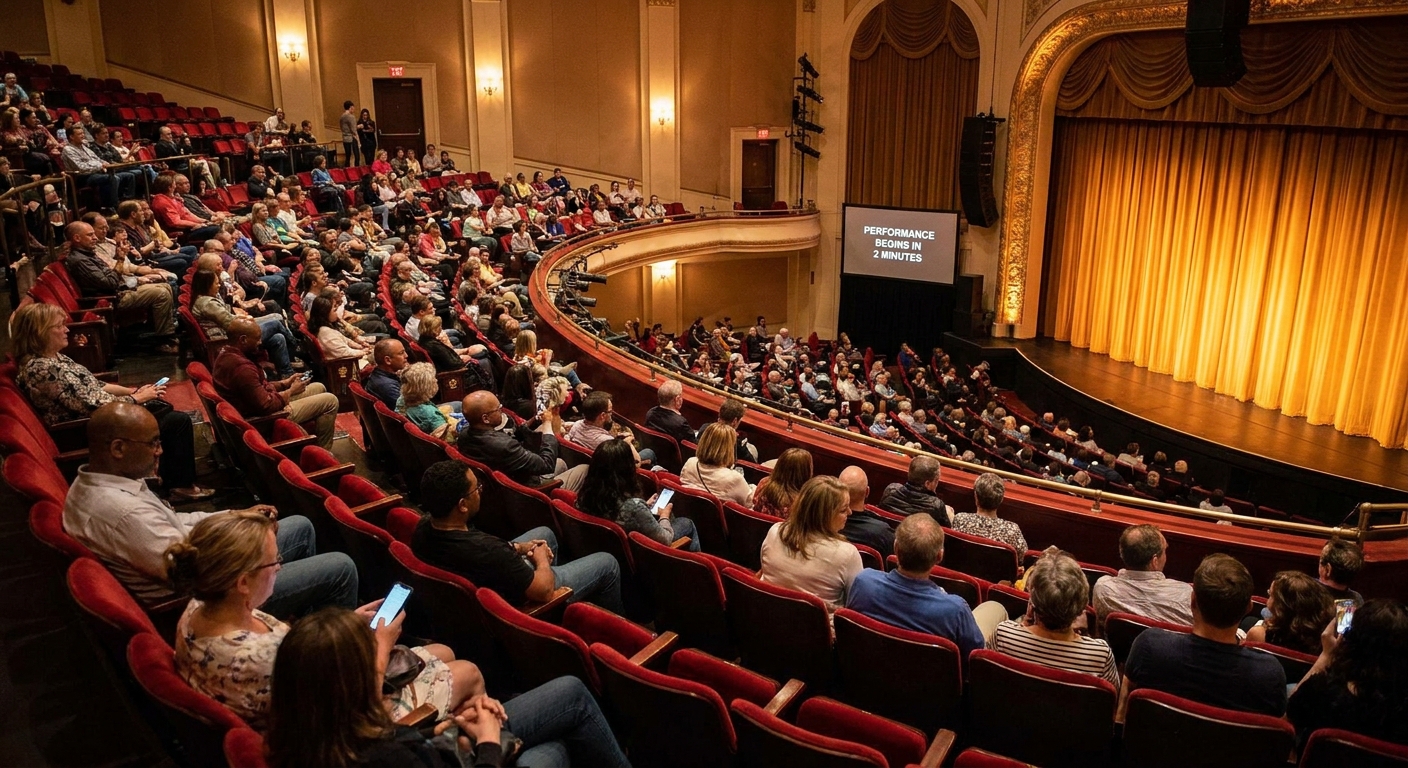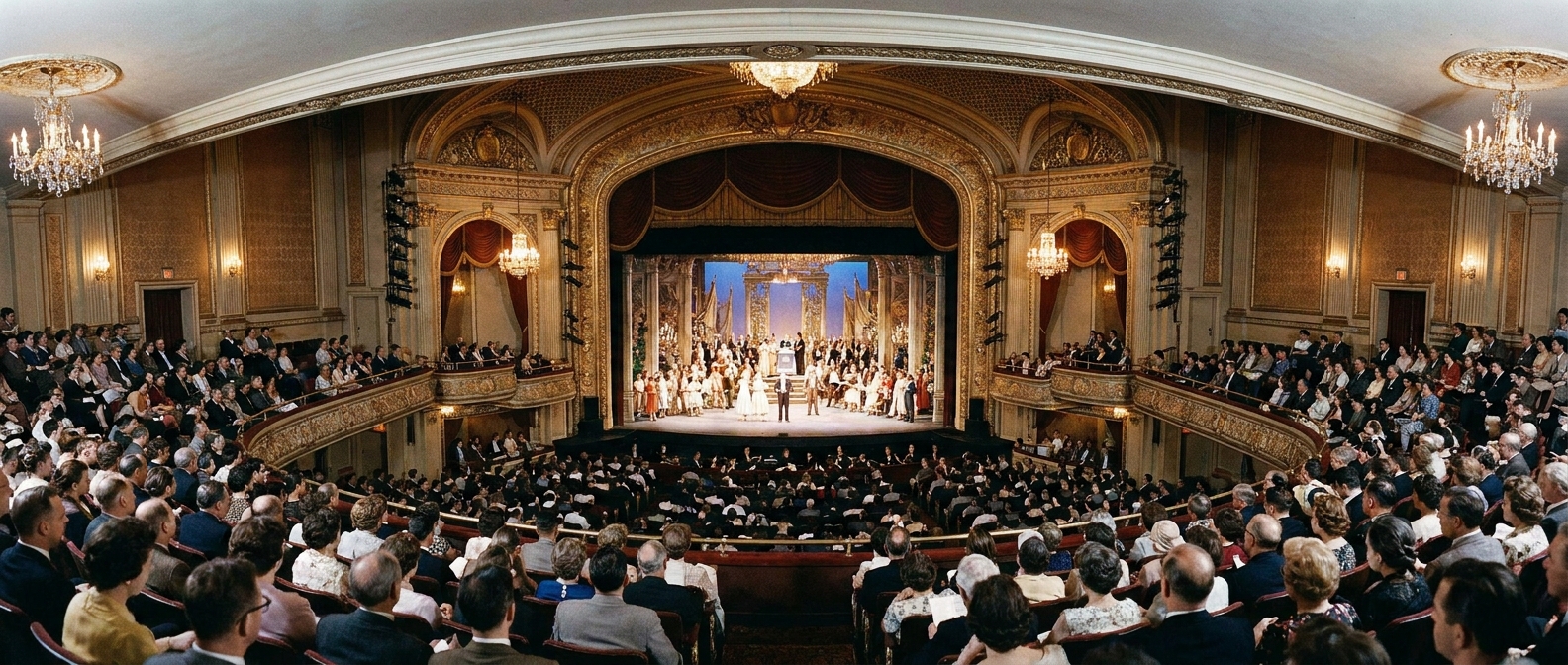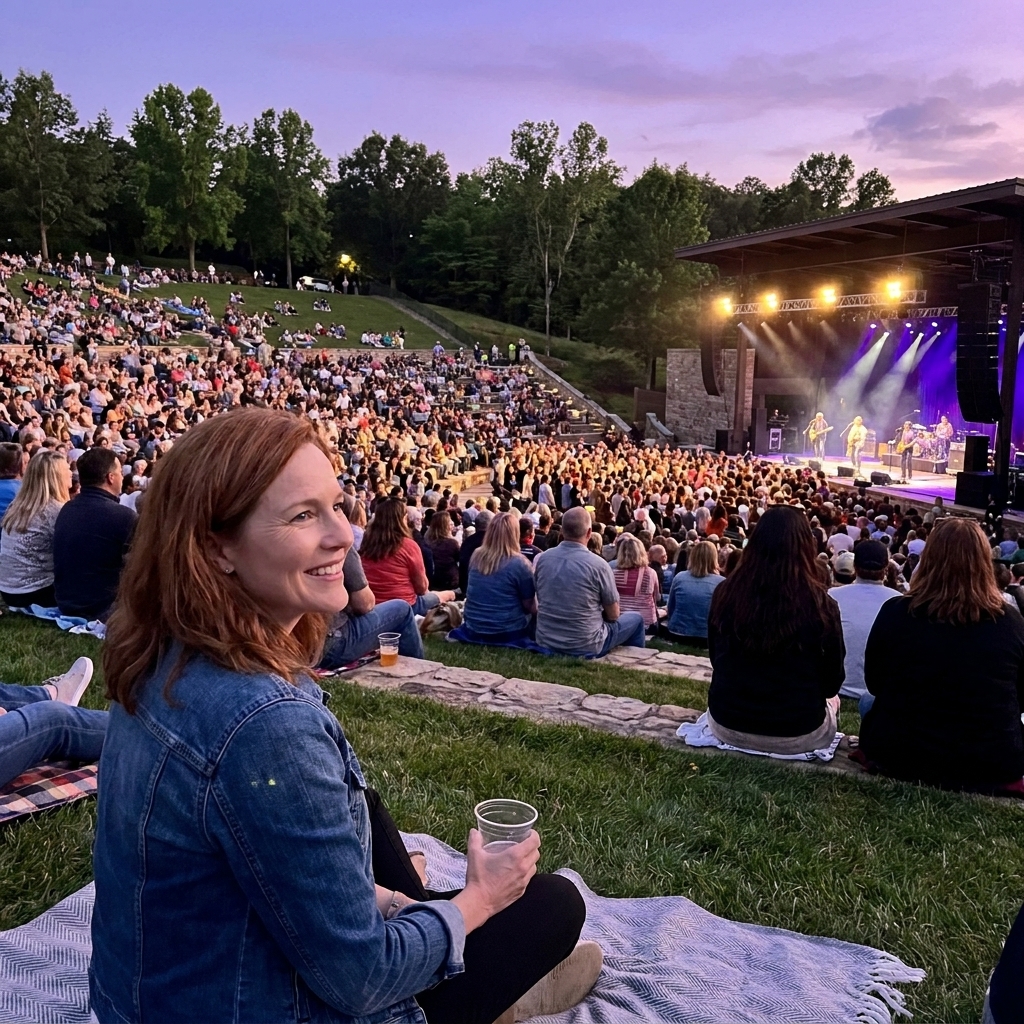
Buying concert tickets should feel like the first page of a great night out, not a geometry exam. Yet here we are, squinting at seating maps that look like crop circles and asking the eternal question: orchestra, mezzanine, or balcony ?
The truth is that there is no single “best” section for every hall or every show. What changes is what you value most: intimacy, a full-stage picture, booming bass, pristine acoustics, legroom, or simply keeping your budget intact. Let’s break down the tradeoffs so you can choose seats like someone who has been to this venue a hundred times, even if it’s your first.
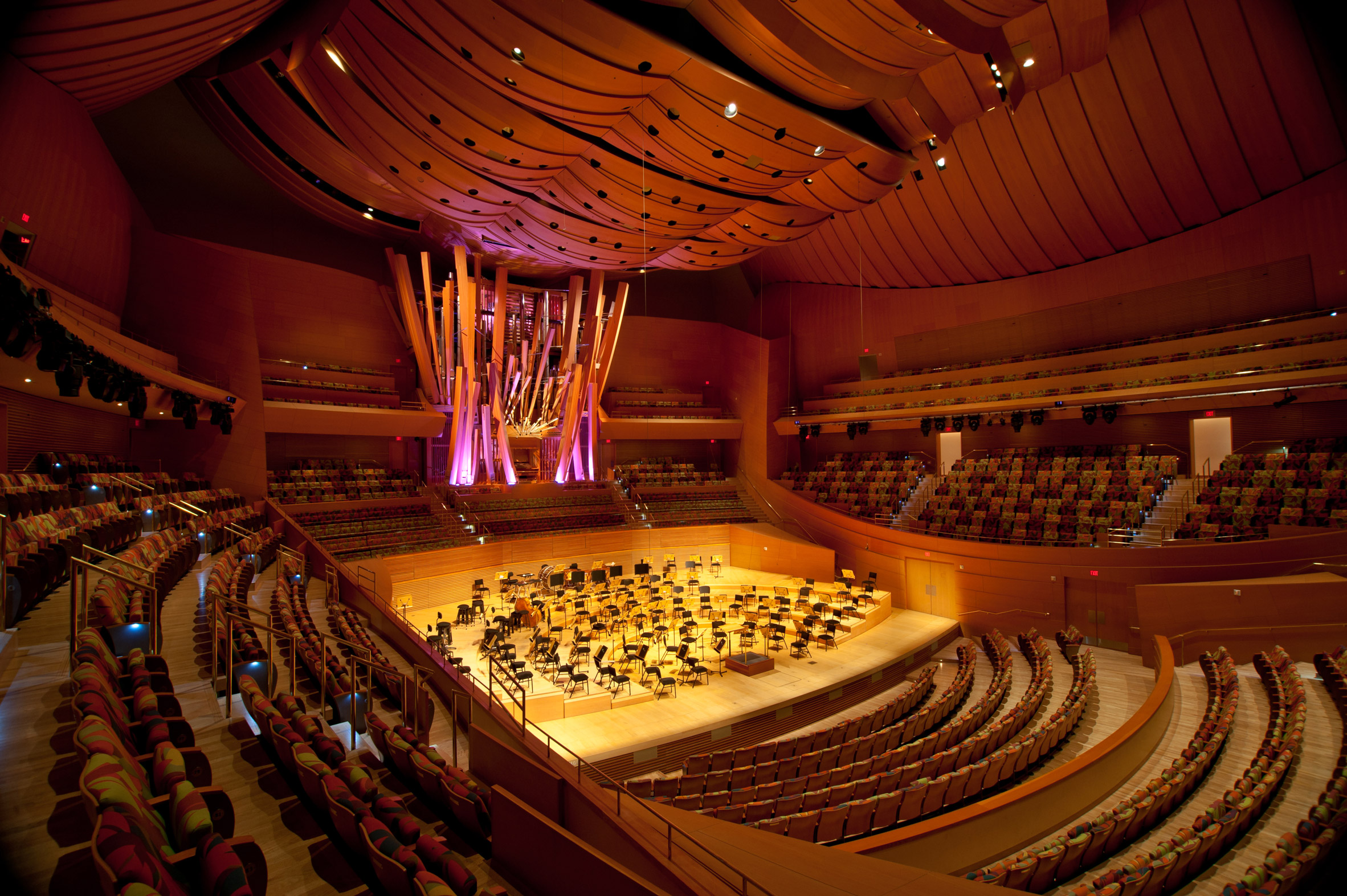
Quick cheat sheet
- Pick Orchestra if you want closeness, facial expressions, and the feeling of being inside the performance. Great for rock, pop, comedians, and anything where the performer’s presence is the point.
- Pick Mezzanine if you want the most balanced overall experience: clean sightlines, cohesive sound, and fewer neck gymnastics. Often the sweet spot for Broadway tours, orchestras, and acoustic sets.
- Pick Balcony if you want the big picture and the best prices, and you do not mind feeling a bit farther away. Surprisingly strong choice for symphonic music in a well-designed hall.
Orchestra seats
The orchestra section is usually the main floor closest to the stage. (Some venues label sections differently, and modern “vineyard-style” halls can blur the old rules.) Still, this is generally where you go for proximity and presence. When you are close enough to notice a singer take a breath or a violinist exchange a glance with the conductor, the performance feels personal.
What orchestra does best
- Connection to performers: The energy is direct. For stand-up, pop, and rock, this can be unbeatable.
- Detail on faces and hands: If you love watching craft in motion, orchestra lets you see it.
- Immersion: You feel the crowd respond around you, which is part of the show.
Common orchestra drawbacks
- Sightline traps: Very close rows can mean craned necks, blocked views from heads in front, or missing what is happening upstage. If the stage is high, front rows can feel like watching from the foot of a cliff.
- Sound can be uneven: In amplified concerts, being too close to a speaker cluster can be loud rather than clear. In acoustic halls, you may hear sections of an orchestra more distinctly but lose the blended “whole.”
- Photo pit and barricade quirks: In some arenas and big tours, the first rows can be separated from the stage by a security barricade or a photo pit. You are close, but not always as close as the ticket makes it sound, and sightlines can feel oddly low.
- Comfort varies: Older theaters may squeeze legroom in orchestra more than you expect, especially toward the center.
Orchestra sweet spots
In many venues, the best orchestra value is not the first few rows. Aim for:
- Mid-orchestra or roughly mid-house (often after the first handful of rows) for a more natural sound blend.
- Center sections for straightforward sightlines, unless the venue’s center is notoriously tight or pricey.
- Aisle seats if legroom matters more than being perfectly centered.
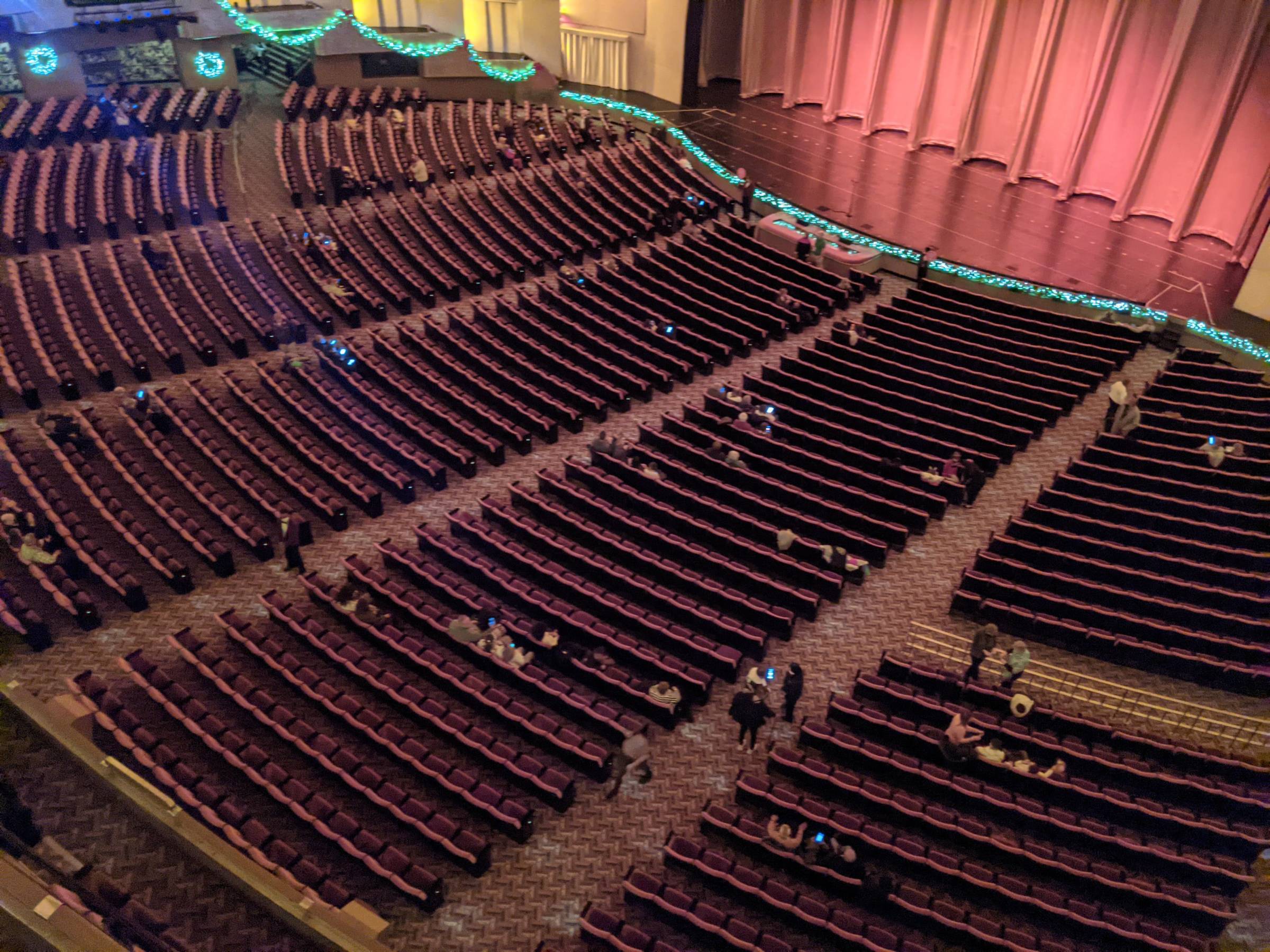
Mezzanine seats
The mezzanine is the first elevated level above the orchestra. This is where many seasoned theatergoers quietly plant their flag, because the angle often creates a clean, complete view of the stage without feeling detached.
Why mezzanine often wins
- Balanced sightlines: You are high enough to see full staging, choreography patterns, and scenic design without the heads-and-screens obstacle course.
- More cohesive sound: Many halls are designed so sound “blooms” a bit farther back, where reflections and direct sound combine into a richer mix.
- Great for theater and orchestras: If your joy is in composition, blocking, and the full visual picture, mezzanine is a natural fit.
Potential mezzanine downsides
- Overhang issues: The front of the mezzanine can be fantastic, but seats under a deep overhang (especially back orchestra or rear mezzanine) can lose sound brightness or feel visually boxed in.
- Railings and safety glass: Front-row mezzanine can include a railing that cuts into the bottom of your sightline if you are shorter or the barrier is tall.
- Rear mezz can feel low: The last rows in some venues sit under lower ceilings or deeper overhangs, which can make the room sound a little flatter.
- Stairs: Some historic venues have steep climbs and limited elevator access. If mobility is a concern, confirm accessibility routes before you buy.
Mezzanine sweet spots
- Front half of the mezzanine for a premium view with less premium pricing than front orchestra.
- Center or just off-center for the most natural sound image, especially in acoustic performances.
- Aisle if you like breathing room, but check for side-angle distortion in venues with deep side sections.
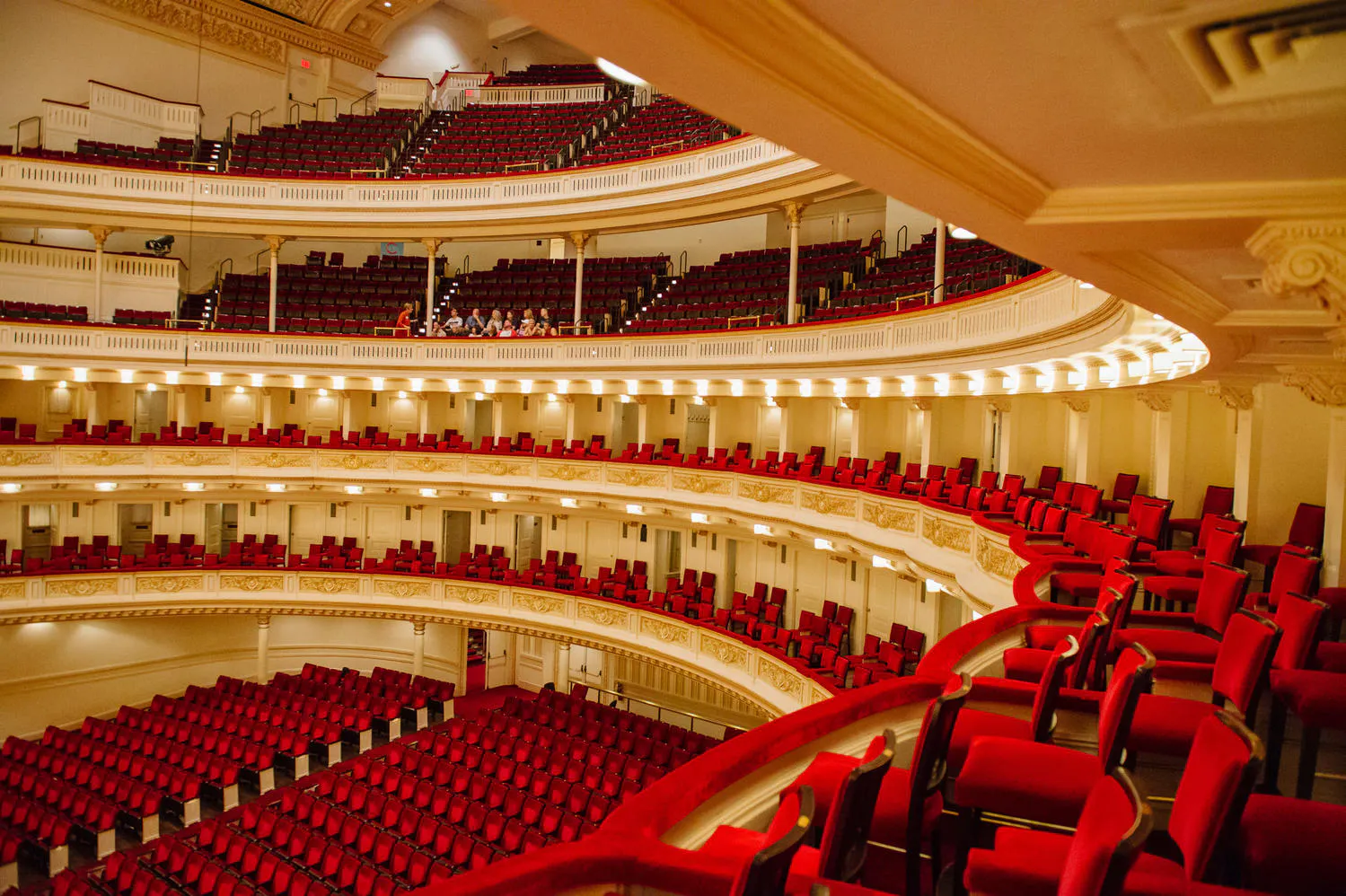
Balcony seats
The balcony is the upper level, furthest from the stage. It gets an unfair reputation as the “cheap seats,” but there are nights when balcony is exactly where you want to be. If the hall’s acoustics are strong, distance can actually help the sound cohere, especially for classical music, choirs, and unamplified jazz.
Balcony advantages
- The big picture: You see the full stage like a director. This can be wonderful for dance, large ensemble theater, or anything with intricate lighting design.
- Often the best value: Prices typically drop as you rise, and balcony can be the difference between “we’re going” and “maybe next time.”
- Can sound great in the right room: Some upper levels catch a flattering blend of direct and reflected sound, giving you clarity without harshness.
Balcony drawbacks
- Distance: Facial expressions become more abstract. If you crave performer connection, expect to rely on big screens when available. (And yes, compact binoculars can help if the venue allows them.)
- Steep rake and vertigo factor: Many balconies are steep. If heights make you uneasy, choose a few rows back from the edge or consider mezzanine instead.
- Sound varies a lot: Some balconies are spectacular. Others can sound thin or dull, especially under overhangs or in venues that were not designed with the upper levels in mind.
- Variable legroom and seat width: Upper levels in older venues can be tighter, with less forgiving seat dimensions.
Balcony sweet spots
- Front rows of the balcony if the railing does not obstruct the view. These can be the sleeper hit in a well-designed hall.
- Near-center for the most accurate soundstage, particularly in classical performances.
- Avoid extreme side balcony if you care about a full stage picture, since angles can slice off action upstage.
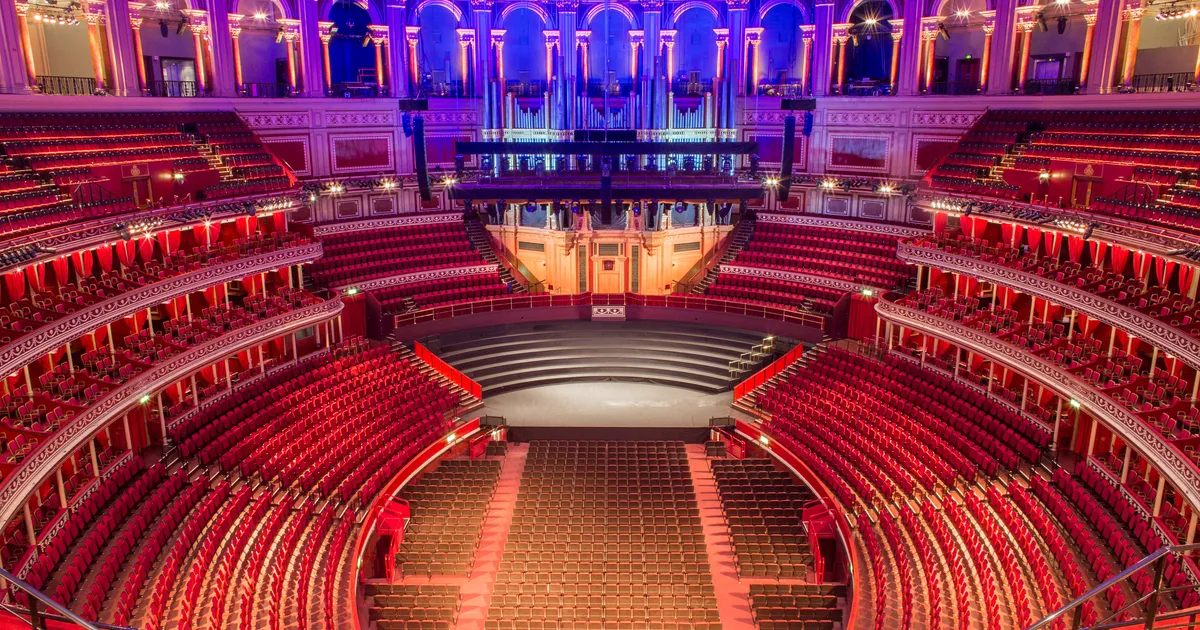
Sound by section
When people say “the sound is better up there,” they are often responding to how sound mixes in space. The catch: every room is different, and a great audio team is aiming for coverage across the venue, not just one magic row.
Amplified concerts (rock, pop, DJs)
- Orchestra: Loudest and most physical. Great if you want impact, but you can land in a pocket where vocals are swallowed by bass or where speakers hit you at an odd angle.
- Mezzanine: Frequently the most balanced for big tours, especially near the front-of-house (FOH) soundboard. It is not a guarantee, but it is often a good proxy for what the mix is optimized around.
- Balcony: Can be surprisingly clean for vocals and overall blend, but bass impact may soften.
Unamplified music (symphony, chamber, choir)
- Orchestra: Gorgeous detail, but you may hear individual sections more than the full blend. Being very close can also make certain instruments dominate.
- Mezzanine: Often ideal for a balanced, cohesive orchestral image.
- Balcony: In top-tier halls, upper levels can provide an excellent blend and a thrilling sense of the room’s natural resonance. In weaker rooms or under overhangs, it can also be less lively.
Spoken word (comedy, lectures)
- Orchestra: Best for connection and expression. Just avoid extreme side angles where you are looking at a cheek for two hours.
- Mezzanine: A strong compromise, especially if sightlines are clean and the venue’s PA is tuned well.
- Balcony: Fine if you mainly care about hearing, but timing and facial cues read differently at a distance.
Sightlines to watch
Seating charts rarely warn you about the tiny things that matter. Before you click “buy,” keep an eye out for these common gotchas.
- Overhangs: Seats under balconies can feel acoustically dulled and visually constrained. If the map shows a mezzanine or balcony extending over your row, proceed carefully.
- Side sections: A slight angle is usually fine. Extreme side seats can cut off parts of the stage, especially in theater where action travels upstage.
- Rails: Front-row mezzanine or balcony can be either glorious or irritating, depending on railing height and your own height.
- Boxes: Beautiful, yes. But some box seats have partial views, and the angle can be awkward for long shows.
- Stage height: In venues with tall stages, very close orchestra seats can force you to look up the entire time.
- Check real seat photos: If you are on the fence, look up crowd-sourced “view from seat” photos. They reveal overhangs, rails, and weird angles that maps will never admit.
Comfort and access
I love a historic theater as much as anyone, but some of them were built for audiences who apparently never owned knees. Comfort differences by section are real.
Legroom
- Orchestra: Can be roomy in modern halls, tight in older theaters. Center blocks sometimes have the least give.
- Mezzanine: Often similar to orchestra, though some venues have slightly better pitch between rows, which helps.
- Balcony: Most variable. Some balconies are surprisingly comfortable; others are famously snug.
Stairs and access
- Mezzanine and balcony: Expect more stairs and steeper inclines. If this is a concern, look for elevator-accessible sections or contact the venue about accessible seating and routes.
- Aisles: Aisle seats help with quick exits and leg stretch breaks, but you may trade a bit of view if people pass frequently.
Budget strategy
If you are trying to maximize joy per dollar, here are seat-buying principles that tend to hold up across venues.
- Spend on angle before distance: A centered seat farther back often beats a close seat at a severe side angle.
- Target the “front of the upper level” value zone: Front mezzanine and front balcony can deliver excellent sightlines at a noticeable discount from prime orchestra.
- For tours with big screens: If the production includes IMAG video screens, balcony becomes more viable because you are not relying solely on naked-eye facial details.
- For orchestras: Consider mezzanine or balcony center. You are paying for acoustics and blend, not pores.
- For comedy and solo performers: Prioritize closeness and direct sightlines. Orchestra or front mezzanine usually feels best.
Pick in 5 questions
- Is this show about intimacy or spectacle? Intimacy leans orchestra; spectacle leans mezzanine or balcony.
- Is it amplified? If yes, consider mezzanine near the FOH soundboard for balance. Treat it as a clue, not a law.
- Do you hate looking up? Skip the closest orchestra rows in high-stage venues.
- Do stairs or heights bother you? Choose orchestra or lower mezzanine and avoid steep balconies.
- What will annoy you more, distance or obstruction? Many “bad seats” are bad because of blocked sightlines, not because they are far away.
FAQ
Are front-row orchestra seats worth it?
Sometimes, but they are not automatically the best. In many venues, the first few rows can mean looking up sharply, missing parts of the stage picture, or getting sound that is loud but not balanced. For big tours, you might also be dealing with a barricade or photo pit. For most concerts, a bit farther back in orchestra delivers a more comfortable view and more cohesive audio.
Is the mezzanine always better than the orchestra?
No, but mezzanine is often the safest bet if you want both good sound and a complete view. Orchestra wins when you want closeness and connection, especially for comedy, pop, and performance styles where expression is everything.
Do balcony seats sound worse?
Not necessarily. In well-designed concert halls, balcony can sound excellent for acoustic music because you are hearing a blended room sound. But some balconies sit under overhangs or in acoustic “dead zones,” so it is smart to sanity-check with seat-view photos when you can.
What seats should I avoid?
As a general rule: extreme side angles for theater, seats under deep overhangs if you care about open sound, and front-of-balcony spots where a railing cuts your view. If the venue flags seats as “obstructed view,” take that seriously.
If I care most about legroom, what should I choose?
Look for aisle seats in any section first. After that, newer venues tend to have better legroom across the board, while older theaters vary wildly. When in doubt, mezzanine aisles are often a comfortable compromise without sacrificing the view.
The bottom line
If you want a single, practical takeaway: mezzanine is usually the most reliable “best seat” for many people in many venues, orchestra is the choice for up-close energy, and balcony is the value play that can still deliver a gorgeous experience in the right room.
Choose the section that matches how you like to watch and listen, then prioritize clean sightlines and comfort. The rest is just the pre-show ritual we all perform before the lights go down.