Buying tickets can feel like you’re taking a pop quiz in geometry. Orchestra or mezzanine. Center or side. Row A or “limited view” with a price that looks suspiciously good. The truth is, there isn’t a universally “best” seat. There’s only the best seat for your night: what you want to see, what you want to hear, and how close you want to be to the electricity in the room.
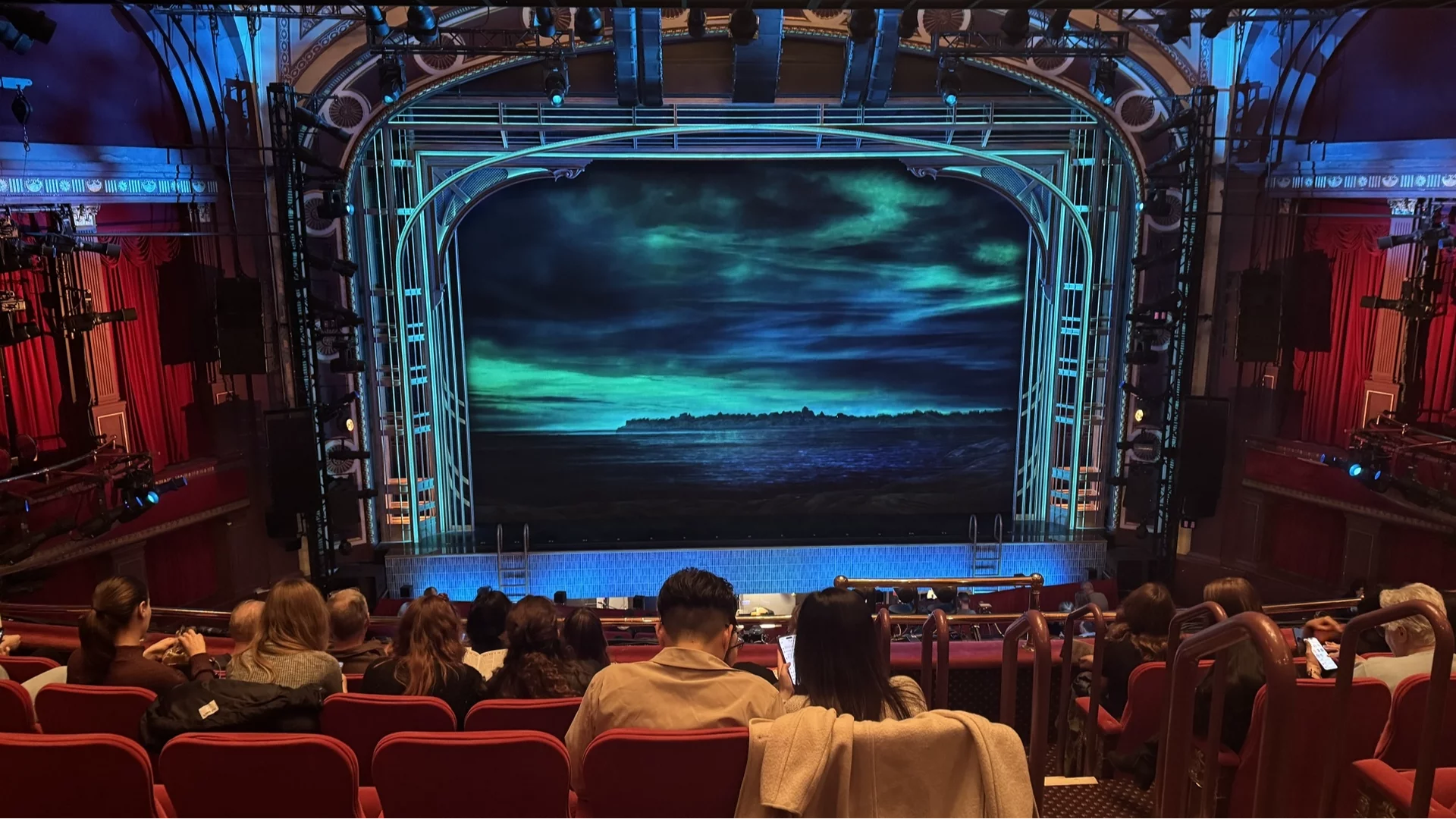
Below is how seat location changes the experience across Broadway, concerts, and comedy, plus quick picks for first-timers, budget buyers, and anyone chasing great sound, clean sightlines, or maximum crowd interaction.
Three questions to ask
Before you zoom in on the seating chart and start bargaining with yourself, ask:
- Do I care more about faces or full staging? Close seats deliver expressions. A little distance delivers choreography, scenic design, and the “picture” the director built.
- Do I care more about sound or spectacle? The best sound often isn’t the closest seat. It’s usually where the room and the system blend naturally.
- Do I want to be part of the room? Some nights are about immersion and interaction. Others are about comfort, personal space, and a clean view.
Keep those answers in your pocket. They’ll steer you better than any one-size-fits-all rule.
Broadway and touring: seats for the story
Theater is a balancing act between intimacy and composition. Sit too close and you might miss patterns in choreography or lose the full frame of projections. Sit too far and faces get tiny, and emotional nuance can flatten.
Orchestra vs mezzanine
Orchestra is about proximity. You see the smallest acting choices and feel the physicality of live performance, especially in plays and dialogue-forward shows. The tradeoff is that very close rows can mean a steep neck angle, and the stage picture can feel cropped if the set is tall or the action plays upstage.
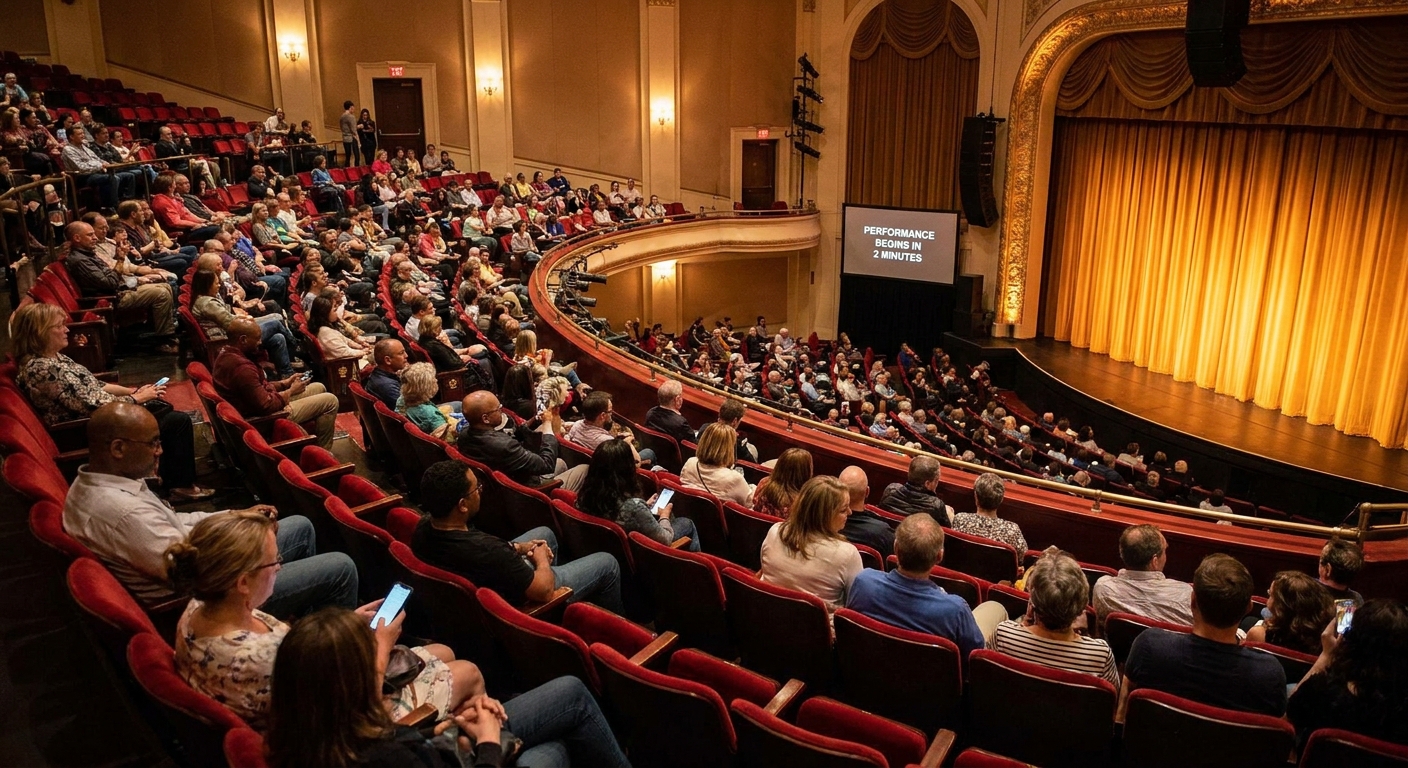
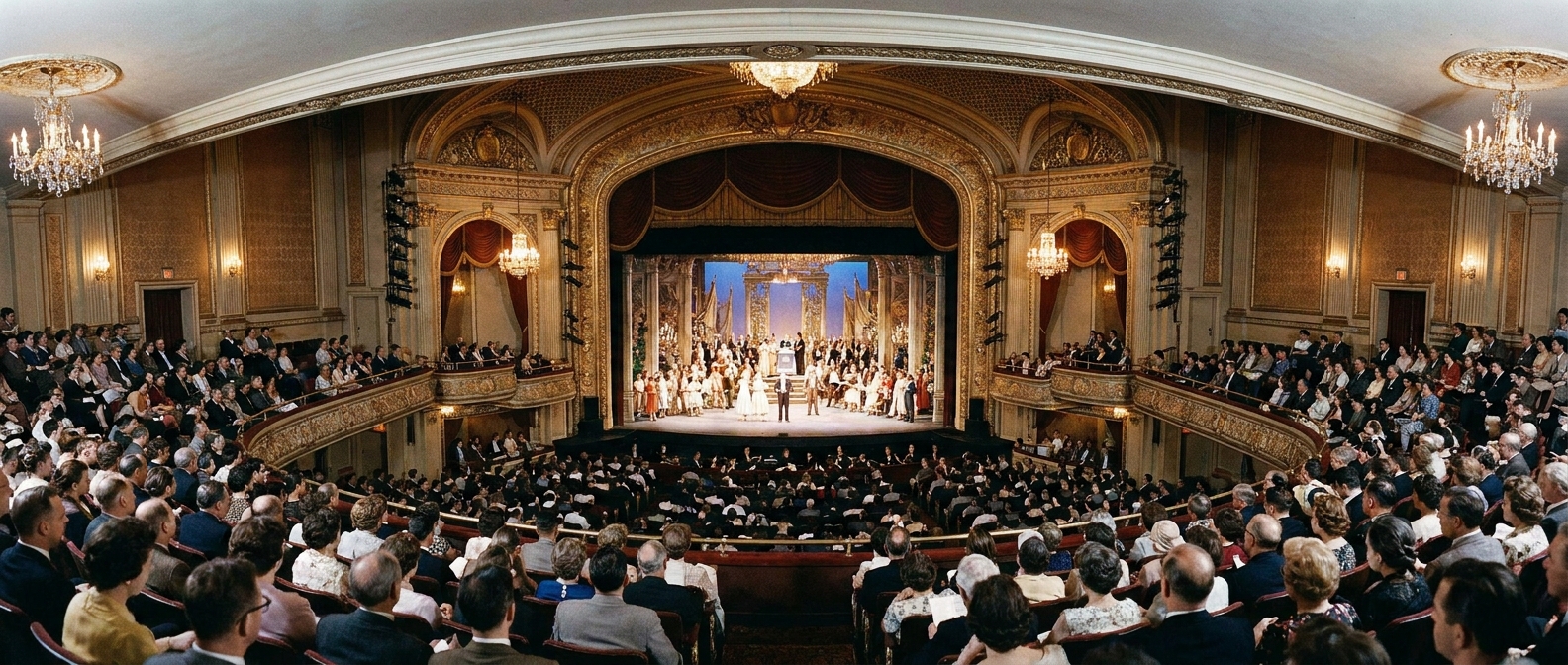
Mezzanine is about perspective. You get a cleaner read on staging, formations, and scenic design. For a lot of big musicals, front mezzanine center is frequently the sweet spot: close enough for faces, far enough for the whole canvas. Still, it can shift by theater, overhangs, and how the show uses the downstage edge.
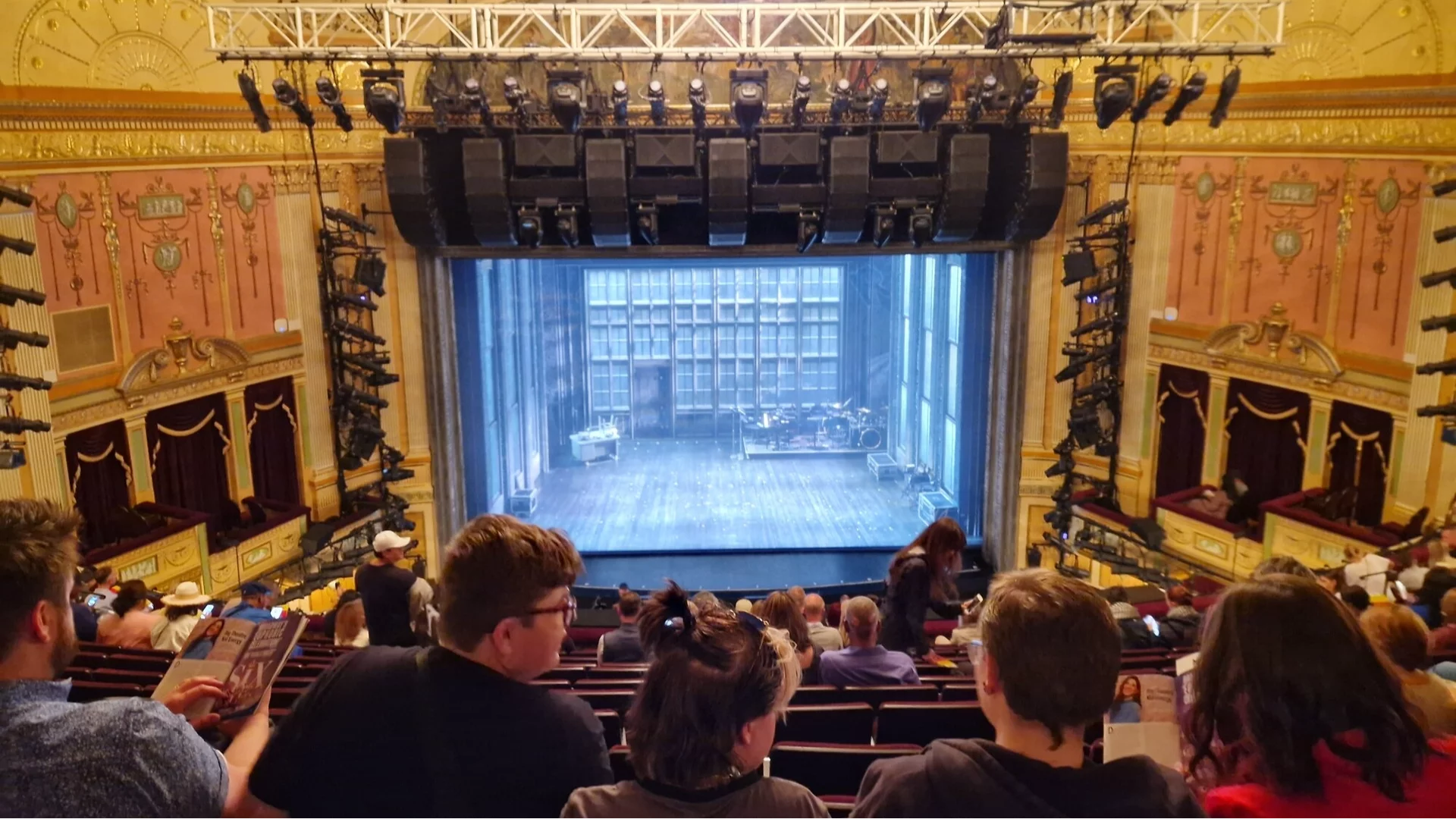
- If you love choreography and big visuals: front mezzanine, center or just off-center.
- If you love acting and spoken text: orchestra, center, mid-rows.
- If you get vertigo: skip high mezzanine or balcony, and consider orchestra or rear mezzanine with a gentler rake.
Touring note: sightlines vary more from city to city. A front mezz that feels perfect in one house might sit under an overhang in another, or be steeper than you expect. If you can, check your venue’s notes (or photos) before you lock in.
Center vs side
Center is the safe bet because directors stage for it. You’ll catch symmetrical compositions, sight gags, and lighting cues as intended.
Side seats can be a bargain, but they’re show-dependent. Big musicals with turntables, reveals, or scenic tricks often land best from center. Straight plays can tolerate side angles better, as long as you’re not so far over that you lose entrances and exits.
- Rule of thumb: If the seating chart shows you behind the proscenium line, expect partial obstructions. On many maps, that looks like seats tucked around the far left or right where the row bends past the main block.
- Look for: “partial view” or “limited view” notes. They’re not always dealbreakers, but they’re never random.
Balcony: when it works
Balcony gets a bad rap, but it can be a solid value if the view is centered and you’re not under a deep overhang.
- Great when: you want the full stage picture, you’re on a budget, and the balcony isn’t excessively high or steep.
- Avoid when: you hate heights, you’re sensitive to steep stairs, or the theater notes mention a low ceiling/overhang that might clip the top of the stage.
When front row is worth it
Front row is a specific taste. It can be thrilling for plays and intimate musicals where actors spend time downstage. But it’s not automatically premium.
- Worth it when: the show is actor-driven, there’s minimal towering scenery, and you want every facial detail.
- Think twice when: the stage is high, there are projections, or you prefer seeing choreography patterns.
- Comfort check: if you hate craning your neck, aim for rows C through H in many theaters rather than the very first row.
One more quiet factor: legroom. Some Broadway houses are historic and cozy in the literal sense. If you’re tall, an aisle seat can be a quality-of-life upgrade that matters more than a few rows closer.
Accessibility and comfort
If mobility, stairs, or quick exits matter, it’s worth looking for aisle seats, seats near the back of a section, or designated accessible seating. Many venues also offer hearing assistance devices and captioning options for select performances, and the pickup location can influence what “best seat” means for you.
Concerts: choose for sound
Concert seating is a triangle of priorities: audio, sightlines, and energy. Your best choice depends on whether you want to study musicianship, dance with the crowd, or hear a mix that feels like the album coming to life.
Arenas and stadiums
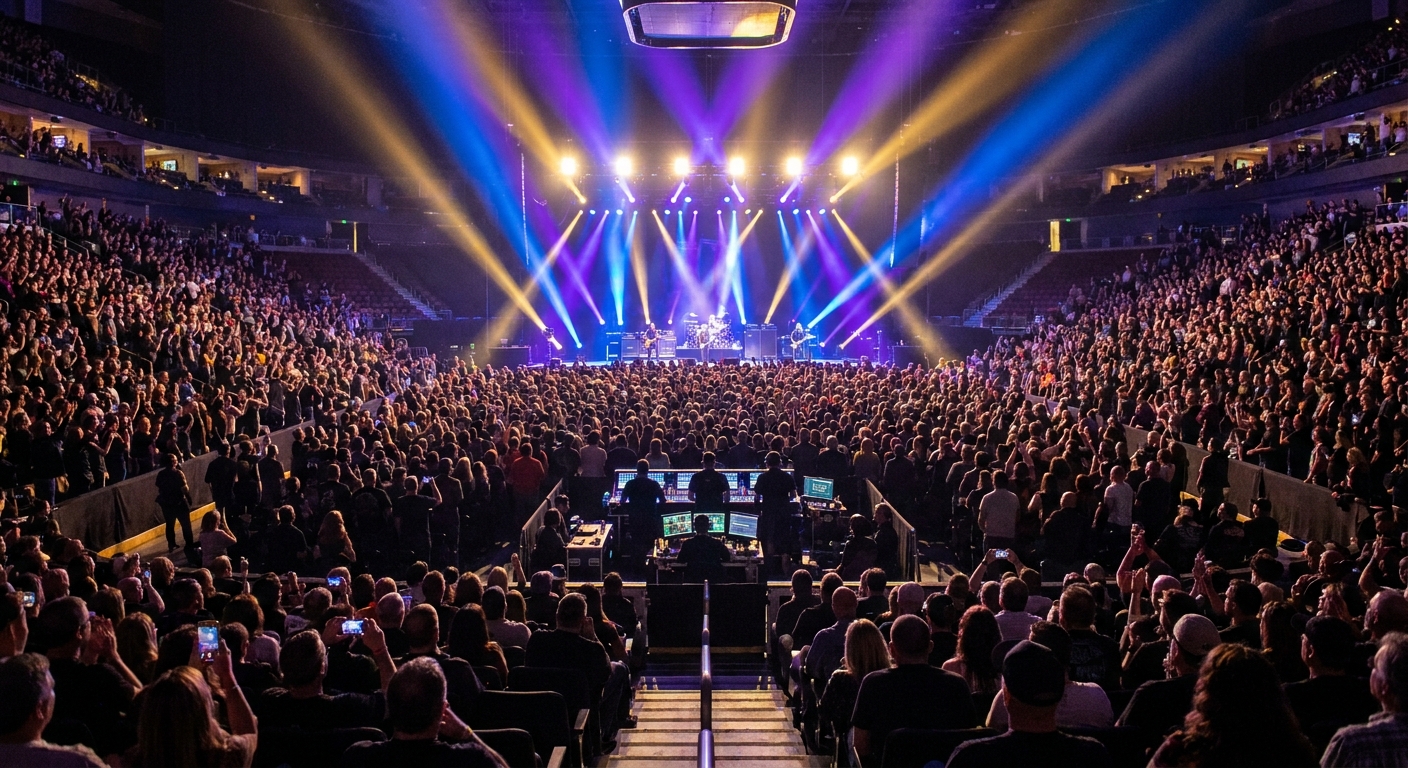
For big pop tours and arena rock, the audio is built for coverage. That said, the most balanced sound is often near front-of-house (FOH), where the engineer is mixing from. It’s commonly on the floor behind the pit or in the lower bowl, and it’s usually centered or close to it (sometimes slightly off-center due to sightlines or rigging).
- Best all-around: lower bowl, near center, a little above floor level.
- Best sound focus: seats near the FOH mix position.
- Best energy: floor or pit, if you’re comfortable standing and your venue gives you a workable view.
- Most reliable sightlines: lower bowl over flat floor, especially if you don’t want to gamble on tall people in front.
Side-view seats can be great if the artist uses a wide stage and big screens, but some productions rely on a central runway or effects that land best from the middle. If the seating chart labels something “side stage,” assume you’ll miss some visuals, even if the price is tempting.
Concert halls and symphonies
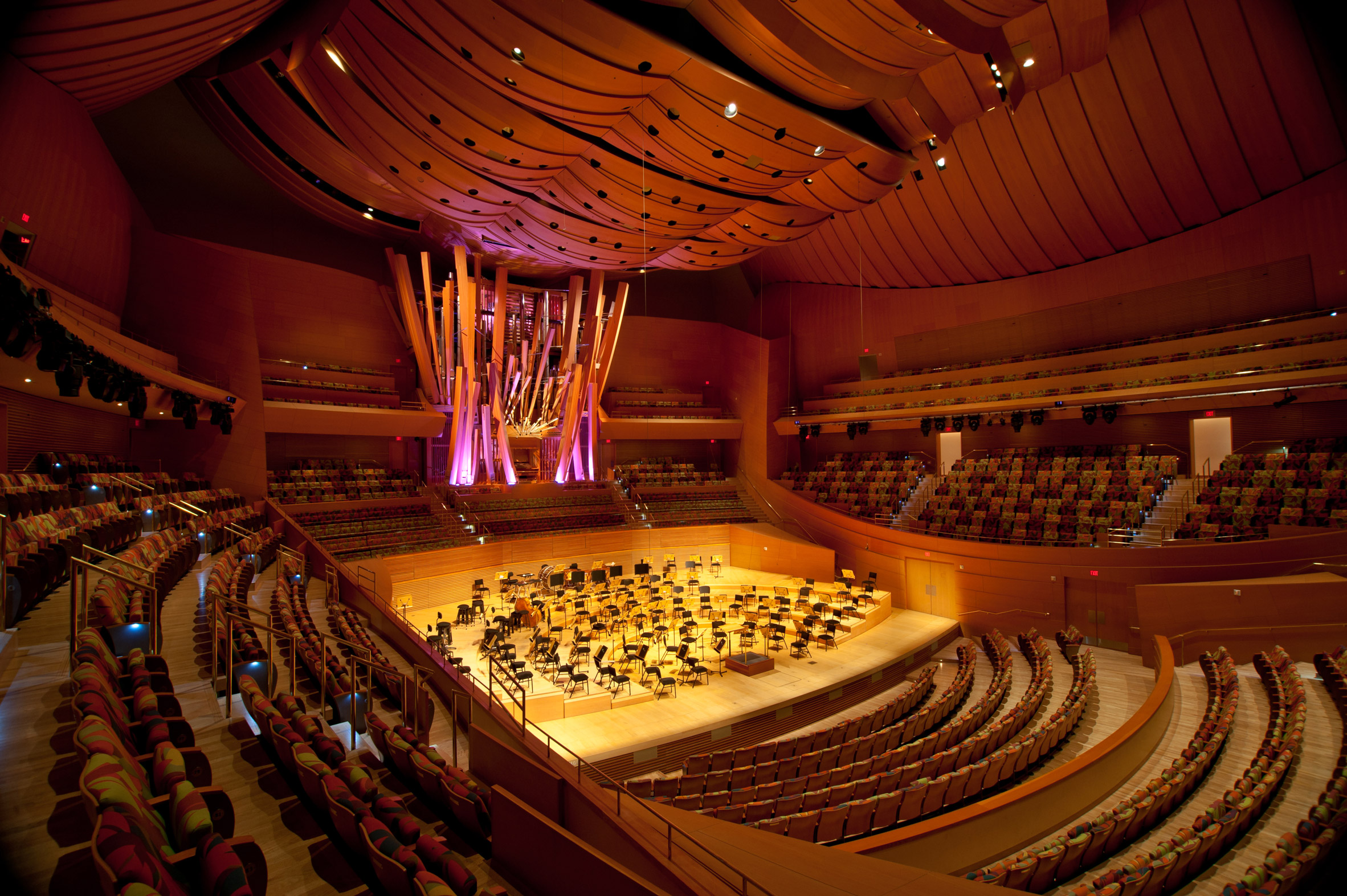
In traditional concert halls, acoustics are the star. Extremely close seats can sound unblended, meaning you hear specific instruments loudly rather than the full ensemble.
- For orchestral balance: mid-hall center, or the first balcony, center.
- For soloists: closer can be wonderful, especially for piano, jazz, and chamber music, where visual connection adds a lot.
- For choral work: a bit of distance helps voices bloom together.
If you’re choosing between close side seats and slightly farther center, center usually wins for both sound and cohesion.
Clubs and GA floors
In clubs, your “seat” is often your spot. The best advice is strategic, not snobby:
- For sound: don’t stand directly next to a speaker stack. Aim for a centered position a few rows back where the mix settles. (Some small rooms with nearfield setups can sound great up close, but speaker-adjacent is the usual danger zone.)
- For comfort: a spot near the back wall can give you breathing room and easier exits, especially for long sets.
- For views: balcony rails are gold if your venue has them, but arrive early.
Comedy: vibe and sightlines
Comedy is the most personal of the three formats. You’re not just watching. You’re part of a shared rhythm. Where you sit changes your relationship to the room and, yes, your odds of becoming part of the show.
Front row: fun or stressful
Front row at a comedy club can be a blast if you enjoy interaction and can laugh at yourself. It can also feel like sitting under a spotlight even when the comic isn’t doing crowd work.
- Worth it when: you want maximum connection, you like crowd work, and you don’t mind being seen.
- Avoid if: you want to relax quietly, you’re celebrating something you don’t want mentioned, or you’re easily flustered.
If you want the intimacy without the target-on-your-back feeling, aim for second or third row, center.
Best seats for hearing everything
In many clubs, sound can be uneven at the edges. The safest bet is the center, not too far back. In a theater-style venue, the “hear every punchline” seats are often mid-orchestra center.
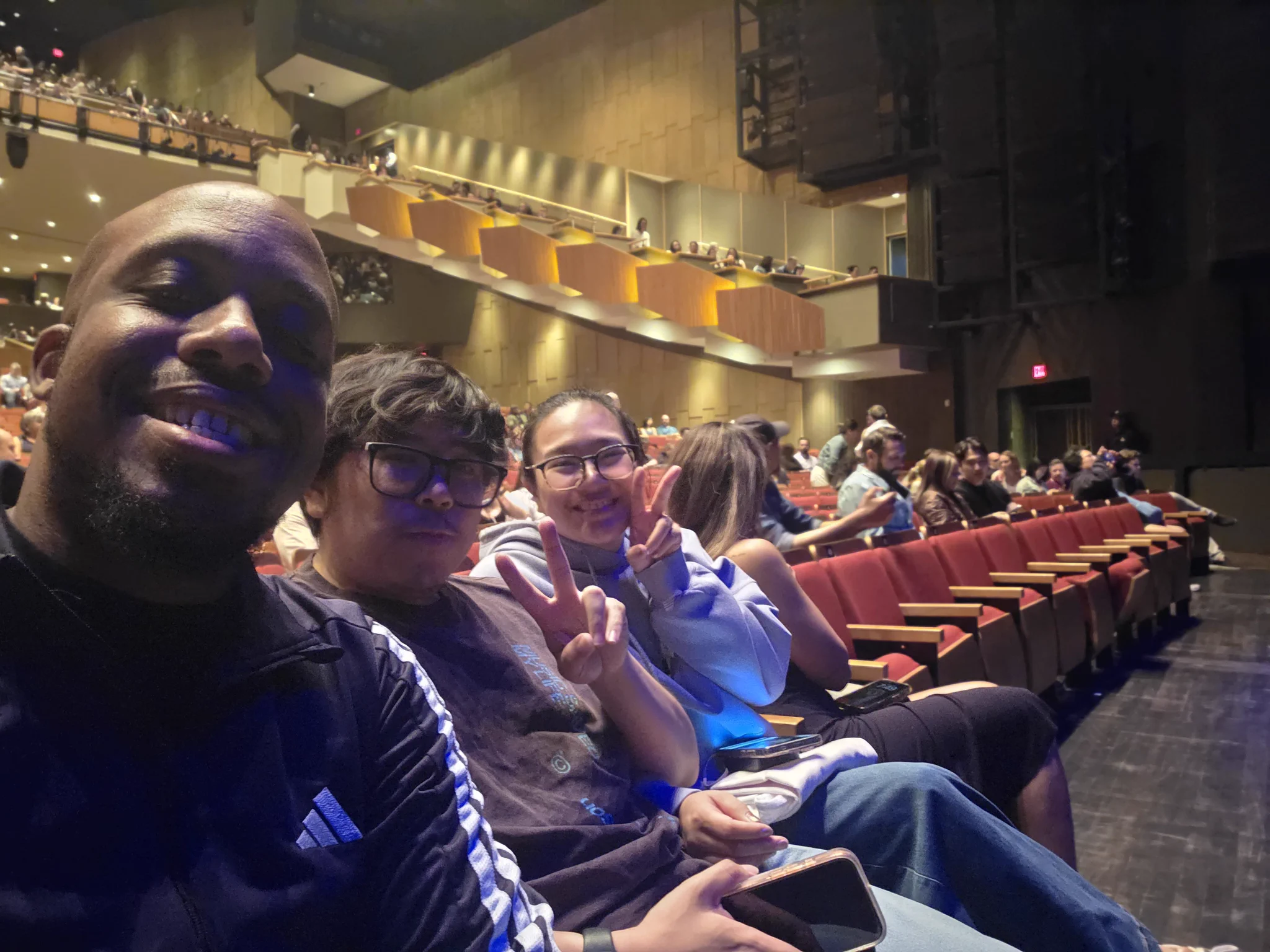
- For pure listening: center, mid-room, away from loud bar service.
- For a social night: table service can be fun, but try not to sit right on a busy aisle if distractions bug you.
- If you don’t want to get roasted: pick center seats a few rows back. In many rooms that’s around rows 3 to 6, but it depends on the comic and the layout, so treat it as a guideline, not a guarantee.
Quick picks by person
First live show
- Broadway: front mezzanine center, or mid-orchestra center if mezzanine is pricey.
- Concert (arena): lower bowl near center, not extreme side stage.
- Comedy: center, a few rows back. Close enough to feel it, far enough to exhale.
Buying on a budget
- Prioritize alignment over closeness. A more centered seat farther back often beats a closer extreme-side seat.
- Broadway: rear mezzanine center can be a strong value, especially for big musicals where the full picture matters.
- Concerts: upper bowl seats that are closer to center can be surprisingly satisfying if screens are good.
- Comedy: avoid the farthest corners if you can. Clarity is the whole game.
Budget tip that isn’t glamorous but works: check whether the venue map shows overhangs. Seats under an overhang can feel sonically dull and visually cramped even if the row number looks decent.
Here for sound
- Broadway: mid-orchestra or front mezzanine, near center. It often plays most evenly there.
- Concerts: near the FOH mixing area, usually lower bowl or mid-floor behind the pit.
- Comedy: center of the room, away from bar noise and speaker stacks.
Here for sightlines
- Broadway: front mezzanine center for full staging, or mid-orchestra center for faces plus staging.
- Concerts: raked seating (lower bowl) beats flat floor if you’re worried about heads in the way.
- Comedy: slightly elevated seats, if available, can be more comfortable than the very front.
Here for interaction
- Broadway: most shows don’t want audience participation, but closer seats can still heighten the feeling of being “in it.”
- Concerts: pit or front floor for maximum energy, as long as you’re ready to stand.
- Comedy: front row or a front aisle seat is the crowd-work zone.
Common seating traps
- “Limited view” that’s actually limited. On Broadway, a pillar or extreme angle can hide key action. If the ticket is flagged, believe it and decide if the discount is worth the trade.
- Front row audio surprises. In concerts, the pit can be visually thrilling but sonically chaotic depending on speaker placement. Great for energy, not always great for balance.
- Overhangs and low balconies. They can restrict vertical sightlines and make the room feel closed in. If you love seeing lighting and full stage height, avoid.
- Flat floor seats. If you’re not tall or you hate standing, a lower bowl seat can be a calmer, clearer choice.
FAQ
Is mezzanine always better than orchestra on Broadway?
No. Mezzanine often wins for big musicals because you see the full staging cleanly. Orchestra often wins for plays and performance nuance because faces and small gestures land harder up close.
Are aisle seats good or bad?
Usually good. You get legroom, easier exits, and less knee chess at intermission. The downside is more foot traffic, which can be distracting in comedy or quiet plays.
What’s the best row for comedy if I don’t want attention?
Aim for center seats a few rows back. In many rooms, rows 3 to 6 are a decent buffer, but it depends on the comic and the layout, so nothing is foolproof.
Do side seats ever beat center?
Yes, when the show is intimate and you’re still relatively close, or when the center sections are priced out. For concerts, side seats can also be great if you value watching musicians work up close more than seeing every visual head-on.
The rule that holds
If you only remember one thing, make it this: pick the seat that matches the experience you want, not the seat that sounds most prestigious. Theater rewards perspective. Concerts reward balance. Comedy rewards comfort and vibe. When those line up, you’ll spend the night watching the stage, not second-guessing your ticket.