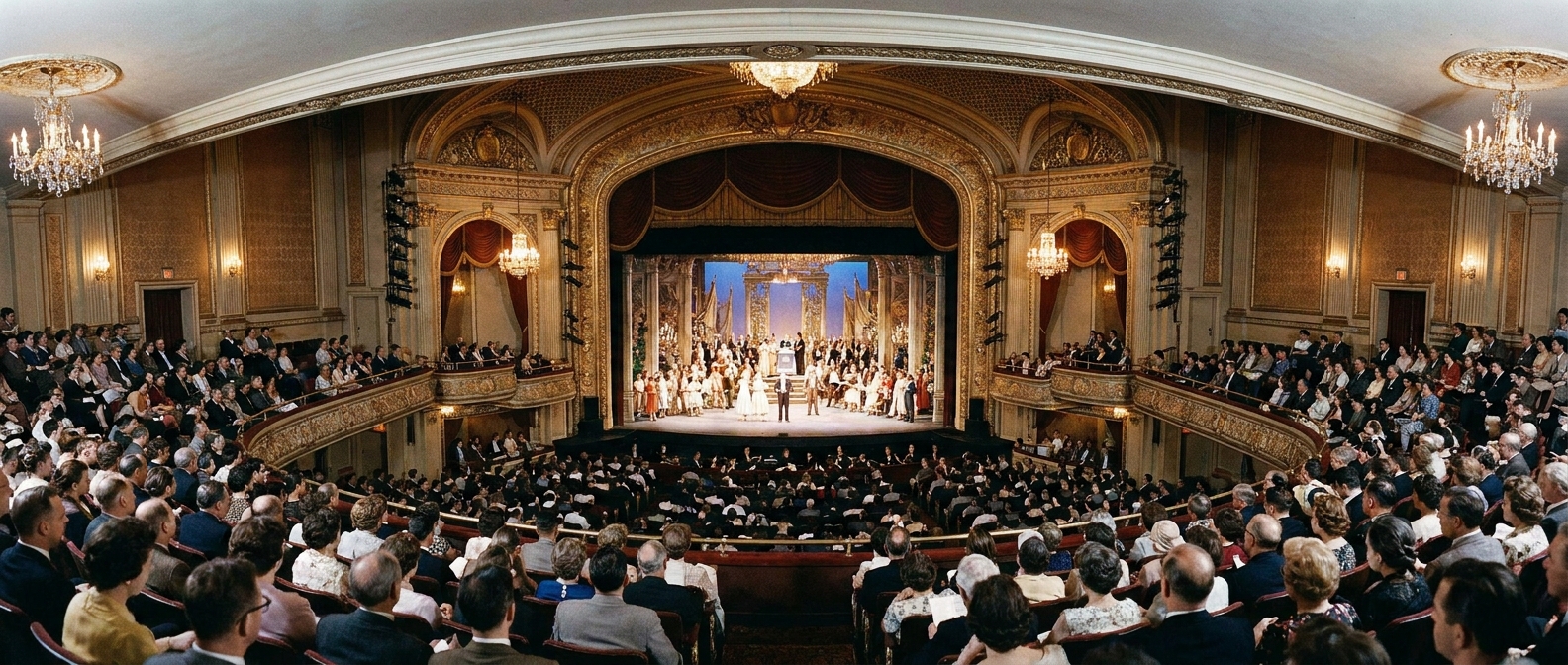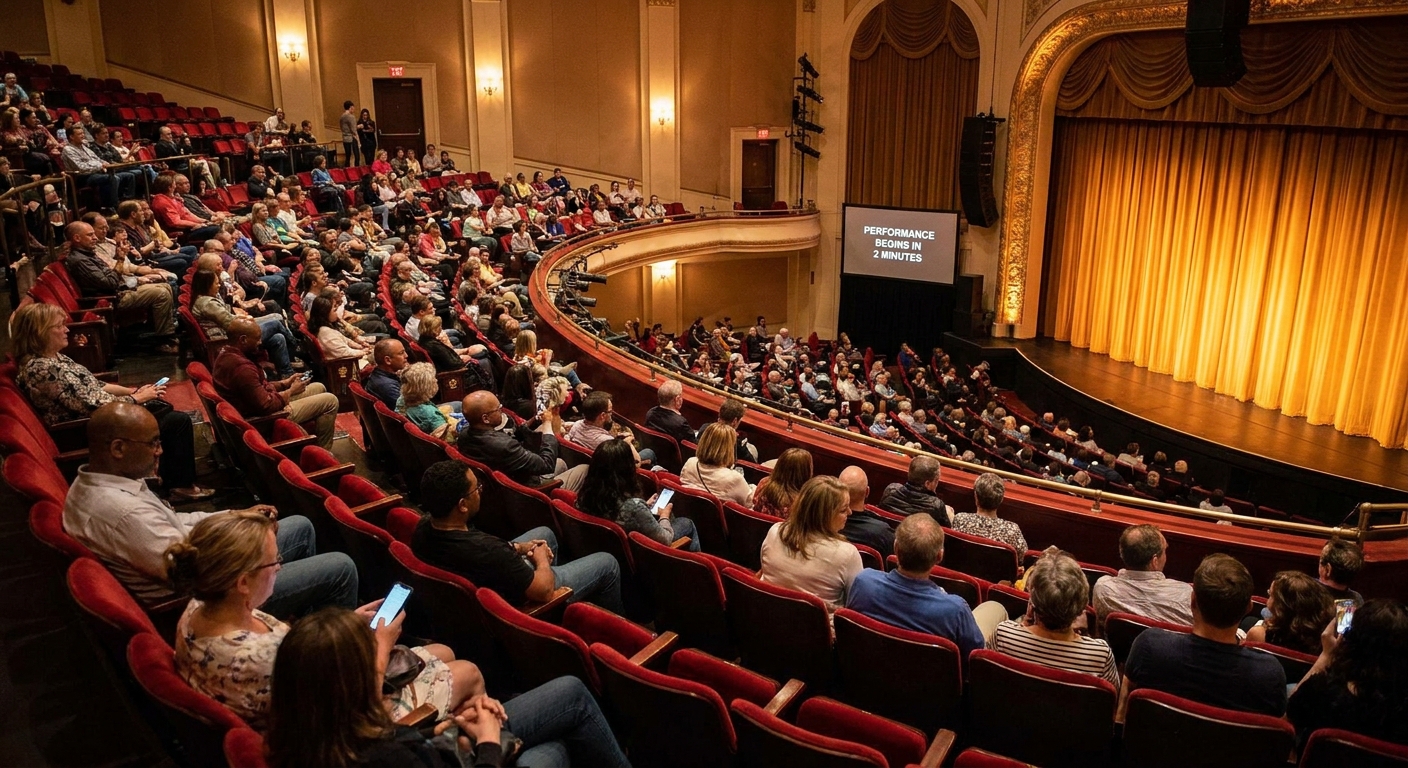
Your first live performance comes with a tiny thrill that streaming can’t replicate: the shared hush, the orchestra tuning, the lights dimming, the feeling that anything could happen because it literally can. The good news is you do not need insider knowledge to belong in the room. You just need a few practical basics: what kind of ticket to buy, when to arrive, what “late seating” really means, and how to dress without overthinking it.

Tickets 101
Most first-timer stress comes down to two questions: “Where should I sit?” and “Am I buying the right kind of ticket?” Let’s make both easy.
Where to buy
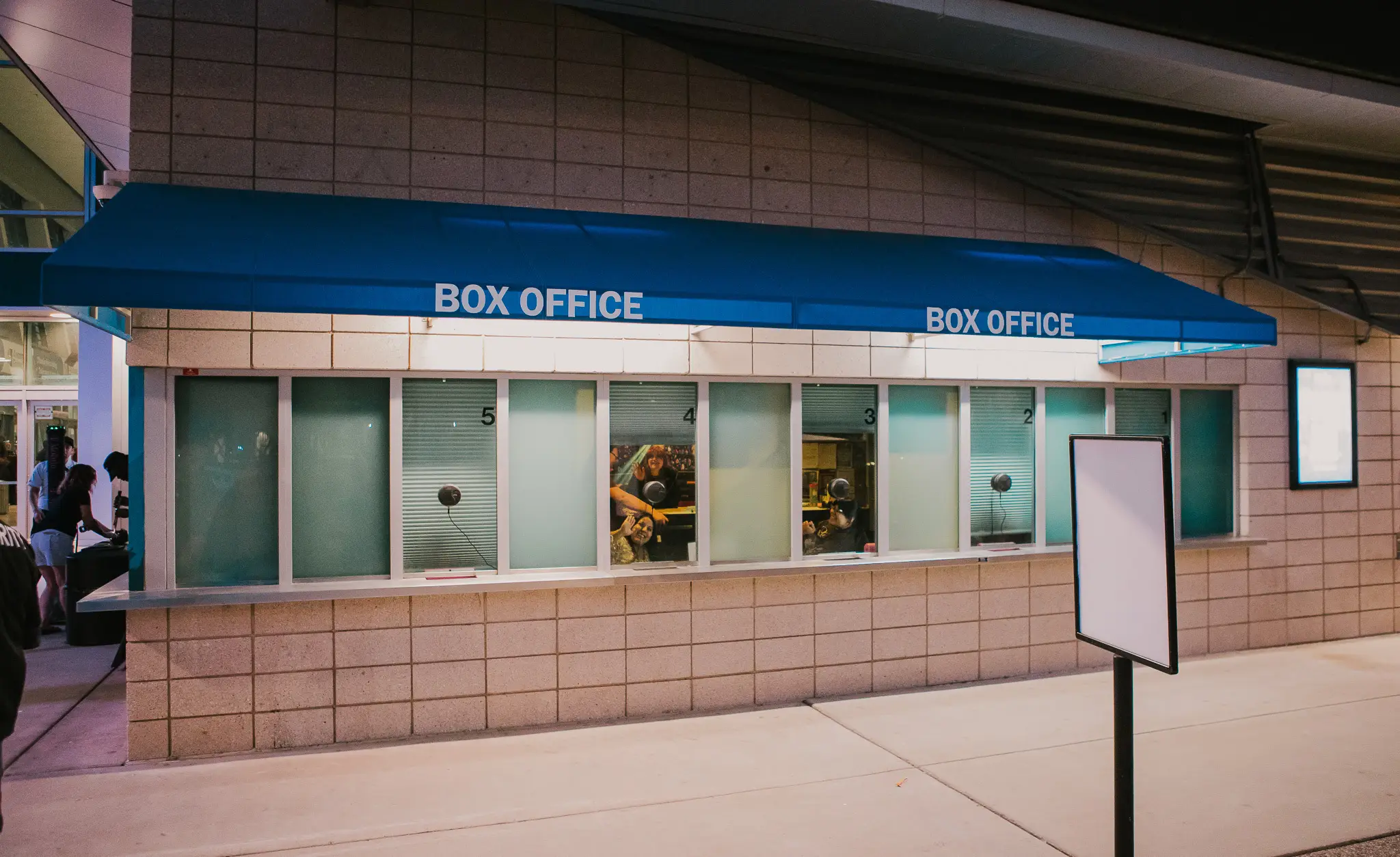
- Official box office (in person or online): Often the best way to avoid third-party markups and ensure your ticket is valid. Note that many venues still add online or processing fees, even on official channels.
- Presenter or venue website: Common for regional theater, touring Broadway, opera houses, and performing arts centers.
- Authorized ticketing partners: Many venues use a specific ticketing platform. If you start from the venue’s site, you’ll usually land in the right place.
- Resale marketplaces: Useful when a show is sold out, but read carefully for price markups and delivery details. If you go this route, choose platforms that guarantee entry and clearly label seat locations and restrictions.
Ticket types you might see
- Standard admission: Your assigned seat, date, and time.
- Rush / lottery: Discounted tickets with limited availability, often day-of or via a digital drawing. Great if you’re flexible about seats.
- Preview performances: Early shows before opening night, often cheaper. You may see small changes as the production refines itself.
- Standing room: Not always offered, and not always comfortable, but can be a budget-friendly way into high-demand performances.
- Partial view or obstructed view: Usually discounted for a reason. Sometimes the obstruction is minor, sometimes it is a pillar directly in your line of sight. If the listing is vague, research the specific seat number.
- Student, senior, or group tickets: Ask about ID requirements and pick-up rules. Some discounts require will-call pickup.
Picking seats without spiraling
Here are the trade-offs, in human terms:
- Orchestra (main floor): Intimate, immersive, and ideal for acting. Very close seats can mean craning your neck, especially for opera or big musicals with lots happening upstage.
- Mezzanine / Dress Circle: Often the sweet spot for musicals and dance because you can see stage pictures and choreography patterns.
- Balcony / Upper levels: Usually the most affordable and the most distant. Sightlines can still be excellent in well-designed houses, but check reviews for steepness and railings.
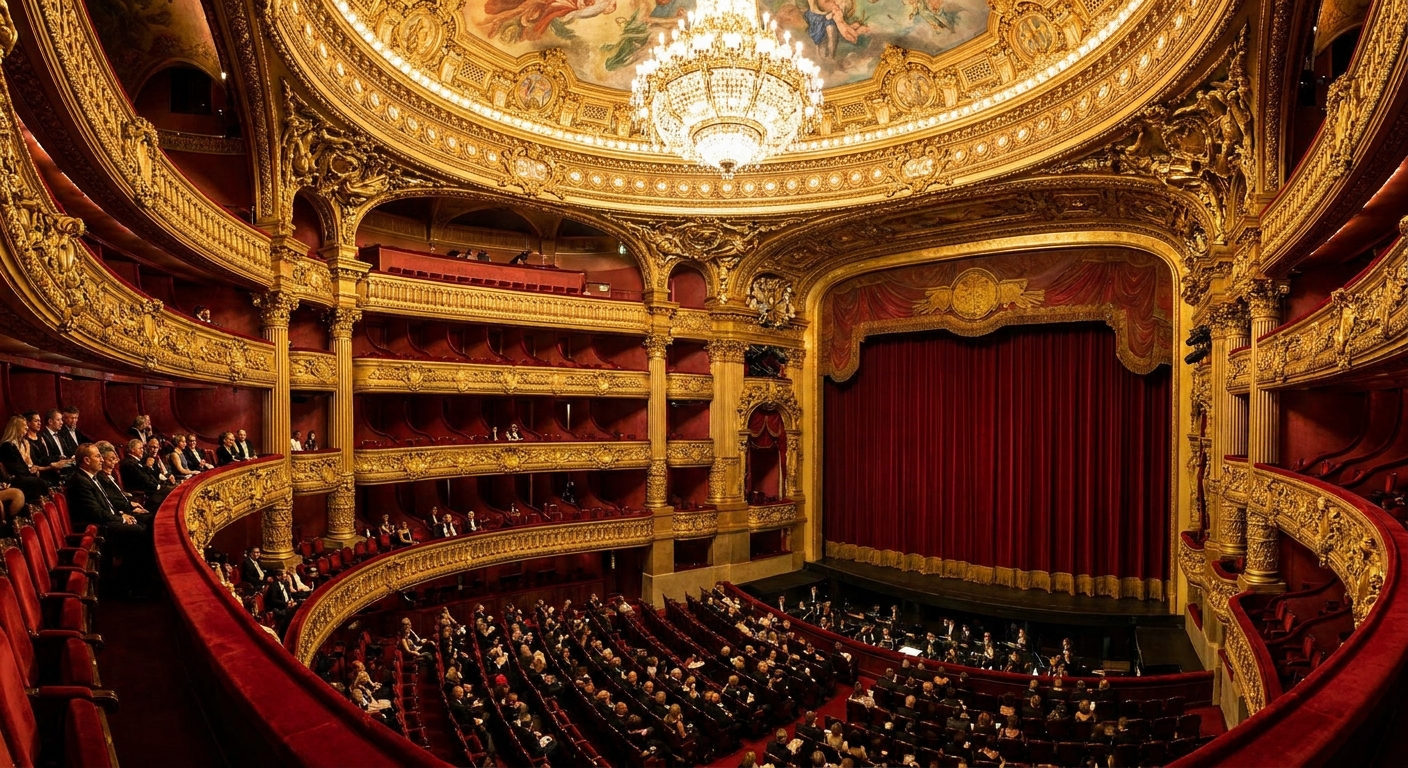
- Box seats: Beautiful, sometimes quirky. Side angles can be dramatic or distracting depending on the production.
Opera note: If you want to follow every word, look for seats with clear views of the supertitles area. Some venues display titles above the stage, others on individual screens.
Digital Tickets and Fine Print
Tickets are increasingly digital in many cities, but the basics remain the same: know what you purchased and how you’ll get through the door.
Mobile tickets
- Download before you travel: Screenshot policies vary, and reception can be unpredictable in crowded lobbies. If the ticket lives in an app or wallet, open it once in advance.
- Check your seat details: Section, row, and seat number. It sounds obvious until you are juggling a coat and trying to find Row K.
- Mind the transfer rules: Some tickets cannot be transferred, or they refresh a dynamic barcode. If a friend bought them, confirm how entry works.
Will call pickup
Will call means your ticket is held at the box office for pickup. Bring:
- A photo ID that matches the purchaser’s name
- The card used to buy the ticket if the venue requests it
- Your confirmation email, just in case
If you’re picking up at will call, build in extra time. Box office lines move at the speed of questions, not the speed of scanners.
Accessible seating and accommodations
If you need wheelchair seating, aisle access, hearing assistance, captioning, or audio description, contact the venue as early as you can. Most theaters are happy to help, but inventory can be limited and policies differ by house. If elevators or accessible restrooms are located at a specific entrance, ask ahead so you can arrive at the right door.
When to Arrive
In theater, time is not a suggestion. A performance has a fixed start, live performers, and venue policies that govern when the house can hold or release seats, sometimes shaped by contracts or union rules. Arriving early is less about being formal and more about giving yourself a calm runway.
A good rule of thumb
- Local and regional theater: Arrive 30 minutes early.
- Broadway and touring Broadway: Aim for 45 minutes early if you want time for restrooms, drinks, coat check, and finding your seat without a sprint.
- Opera and ballet: 45 to 60 minutes early, especially in larger venues where getting from the lobby to your level takes time.
What takes time, realistically
- Security checks: Many venues use bag checks or metal detectors.
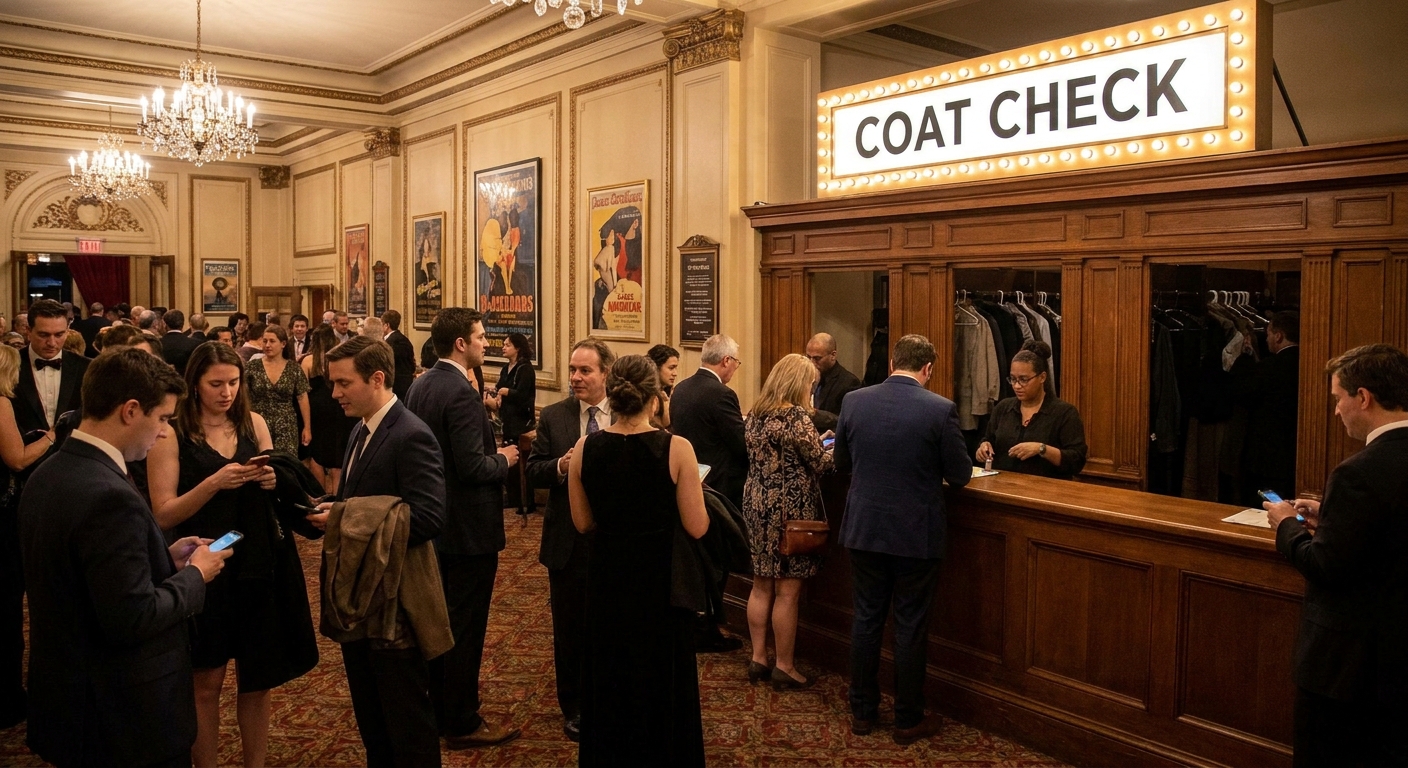
- Coat check: Helpful in winter, slower than you think at curtain time.
- Restrooms: Lines can be legendary. Go early, and also at intermission.
- Finding your seat: Older theaters can have narrow aisles and creative numbering.
Two quick planning checks
- Runtime and intermission: Look up the length and how many breaks there are. This matters a lot for opera and longer plays.
- Post-show plan: If you’re taking late-night transit, rideshare, or parking in a garage that closes, check the timing before curtain.
Late Seating
Late seating policies exist to protect the performers and the audience already settled in. Even if you have a ticket, you may not be allowed into the house right away once the show begins.
What can happen if you’re late
- You may be held in the lobby until an appropriate break, like a scene change or musical number transition.
- You may be seated in an alternate location for the first portion, then moved to your ticketed seats later.
- You may not be admitted after a certain point. Some productions are strict, especially opera and smaller, more intimate theaters.
Why theaters are strict about it
A late arrival can be louder and more visually disruptive than you think. In a play, it can break an actor’s concentration. In opera, it can cut through a soft passage that has been built with breath control and precision. Consider arriving early as part of the performance etiquette, like silencing your phone.
If you’re running late anyway
- Do not call while driving. Get there safely.
- Have your ticket ready on your phone before you reach the door.
- Follow usher instructions without negotiating. They are trying to get you in with minimal disruption.
What to Wear
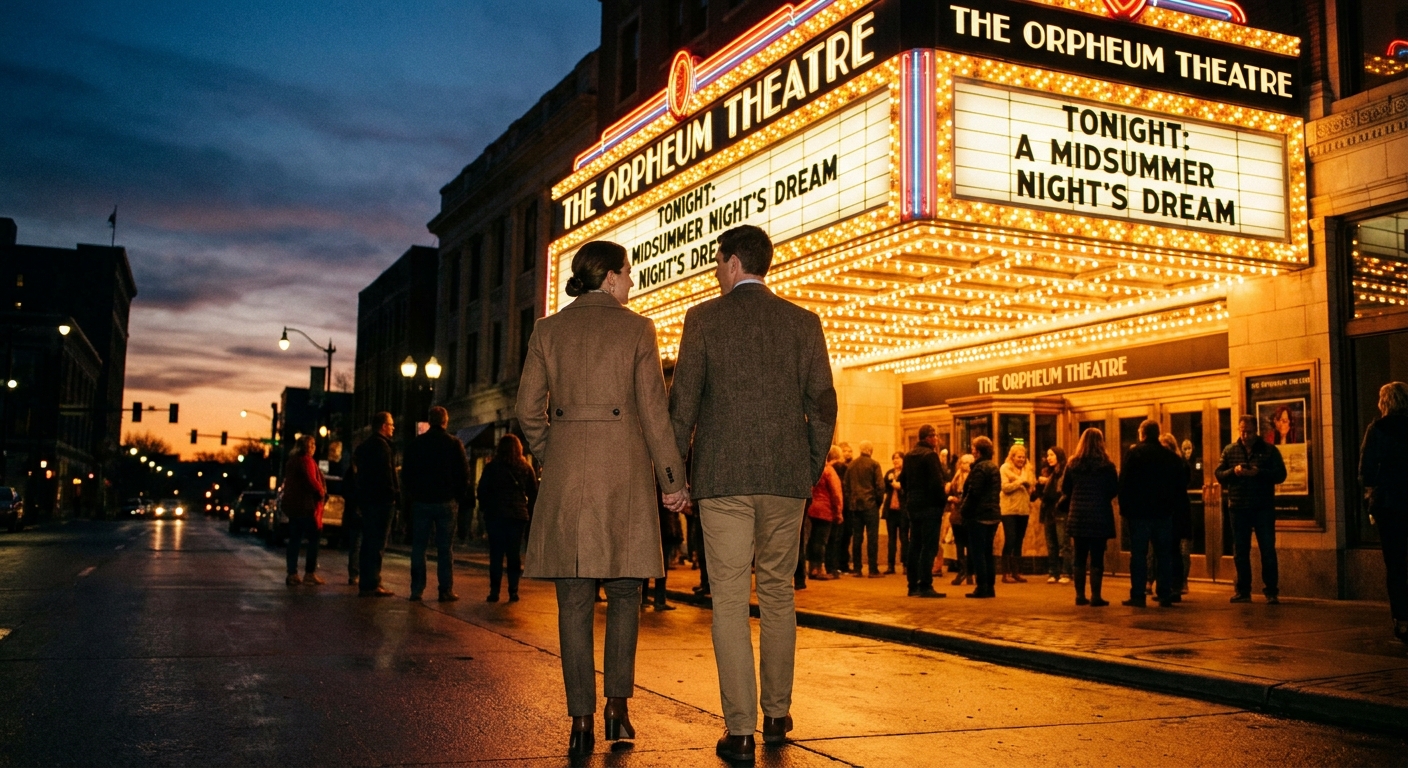
Let’s retire the myth that theater is only for people in sequins and cufflinks. Most venues today are “wear what makes you feel good” with a few practical guardrails. The goal is to be comfortable, respectful, and ready to sit for a while.
The modern baseline
- Broadway and touring shows: Smart casual is the norm. You’ll see everything from jeans and nice sneakers to cocktail dresses.
- Local theater: Even more relaxed. Clean, comfortable, and venue-appropriate.
- Opera and ballet: Often a notch dressier, especially on weekends and opening nights, but still not mandatory-black-tie unless the event explicitly says so.
Easy outfit formulas
- Any gender: Dark jeans or trousers + a polished top + a layer (theaters run cold).
- More elevated: A midi dress or jumpsuit, or a blazer over a simple outfit.
- Matinee casual: A neat sweater or button-down with comfortable shoes you can walk in.
Comfort tips that matter more than fashion
- Bring a light layer: Air conditioning is enthusiastic year-round in some houses.
- Choose shoes you can stand in: You may be in line for tickets, restrooms, or drinks.
- Avoid noisy accessories: Bangles, crinkly bags, or anything that jingles in quiet scenes.
- Skip strong fragrance: Close seating means you are sharing air.
What to Bring
A theater seat is not an airplane seat, but it has similar spatial politics. Pack light and you’ll be happier.
Bring
- Your ticket and a charged phone
- A small wallet or clutch, or a compact bag that fits under your seat
- A layer, especially for large venues
- Reading glasses if you want to skim the program comfortably
Think twice
- Big bags: Some venues restrict them; others will make you check them.
- Outside food and drinks: Policies vary, but most theaters prefer you purchase onsite or not at all. If you do buy a drink, bring it into the auditorium only if the venue allows it.
- Crinkly wrappers: Candy is small, but the wrapper sound can travel like it has a microphone.
- Recording devices: Filming is generally prohibited, even if you think you’re being discreet.
Intermission and Etiquette
There is no pop quiz, but a little etiquette knowledge makes the night smoother.
Intermission
- Use the restroom early in the break. Lines form instantly.
- If you bought a drink, keep it contained and stable. Spills happen in the dark.
- Be back in your seat when the warning bells or announcements start.
Applause basics
- Clap when others clap. You’ll catch the rhythm quickly.
- In musicals, it’s normal to applaud after big numbers and standout moments.
- In opera, you may hear audience members shout “Bravo!” at the end of an aria or act. If you’re unsure, wait a beat and follow the room.
Phones and photos
Silence your phone fully, not just vibrate. Vibrate is a tiny drum solo in a quiet monologue. Also check smartwatches for chimes and alarms. As for photos, policies vary widely. Some venues allow lobby photos and occasional curtain-call photos, others prohibit photography in the auditorium entirely. When in doubt, follow posted signs and usher instructions.
Talking
- Save commentary for intermission. Even whispering carries farther than you think.
- If you need to cough, do your best to cover it and wait for a louder moment.
What Changes by Venue
The core experience is the same: live artists, live audience, shared time. But a few logistics can shift.
- Broadway: Bigger crowds, stricter security, and a greater chance you’ll be held for late seating. Merch stands are common. Timing tends to be very punctual.
- Opera: Longer runtimes, sometimes earlier start times, and sometimes more formal lobby culture. Supertitles are your friend. Applause patterns can be different.
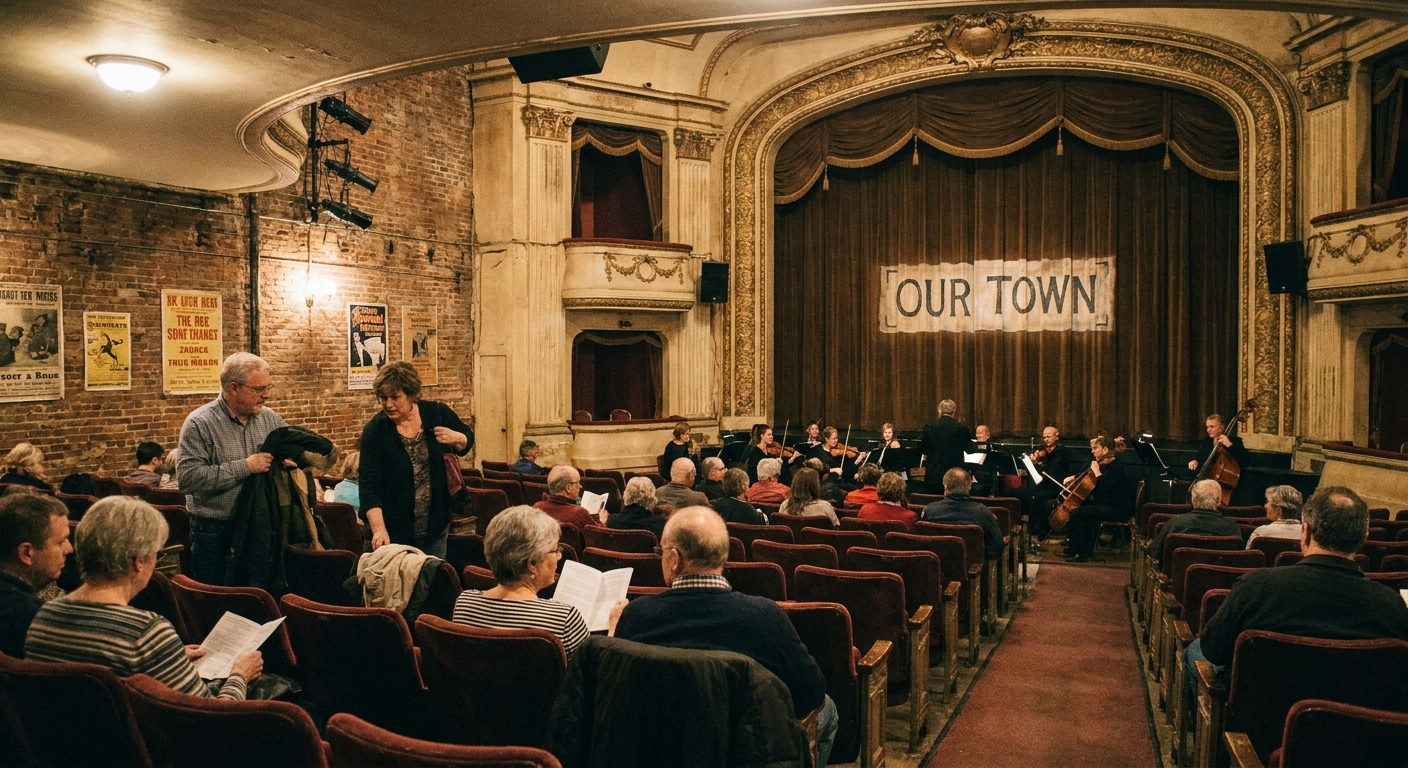
- Local theater: More intimate venues, sometimes general admission seating, and often a friendlier sense that you are part of the community supporting the work.
Quick Checklist
- Confirm the address, start time, runtime, and your seat details
- Download or open your mobile ticket in advance
- Plan to arrive 30 to 60 minutes early depending on venue size
- Wear something comfortable you feel confident in
- Bring a light layer and keep your bag compact
- Silence your phone fully (and your watch)
- If you are late, follow the usher’s lead and you will still have a good night
FAQ
Do I need to dress up for the theater?
Not unless the event specifically says so. Smart casual is a safe default nearly everywhere. If dressing up adds to your joy, go for it. If it stresses you out, keep it neat and comfortable.
How early should I arrive if I want a drink or to read the program?
Aim for 45 minutes early. That gives you time to use the restroom, browse the program, and still be seated before curtain without rushing.
What happens if I miss the start?
You may be held until a break in the action, seated elsewhere temporarily, or in stricter situations not admitted. Policies vary, but arriving early is the best protection for both your view and the performers’ focus.
Are balcony seats worth it?
Often, yes. For spectacle-heavy shows, a higher level can provide a great view of stage pictures. Check for notes about steep stairs, railings, or partial views if you are sensitive to heights or need unobstructed sightlines.
Can I bring my kids?
It depends on the show and the child. Look at the recommended age guidance, runtime, and content notes. For a first outing, a shorter matinee can be a kinder introduction for everyone in the audience.