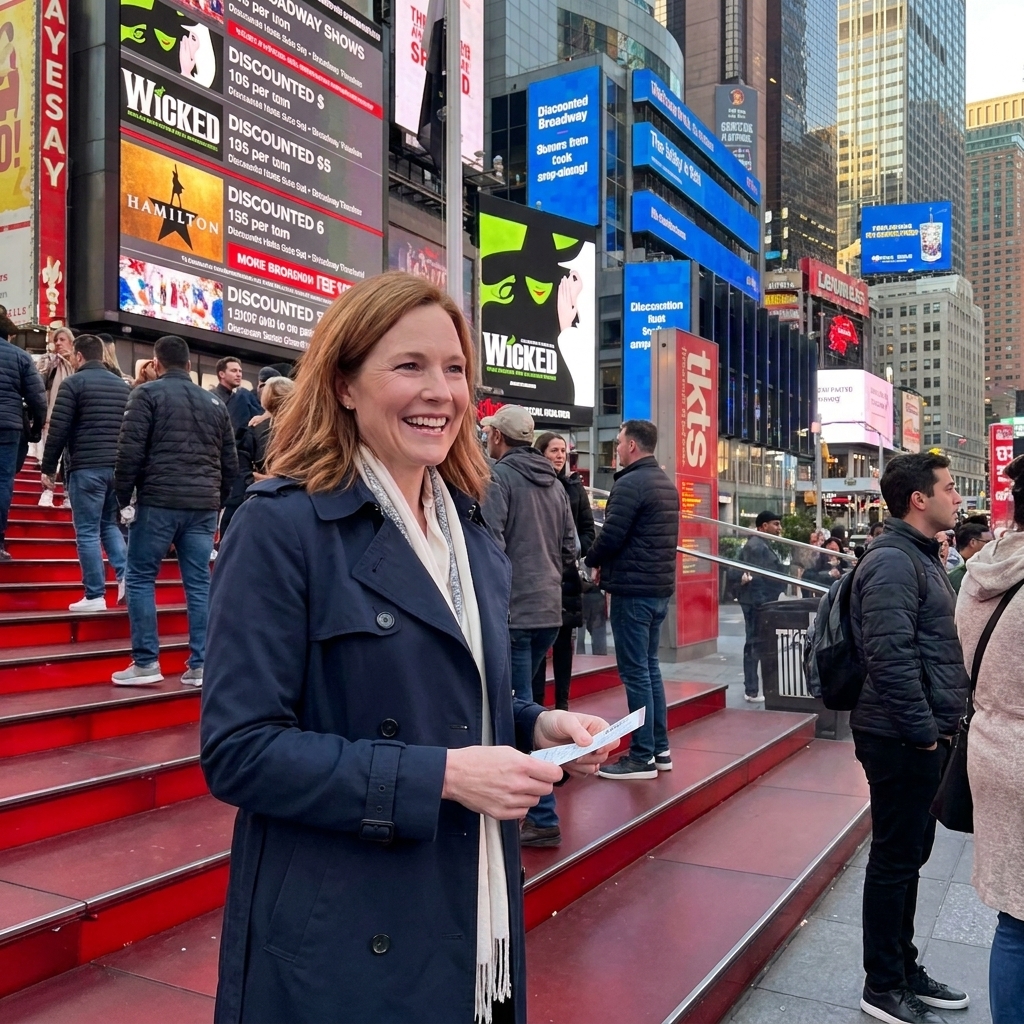
There is a special kind of adrenaline that hits when you realize you could see a show tonight. The trap is assuming last-minute means last-chance pricing. In reality, many theaters and presenters sometimes hold back inventory, offer day-of deals, and quietly reward the people willing to show up (or refresh a page) at the right time. Policies vary by city, venue, and producer, but the playbook is surprisingly consistent.
Below is a practical, city-agnostic guide to getting legitimate last-minute theater tickets without donating your rent to “dynamic pricing.”
Before you buy: two rules
1) Start with the official seller
When you are rushing, it is easy to click the first result and end up on a lookalike site with surprise fees or, worse, tickets that never scan. Your safest starting point is always the venue or presenter’s website. Find the show page, then follow their ticket link to the official ticketing partner.
2) Set your “all-in” ceiling
Last-minute overpaying usually happens when you focus on the base price and ignore the checkout total. Before you browse, set a maximum all-in amount (ticket + fees + delivery). If a platform only shows the full total at the final step, that is a reason to be cautious and double-check you are on an official or verified channel, not necessarily proof of a scam.
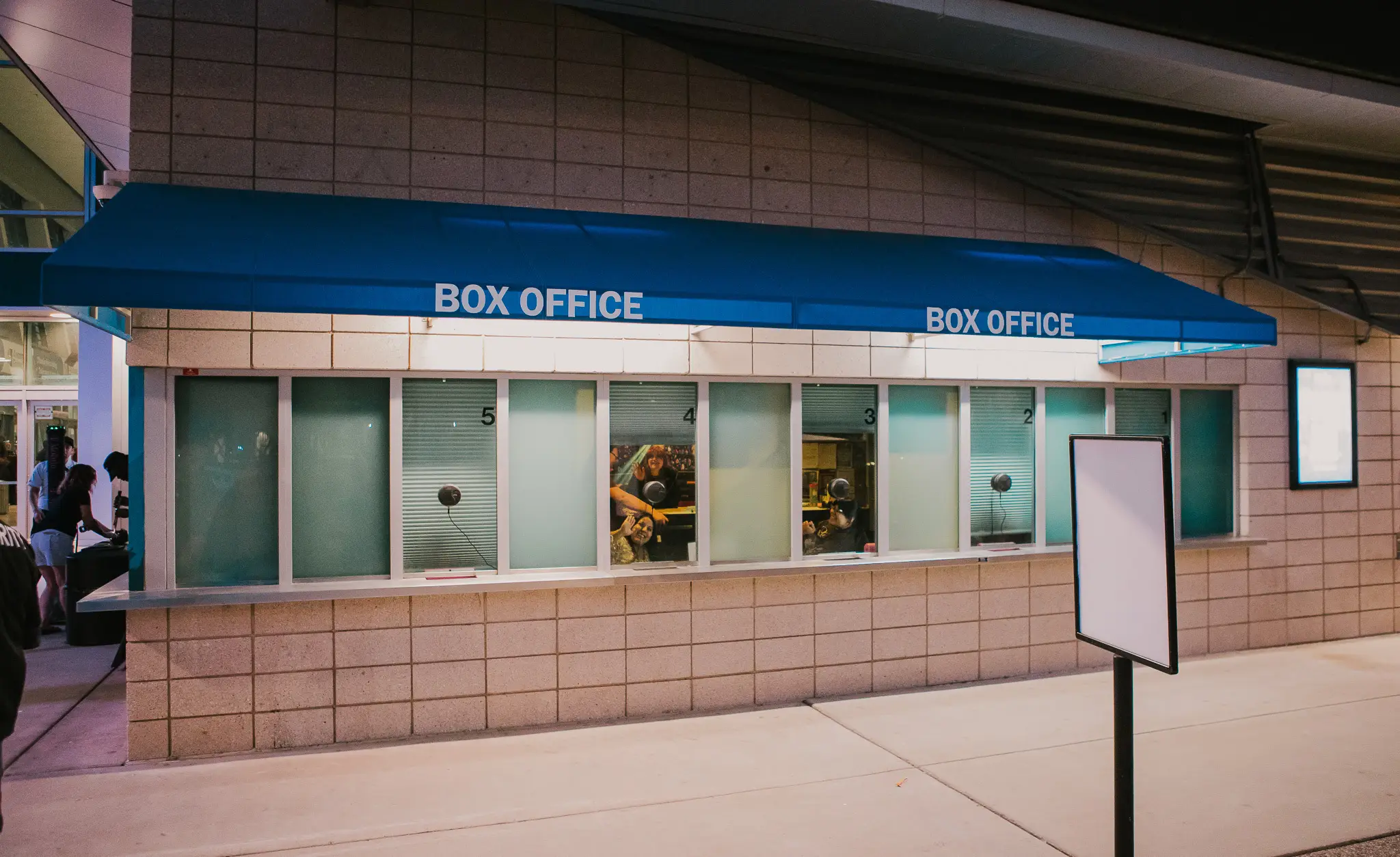
Best option: the box office
If you can get to the venue, the box office is often the most straightforward path to fair pricing. You may avoid some third-party markups, and staff can tell you what is realistically available tonight.
Ask about day-of releases
Many productions hold seats for VIPs, press, accessibility holds, or late adjustments, then release them on the day of the performance if unused. These can be excellent locations, sometimes at standard price, sometimes at reduced price depending on the show’s policy.
- When to go: When the box office opens, and again about 60 to 120 minutes before curtain.
- What to say: “Do you have any day-of releases, partial-view, or last-minute holds that just opened up?”
- What to bring: A photo ID and the card you plan to use. Some discounts and will-call pickups require proof.
Rush tickets
Rush is the theater world’s version of a bakery day-old shelf, except the pastries are live art and sometimes the seats are phenomenal. Rush tickets are discounted tickets sold on the day of performance, usually first-come, first-served. Some theaters do in-person rush; others do digital rush through their official ticketing app or partner.
- Typical trade-off: You might not choose your exact seat, and availability can be limited.
- Pro tip: If the line is long, ask a staffer (politely) whether there is a realistic chance before committing your entire afternoon.
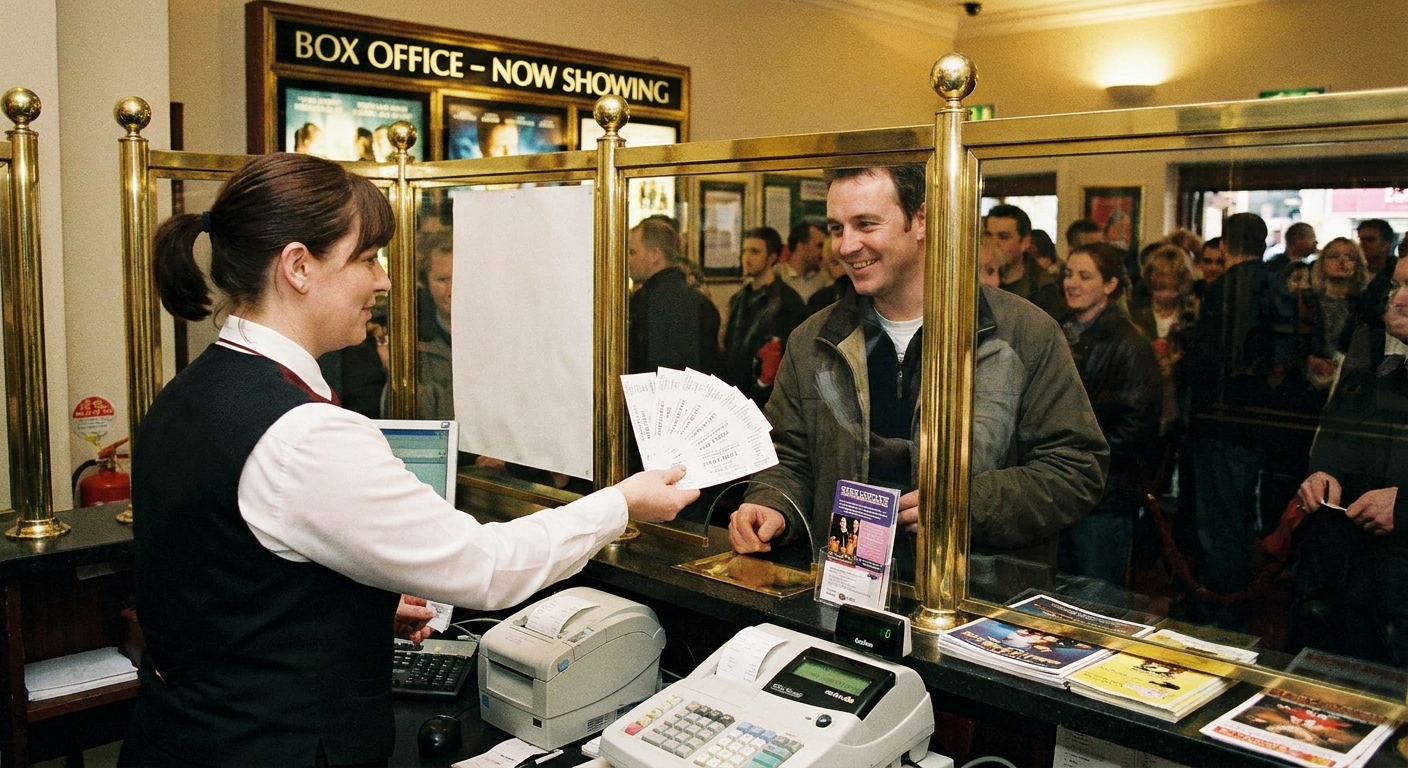
Fastest option: digital lottery and rush
If you cannot get to the venue early, a lottery or official digital rush can be your best low-cost swing. Many theaters run lotteries for same-day or next-day seats. You enter during a set window, winners get a limited time to purchase, and prices are usually fixed and discounted.
Boost your odds (without living on your phone)
- Enter as early as allowed: It does not always improve odds, but it prevents you from forgetting the window.
- Enter with a buddy: Many lotteries let you request 1 to 2 tickets. If the program allows it and you are flexible about splitting into singles, you may have more options.
- Whitelist emails and enable notifications: Lottery wins can expire quickly.
- Be ready to buy immediately: Have payment info saved and know your budget ceiling.
Standing room and partial view
Some venues sell standing room or restricted-view seats at a significant discount once the performance is sold out or near capacity. These can be great for shorter shows or for seasoned theatergoers who care more about being in the room than perfect sightlines.
Member and local discounts
The least glamorous way to pay less is also one of the most reliable: join the ecosystem. Many regional theaters, presenting houses, and performing arts centers have membership programs, email clubs, or subscriber packages that unlock early access, discounted tickets, or fee waivers.
Perks that help last-minute
- Member discounts: A consistent percentage off, sometimes including rush or special releases.
- No-fee exchanges: Valuable if you are buying close to showtime and plans are wobbly.
- Flash sales: Limited-time offers that often include near-term dates.
Who might qualify
Many venues offer discounts for students, educators, seniors, military, union members, or local residents. Policies vary wildly, so check the theater’s official discount page and be ready with the required ID. If you are unsure, call the box office. A two-minute conversation can beat an hour of doomscrolling resale listings.

Verified resale, with fewer regrets
Sometimes the only seats left are resale. Resale is not automatically a scam, but it is where people overpay the fastest. The goal is to use verified channels and keep your head about fees and timing.
Use resale tied to the primary system
The safest resale options are typically the ones linked from the venue or primary ticket seller, where tickets are transferred within the same system and barcodes may be reissued or otherwise validated. That can reduce the risk of duplicates and increases the odds that customer support can actually help if something goes wrong.
How to spot a risky listing
- No seat details: “Best available” is fine for box office, not for random resale.
- Prices that look too good: Deeply discounted premium seats can be real, but they are also a common bait tactic.
- Pressure tactics: “Only 1 left, buy in 2 minutes” is often a nudge, not reality.
- Off-platform messaging: If a seller wants to move the conversation to email or texting, walk away.
Timing still matters
For many performances, resale prices soften as curtain approaches, especially for ordinary weeknights or non-premium dates. Sellers who listed high sometimes drop closer to showtime rather than eat the ticket. This can invert for limited-run hits, weekends, and high-demand events where low inventory turns into a bidding war, so have a ceiling and stick to it.
Day-of seat drops
Those dreamy center seats that “suddenly” appear are not magic. They are usually:
- House holds: Seats reserved for production needs, VIPs, or late adjustments.
- Returned tickets: Exchanges, sponsor returns, or tickets released from group holds.
- Tech fixes: A blocked seat becomes sellable after a sightline or equipment change.
How to catch them
- Refresh strategically: Check at predictable moments like midday, late afternoon, and 1 to 2 hours before curtain.
- Call the box office: Staff can sometimes see changes and holds in real time, and can tell you what is likely to open.
- Be flexible: If you can do a weekday, matinee, or less popular date, drops tend to be kinder.
Fees and checkout traps
Sometimes the ticket price is reasonable and the checkout is the jump scare. Keep an eye on these common add-ons:
- Service fees: Compare the total, not the base price.
- Order processing fees: Sometimes per order, sometimes per ticket.
- Delivery fees: Mobile delivery is often cheapest. Will-call can be a good backup.
- “Premium” or “official platinum” pricing: Not a resale ticket, but still a markup that can soar near popular dates.
Small moves that help
- Buy in one transaction: Splitting into multiple orders can multiply fees.
- Balcony on purpose: Some balconies have fantastic acoustics and sightlines, especially in older houses designed for unamplified sound.
- Do not pay extra for “aisle” unless you need it: If you do need it for comfort or accessibility, ask the venue directly. They can often help without a third-party upsell.
Delivery, ID, and being late
Last-minute tickets are only a deal if you can actually get into the building.
- Will-call rules vary: Some venues require the purchaser’s ID and the card used. If you are buying for someone else, confirm pickup rules before you check out.
- Phone battery is a plot twist: If tickets are mobile-only, charge up before you leave. Screenshot rules vary and some barcodes are dynamic, so do not assume a screenshot will work.
- Arrive early for will-call lines: Close to curtain, the pickup line can move slower than your optimism.
- Know the late seating policy: Some shows hold latecomers until a break, and a few do not seat late arrivals at all. If you are cutting it close, call and ask.
Accessibility seating
If you need accessible seating, companion seating, step-free routes, or specific sightline accommodations, call the venue. Online maps and resale filters can be incomplete, and the box office is usually the fastest way to find options that actually fit your needs.
Social media swaps
Peer-to-peer ticket swaps on social media can be fine, but treat them like you would treat a “limited time offer” from a stranger in a trench coat.
- Use protected payments: Stick to platform-protected checkout or payment methods with buyer protection.
- Avoid wire transfers and cash apps with no recourse: No Zelle, no wire, no “friends and family.”
- Verify transfer method: If they cannot transfer through the official ticketing system (or whatever the venue requires), pass.
A quick plan for tonight
If you want a simple, low-stress approach, here is the order I would try:
- Check the venue’s official ticket link for standard inventory and any newly released seats.
- Look for rush or lottery options on the theater’s site or official ticketing partner.
- Call the box office and ask about day-of releases, partial-view, returns, or accessible options if needed.
- Only then consider verified resale, and only with an all-in price you can live with.
If a deal requires secrecy, a wire transfer, or meeting someone “by the stage door,” it is not a deal. It is an audition for heartbreak.
FAQ
Is it cheaper to buy last-minute?
Sometimes. Discount programs like rush, lottery, and standing room can be significantly cheaper, but high-demand performances can also get more expensive as availability shrinks. The best savings come from official day-of programs, not panic-buying resale.
Will the box office waive fees?
It depends on the venue. Some theaters charge similar fees across channels, while others have lower fees in person. Even when fees are not waived, the box office can help you avoid unofficial markups and steer you toward legitimately cheaper options.
Are ticket brokers legitimate?
Some brokers operate legally, but legitimacy does not equal value. Broker pricing can be dramatically higher than face value, and policies vary. If you use resale, choose platforms with clear guarantees and verified transfer methods, ideally linked from the venue or primary ticket seller.
What if I only need one ticket?
Solo seats often pop up late, especially after exchanges or returns. If you are comfortable going alone, you may have an easier time finding a reasonably priced last-minute seat. Ask the box office if they have any single seats they are trying to fill.
How close to curtain is too close?
Digital sales often cut off anywhere from 30 minutes to a few hours before showtime, depending on the venue. If you are buying late, prioritize the box office and choose mobile delivery or will-call when available.
What about refunds or exchanges?
Most tickets are final sale, but many venues offer exchanges, sometimes with a fee and sometimes as a member perk. If you are buying close to showtime, check the policy before you click purchase so you know what happens if plans change.