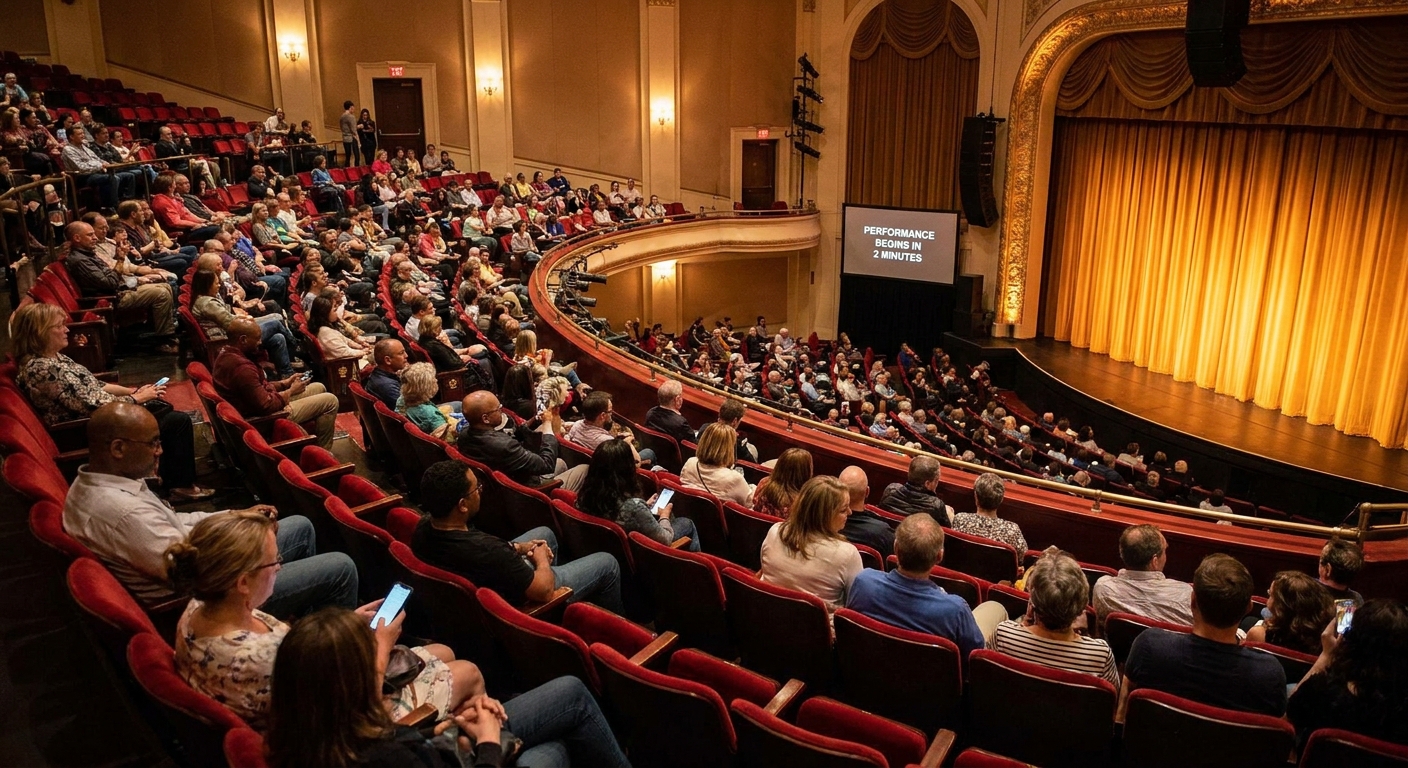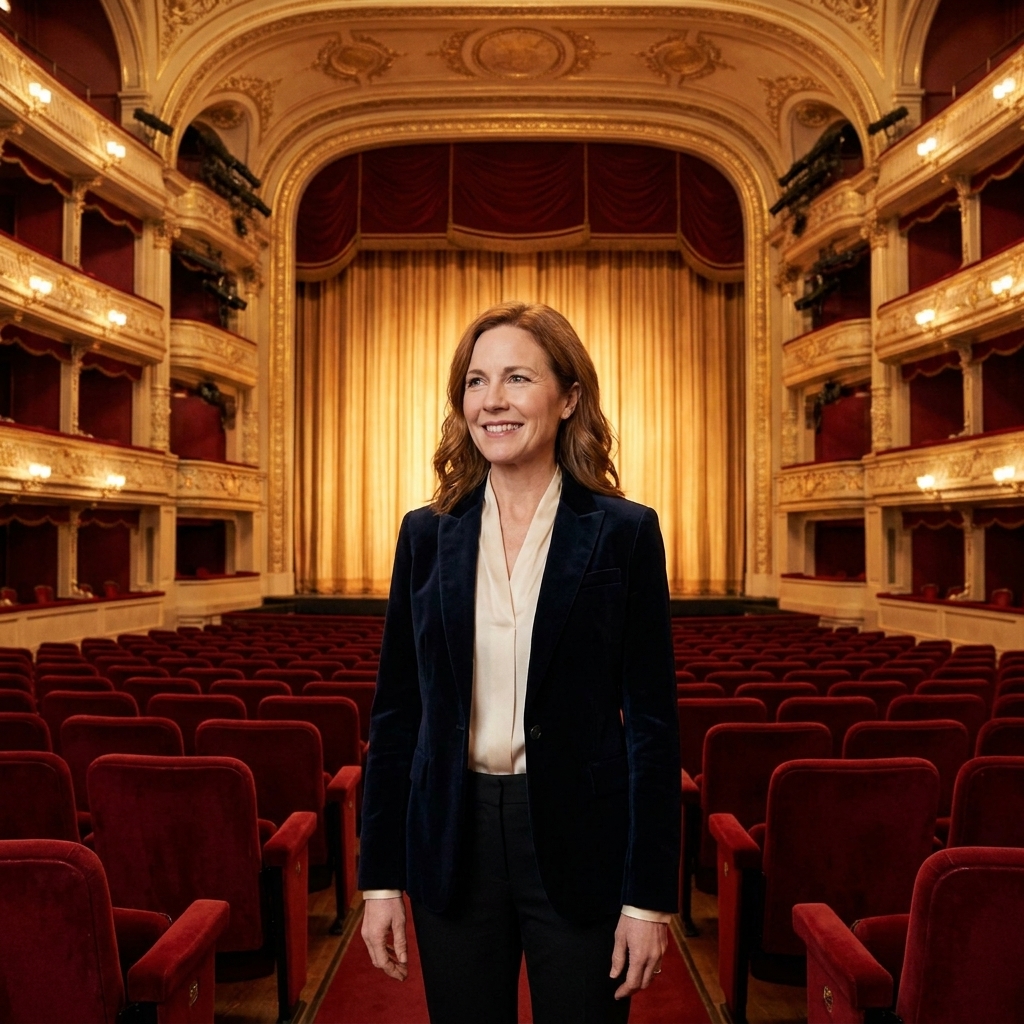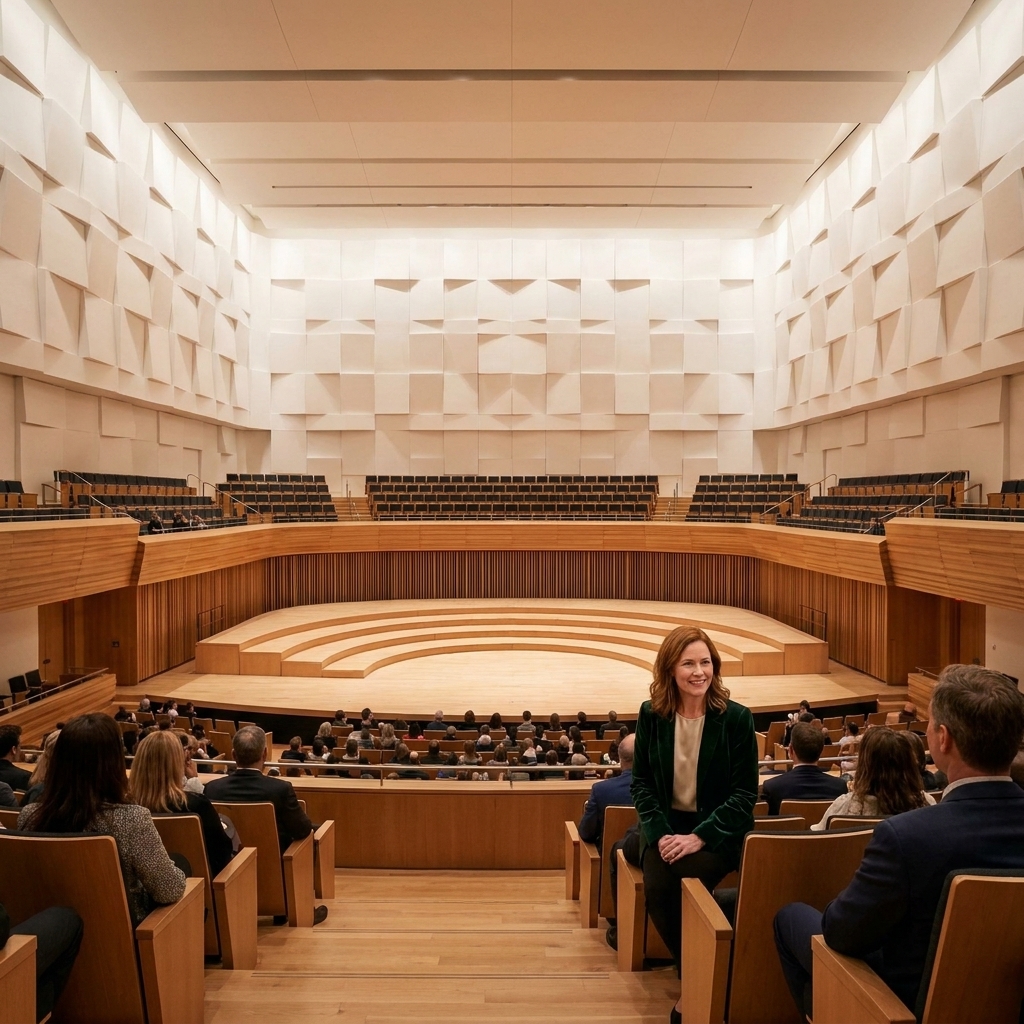
I have read enough playbills to know this: the “best seat in the house” is not a single seat. It is a relationship. Between you and the stage. Between you and the speakers. Between your knees and that mysterious row with no legroom. The same ticket price can feel like magic or mild regret depending on the room, the show, and what you care about most.
Below is a venue-by-venue cheat sheet for choosing front, middle, side, balcony, or aisle seats, plus quick fixes for budget buyers, tall viewers, and anyone trying to decide between better sound and better sightlines.
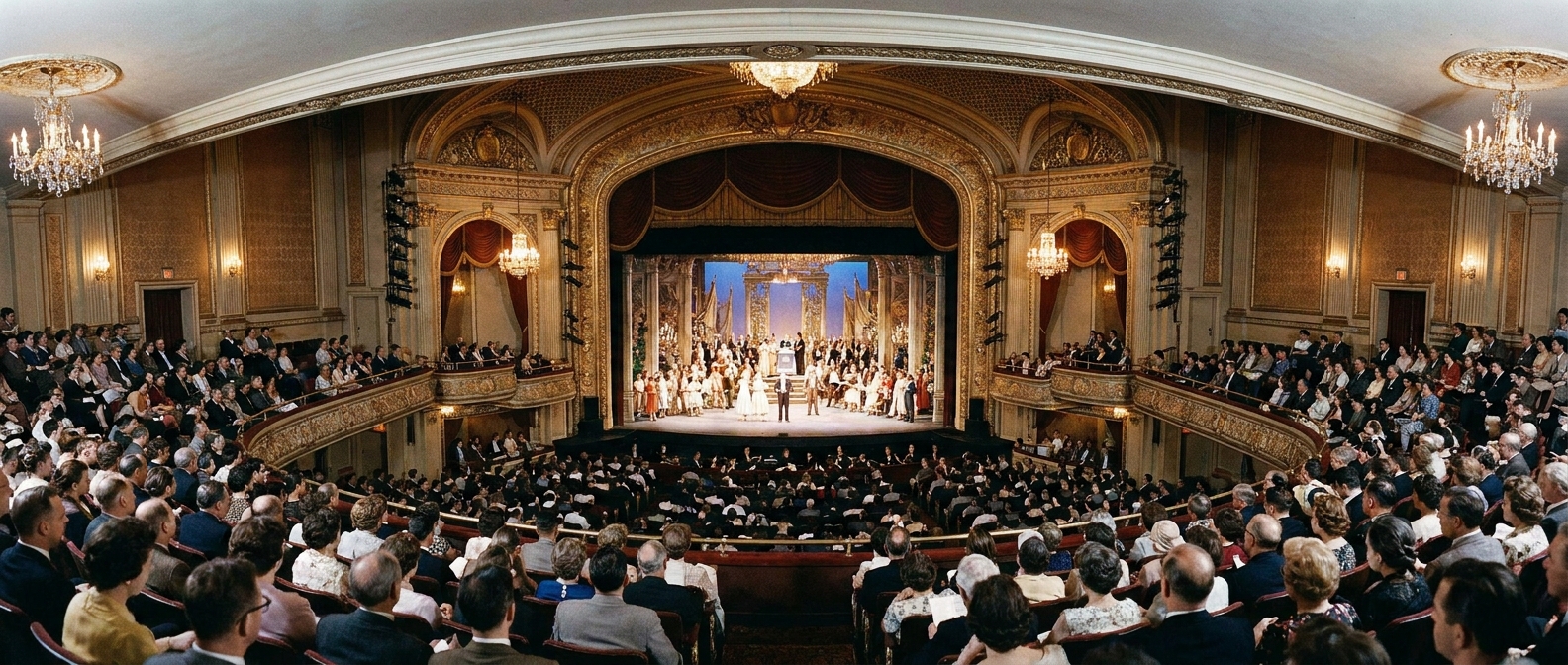
The two questions that decide everything
Before you touch the seating chart, answer these:
- Do you want to see faces or feel the room? Closer seats deliver expression and detail. Mid-house seats give you composition, lighting, and the full picture.
- Are you chasing sound, sightlines, or comfort? As a rule of thumb, you can usually maximize two of the three without compromise.
If you are stuck, choose center and mid-distance. It is the most consistently right answer across formats.
One more reality check: acoustics, stage height, and sightline rakes vary wildly. If the venue offers seat-view photos or a detailed map, use them. Geometry wins.
Quick rules by seat type
Front rows
- Best for: Intimacy, facial expressions, comedy crowd work, small acoustic sets.
- Tradeoffs: Neck craning, skewed perspective, and in amplified concerts you may hear more stage wash and less of the balanced room mix.
- Watch for: “Front row” in some theaters can be too close to see the full staging, especially for dance-heavy shows.
Middle sections (the sweet spot)
- Best for: The most reliable blend of sound and sight, especially in proscenium theaters and arenas.
- Tradeoffs: Usually higher prices and faster sellouts.
- Watch for: Rows right behind cross-aisle rails (they can cut your sightline) and seats under balcony overhangs (they can affect view and sometimes sound).
Side seats
- Best for: Value tickets, close proximity without premium pricing, some comedy clubs where the room is shallow.
- Tradeoffs: Angled views can hide entrances, projections, or upstage action.
- Watch for: “Partial view” labels in theaters. Those are not vibes, they are warnings.
Balcony and mezzanine
- Best for: Seeing choreography, staging patterns, and lighting designs. Also great for musicals and dance.
- Tradeoffs: Faces read smaller, and rails can cut into the frame if you are in the first row of a balcony.
- Watch for: Front-row balcony seats with a tall safety rail. If you are shorter, that rail may become the main character.
Aisle seats
- Best for: Extra legroom, easy exits, quick bar trips in clubs, and comfort if you are tall.
- Tradeoffs: More foot traffic, more distractions, and sometimes a skewed angle if you are at the edge.
- Watch for: Seats next to doors in theaters. You can get light spill or hallway noise.
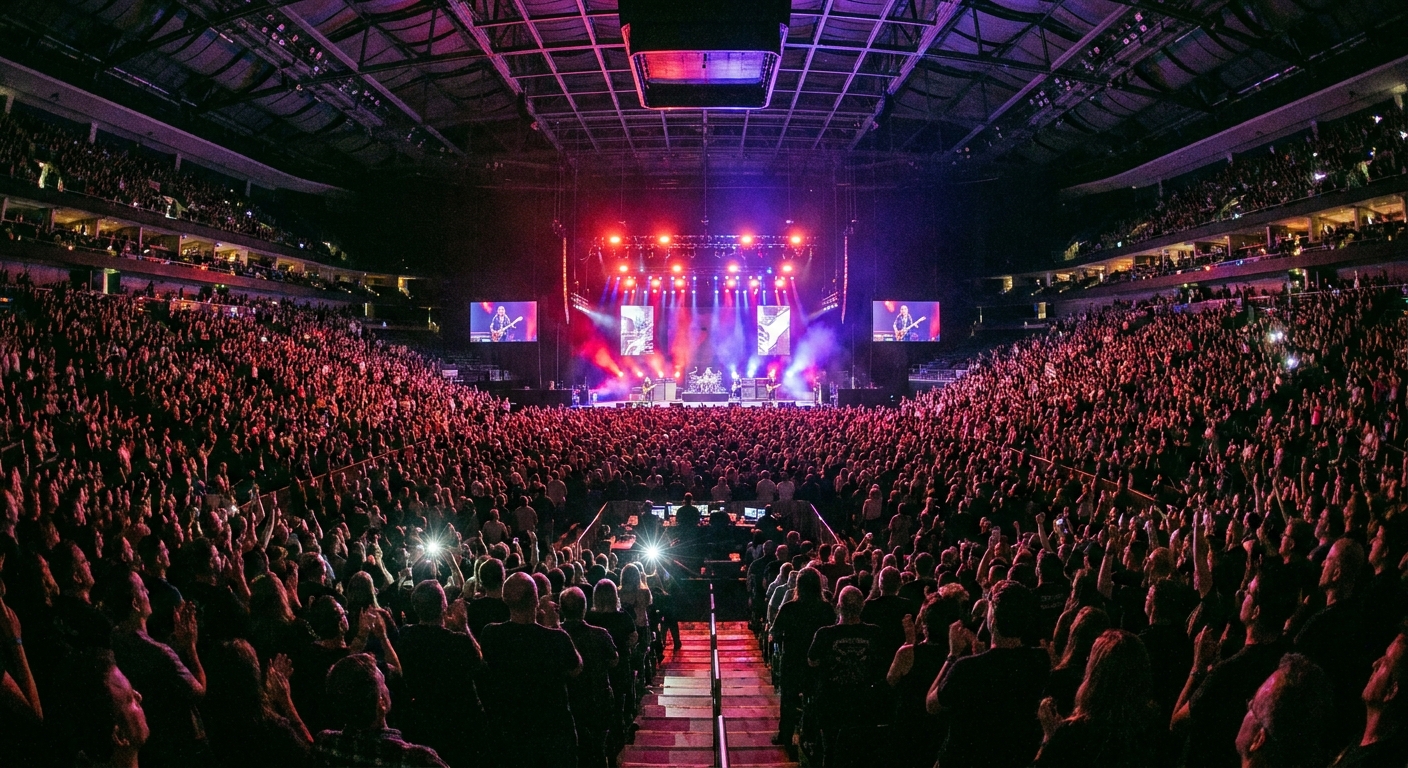
Concerts in arenas: where sound and sightlines line up
Arenas are built for sports first, which means your ideal concert seat depends heavily on stage configuration. Still, a few patterns hold.
If the stage is at one end
- Best overall: Lower bowl, center, about 10 to 20 rows up from the floor level. This is a common sweet spot: high enough to see over heads, close enough for presence, and usually in a strong sound field. Your venue may shift that number.
- Best sound value: Seats near the front-of-house mixing position (often a booth centered on the floor). Engineers often mix to what they hear there, so balance is frequently strong around that zone, but it is not universal. Some tours run complex delay and zoning, and some FOH positions are not perfectly centered.
- Best “I want to see everything” view: First tier of the upper bowl, center, not too far under an overhang. You get the full lighting and screen design without feeling miles away.
Floor seats: thrilling or frustrating
Floor is incredible if you are close enough to avoid a sea of phones. It is also the easiest place to spend a lot and see… shoulders.
- Choose floor if: You are near the front sections, you are tall, or you have an aisle angle that lets you peek around people.
- Avoid floor if: You are shorter and you are in a flat, non-tiered setup. Consider lower bowl instead.
- One more thing: Being close to the PA can get loud fast. Earplugs are a small purchase that saves your future self.
Side-stage and behind-stage seats
Sometimes these are bargains, sometimes they are the visual equivalent of listening through a doorway.
- Good when: The artist uses a thrust stage, catwalks, or performs in the round frequently.
- Not worth it when: The show relies on a giant central screen or tightly choreographed visuals that face forward.
Stadium concerts: big scale, different rules
Outdoor stadiums take everything you know about arenas and stretch it to absurd size. You are dealing with distance, wind, and more delay towers than you planned to think about.
- Best overall: Lower bowl center, ideally not too low and not too high. A little elevation helps you see over the floor crowd and keeps sightlines cleaner.
- Sound reality: Stadium audio often relies on delay towers to keep things intelligible. Seats that are directly in line with a tower can sound punchy but feel visually cluttered. Seats far from towers can feel less direct.
- Video matters: At mega-tour distances, you are partly buying the screens. Choose a seat with a clear line to the main screens, and avoid angles where a tower or rig blocks the center display.
- Floor tips: If you are on the field and not in the first sections, consider an aisle or a slightly raised platform section when available. In a stadium, the “close enough” threshold is higher than you think.
Plays and musicals: pick your angle like a critic
Traditional theaters are where seat choice can most dramatically change storytelling. Blocking, lighting, and scenic reveals are designed for a particular viewing cone.
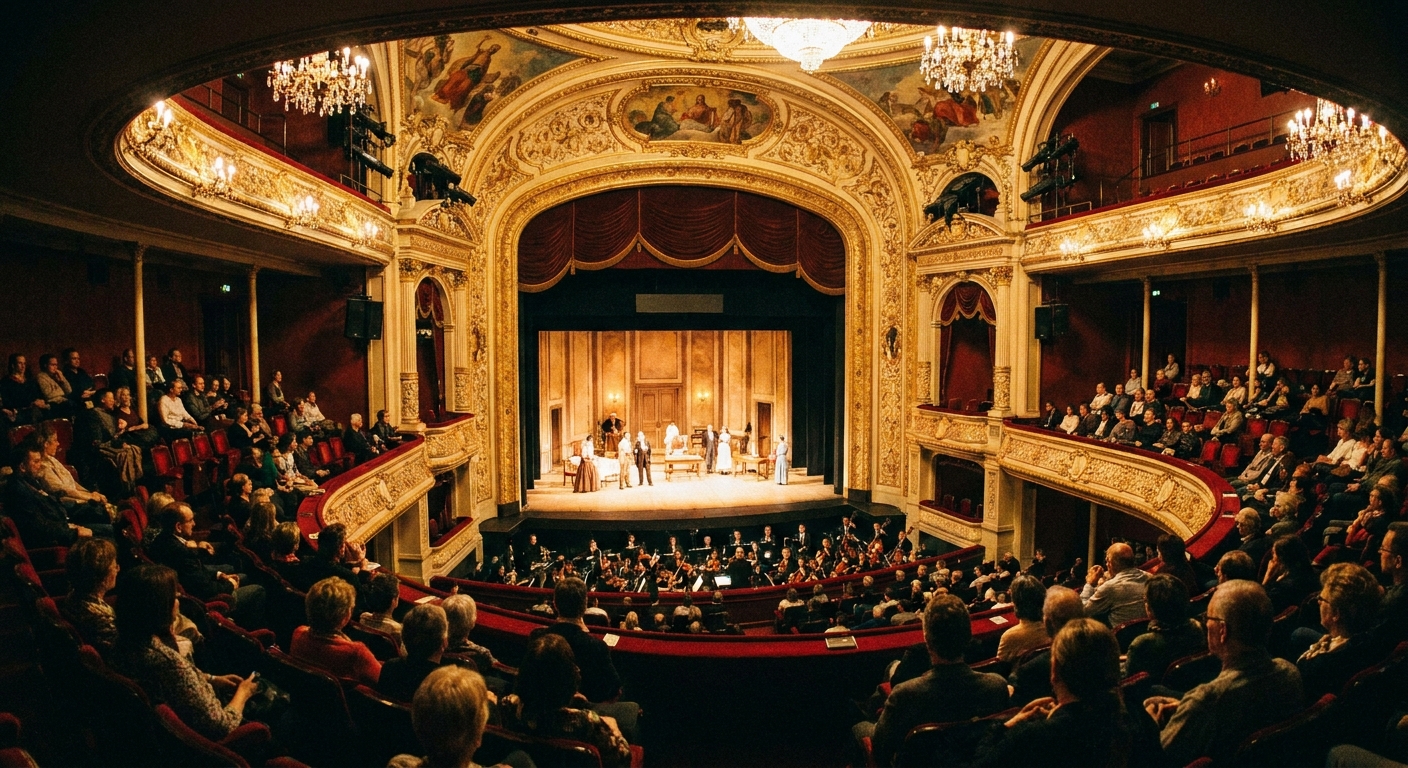
Proscenium theaters
- Best overall: Center orchestra or front mezzanine, roughly rows E through M as a typical range in many houses. Your venue depth and stage height can shift the sweet spot forward or back.
- Best for big musicals: Front mezzanine can be a dream because you see formations, dance patterns, and scene transitions with clarity.
- Avoid: Extreme sides, especially in the first few rows, if the production uses projections, scrims, or upstage reveals.
Thrust and in-the-round
These formats reward flexibility. You will never see every face at once, so focus on what you want most.
- Best overall: A seat slightly off-center so you are not staring through the actors’ backs for long stretches.
- Avoid: Front row if the stage is high. You can miss floor-level choreography or prop work.
- Pro tip: If the theater offers seat-view photos, use them. Geometry matters more here.
Overhangs and pillars
If a listing says “limited view,” believe it. Overhangs can also soften clarity in the last rows under a balcony, especially for unamplified or lightly reinforced shows. When in doubt, choose a slightly farther row that is not tucked under an overhang.
Comedy shows: where laughter lands best
Comedy is about connection. The best seat is often where you feel part of the room without becoming part of the act unless you want to.
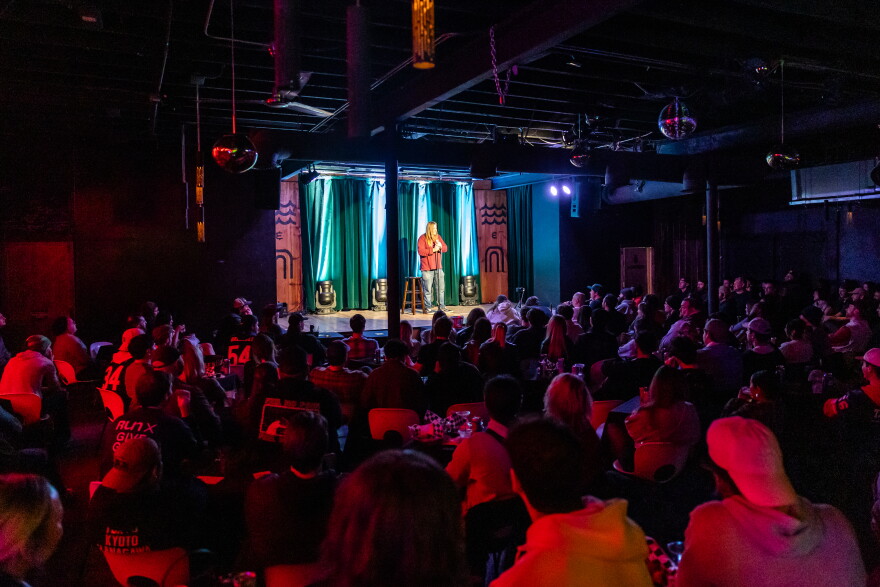
Clubs
- Best overall: A centered seat 5 to 12 rows back, or the middle of the room if it is table seating. Think “close enough to read the face” more than “close enough to count eyelashes.”
- Best for crowd work fans: Front row, aisle, or near the mic side.
- Best if you want to relax: One or two sections back from the front, not on the aisle. You still feel close, but you are less likely to be singled out.
Theaters hosting stand-up
- Best overall: Center orchestra or first mezzanine, similar to a play.
- Avoid: Extreme side balcony where you may lose facial nuance, which is half the joke for many comics.
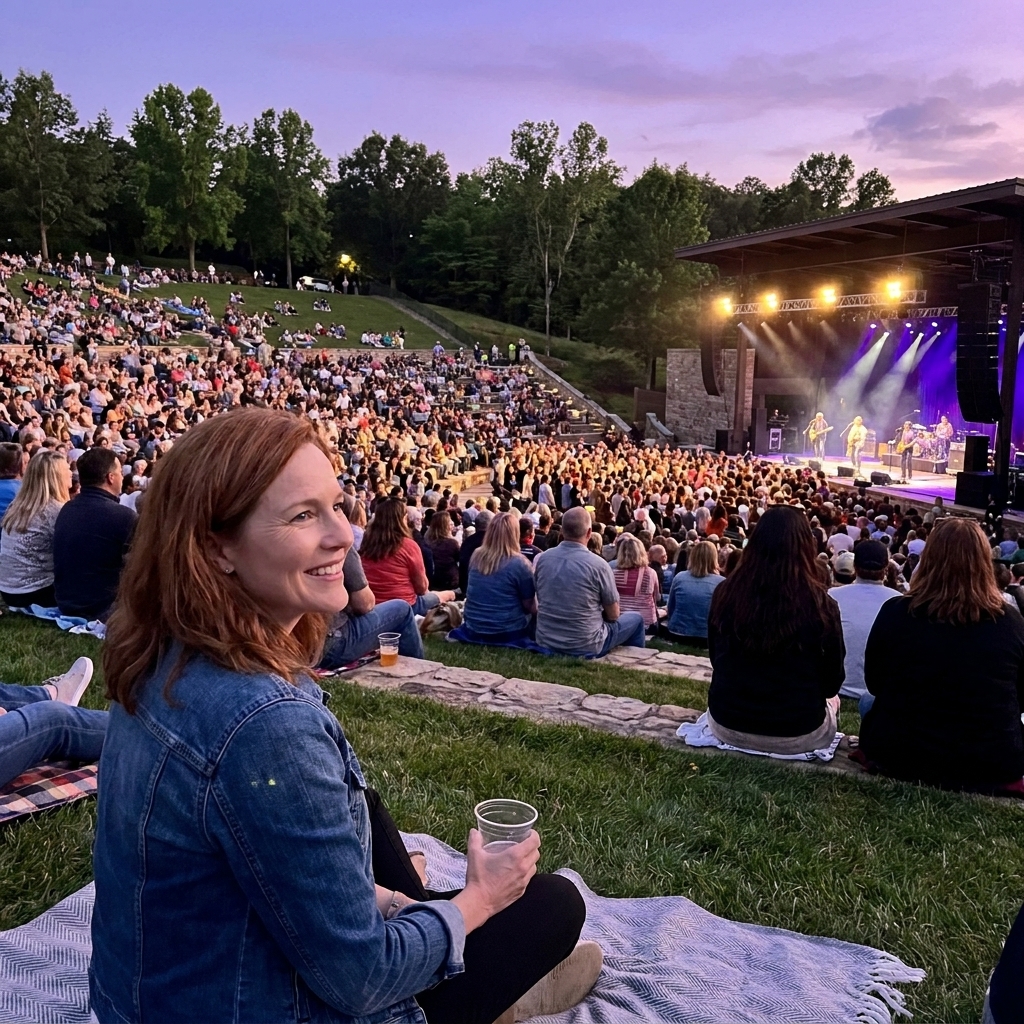
Amphitheaters: the outdoor seating puzzle
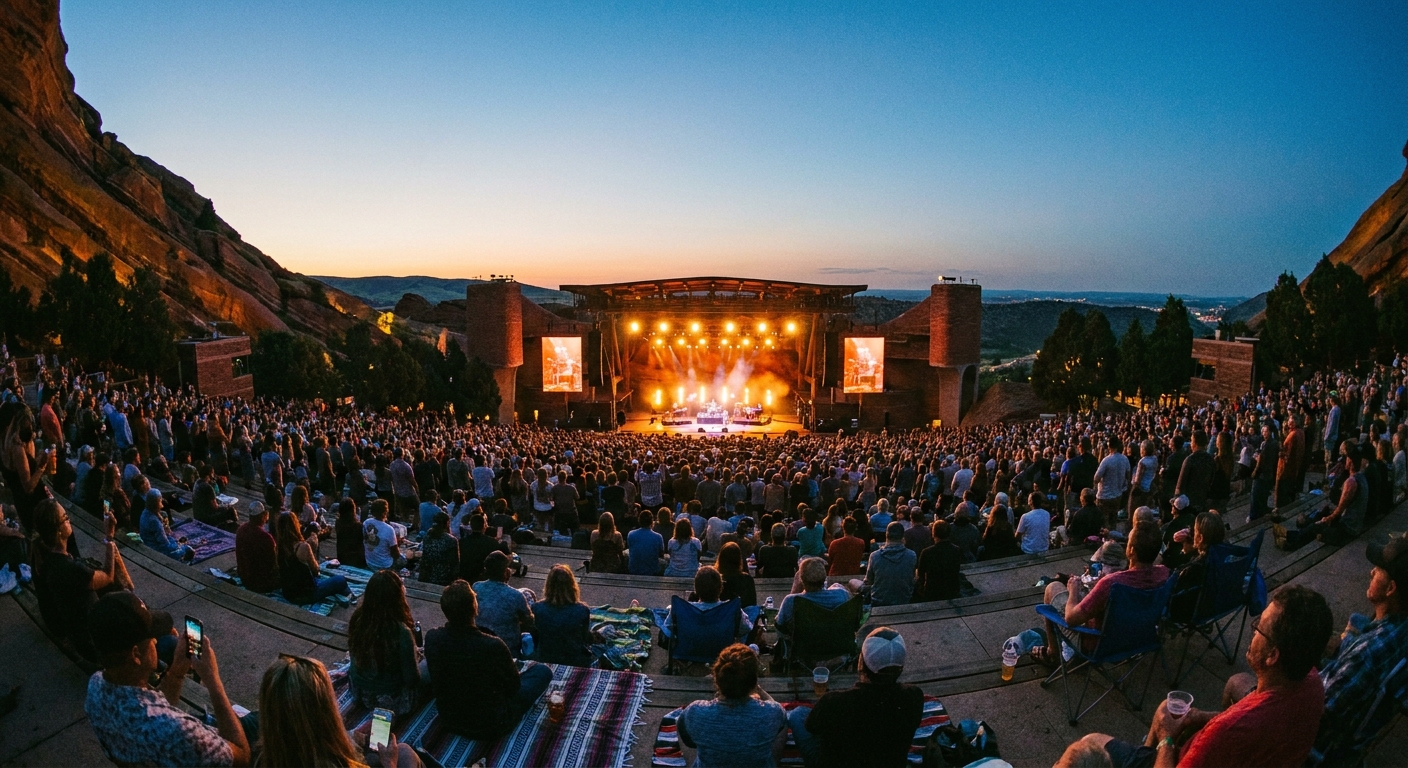
Outdoor venues introduce new variables: wind, lawn slope, sightline interruptions, and sound delay across distance. The good news is that amphitheaters often have predictable sweet spots.
Reserved seats under the canopy
- Best overall: Center sections, mid-reserved area. You get coverage from weather and a more consistent sound mix.
- Watch for: Seats too far back under a deep roofline, where sound can feel less direct.
The lawn
- Best for: Budget tickets, hanging out with friends, and a relaxed show where you do not mind watching screens.
- How to improve it: Arrive early to claim a spot that is centered and not blocked by a walkway or railing.
- Bring: A low-profile blanket. Many venues ban tall chairs or require low-back versions.
Better sound vs better sightlines
If you care most about sound
- Aim near the mix position when possible. It is often a good reference point, though every tour and venue is different.
- Avoid extreme sides where you may get an unbalanced stereo image.
- In theaters: Mid-house tends to be the most natural blend for both unamplified voices and reinforced mixes.
If you care most about sightlines
- Choose elevation over closeness once the crowd factor is real, especially for arenas, stadiums, and outdoor shows.
- Prioritize center for shows with big scenic reveals, projections, or choreography.
- In comedy: A clear view of the face matters more than you think.
Fast picks for specific needs
For budget buyers
- Pick “center-ish” over “closer.” A slightly farther center seat often beats a closer extreme side.
- Look for front mezzanine value. In many theaters it is often one of the best cost-to-view ratios in the building, but check for rails and overhangs.
- In arenas: First rows of the upper bowl near center can feel surprisingly immersive with modern screens and lighting.
For tall viewers (or anyone who values legroom)
- Aisles are your friend, especially in older theaters with tighter rows.
- Target the first row of a section (not necessarily the first row of the whole venue). These often have extra clearance.
- Beware the front row in theaters if the stage is high. Legroom can be great, but the neck angle can be brutal.
For shorter viewers
- Choose elevation. Lower bowl over floor in arenas, mezzanine over deep orchestra in theaters if rakes are shallow.
- Avoid rows behind a cross-aisle rail if it lands at eye level.
- In clubs: Ask about sightline policies. Some venues will seat shorter guests strategically when they can.
For quick exits and minimal stress
- Back-of-section aisle seats are the sweet spot. You keep good angles but you are not trapped at intermission.
- Avoid seats near doors if you are sensitive to light and movement.
Accessibility and comfort notes
- Wheelchair and companion seating: These locations vary by venue and can be excellent sightline and comfort picks. If you need a specific setup, buy through the venue when possible so the seat assignment matches the room’s actual accessibility layout.
- Assisted listening devices: Many theaters and arenas offer them, often through guest services. If sound clarity is your dealbreaker, this can be more effective than playing seat roulette.
- Aisles and access: “Aisle seat” is not automatically “accessible seat.” If you need step-free routes or extra transfer space, confirm the exact section policy before you buy.
A simple checklist before you buy
- Check the stage map. End-stage, in-the-round, and thrust layouts change everything.
- Scan for obstructions. Rails, pillars, sound towers, camera platforms, and balcony overhangs are the usual suspects.
- Think about the crowd. A standing-floor audience behaves differently than seated theater patrons.
- Decide your dealbreaker. If it is sound, stay near center. If it is view, add elevation. If it is comfort, choose aisle or front-of-section.
- Watch pricing traps. “Premium” and “platinum” tickets can float far above face value, and resale maps can be sloppy. When in doubt, cross-check with the venue map or seat-view photos.
FAQ
Is front row always the best?
No. Front row is best for intimacy, but it can be a compromised view for dance, big scenic pictures, or any show where you need to see the full stage composition. In amplified concerts, it can also be less balanced sonically than mid-house.
Are balcony seats worse?
Not inherently. Balcony and mezzanine seats can be excellent for musicals, choreography, and lighting design. The main risks are rail obstruction and feeling too far for subtle acting moments.
What is a “partial view” seat really like?
It usually means you will miss some portion of the stage, often upstage corners or entrances, due to the angle or an architectural obstruction. If the price difference is small, it is rarely worth the compromise for story-driven theater.
How do I choose between better sound and better sightlines?
For sound, aim for center and near the mixing position when you can. For sightlines, trade closeness for elevation and choose a centered section. When you cannot get both, center usually protects your experience more than being close on an extreme side.