
I love a concert the way I love a great play. I want the room to feel in on the secret, the lighting to tell a story, and the sound to hit like a well-timed punchline. But before you ever scan a ticket, one choice quietly shapes everything: indoor arena or outdoor amphitheater.
Both can deliver a life-affirming night. Both can also serve you a long walk to the exits while you mutter, “I should have checked the seating chart.” Let’s break down what each venue type does best, where it struggles, and how to decide based on the kind of concert experience you actually want.
The core difference
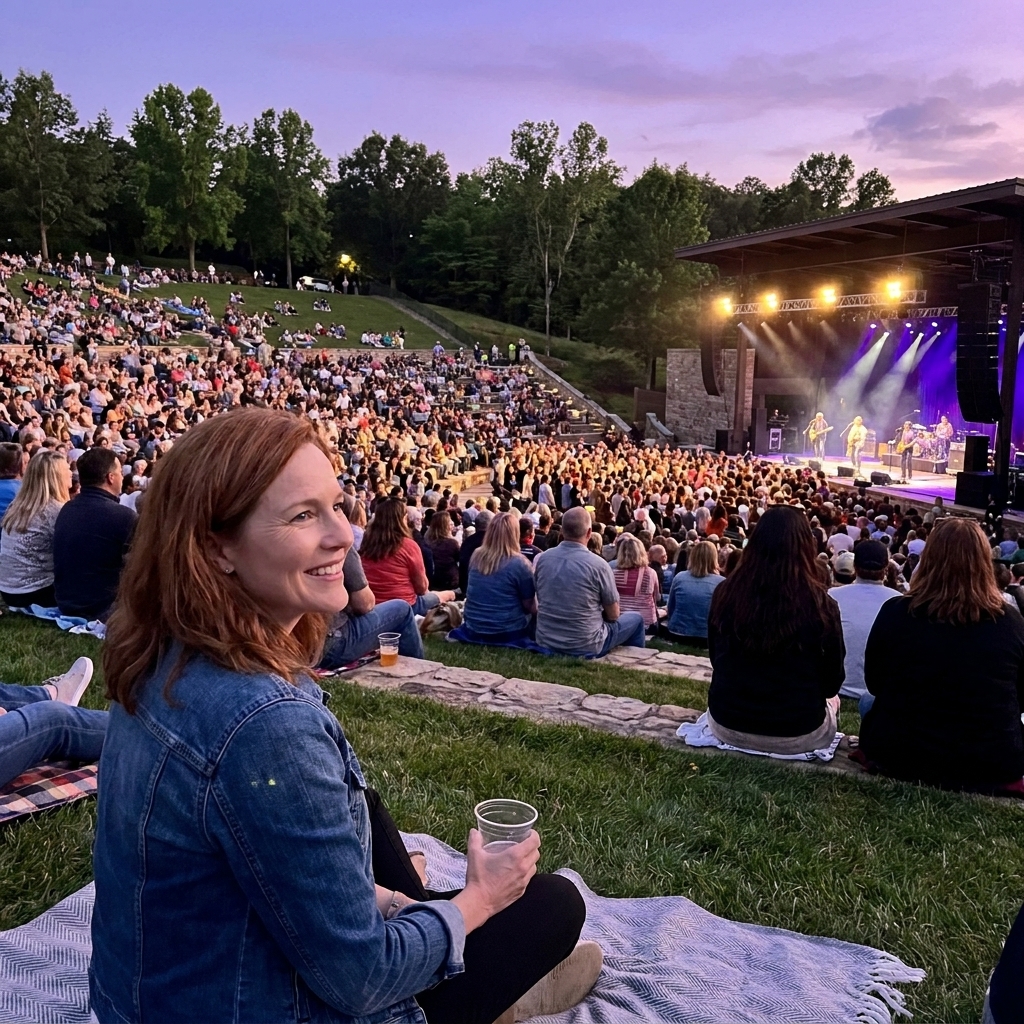
Indoor arenas are built for control. They can turn sound, light, temperature, and crowd flow into a more repeatable environment. Outdoor amphitheaters are built for atmosphere. The sky becomes part of the set, and the night air changes how music lands on your skin.
Neither is inherently “better.” They just reward different priorities.
Sound and acoustics
Indoor arena sound
Arenas are enormous, enclosed spaces. Many were originally designed around sports, even if newer buildings are increasingly dual-purpose with concert-friendly rigging and acoustic treatments. Either way, sound still has to contend with hard surfaces and long reverberation times, the kind of reverberation that can blur vocals if the mix is not dialed in.
- Pros: predictable conditions for engineers, no wind, fewer variables night to night.
- Cons: reflections can muddy lyrics, bass can get overwhelming in certain sections, and upper levels sometimes feel like you are hearing the room more than the band.
Outdoor amphitheater sound
Amphitheaters often have a stage roof and a shaped bowl that helps project sound. With no enclosing walls, you can get pleasing clarity and separation. But the outdoors has opinions. Wind and temperature gradients can affect how sound carries, and changes in air density can subtly shift how highs travel. Some venues also get roof reflections or coverage quirks, so it is not automatically perfect. It is just often less reverberant than a typical arena.
- Pros: less “room echo” overall, often a more natural mix, and a sense that instruments have space to breathe.
- Cons: weather can change what you hear, and lawn sections can become “vibe-forward” rather than audio-forward.
Seat-friendly sound tip: In arenas, aim for the lower bowl facing the stage, and avoid seats that are heavily under an overhang. In amphitheaters, the center sections in the seated bowl typically offer the best balance of clarity and impact. If you are staring at the roofline of a balcony, assume the sound may feel boxed in.
Sightlines and staging
Arenas
If you love spectacle, arenas are where tours flex. Think massive LED walls, moving platforms, pyro, and camera work that makes the show legible even from the top deck. You might be physically far, but the production design is often built to travel that distance.
- Pros: high-tech staging, robust lighting rigs, and jumbo screens that keep you connected to facial expressions and instrument work.
- Cons: some seats have partial views due to stage structures, and extreme side angles can feel like watching the show’s profile.
Amphitheaters
Outdoor venues tend to prioritize a strong, front-facing view. The bowl geometry often means fewer truly terrible sightlines, and the stage is frequently framed like a proscenium under open sky. When the sun drops and the lights come up, it can feel like the whole venue inhales at once.
- Pros: generally straightforward views, a sense of shared focus, and a gorgeous “setting” that changes throughout the night.
- Cons: lawn sightlines depend on crowd density and your willingness to stand, and some venues have poles or sound towers that interrupt select sections.
Seating chart reality check: Look for “limited view” labels, sections far to the side of the stage, and seats tucked behind the mix position or camera platforms. If your row is under a balcony or overhang, factor in both blocked sightlines and dulled sound.

Comfort
Arenas
Arena comfort is less romantic and more practical, which is not an insult. Climate control, plentiful restrooms, and protection from the elements can be the difference between a great night and a soggy one.
- Pros: no weather-related rainouts, fewer temperature swings, and easier accessibility in many modern buildings.
- Cons: it can get chilly, lines can be long, and the “all concrete, all the time” vibe is not exactly a spa day.
Amphitheaters
There is nothing like live music in warm air. There is also nothing like live music in unexpectedly cold air while you wrestle a poncho and try to keep your dignity intact.
- Pros: fresh air, room to move (especially on lawns), and a less compressed feeling than many arenas.
- Cons: heat, humidity, bugs, rain delays, and the fact that “comfortable shoes” becomes less a suggestion and more a moral code.
Pack-smart tip: For amphitheaters, bring a light layer, high-fidelity earplugs, and a small poncho. For arenas, bring a layer you can tie around your waist and plan your bathroom run before the encore starts.
Accessibility
If you are thinking about mobility, sensory comfort, or just minimizing stairs, venue type matters.
- Arenas: often have elevators, more evenly surfaced concourses, and clearly designated accessible seating. They can still involve steep bowls, so check the entry level for your section.
- Amphitheaters: can be wonderful, but lawns and long ramps can be a challenge. Many offer accessible platforms, shuttles from distant lots, and paved routes, but it varies a lot. Check the venue accessibility page before you buy.
Crowd energy
Arenas
Arenas amplify crowd noise in a way that can feel like being inside a drum. When a chorus hits, the building pushes it back at you. For pop, rock, and event-scale tours, that can be pure adrenaline.
- Best for: big communal moments, dance-heavy sets, and artists whose show is designed like a full-scale event.
- Potential downside: the crowd can be louder than the subtler parts of the performance, especially in reverberant buildings.
Amphitheaters
Outdoor crowds often feel looser. People spread out, settle in, snack, and treat the night like a mini vacation. That can be lovely for singer-songwriters and legacy acts, but it can also invite side conversations, especially on the lawn.
- Best for: warm-weather tours, groove-friendly sets, and shows you want to savor rather than conquer.
- Potential downside: lawn culture varies widely. Some lawns are reverent. Some are a picnic with background music.
Etiquette and rules
The vibe is not just weather and architecture. It is also house rules and crowd norms.
- Amphitheater lawns: check whether blankets are allowed, whether low-profile chairs are permitted, and how early you need to arrive to claim a good spot. Standing is common once the headliner starts, but expectations vary by artist.
- Arenas: standing is more uniform on the floor, but seated sections vary. If you want to sit and actually see, pick a section with a clean sightline above the floor crowd.
- Chatty neighbors: if you are there to listen closely, choose the seated bowl over the far lawn, and avoid aisles near concessions where foot traffic keeps the social energy high.
Getting in and out
Arenas
Arenas tend to sit in downtowns or sports complexes with public transit, parking garages, and well-practiced staff. That is the good news. The other news is that everyone arrives and leaves at once, and the choke points are real.
- Expect: security lines, merch lines, and post-show traffic that moves like a slow ballad.
Amphitheaters
Many amphitheaters live where space exists, which is to say, not always where your rideshare wants to be. Parking lots can be sprawling, and the walk to your seat can feel like a gentle hike you did not train for.
- Expect: earlier arrival times, slower exits, and a stronger incentive to tailgate or linger until the traffic thins.

The money question
Pricing depends more on the artist than the architecture, but venues do shape what “good value” looks like.
- Arenas: more seat tiers and premium options, but higher fees are common and “cheap seats” can feel very far away without strong screens.
- Amphitheaters: lawns can be a budget-friendly way to be in the building, while closer seats can rival arena pricing. You may also spend more on parking and concessions if the venue is remote.
Value tip: If you care most about being close to the performer, amphitheaters often make that feel more attainable because the bowl can be more compact than an arena floor-to-nosebleeds vertical climb.
Weather policies
Outdoor shows are not automatically canceled by rain. Many venues play through light rain, pause for heavy downpours, and stop for lightning. Policies vary, so check the venue page before you assume your forecast app is in charge.
- Common pattern: rain can mean “proceed,” lightning can mean “delay,” and extreme weather can mean “reschedule.”
- Smart move: know the bag policy for ponchos and small layers, and learn whether re-entry is allowed if you retreat to your car.
So which is best?
Pick an indoor arena if you want
- big production design and theatrical lighting
- weather-proof reliability
- maximum crowd roar and “event” energy
- clear sight support via screens from farther sections
Pick an outdoor amphitheater if you want
- open-air atmosphere and a more cinematic setting
- often clearer sound with less reverberation
- space to relax, especially on the lawn
- a summer-night memory that feels like it belongs in a montage
If the artist’s show is built like a blockbuster, an arena will flatter it. If the music thrives on breath, groove, and golden-hour mood, an amphitheater can feel like the song’s natural habitat.
Quick FAQs
Are outdoor amphitheaters always better for sound?
Not always. They are often less reverberant than arenas, but weather, roof reflections, PA coverage, and lawn chatter can be the trade-off. If crisp vocals are your priority, aim for the seated bowl near center rather than the far lawn.
Are arena concerts too loud?
They can be, especially with bass-heavy mixes in enclosed spaces. Bring high-fidelity earplugs either way. Think of them as sunscreen for your ears: you still get the experience, just with less regret later.
Which has better seats?
Arenas offer more variety but also more ways to end up at a weird angle. Amphitheaters usually have simpler, more front-facing geometry, but lawn sightlines are a gamble when the crowd is tall and enthusiastic.
What should I check before buying tickets?
- seat view notes for your section, especially side-stage arena seats
- sections marked “limited view” and any overhang or under-balcony areas
- whether the amphitheater seat is under a roof or fully exposed
- parking and exit reputation, including how long it typically takes to leave
- curfew rules for outdoor venues in some cities, which can affect encore timing
- accessibility routes, elevators, shuttles, and the venue’s lawn policies