I have a lifelong weakness for the moment right before a show begins, when the house lights soften and the stage just sits there, pretending it is only wood and paint. Then, in the hands of today’s designers, it becomes a city, a memory, a nightmare, a map of the inside of someone’s heart. Over the last decade, many productions have made a quiet but radical shift: sets are no longer just scenery. They are engines.
Some of that evolution is technological, like projection mapping and LEDs. Some is architectural, like rotating stages and kinetic walls that reframe a scene in real time. And some is simply craft pushed to its limit, lighting that edits the air with shutters, gobos, and razor-clean isolation. Here are the most innovative approaches that shaped the decade’s visual language, plus what makes them work beyond the wow factor.
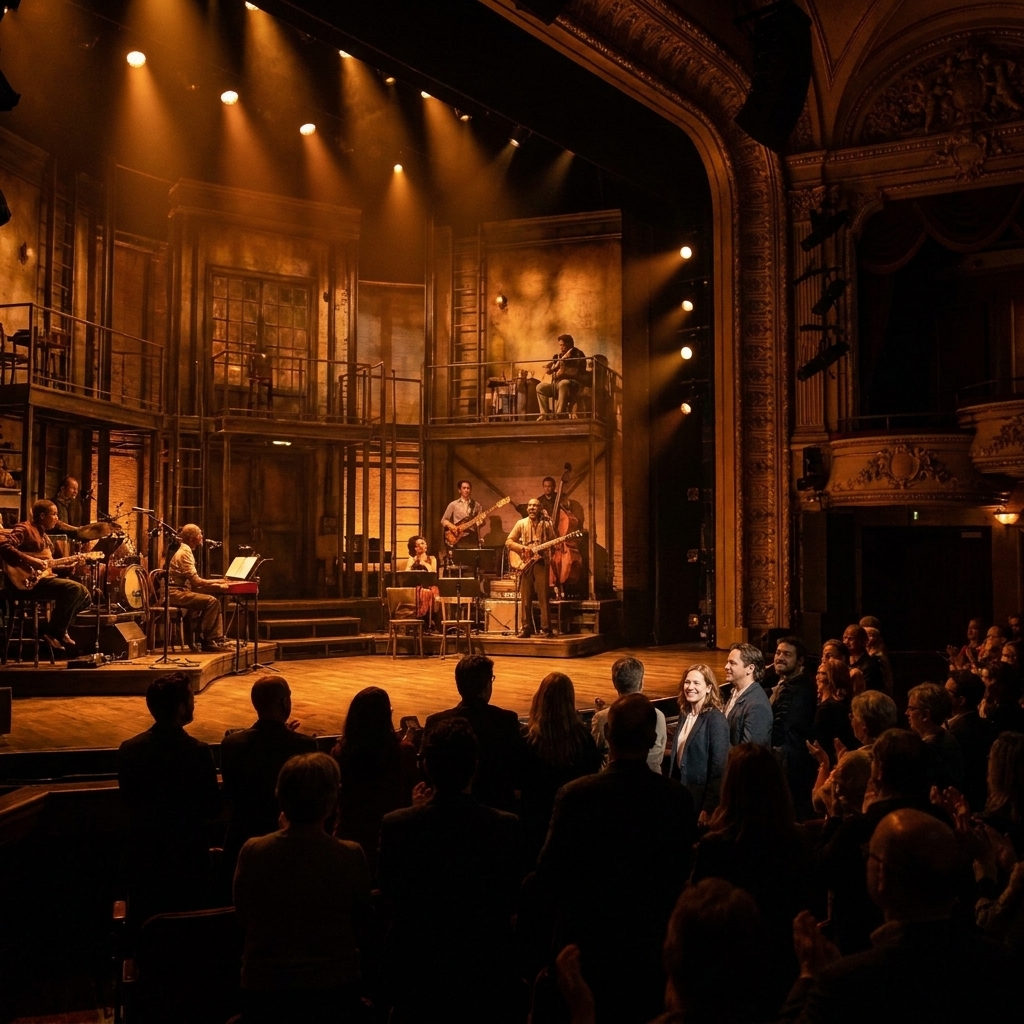
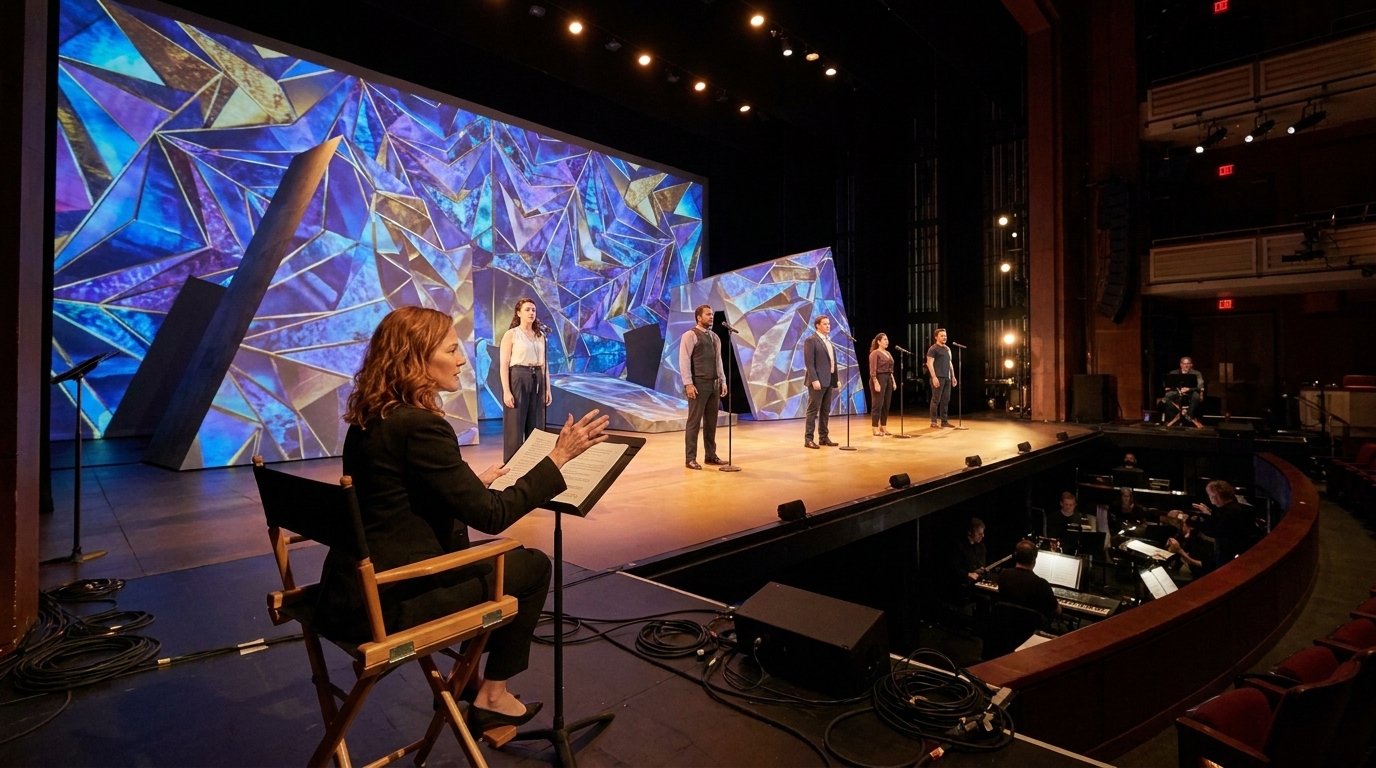
Projection mapping as story
Projection mapping used to be the party trick of the theatre world. A brick wall turns into a waterfall, an actor steps into a starfield, the audience applauds politely at the intermission and posts it later. The most exciting work of the decade, though, treats projections less like decoration and more like dramaturgy.
In simple terms, projection mapping is the practice of aligning projected images to the real geometry of the set, not just a flat screen. Walls, stairs, scrims, columns, and moving pieces become surfaces with memory. The image is not a backdrop. It is a character with timing, mood, and meaning.
When projections become memory
One of the best uses of mapping is to externalize what a character cannot say. A room can ripple with a tremor of anxiety. A hallway can distort when time fractures. This is one edge theatre can have over film: you are watching an illusion get built in front of you, and your imagination is collaborating in real time.
Think of a familiar stage picture: a plain interior, a performer standing still, and the walls begin to carry something private, a flicker of old home movies, a slow seep of weather, a handwriting-like scrawl that never becomes fully legible. Nothing “happens” to the set, and yet the room changes its mind.
- Precision matters. The cleanest mapping is choreography between media server operators, stage management, and performers, so the image lands exactly where the story needs it.
- Texture matters. Designers increasingly map onto sculptural surfaces, scrims, and layered scenic pieces, so light behaves like material, not a flat rectangle.
- Restraint matters. The most effective projections know when to disappear and let an actor’s face do the heavy lifting.
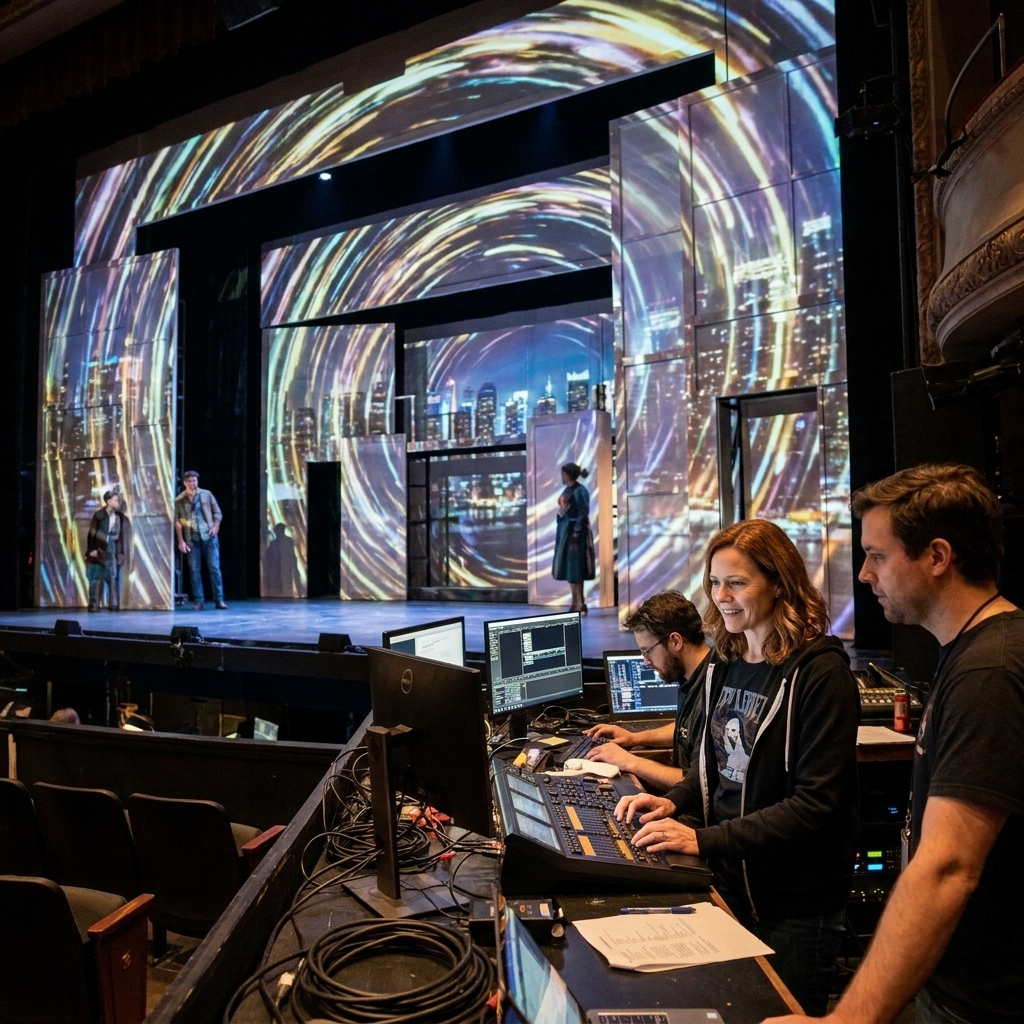
Rotating stages and moving sets
If projection mapping is theatre borrowing from visual effects, rotating stages are like live editing. Not in a literal historical sense, since turntables have been around a long time, but in the way they let a production cut without cutting. A turntable can reveal what the audience did not know to look for. It can create simultaneity, placing two worlds side by side without changing the story’s breath.
That is why shows keep using them: rotating stages help productions transition smoothly, expose new spaces without a blackout, and keep momentum alive. When used well, they function like editorial grammar, changing what you are allowed to see and when you see it.
Why a turntable still feels like magic
A rotating stage is not new, but the last decade has been especially inventive in how productions use rotation as narrative. Instead of a blunt instrument for scene changes, turntables have become emotional devices. The world shifts under a character’s feet, literally, and we feel the instability.
One clean example is a domestic set that rotates just enough to turn a living room into a corridor, then into the back of a kitchen, all while a scene continues. The audience is not waiting for the next location. The next location arrives, mid-sentence, like a thought interrupting itself.
- Continuous motion builds tension. Slow rotation can make a scene feel like it is being watched by fate.
- Reveals can be surgical. A set can rotate to expose a private room, a hidden audience, or the other side of a relationship.
- Choreography becomes architecture. Actors, dancers, and automation have to move as one system, which can be thrilling when the blocking is designed to ride the motion.
Lighting that acts like scenery
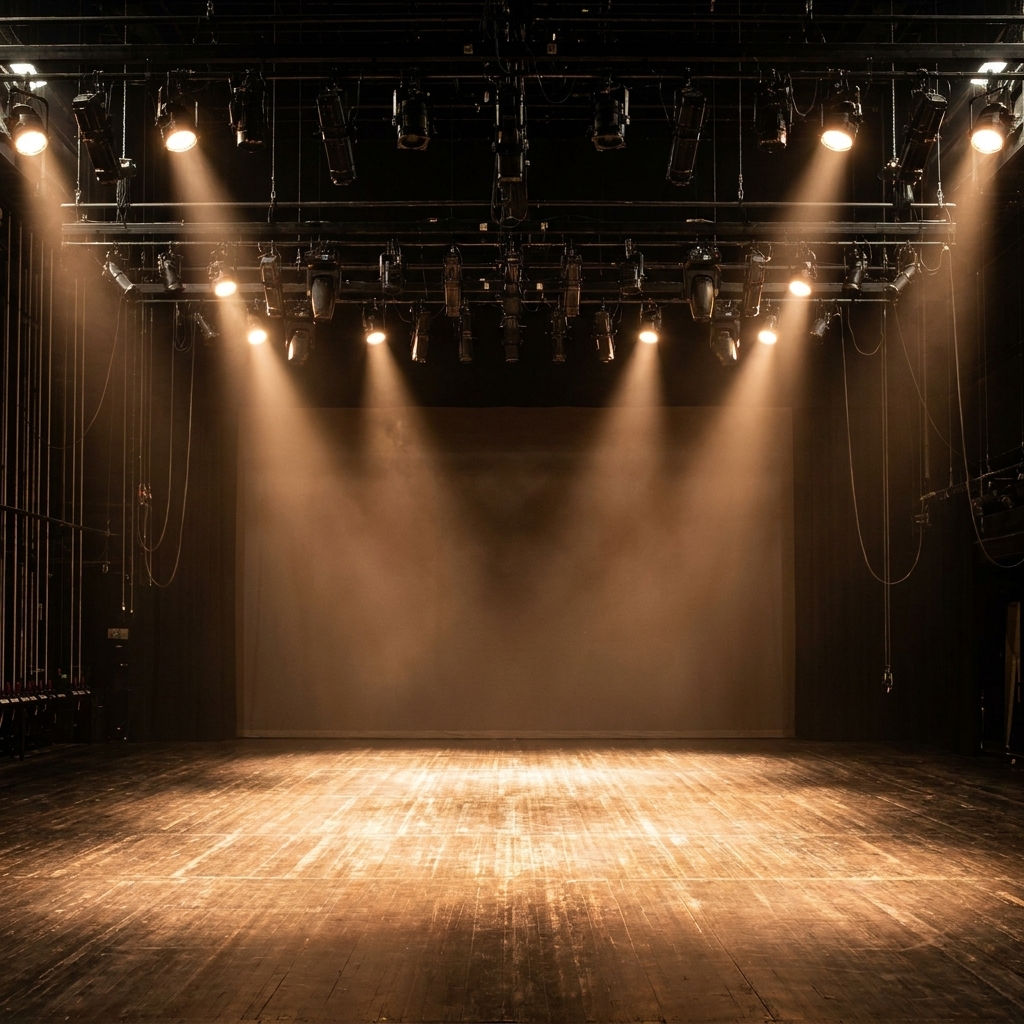
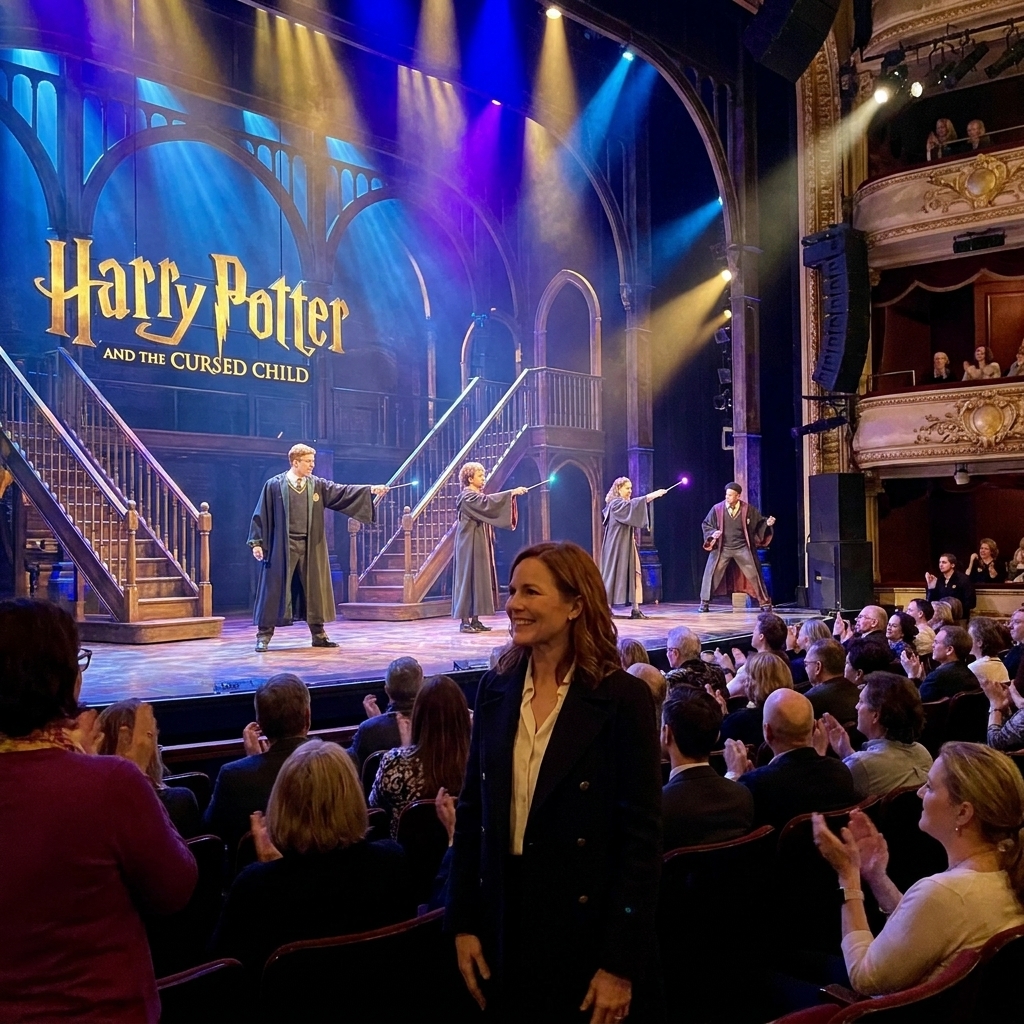
There is a reason I always read the lighting designer’s bio in the playbill. In the last decade, lighting has increasingly taken on jobs we once expected from physical sets: defining architecture, changing locations instantly, and creating a sense of depth that makes a stage feel like it has miles behind it.
The tools have changed, too. LED and intelligent fixtures have made lighting more flexible, more precise, and more tightly integrated with video and automation cues. But flexibility is not the point. The lighting that lasts in your mind uses the expanded palette to sharpen storytelling, not to announce how many colors exist.
The LED shift, used wisely
A single special can do what a wall used to do: isolate, accuse, sanctify. A hard shutter line can “build” a doorway in space. A gobo can put a broken window on the floor without adding a single piece of wood. You can feel the room re-measured in real time.
- Angle is emotion. Top light can make a character feel isolated. Low sidelight can carve the body into something mythic. Front light can turn confessional.
- Shadows are information. Designers are using shadow like negative space, letting what you cannot see carry meaning.
- Speed changes perception. Fast cueing can feel like thought. Slow fades can feel like grief arriving.
Immersive design that implicates us
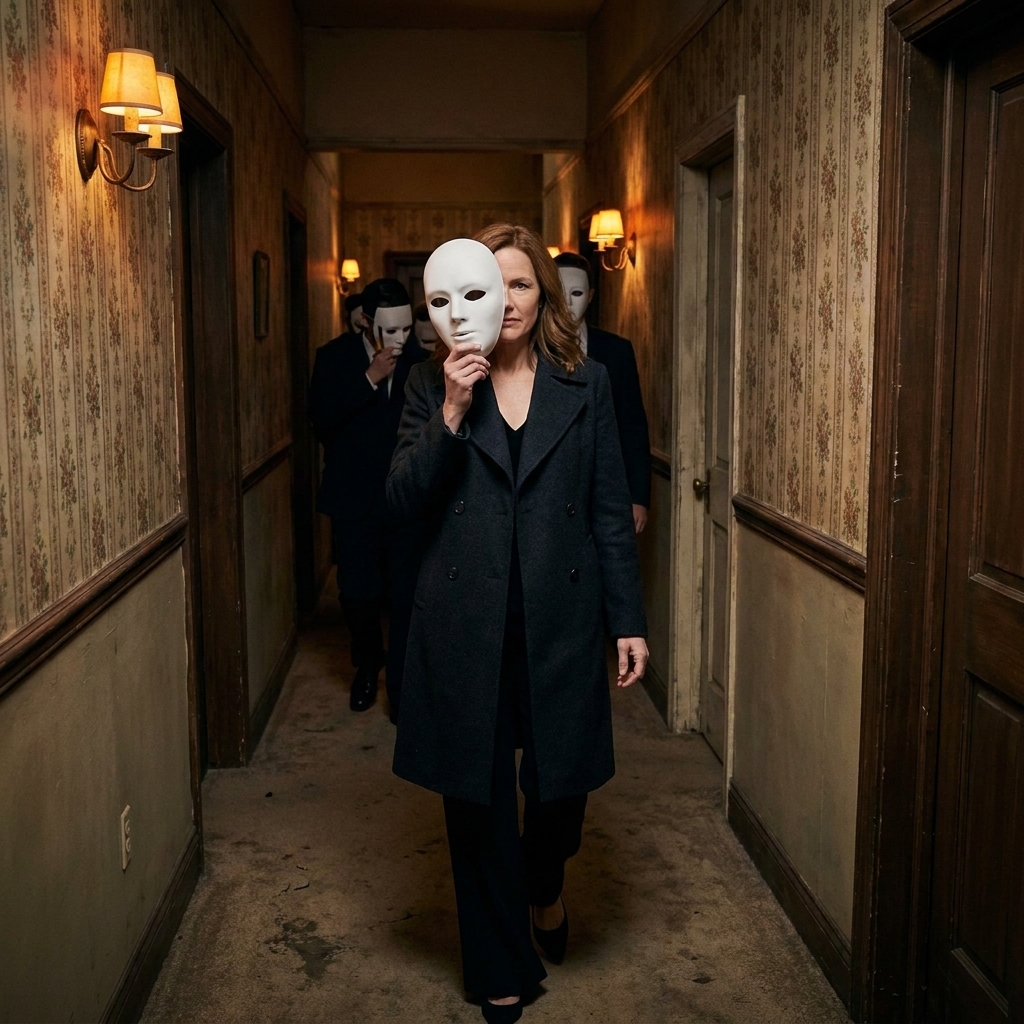
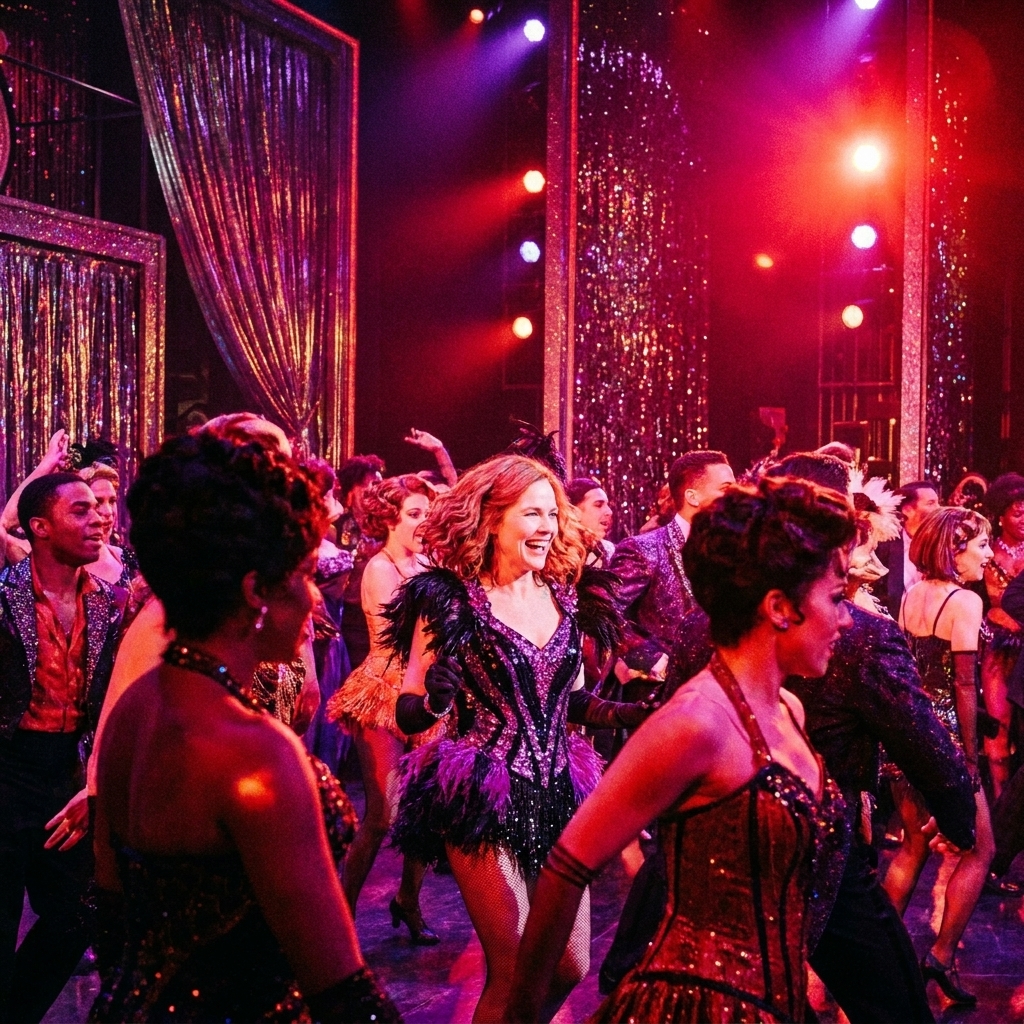
Immersive theatre did not suddenly appear in the last ten years, but the decade refined what immersion can mean. It is not always about sending you into a warehouse to wander. Sometimes it is a more subtle contract: the set and lighting make the room itself feel implicated.
Immersion without gimmicks
The most successful immersive designs respect the audience’s attention. They do not demand participation as a substitute for plot. Instead, they build an environment so coherent that you lean forward because you believe in it.
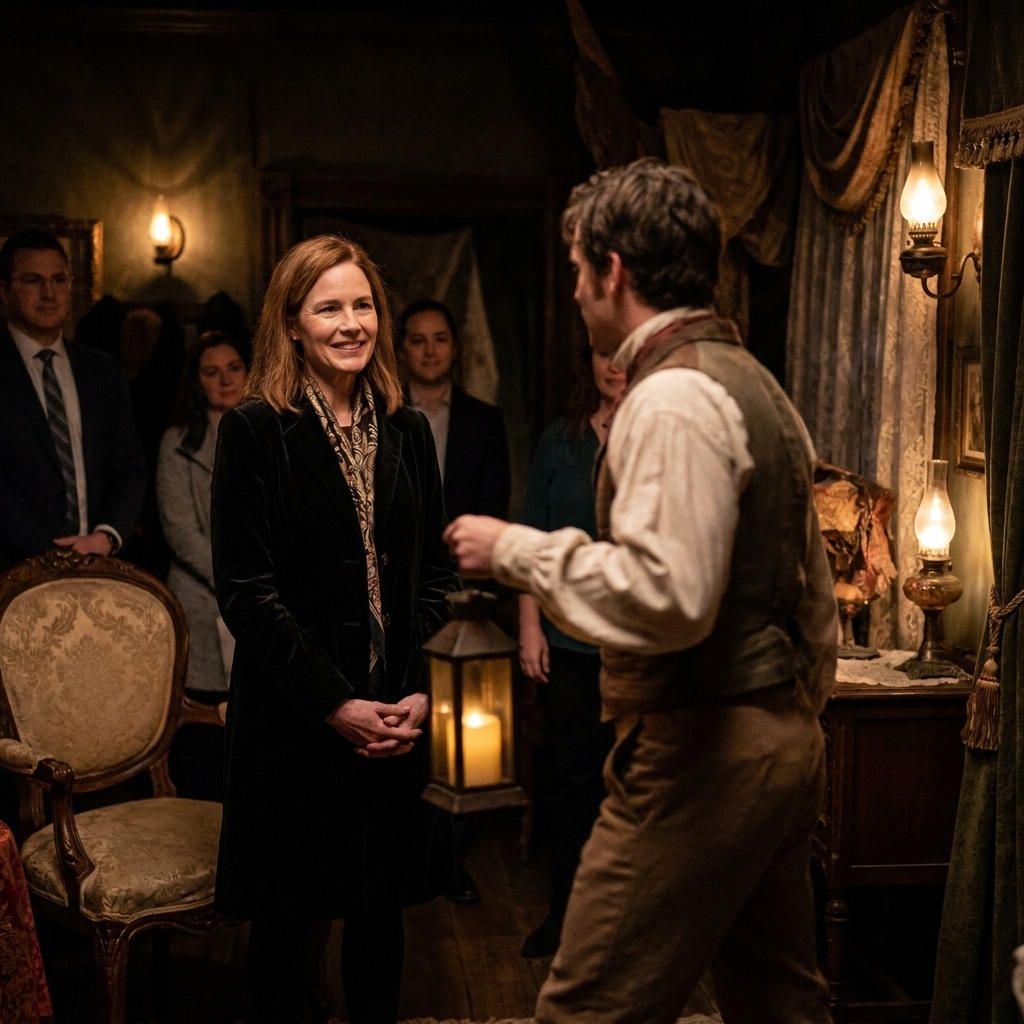
Sometimes the shift is tiny: a practical lamp that glows in the aisle, a performer who enters through the same door you used, a scene that plays close enough that you can hear fabric move. The room stops being a container and starts being a witness.
- Environmental storytelling. Props, textures, and sound sources are arranged like clues, so the space feels lived-in rather than dressed.
- 360-degree thinking. Even in a traditional proscenium, designers are using side walls, balconies, and aisle lighting to expand the stage’s borders.
- Consent and clarity. Good immersive work makes expectations clear and keeps viewers safe, physically and emotionally.
Minimalism with maximum force
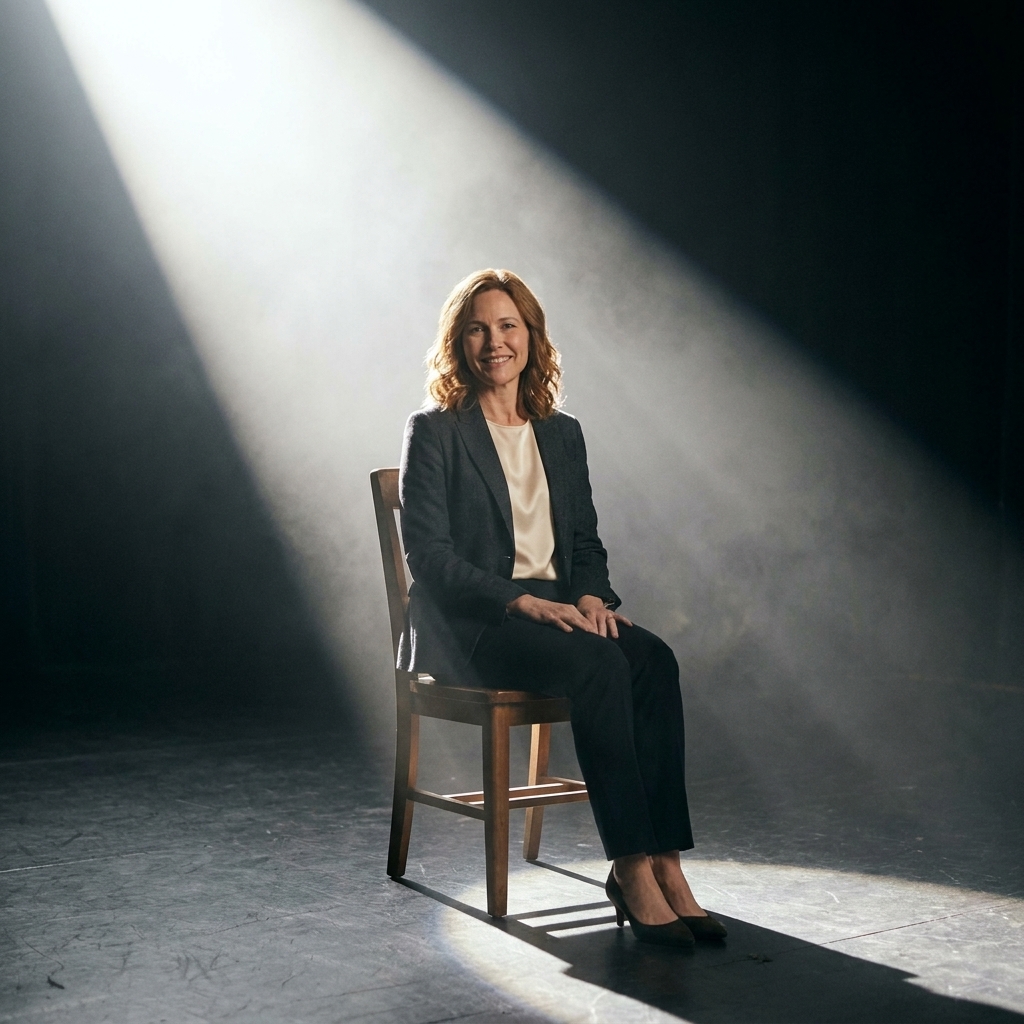
Not every innovation arrives with a motor or a media server. Some of the boldest stage designs of the decade have been aggressively simple: a few objects, a strong geometry, and lighting that gives the empty space a pulse. Minimalism is not about doing less because you have to. It is about doing less so the audience can feel more.
What a stripped-down set can do
In a bare room, a costume detail can suddenly read as architecture. A coat becomes a doorway to a past life. A color story in fabric does the job of wallpaper. The actor’s body becomes the most expensive scenic unit onstage, which is as it should be.
- It makes performances louder. When the environment does not compete, nuance reads from the back row.
- It invites metaphor. A single chair becomes a throne, a witness stand, a childhood kitchen table, depending on how the story frames it.
- It travels well. Many of the decade’s most talked-about productions toured more easily because the core design idea was portable, not precious.
The craft behind the spectacle
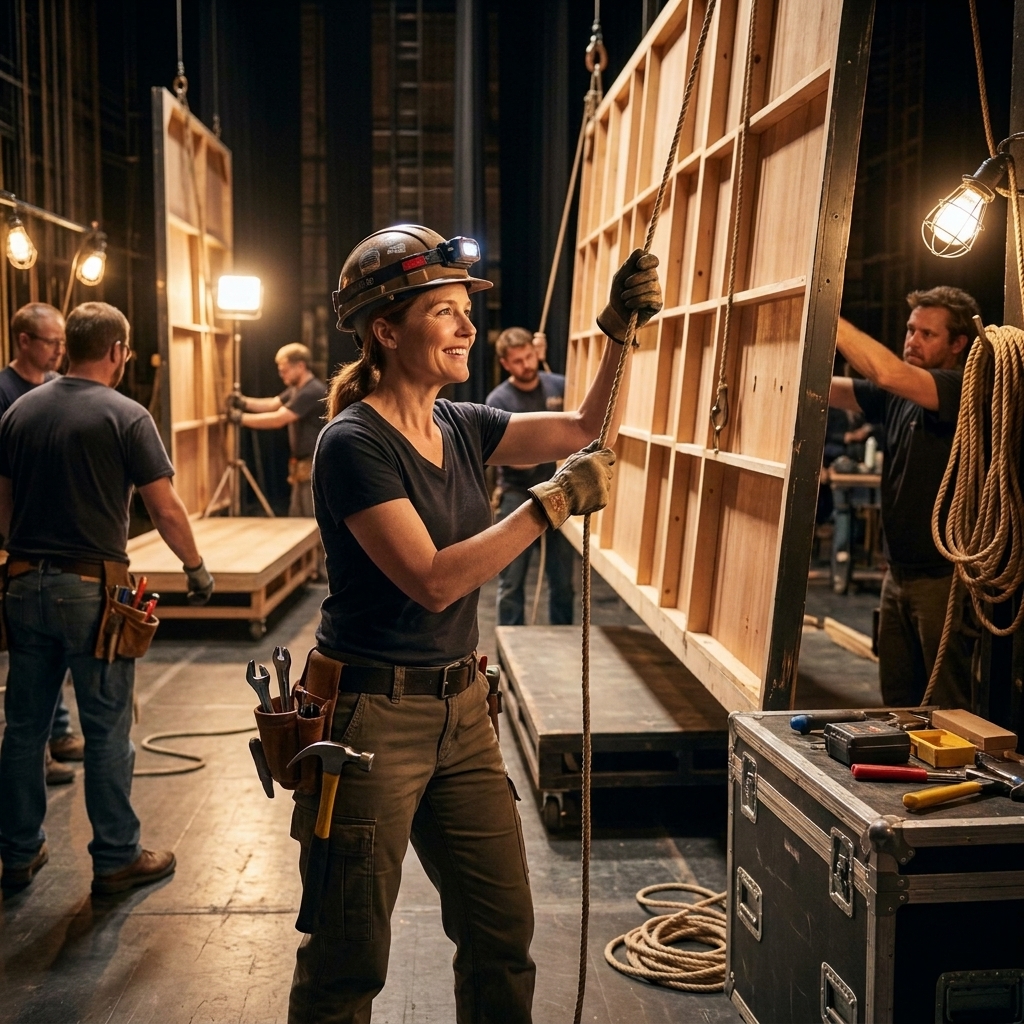
Every time a wall flies in silently or a projection lands perfectly on a moving surface, there is a small army of artists making it possible. The decade’s design innovation is as much about collaboration as it is about tools. Scenic designers, lighting designers, projection designers, sound teams, carpenters, electricians, automation programmers, dressers, and stage managers are essentially co-authoring the visual language.
Sound, in particular, has become a quiet partner to the eye. Localization and spatial mixing can make a room feel wider than it is, or make a memory feel like it is happening behind your shoulder. When it is done well, you do not “notice” the technique. You simply find yourself turning your head, as if the world has depth.
It is also about rehearsal time. Technology does not save time, not if you are doing it right. It demands it. The most seamless magic is usually the result of the least glamorous work: cue-to-cue runs, safety checks, spike marks, and the kind of repetition that turns a complex transition into muscle memory.
And because the craft is finally being discussed more openly, a few values have moved closer to the center of the conversation: sustainability in materials and builds, and accessibility in sightlines, captions, audio description, and sensory-aware practices. Even the most dazzling stage picture is better when more people can enter it, and when it does not treat waste as a requirement.
What I hope we keep
My favorite innovation is not a gadget. It is a philosophy: design that serves storytelling with generosity. The best stages I have seen this decade are not trying to distract you from the fact that you are watching theatre. They are leaning into it, making the room feel alive, making the artifice feel intimate, and reminding us that wonder is not the opposite of craft. Wonder is craft, fully visible, with the seams turned into style.
So the next time you sit down and the lights begin to shift, do what I do. Look at the floor. Look at the edges. Look at the shadows. The show has already started.