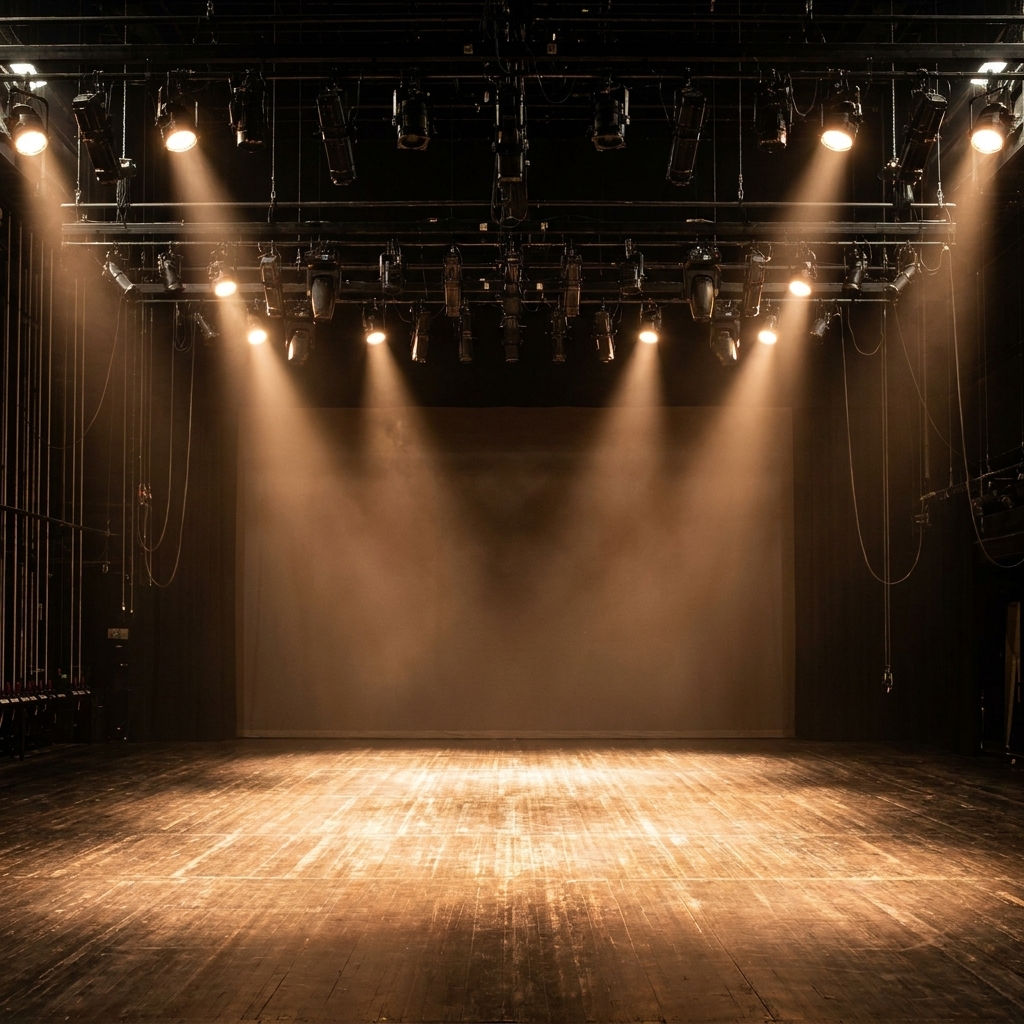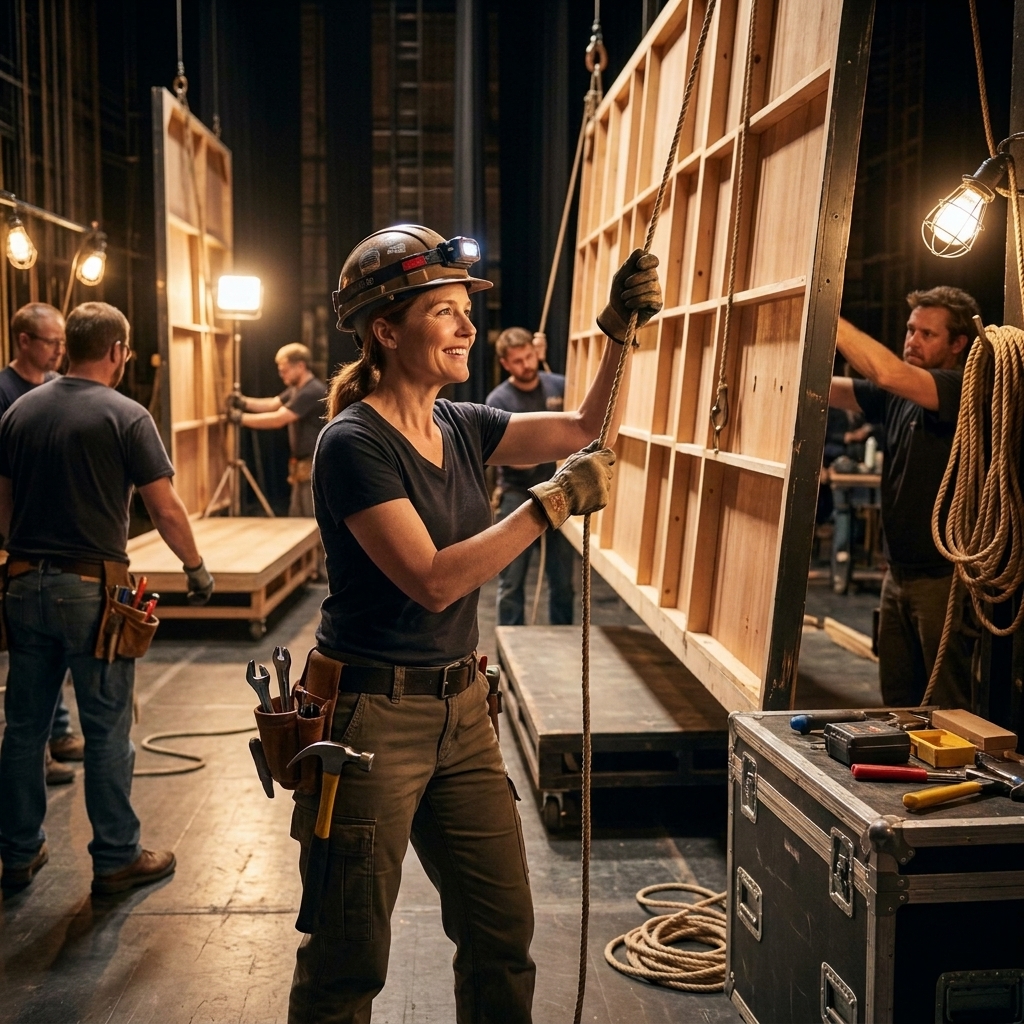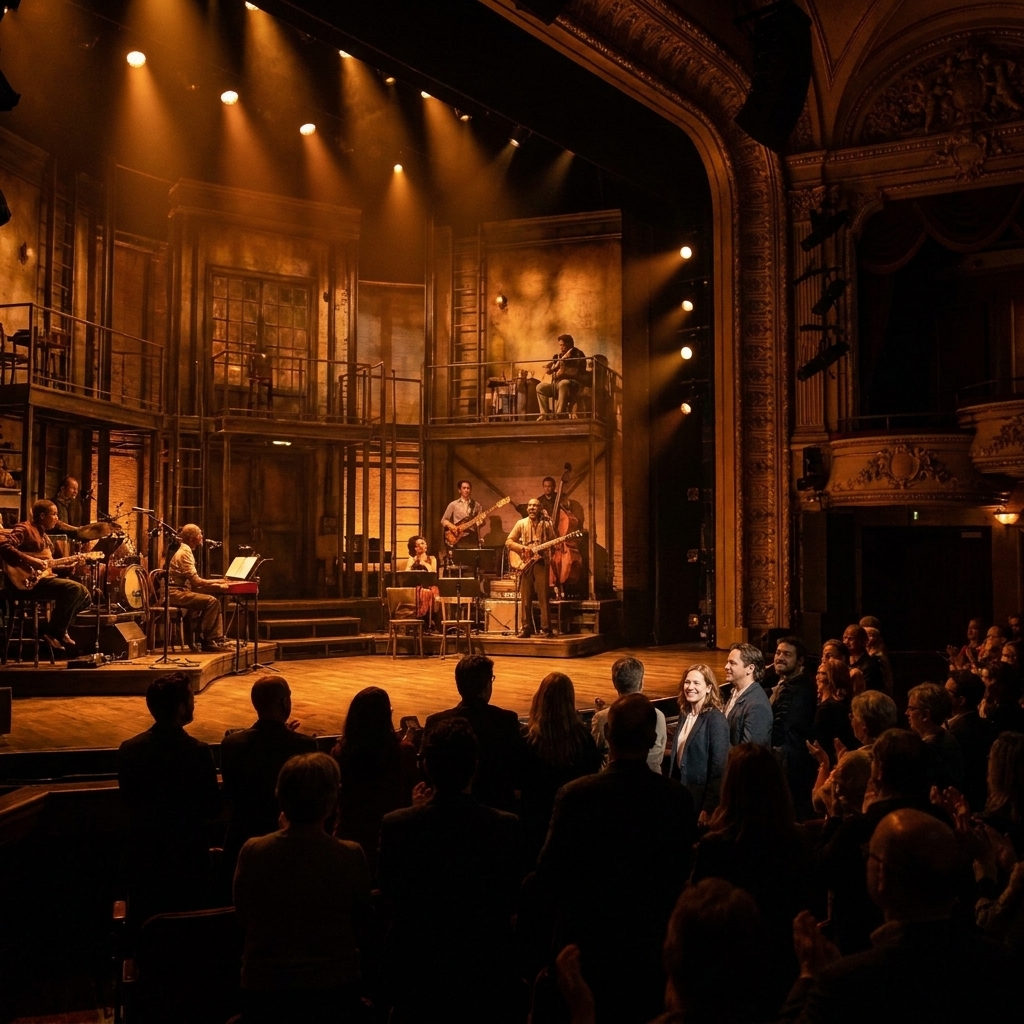
A lighting plot is theater’s quiet superpower: a piece of paperwork that turns “make it feel like a storm is coming” into something a crew can hang, circuit, focus, and run eight shows a week. When it is good, it saves time, prevents expensive mistakes, keeps performers safe, and preserves the designer’s artistic intent from first hang to final curtain.
If you are a student, a volunteer in a community theater, or an aspiring technician peeking into the booth for the first time, here is the friendly truth: a good lighting plot is less about artistry on paper and more about clear communication. It is a map, a checklist, and a promise that everyone is building the same show.
What a lighting plot is (and is not)
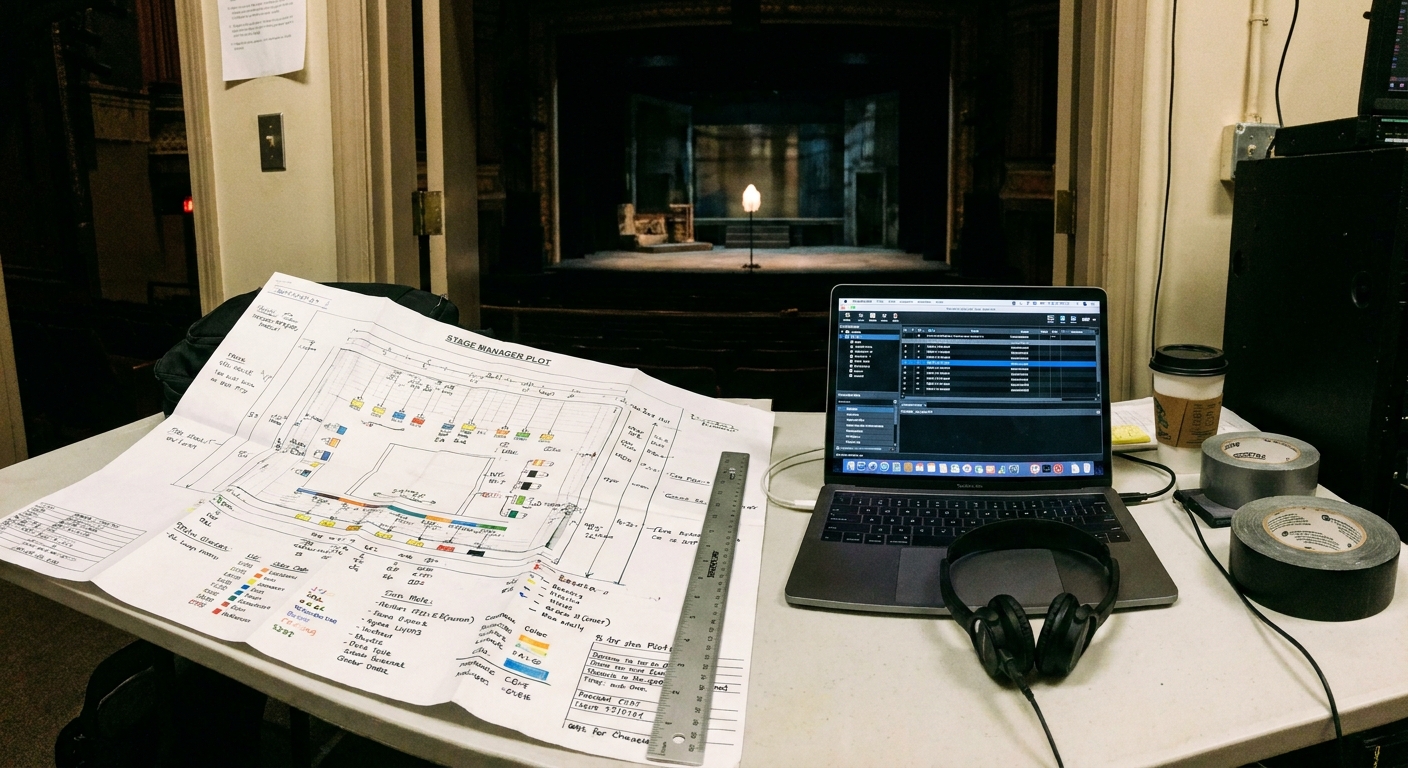
A lighting plot is a scaled drawing of the performance space that shows where lighting instruments go, what each instrument is, and how it connects to power and control. It is usually paired with supporting paperwork that explains the drawing in plain language.
A lighting plot is not the same thing as a cue list. You can have a beautiful plot and still run a messy show if the cues are unclear. And you can have a simple plot and still create breathtaking stage pictures if the cues and focus are thoughtful.
The core purpose
- Communication: It tells electrics and board ops what is intended, without guesswork.
- Repeatability: It allows the look to be recreated after maintenance, touring, or a remount.
- Safety and logistics: It helps you distribute weight, power, and cable runs sensibly.
- Artistic consistency: It protects story-driven choices through the realities of tech week.
What “good” looks like
Across Broadway, black box theaters, school auditoriums, and outdoor stages, strong plots share the same DNA. You do not need fancy software to do these well, but you do need rigor.
1) Readable at a glance
If someone cannot understand your plot in under a minute, it will slow down the hang. Good plots use clean linework, consistent symbols, and legible labels. They avoid clutter by relying on a legend and well-organized paperwork.
2) Scaled and oriented correctly
A plot must match reality. That means a clear scale, and an obvious orientation note that marks downstage, upstage, stage left, and stage right. Many designers also mark the centerline and plaster line so everyone is speaking the same spatial language. A focus that is off by two feet on paper becomes a performer squinting into glare in rehearsal.
3) Complete labeling
At minimum, each fixture position should be traceable to:
- Unit number (unique identifier)
- Instrument type (ERS, Fresnel, PAR, moving head, etc.)
- Purpose (front wash, special, backlight, practical, texture)
- Color (gel color number or LED color note)
- Channel (control channel used by the console)
- Dimmer or address (dimmer number for conventionals, DMX universe and address for intelligent fixtures)
- Focus (target area, performer, scenic element, or zone)
4) Built for the crew you have
A good plot respects the venue and the humans installing it. If your theater has two ladders, no lift, and volunteers who load in after work, a plot that assumes unlimited time and gear is not ambitious. It is unkind. Smart design is design that can be executed cleanly.
5) A real title block
If you want your plot to survive the real world, treat the title block as non-negotiable. It should clearly state:
- Show title and venue
- Designer name
- Scale
- Date and version or revision number
- Page number (especially if you have multiple sheets)
Revisions happen. Label them plainly so the crew knows which plot is current, and so you know what changed when something looks different onstage.
Basic fixtures, in human terms
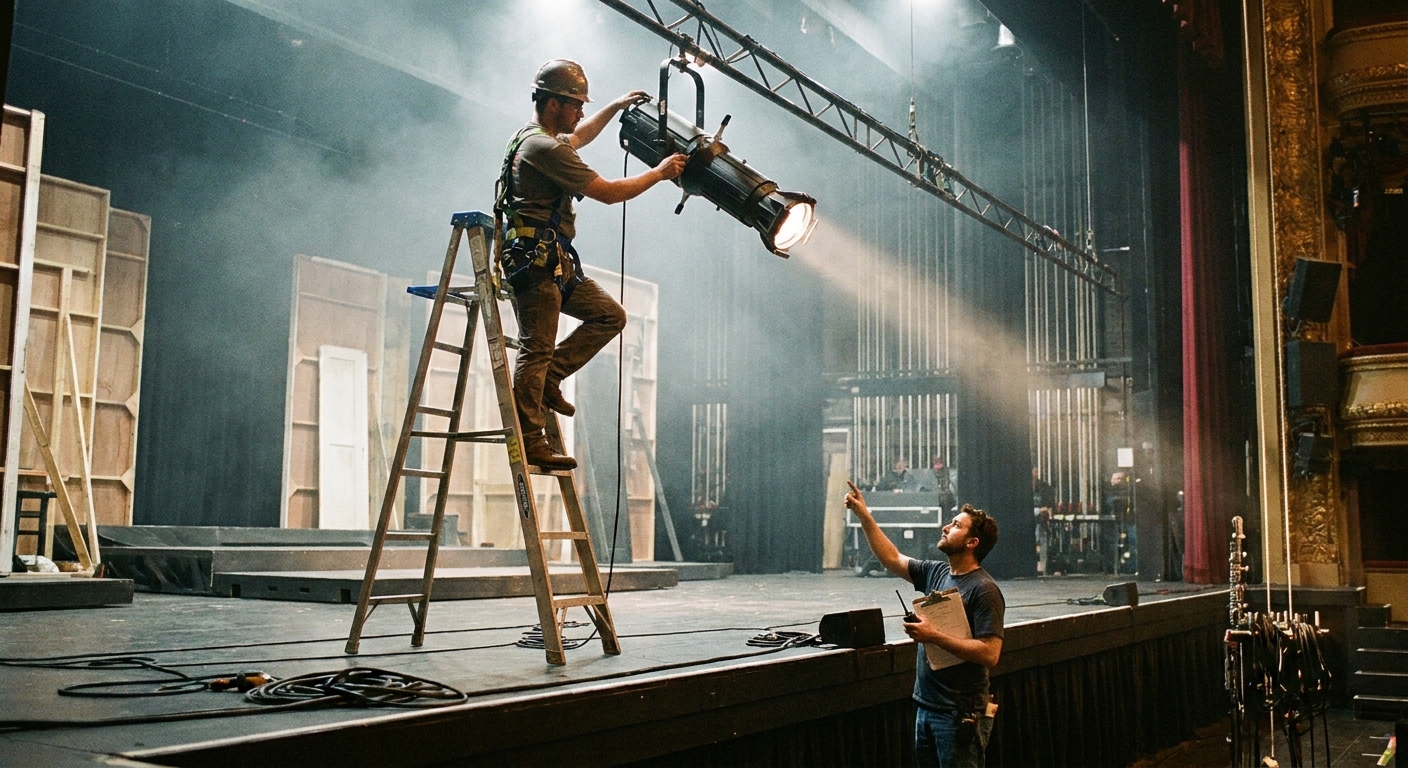
Lighting plots are full of abbreviations, but the logic behind the tools is approachable. Here are the workhorses you are most likely to see.
Ellipsoidal (ERS, “Leko”)
The precision instrument. Ellipsoidals create a focused beam with crisp edges and can be shaped with shutters. They are used for front light, specials (one person, one prop, one doorway), and gobo textures. If you need light to stop exactly at the edge of a doorway, this is your friend.
Fresnel
The soft painter. Fresnels give a gentler, rounder field with softer edges. They are great for backlight, sidelight, and warm washes that feel flattering on skin. They also zoom easily, which helps when you need flexibility in focus.
PAR and PAR-style fixtures
The punchy flood. PARs throw an intense beam and are common in concerts and energetic moments. In theater, they often provide bold color, high-impact backlight, or fast, bright coverage when you are working with fewer instruments.
Cyc and strip lights
The background builders. These are designed to light cycloramas, backdrops, and large scenic surfaces evenly. Good cyc lighting is its own craft, and a clear plot helps you balance coverage and avoid hot spots.
LED fixtures
The flexible multitool. LED units can mix color without gel, shift palettes quickly, and reduce heat and power draw. On a plot, what matters is color intent and addressing. If you do not label DMX universe and address clearly, your “sunset amber” may become someone else’s “mystery magenta.”
Moving lights
The choreographed instrument. Moving heads can pan, tilt, change color, and project gobos. They are powerful, but paperwork-heavy. A good plot for moving lights is paired with patch notes, fixture mode details, and thoughtful cueing so the movement serves the story, not the other way around.
The plot’s best friends: paperwork
The plot is the headline. The supporting documents are the reporting. In many productions, the paperwork is what keeps a long tech day from turning into a scavenger hunt.
Instrument schedule
This is the master list of fixtures and their details. It typically includes unit number, position, type, wattage, color, gobo (template) notes, channel, dimmer or address, and focus. If your plot is hard to read from the catwalk, the instrument schedule is your lifeline.
Channel hookup
A channel hookup organizes instruments by channel number and lists what each channel controls. This helps the programmer and board operator confirm that “Channel 12” is the downstage center special and not a random boom unit.
Magic sheet
The magic sheet is the board op’s quick visual reference. It groups channels by area or system, such as “Warm front wash” or “Upstage specials.” It is not always required, but it is beloved in fast cue sequences.
Focus chart
A focus chart states exactly what each light is supposed to hit. For volunteers and student crews, this can be the difference between a calm focus session and a long night of “No, more left. Wait, stage left.”
Color cut list
For conventional fixtures, a cut list tells you how many gel cuts are needed and in what sizes. This is practical budgeting as much as it is design.
Cue sheets
If the plot is the architecture, the cue sheet is the choreography. Cue sheets document the lighting changes that happen during the performance, when they happen, and why.
What a cue sheet usually includes
- Cue number (and sometimes subcues like 12.5)
- Trigger (a line of dialogue, a musical bar number, a stage manager “GO,” a sound cue)
- Timing (fade time, follow time, or “snap”)
- Description (what the audience should feel or notice)
- Notes (exceptions, warnings, or scenic coordination)
What makes a cue sheet good
It is specific without being precious. “Lights shift colder as the argument turns” is helpful. “Make it sad” is not. The best cue descriptions tie back to action: who is being seen, what changes emotionally, and what the stage picture needs.
A cue sheet is not a diary. It is a set of instructions that someone else should be able to run when you are not in the booth.
Story to systems
Before there is a plot, there is a conversation. Lighting designers read scripts, watch rehearsals, and build a visual language that supports the director’s staging and the performers’ work. The plot is where those instincts become systems.
Visibility first, then emotion
The audience needs to see faces and bodies clearly enough to follow the story. After that, lighting shapes what we feel.
- Angle: Front light reveals expression. Sidelight reveals muscle and movement. Backlight creates separation and glow.
- Intensity: Brighter is not always clearer. Contrast is often more dramatic than sheer brightness.
- Color: Warm can feel intimate, nostalgic, or safe. Cool can feel distant, tense, or moonlit. Saturated color can feel theatrical, heightened, or surreal.
- Texture: Gobos and breakup patterns suggest architecture, foliage, water, or memory without changing the set.
Build systems, not one-off fixes
A student designer’s first instinct is often to solve every moment with a new special. A more sustainable approach is to design a few reliable systems, then layer specials only where they matter most.
Common systems include:
- Warm front wash
- Cool front wash
- High side for dance
- Backlight in two colors
- Toplight for isolation
- Cyc systems for time of day
Let blocking guide focus
Great plots respect where performers actually live onstage. If the blocking keeps pulling actors into a corner that has no coverage, the cueing will never feel smooth. When in doubt, plot for the stage picture you have, not the one you wished the rehearsal delivered.
Plot basics
Common lighting positions
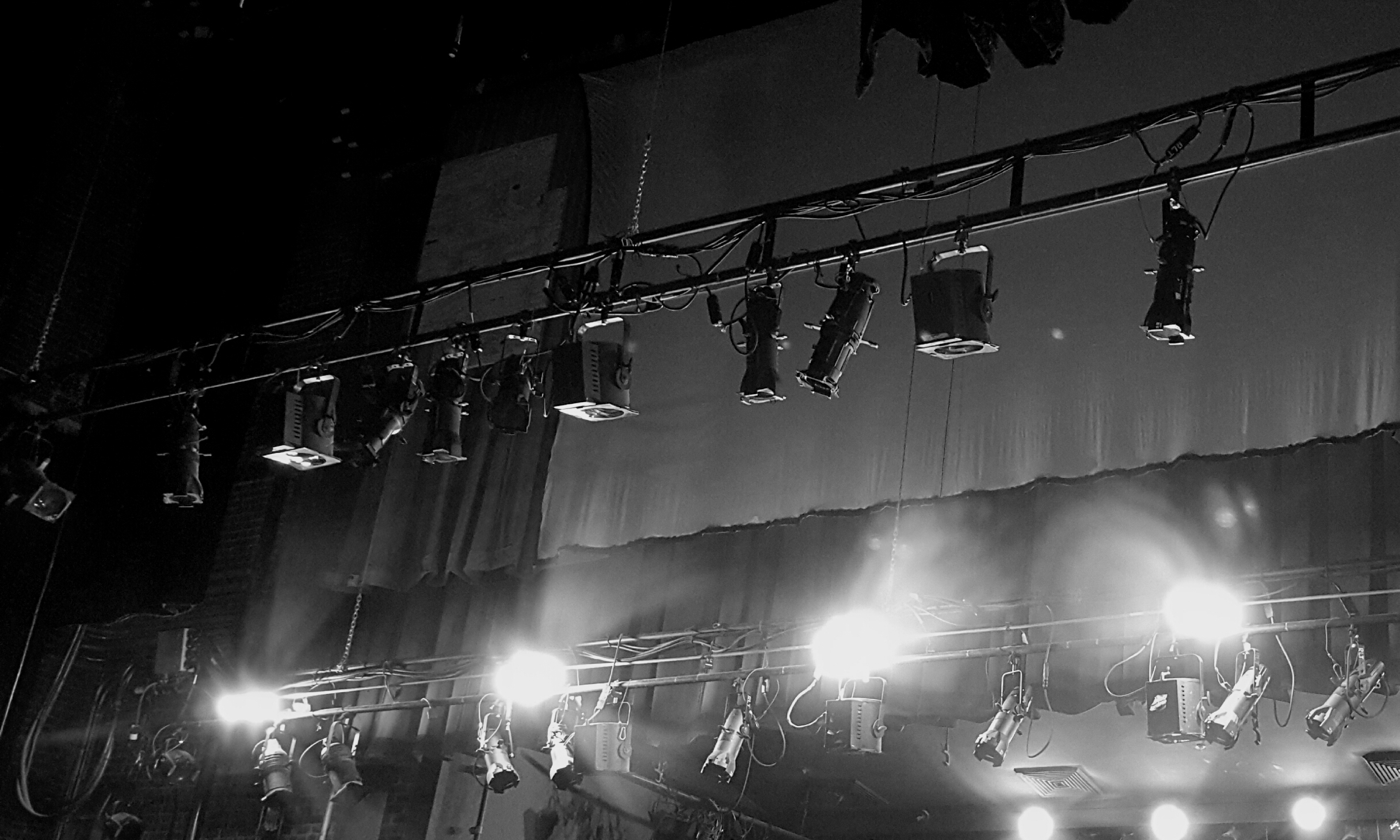
- FOH (Front of House): Balcony rail, catwalk, or ceiling positions that light the stage from the audience side.
- Electrics: Overhead battens above the stage, often (but not always) numbered from downstage to upstage.
- Booms and box booms: Side positions, either onstage or just offstage, good for sculpting.
- Floor positions: Shinbusters, footlights, or uplights, used carefully to avoid horror-movie faces unless that is the point.
Measurements that help everyone
Even a simple student plot gets better when it includes the measurements a crew will ask for anyway. Depending on the venue, that may include trim heights, pipe or batten IDs, and the key reference lines in the space (centerline and plaster line).
Numbering that prevents headaches
Choose a logic and commit to it. Unit numbers should be unique. Positions should be named the same way across plot, schedule, and paperwork. If you call it “1st Electric” on the plot, do not call it “LX1” elsewhere unless you provide a clear legend.
Symbols and a legend
Most plots use standardized symbols for fixture types. A legend should tell your crew what each symbol means, especially when your venue uses a mix of models.
Power, patching, and control
This is the part that separates a pretty drawing from a plot that can actually run a show.
Conventional fixtures: circuits and dimmers
Traditional tungsten or halogen fixtures typically connect to circuits that route to dimmers. Your plot and paperwork should make it easy to trace a problem when a light does not turn on.
- Circuit number: Where it plugs in on the pipe or stage system
- Dimmer number: The controlled output feeding that circuit
- Channel number: What the console uses to control intensity
Depending on the venue, circuit and dimmer may be effectively the same, or they may be very different. Some spaces also have non-dim or relay circuits for LED units and practicals, so label those clearly too.
LED and moving fixtures: universes and addresses
Intelligent and LED fixtures usually require DMX addressing. If you are new, think of a DMX universe as a lane of control data, and an address as the fixture’s starting point. If two fixtures share an address by mistake in the same universe and mode, they may respond together like twins.
Label clearly:
- Universe
- Start address
- Mode (if relevant)
- Any network notes (for systems using sACN or Art-Net over Ethernet)
- Data and power notes (if a unit needs separate power and data runs)
Checks before you call it done
Here is the checklist I wish every first-time designer had taped to their laptop.
Accuracy checks
- All unit numbers are unique.
- Every fixture has a channel, and channels match the hookup.
- Every conventional has a dimmer or circuit assignment.
- Every intelligent fixture has universe and address, and no overlaps.
- Color information is consistent across plot and schedule.
- Positions are labeled consistently and match the venue’s terminology.
- The title block shows the current date and version.
Coverage checks
- Key acting areas have at least two angles (often warm and cool front, or front and back).
- Entrances and exits are visible and safe.
- Focus points are realistic for hanging height and throw distance.
- Specials are truly necessary, not patching holes in basic coverage.
Workflow checks
- The plot can be printed legibly on the paper size you have.
- The legend is included.
- The instrument schedule and channel hookup are updated to match the latest draft.
- Notes exist for anything unusual: practicals, hazers, strobes, low-hanging units, sightline hazards.
Common beginner mistakes
Plotting by impulse, not system
Fix: Build a basic wash first. Then add specials and texture only where the story needs them.
Forgetting the crew’s reality
Fix: Design within your hang time, inventory, ladder and lift access, and staffing. Limit fussy positions if you cannot focus them carefully.
Unclear paperwork
Fix: Keep naming consistent. If you revise the plot, revise the schedule and hookups the same day, and label the new version clearly.
Chasing brightness instead of contrast
Fix: Use angle, shadow, and selective focus to shape the stage picture. Not every moment needs full stage at 100 percent.
Ignoring performers’ eyes
Fix: Aim front light thoughtfully, flag spill, and avoid putting blinding sources directly in sightlines unless it is a deliberate effect with safety considered.
Quick glossary
- Channel: The control number on the lighting console assigned to a fixture or group.
- Dimmer: A device that controls intensity for conventional lights.
- DMX: A common data protocol for controlling lighting fixtures.
- Universe: A set of DMX addresses (a stream of control data).
- Address: The starting DMX number a fixture listens to.
- Gobo: A metal or glass pattern placed in an ellipsoidal to project texture.
- Special: A light focused on a specific area or object rather than a general wash.
- Wash: Broad coverage over an area, often in a consistent color and angle.
- Practical: A light source that appears as part of the set, like a table lamp.
The heart of it
The best lighting plots are generous documents. They assume the next person reading them is smart, busy, and trying to do the show justice. They leave fewer mysteries, not more. They create room for artistry by removing avoidable confusion.
And when the house goes dark and that first cue lands, the audience never sees the plot. They just feel the world of the play snap into focus, exactly as you meant it to.