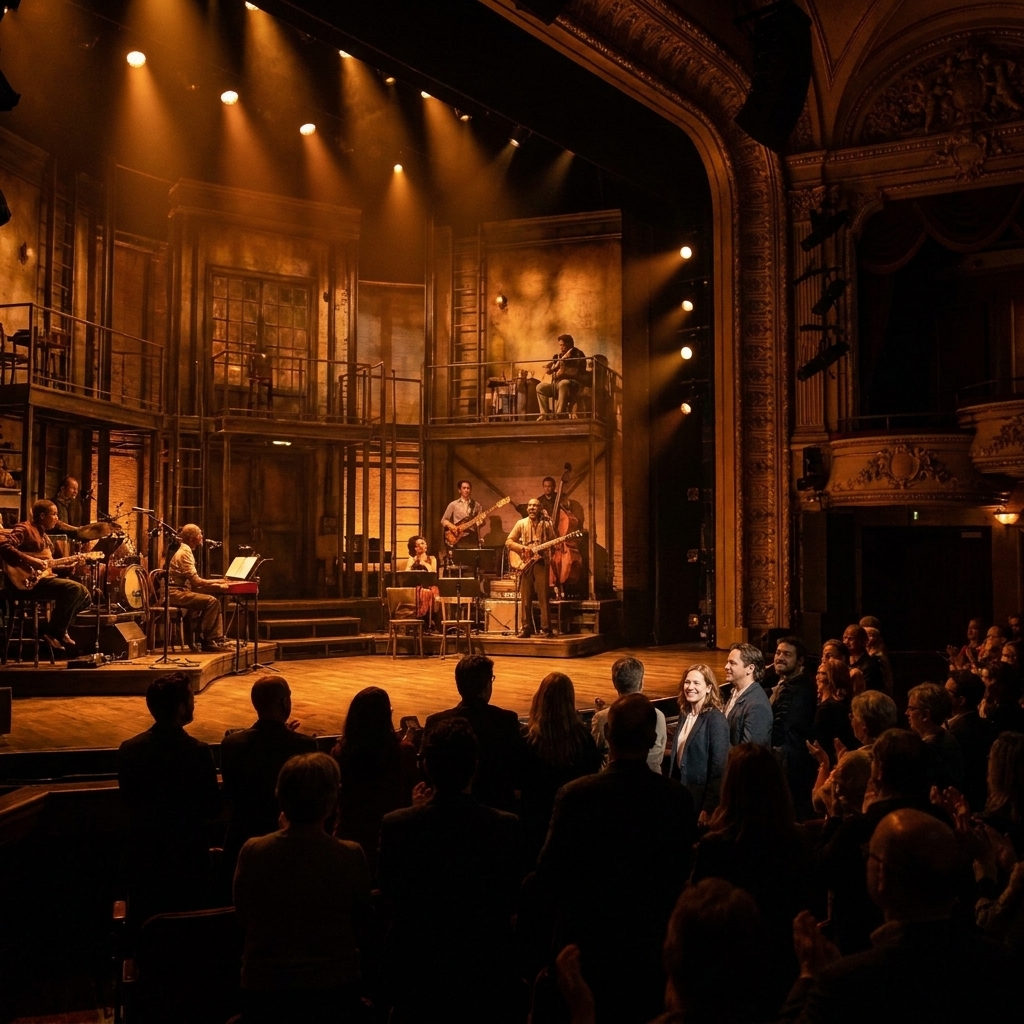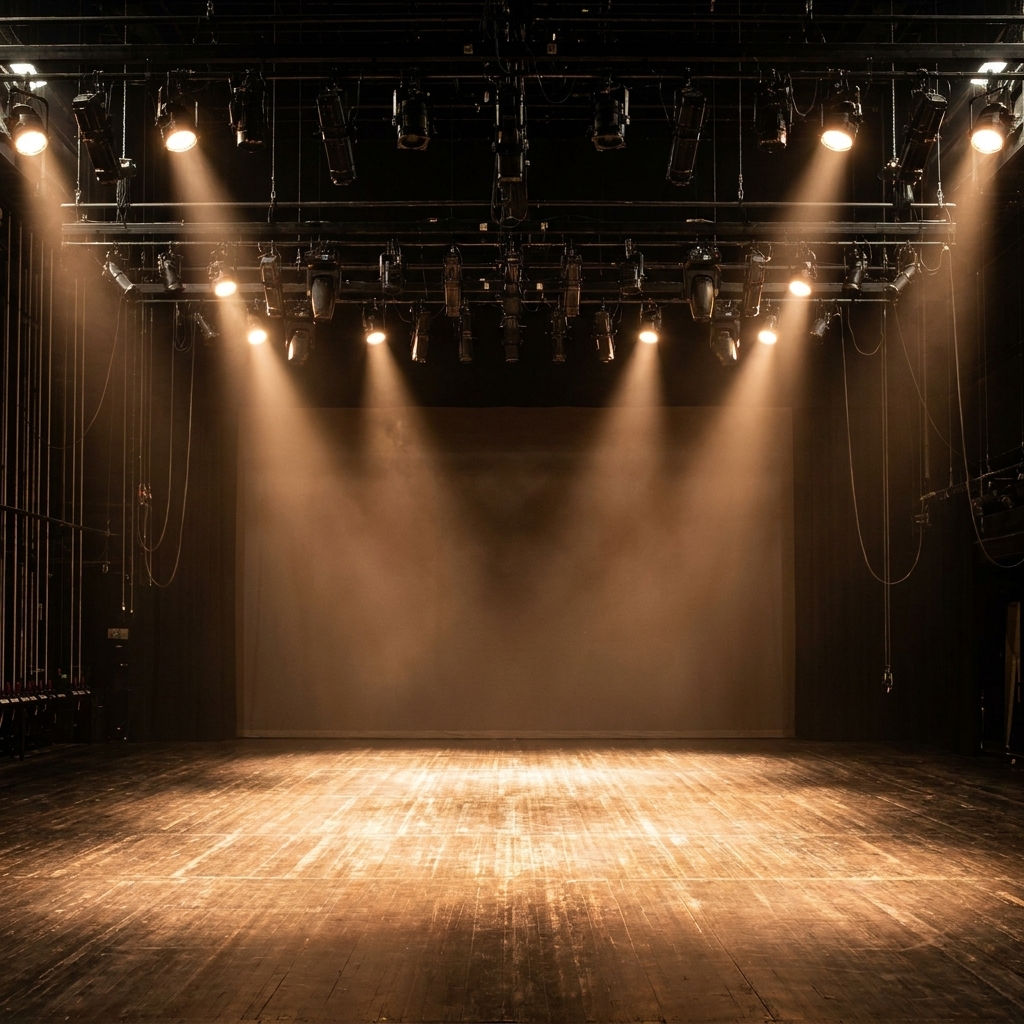
There is a particular hush that falls over a theater right before the first note or the first arabesque. For generations, set design met that hush with painted flats, sculpted arches, and the glorious heft of real scenery rolling into place. Now, more and more productions are answering it with light itself.
Projection mapping and augmented reality are not replacing craft so much as relocating it. The stage is still built by hands and brains and budgets. But contemporary opera and ballet are increasingly designed the way a filmmaker thinks: in layers, in cues, in editing rhythms, in transformations that can happen mid-phrase. The question is no longer “What can we build?” It is “What can we change in real time without breaking the spell?”
Projection mapping: scenery that can breathe
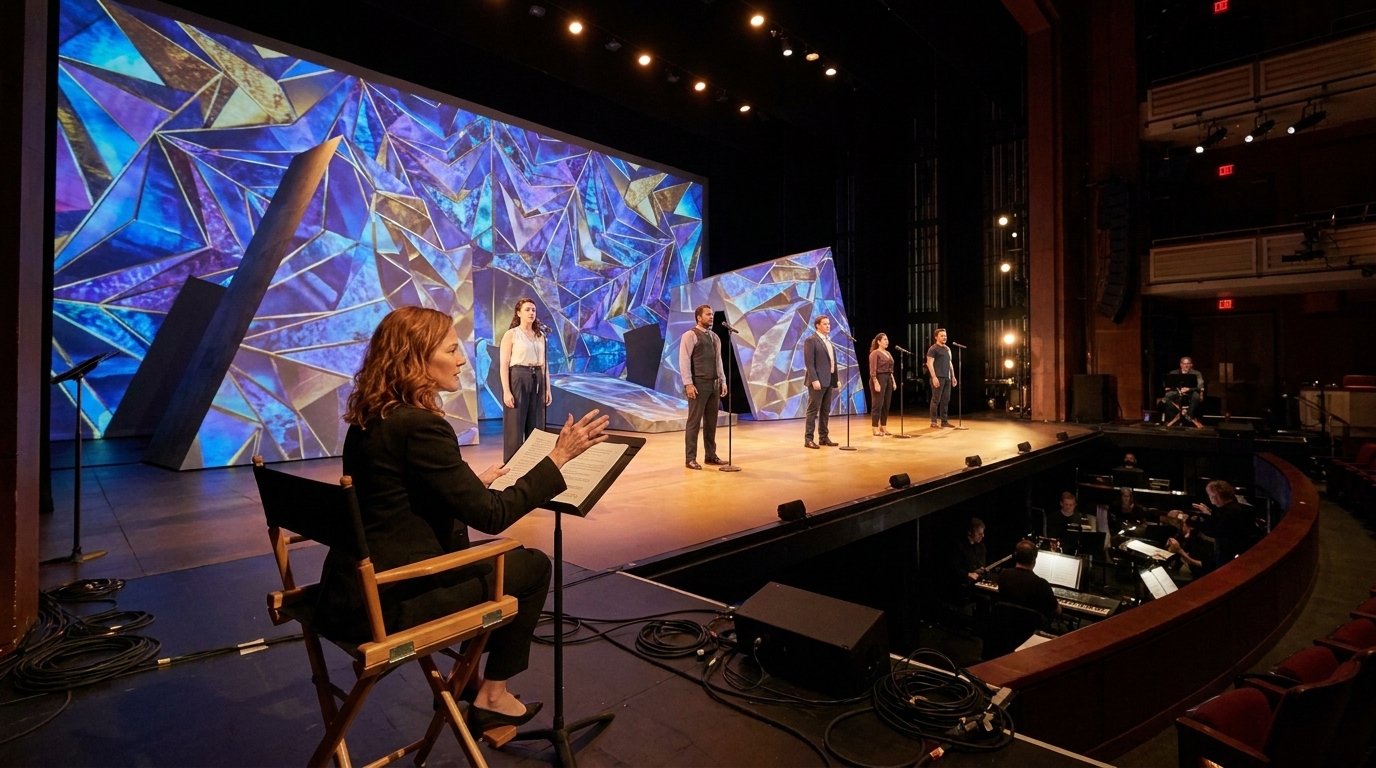
Projection mapping is the headliner for a reason. It turns architecture into an instrument. A single sculptural wall can become a palace, a storm front, a cracked fresco, or a neon nightclub simply by changing the projected content and the angle of the light. In opera, where emotions can switch from intimate confession to cosmic doom in a single aria, that flexibility is not a gimmick. It is dramaturgy.
In ballet, mapping has an especially delicate job: supporting the body without competing with it. The most successful uses create an environment that moves like music rather than like a screensaver. Think shifting shadows that deepen a forest without cluttering it, or a slow wash of color that turns a bare stage into weather.
One real-world touchstone
If you want a widely cited example, look at The Royal Opera’s The Dante Project (2019), which paired choreography with large-scale video environments to create swift shifts in place and psychic atmosphere. The tradeoff was the same one many companies face: a thrilling sense of transformation, plus a heavier technical footprint and tighter coordination between lighting, video, and stage movement.
Why designers love it
- Speed of transformation: Scene changes can happen in seconds, even during choreography, with no crew crossing the stage.
- Space and touring logic: A production can travel with a “digital set package” instead of multiple large physical units, but touring still means freight and labor for projectors, lenses, media servers, rigging, cabling, and backup systems. It also means adapting to each venue’s throw distances, front-of-house positions, and available power.
- Visual specificity: Designers can reference textures, eras, and locations with a cinematic precision that painted drops cannot always match.
What it demands
Mapping looks effortless when it is done well, which is how you know it was not effortless at all. It requires meticulous calibration so projections land precisely on irregular surfaces, usually fixed scenic geometry. Mapping onto moving scenery or performers can be done, but it typically requires tracking systems and adds complexity, cost, and rehearsal time.
It also requires a lighting design that negotiates with video instead of overpowering it. Opera faces a further wrinkle: singers need light on the face for storytelling, but too much front light can wash out projections. The best teams solve this like chamber music, cue by cue.
And then there are the practical limits audiences feel without naming them: projections live or die on contrast. Ambient light, haze, costume reflectivity, sightlines from the balcony, and even the placement noise and heat of high-lumen projectors can shape what reads as magic versus what reads as murk.
AR enters the wings, and sometimes the audience
Augmented reality has a different vibe than projection mapping. Mapping is stagecraft you can see with the naked eye. AR can be stagecraft you access through a device, or through specialized venue tech layered on top of what is physically there. That could mean a venue-provided tablet, a phone-based experience, or early pilots using glasses or headsets. That distinction matters, because it changes who is “in” on the design.
For opera and ballet companies, AR experiments often cluster into three camps.
1) AR for production and rehearsal
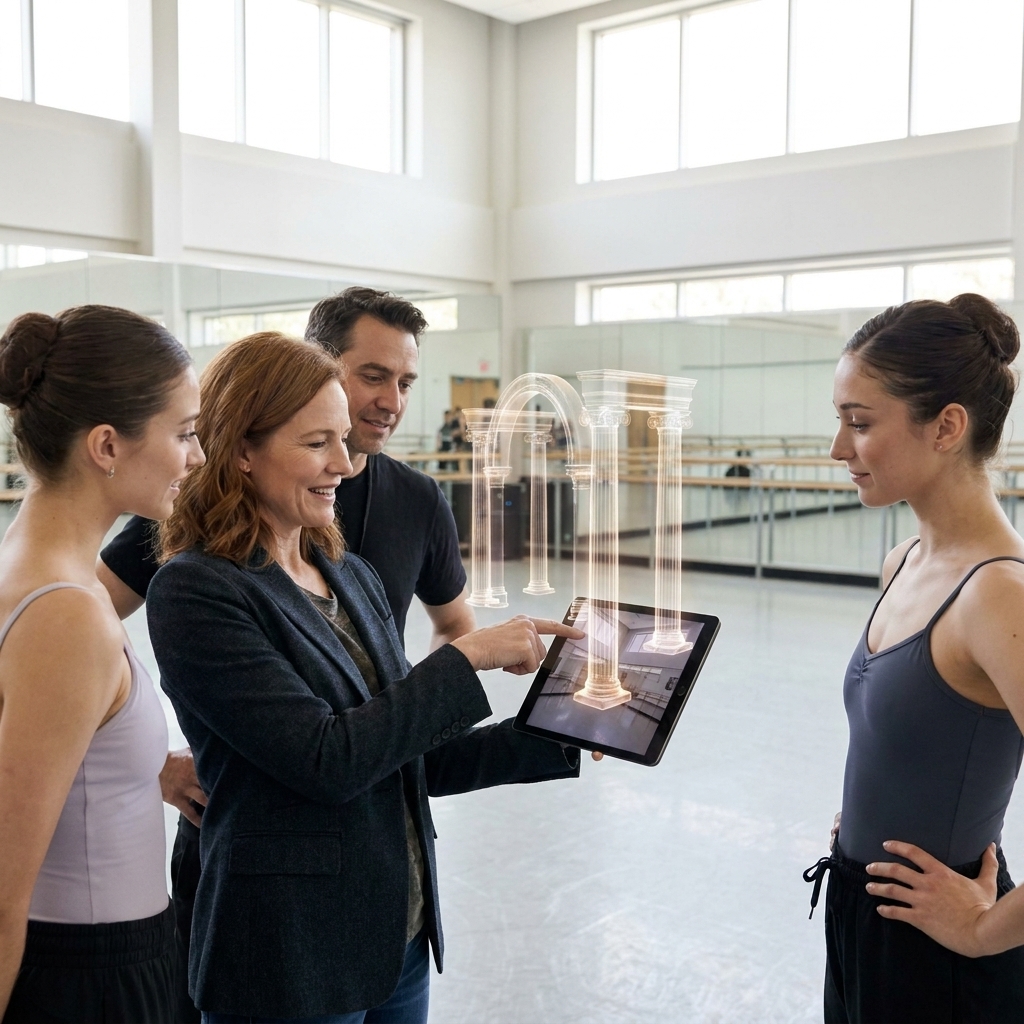
This is the quietly revolutionary version. Designers can visualize scenic elements at scale before anything is built. Directors can block traffic patterns around virtual architecture. Dancers can test spacing with a set that exists as a 3D model in the room. If you have ever watched a company lose half an afternoon because a platform is two feet deeper than the ground plan suggested, you can see the appeal.
2) AR as a spectator layer
This is the version that gets headlines, and it is also the one that requires the most care. If an audience member has to look down at a phone to “complete” the set, you risk pulling them out of the communal trance that live performance does better than any other art form.
But used thoughtfully, AR can add context rather than distraction: subtle translations tied to visual motifs, optional overlays that deepen world-building for those who want it, or discreet accessibility tools. The key word is optional. Opera and ballet are not short on sensory input. AR should behave like a good program note, not a second show running on top of the first.
3) AR for education and engagement
Some of the most effective AR is not in the auditorium at all. Think lobby experiences, pre-show set explorations, and community or school programs that let people step inside the production’s visual language without asking them to multitask during the performance.
The set designer is also a collaborator in code
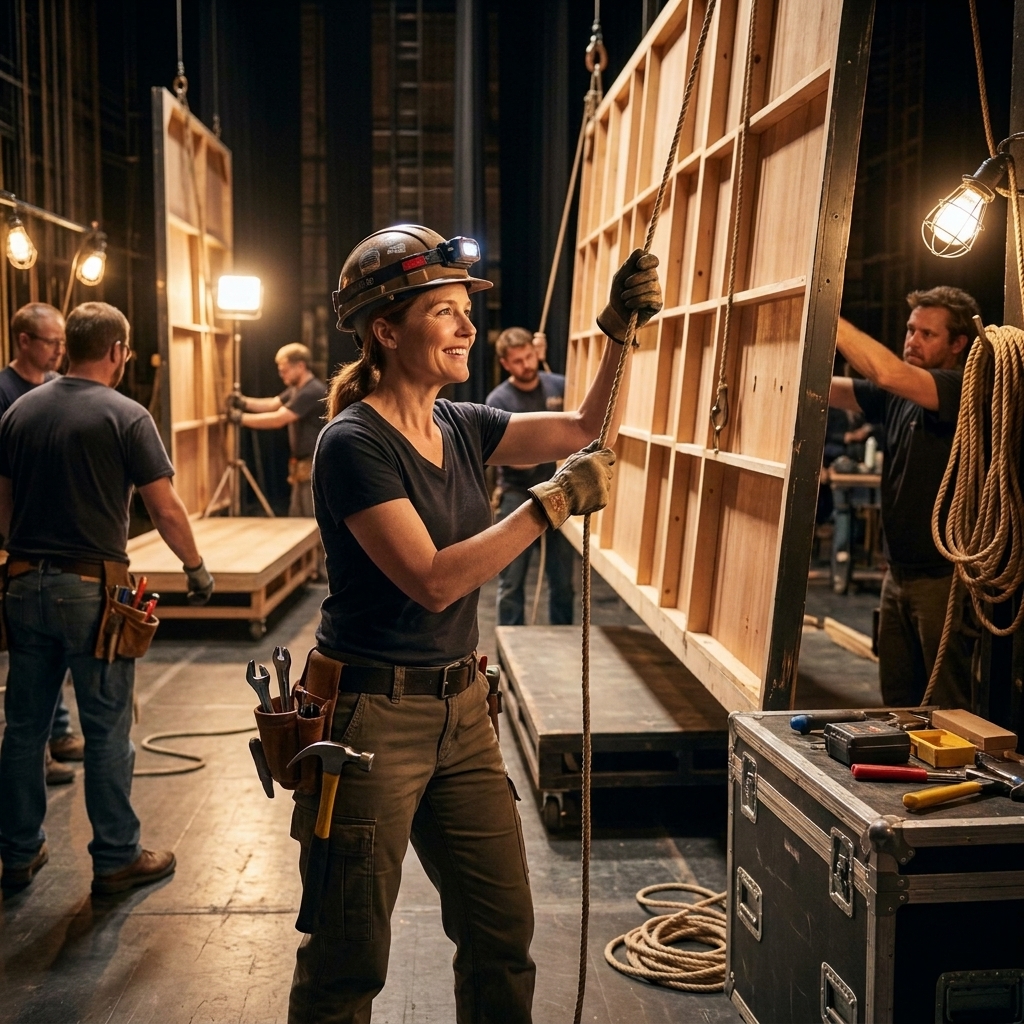
Traditional set design has always been collaborative, but the collaboration has expanded. Alongside carpenters, painters, and props artisans, you now see media servers, 3D modelers, animators, projection engineers, and systems technicians. The “shop” includes laptops.
This does not erase scenic artistry. It reframes it. A designer’s sketch might become a digital storyboard. A scale model might live as a navigable 3D environment. Cueing becomes a compositional tool, as important as color palette or silhouette.
How workflows are shifting backstage
- Previsualization is king: Many teams build a virtual stage to test sightlines, projection angles, and transitions long before load-in.
- More time upfront, less time in tech week: When media is integrated early, tech can be smoother. When it is bolted on late, it becomes a panic generator.
- Design meetings get more interdisciplinary: Lighting, video, sound, choreography, and direction often have to develop in tandem rather than in sequence.
What it changes for performers
Performers are not passive inside these new worlds. They are negotiating them in real time.
For dancers, projected environments can create thrilling illusions, but they can also complicate spatial awareness. A floor projection may suggest a boundary that is not physically there. A moving horizon can interfere with spotting. Choreographers and rehearsal directors have to account for that, and media designers have to respect the body’s need for clarity. There is also a plain safety dimension: if a projection makes a floor look uneven, glossy, or “wet,” it can change how risk is perceived. That needs to be addressed in rehearsal, and often in coordination with stage management and the relevant safety protocols.
For singers, the stakes are different but equally real. Opera is athletic. Blocking is tied to breath. If a projection cue encourages constant repositioning to “hit” a mark, it can fight vocal performance. The most performer-friendly designs prioritize consistent, readable staging marks and avoid turning singers into targets for the projector.
Budget and sustainability
There is a myth that digital automatically means cheaper. Sometimes it is. Sometimes it very much is not.
Projection mapping can reduce the need for multiple physical builds, which may lower material and storage costs. But it introduces other costs: high-lumen projectors, media servers, specialized labor, extended pre-production, and the ongoing maintenance of equipment. A digital set can be financially smart when it is designed for reuse, scaling, and touring. It can be financially painful when it is bespoke, fragile, and dependent on venue-specific tech.
On sustainability, the ledger is similarly mixed. Fewer physical builds can mean less lumber, paint, and shipping. But projectors draw power, and hardware has a lifecycle. Many companies are now thinking in hybrid terms: build fewer, better physical elements that last, then use projections to multiply environments without multiplying waste.
When tech becomes the point
I have sat through productions where the video design is undeniably impressive and still leaves you emotionally untouched. It is the theatrical equivalent of a perfectly plated meal that somehow tastes like nothing. The danger with any powerful tool is using it to prove you have it.
The productions that land tend to share a philosophy: technology is in service of time, mood, and meaning. In opera, it can externalize the inner world: memory, hallucination, fate. In ballet, it can turn space into a partner, shaping atmosphere without stealing focus from the dancer’s line.
A useful litmus test: if you removed the projections, would the staging still make sense? If the answer is yes, you are likely looking at an integrated design rather than a dependency.
What audiences can expect next
We are heading toward stages that behave more like living systems. Not every company will chase the newest gadget, and frankly, I hope they do not. But several shifts feel durable.
- More hybrid sets: A tactile core environment supported by projection for scale, weather, and transformation.
- Better alignment between lighting and video: Designers are becoming bilingual, and it shows.
- AR used for access and learning: Optional layers that enhance understanding without hijacking attention, from educational pre-show features to discreet accessibility tools.
- More site-specific experimentation: As artists get comfortable with these tools, we will see bolder uses in unconventional spaces, where mapping and AR can solve practical problems while creating wonder.
Accessibility will be part of that conversation, whether companies plan for it or not. Optional layers can empower audiences who want captions, translations, or context, but they can also create inequity if only some seats, devices, or platforms support the experience. The best digital design treats access as a design brief, not an add-on, and makes sure the core storytelling works for everyone in the room.
At its best, this technological turn does what great set design has always done. It makes the impossible feel inevitable. It makes a bare stage feel like a world you could step into, and then it invites you to step back out changed, blinking at the lobby lights like you have just woken from a dream you want to tell someone about.
Quick questions
Is projection mapping replacing physical sets?
Rarely. Most companies are moving toward hybrid designs that keep key physical elements for texture, safety, and presence, then use mapping for transformation and scale.
Does AR mean I will need my phone during the show?
Not necessarily. Many AR uses are aimed at rehearsal and production planning. Audience-facing AR tends to work best as an optional layer before or after the performance.
Why do some video-heavy productions look “flat” from the balcony?
Sightlines and brightness are everything. If projection angles, contrast, and lighting balance are not calibrated for the whole house, the image can lose depth at distance. Reflective costumes, haze levels, and ambient spill light can also reduce contrast.