There is a moment in almost every dance lover’s life when you realize you are watching two different languages. One is classical ballet, all consonants and clean lines, a tradition that can make a single tendu feel like a sentence with perfect grammar. The other is contemporary dance, a dialect that welcomes interruptions, whispers, and full-body exclamation points.
Both can wreck you emotionally. Both can make you laugh. Both can make you sit up straighter in your seat because you suddenly remember you have a spine too. But the way they get there is meaningfully different, especially in choreography, where the rules, the risks, and the relationship to the body diverge on purpose.
Where the forms come from
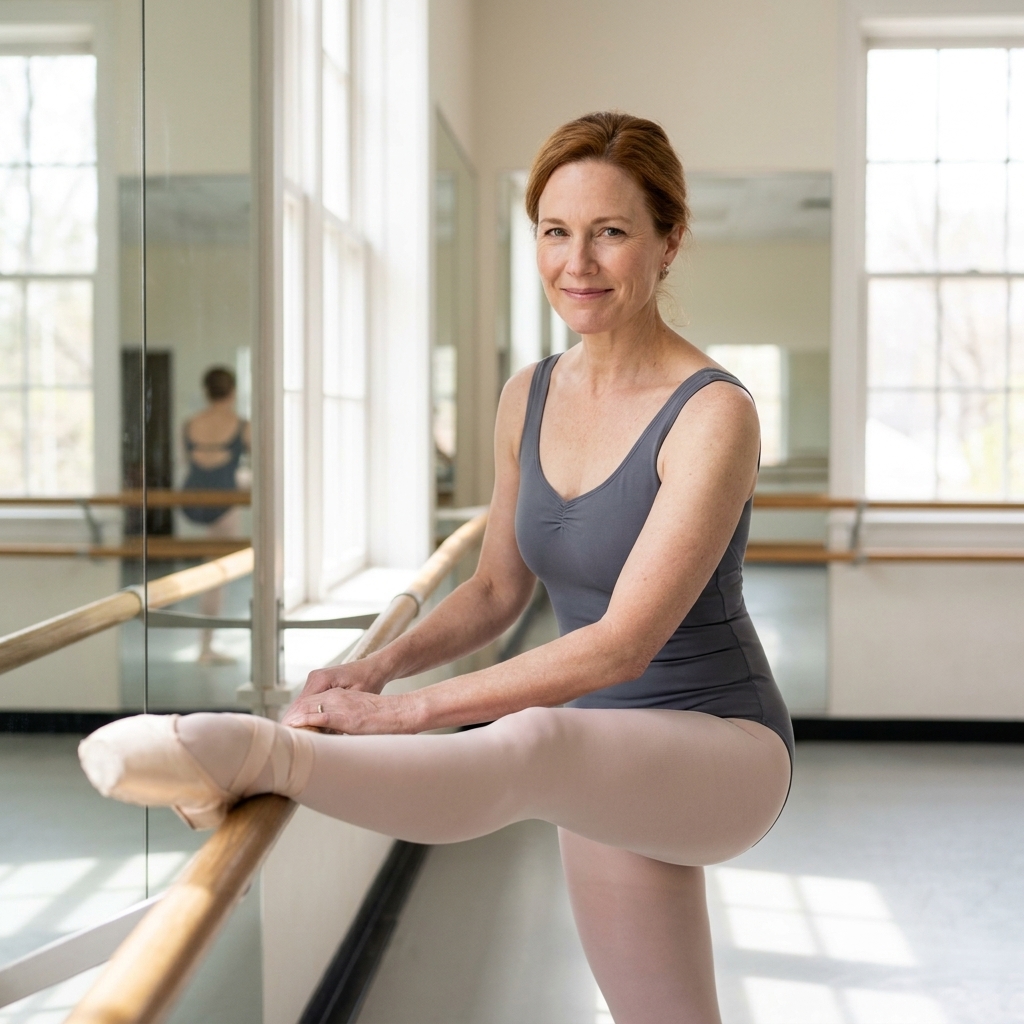
Classical ballet: codified beauty
Classical ballet grew out of European court culture and matured into a highly codified theatrical form. If you want a concrete landmark, Louis XIV’s Académie Royale de Danse helped formalize training and aesthetics that still echo today. Over centuries, ballet developed a shared vocabulary: turnout, five positions, a hierarchy of steps, and an ideal that prizes clarity, elevation, and line. Many full-length classics still carry a recognizable architecture: opening tableau, variations, pas de deux, coda, ensemble patterns that read from the balcony like living geometry.
Contemporary dance: a conversation with modern life
Contemporary dance is a broad umbrella, and it inherits multiple lineages. Its roots run through modern dance rebellions and postmodern experimentation, from innovators like Martha Graham and Merce Cunningham to the Judson Dance Theater’s insistence that ordinary movement could be art. Contemporary choreography can pull from ballet, jazz, hip hop, social dance, martial arts, pedestrian gesture, and improvisation. It can be abstract or narrative, intimate or confrontational, pristine or raw. The point is not to reject technique. It is to choose technique in service of a specific idea, feeling, or physical truth.
A quick note on labels
People often use these terms interchangeably, so here is the simplest map: modern dance is a set of 20th-century techniques and aesthetics that broke from ballet; contemporary dance is a later, wider field that absorbs modern, ballet, and everything else; neoclassical ballet keeps ballet’s grammar but streamlines it (Balanchine is the usual shorthand); contemporary ballet is ballet-rooted work that borrows contemporary texture, floor pathways, and ideas. The borders are porous, and that is part of the fun.
Choreography: rules vs. tools
Ballet choreography: vertical and legible
In classical ballet, choreography typically emphasizes verticality. The body reaches up and out. Weight looks lifted, even when it is working very hard. You will often see:
- Symmetry and formal spacing, especially in corps work where patterns lock together like clockwork.
- Clear phrasing that aligns with musical structure, with steps resolving on obvious beats.
- Showcase architecture: solo variations that spotlight virtuosity and pas de deux that frame partnership roles.
- Illusion as an aim: the work can look effortless because the form prizes the appearance of ease.
Even in story ballets, movement often communicates through recognizable signposts: the prince’s gallant batterie, the villain’s sharper attack, the heroine’s expansive ports de bras. It is a disciplined kind of storytelling, where meaning is carried through stylized form.
Contemporary choreography: weighted and surprising
Contemporary choreographers tend to treat “rules” as tools to pick up or put down. You might see ballet lines one moment and a sudden drop to the floor the next. Common choreographic traits include:
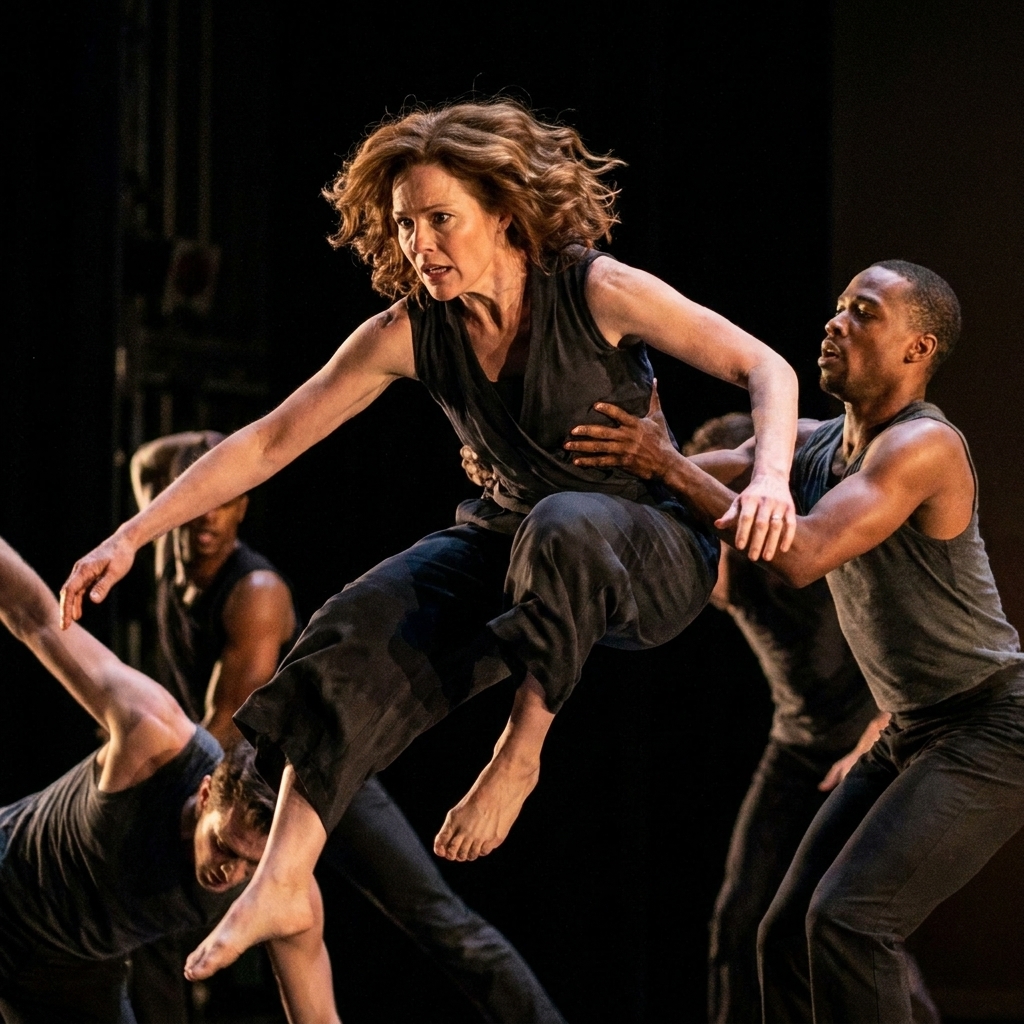
- Use of gravity: falling, surrendering weight, rebounding, spiraling down instead of always lifting up.
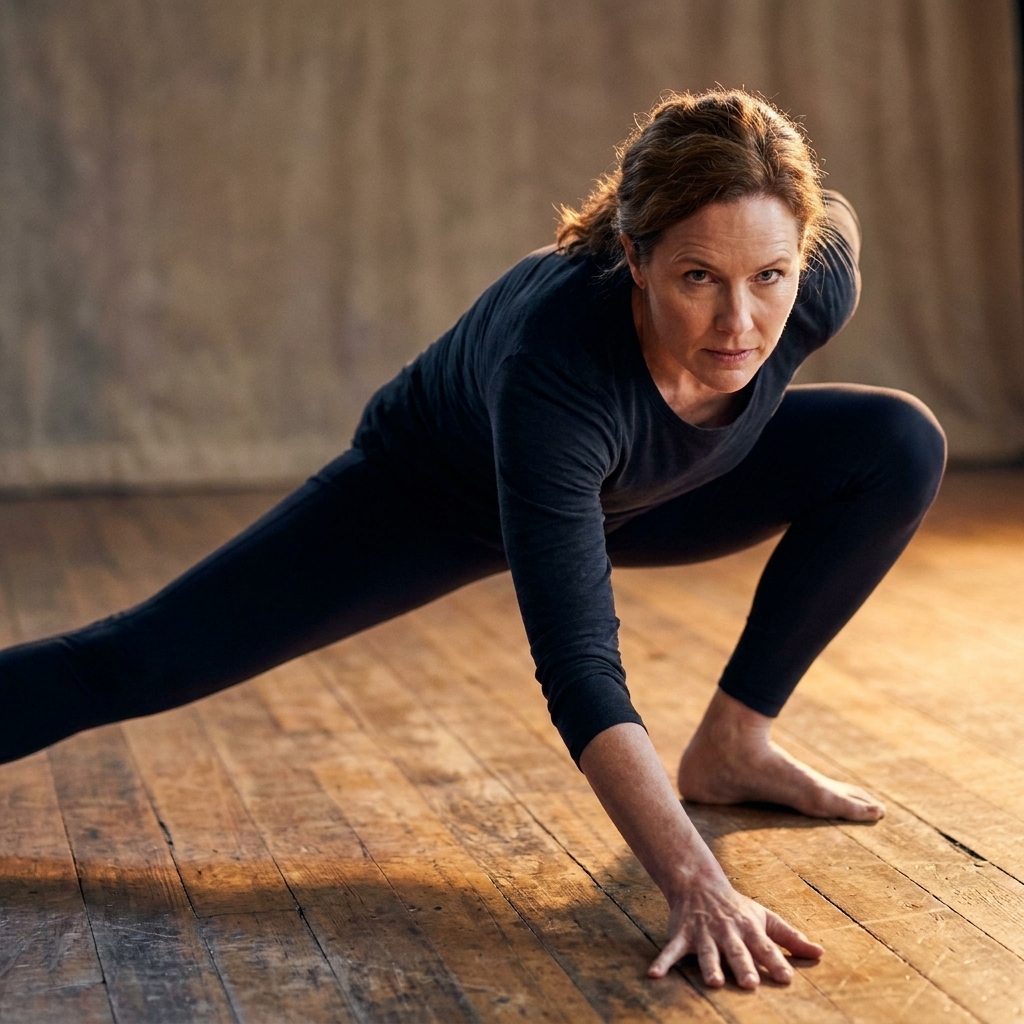
- Floor pathways: rolling, sliding, crawling, and using the ground as a partner rather than something to avoid.
- Off-axis shapes: tilted balances, skewed lines, asymmetry, and movement that looks like it is mid-thought.
- Gesture and task: walking, reaching, shaking out a hand, repeating an action until it becomes music.
- Improvisational DNA: even set phrases can retain the feeling of choice, as if the dancer is discovering it live.
Not all contemporary dance lives on the floor, and not all ballet avoids weight. Still, contemporary choreography often asks the audience to feel alongside the dancer rather than decode a pre-agreed symbol. The sentence might be unfinished on purpose. That is not sloppiness. It is an aesthetic of human immediacy.
Technique: what training favors
Ballet technique: turnout, line, control
Ballet training is famously rigorous because it is trying to create specific visual outcomes: turnout from the hips, clean footwork, stable placement, and a sense of length through the limbs. Choreography is built with those priorities in mind. A choreographer can assume that a dancer knows how to articulate the foot, land quietly, present a line to the audience, and turn with a centered axis.
This is why classical choreography can look rigid to new viewers. It is not emotionless. It is disciplined. The emotion is filtered through form, the way opera sends heartbreak through breath and vowel.
Contemporary technique: release, grounding, versatility
Contemporary dancers still train with intensity, but the physical goals can be different: freedom in the spine, articulate weight shifts, breath-driven phrasing, quick changes of texture, and safe, efficient routes into and out of the floor. Many contemporary companies value dancers who can move between techniques seamlessly, because a phrase may ask for balletic precision in one moment and a loose-limbed, athletic scramble in the next.
Where ballet often minimizes visible effort, contemporary work may invite you to see effort as part of the point. Exertion can be dramaturgy.
Music: counting and conversation
Ballet: often in close dialogue with the score
Classical ballet is historically intertwined with music written for dance, but it also has a long tradition of repurposing existing scores. Choreography frequently maps onto musical structure: phrases, cadences, tempo changes. The audience can hear the choreography because steps land with musical clarity. Even when ballet is set to symphonic work or contemporary music, it often retains that tight compositional relationship.
Contemporary: sometimes with the beat, sometimes against it
Contemporary choreography might follow music, cut across it, or ignore it entirely. You may get movement set against ambient sound, spoken text, or silence. Sometimes music becomes atmosphere rather than metronome. The result can feel cinematic, like editing choices rather than a waltz you can count in your head.
Silence is especially revealing. Without a score to carry it, choreography has to generate rhythm through breath, footsteps, and group timing. When it works, it feels like watching thought become motion.
Space: front-facing and beyond
Ballet: presentational geometry
Much classical ballet choreography is designed for a front-facing proscenium, with a sense of presentation built into the math: diagonals, centered pas de deux, corps formations that bloom outward. There are exceptions, including works that play with orientation or alternative staging, but the tradition is deeply shaped by the picture-frame stage.
Contemporary: multi-directional staging
Contemporary work often treats the stage like an environment rather than a picture frame. Choreography might turn dancers away from the audience, use corners and shadows, or cluster action at the edges instead of center stage. Some works are made for nontraditional spaces, where choreography adapts to architecture and proximity. The question shifts from “How do we present?” to “Where are we, together, right now?”
Story: archetypes and fragments
Ballet narratives: clarity and type
Story ballets tend to trade in archetypes and big, readable stakes: love, betrayal, enchantment, transformation. Choreography supports that by using formal partnering, recognizable mime, and musical motifs. Even abstract classical works can convey emotional tone through polished restraint, like a well-tailored suit that still breaks your heart.
Contemporary narratives: questions and subtext
Contemporary storytelling can be linear, but it is just as often fragmentary. Choreography may suggest memory, politics, grief, desire, joy, and community without assigning fixed characters. A duet might be lovers, siblings, strangers, or a person wrestling with themself. Repetition can function like a refrain or an obsession. A sudden stillness can be a plot twist.
In contemporary dance, ambiguity is not a failure to communicate. It is an invitation to participate.
Partnering: ideals and physics
Ballet partnering: elevation and tradition
Classical partnering has its own etiquette and engineering. It often emphasizes elevation, supported balances, and a division of labor that has traditionally aligned with gender roles, even as many artists and companies now expand and remix those norms. Choreography tends to frame the ballerina, create clean lines, and highlight virtuosity through supported turns and airborne moments.
Contemporary partnering: counterweight and negotiation
Contemporary partnering is frequently about shared physics: counterbalances, momentum, sliding contact, and weight exchange that looks more like two bodies solving a puzzle than one person presenting another. Roles can be fluid. Any dancer may lift, be lifted, resist, collapse, or redirect. Choreography here often makes the act of trust visible, which can be deeply moving all by itself.
A quick practical note: the flashiest partnering and the deepest floorwork are not “natural,” they are trained. The safest contemporary work is usually the most technically informed, even when it looks casual.
Design: tradition and concept
Costuming is not choreography, but it shapes how choreography reads. In ballet, tutus, tights, and slippers highlight line and footwork, and they connect to tradition. In contemporary dance, costumes might be everyday clothes, minimalist neutrals, or conceptual designs that become part of the movement’s meaning. Bare feet change the sound and the weight. A long skirt can create its own choreographic trails. A suit jacket can turn a shoulder roll into a social commentary.
How to watch
When you watch classical ballet, look for
- Line and placement: how the dancer organizes the body in space.
- Musicality: how steps land in relationship to the score.
- Clarity: clean beginnings and endings of phrases.
- Ensemble precision: the corps as one instrument.
When you watch contemporary dance, look for
- Texture: sharp, soft, trembling, suspended, heavy, elastic.
- Weight: where gravity enters the choreography and how dancers negotiate it.
- Choices: moments that feel discovered rather than declared.
- Relationships: between dancers, between movement and space, between sound and silence.
If ballet can feel like reading a classic novel with exquisite sentences, contemporary dance can feel like a journal entry written in the heat of the moment. Both can be masterful. They are just aiming at different kinds of truth.
Where they meet
One of my favorite things about watching dance right now is how porous the borders have become. Many contemporary choreographers build on balletic technique, and many ballet companies commission work that incorporates contemporary floor pathways, off-axis phrases, and gesture. Neoclassical ballet is the bridge neighborhood: still fluent in ballet’s vocabulary, but willing to loosen the tie and rearrange the furniture.
If you want a few anchors for your mental map, you could think Petipa as classical architecture, Balanchine as neoclassical speed and music, and someone like William Forsythe as a stress test of ballet’s geometry. On the contemporary side, Graham and Cunningham sit high in the family tree, while artists like Pina Bausch, Ohad Naharin, and Akram Khan show how wide the contemporary world can get in tone, structure, and physicality.
So if you came here hoping for a tidy verdict, I will gently refuse. Classical ballet and contemporary dance are not enemies. They are different choreographic philosophies, each capable of making the body look impossible in its own way.
FAQ
Is contemporary dance easier than ballet?
No. It is different. Ballet asks for highly specific alignment, turnout, and control that take years to build. Contemporary dance often asks for versatility, extreme stamina, floor proficiency, and fast shifts in texture and intention. Both are technically demanding, just in different directions.
Can contemporary dancers go on pointe?
Sometimes. Some contemporary works use pointe shoes, especially when choreographers want the heightened, otherworldly look that pointe creates, or when they are in dialogue with ballet tradition. Many contemporary pieces stay flat to emphasize grounding and weight.
Why does contemporary dance include so much floorwork?
The floor expands the choreographic world. It changes levels, momentum, and intimacy, and it lets gravity become a visible collaborator. Floorwork can read as vulnerability, play, struggle, or simply a different kind of virtuosity. And not every contemporary piece centers it, even if it is a common feature.
What should I see if I love ballet but want to try contemporary?
Start with work that keeps a strong sense of musicality and line, or with a ballet company performing a contemporary commission. It can feel like stepping from one room into the next rather than jumping buildings.