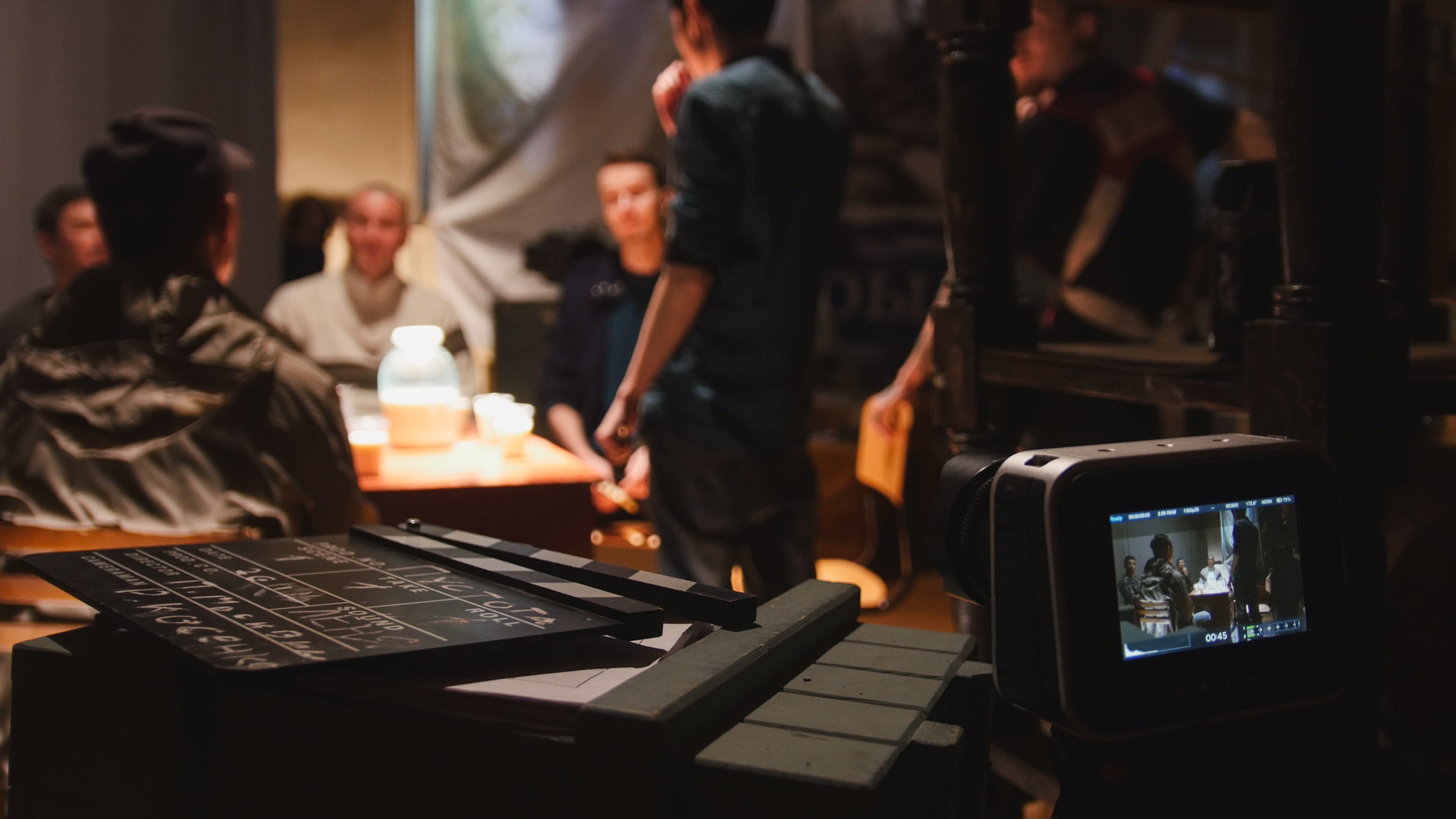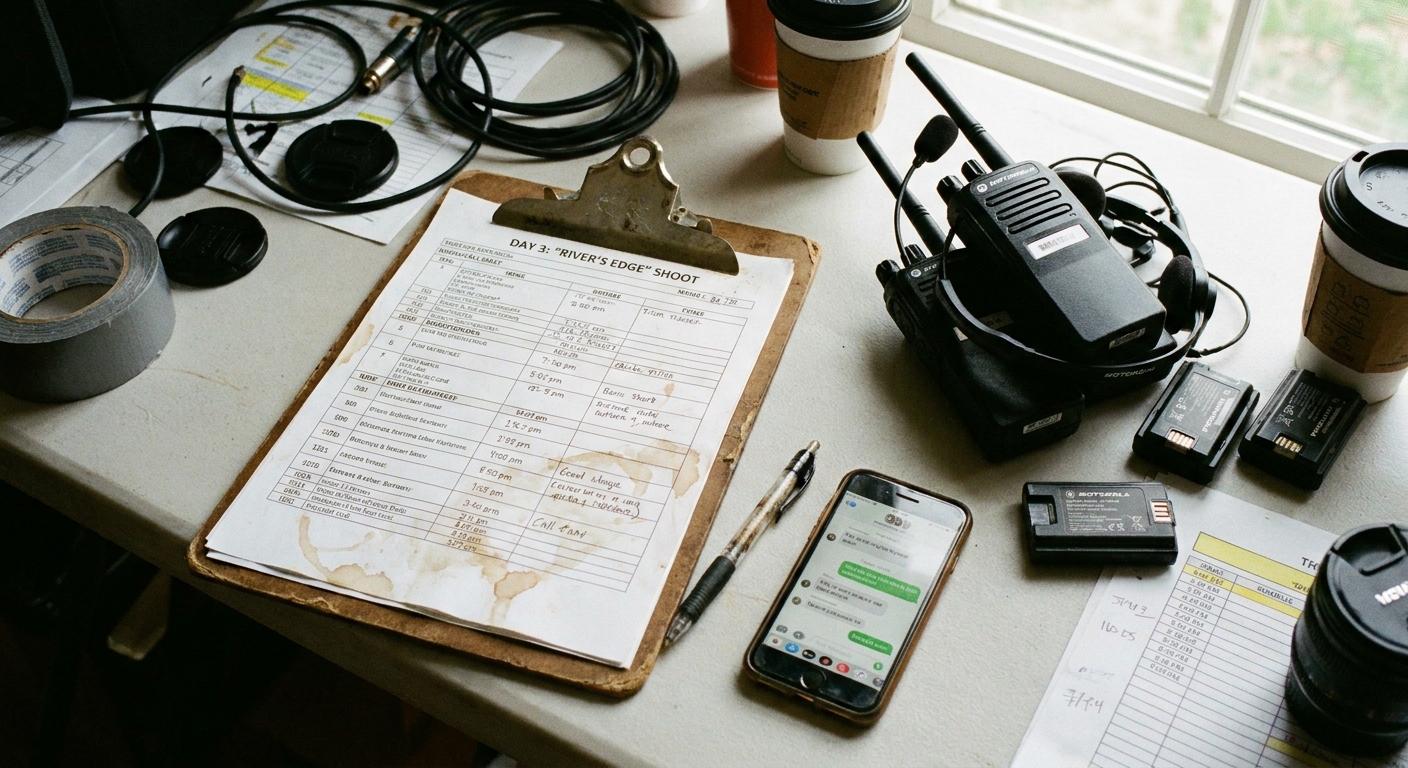
I have a soft spot for the job titles nobody glamorizes, the ones that keep the day from tipping into chaos. If you have ever watched a film set from the edges, you have probably seen the set production assistants first. They are the people with the walkies, the clipboards, the calm voices, and the uncanny ability to appear exactly where a problem is about to happen.
A “set PA” is an entry-level crew position, but it is not a “small” job. Set PAs do the essential on-the-ground tasks for the assistant director department, helping the set run safely, on time, and with as few distractions as possible for cast and key crew.
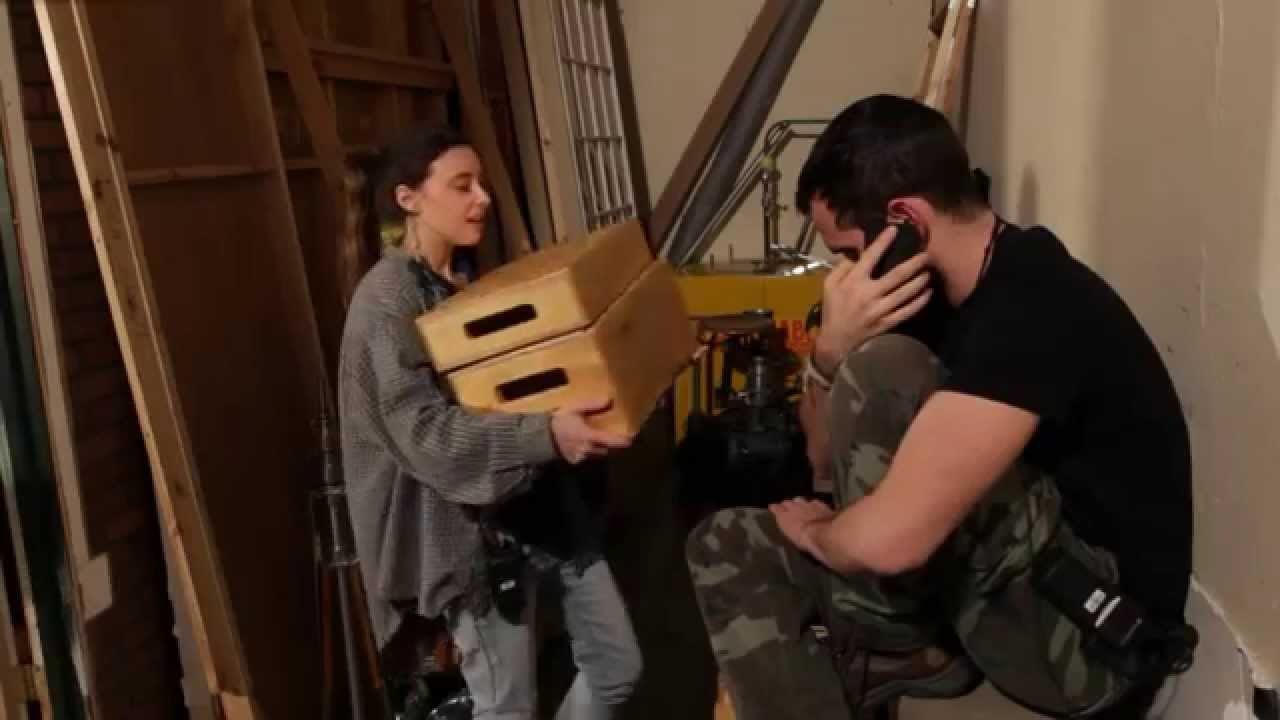
What is a set PA?
A set production assistant, often called a set PA, supports the assistant directors (ADs) with the practical, minute-by-minute work of running the floor. This can mean everything from controlling pedestrian traffic during takes to distributing paperwork to relaying messages over the radio to making sure the right people are in the right place at the right time.
Set PAs are typically assigned to the set itself, not an office, and their day is built around whatever the AD team needs to keep shooting moving. On some productions you will hear “PA” used broadly, but “set PA” specifically points to a PA working under the AD department on set.
Core duties
The exact list changes with each production, but most set PA work falls into a few dependable buckets.
Lockups and safety
If you have heard someone call out “Lock it up!” that call often comes from the AD team as they control the area so sound and picture are clean and the set is safe. Set PAs are frequently the ones physically holding a lockup point.
- Holding pedestrians and keeping the background consistent during takes
- Protecting the set perimeter so curious onlookers do not wander into a shot or a camera move
- Assisting with vehicle lockups only when it is explicitly authorized by the production’s permit plan and supervised by the proper personnel (often locations, police, or professional traffic control)
- Watching for hazards like loose cables, slippery surfaces, or a crowded doorway that needs a clear path
This is not about barking at people. The best set PAs are polite, clear, and steady, and they understand that public space and private production have to coexist respectfully.
Walkie communication
Set PAs are the connective tissue of communication. They monitor specific radio channels and relay information to and from the ADs, crew, and sometimes background holding.
- Relaying requests without clogging the channel
- Repeating critical calls so everyone hears them
- Finding people quickly when the AD asks for a specific department head or performer
Radio etiquette matters. A set PA who stays calm on the walkie helps everyone stay calm in real life. The classics you will hear, and eventually use, are simple: “Copy,” “Stand by,” and “Go for [name].” If a message is long or sensitive, you may be told to take it to a secondary channel, or to deliver it in person.
Paperwork and distribution
Film sets run on paperwork, even in the most digital-friendly era.
- Handing out call sheets or last-minute revisions
- Distributing sides (script pages for the day) to departments
- Posting schedules in approved areas: basecamp, holding, crafty, near set entrances
- Collecting signatures or turning in forms as directed by the AD team
On union shows, some of this is handled by specific roles, but set PAs are still commonly used for distribution and coordination.
Managing people flow
One of the most invisible arts on set is traffic control. Not car traffic, human traffic.
- Keeping hallways clear for camera moves or company moves
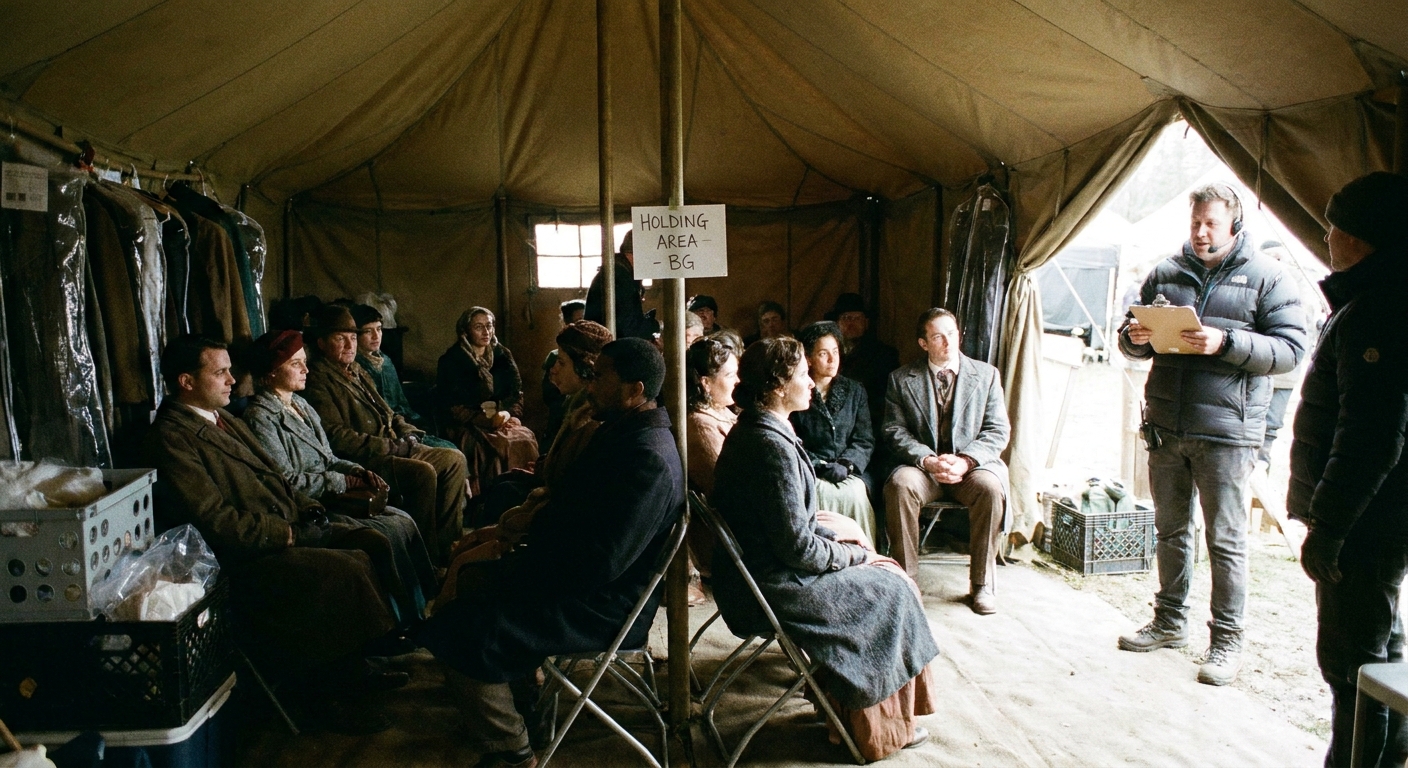
- Directing background performers to holding, set, or wardrobe checks when the AD team requests it
- Guiding day players and visitors where they need to go without interrupting work
A set PA is often the first person a newcomer meets. That makes them both a logistics role and, in a small way, part of the production’s culture.
Runs and quick fixes
Yes, PAs do runs. No, it is not automatically glamorous. But runs are rarely random. They are usually a targeted fix to keep shooting from stalling.
- Picking up office supplies, batteries, or expendables
- Fetching water, umbrellas, or heaters for a sudden weather shift
- Delivering drives, paperwork, or forgotten items between basecamp and set
A good run is fast, accurate, and communicated. The AD team needs to know where you are and when you will be back.
Who set PAs report to
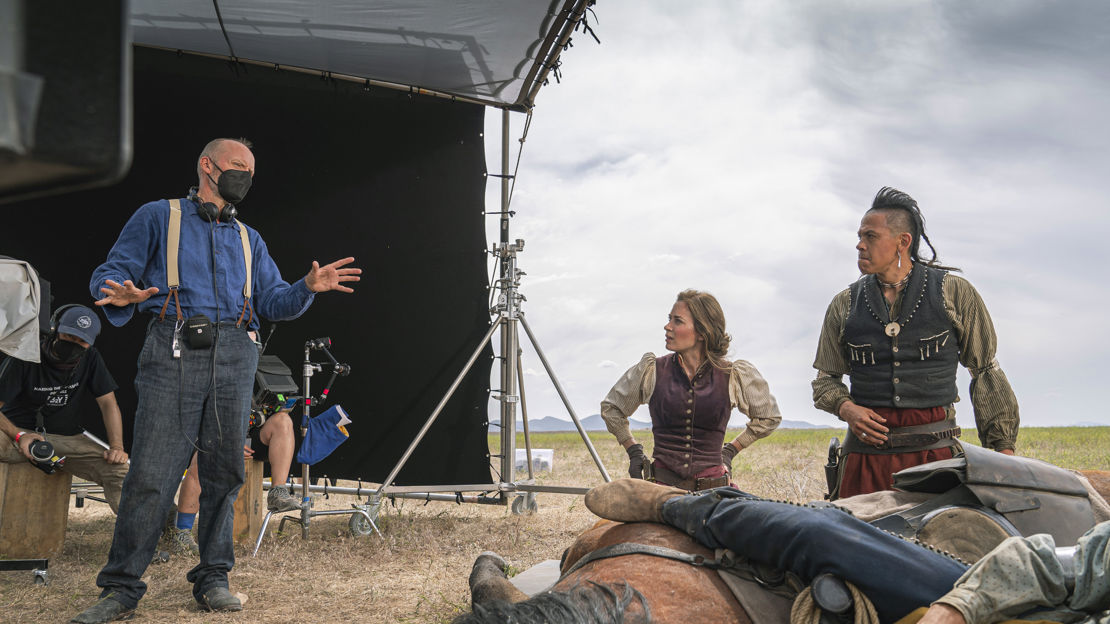
Set PAs generally work under the assistant director department, which can include the 1st AD, 2nd AD, and 2nd 2nd AD, depending on the size of the show. Day to day, a set PA will usually take tasks from whichever AD is managing the floor in that moment.
This matters because it clarifies priorities. If multiple people ask you for things at once, the AD team’s instructions are often time-sensitive and tied to keeping the set moving safely.
Set PA vs 2nd AD vs background
If you are a background performer, or brand new to set life, these titles can blur together. They should not. Each role has a different lane, even if the exact job titles vary a bit by market and production.
Set PA
- Primary focus: on-set logistics, lockups, communication, quick tasks
- Where you will see them: near set entrances, at lockup points, moving between departments
- What they can usually help with: directions, timing questions, “Where do I go?” problems, relaying a message to the AD team
2nd AD
The 2nd AD is a management role, not an entry-level one. On many productions, the 2nd AD helps build and issue call sheets, coordinates talent movement, and manages information flow between production, cast, and the set. They are part of the leadership structure that keeps the day organized.
- Primary focus: scheduling and coordination, paperwork at a higher level, talent logistics
- Where you will see them: near set but often bouncing between basecamp, set, and production needs
- When you approach them: only when directed, or when something urgent cannot be solved through the proper channels
Background team
Some productions have a dedicated background coordinator. Some do not, and the day-of background operation is handled by the AD team (often the 2nd 2nd AD) and background PAs. In other places, “background” may be handled through casting with an on-set point person. The label changes, but the job is the same: keeping the background machine organized.
- Primary focus: background performers, background paperwork and organization, coordination with wardrobe and the AD team
- Where you will see them: at background check-in, holding areas, coordinating moves to set
- What to ask them: “Am I cleared to work today?”, “Where do I check in?”, “Who handles vouchers?”, “What time am I wrapped?”
In short: set PA helps run the set moment to moment, 2nd AD helps run the day and talent logistics, and the background team keeps background organized from check-in to wrap.
If you are background
Background work can feel like a maze, especially on your first day. Here is a practical rule of thumb that respects the chain of command and saves you time.
Ask a set PA for directions
- Where is holding, wardrobe, or set?
- Which entrance should I use?
- Is the set locked up right now?
- Who should I check in with?
Ask the background team about your logistics
- Check-in procedures and paperwork
- Vouchers, timekeeping, and wrap questions
- Special abilities or fittings you were told to bring up
- Confirming your grouping if there is confusion
Ask the AD team only when needed
ADs are managing safety and the schedule. If your issue is urgent and time-sensitive, a set PA may direct you to the correct AD. Otherwise, start with background staff or the nearest set PA.
What makes a great set PA
Set PA is often the first rung on the ladder, but it is also a real apprenticeship in how sets function. The best set PAs I have met share a few qualities that are more about temperament than charisma.
- Situational awareness: They read the room and anticipate what will be needed next.
- Clear communication: They keep walkie messages short, accurate, and calm.
- Respect for every department: They do not treat anyone as “less than,” including background.
- Discretion: They do not leak info or talk loosely about what they see and hear.
- Endurance: Long hours, changing weather, and constant movement are part of the deal.
Most importantly, a great set PA understands the point of the job: protect the creative work by protecting the process.
A set PA day
Every shoot has its own rhythm, but a typical day might look like this.
- Call time: check in with the AD team, get walkie and assignments, learn the day’s locations
- Pre-shoot: help post signage, set up lockup points, confirm holding routes
- Shooting: lockups, radio relays, guiding departments, keeping pathways clear
- Company move: helping people and gear flow to the new spot, controlling access as directed
- Wrap: returning gear, reporting any incidents, helping reset for the next day if needed
You will notice what is missing: sitting still. Set PAs are moving for most of the day.
FAQ
Is a set PA the same as a production assistant?
“Production assistant” is the umbrella term. A set PA is a production assistant assigned to the set and typically working under the AD department. Other PAs may work in the production office, with locations, or in other support roles.
Do set PAs tell actors what to do?
Set PAs do not direct performances. They may relay instructions from the AD team and help with timing and movement logistics, like getting someone to set or keeping a pathway clear. Performance direction comes from the director, while ADs handle on-set operations and help keep actor movement organized for the schedule and safety.
Are set PAs in charge of background?
Not in a managerial sense. Background performers are usually managed through the AD team and the background team. A set PA may help move background from holding to set and maintain order during lockups, but background coordination is its own lane.
What should I not ask a set PA?
Avoid asking them to override decisions made by the AD team, wardrobe, or background staff. If you have a pay issue, a wardrobe concern, or a question about being booked, a set PA can point you to the right person, but they usually cannot fix those issues themselves.
Why do set PAs care so much about lockups?
Because a lockup protects time and safety. A noisy hallway can ruin a take. A person walking into a camera move can get hurt. Lockups are one of the most direct ways a set PA helps protect everyone’s work and well-being.
Does the job change by show type?
Yes. The basics are consistent, but the details can shift based on scale and structure. Union and non-union shows may divide duties differently. A studio feature might have more specialized support, while a smaller indie might ask a set PA to cover more ground. The throughline is the same: support the AD team and keep the set functioning.
The takeaway
A set PA is the entry-level job that teaches you how the machine actually runs. You are keeping pathways clear, messages clean, paperwork moving, and the public world from colliding with the fictional one the crew is building. It is not flashy, but it is foundational.
And if you are background, knowing the difference between a set PA, a 2nd AD, and the background team is one of the fastest ways to feel less lost on your next call time. Film sets have a language. Set PAs are often the first people who help you learn it.