I learned the phrase “house seats” the way a lot of theater people do: not from a ticketing FAQ, but from a hushed conversation in a lobby. A friend pointed to a cluster of prime orchestra spots that had stayed mysteriously unsold all week, then filled at curtain with unfamiliar faces who looked thrilled and slightly stunned to be there. “House,” she whispered, like it was both a secret and a system.
It is a system. And once you know what house seats are, a lot of ticket-map weirdness suddenly makes sense, like a “sold out” date that still shows scattered grayed-out seats you cannot touch.
House seats, defined
House seats are tickets a production holds back under the control of the “house,” meaning the show itself and its stakeholders, not the general public. They are typically reserved for:
- Company and creatives (cast, crew, musicians, designers, producers) and their guests
- VIPs (investors, donors, partners, potential backers)
- Press (critics, reviewers, industry writers, photographers)
- Special guests (celebrity supporters, visiting artists, union or industry guests)
These holds often include some of the best locations in the house because they need to be reliable for important nights: opening, invited dress rehearsals, early review periods, and the kind of evening where someone essential is deciding whether to champion the show. But not every hold is a “best seat” hold. Some are kept for practical, last-minute needs.
Why they are not on the map
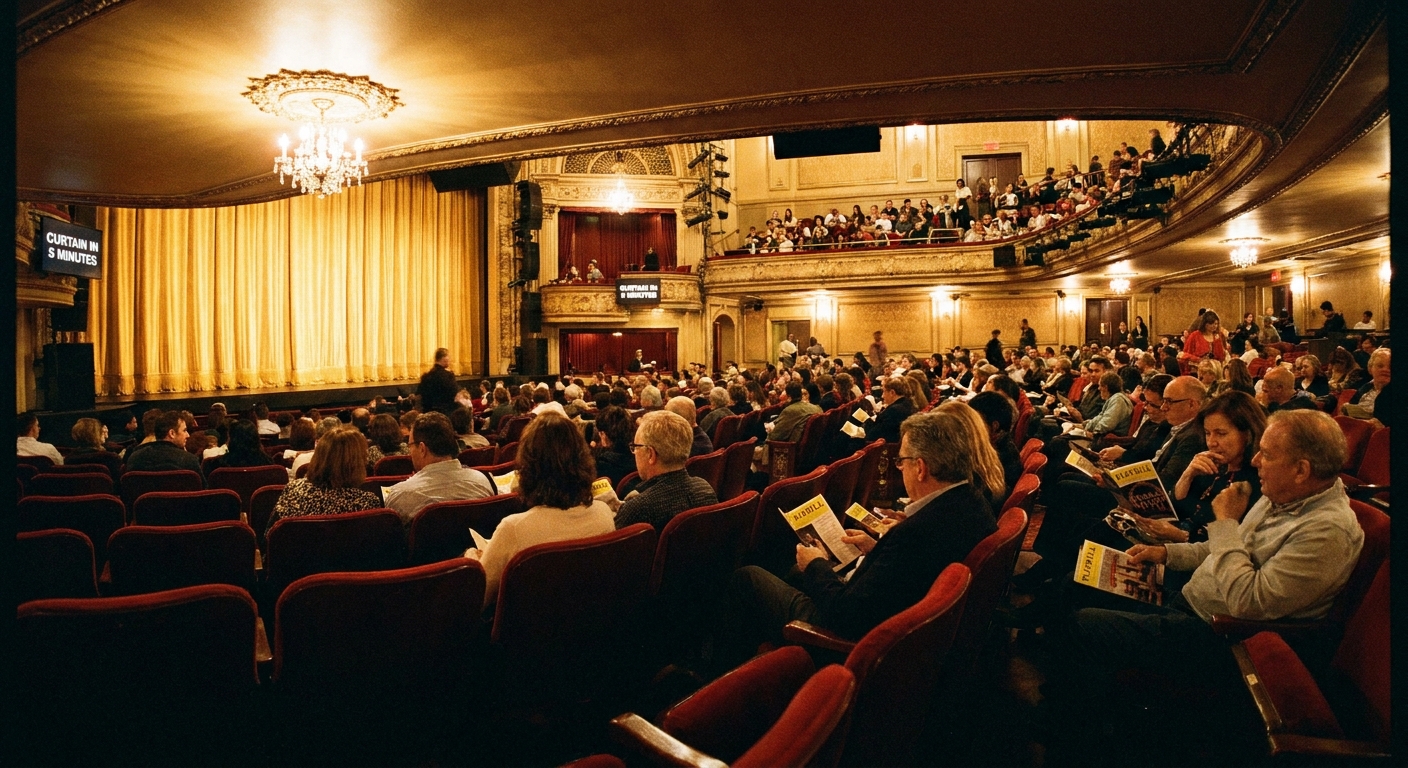
If you have ever stared at a seating chart and thought, “How is it sold out when I can literally see empty dots on the map?” house seats are one of the big reasons.
Depending on the ticketing platform and the production’s preferences, held seats might:
- Not appear at all on the public seat map
- Appear as unavailable (grayed out or blocked)
- Show up only in certain price levels or only through specific seller channels
This is not necessarily shady. It is inventory management. Productions keep a cushion because theater is a living machine: press needs change, VIPs confirm late, accessibility accommodations may require seat swaps, and technical setups can affect what is usable.
How they are used
Press and coverage
Many productions set aside seats for critics and reporters during the early life of a run, whether through a designated press performance or through individual arrangements. That includes not just reviewers, but photographers and publicity teams who need clean sightlines.
Company needs
In a long-running show, company members come and go, families visit, understudies make debuts, and mentors stop by. House seats let a production take care of its own people without scrambling at the last minute.
VIP relationships
Commercial theater especially runs on relationships. Inviting the right guest at the right time can lead to investments, touring opportunities, awards-season momentum, or future collaborations. Sometimes it is as simple as a producer hosting a potential tour presenter or an industry ally who can open doors later. Seats are part of that language.
When unused seats get released
The good news for ticket buyers is that house seats are not always used. When they are not needed, they often get released back into public inventory. The timing varies by venue and show, but common patterns include:
- In the days leading up to a performance, once guest lists firm up
- The day of the show, after production, press, and VIP needs are confirmed
- Very close to curtain, especially for weeknight performances or slower-selling dates
If you have ever refreshed a ticketing page and watched excellent seats suddenly pop up, you may have caught a house release.
Are they always great seats?
Often they are excellent. But “house seat” describes who controls the ticket, not a guarantee of perfection.
Some house holds are prime center orchestra. Others exist for practical reasons and may be:
- On the aisle for late seating logistics
- Near a camera or tech position on nights with photography, filming, or equipment
- In areas that can become unusable depending on staging, sightlines, lighting, or last-minute installations
- Split across the theater to accommodate different groups
Also worth knowing: some seats are not held to be released at all. They are “kills,” meaning they are intentionally not sold because something will block the view or the space is needed for gear or operations. From the audience, a kill can look exactly like a mysterious empty seat.
How to spot a release
Ticketing systems usually do not label seats “HOUSE” for the public, but you can spot patterns. These are common signs you are looking at released holds:
- A small cluster of excellent seats appears suddenly after days of no movement
- Single seats open up in high-demand sections close to showtime
- Inventory appears in waves rather than steadily
It is also normal for those seats to be priced at premium levels, especially for Broadway and major tours.
Do they cost more?
They can, but not because they are house seats. Pricing is usually tied to:
- Location (center vs side, orchestra vs mezzanine)
- Demand (weekend vs weekday, holiday weeks, cast changes)
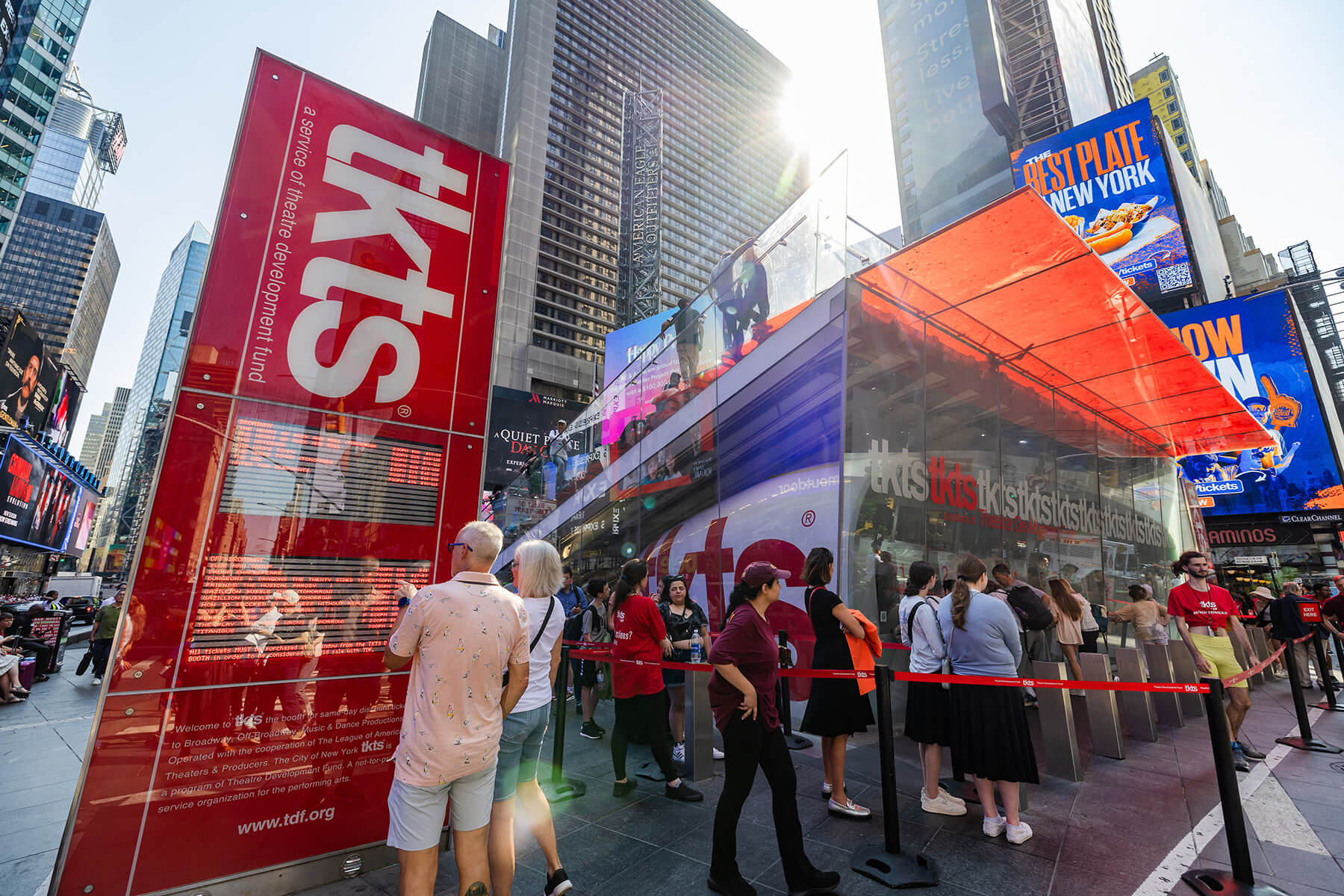
- Seller channel (primary box office vs resale)
If a batch of released holds happens to be in the best part of the orchestra, they will likely be among the priciest seats in the theater. That is about the market, not a special “house seat” surcharge.
House vs comps vs rush
- House seats: Inventory held back by the production for company, guests, and press, sometimes released later for sale.
- Comps: Complimentary tickets, which can be issued from house inventory or other allocations. Not all house seats are comps, and not all comps come from the same bucket.
- Rush/lottery/standing room: Public-facing discount programs run by the box office or production. These are separate from house holds, though a show might choose to feed last-minute releases into a discount channel.
A quick tour nuance
If you are seeing a touring production, the “house” controlling holds might not be the same entity as on Broadway. Depending on the deal, blocks can be held by the presenter, promoter, or venue, not just the producing company. The effect for you is similar: seats can look unavailable until they get released, sometimes very late.
How to improve your odds
If you are hoping to catch a release, the most realistic approach is simple persistence, not magic:
- Check back the day before and the day of, especially in the morning and late afternoon
- Look at the primary seller first (official box office channel) before assuming resale is your only option
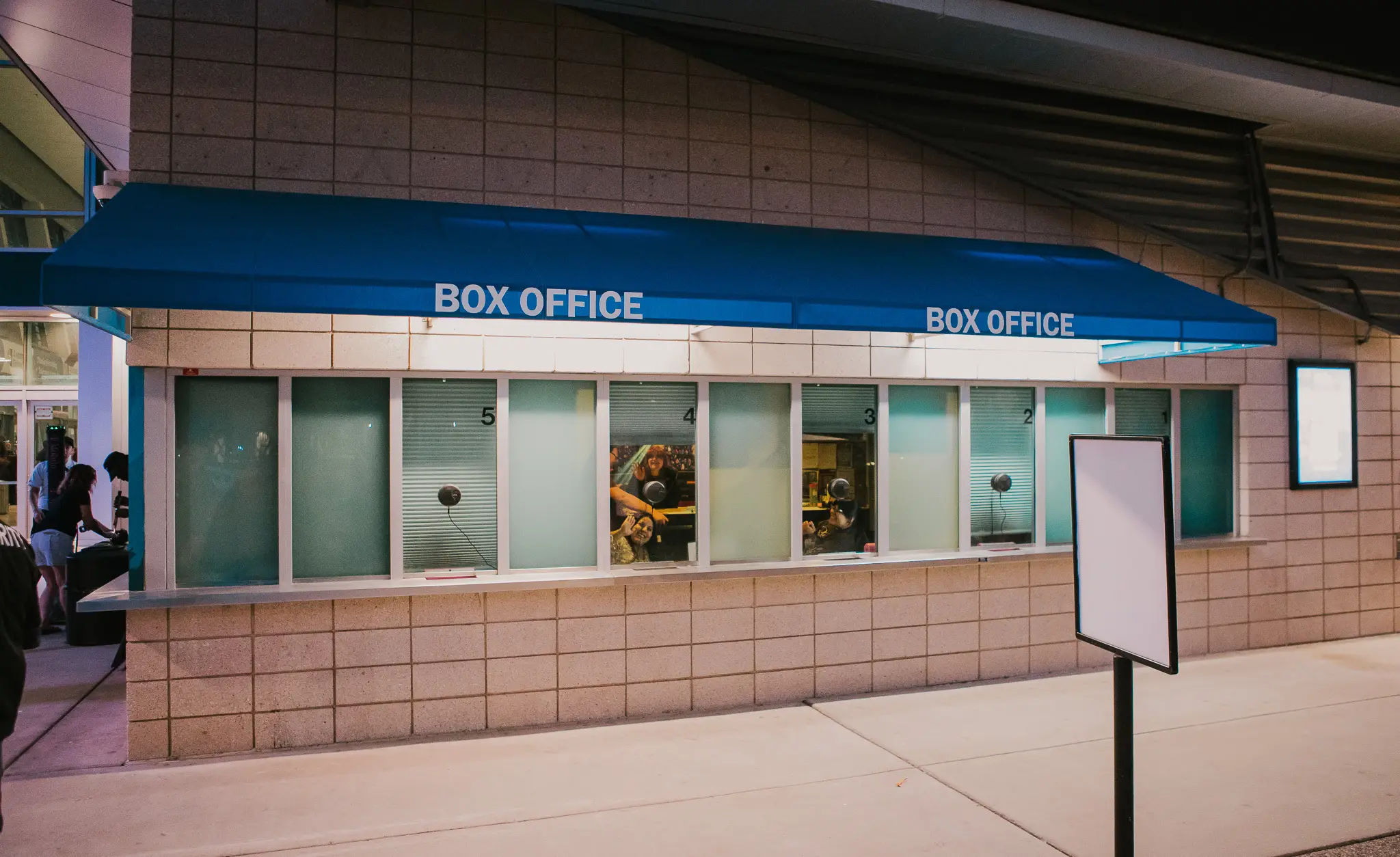
- Call or visit the box office and ask what is currently available, even if the website looks frozen
No guarantees, but if a hold is going to drop, that is usually the window where it happens.
FAQ
Can I ask the box office for house seats?
You can always ask what is available, but box office staff generally cannot sell seats that are still on hold. In some cases, they can request a release from house management, and if it is approved, those seats become regular inventory.
Do celebrities sit in house seats?
Sometimes, yes. High-profile guests are often hosted by producers, the theater, or the production team, and house-held inventory makes that possible.
Are house seats why a show looks sold out but still has empties?
They can be one reason. Other causes include late-arriving patrons, no-shows, accessibility holds, group blocks that did not fully use their allotment, and killed seats that are not meant to be sold.
What is “house right” and “house left”?
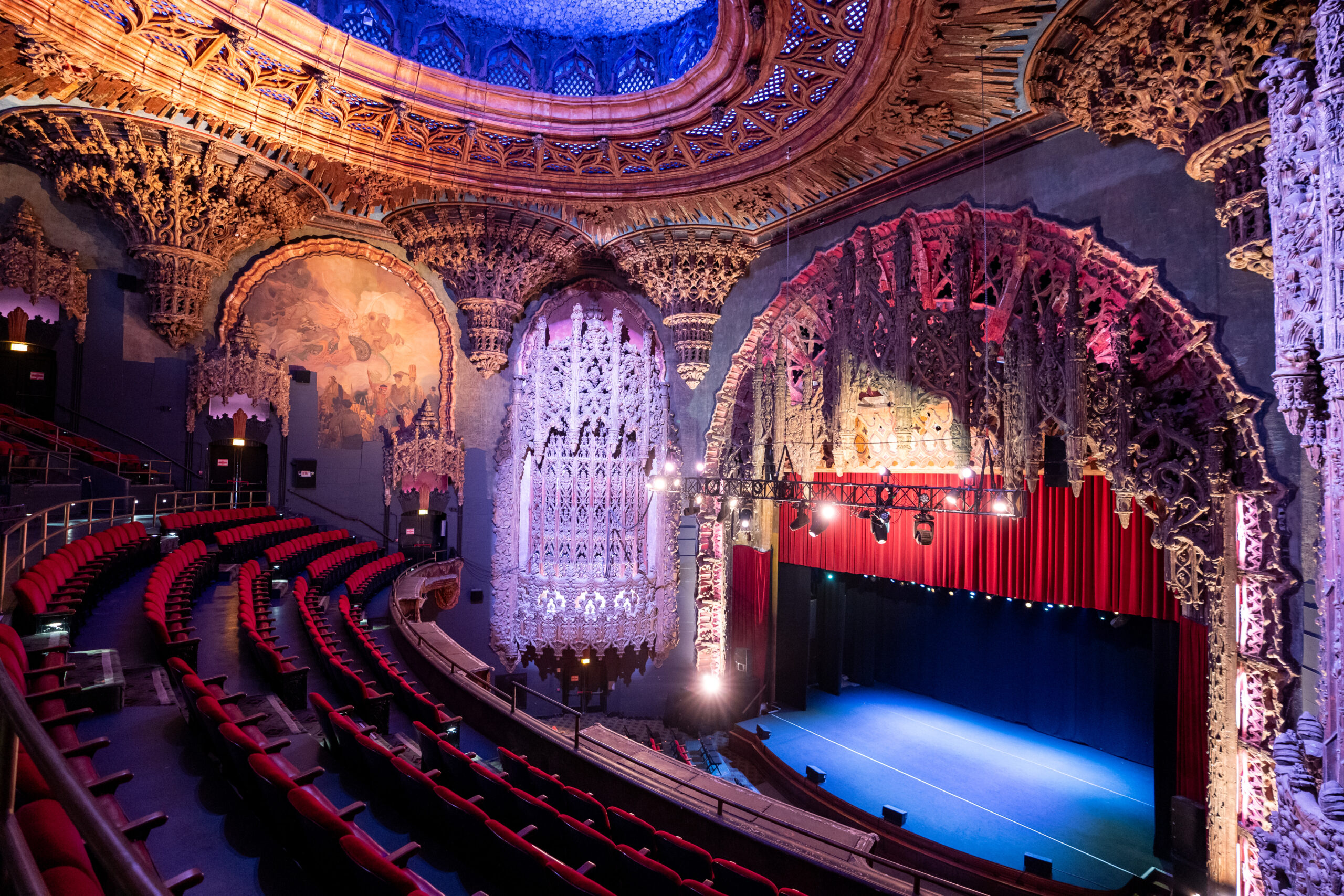
That is different. “House right” and “house left” are directional terms from the audience’s perspective facing the stage. House seats are a ticketing allocation.
The takeaway
A house seat is not a special class of ticket you are missing out on. It is simply production-held inventory kept in reserve for the people who make the night happen and the guests who help a show thrive. If those seats go unused, they often re-enter the market late, sometimes in a satisfying little burst of suddenly-available orchestra magic.
And if you do snag one of those last-minute gems, enjoy it. Theater runs on craft, community, and a little bit of logistical wizardry. House seats are part of the spell.