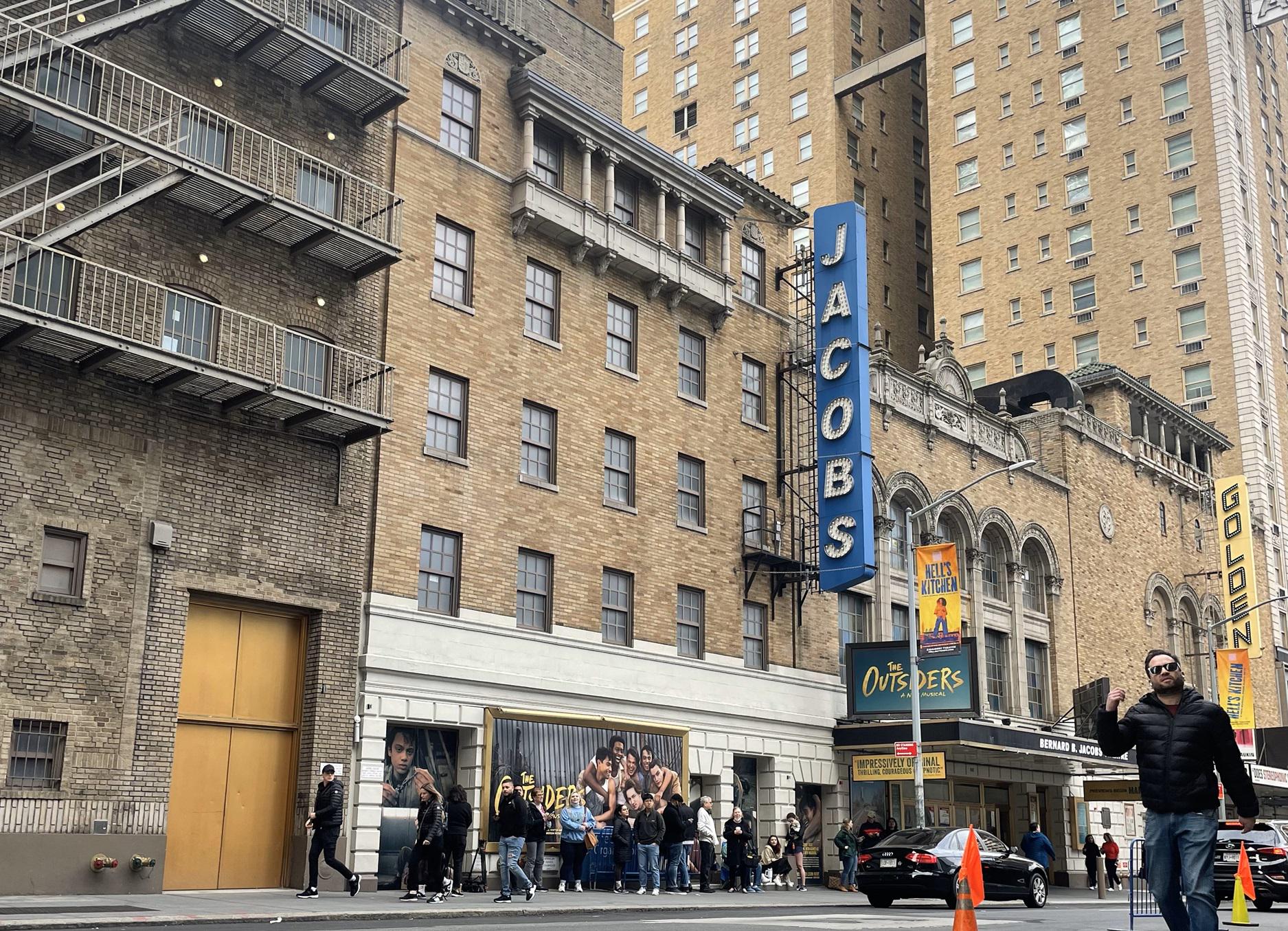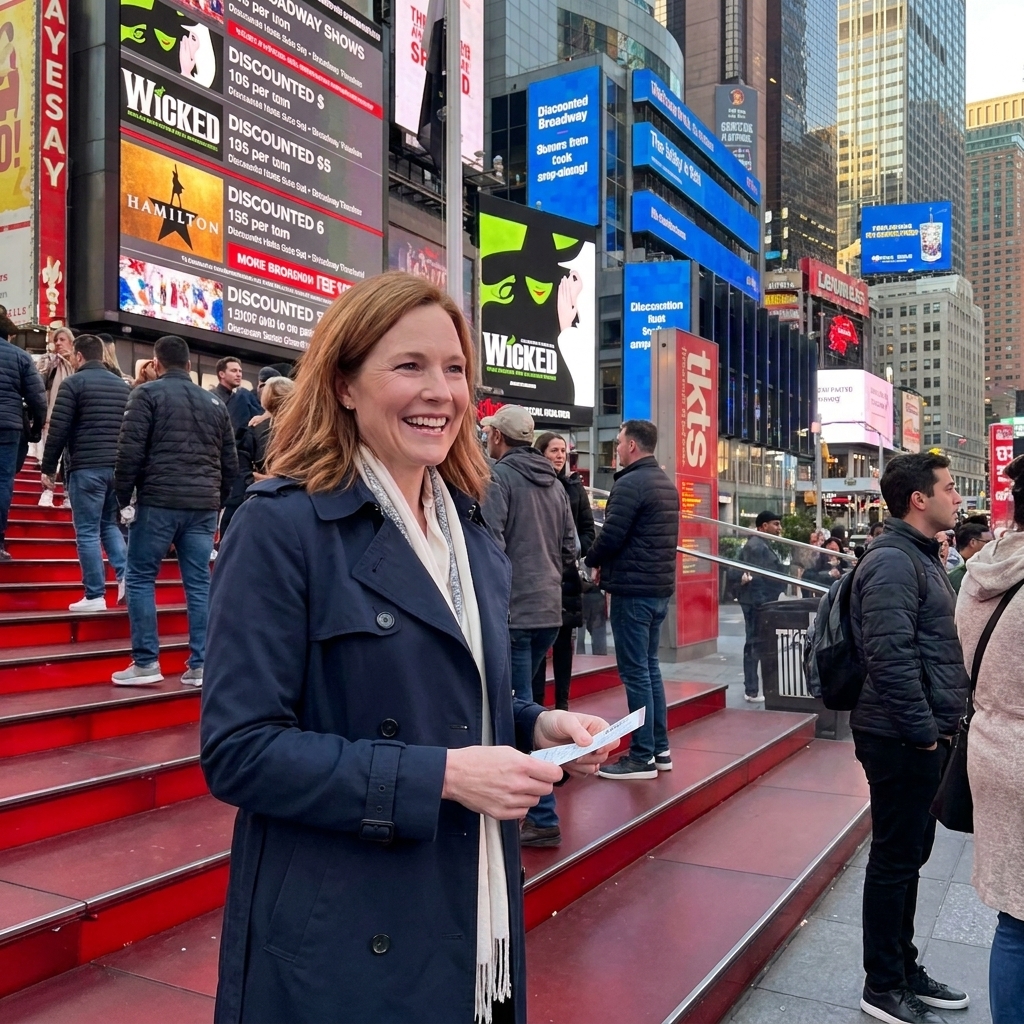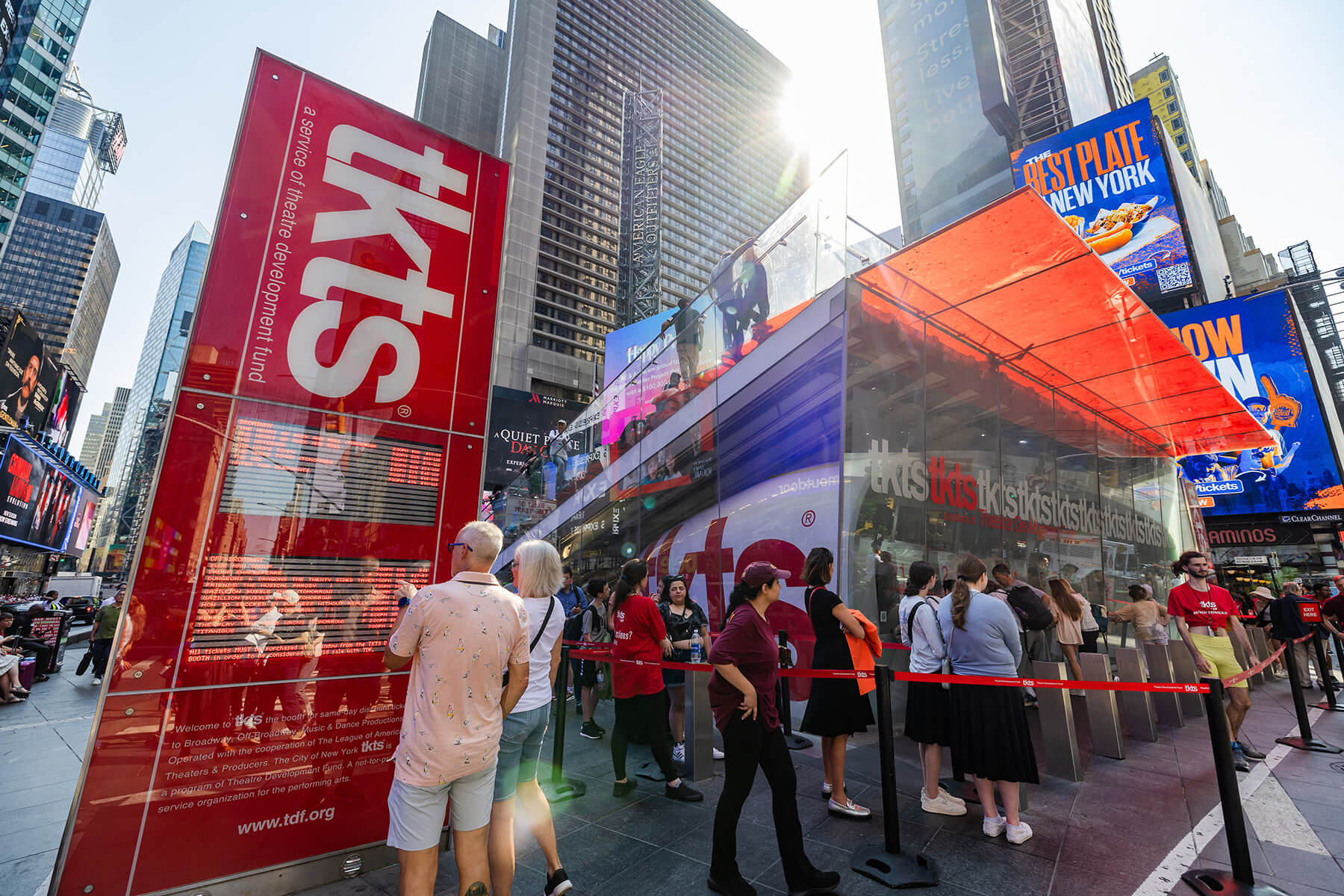
The first time I noticed a ticket price “blink,” I was standing in a Broadway box office line with a coffee going cold in my hand. Same show, same date, same section. The number on the screen was not the number my friend had texted me an hour earlier. It felt personal, like the seating chart had a mood. It was not a mood. It was dynamic pricing.
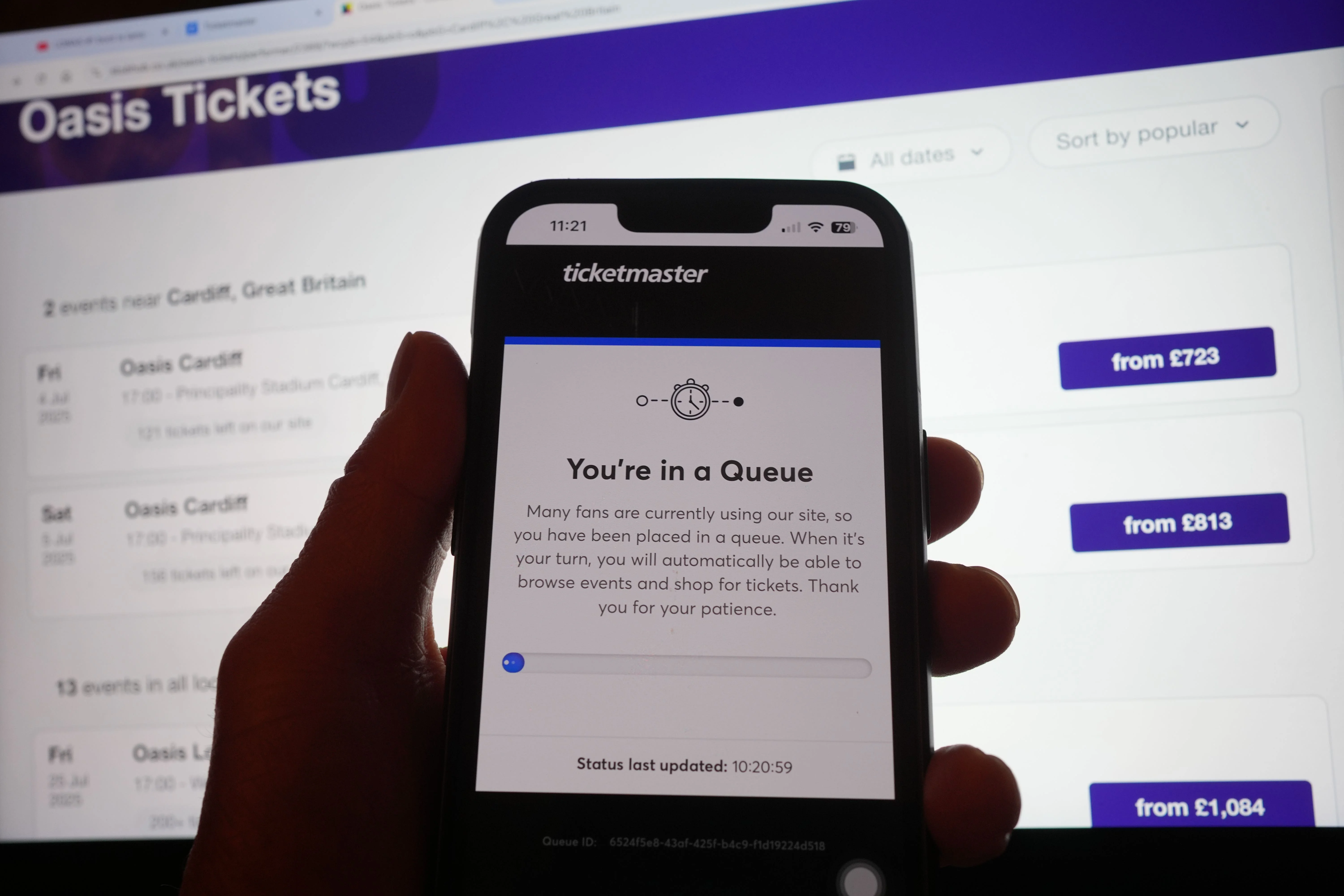
Dynamic pricing is one of those behind-the-curtain systems that can make smart, prepared buyers feel briefly haunted. Once you know the mechanics, the shifts start to look less like trickery and more like a mix of demand math, inventory management, and occasionally, a blunt instrument.
Dynamic pricing, in plain language
Dynamic pricing means the ticket price can change over time based on real-time demand signals, even before the event happens and even for seats that are not resale. When more people want a certain show, date, or section, the price can rise. When demand cools, the price can soften.
This is most common in primary ticketing, meaning you are buying from the venue, presenter, artist, or their official ticketing partner. It is different from resale, where prices change because individual sellers decide what to charge.
Think of it like a thermostat for inventory. The system aims to price tickets closer to what the market will bear, rather than keeping one fixed number printed on an imaginary paper stub.
Why the same seat changes price
On an interactive map, it is easy to assume each seat has one “correct” price. In reality, many events use pricing that can adjust as conditions change. Here are the most common reasons a seat you saw earlier is suddenly more or less expensive.
- Demand surges: A great review drops, a song goes viral, an awards nomination lands, the cast announcement hits, or a tour stop becomes the hot ticket in town.
- Inventory shifts: When cheaper seats sell out in a section, the remaining inventory may be re-priced upward, especially for high-demand dates.
- Day-of-week and calendar effects: Weekend performances and peak travel weekends often pull higher demand than a Tuesday night.
- Seat “buckets” change: Many venues group seats into price levels. Depending on the event and platform, seats can be moved into new price buckets when sales patterns change or when a promoter adjusts tiers. A seat can be physically identical to its neighbor and still land in a different tier.
- Promoter adjustments: Sometimes humans step in. If early sales are slow, prices may be lowered or new price tiers opened. If sales are roaring, the opposite can happen.
The practical takeaway is this: you did not misread the map earlier. The system likely changed the price in the meantime.
How “face value” can move
Traditionally, face value meant the fixed base price set by the producer or promoter, the number printed on the ticket before taxes and fees. Dynamic pricing complicates that old certainty.
With demand-based pricing, the event can have a face value range rather than one immutable number. Some sellers use terms like “market-based” or “demand-based” pricing, but the practical result is the same: the official primary price you pay for a seat can rise or fall leading up to the performance. People still call it “face value” because it is the primary, authorized price, even if it floats.
This is why you might hear someone say, “I paid face value,” and someone else replies, “That is not face value, it is double.” Both may have purchased officially. They just bought at different moments in the demand curve.
Dynamic pricing vs fees vs VIP
One reason dynamic pricing feels confusing is that it often shows up alongside other costs. These three categories are separate, and it helps to keep them mentally untangled.
Demand pricing (the ticket price itself)
This is the price assigned to the seat at that moment. It can change as demand changes. It is part of the ticket’s base cost on the primary market.
Service fees (checkout costs)
Service fees are the extra charges added by the ticketing platform and sometimes the venue. These can include processing, facility, delivery, and other fees. They may vary by delivery method, and in some cases by jurisdiction or platform rules. They are not the same thing as demand pricing. A seat can rise in base price even if fees stay constant, and fees can increase your total even when the seat price does not budge.
One quick anchor: a map might show $120, then checkout shows $152 after fees and taxes. Another day that same seat might show $145 on the map, and checkout climbs from there.
VIP add-ons (bundles and experiences)
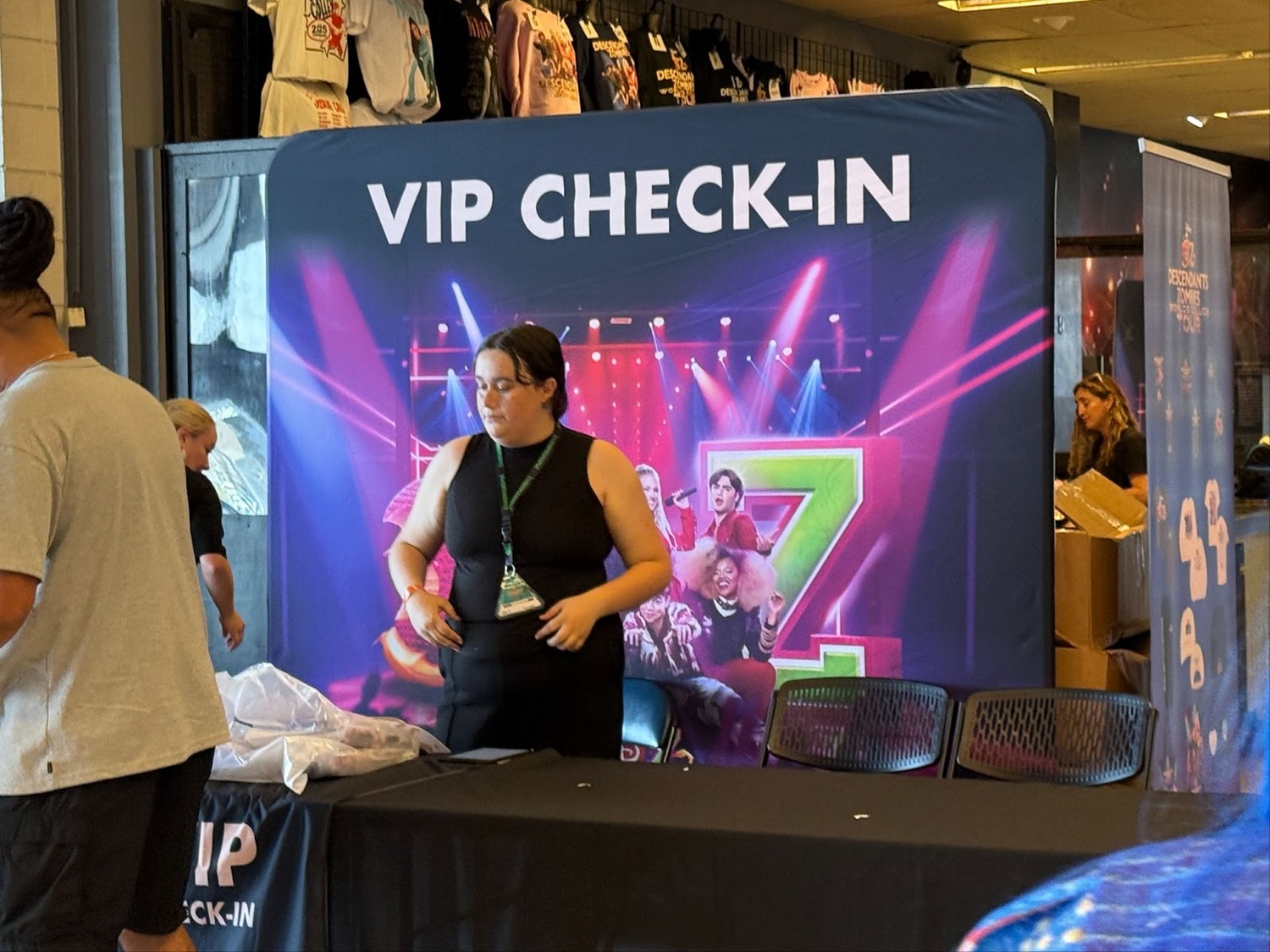
VIP is usually a package that includes perks beyond the seat itself: early entry, lounge access, meet-and-greet opportunities, merchandise, dedicated entrances, or hospitality. VIP packages can be fixed-price or also subject to changing demand, depending on how the event is set up. Either way, VIP is not “fees,” and it is not the same as the seat simply getting more expensive.
What to check when prices change
If you return to a seating map and the numbers look different from your earlier visit, do a quick reality check before you panic-buy or rage-close the tab.
- Confirm you are looking at the same performance: It is remarkably easy to click the wrong date or showtime, especially with multiple nights listed.
- Look for a toggle that changes pricing view: Some sites let you display prices “with fees” or “without fees.” If you flipped that setting, the map may look more expensive even if the base price did not change.
- Check if you are in “resale” mode: Many platforms show resale tickets alongside standard tickets. If you accidentally filter into resale, prices can jump dramatically because sellers set their own numbers.
- Notice section color changes: Some maps use colors to indicate price tiers. A section that shifted colors may have moved into a different tier.
- Click through to the final breakdown: The map number is often the base ticket price. The cart page shows the full total with fees. If you are comparing visits, compare apples to apples: base to base, or total to total.
- Watch for holds and timers: Some sites place a short hold on seats while you check out. If that timer expires, the seats can go back into inventory and the price you saw may not be available anymore. In other words, the price is not truly yours until you complete purchase.
If everything matches and the seat is still pricier, that is likely a genuine dynamic pricing shift.
Is dynamic pricing surge pricing?
In everyday conversation, people often use “surge pricing” as a catch-all for any price increase. In ticketing, “dynamic pricing” is the broader concept: prices can move up or down based on demand. In practice, buyers tend to notice the “up” more than the “down,” so the system gets nicknamed accordingly.
Also worth noting: some events use dynamic pricing only for certain areas, premium sections, or specific dates. Others use it more widely. The experience depends heavily on the event’s policies.
How to buy smart
I am not going to pretend there is one perfect rule for everyone, because the right move depends on your tolerance for risk, your schedule flexibility, and how badly you want that specific night.
- If you must sit in a specific section: Treat it like limited inventory. If the price is within your budget, buying earlier can protect you from later increases.
- If you are flexible on date and location: Monitor a few performances. Sometimes a Wednesday looks kinder than a Saturday even in the same week.
- If you are watching a price jump: Take a breath and verify filters, fees view, and resale settings first. Then decide whether you believe demand will keep climbing.
- If you are waiting for a dip: It happens, but it is not guaranteed. For very high-demand events, prices may mostly trend upward and true dips can be rare or brief. If you are comfortable waiting, you may benefit, but there is always the risk the seats you want disappear.
The most useful mindset is to set your own ceiling before you start clicking. Dynamic pricing can capture willingness to pay in the moment, especially when urgency is high. A budget limit is your best stage manager.
Quick FAQ
Can two people pay different prices for the same section?
Yes. They may buy at different times, or one may buy standard tickets while the other buys resale or a VIP package. Even within the same section, different rows can be in different price tiers.
Does refreshing the page raise the price?
Refreshing alone is usually not the direct cause. Prices typically change when the system updates based on overall demand and inventory. That said, prices are not always guaranteed until checkout, and some sites update quickly or release seats after a short hold window. That can make a refresh feel like the trigger.
Why does the map show one price, but checkout shows another?
The map often shows the base ticket price. Checkout adds service fees and applicable taxes. Some platforms also offer an “all-in pricing” view that includes fees upfront.
Is dynamic pricing legal?
In many places it is permitted, though rules vary by jurisdiction and by the type of venue or ticket seller. Disclosures and consumer protections can differ, especially around fee transparency and resale.
How do I tell if a ticket is dynamically priced or resale?
Look for labels like “standard,” “official,” or “primary” versus “resale,” “verified resale,” or similar language. If the listing shows a seller or indicates the ticket is being resold, it is not a primary dynamically priced ticket.
The bottom line
Dynamic pricing is the reason a seat can cost $120 in the morning and $165 after lunch, without any reseller in sight. It is demand-sensitive pricing on the primary market, and it changes the meaning of “face value” from a fixed number to a moving target.
If a seating map looks different from your last visit, do a quick check for date, fees view, resale filters, and any cart timer that might have expired. Then decide with clear eyes: are you paying for the seat, or paying for the moment in the market?