Live comedy is one of the best bargains in entertainment, until it isn’t. The same show can swing wildly in price depending on when you buy, where you click, and whether you accidentally turn a simple night out into a buffet of add-ons and fees.
I love a packed room and a killer closer as much as anyone, but I also love leaving a venue thinking, “Great set,” not, “Wait, how did that cost that much?” Here’s how to catch stand-up at clubs, theaters, and local spaces without paying the panic price.

Start with the right show
“Comedy show” covers a lot of ground, and the money traps change depending on the room.
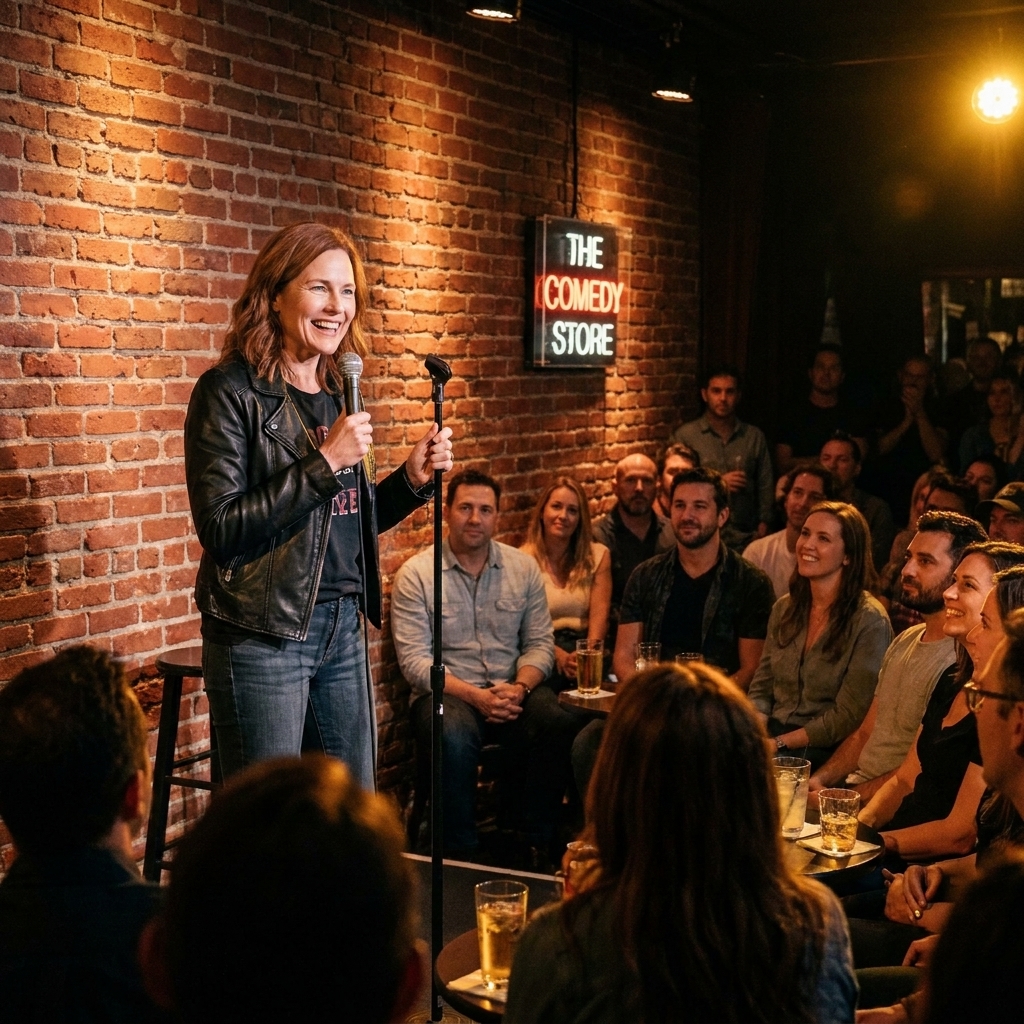
- Comedy clubs: Tickets are often lower than theaters, but many clubs have an item minimum (often two items, sometimes a one-item or dollar minimum), drink pricing that adds up fast, and occasional service charges.
- Theater headliners: Higher base prices, bigger fees, more aggressive resale markets, and wider seat-price tiers.
- Local venues and indie rooms: The sweet spot for value. Lower overhead means lower prices, and you are more likely to find pay-what-you-can, suggested donations, or bundles with other programming.
The best deal is usually the show that fits your night. If you want a full Friday blowout, a club might make sense. If you want “laugh for an hour and still make it to dinner,” a local room can be a minor miracle for your budget.
Timing matters
When buying early saves money
- Big-name theater dates: Prices tend to rise as the good sections sell out, and fees can increase as ticket prices climb (some are percentage-based, some are flat).
- Limited runs or one-night-only: Scarcity invites resellers and last-minute spikes.
- Holiday weekends: Demand is predictable, which means discounts are not.
When waiting can help
- Club shows with multiple sets: Early shows sell first, late shows sometimes stay available, and venues occasionally release last-minute promos or a small batch of seats to fill the room.
- Weeknight gigs: Tuesday and Wednesday lineups can be just as strong as Saturday, with less demand pressure.
- Local rooms: Promotions are often pushed in the final days if a lineup is great but the room is not full yet.
If you are flexible, aim for off-peak nights and later sets. If you are chasing a big headliner, buy when you see a price you can live with and then stop looking. Doom-refreshing only makes you vulnerable to resale temptation.
Tickets without the fee spiral
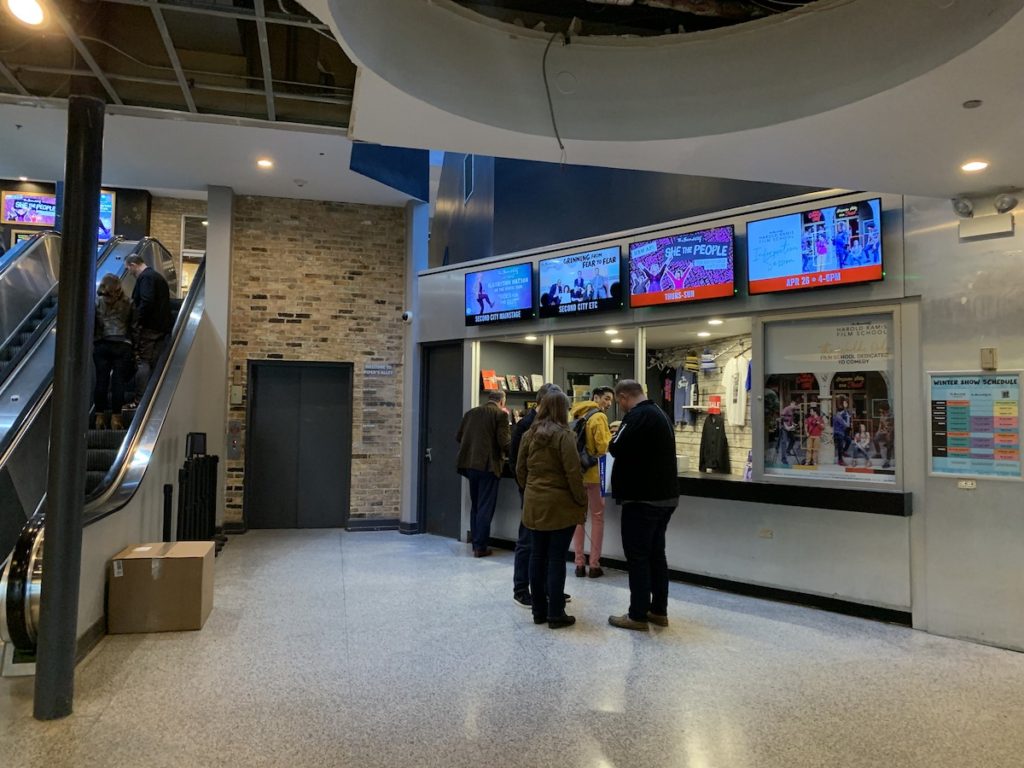
Start with the venue link
Before you click the first search result, go to the venue’s site and find the official ticketing link. Many clubs and theaters have one primary seller. Third-party listings can add markups, “delivery” charges, or inflated service fees. If a result is labeled “resale” or “tickets as low as,” slow down and double-check you are on the official page.
Real discount lanes to check
- Venue newsletters: Clubs regularly email promo codes for slower nights or new series.
- Artist presales: If you follow a comic’s mailing list or socials, presale codes can unlock better base prices before the best tiers disappear.
- Local publications and venue partners: Some rooms run periodic deals tied to neighborhood events or sponsor nights.
- Student, educator, or industry pricing: Not everywhere, but it shows up more often at arts centers, university presenters, and civic theaters than most people think.
Resale, but with guardrails
Resale is not automatically evil, but it is where budgets go to die. If you must use it, set a hard ceiling including fees, look for “verified” or platform-guaranteed tickets, and do not chase “better seats” unless you would have paid that price from the start.
One practical rule: if the resale ticket costs more than two great club nights in your city, pause and ask if you would enjoy those two nights more.
Club costs to watch
Comedy clubs are famous for the sneaky math. A “$20 ticket” can become a much bigger night if you are not paying attention.
Common club add-ons
- Item minimum: Often two drinks, or one drink and one food item, per person. Some places count non-alcoholic drinks, some use a dollar minimum, and some have no minimum at all.
- Automatic gratuity: Often added to checks in the showroom.
- Processing fees: Ticketing fees plus occasional “facility” charges.
- Prime-time pricing: Busy weekend shows sometimes come with higher minimums or premium seating rules.
What to do instead
- Check the event page and the venue FAQ: Minimums, age rules, and late-seating policies are usually listed, but not always on the same page.
- Budget the minimum like it is part of the ticket: Decide your all-in number upfront, not after you sit down and a server appears.
- Order strategically, not miserly: If you need two items anyway, choose something you actually want, and skip the impulse third and fourth.
- Arrive on time: Some rooms are first-come seating within your ticket type, and late seating can put you at worse tables.
Quick, very real example: $20 ticket + $6 to $12 in fees + a two-item minimum (say two $12 drinks) + tax and tip can land closer to $60 to $70 than you planned. Not every club is priced like this, but enough are that it is worth doing the math once, before you go.

Theater seats: be picky
Theater comedy can be incredible, especially when a comic is filming or building a special. It is also where people overpay fastest, because seat maps look like a candy store.
Where value lives
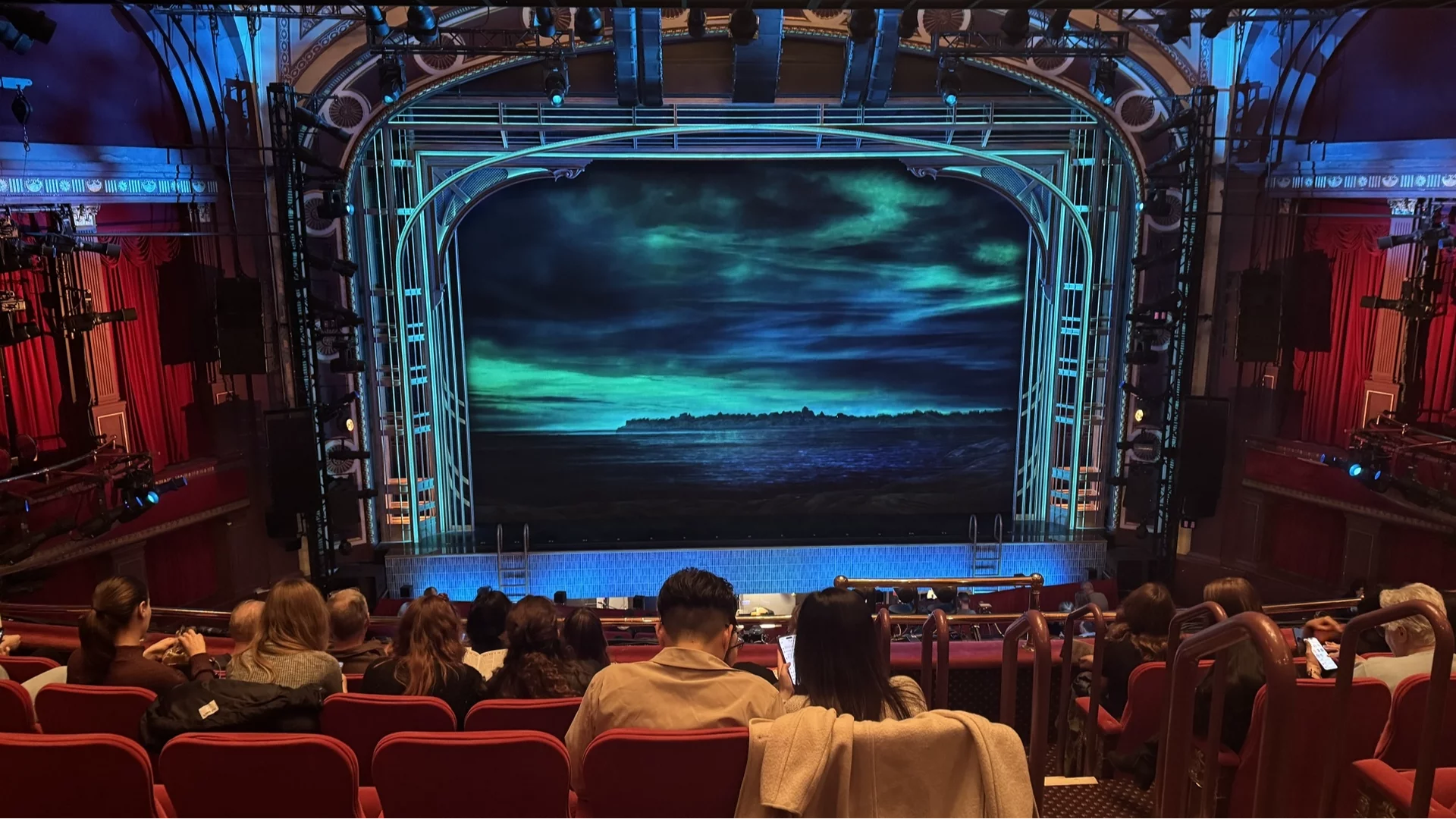
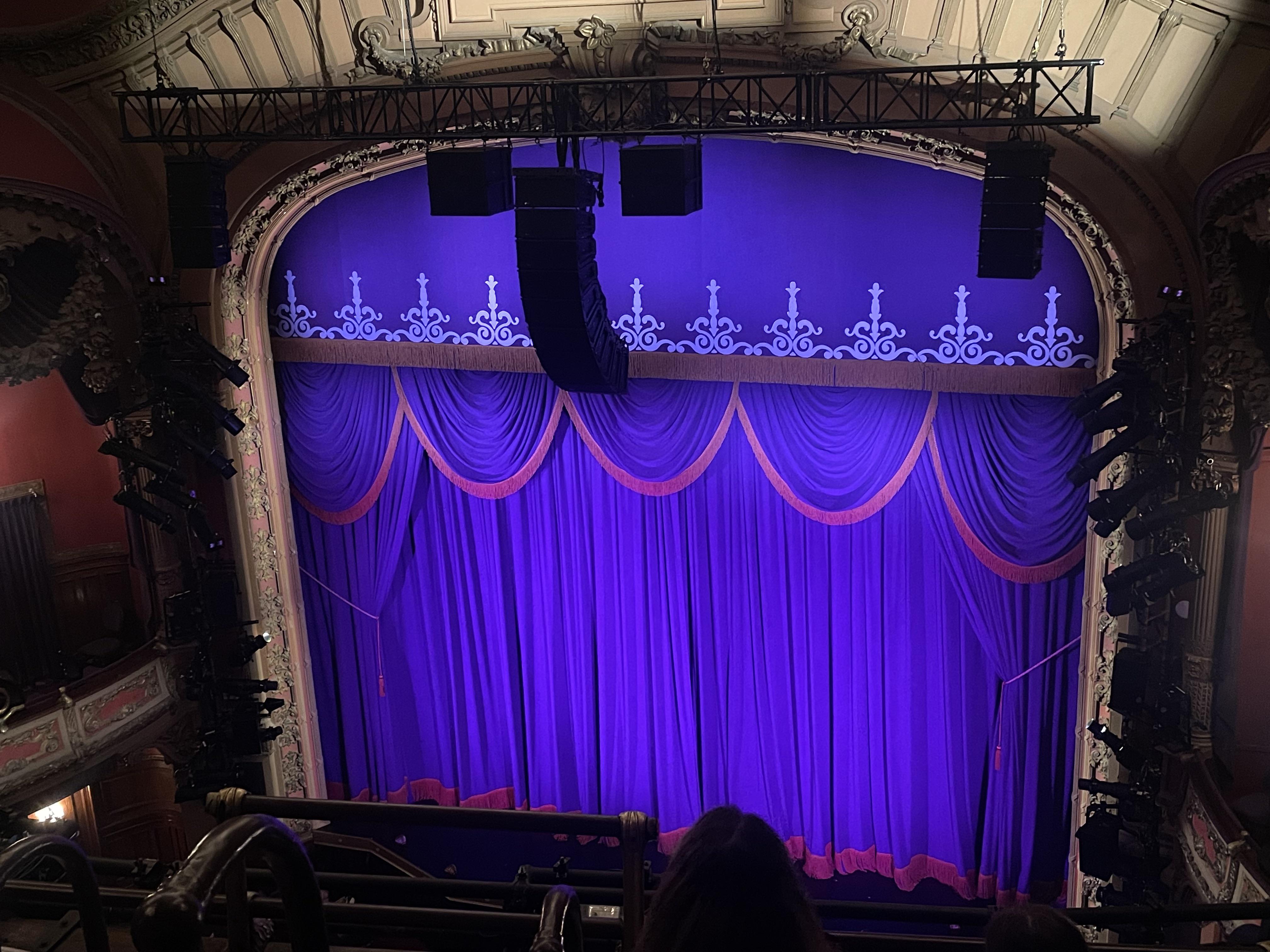
- Front of mezzanine or balcony: Often a cleaner view than far-side orchestra seats, with a lower price tag.
- Centered sections over “closer” corners: For stand-up, a centered sightline can matter more than being a few rows nearer.
- Accessible sightline seats: Sometimes these are priced fairly and can be excellent, but policies vary. Some require eligibility, and companion seating rules differ by venue.
What is rarely worth it
- Platinum or dynamically priced tickets: These can be official (not resale) and they are often “because we can,” not “because your night will be twice as good.”
- VIP packages without real perks: If it is mostly early entry and a lanyard, your budget can do better elsewhere.
- Obstructed view at non-obstructed prices: Always check seat notes and venue reviews.
A quick note on dynamic pricing
Dynamic pricing is when the official ticket price moves up or down based on demand, sometimes labeled “platinum” or “market” pricing. It can look like resale even when it is not. Translation: if you see a price that feels unhinged, it might still be the primary seller. You are allowed to back out and pick a different section or a different night.
Stand-up rewards intimacy, yes. But it is also audio-forward. You want a clear line of sight and good sound, not necessarily the closest possible seat at the highest possible cost.
Local shows: most value
If you want to stretch your comedy budget, invest in your local scene. The payoff is not only cheaper tickets, but variety. You will see stand-up, improv, character nights, storytelling shows, and experimental lineups that make you feel like you found something.
How to find affordable rooms
- Follow venue calendars and recurring shows: Weekly showcases tend to be priced to bring people back.
- Check bars and community arts spaces: Many host comedy nights with low cover charges.
- Watch for festivals and “comedy weeks”: Passes can be a deal if you will attend multiple shows.
How to support without overspending
Tip if there is a tip bucket and you can swing it. Buy a sticker or a tape if you genuinely want it. Skip the guilt purchases. The healthiest scene is one where audiences return regularly, not one where you blow your whole budget in one night and vanish for six months.
Also, embrace the trade-off: at indie shows, lineups can change. That is not a scam, it is just how local comedy works sometimes.
Common budget mistakes
- Buying in a rush: Panic clicking leads to resale markups, premium tiers, and bad fee surprises.
- Ignoring the all-in total: Always compare final checkout totals, not the headline price.
- Driving and paying peak parking: Sometimes the cheapest move is transit, rideshare pooling, or parking a few blocks farther.
- Arriving hungry at a club: If the menu is pricey and you have a minimum, you can end up paying dinner prices for snack food. Eat a little beforehand if it helps you order calmly.
- Overvaluing “best seat in the house” language: For comedy, the best seat is often simply the one where you can see faces and hear every tag.
- Upgrading because you are already there: This is the oldest trick in the entertainment book, and it works because we are emotionally invested once the night has started.
A simple budget formula
If you want a quick gut-check before you commit, plan for an all-in number per person:
- Clubs: Ticket + fees + item minimum + tip + transit or parking
- Theaters: Ticket + fees + transit or parking + one optional treat (drink or merch, not both)
- Local rooms: Ticket or cover + one drink + tip
Then decide what you are willing to spend for that specific night. A headliner you adore might be worth it. A random Saturday “because we should go out” probably is not.
Before you checkout
Two quick checks that save money and headaches:
- Refunds and exchanges: Many comedy tickets are final sale. Read the policy before you buy, especially for theaters. Ticket insurance is sometimes useful, but only if the cost makes sense for your risk and the rules are clear.
- Fees and box office options: Some venues waive certain fees if you buy in person or by phone, and some do not. If you live nearby, it can be worth checking once.
FAQ
Is it cheaper to buy tickets at the door?
Sometimes, especially at smaller local venues and certain club nights. But popular sets can sell out, and some venues charge the same either way. If you try door tickets, arrive early enough for it to be a real option, not a last-minute gamble.
Are comedy club minimums negotiable if I do not drink?
Usually no. Many clubs allow non-alcoholic drinks and food to count toward the minimum, so you can still keep the spend controlled.
Do late shows cost less?
Often, yes. The later set can be cheaper or easier to find at face value. Energy can be wilder, too, which is either a perk or a warning depending on your vibe.
How do I avoid fake or overpriced tickets?
Use the venue’s official link first. If you must go resale, stick to major platforms with buyer protections, verify the event details, and set a firm max price including fees.
Are cheap seats at a theater comedy show still fun?
Absolutely, if the sightlines and sound are solid. For stand-up, a centered view with clear audio beats a closer seat with a weird angle every time.
The bottom line
The best comedy nights are not the most expensive ones. They are the nights where you picked the right room, bought with a clear head, and didn’t let fees and add-ons write the punchline. Pay for what matters: a good lineup, a comfortable seat, and the joy of being in a room where laughter is contagious.