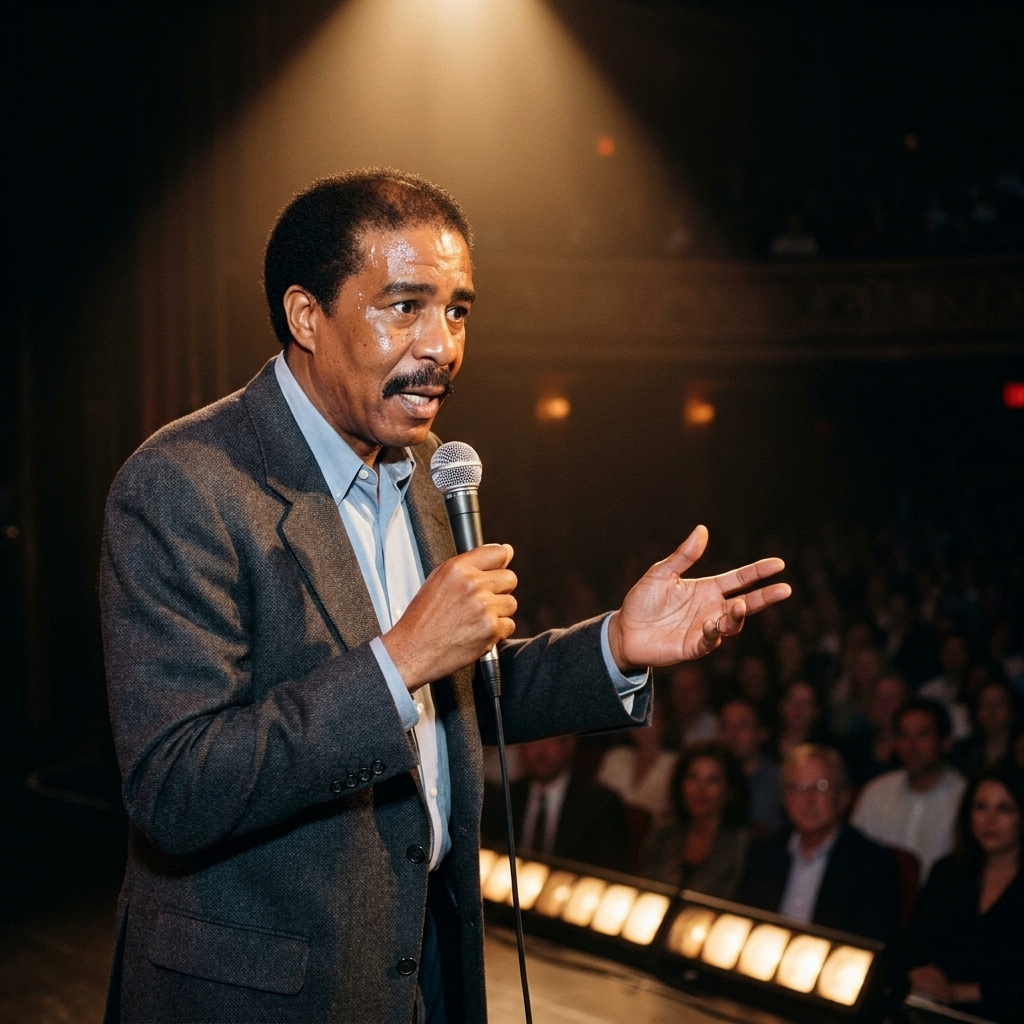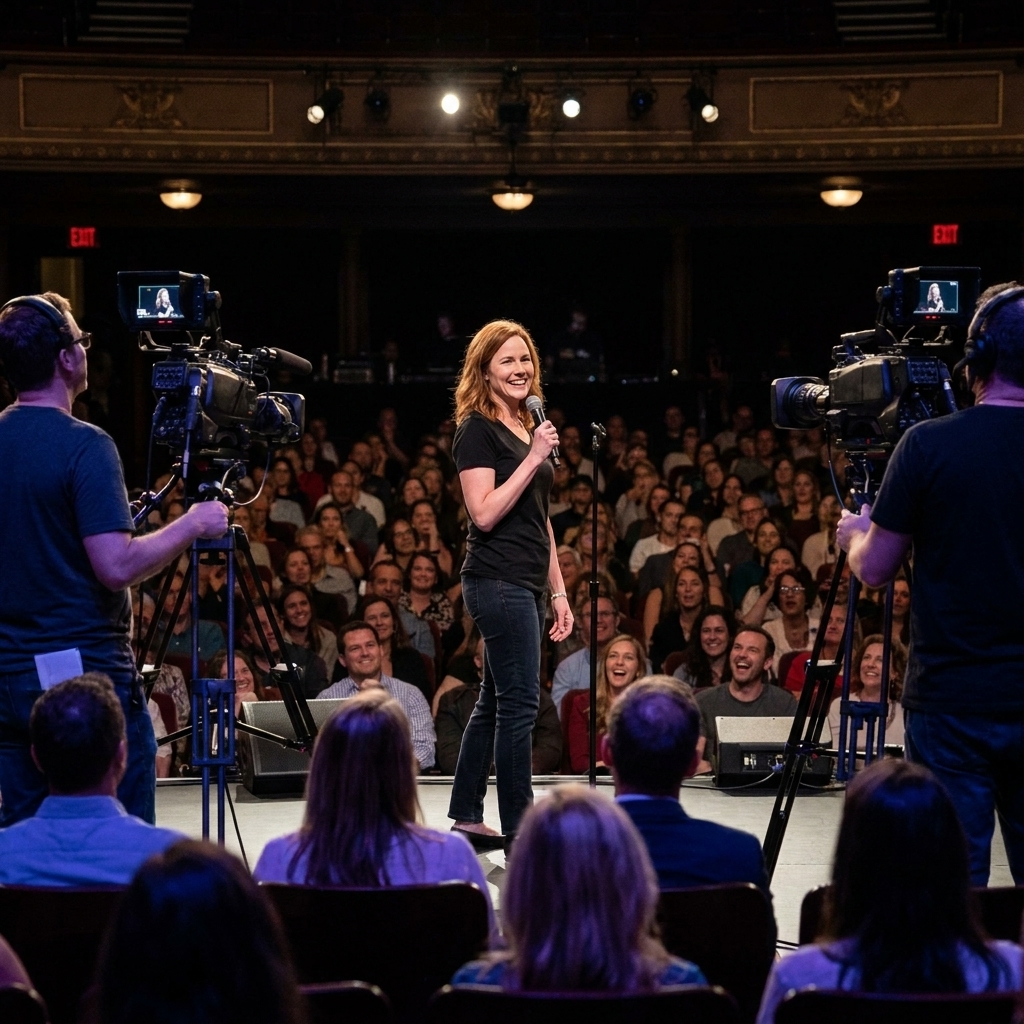
There are comedy clubs that feel like a night out and comedy clubs that feel like a time machine. The second kind is where you sit in a too-tight chair, accept the two-drink minimum, and realize the person sweating under the spotlight might become your new favorite comedian. Years from now, you will brag about this set with the righteous energy of someone who stayed through the credits.
This ranked list is for that specific thrill: rooms with serious lineage, smart bookers, and audiences who actually listen. Some are glamorous, some are gloriously scrappy. All of them are places where future stars learn how to fly.
How we ranked them: development pipeline (mics and showcases), booking credibility, audience culture, and track record for drop-ins or breakout sets. It’s still a little subjective, like arguing about the best slice of pizza, but it’s not just vibes.
What makes a club a star factory
Every city has a room with good jokes. The clubs below made the list because they reliably deliver a particular combo that helps launch careers.
- A real development pipeline: open mics, showcases, and regular lineups that let comics build reps.
- Credibility with working comedians: the kind of place where pros drop in because the room is worth it.
- Audience culture: crowds that are game, not chatty, and understand bombing is part of the art form.
- History without museum vibes: legendary walls, but a stage that still belongs to whoever earns it tonight.
12 essential comedy clubs in the US
Rankings are always a little subjective, and comedy scenes shift fast. Consider this a curated hit list of star-making rooms: pick your city, pick your vibe, and go when the lineup is stacked with names you don’t recognize yet.
1) The Comedy Cellar (New York City, NY)
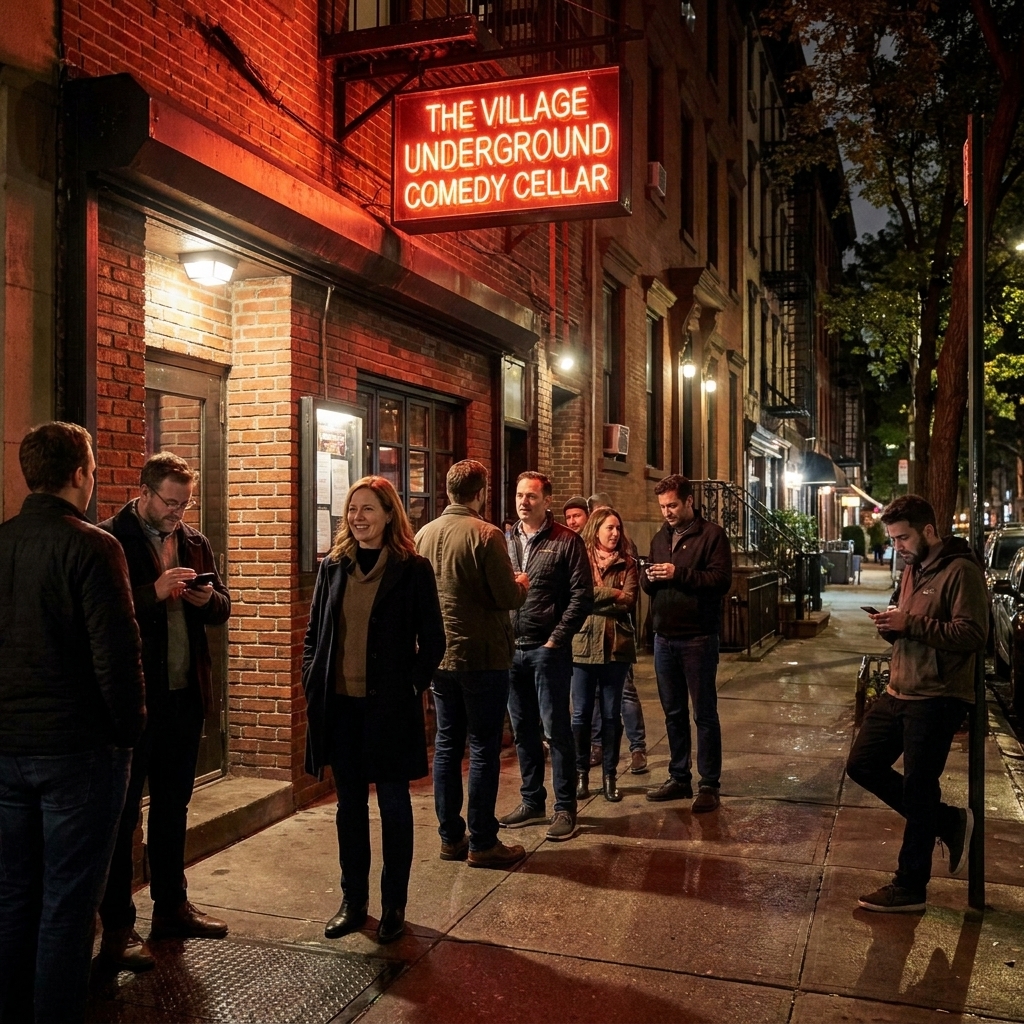
If stand-up has a heartbeat, you can hear it in the Cellar’s basement on MacDougal Street. The room is famously intimate, which means every laugh lands with consequence. It’s also unpredictable in the best way, with drop-ins that can turn a random Tuesday into a masterclass.
Why it’s #1: the density of reps is unmatched. Between the Cellar and its related rooms nearby, the ecosystem keeps comics working in front of real audiences, night after night.
Why it matters: The MacDougal Street basement is the anchor. The larger Comedy Cellar ecosystem also includes venues like Village Underground and Fat Black Pussycat, which helps keep more comics working more often while the main room stays a destination.
- Why you’ll catch future stars: Even in a pro-heavy ecosystem, showcase formats create moments where an unfamiliar name gets a serious room and makes it count.
- Best move: Go early, keep your phone away, and trust the lineup even if you only recognize one name.
2) The Comedy Store (Los Angeles, CA)
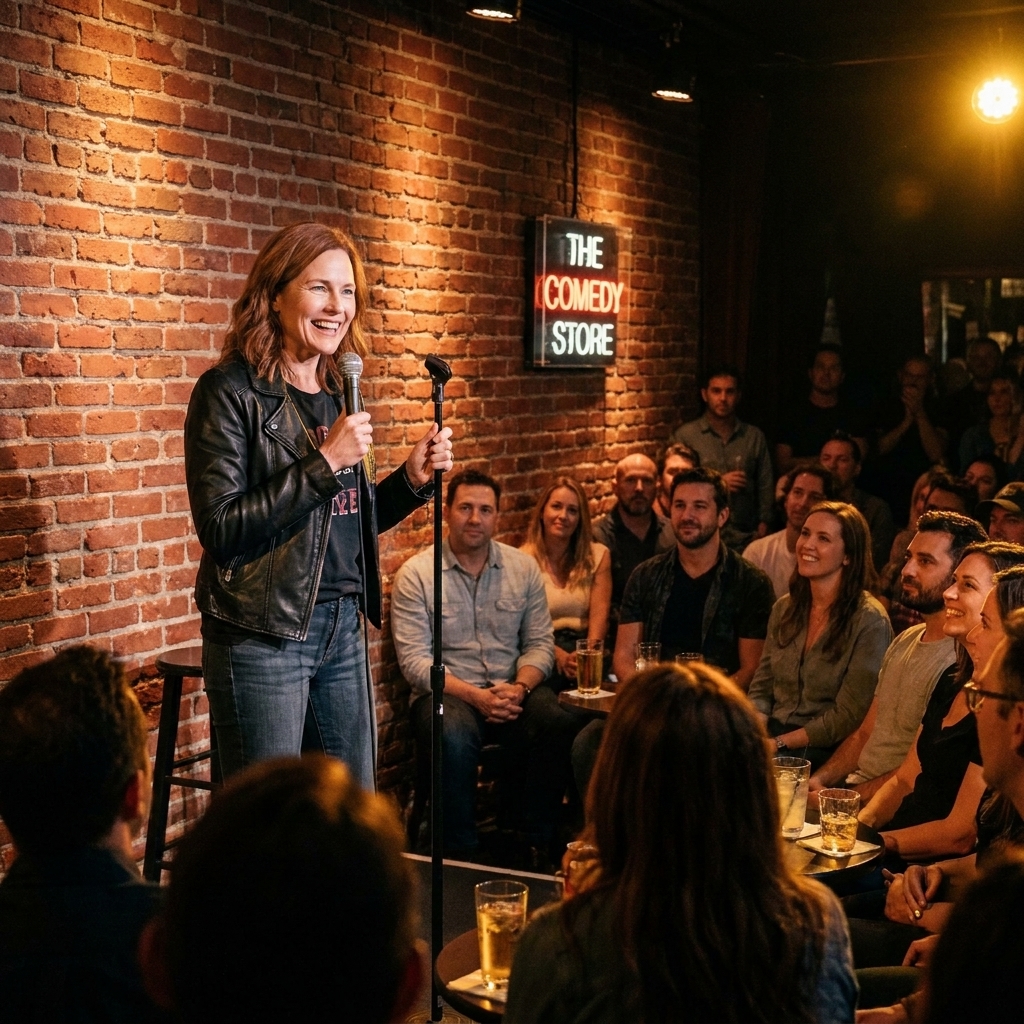
The Comedy Store is equal parts proving ground and legend. Its rooms have the kind of energy that makes you understand why comics talk about clubs like they’re living organisms. LA can be industry-heavy, but this place still feels like it belongs to the craft first.
Why it’s #2: three distinct rooms, a deep bench, and a culture where both working killers and unknowns can end up on the same night.
Why it matters: The Store is a choose-your-own-adventure building: the Original Room for that classic club voltage, the Main Room when you want the big crowd surge, and the Belly Room when you want to be close enough to watch timing work in real time.
- Why you’ll catch future stars: A deep bench of regulars and showcases where hungry comics swing hard, plus the occasional unannounced guest when the timing is right.
- Best move: Pick a Main Room show for the headliners, then add an Original Room or Belly Room set for the surprise.
3) The Laugh Factory (Los Angeles, CA)
Laugh Factory has long been a magnet for both celebrity drop-ins and hardworking stand-ups doing the reps. It’s a sleek, high-energy room where you can watch a comic toggle between “next up” and “next famous” in real time.
Why it’s #3: the club’s showcase rhythm creates lots of meaningful minutes for comics who are one great set away from a bigger life.
Why it matters: The fast-turnover mixed-bill format and guest-friendly culture mean the bill can feel like it’s in motion, especially on later shows when the room loosens up.
- Why you’ll catch future stars: Rotating lineups create stage time for newer names, and the crowd tends to reward big swings.
- Best move: Keep an eye on later shows, where experimentation gets bold.
4) The Stand (New York City, NY)
The Stand feels like New York comedy with a polished suit jacket. Strong lineups, a crowd that came to listen, and a calendar that rewards curiosity. If you like discovering a new favorite comic and then seeing them again six months later on a bigger bill, this is your spot.
Why it’s #4: it consistently pairs emerging NYC voices with reputable pros, which is exactly how careers get a clean, credible push.
Why it matters: The Stand built its reputation on well-curated mixed bills, and it regularly hosts shows designed for taping and testing. Translation: comics often treat the room like a place to bring their best material, even on a regular night.
- Why you’ll catch future stars: Booking blends rising voices with battle-tested pros, so the room stays warm and the newer comics get a real shot.
- Best move: Choose a showcase show over a single headliner if your goal is discovery.
5) Zanies (Chicago, IL)
Chicago is a comedy town that respects the work. Zanies (Chicago, Old Town) is a cornerstone of that ecosystem, a room where touring headliners sharpen material and locals level up. There’s something Midwestern and honest about the laughs here, like the room will love you, but only if you earn it.
Why it’s #5: it is a real-deal club pipeline stop. You can feel the craft getting built in the opening and feature slots, not just the headliner.
Why it matters: As a long-running Chicago tour stop, Zanies regularly pairs national headliners with local hosts and openers, which makes it a practical proving ground for comics learning how to work a club crowd. It is also part of the early club story for plenty of Chicago-bred names, including Hannibal Buress, who came up in the city’s stand-up scene before becoming a national fixture.
- Why you’ll catch future stars: A steady stream of regional talent gets meaningful reps in front of audiences who do not hand out laughs for free.
- Best move: Sit close enough to feel the timing, not so close you become the subject.
6) The Improv (Hollywood, CA)
The Hollywood Improv is a classic for a reason. The room is built for stand-up, the calendar is stacked, and the vibe often tilts toward “you might see someone you recognize,” even when you came for the unknowns.
Why it matters: As a flagship in the Improv family, the Hollywood location has a long-running reputation for surprise guests and pop-in sets, especially when a touring or taping schedule puts the right comic in town.
- Why you’ll catch future stars: On mixed bills, the early slots can be where a future headliner shows up to prove they belong in the conversation.
- Best move: Buy tickets in advance for weekends, but do not sleep on weekday shows.
7) Helium Comedy Club (Philadelphia, PA)
Helium Philly is one of those clubs touring comics praise because it’s run well and the audiences are locked in. The lineup quality stays consistently high, which makes it a quietly underrated place to discover openers before they headline.
Why it matters: Helium is part of a multi-city brand, and the Philadelphia room is a reliable tour stop with clean sightlines and a crowd that settles in early. It also often hosts local showcases and developmental nights that keep the ladder active, not just the weekend headliners.
- Why you’ll catch future stars: Philly crowds tend to actually listen to the setup, not just the punchline, which rewards comics with real control.
- Best move: Look for early-week sets and showcase nights when lineups can get adventurous.
8) Punch Line (San Francisco, CA)
San Francisco audiences are smart, and that’s a gift to stand-up. The Punch Line has a long-running reputation as a key Bay Area stop, drawing touring acts who want a crowd that listens closely. When a comic wins here, you can feel the confidence click into place.
Why it matters: The Punch Line is a classic West Coast routing room: dependable calendar, tightly run shows, and an audience culture that rewards craft, not just volume.
- Why you’ll catch future stars: The room rewards precision. That is exactly what a rising comic needs before they start playing bigger, louder venues.
- Best move: Go with friends who like jokes that take a left turn and still stick the landing.
9) Cobb’s Comedy Club (San Francisco, CA)
Cobb’s is bigger, glossier, and often more event-like. It’s a great stop for touring headliners, and a valuable place to catch the opening acts who are one great special away from selling out rooms like this themselves.
Why it matters: As one of the Bay Area’s larger dedicated comedy venues, Cobb’s frequently hosts full-weekend runs where the supporting lineup has room to stretch and win over a big crowd.
- Why you’ll catch future stars: The best openers treat a big room like Cobb’s like a headline audition. If they can command this stage, they can command a lot.
- Best move: Arrive early for openers. Don’t treat them like trailers.
10) Acme Comedy Company (Minneapolis, MN)
Acme has a reputation among comedians that borders on reverence. The room is intimate, the crowds are sharp, and the club’s standards keep the shows tight. It’s the kind of place where a comic’s technique becomes visible.
Why it matters: Acme is known as a room comics trust for recording, the kind that lives on in headphones long after the night ends. It captures what the club does best: real listening, clean laughs, no dead air, and no place to fake it.
- Why you’ll catch future stars: A club known for high standards attracts comics who are building something real, not just chasing clips.
- Best move: Pick a weekend set and commit to being a great audience member. It matters here.
11) Cap City Comedy Club (Austin, TX)
Austin is overflowing with comedy right now, and Cap City has long been part of that story. The club is operating in North Austin at The Domain, and the vibe matches the moment: a modern room, strong touring traffic, and locals with real momentum.
Why it matters: Austin’s current volume of shows means supporting slots can be stacked with local killers, and Cap City bills often reflect that mix of touring polish and hometown hunger. If you have not been in a while, check the ticket page for the latest entrance and parking details at The Domain.
- Why you’ll catch future stars: In Austin, the middle of a lineup can be shockingly good.
- Best move: Check for showcases and local spotlights, not just big headliners.
12) Comedy Works (Denver, CO)
Comedy Works is beloved for a reason: it’s professionally run, the rooms are comfortable to watch from, and the audiences show up ready to have a good time. That combination gives newer comics space to take risks without the night collapsing.
Why it matters: Comedy Works operates two Colorado locations that are fixtures on the touring circuit: Downtown Denver and the South club in Greenwood Village. Working comics routinely cite the club as a place where the crowd is engaged and the show runs tight, which helps openers land and headliners play.
- Why you’ll catch future stars: Because the club draws strong touring packages, the supporting slots are often where you find your next favorite comic before their name moves to the top of the poster.
- Best move: Choose a show where you don’t know everyone. That’s the point.
How to spot the next one
It’s not always the loudest laugh that signals a breakout. Sometimes it’s the control. The calm. The way the room quiets down when the comic starts a story.
- Listen for economy: Future stars waste fewer words. They get you there fast.
- Watch the transitions: Great comics can pivot from one bit to the next without you feeling the seam.
- Notice the crowd’s posture: When people stop shifting in their seats, something’s happening.
- Pay attention to the host’s respect: A good host can tell you, without saying it, who’s about to matter.
Know before you go
- Minimums vary: Many clubs have a two-drink minimum or a food-and-drink minimum, and rules can change by venue, show, or ticket type. Check the fine print before you sit down.
- Phone rules are real: Some rooms are strict, and some use locked pouches for certain shows. Either way, plan to be present.
- Age and ID: A lot of clubs are 21+ or have specific showtimes for all ages. Don’t guess.
- Seating and timing: Seating is often assigned, shows can run longer than you think, and late seating happens. If you arrive mid-set, be quick, quiet, and let the room keep breathing.
Tips for a great night
- Choose a showcase when you want discovery: More comics, more chances to find your person.
- Weeknights are a secret weapon: Cheaper tickets, looser vibes, and more experimentation.
- Show up early: Your seat impacts your experience more than you think, especially in tight rooms.
- Be the audience comedians want: Laugh, listen, and don’t become a side character in someone else’s set unless invited.

Honorable mentions
Yes, there are other great rooms. Boston, Seattle, Atlanta, and plenty of smaller scenes have clubs that punch above their weight. This list is not a census. It’s a hit list of places that reliably feel like you might witness the before photo.
Quick FAQ
Do big comedians actually show up at these clubs?
Yes, especially in New York and Los Angeles, where drop-ins are part of the culture. But it’s never guaranteed. The real joy is realizing the “random” name on the lineup is about to be the one you’re texting your friends about tomorrow.
Is it better to sit up front or farther back?
If you love being in the thick of it, sit close. If you’re allergic to crowd work, aim for the middle, where you can still feel the electricity without becoming the subject.
What night should I go?
Weekends often have the biggest names. Weeknights often have the most risk-taking. If your mission is future stars, weeknights and showcase shows are your best friends.
Any NYC or LA strategy tips?
In NYC and LA, schedules can change fast and lineups may post close to showtime. If you are chasing discovery, pick mixed bills, check when lineups post, and do not overthink it. Also, read the venue notes before you go, because minimums, standby lines, and phone policies can vary by show.
Is this list exhaustive?
No. It’s a curated hit list, not a census. Great star-making rooms exist all over the country, including in scenes that shift fast. If your city has a club that books strong showcases and treats comedy like an art form, trust it.
One last thing: the time-machine clubs don’t just show you the future. They remind you that every famous set used to be a tiny set in a tight room, in front of strangers who decided to listen. Go be those strangers.