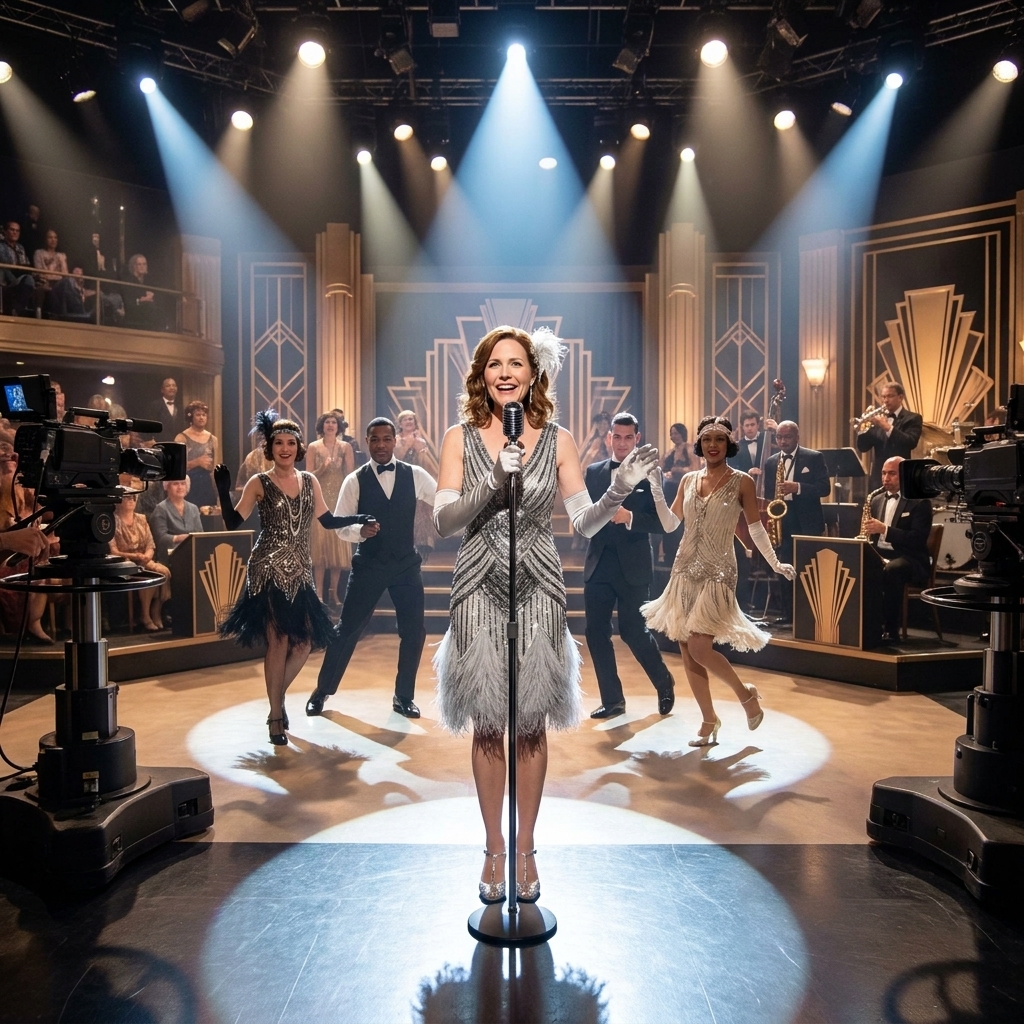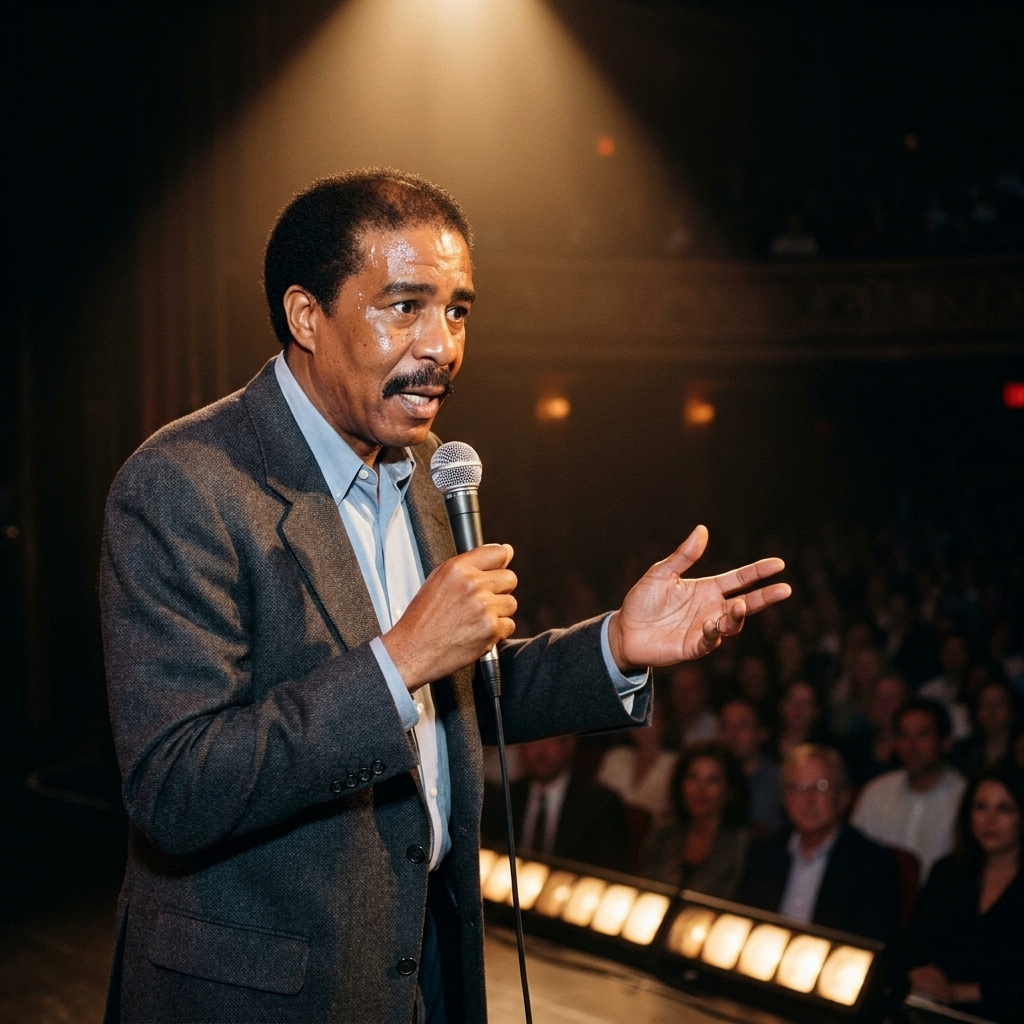
Comedy is supposed to look easy. One person, one mic, one room, and a laugh that lands like a perfectly timed cymbal hit. But the minute you try to bottle that room for viewers at home, “easy” turns into a small army of choices: where to put the cameras, how to capture the laugh without drowning the punchline, and whether you are brave enough to do it all right now in front of a live audience that includes everyone watching from their couches.
Live broadcasts and pre-taped comedy specials aim for the same holy grail: that intimate “I’m sitting in the third row” feeling. Technically, though, they are two different beasts. Live is a tightrope. Pre-tape is choreography. Let’s go backstage and into the control room.
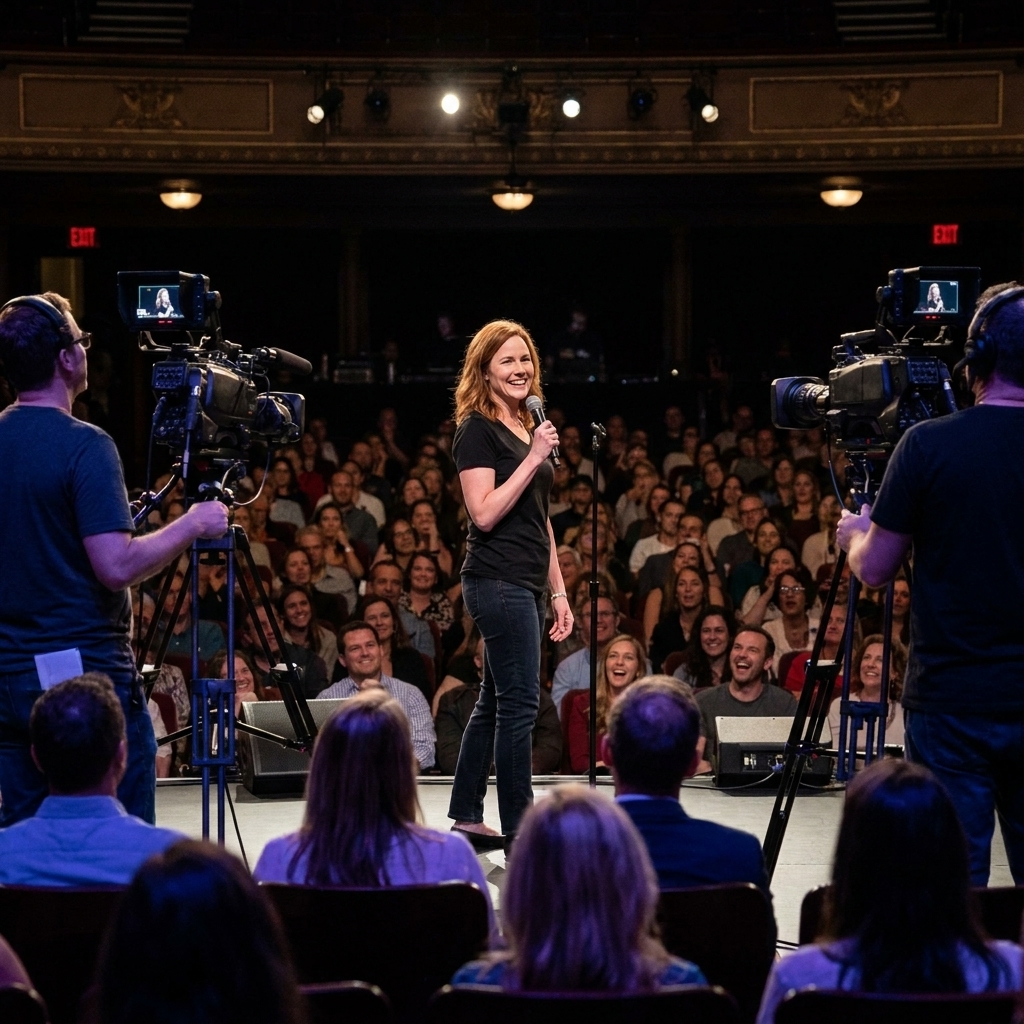
The core difference: capture vs. craft
Think of a live stand-up broadcast as a real-time translation. The job is to convert a room full of energy into a coherent, watchable experience with no do-overs. Every department is built around speed, redundancy, and damage control.
A pre-taped special is closer to filmmaking, even when it looks “simple.” You still chase authenticity, but you can refine timing, fix technical issues, and shape the audience’s attention in post. The crew can take bigger visual swings because they are not rebuilding a set in real time for broadcast.
There is also a common hybrid: live-to-tape. It is performed straight through like a live show, often with the same multi-camera discipline, but captured for later finishing so the home version can be tightened and polished.
Camera setups: switcher vs. edit bay
Live broadcast camera strategy
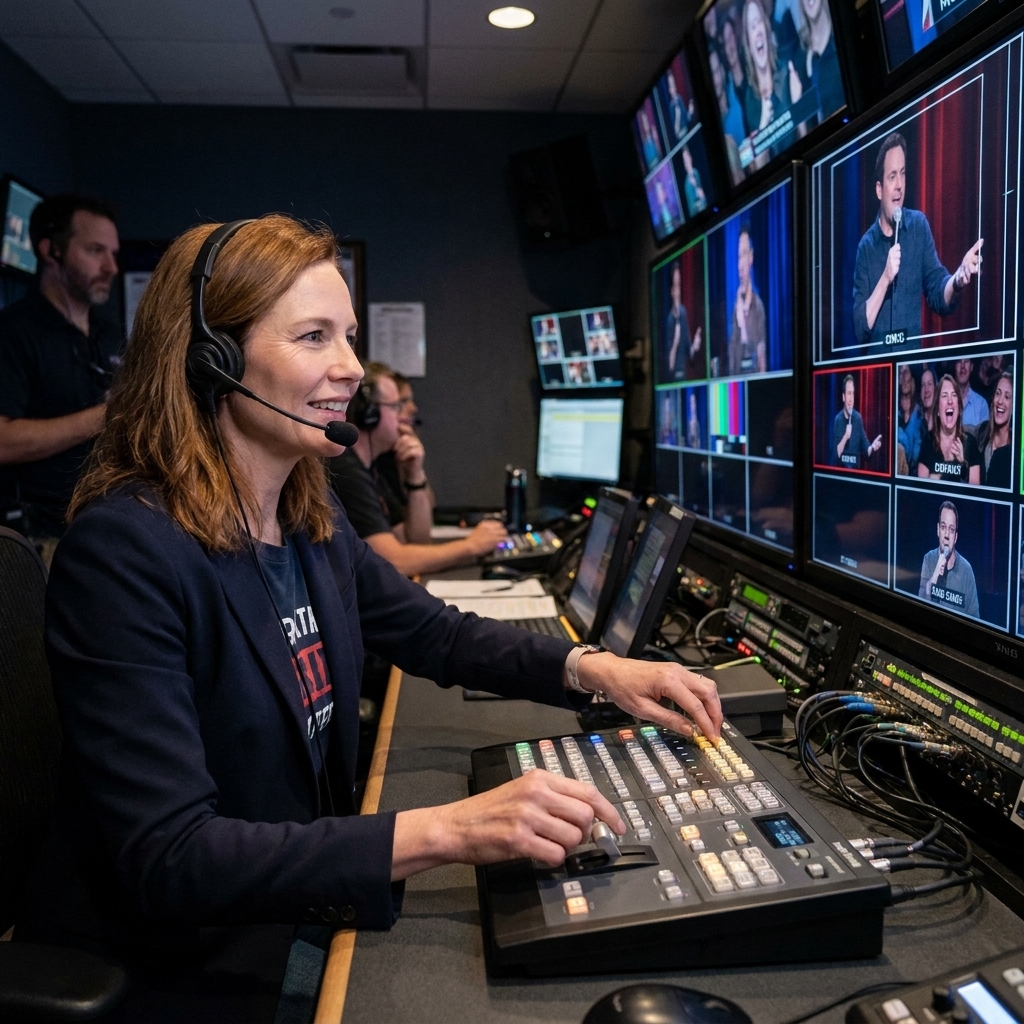
In a live broadcast, the director is cutting on the fly from a control room using a vision mixer or switcher. That single fact changes everything. You do not just “get coverage,” you make decisions in the moment about what the audience at home sees.
- More conservative blocking: Live directors tend to favor reliable angles that keep the performer framed even if they pace, crouch, or suddenly wander into a dark corner of the stage.
- Redundancy is baked in: If one camera misses focus, another needs to be ready as the safe shot. A locked-off wide is often the emergency parachute.
- Fewer experimental moves: Big crane sweeps and flashy pushes can be gorgeous, but they are also risk. Live comedy prioritizes clarity over spectacle because missing a reaction shot can cost you a laugh.
Live broadcasts often lean into a “sports” mindset as a useful analogy: maintain continuous coverage, keep the performer readable, and never leave home viewers lost.
Pre-taped special camera strategy
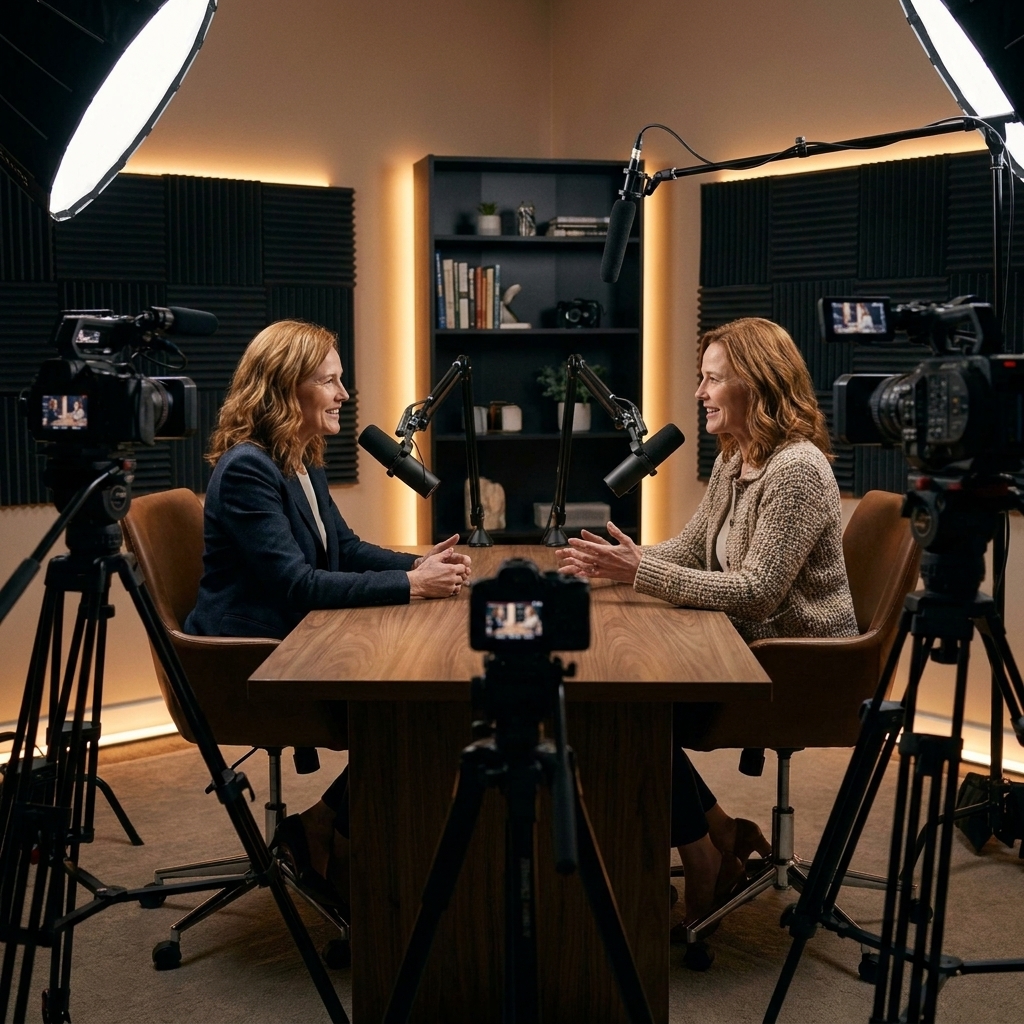
Pre-taped crews still use multi-camera setups, sometimes a lot of them, but the pressure shifts. You can shoot with post-production in mind. That means your goal is not just to cover, but to design options.
- Coverage for rhythm: Editors can choose when to sit in the wide, when to live on the close-up, and when to cut to audience reactions that sell the room.
- More camera variety: You are more likely to see roaming steadicam or gimbal work, a jib for elegant movement, and planned cutaways that would be stressful to execute live.
- Multiple tapings and pickups: Many specials are assembled from two or more full performances, plus additional crowd coverage and venue shots. This is more common than stopping mid-show for retakes, and it gives the edit more clean angles and stronger reactions.
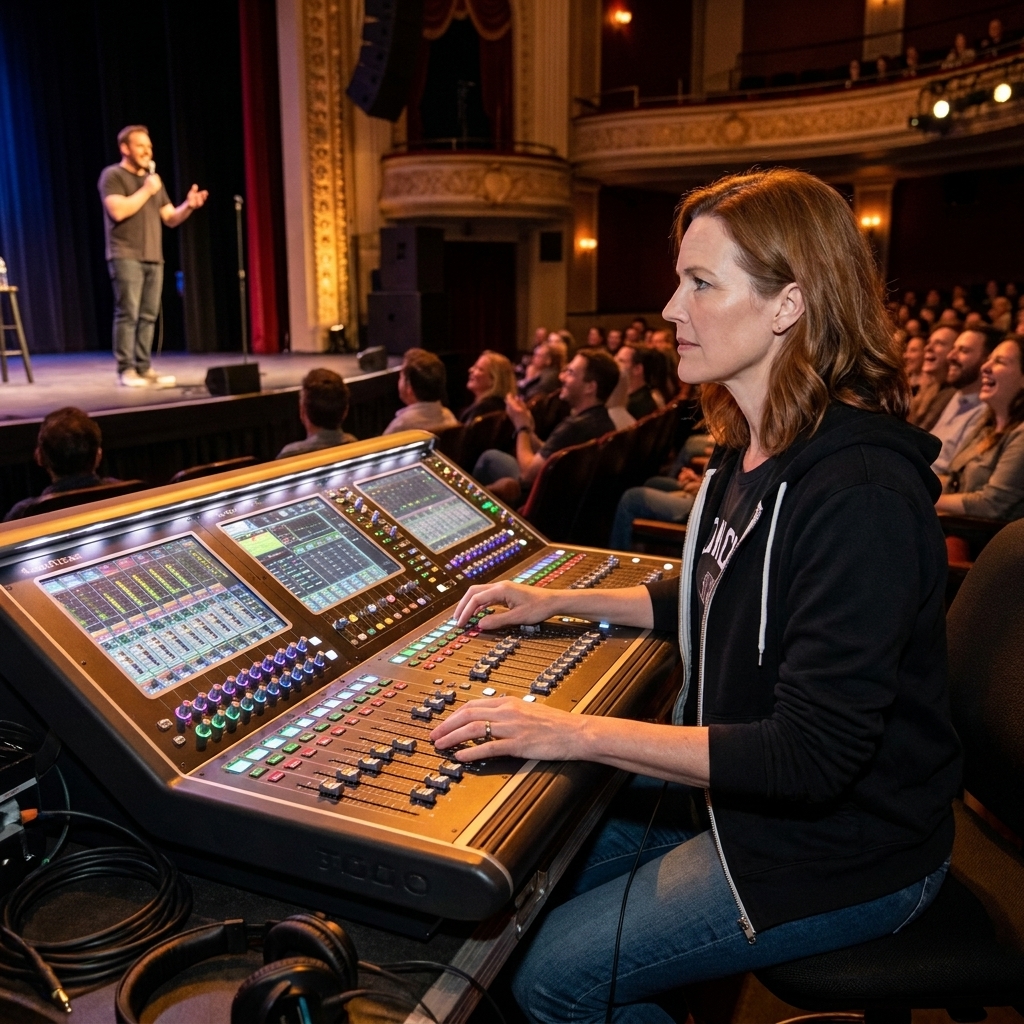
Audio: laughs are great, but tricky
If you have ever watched a special where the crowd sounds like a wave crashing over the punchline, you have experienced the central audio balancing act: we want the laugh, but we also need to hear the joke that caused it.
Live audio: mixing in real time
When it’s live, audio is typically mixed as it happens for broadcast, which means engineers are riding levels moment to moment. The comedian’s microphone is the star, but the room mics are the emotional proof that the show is working. Even so, many live productions also record ISO tracks or multitrack as a safety for replays, highlights, and archives.
- Primary vocal mic: Usually a handheld dynamic mic (classic stand-up style) or, less commonly, a headset for more physical performers. Handheld is forgiving and helps reject stage bleed, but it moves constantly, which affects tone and volume.
- Audience capture: Engineers place multiple crowd microphones to capture laughter across the room. Placement matters because you want a natural swell, not a harsh, localized shriek from one overly enthusiastic table.
- Feedback and spill risks: Live rooms can be unpredictable. Monitors, PA volume, and mic technique all affect the chance of feedback or muddiness.
- Broadcast constraints: You are mixing for living rooms, earbuds, and soundbars. Dynamic range has to be managed carefully so whispers are audible and laughs do not clip.
In a live broadcast, you cannot “fix it later” in the same way. You can only anticipate. That is why live audio teams obsess over rehearsal, mic checks, and backups.
Pre-taped audio: polish and consistency
Pre-taped specials still rely on great on-the-night capture, but post gives audio teams powerful tools.
- Multitrack recordings: The comedian’s mic, room mics, and sometimes even stage mics are captured separately, letting mixers rebalance after the fact.
- Noise reduction and cleanup: Coughs, clinks, and HVAC rumble can often be reduced. You cannot delete a heckle from history, but you can sometimes make it less distracting.
- Continuity across shows: If the special is assembled from multiple tapings, audio must match. That means carefully shaping laughter beds and room tone so cuts do not sound like time travel.
Lighting and stage: safe vs. bold
Lighting is where comedy quietly announces its priorities. The audience should never be thinking about lighting, but lighting is constantly thinking about the audience.
Live: stable exposure, fewer surprises
For live broadcasts, lighting designers often choose dependable, broadcast-friendly looks: clear key light on the comic’s face, consistent color temperature, and minimal changes mid-set. Sudden shifts can create exposure issues, and exposure issues are the enemies of facial expression, which is where so much comedy lives.
Pre-tape: more texture and planned shifts
Pre-taped specials can take more aesthetic risks. You might see bolder contrast, moodier backlight, or scenic looks that evolve with the set. If something is slightly underexposed or a cue lands awkwardly, you can often correct in color grading or adjust for the next taping.
Editing: where the feel changes
Live: the edit happens now
In live broadcasts, the cut is the cut. The director and technical director are essentially editing in real time, choosing whether to stay tight on the performer, cut to a crowd laugh, or hold the wide to preserve the feeling of a room. It is exhilarating, and it is unforgiving.
Live also means you usually have less ability to adjust pacing. If a laugh runs long, it runs long. If a joke lands softly, you cannot cut around the silence without calling attention to it.
Pre-tape: pacing becomes a tool
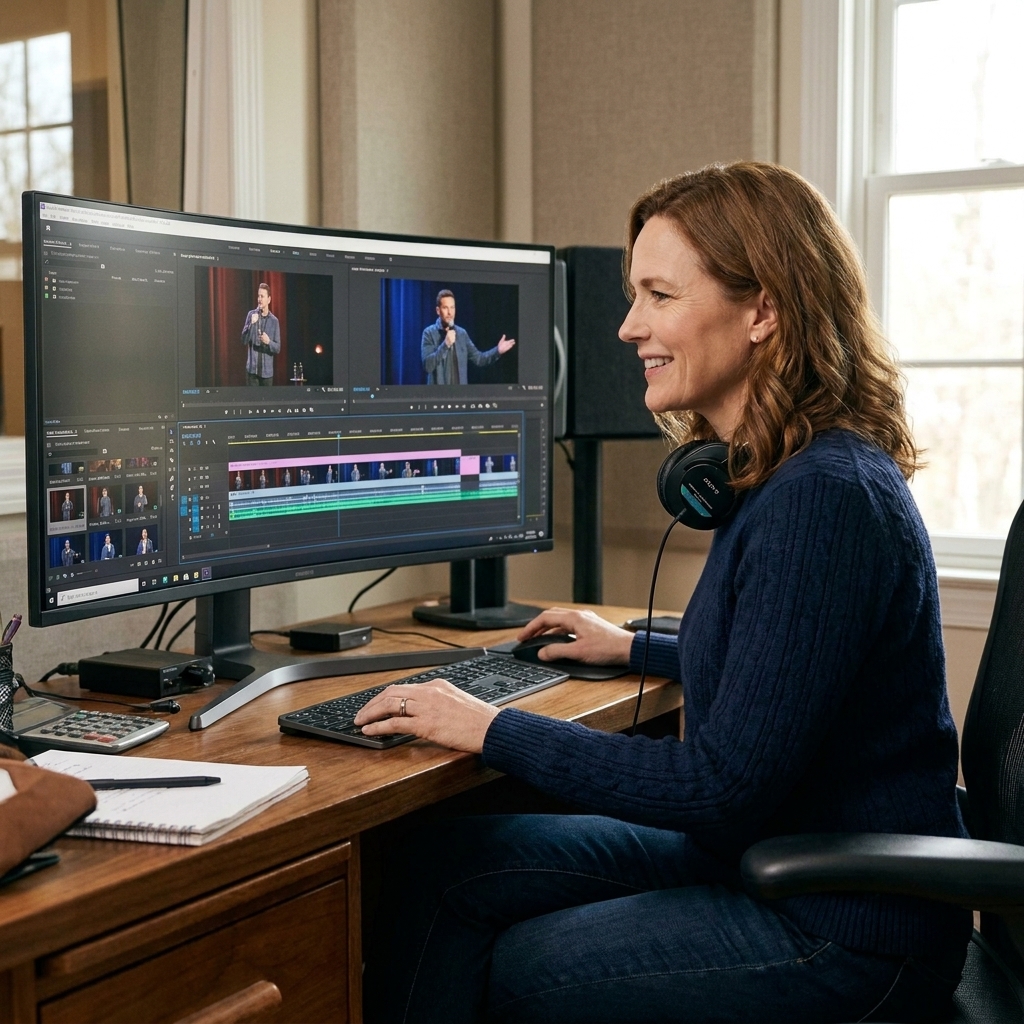
In pre-taped specials, editing is where the show becomes a version of the night, shaped for the home viewer.
- Timing adjustments: Editors can tighten pauses, remove dead air, and keep momentum without making the performance feel rushed.
- Reaction selection: Audience shots can amplify jokes. The key is restraint. Too many reaction cuts can start to feel like the editor is insisting you laugh.
- Continuity management: If multiple tapings are used, editors watch for everything: mic position, sweat patterns, drink levels, and crowd wardrobe that might expose a cut.
- Color and sound finishing: Final grading and audio mixing give the special a cohesive polish that live broadcasts rarely have time to achieve.
Rehearsal and backup plans
Every comedy show has variables. The performer improvises. The crowd reacts. Someone drops a glass at the exact moment a punchline lands. In pre-tape, that moment can become an anecdote in the edit bay. In a live broadcast, it is a problem you solve in real time.
What live crews plan for
- Backup audio paths: Redundant recorders and alternate feeds because losing the mic means losing the show.
- Camera failover: Spare bodies and conservative framing so a single technical hiccup does not become a visual disaster.
- Delay strategies: Some live broadcasts use short delays for basic broadcast control and, in some cases, standards and practices concerns like obscenity.
- Communication: Intercom is everything. Directors, camera ops, audio, stage managers, and graphics are in constant dialogue.
What pre-taped crews plan for
- Multiple tapings: Often the same set is performed across more than one full show, giving producers options for the best performance and the cleanest technical capture.
- Pickups: Establishing shots of the venue, extra crowd coverage, or host segments can be captured separately to smooth the final package.
- Post workflow time: The schedule includes room for edit, mix, color, captions, and approvals, which is where a good special becomes a great one.
Platform rules: the invisible hand
One behind-the-scenes difference that rarely gets talked about is distribution. A broadcast network, a cable channel, and a streaming platform can have very different requirements, and they shape technical decisions long before the first laugh.
- Loudness standards: Broadcast often targets formal specs (for example, ATSC A/85 in the US or EBU R128 in parts of Europe). Translation: your mix has to hit a consistent loudness so the audience does not ride the volume knob all night.
- Captions and subtitles: Timing and readability matter, especially in fast stand-up. Clean dialogue capture helps captioning, and some edits are made with text timing in mind.
- Standards and deliverables: Everything from safe areas and flashing rules to file formats and QC can affect how aggressive you get with lighting cues, color, and graphics.
Audience management: continuity is real
If a special is built from multiple shows, producers quietly manage continuity so the edit does not betray the trick. That can include holding seats between tapings, encouraging consistent crowd placement, and paying close attention to wardrobe patterns in camera-facing sections. Nobody is trying to fake the laughter. They are trying to keep the movie magic from turning into a spot-the-difference game.
How it changes the performance
Technical choices do not just document comedy, they influence it. Live broadcasts can encourage a performer to keep momentum and avoid long, delicate builds because timing is less adjustable. Pre-taped specials can reward nuance, allowing for quieter moments that editors can preserve with intentional pacing and controlled audience sound.
And then there is the psychological difference: in a live broadcast, the performer is not just playing the room, they are playing the nation. That can sharpen focus, or it can tighten shoulders. Cameras can feel like extra audience members who never blink.
So which one is better?
Neither. Or rather, both, when the format matches the intent.
- Live broadcasts excel at event energy. You feel the stakes. You forgive tiny imperfections because they are part of the night.
- Pre-taped specials excel at immersion and rewatchability. They can be sculpted into the cleanest, funniest, most coherent experience of the set.
If live is the thrill of catching a joke mid-flight, pre-tape is the same joke turned into a paper airplane that still lands perfectly, every time you throw it.
Quick FAQ
Are “live” comedy specials truly live?
Sometimes yes, sometimes live-to-tape, and sometimes live with a short delay. The meaning depends on the broadcaster and the event’s requirements. The shared trait is that the show is produced as if it cannot be rebuilt in post.
Why do some pre-taped specials cut to the crowd so much?
Audience shots validate the laugh and help translate room energy to home viewing. Too many cuts, though, can feel like the editor is insisting you laugh. The best specials use crowd reactions like seasoning, not sauce.
Why does the crowd sometimes sound “too loud” in live broadcasts?
Because the mix has to ride a moving target. A real room is unpredictable, and live engineers are balancing clarity of speech with the emotional payoff of laughter, all in real time.