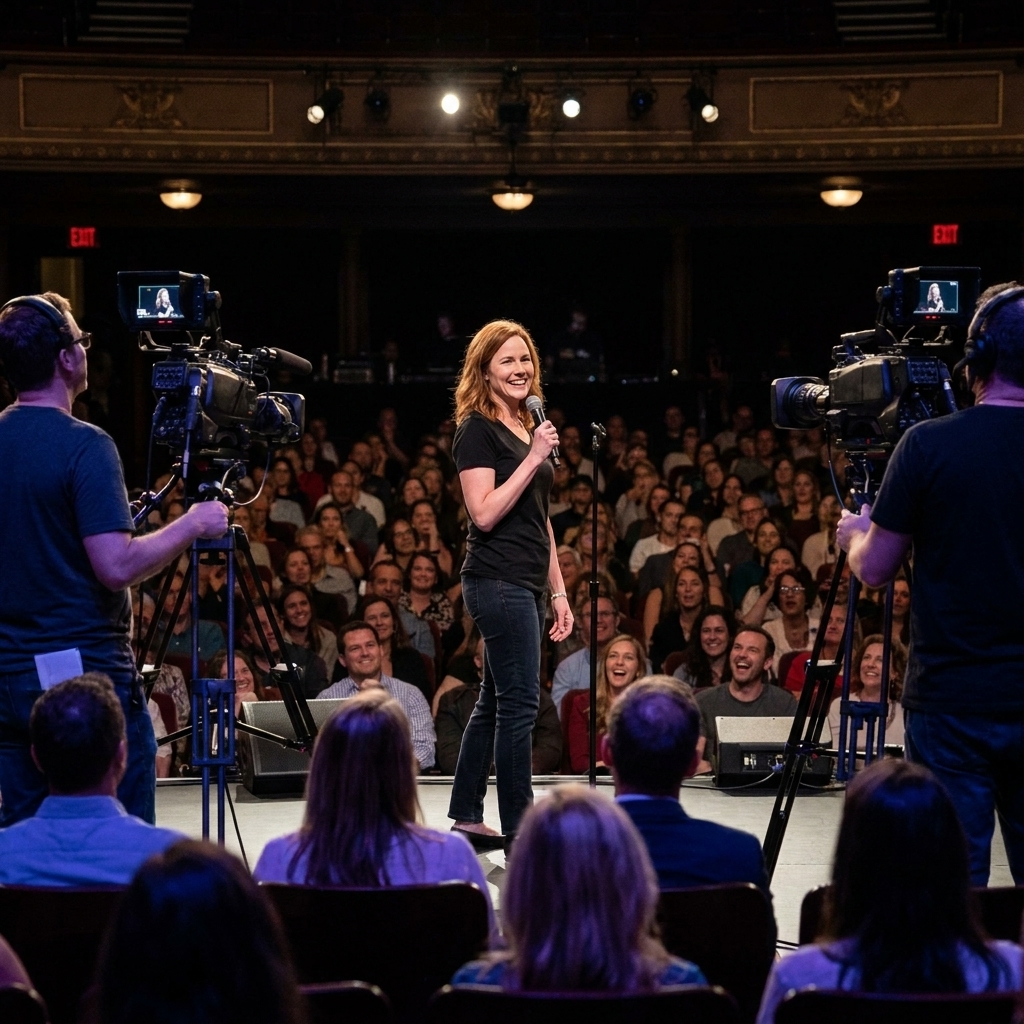
There is a particular kind of adrenaline you can only get from live performance: the knowledge that a high note might crack, a quick change might go sideways, and somehow the whole thing will keep breathing anyway. For a while, network television tried to bottle that feeling and sell it as an event. Not a stream, not a clip, not something you “catch up on.” A live musical, right now, with millions watching.
The results have ranged from genuinely thrilling to aggressively chaotic. And even the misfires have taught us something about what modern audiences want when the proscenium arch gets replaced by a broadcast clock.
How we got here
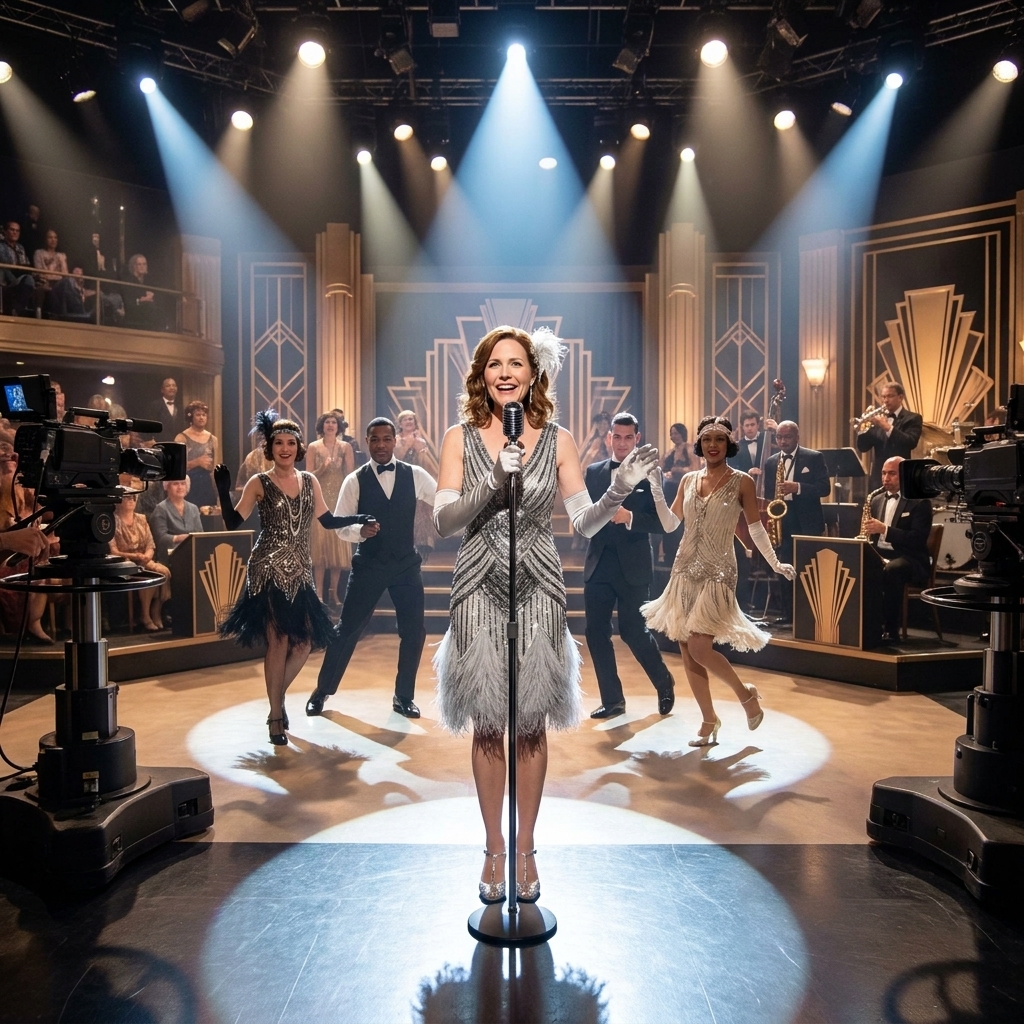
Live musicals on television are not a new invention so much as a revival with better cameras. TV’s early decades were full of live drama, variety, and ambitious broadcasts that treated the living room like a front row seat. Even after the medium shifted toward filmed series, musical theater kept popping up in television specials and event programming. The appetite never vanished. It just stopped being the default.
Then, in the 2010s, networks rediscovered live theater as an “only on TV” proposition. The logic was simple: if people will gather for live sports and award shows, why not gather for a musical? NBC’s The Sound of Music Live! in 2013 kicked the door open, drawing strong ratings and reminding executives that the words “live” and “musical” still make casual viewers sit up straighter.
What followed was an arms race of sorts. NBC leaned into the tradition with Peter Pan Live!, The Wiz Live!, Hairspray Live!, and Jesus Christ Superstar Live in Concert. Fox counterprogrammed with Grease: Live and later, riskier hybrids like Rent: Live. ABC tested the waters with high-profile live anniversary specials like The Little Mermaid Live!, which intercut live studio performance with pre-recorded sequences, a reminder that “live” on TV has always been part art form and part logistics.
Why some soar
When a live TV musical works, it creates the rarest modern entertainment sensation: communal viewing that feels personal. You are watching professionals do a difficult thing in real time. The camera is close enough to read micro-expressions, but the performance still has that theatrical electricity.
1) Stage-first direction with a TV brain
The best broadcasts respect blocking, pacing, and the grammar of musical storytelling. That means directors who understand how to translate stagecraft to camera without turning the show into frantic coverage. Hairspray Live! is often cited as a high-water mark because it felt like a coherent musical, not a highlight reel.
2) Casting that serves the show
Stunt casting is not inherently bad. Musical theater has always used star power to sell tickets. The difference is whether the star is supported and correctly deployed. Live TV can expose an underprepared lead in a way a movie musical can hide through editing.
When the casting is balanced, it sings. Pair a pop or screen name with seasoned stage performers, and you can get both the marquee factor and the vocal scaffolding that keeps the evening upright.
3) Design that reads on camera
Broadway design often rewards distance. Television demands detail. Successful live musicals build sets, lighting, and costumes that pop under broadcast conditions and remain legible across close-ups, wide shots, and constant movement. Grease: Live deserves credit here for making its world feel big, playful, and surprisingly cinematic, even while staying live.
4) A true event feel
Pre-shows, behind-the-scenes segments, and smart interstitials can turn a broadcast into a night out. The key is tone. When the packaging feels like a celebration of craft rather than a marketing megaphone, viewers lean in. The best events make you feel like you are part of a one-night company.
Why others flop
Live theater is forgiving in the room because the audience is participating in the act of making the moment work. Television is less merciful. The camera catches everything, the microphones are unforgiving, and the internet reacts at the speed of a refresh button.
1) The “live” gimmick takes over
If a production is built primarily around the stunt of being live, the storytelling suffers. Viewers may arrive for novelty, but they stay for character and rhythm. A musical cannot live on adrenaline alone.
2) Audio is destiny
Nothing sinks a live musical faster than muddy sound mixing. In a theater, you can choose what to look at. On TV, you hear what you are given. When vocals are buried, balances are off, or the orchestra overwhelms the lyric, the show loses its most essential contract with the audience: “You will understand what they are singing, and why.” Even great performances can feel smaller when the mix flattens them.
3) Restless camera work
There is a difference between dynamic direction and restless direction. When the broadcast cuts too quickly or moves like it is afraid of stillness, musical numbers stop feeling like numbers and start feeling like coverage. Theater needs air. Even television theater.
4) A bad fit, or bad luck
Some shows thrive on intimacy, some on spectacle, some on a specific kind of live audience feedback. When a network chooses a title for brand recognition rather than fit, the broadcast can feel oddly sized for the screen. Rent: Live is a frequent cautionary tale not because the material is doomed, but because real-world fragility hit it hard. After lead actor Brennin Hunt suffered an injury before air, the broadcast leaned heavily on a previously recorded dress rehearsal and presented the finale live, exposing how quickly the “live” promise can turn into a patchwork when logistics collapse.
The audience puzzle
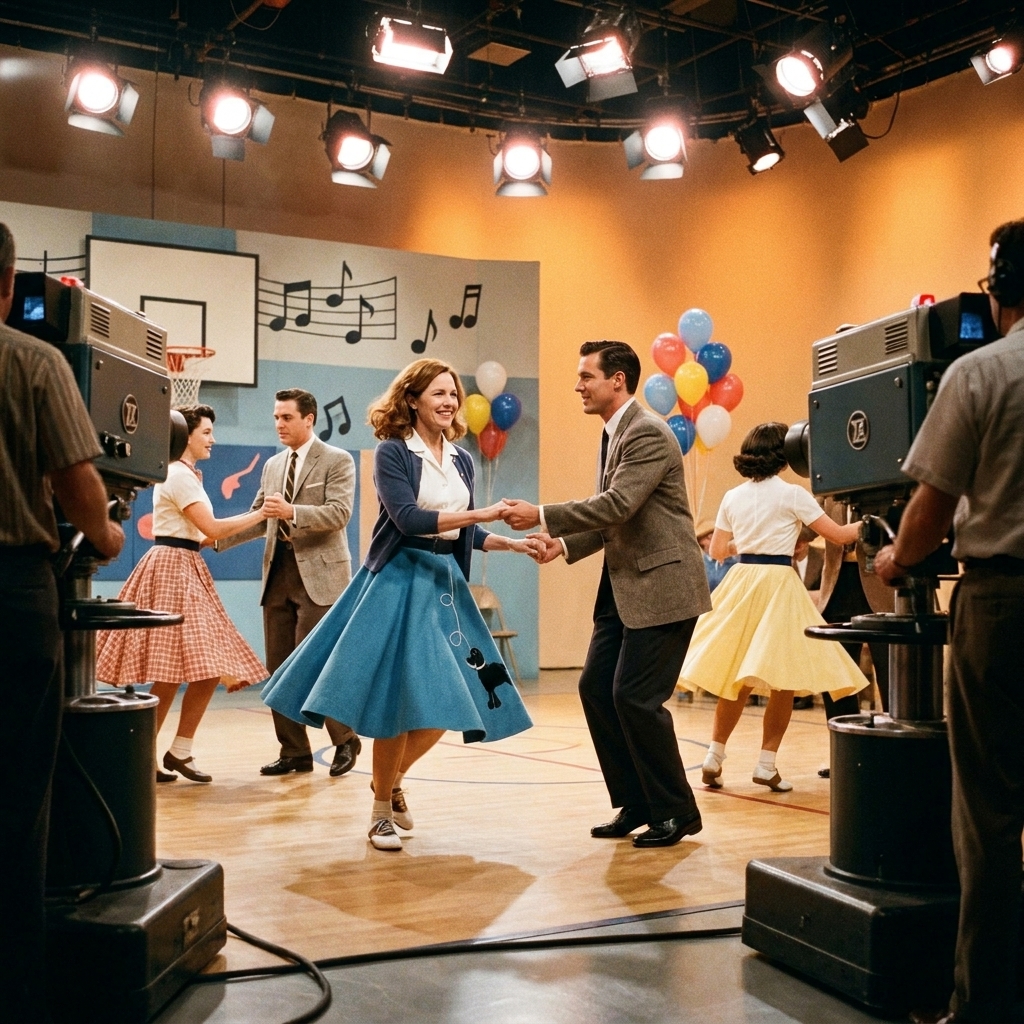
Networks often talk about “bringing theater to the masses,” which is a lovely mission when it is true. But live TV musicals are also shaped by the expectations of people who do not regularly watch stage work.
- Musical theater fans want vocal integrity, clear storytelling, and respect for the form.
- Casual viewers want a fun night that does not feel like homework and does not require insider knowledge.
- Online audiences often treat live moments as meme fuel first and art second.
A successful live TV musical threads the needle, giving each group something without pandering to any of them. It can be glossy without being empty. It can be sincere without being self-serious.
The format is shifting
In the last few years, the definition of a live TV musical has softened. Some broadcasts combine live segments with pre-taped sequences. Others present “live in concert” stagings that lower the scenic burden and emphasize vocals. And sometimes “live” really means live in one time zone and “as-live” later, a long-standing broadcast compromise that most viewers accept as long as the momentum feels unbroken.
That shift is not necessarily a betrayal. It is a recognition that the thrill of live performance can be preserved without insisting that every second is happening right this instant. In other words: audiences want authenticity and forward motion more than they want a technical purity test.
Why the wave cooled
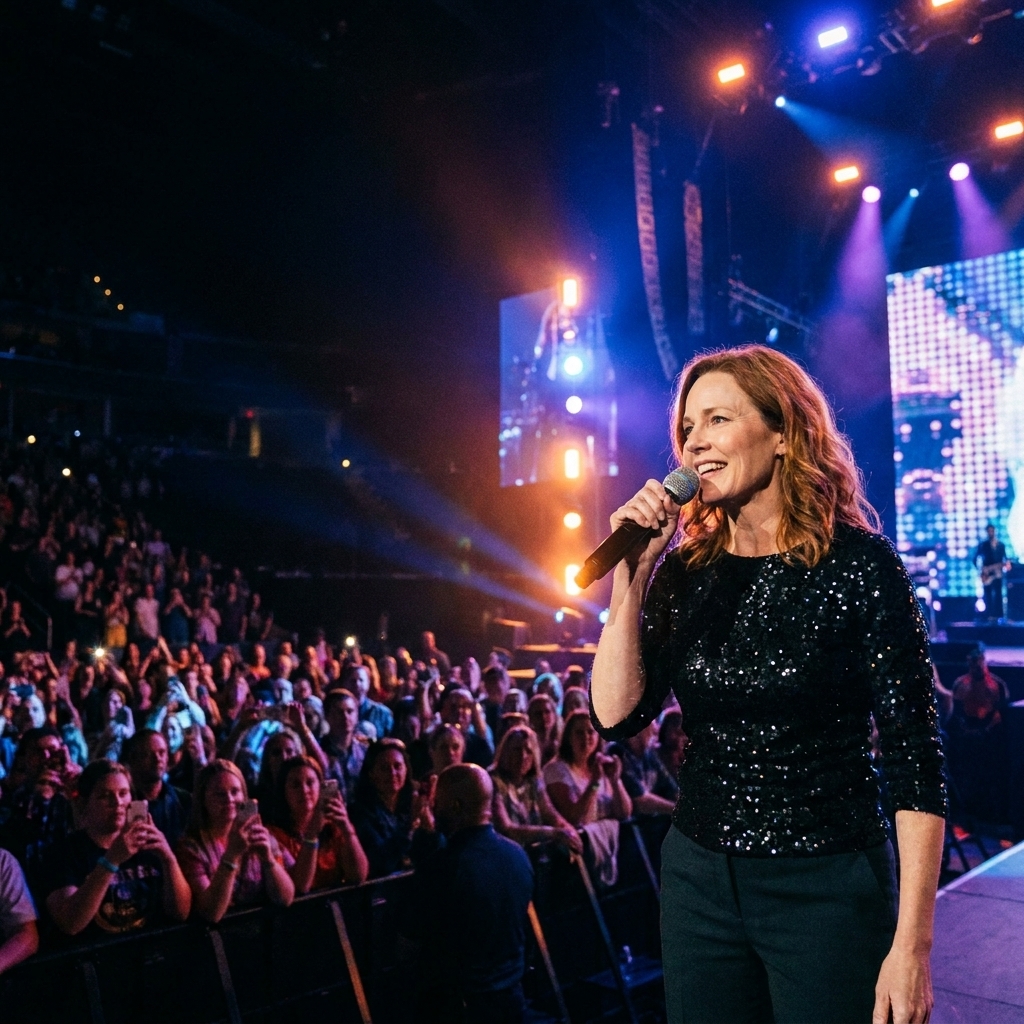
If it feels like the big-network live musical boom slowed down, it did. These broadcasts are expensive, rights can be complicated, and the ad-supported economics of appointment TV are not what they were in 2013. Add pandemic-era production constraints and a viewing culture trained to wait for on-demand perfection, and the calculation changes. A live musical is still a great headline. It is just a harder bet to place every year.
What comes next
Live TV musicals are not dead. They are in the awkward, fascinating phase where the industry is deciding what the “event” should be in an era of endless options.
More runs, fewer one-night gambles
Imagine a musical performed live twice in a weekend, or live on the East Coast with a later “as-live” broadcast for the West Coast. This would protect performers, tighten technical execution, and still preserve the communal feeling.
Smarter titles
Networks have leaned heavily on recognizable brands, which makes sense. But the best fit might be shows with bold, clear storytelling and flexible staging. The future could reward titles that are television-friendly without sanding off what makes theater theater.
Respect for rehearsal
The irony of live TV musicals is that the most exciting “spontaneity” is the result of the least spontaneous process. Audiences can tell when a cast is under-rehearsed. They can also tell when a company trusts one another. Investing in rehearsal is not just ethical. It is visible.
Broadcast craft that feels like a seat
Great live capture has a point of view. It knows when to go wide, when to get intimate, when to let choreography play, and when to linger on a reaction that makes a lyric land. The future belongs to directors and camera teams who love theater enough to stop chasing it around.
The bottom line
The live TV musical event is at its best when it behaves less like a stunt and more like a bridge. A bridge between Broadway craft and broadcast accessibility. Between the die-hards who know every reprise and the curious viewers who just want a great night of television.
If the next wave embraces that idea, we might get fewer viral “oops” moments. We might also get something better: a recurring, reliable national ritual where live storytelling is not a novelty, but a celebration.
Live is not the gimmick. Live is the promise: you are watching artists do it for real.
Quick FAQ
Are live TV musicals actually live?
Sometimes fully, sometimes partially. Increasingly, broadcasts mix live performance with pre-recorded segments, and some use time-zone delays or “as-live” airings to manage complexity while keeping the event feeling intact.
What makes a live TV musical feel Broadway-level?
Clean audio, confident casting, camera direction that respects choreography, and enough rehearsal time for the company to perform with ease rather than survival mode.
Will streaming replace the network live musical?
Streaming can absolutely host musical events, but the ingredient is still the same: a shared sense of occasion. The platform matters less than the feeling that tonight is special.