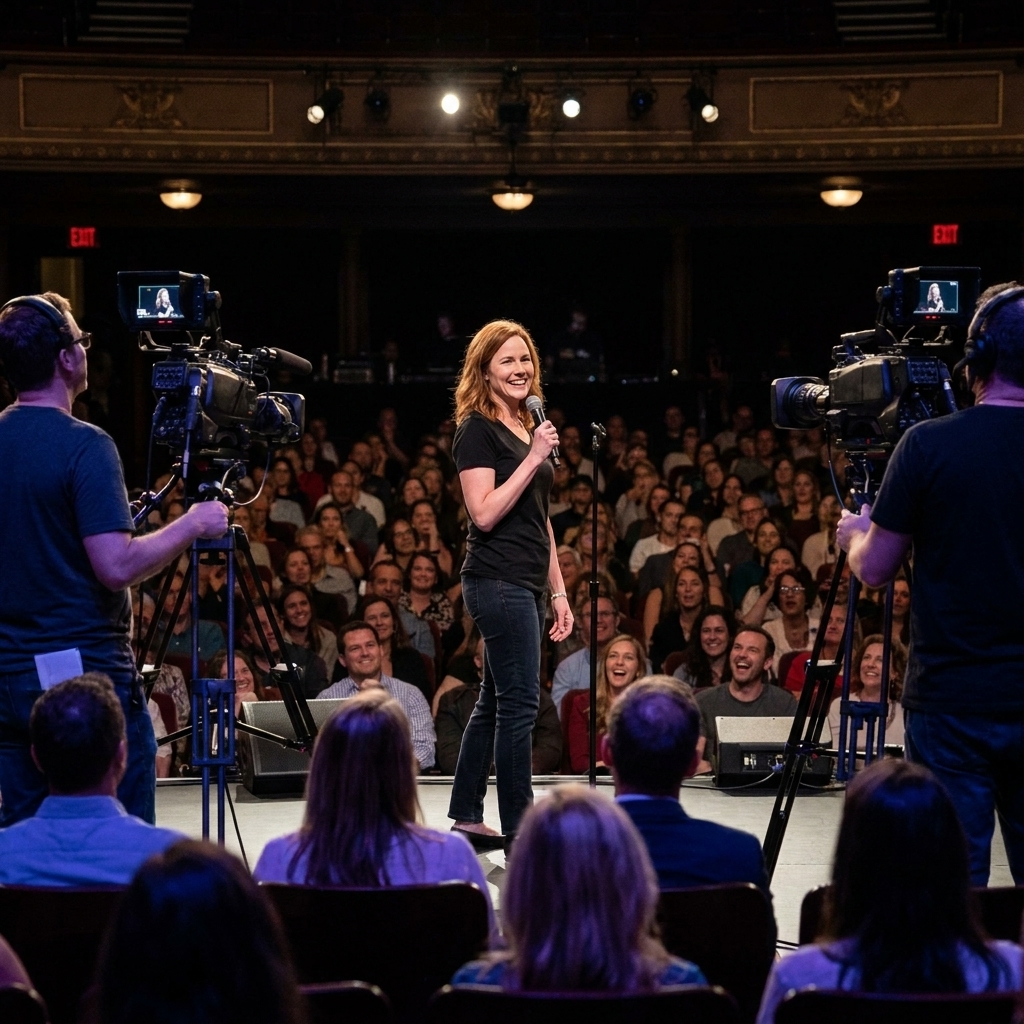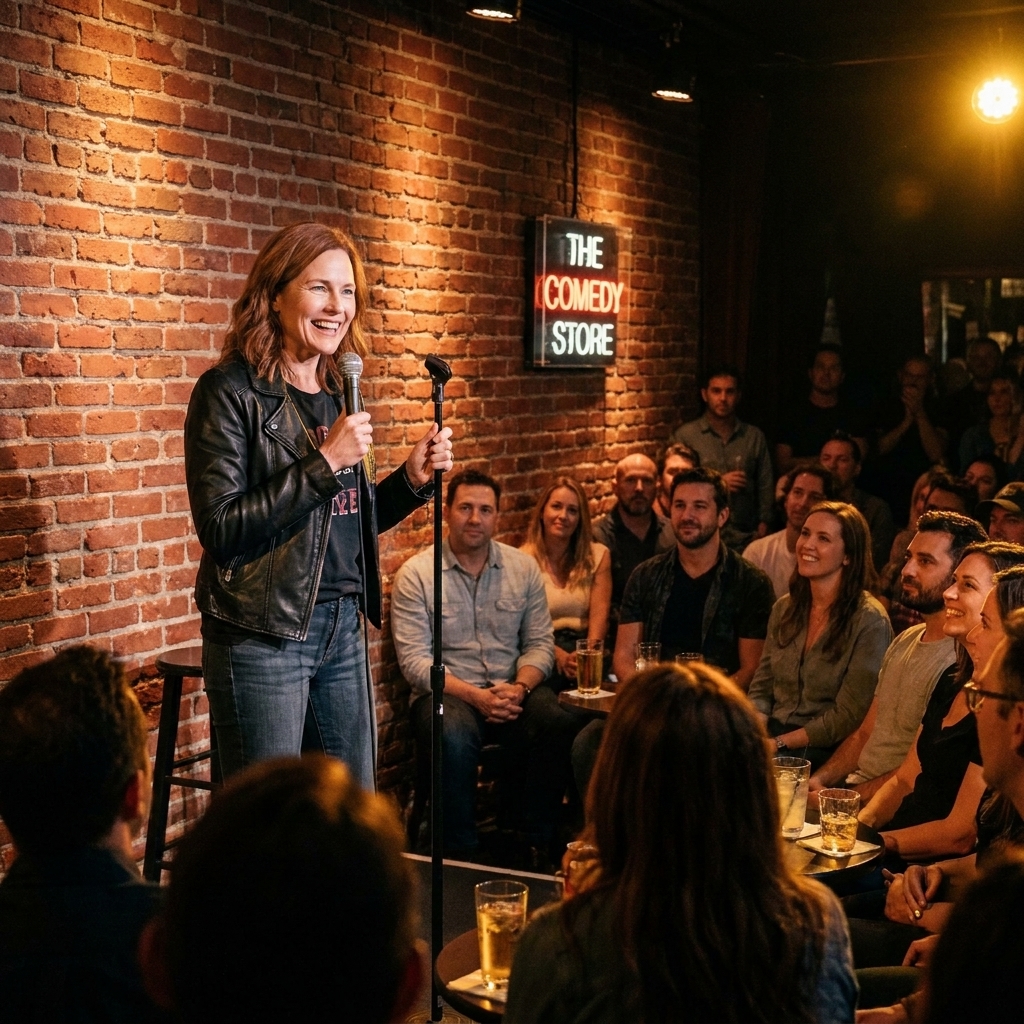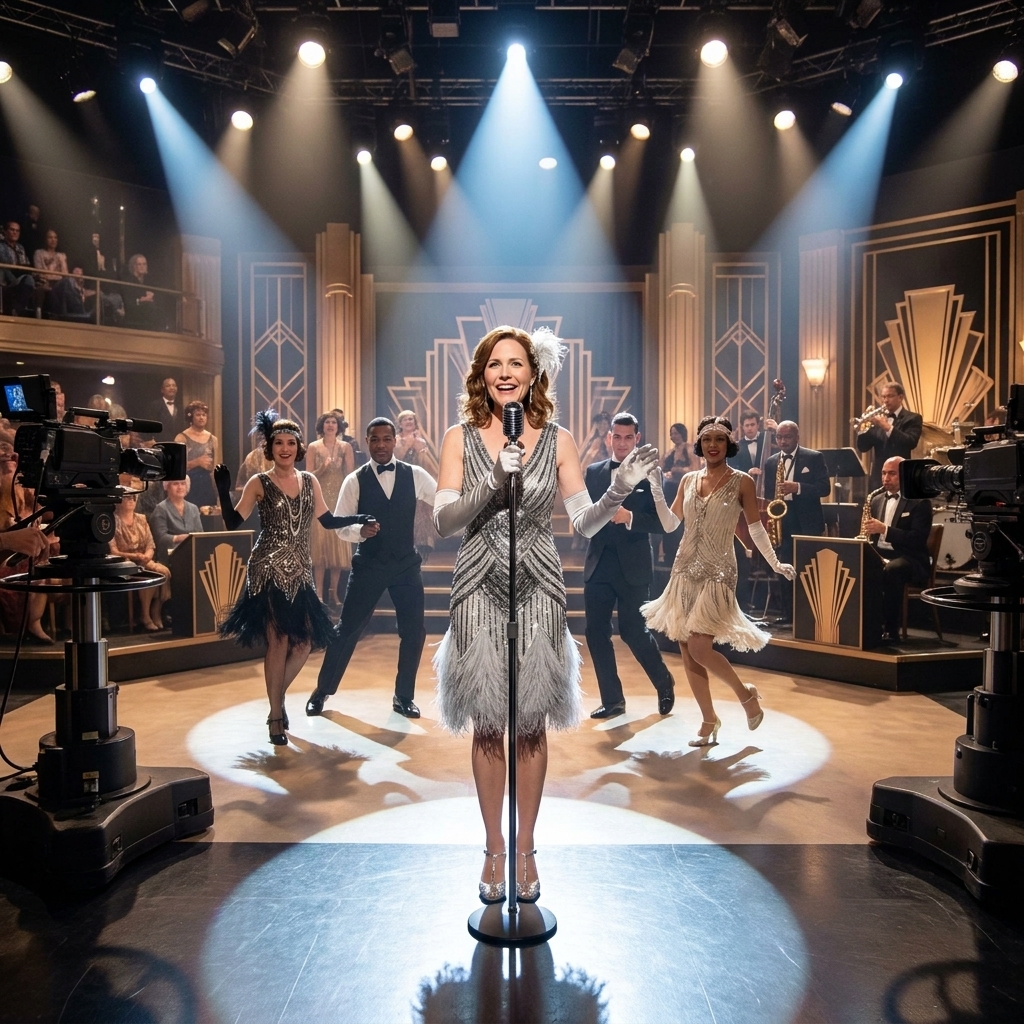
Stand-up is often sold as the simplest art form: one person, one mic, one shot. But the great live specials tell a messier truth. The best comedians are blocking scenes like theater directors, composing crescendos like musicians, and using the camera like a collaborator rather than a security guard. They change not just what’s said onstage, but what “onstage” even means.
These 15 specials did not merely “kill.” They redefined the live performance genre by bending form, expanding emotional range, and proving that laughter can be both a release valve and a spotlight.
What “live” means
Some specials made stand-up feel like confession, not a routine. Others treated the stage like a laboratory: a place to test persona, politics, and structure in front of real human breath. A few changed the business, proving a single filmed set could be a cultural event. All of them pushed the form forward, either by reinventing performance language or by widening what audiences were willing to accept as comedy.
This list is primarily U.S. and U.K. focused, because it is tracking the filmed-special tradition as it developed through American and British TV, premium cable, and streamers, where the “special” became its own language.
- Form: structure, act breaks, callbacks, and genre-mixing
- Performance: physicality, voice work, staging, and presence
- Point of view: what topics could live comfortably under the umbrella of “funny”
- Craft on camera: how filming can heighten rather than flatten a live act
Top 15 specials
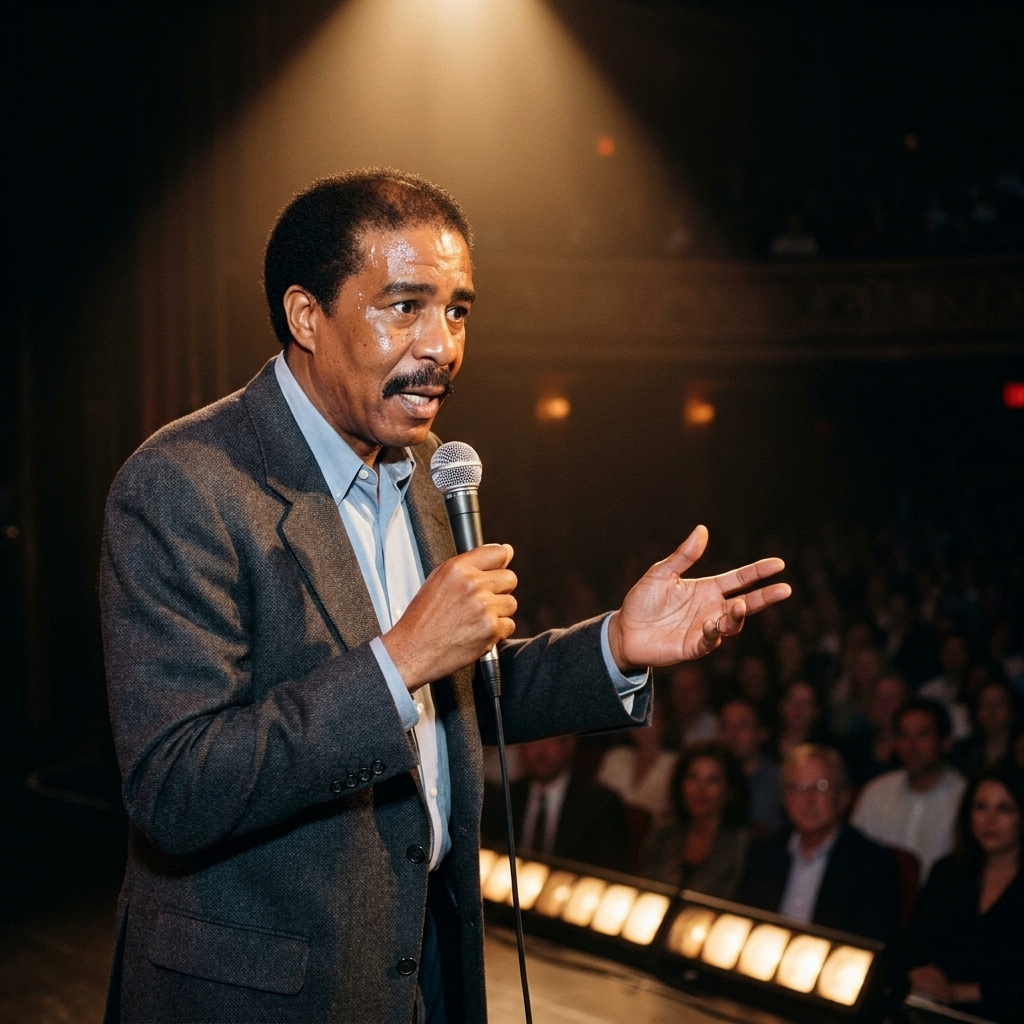
1) Richard Pryor: Live in Concert (1979)
If stand-up has a “before” and “after,” Pryor is the hinge. Live in Concert is raw without being sloppy, intimate without begging for pity. He turns personal chaos into stage poetry, moving with an actor’s control and a boxer’s timing. The filmmaking helps, too: patient framing and clean cuts that stay with his body, letting every shift in posture read like a punchline or a confession. The room feels like it is learning, in real time, what honesty can do to a crowd.
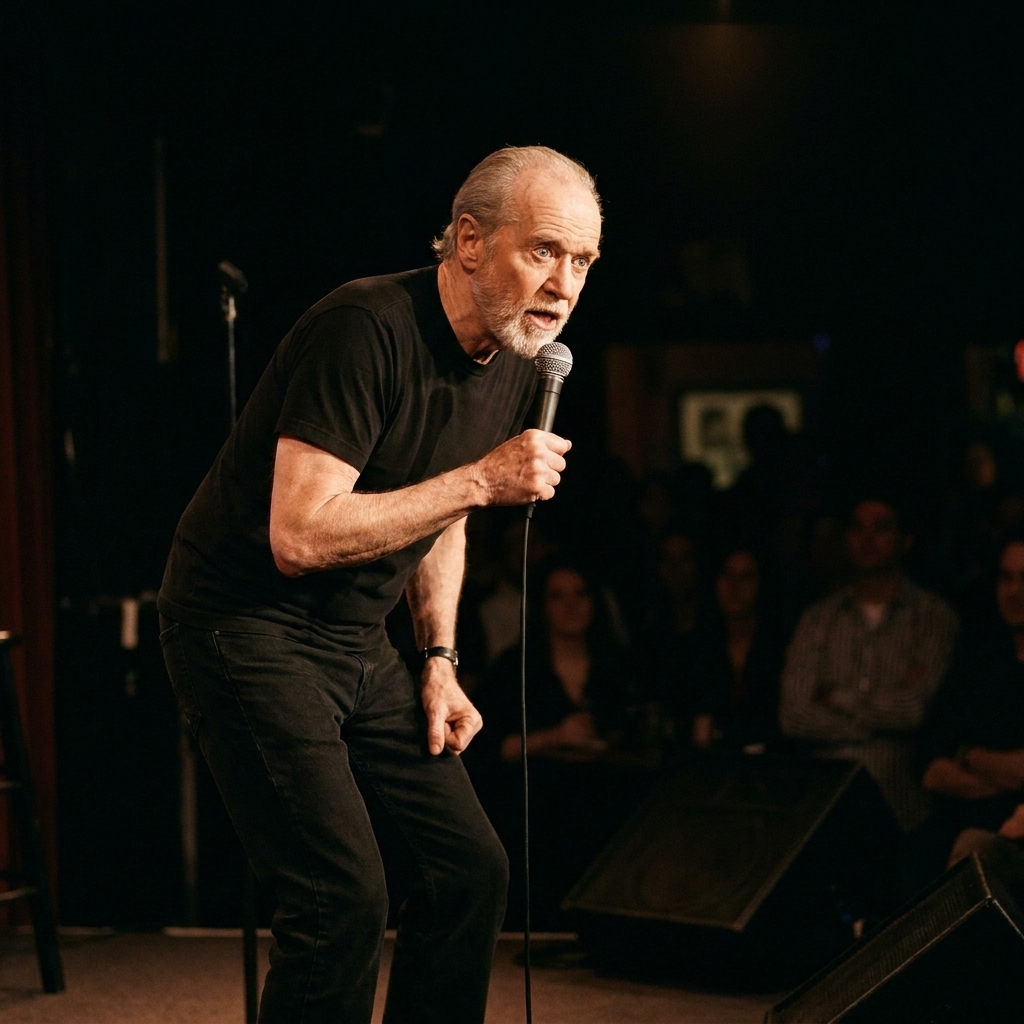
2) George Carlin: Jammin’ in New York (1992)
Carlin’s craft here is ruthless: language as percussion, ideas as set pieces. He makes the stage feel like a lecture hall and a rock show at once, but never loses control of the beat. The camera reinforces the argument by staying tight when the logic narrows, then widening when he opens the idea back up to the room. Many comics did “political.” Carlin made political musical, building tension, release, and catharsis through rhythm alone.
3) Eddie Murphy: Delirious (1983)
Murphy performs like a headliner who knows the spotlight is a crown and a weapon. Delirious turned stand-up into arena-grade spectacle, with a persona so large it practically changes the architecture of the room. Even when the material shows its era, the impact of that command, that kinetic star power, is impossible to miss. The filming leans into that scale: you get wide shots that frame him as the center of a roaring system, then steadier holds that let the physical bits land like choreography, not chaos.
4) Whoopi Goldberg: Direct from Broadway (1985)
One performer, multiple characters, zero safety net. Goldberg’s Broadway special widens stand-up into theatrical monologue, using voice and embodiment as her scenic design. The camera follows the transformations without interrupting them, treating character shifts as the main event instead of a cutaway. It is an argument, delivered with a grin, that comedy is not a lesser cousin of theater. It is theater, just with a different contract with the audience.
5) Steve Martin: A Wild and Crazy Guy (1979)
Martin took the anti-comic impulse and made it mainstream. A Wild and Crazy Guy is best known as the 1978 album, but it is also the name attached to the filmed material that circulated and broadcast in the 1979 era, the version most viewers think of as “the special.” What matters on camera is the precision: the deliberate absurdity, the expectation sabotage, the constant wink at the idea of a “routine.” The presentation does not try to “fix” the chaos. It lets the bits play long enough that the audience escalation becomes part of the joke’s architecture, and the cutaways arrive as punctuation rather than explanation.
6) Billy Connolly: Whoopi Goldberg Presents Billy Connolly (1990)
Connolly’s genius is the illusion of casualness. He makes tangents feel like choreography, drifting and snapping back with the ease of a seasoned improviser. This U.S. showcase helped legitimize the shaggy-dog, story-as-jazz approach as a formidable live form, not a ramble you tolerate between punchlines. Credit details can vary across listings, but the on-screen presentation most commonly referenced is the HBO-era Whoopi Goldberg Presents Billy Connolly special from around 1990.
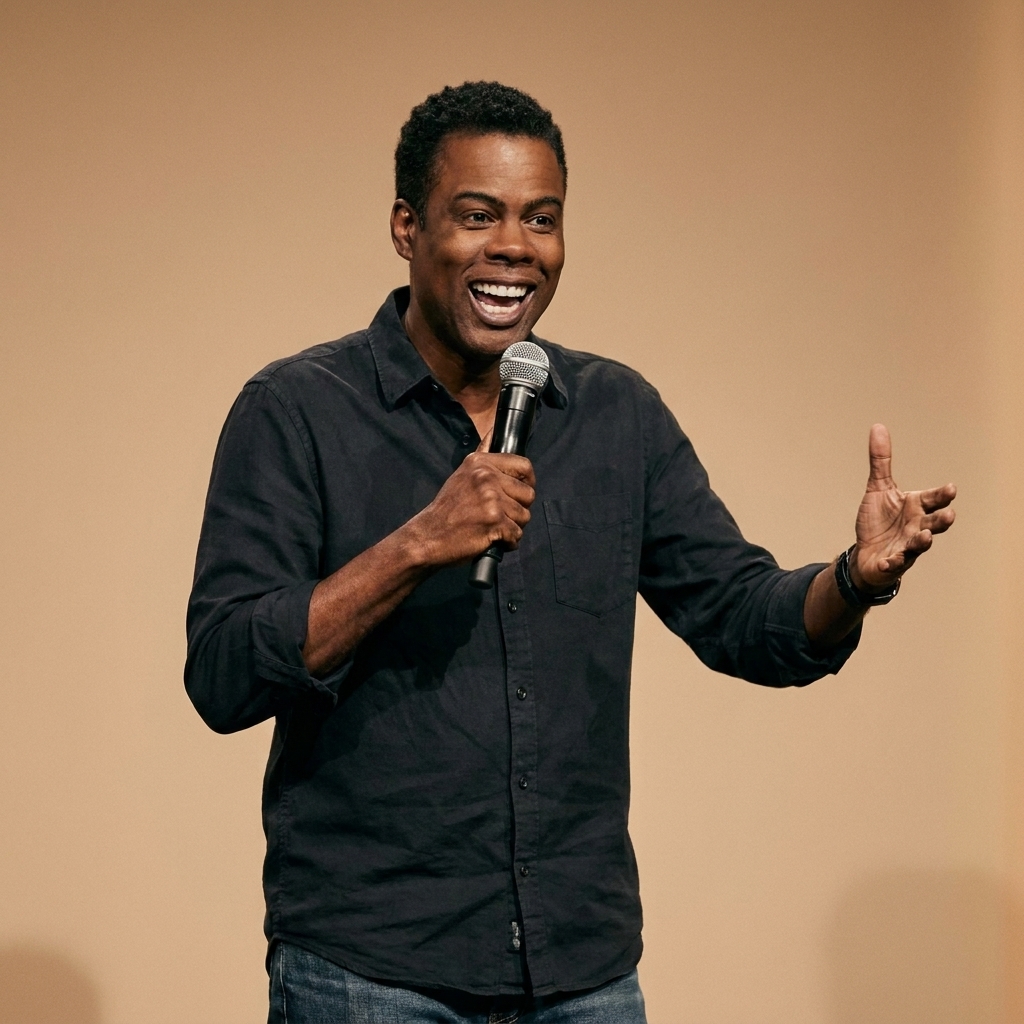
7) Chris Rock: Bring the Pain (1996)
Rock sharpened stand-up into a scalpel: repetition as rhythm, moral outrage as propulsion, punchlines as punctuation marks. Bring the Pain reset the bar for cultural commentary that still plays like a night out. The staging is famously stripped down, and the direction uses that spareness as a feature, not a limitation. The camera stays disciplined, letting his pacing and stance do the work, and you can feel the craft in the cadences, how he builds a communal “yes” before twisting it into a laugh.
8) Dave Chappelle: Killing Them Softly (2000)
This is a masterclass in tone control. Chappelle moves between absurdity and discomfort with the agility of someone switching lighting cues. The room is part of the instrument here: the filming lingers on the pauses just long enough to let the crowd’s reaction become a second voice in the joke. The special helped define the modern era where a comedian could be both playful and sharply observational, and where a story could land as social critique without announcing itself as “important.”
9) Patton Oswalt: Annihilation (2017)
Oswalt’s special is built like a lovingly curated mixtape of pop culture and existential dread. He makes nerdy specificity feel universal, which is no small feat. The camera treatment fits the voice: close enough to catch the micro-expressions, relaxed enough to let the riffs breathe. Pay attention to how often the direction stays on him through a run of tags rather than chasing audience reaction shots, trusting that the momentum is in the sentence-level turns, not in editorial reassurance.
10) Sarah Silverman: Jesus Is Magic (2005)
Jesus Is Magic is a hybrid by design: a stand-up set threaded with musical and filmed interludes that underline the persona. Silverman’s onstage voice is a tightrope act: sweet delivery, barbed turns, then the audience realizing they have been complicit in the joke’s mechanism. The special is crucial to the evolution of “character” comedy on camera, where the performance is not merely who the comedian is, but who they are playing, and why that matters. The filming rewards that choice, catching the tiny beat after a line where the mask slips, and the room catches up.
11) Louis C.K.: Live at the Beacon Theater (2011)
Regardless of where you land on the larger context around the performer, the special’s formal influence is hard to deny: a stripped-back stage, extended bits that breathe, and a confessional register that shaped a generation’s sense of what “authentic” sounded like. The direction stays unflashy on purpose, letting discomfort sit without editorial rescue. It helped normalize the idea that a special could be intimate and uneasy while still functioning as entertainment.
12) Bo Burnham: Make Happy (2016)
Burnham treats the stage like a control booth: lighting, music, pacing, and camera-awareness all become part of the punchline. Make Happy is not just stand-up with songs. It is a meticulously staged live show that interrogates performance itself, including the audience’s hunger for it. The result feels closer to contemporary theater than club comedy, and that is exactly the point.
13) Ali Wong: Baby Cobra (2016)
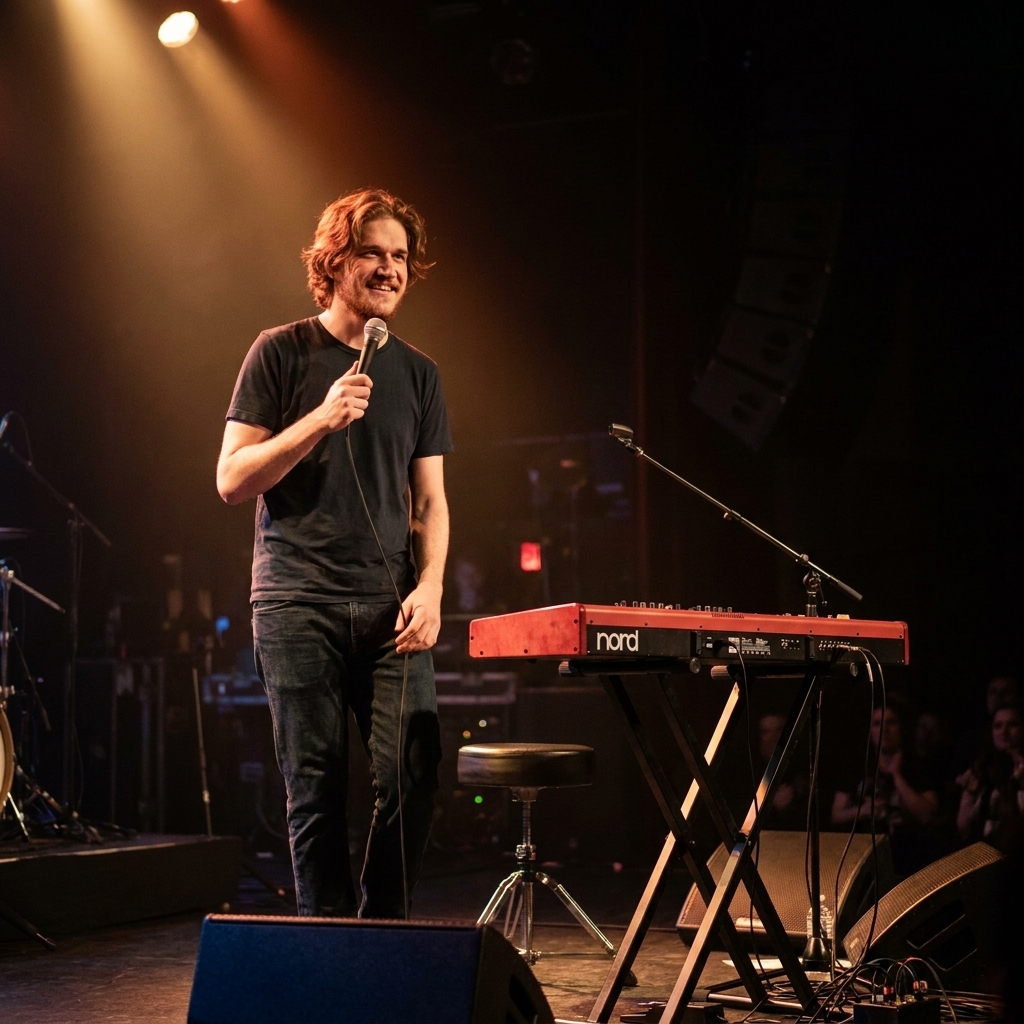
Wong’s special detonated the myth that certain perspectives are “niche.” Her honesty is physical, not just verbal, and the room responds like it has been waiting for permission to laugh at taboos with clarity rather than cruelty. The filming keeps the focus where it belongs: the camera stays close enough to register the posture shifts and the deliberate stillness between punches, and wide enough to show how she works the room like a single, continuous argument. The stage persona is bold, the writing is tight, and the cultural ripple was immediate.
14) Hannah Gadsby: Nanette (2018)
Nanette is a structural revolution disguised as a set. Gadsby reframes punchlines as narrative weapons, then asks what it costs to keep using them. The camera does something quietly radical: it listens, holding on her long enough that you feel the turn from comedy to testimony without a visual escape hatch. Whether you categorize it as stand-up, theater, or something in between, its impact is undeniable: it expanded the definition of what a live comedy special can do emotionally and formally.
15) Jerrod Carmichael: Rothaniel (2022)
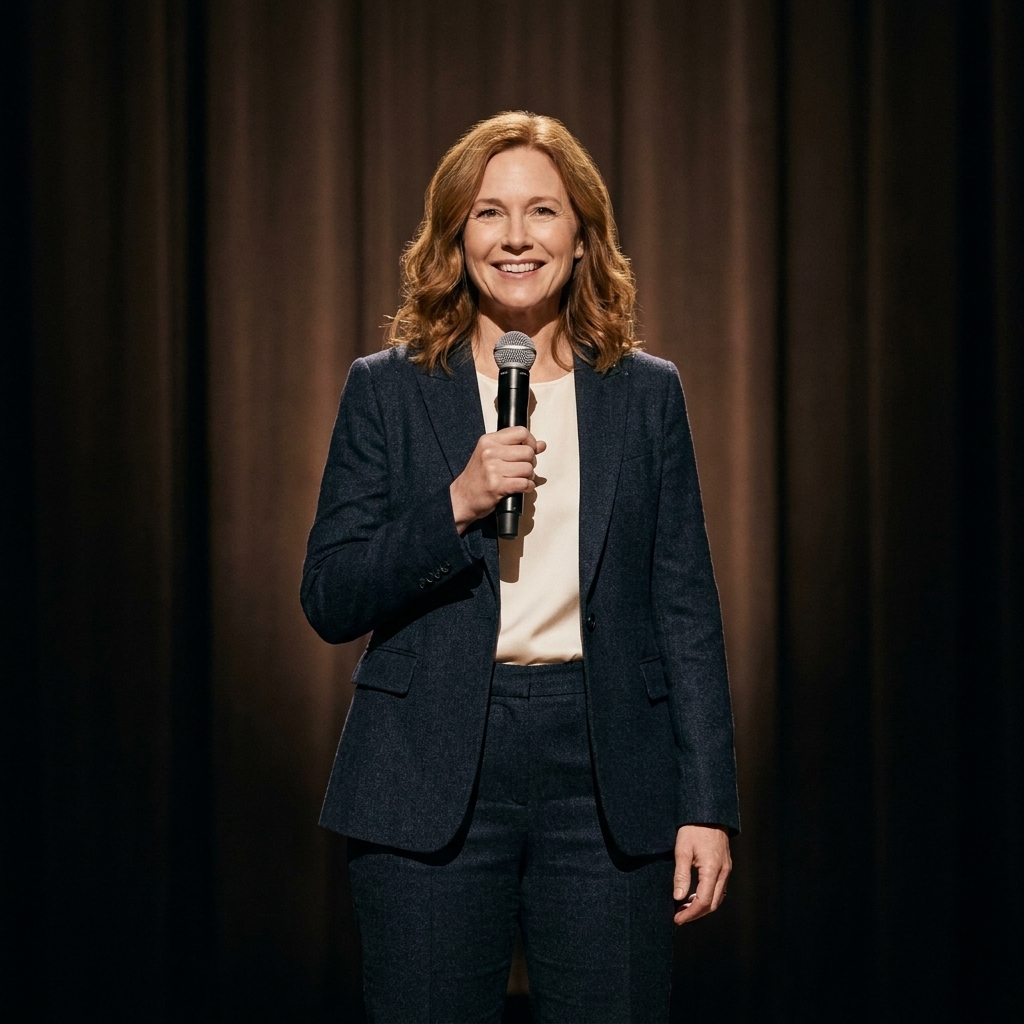
Carmichael performs like someone dismantling a set in front of you, piece by piece, until all that remains is the person underneath. Rothaniel is spare, tense, and deliberately unslick, making silence and uncertainty part of the live experience. The filmmaking matches that restraint, staying close and steady so the smallest hesitations read as choices, not dead air. It is a reminder that “special” does not have to mean bigger. Sometimes it means braver.
Moves that stuck
- Stand-up as theater: Goldberg and Burnham helped normalize staging, character, and formal design as comedic tools.
- Stand-up as social argument: Carlin and Rock demonstrated that ideas can land like punchlines if the rhythm is right.
- Stand-up as autobiography: Pryor, Wong, Gadsby, and Carmichael made vulnerability a legitimate engine of momentum.
- Stand-up as persona engineering: Martin and Silverman showed how “who I am onstage” can be an authored performance, not a diary entry.
What I love most is that none of these specials ask permission. They walk out, take the space, and teach the room how to watch them. That is the secret handshake of live performance at its best: the stage is not a platform. It is a relationship.
FAQ
Are these the funniest ever?
Not necessarily. This list is about influence and innovation, the specials that changed the grammar of live comedy performance, whether through structure, persona, staging, or cultural impact.
Why mix quiet shows with big classics?
Because redefining the genre can mean expanding the spectacle or shrinking it until the room can hear the truth. Both approaches change what audiences expect from “live.”
Where should beginners start?
If you want a foundation, start with Pryor, Carlin, and Rock. If you want form-bending modern theater energy, go Burnham, Gadsby, and Carmichael. If you want star-power propulsion, cue up Murphy.