There is a moment in immersive theatre when you realize the show is not happening to you, it is happening with you. Maybe it is the actor who meets your eyes and wordlessly hands you a letter. Maybe it is the hallway that seems to extend forever, despite the fact that you know you are inside a building with very real walls and very real fire codes. Either way, you stop being a passive observer and become a kind of co-author, stitching together meaning from whatever doors you choose to open.
At its simplest, immersive theatre is live performance that treats the audience as present inside the world of the story, rather than seated outside it. Sometimes that means roaming through rooms. Sometimes it means one-on-one scenes. Sometimes it looks more like an “immersive experience” than a conventional play, but the heartbeat is the same: design, performers, and story conspiring to make you feel in it.
As someone who grew up backstage and still reads the entire playbill before the curtain rises, I love the old rituals. But I also love what immersive work does to an audience’s posture. You lean forward. You listen harder. You become a little braver. Below are eight interactive shows and attractions that have helped redefine what “going to the theatre” can mean, with a few practical notes on what to expect.
8 immersive experiences to know
1) Sleep No More (Punchdrunk)
Where: New York City (dates are time-sensitive, check the official site for current schedules)
Vibe: Noir fever dream meets Shakespeare, staged across a multi-floor “hotel”
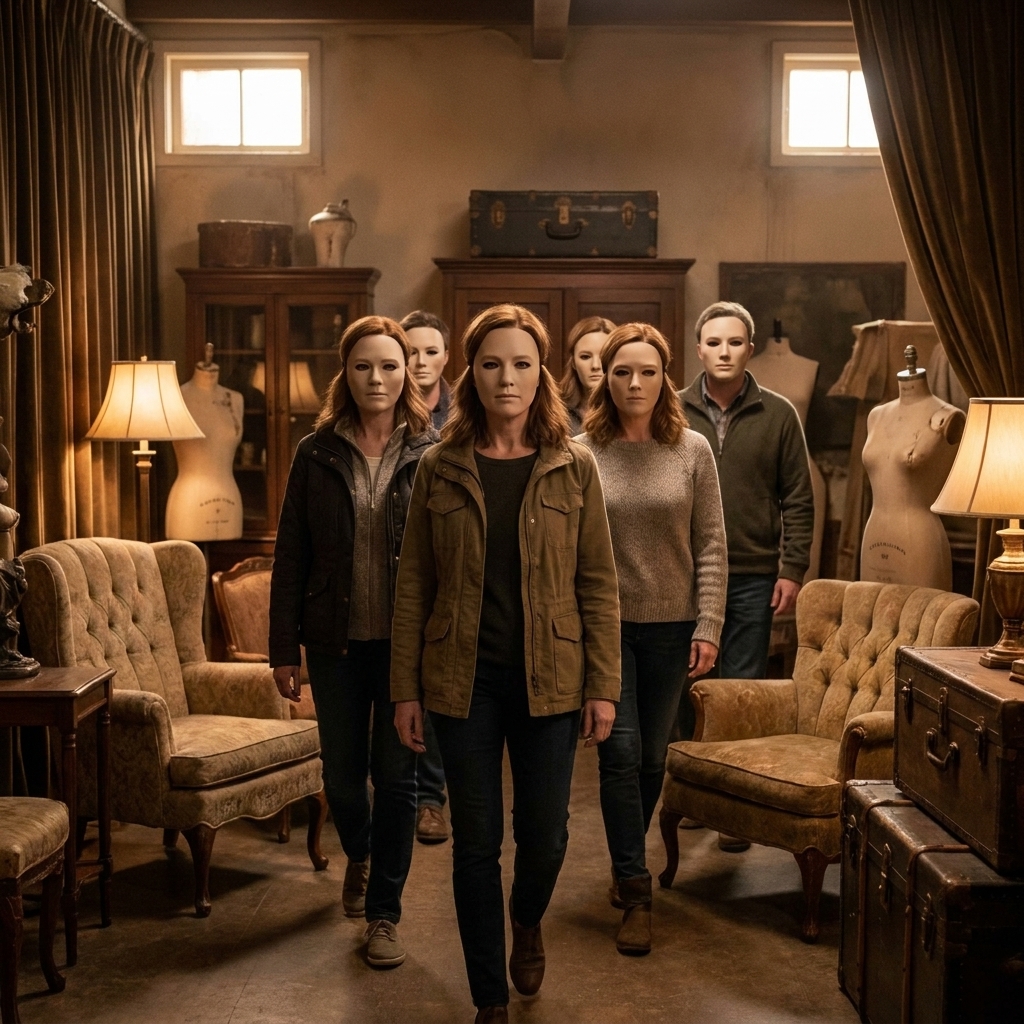
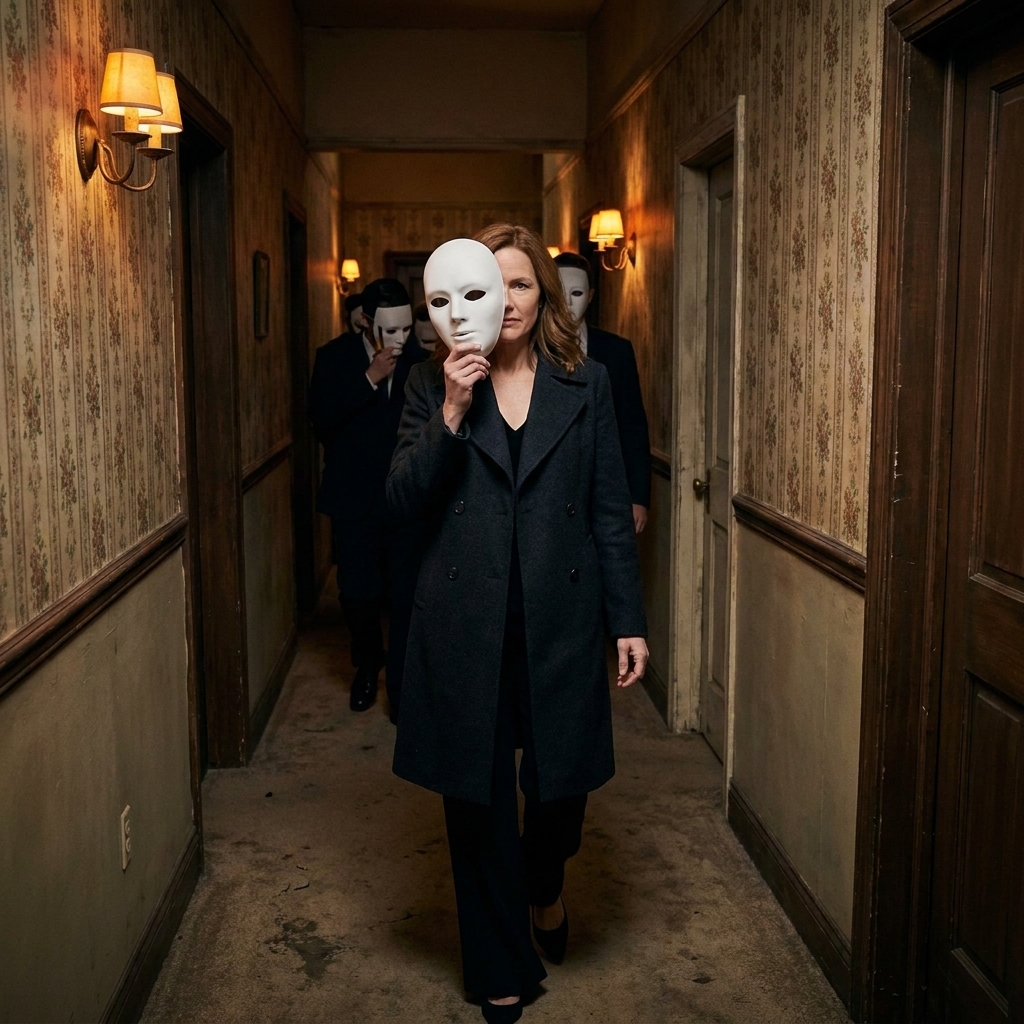
If immersive theatre had a marquee in the lobby of the form, it would probably read Sleep No More. Punchdrunk’s masked, largely wordless riff on Macbeth taught audiences a new kind of theatre literacy: follow the character you cannot stop thinking about, open the drawer you are not supposed to open, accept that you will miss things and that missing things is part of the design.
The genius is not only the choreography or the cinematic tableaus, it is the permission structure. You are invited to roam, to choose, to assemble your own cut of the story from fragments. That freedom can feel thrilling or disorienting, often both.
2) Then She Fell (Third Rail Projects)
Where: New York City (closed in 2020, widely discussed as a modern classic)
Vibe: Intimate, dreamlike Alice-inspired encounter with one-on-one scenes
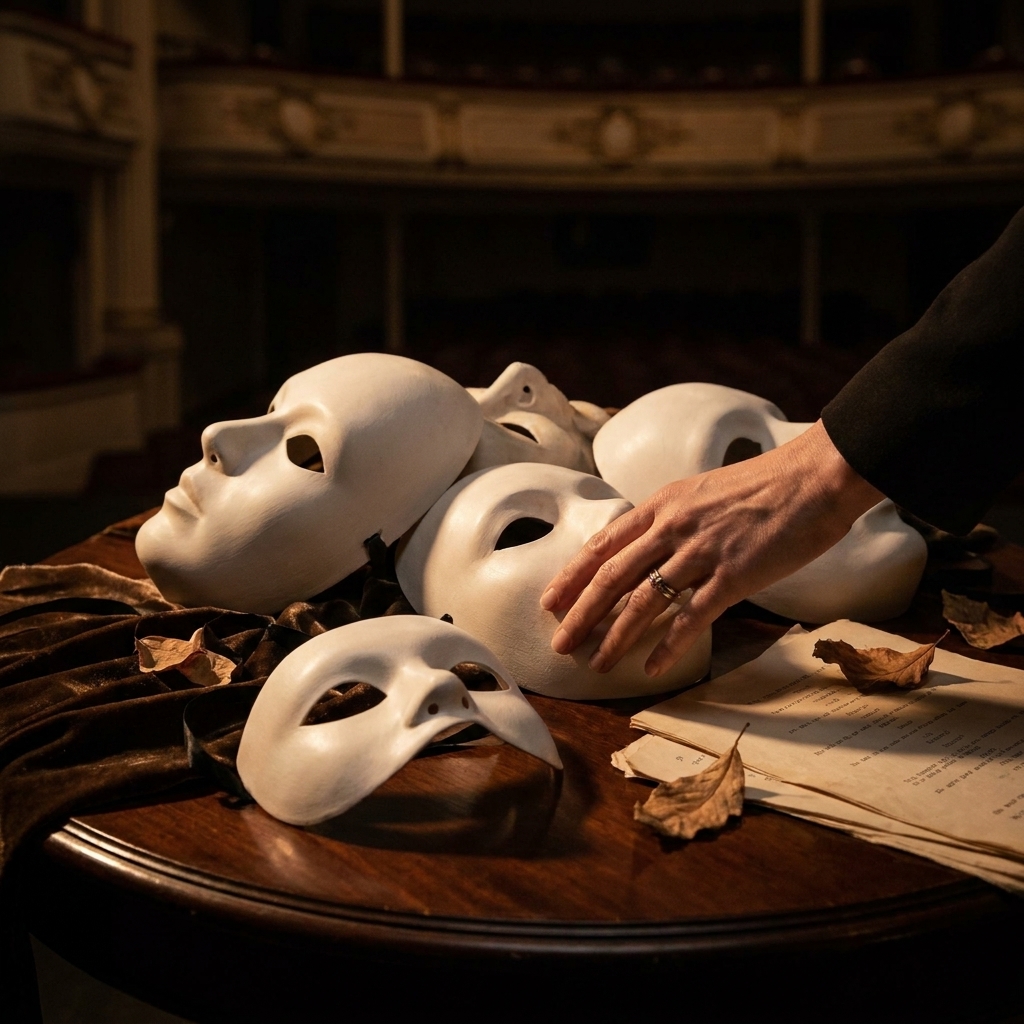
Then She Fell is the immersive show I recommend to anyone who thinks they “don’t like participation.” This is not a shout-your-suggestion-at-the-stage kind of interactive. It is closer to being gently drawn into a lucid dream. The audience was small, the rooms felt like secrets, and the performers treated you less like a customer and more like a confidant.
It was exquisitely designed for emotional proximity. A glance, a teacup, a whispered instruction could land with the force of a monologue because it was meant for you, not the back row.
3) The Great Gatsby (Immersive Everywhere)
Where: London
Vibe: Jazz-age spectacle with roaming scenes, decadence, and unraveling
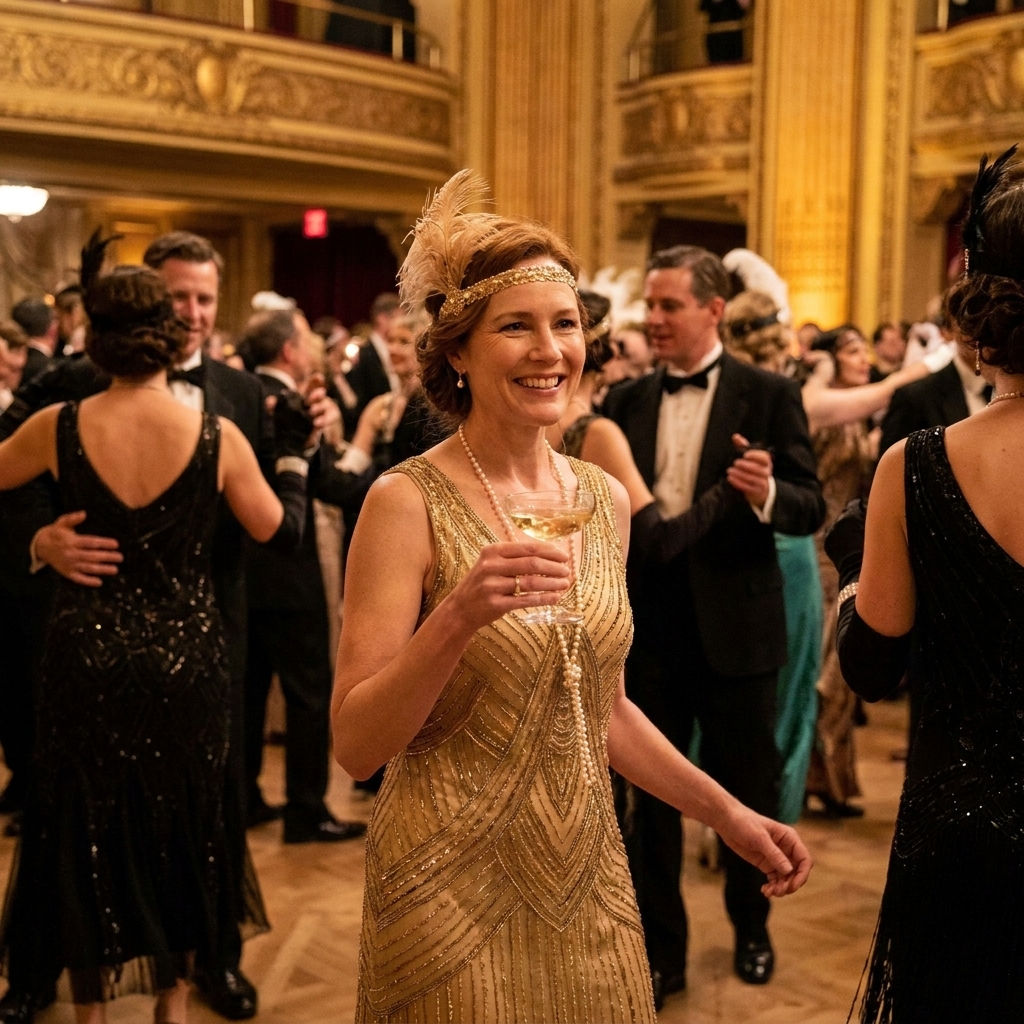
Fitzgerald’s world has always been theatrical, but immersive theatre makes the party literal. Produced by Immersive Everywhere (formerly Guild of Misrule), this approach invites you to drift through the glow and the gossip, letting music, movement, and environment do the heavy lifting. It is a story you can feel in your shoulders and fingertips, even when you already know how it ends.
If you are new to immersive theatre, this kind of adaptation can be a strong entry point because you likely already carry some emotional context for the story. You can spend less time decoding and more time experiencing.
4) War of the Worlds: The Immersive Experience
Where: London (dates and venue can change, check current listings)
Vibe: Sci-fi survival adventure blending live performers with set pieces and tech
If you love the idea of immersive storytelling but your heart belongs to theme-park scale, this one is a good bridge. War of the Worlds leans into spectacle, suspense, and the adrenaline of being guided through a narrative landscape that feels engineered to close in around you.
Immersive theatre purists sometimes debate where theatre ends and “experience” begins. I am less interested in policing the border than in celebrating craft. When performers, designers, and technicians are all conspiring to make you believe, that is theatre to me.
5) The Drowned Man: A Hollywood Fable (Punchdrunk)
Where: London (not currently running; often discussed as a landmark production)
Vibe: Epic sprawl, cinematic imagery, two worlds colliding across a massive site
The Drowned Man is the show people describe the way they describe dreams they are still trying to interpret. It sprawled and seduced, offered multiple narrative threads, then trusted the audience to do the work of meaning-making, which is a compliment, actually.
Its legacy matters because it proved that immersive work could be both enormous and detailed, both overwhelming and precise. It also underscored a key truth: in immersive theatre, you are always editing. Your feet are your camera.
6) You Me Bum Bum Train
Where: London (sporadic runs, famously hard to get into)
Vibe: One audience member at a time, dropped into rapid-fire worlds and roles
Some immersive shows invite you to wander. You Me Bum Bum Train goes further and invites you to perform. One person at a time is propelled through a sequence of scenes that ask for instinct, courage, and a willingness to look a little ridiculous in service of play.
What makes it special is not just the novelty, it is the care. The whole machine is built to catch you, to make you feel capable inside the fiction. It can be oddly moving, too: theatre reminding you that you contain more selves than you thought, and handing you a safe place to try one on.
7) Secret Cinema
Where: United Kingdom (format and locations vary by production)
Vibe: Walk-through worlds built around a film, part set, part role-play, part screening
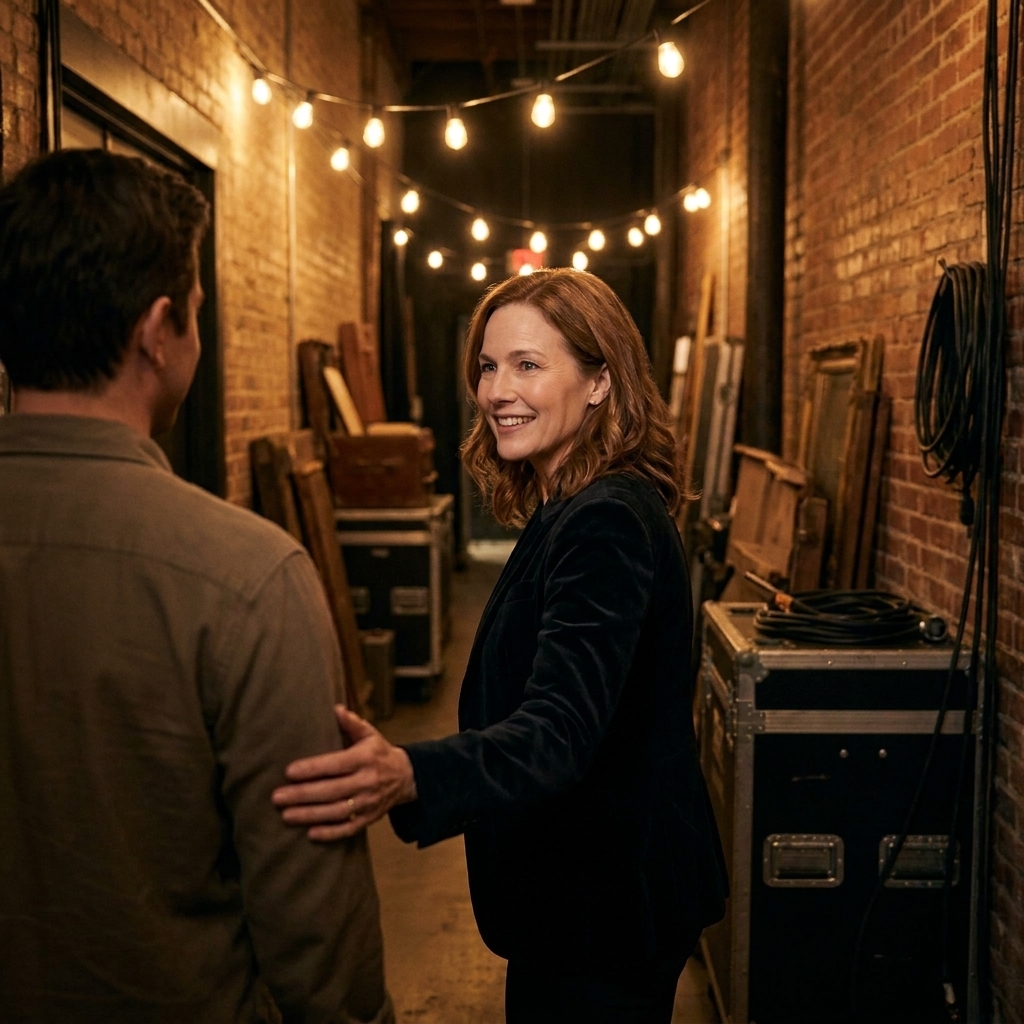
Secret Cinema sits at the intersection of theatre, production design, and fandom. Depending on the title and the era of the company’s model, you might be stepping into a meticulously built environment that functions like a living pre-show, with performers and prompts nudging you toward a character or mission before the screening.
The best versions understand that immersion is not just “more stuff.” It is a coherent set of choices. Costumes, lighting, sound, and performer interactions all serve a central question: how does it feel to live inside this story for a night?
8) Audio walks and headphone theatre
Where: Global, often touring and city-specific
Vibe: The city as stage, you as protagonist, guided by sound
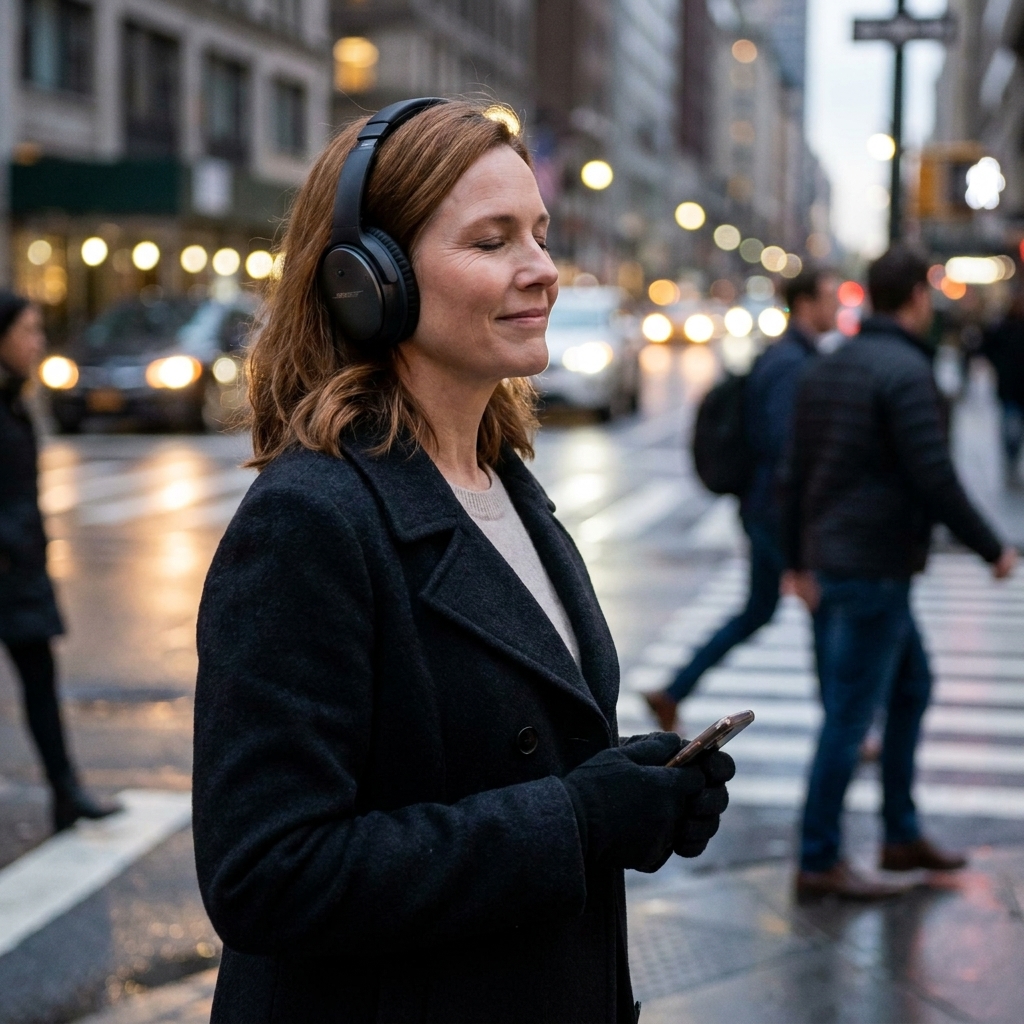
Not all immersive theatre lives inside warehouses and old hotels. Some of the most quietly thrilling immersive work takes place on sidewalks. Audio walks and headphone theatre pieces use voice, music, and ambient sound to reframe familiar streets as narrative terrain. You may be instructed to look up at a particular window, to follow a stranger at a polite distance, to consider the choreography of commuters.
If you want a concrete place to start, look for makers like Rimini Protokoll (known for audio-led city pieces) or local festivals that commission site-specific headphone work. When the “set” is your real life, the line between story and memory gets deliciously thin.
What to expect
Immersive theatre has a reputation for being intimidating, mostly because the rules are not always obvious at the door. Here are a few things I wish every first-timer heard before stepping inside a story.
- You will not see everything. Immersive shows are built on simultaneity. Missing scenes is not failure, it is structure.
- Your body is part of the experience. You may be standing, walking, climbing stairs, or moving through tight spaces. Wear comfortable shoes and think practically about bags and coats.
- Interactivity comes in levels. Sometimes you will be asked to open drawers or choose doors. Sometimes you will be spoken to directly. Sometimes you can opt out simply by hanging back.
- Consent and boundaries matter. Reputable productions have clear audience guidelines and trained staff. If something feels off, step away and find a steward.
- Check accessibility and sensory notes. Mobility access, stairs, darkness, fog, strobes, and loud sound can vary widely. Most productions publish access information, and it is worth reading before you buy a ticket.
- Go with curiosity, not a completionist mindset. The “right” path is the one that makes you feel most alive.
Why it is growing
Immersive theatre is not a rejection of traditional stagecraft. It is a love letter to it, written in a new handwriting. Designers get to build worlds you can smell. Choreographers get to place movement inches from your shoulder. Performers get to calibrate energy for a room that changes shape every minute because the audience is always rearranging it.
And audiences, frankly, are hungry for art that asks them to be present. In an era where so much entertainment is optimized for distraction, immersive work insists on attention. It turns watching into a kind of doing, and reminds you that stories are not just consumed. They are inhabited.
A note on the list: it leans UK and NYC heavy because those scenes helped define the modern boom and are well documented. If you are reading from elsewhere, look for local audio walks, site-specific dance, and festival commissions. Immersion scales beautifully, from a single pair of headphones to a whole building.
Immersive theatre FAQ
Do I have to talk to actors?
Usually, no. Many immersive shows allow you to stay mostly observational. If there is direct interaction, it is often gentle and brief. If you prefer distance, hang back, avoid the front of clusters, and follow staff guidance.
Is immersive theatre the same as escape rooms?
They are cousins. Escape rooms prioritize puzzles and winning conditions. Immersive theatre prioritizes narrative, performance, and atmosphere. Some experiences blend both, but the intention is different.
What should I wear?
Comfortable shoes are the closest thing to a universal rule. If the event encourages costumes, think “movable” rather than “museum.” You want to be able to walk, sit, and navigate stairs easily.
Is it okay to go alone?
Absolutely. In fact, going solo can heighten the dream logic of the night. Many shows are designed so that groups naturally split up anyway.