There is a moment in every truly great live performance when you stop watching and start belonging. Immersive entertainment has been chasing that feeling for years, but lately it has evolved from a niche thrill into a full-blown design philosophy, especially in cities where dedicated spaces and long-running hits have made walk-through story worlds a dependable night-out option. The newest venues are not just staging plays in unconventional spaces. They are building worlds with the kind of narrative engineering we used to associate with theme parks, video games, and film sets. Only now, you are inside the frame.
What is changing is not simply where theater happens. It is how stories are delivered, how audiences move, how sound behaves in a room, and how performers calibrate intimacy at arm’s length. The best immersive venues treat the audience like a collaborator, not a consumer. And when it works, it feels like stepping into a living storyboard.
What makes a venue truly immersive now
Immersive theater is no longer synonymous with wandering a spooky corridor while a violin trembles somewhere nearby. The form has matured, and venues are evolving right along with it. Here are the features showing up again and again in the most forward-thinking spaces.
- Architecture that tells story: Rooms function as dramaturgy. Each space advances plot, mood, or character. A stairwell can be a plot twist. A bar can be a character.
- Multi-track narratives: The “main” story is only one path. You can follow a performer, chase a sound cue, or stumble into a scene meant for eight people at 11:17 pm.
- High-touch design without high-tech dependency: Many of the strongest experiences still rely on practical sets, scent, light, texture, and human timing. Technology is a tool, not the star.
- Audience care as part of craft: Clear consent practices, accessibility options, and thoughtful front-of-house choreography are increasingly expected in leading venues that take immersion seriously.
- Repeatability: Immersive venues are building ecosystems, not one-offs. A space that can host multiple worlds over time is the business model powering the artistry.
5 venues redefining live theater
These spaces span continents and aesthetics, but they share a common belief: if you want audiences to feel something, you have to give them agency, atmosphere, and a reason to lean in.
1) Punchdrunk (London, UK)
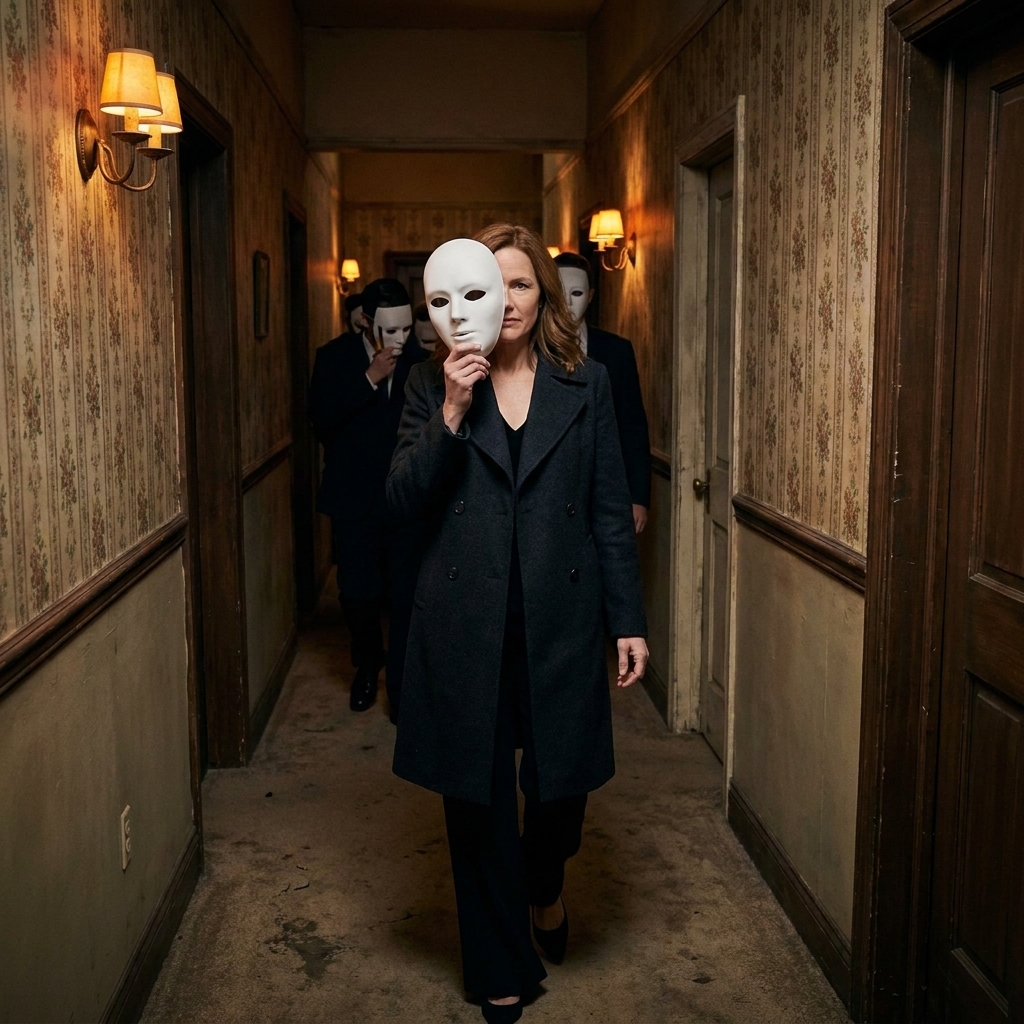
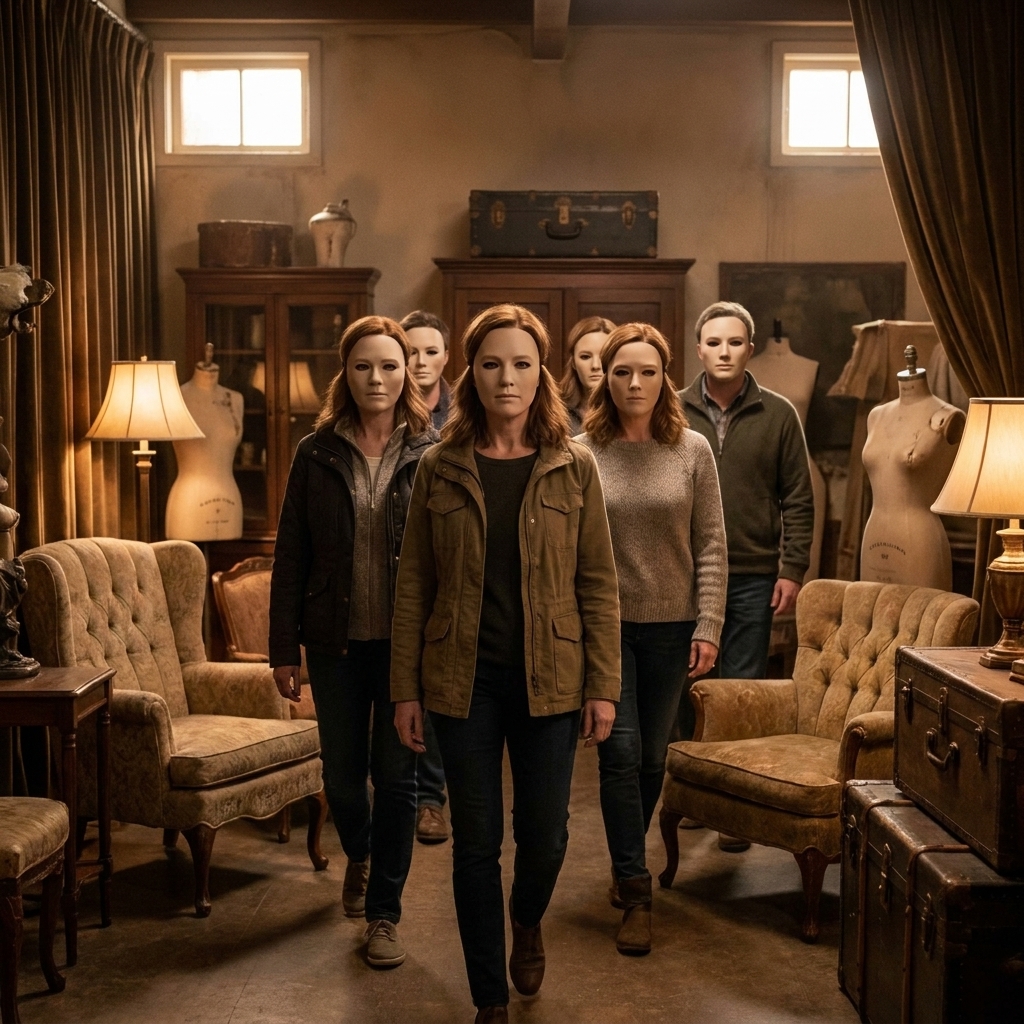
If immersive theater has a household name, it is Punchdrunk, at least according to many critics and fans of the form. The company’s signature language is environmental storytelling at scale: sprawling spaces, meticulous production design, and a sense that you are wandering through a lucid dream that just happens to have impeccable lighting cues. Landmark works like The Drowned Man and Punchdrunk’s creative DNA in shows like Sleep No More helped codify the grammar of modern immersion, from mask-based anonymity to multi-floor promenade structure and parallel scenes unfolding like cinematic coverage in real time.
Why it matters: Punchdrunk proved that audiences will happily trade a traditional seat for a sense of discovery, and that live theater can behave like an open-world narrative without losing emotional clarity.
What to watch next: The way Punchdrunk and its peers continue to refine audience flow, crowd density, and intimate one-on-one moments without turning the experience into a queue.

2) Sleep No More at the McKittrick Hotel (New York City, USA)
The McKittrick Hotel is one of the clearest examples of a venue becoming a brand of experience. Part hotel fantasia, part noir labyrinth, it has drawn audiences who may not typically buy a ticket to a straight play. You do not just attend a show here. You navigate it, like a private investigator with a half-remembered clue.
Timely note: The show’s New York run has had time-sensitive closing announcements and extensions over the years. Before you plan a trip around it, check the most recent official update from Emursive and Punchdrunk for the currently scheduled final performance date.
Why it matters: The McKittrick model helped normalize immersion as a night-out category, the same way you might choose a concert, a comedy set, or a tasting menu. It made theater feel like an event without flattening it into spectacle.
Audience shift it captures: Many theatergoers now expect an experience that begins before the first scene and lingers after the last, with bars, environments, and after-hours energy woven into the storytelling ecosystem.

3) Sleep No More (Shanghai, China)
Shanghai has become a major proving ground for large-scale immersive experiences, particularly those that blend theater, dance, and environment into a continuous, cinematic roam. The standout case study is Sleep No More in Shanghai, produced by SMG Live and Punchdrunk. Staged inside a purpose-built, multi-story, hotel-world environment, it demonstrates what happens when immersion is not squeezed into a found space, but engineered for audience flow, layered rooms, and repeat visits that reveal different slices of the story.
Why it matters: Shanghai’s scene demonstrates that the form is not a Western novelty but a global language, adaptable to local aesthetics, pacing, and audience etiquette.
What it signals for the industry: Immersive venues thrive when they are designed with a platform approach, meaning a building and operating system built to host complex, repeatable worlds over time, not just a single opening-night trick.
4) darkfield shipping-container venues (London and touring, UK)
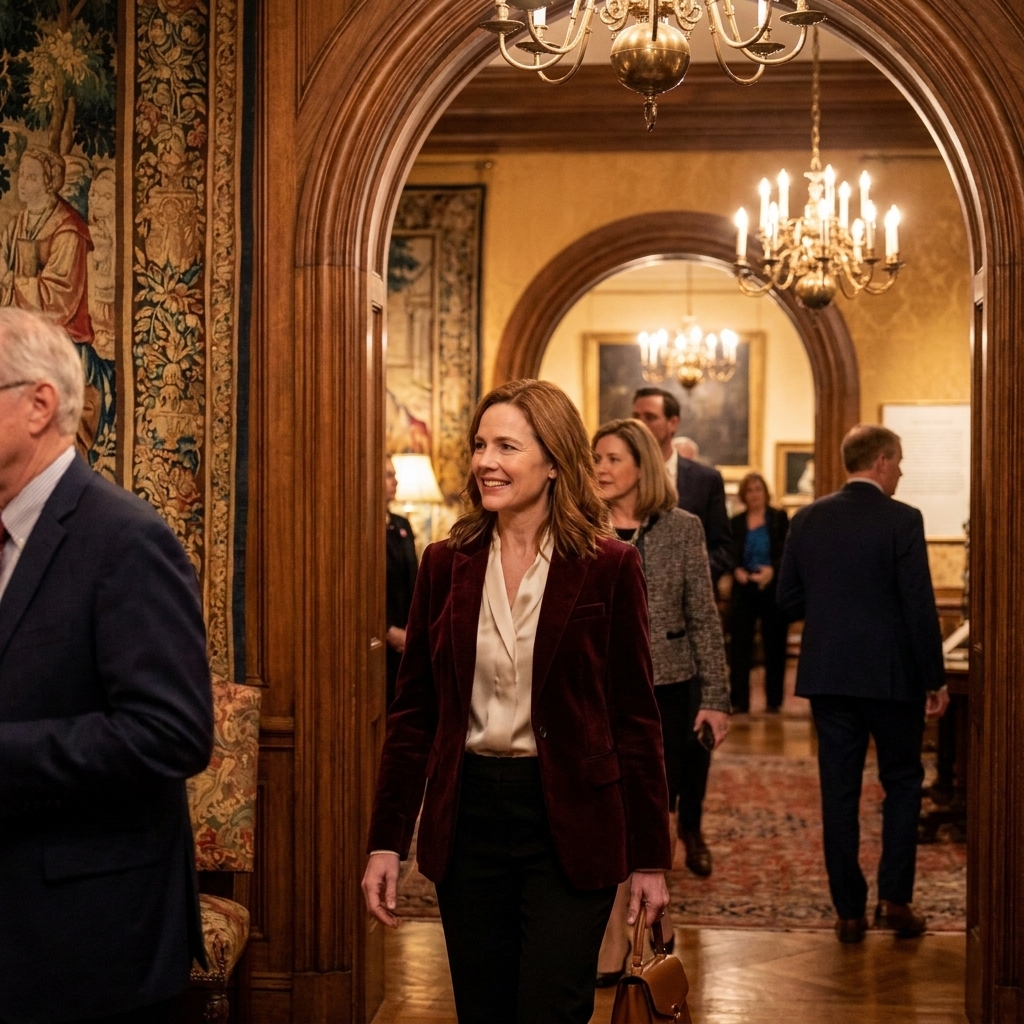
darkfield’s boldest move is spatial, not scenic: it places audiences inside shipping containers purpose-built for sensory performance. The experiences often unfold in near darkness, using binaural sound and tightly controlled environments to create stories that feel less like watching and more like being privately haunted by a narrative. This is immersion that fits in a footprint smaller than a studio apartment and still leaves you rethinking your commute home.
Why it matters: darkfield shows how immersive work can scale down and still feel premium. The container format is modular, tourable, and less dependent on real estate luck, which is no small thing in any major city.
Craft note: When you remove visual dominance, writing, sound design, and performer timing have nowhere to hide. The result can be startlingly intimate.
5) Meow Wolf’s House of Eternal Return (Santa Fe, USA)
Meow Wolf sits at a fascinating intersection of immersive art installation and theatrical worldbuilding. In Santa Fe, the House of Eternal Return invites audiences into a surreal narrative environment that rewards curiosity. You can treat it like an art experience, a scavenger hunt, a choose-your-own backstory, or all three at once. It is less follow the actor and more follow the universe.
Why it matters: Meow Wolf has expanded the audience for immersion beyond traditional theatergoers, attracting families, art tourists, gamers, and anyone who loves story as an act of exploration. It also points toward hybrid venues where performance, installation, music, and community programming live under one roof.
The bigger takeaway: The future of live entertainment may not be one format winning. It may be venues that comfortably host multiple modes of storytelling, from dance sets to interactive narrative rooms to late-night DJ programming.

What this means for live events
Immersive venues are pushing the industry toward a more experiential definition of going out. That shift has ripple effects, some thrilling and some complicated.
- Ticketing becomes more flexible: Timed entry, staggered arrivals, and tiered access can shape the story experience and help venues manage capacity without draining momentum.
- Performance labor becomes more specialized: Acting for an audience a few feet away is its own craft. So is improvising within guardrails, guiding guests, and repeating emotionally precise scenes for rotating crowds.
- Design and tech teams move center stage: Lighting, sound, scenic, and spatial design are no longer support systems. They are the storytelling engine.
- Bars, lobbies, and pre-show rituals matter more: The venue’s full journey is part of the dramaturgy, from check-in to the last breath of music at the exit.
- Accessibility and consent become non-negotiable: The more immersive we get, the more venues need transparent policies, clear staff training, and multiple ways to participate.
Immersion is not about making theater louder or bigger. It is about making it closer.
Before you buy a ticket
Immersion asks a lot of the body. Stairs, darkness, tight corridors, loud sound, haze, or close proximity can be part of the point, but none of that should be a surprise. Look for access notes, content advisories, and sensory details before you go, and do not hesitate to email the venue. A serious immersive house will answer clearly.
Consent norms are getting sharper, too, although policies vary widely by venue. Many shows use no-touch rules, opt-out signals, or staff roles dedicated to guest support and boundary enforcement. Some add concrete tools like color-coded wristbands, a tap-out option for intense moments, or clearly marked quiet areas for sensory breaks. If the rules are unclear on arrival, ask. Clarity is part of the craft.
Planning your first immersive night out
If you have only ever attended theater from a seat, your first immersive show can feel like stepping into the wrong classroom on the first day of school. A few gentle expectations help.
- Dress for movement: Comfortable shoes beat a cute-but-punishing boot every time.
- Decide your vibe: Want the main storyline? Follow a central character and commit. Want surprises? Drift. Open doors. Trust your curiosity.
- Know your boundaries: Many venues offer guidance on touch and interaction. If something feels unclear, ask a staff member. A good immersive house wants you safe as much as awed.
- Consider a second visit: The secret of immersive work is that the rewatch can be a completely different show.
The bottom line
Immersive entertainment is not replacing traditional theater. It is expanding the definition of what live performance can do, and who it can reach. The venues leading the charge are building spaces that respect the audience’s intelligence and the artist’s labor, while still delivering that rarest of sensations: the feeling that the story is happening to you, not in front of you.
And if you catch me reading the whole playbill first, then lingering after the final cue, just know I am not procrastinating. I am paying my respects to the craft.