There is a particular thrill to walking into a room and realizing the room is about to notice you back. Immersive digital art at its best is not just “pretty projections” or a maximalist selfie stop. It is choreography for light, sound, and your own curiosity, built by teams who understand timing the way theater people do.
Below are eight venues and attractions doing some of the most exciting work in interactive, projection-mapped, and sensor-driven art. Some are permanent homes for digital creators. Others are blockbuster experiences that tour like concerts. All of them are redefining the visual arts experience, one delighted gasp at a time.
About the tips: Elena is our immersive-art obsessed editor who plans trips around timed entry windows, quiet corners, and the exact moment the loop resets.
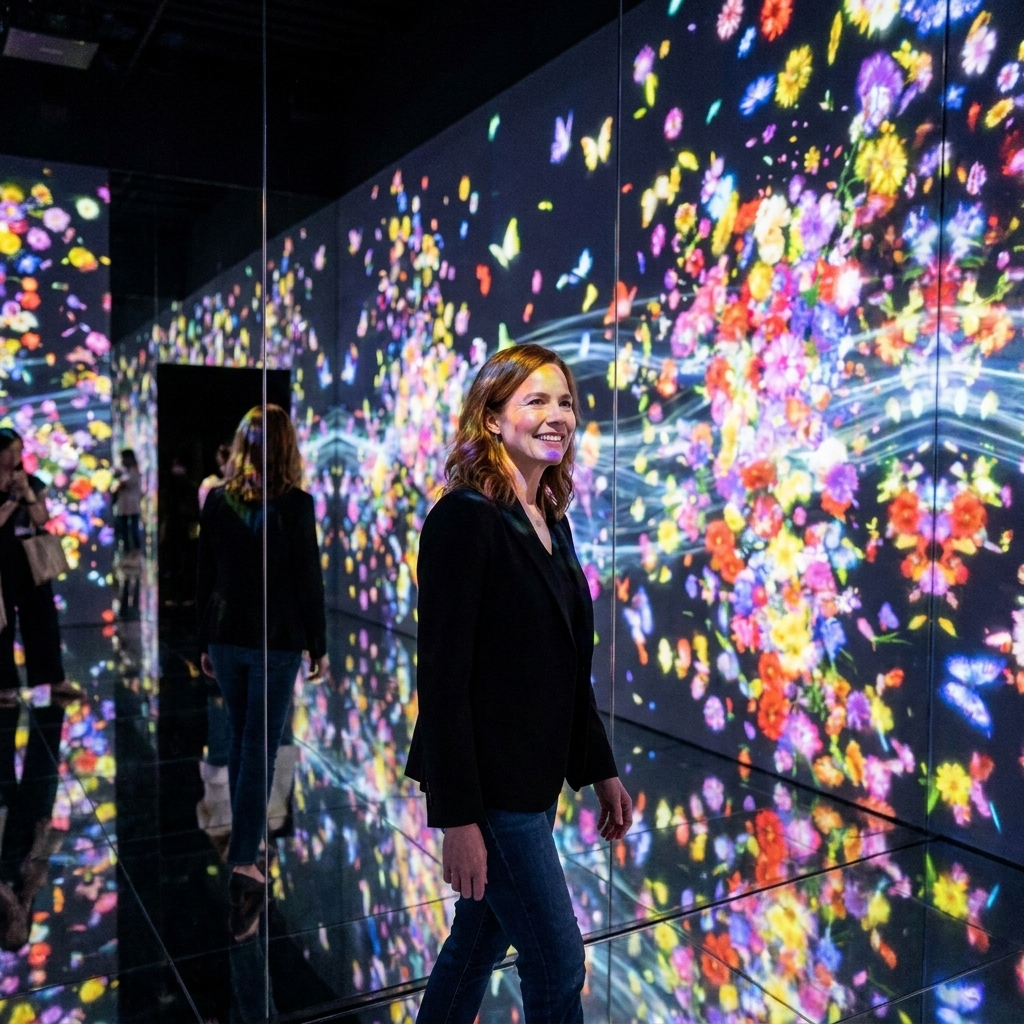
1) teamLab Borderless (Tokyo, Japan)
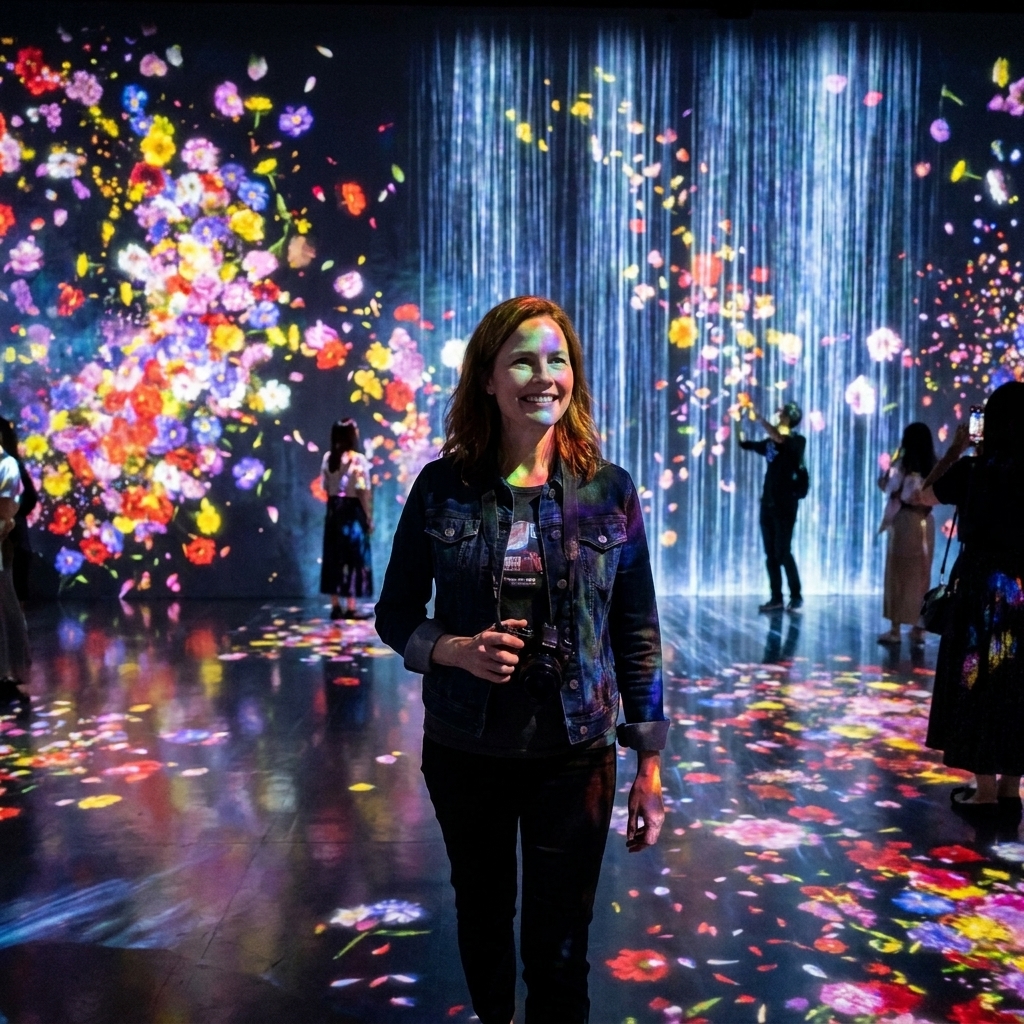
If you have ever wanted to step inside a living painting that refuses to stay politely on the wall, teamLab Borderless is the benchmark. The premise is simple and radical: the artworks are not confined to frames or rooms. They migrate, spill, and converse with one another across the building, meaning your route becomes part of the composition.
Why it is worth the flight
- True borderless flow: works roam between spaces, so no two visits feel identical.
- Full-body immersion: projections wrap floors, ceilings, and your own silhouette.
- Signature moments: expect recurring teamLab favorites like floating lights, blooming fields, and responsive environments that change as you move.
Plan on: 1.5 to 3 hours. Timed entry is common, and the most popular rooms fill up fast once you are inside.
Elena tip: Arrive early, move slowly, and resist the urge to sprint toward the most famous room first. Let the building teach you its rhythm.
2) teamLab Planets (Tokyo, Japan)
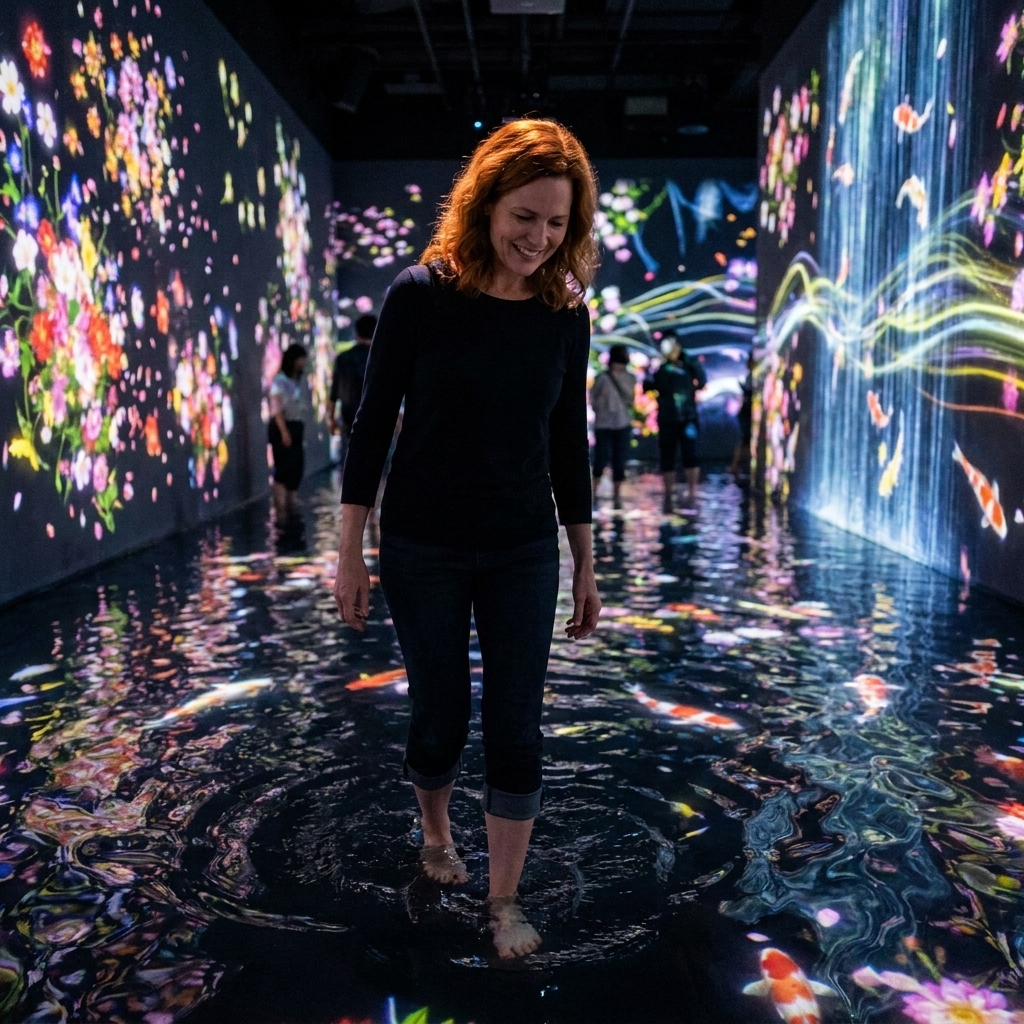
Where Borderless is a roaming dream, teamLab Planets is a sensorial rite of passage. You are not just looking. You are wading, stepping, and feeling your way through installations designed around touch and physical presence, including water elements that make you newly aware of your own body as part of the artwork’s system.
Best for
- Travelers who want something more tactile than a standard projection show
- Groups with mixed art appetites, since the wow factor is immediate
Plan on: 1 to 2 hours. This venue has operated with changing end dates and extensions, so check current dates if you are building a trip around it.
Before you go: You will be barefoot in parts, and there are water-based rooms. Check attire guidance, accessibility notes, and any sensory advisories before booking.
3) ARTECHOUSE (Washington, DC; Miami)
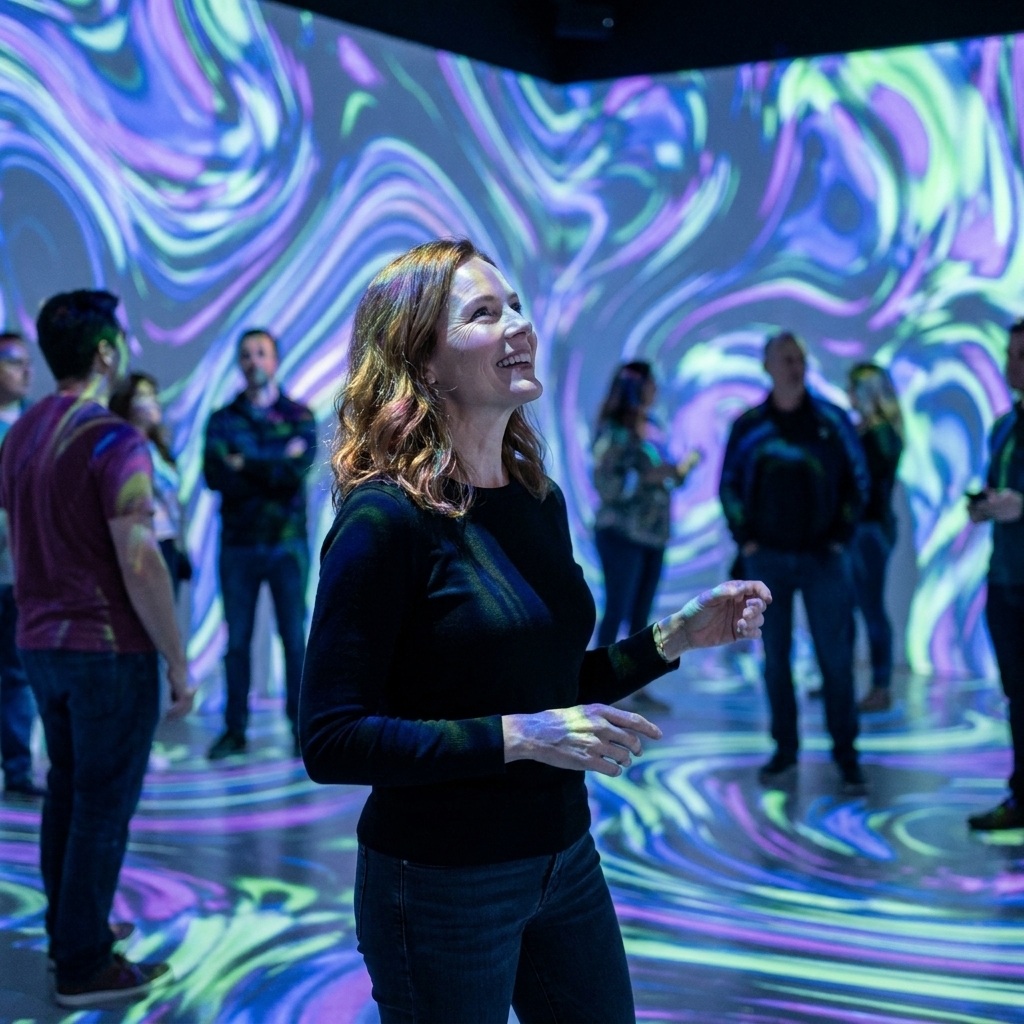
ARTECHOUSE is one of the smartest bridges between contemporary digital practice and mass-audience wonder. The programming often spotlights artists working in data visualization, immersive animation, and interactive systems, with the kind of production muscle that makes even first-time visitors feel like they have walked into tomorrow.
What sets it apart
- Rotating exhibitions: you can return seasonally and get a new visual language each time.
- Artist-forward framing: the work is presented as art, not just “content.”
- App-linked interactivity: many shows include optional mobile interactions that unlock extra layers without forcing you to use your phone the whole time.
Plan on: 60 to 90 minutes, plus extra time if you want to linger through multiple loops.
Elena tip: If the exhibition includes time-based sequences, stay for a full loop. Many of these shows are paced like short films, with visual callbacks and crescendos.
Note: ARTECHOUSE locations and pop-ups have shifted over time. Check the official site for the current city list before you book travel.
4) Superblue (Miami, Florida)
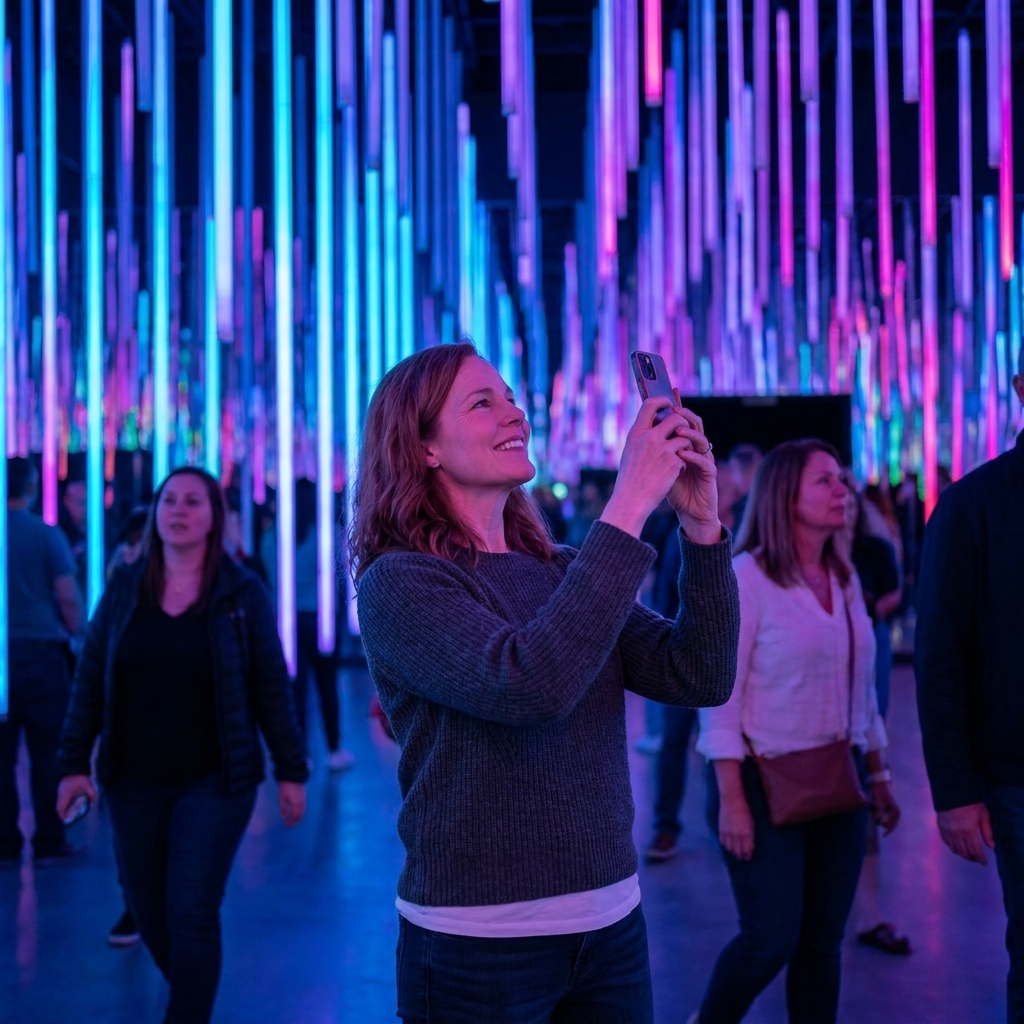
Superblue feels like an art museum decided to stage a sensory blockbuster without sacrificing substance. The venue is known for large-scale, walk-through installations by major contemporary artists, often featuring immersive light environments and perceptual tricks that make your brain do a double take.
Why it works
- Big work, serious names: you may encounter installations by artists such as James Turrell, Es Devlin, and teamLab, depending on the season.
- Scale with intention: big rooms, big sensations, and strong conceptual framing.
- Calibrated spectacle: the magic is in the tuning, not just the volume.
Plan on: 1.5 to 2.5 hours. Timed tickets are typical, and slower days feel noticeably more immersive.
Elena tip: Go on a weekday if you can. The difference between “I am experiencing this” and “I am waiting my turn to experience this” is real.
5) Atelier des Lumières (Paris, France)
Housed in a former foundry, Atelier des Lumières specializes in monumental projection mapping that turns industrial architecture into a moving canvas. The programming often draws from art history, but the best moments are less about checking off famous paintings and more about being surrounded by brushstrokes, textures, and color that breathe at human scale.
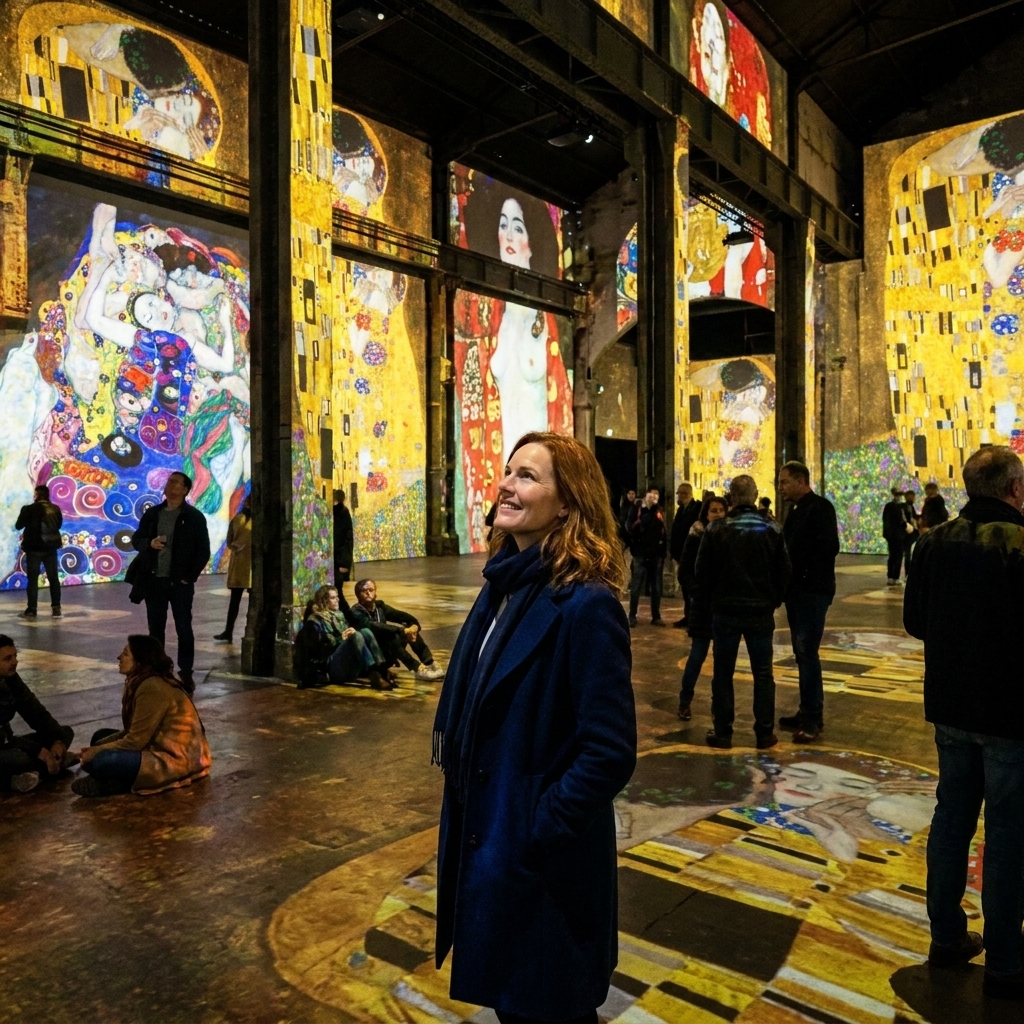
Best for
- Travelers who love art history and want a fresh, immersive way to revisit it
- Anyone who wants a cinematic experience without the seated, forward-facing rules
Plan on: 60 to 90 minutes. Shows run on loops, so you can arrive mid-cycle, but seeing a full sequence lands better.
Quick context: It is in Paris’s 11th arrondissement, which makes it easy to pair with a long walk, a late lunch, or an evening show elsewhere.
Elena tip: Treat it like dance. Find a spot, watch for a while, then move. The perspective shifts are part of the show.
6) Frameless (London, UK)
Frameless is designed as a sequence of immersive galleries that reinterpret recognizable works through projection, scale, and sound. The appeal is immediate, but what makes it stick is how thoughtfully the rooms are staged. You are guided from one mood to the next like you are moving through acts of a performance.
What to look for
- Room-to-room pacing: the experience has a narrative arc, even without a plot.
- Recognizable anchors: you will see reimagined classics across multiple artists, presented as environments you can inhabit rather than images you pass.
- Broad appeal: bring the friend who “doesn’t do museums.” They will do this.
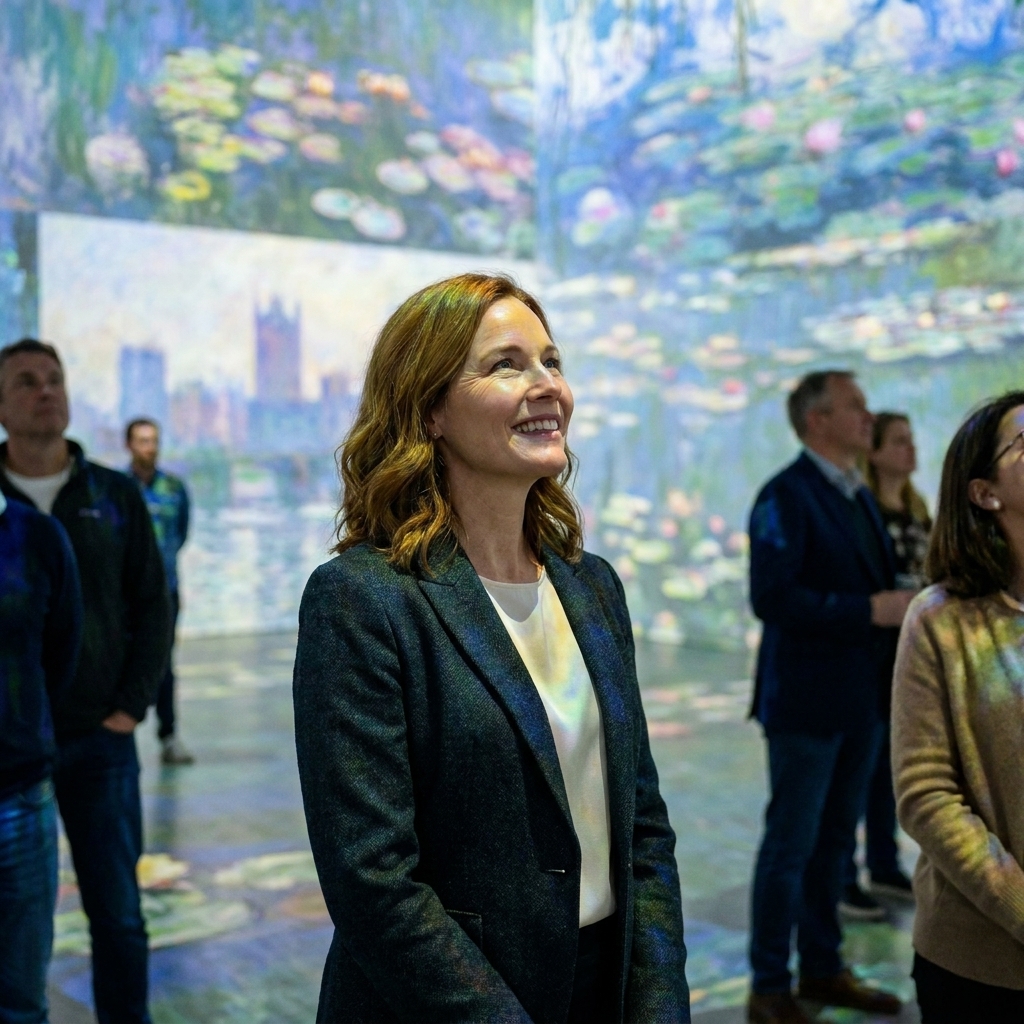
Plan on: 90 minutes to 2 hours. Timed entry helps with flow, but some rooms can still bottleneck at peak times.
Elena tip: Give yourself permission to sit when allowed. Immersion changes when your eye line changes.
7) Meow Wolf (Santa Fe, Las Vegas, Denver, and beyond)
Meow Wolf is where immersive art gets rowdy in the best way. These are sprawling, story-laced environments built with practical sets, hidden passages, sound design, and plenty of digital layers. You can chase lore, solve puzzles, or simply wander like a curious ghost in someone else’s dream house.

Why it belongs on this list
- Each city is distinct: Santa Fe is House of Eternal Return, Las Vegas is Omega Mart, Denver is Convergence Station, and they are not interchangeable.
- Hybrid craft: digital elements land harder because they are embedded in tangible worlds.
- Choose-your-own engagement: casual stroll or deep story dive, both are valid.
Plan on: 2 to 4 hours if you want the story threads, longer if you are a completionist. Expect sensory density and occasional loud zones.
Elena tip: Wear shoes you trust and bring your patience for delightful chaos. These spaces reward wandering and rereading clues.
8) Sphere shows (Las Vegas, Nevada)
If you are interested in the future of large-format visual storytelling, the Sphere in Las Vegas is a must. It is not a gallery in the traditional sense, but it is absolutely a digital art venue in how it uses ultra-high-resolution screens, spatial audio, and architectural scale to create a fully enveloping image environment.
What makes it different
- The building is the canvas: the venue itself is the instrument.
- Scale you feel in your ribs: the image reads like a place, not a picture.
- Program-based viewing: tickets are typically tied to a specific show or film, often marketed under “Sphere Experience” branding for certain presentations.
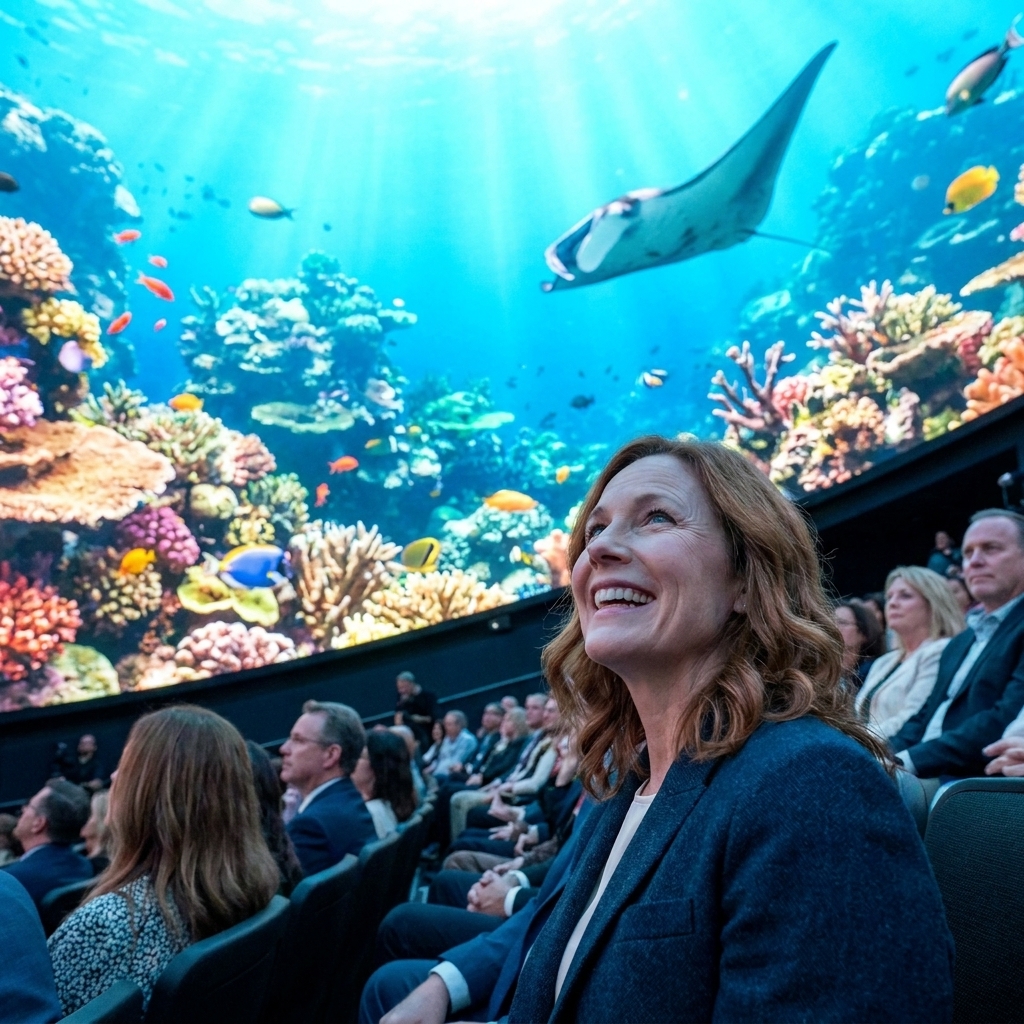
Plan on: 1.5 to 2.5 hours, depending on the program. Choose seats where you can take in the full sweep without craning.
Elena tip: Go in wanting composition, not just spectacle. When the tech disappears into the pacing, you will forget you are in a venue and start believing you are inside a moving world.
How to plan your visit
- Verify what is running now: these venues evolve. Check official calendars for current exhibitions, hours, and any seasonal closures before you book flights.
- Buy timed tickets early: many immersive spaces use timed entry to manage crowding, and prime slots sell out.
- Know your body: water rooms, mirrored rooms, and sensory intensity are part of the appeal, but not every nervous system loves the same inputs. Look for accessibility notes, strobe advisories, and quiet-hour options when available.
- Stay for the full loop: many shows cycle every 20 to 45 minutes. Catching the opening and closing changes the emotional arc.
- Be kind with your camera: take a few photos, then put the phone away. Your eyes deserve the director’s cut.
Immersive digital art is sometimes described as “the future,” but the best version of it feels older than that. It is communal, like theater. It is bodily, like dance. And it is intimate, like leaning toward a painting and noticing the artist’s hand. Go find the rooms that notice you back.