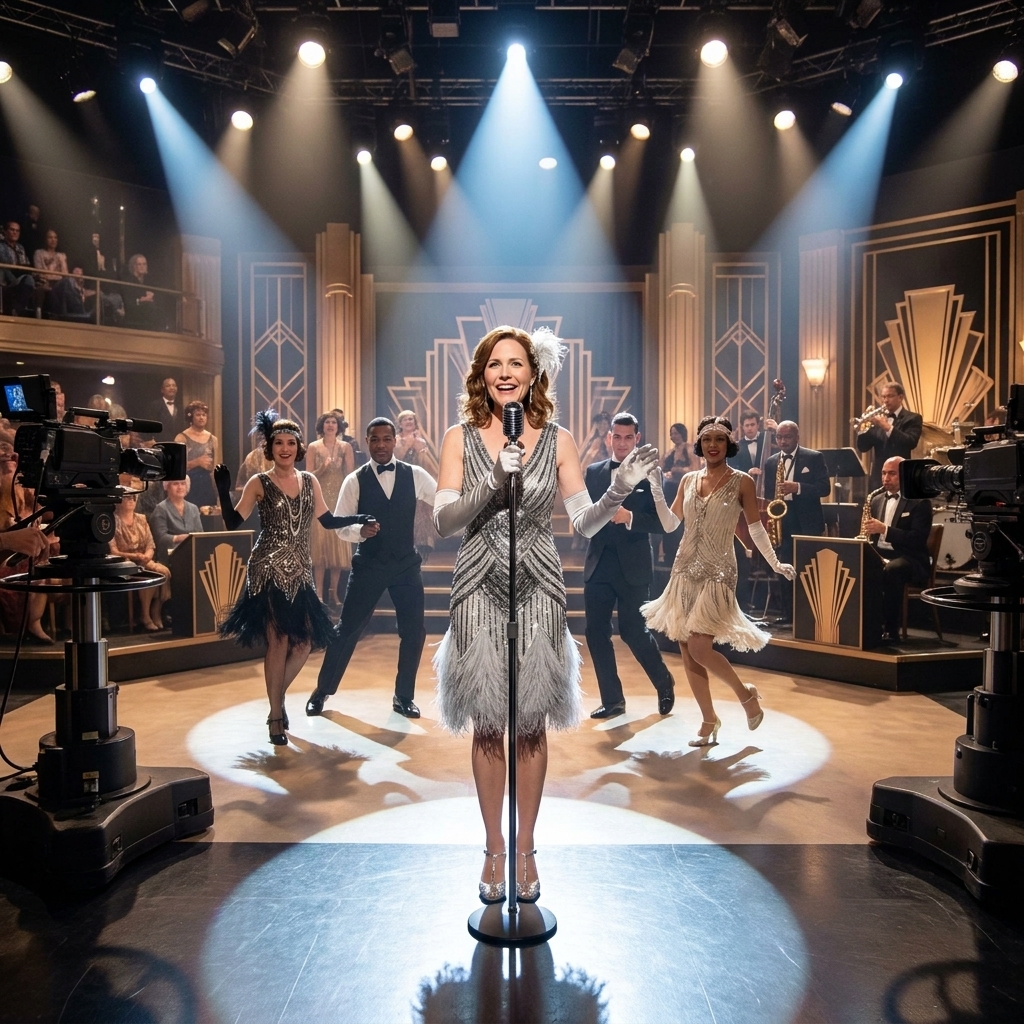
There is a particular electricity in an audition hallway: the soft thrum of vocal warmups behind closed doors, the squeak of dance shoes, the quiet bravery of people pretending they are not terrified. If you grew up like I did, lingering backstage and reading every page of the playbill before the curtain, you learn early that theatre is built on preparation. Auditions are not a personality contest. They are a work sample.
Casting directors and creative teams are usually hoping you will make their job easier by showing up ready to tell the story. Below are practical, casting-room-tested tips that help you do exactly that, without turning your process into a joyless checklist.

Before the monologue
The biggest misconception I hear from early-career actors is that the goal is to prove range in two minutes. In most stage auditions, the goal is simpler: show who you are in this world, and how you handle text.
Pick your lane
Start with the breakdown, then read between the lines.
- Style: heightened verse, contemporary realism, musical comedy patter, devised movement? Match the production’s storytelling language.
- Age range and energy: you do not need to match the character exactly, but you do need to live comfortably in the given circumstances.
- Function in the story: if the role is the engine of a scene, choose material where you drive. If it is a listener or a mediator, pick material that shows active listening and subtle power.
If the notice asks for “contemporary” and you walk in with a 19th-century drawing-room speech, you are not being bold. You are asking the room to do extra translating.
Choose repeatable material
Casting directors love actors who can deliver the same work even when the accompanist is late, the reader is new, or the room is cold. A smart monologue is one you can do on your worst day at 10 a.m.
- Pick a piece with a clear turn: a shift in tactic, new information, or an emotional pivot the audience can track.
- Avoid “museum acting”: if the monologue is famous enough that the panel can mouth the lines along with you, you are fighting history. Choose something strong but not overly saturated. If you love a classic, make sure your take is grounded and personal, not imitative.
- Play an action, not a mood: “to convince,” “to seduce,” “to recruit,” “to get forgiven” is playable. “to be sad” is not.
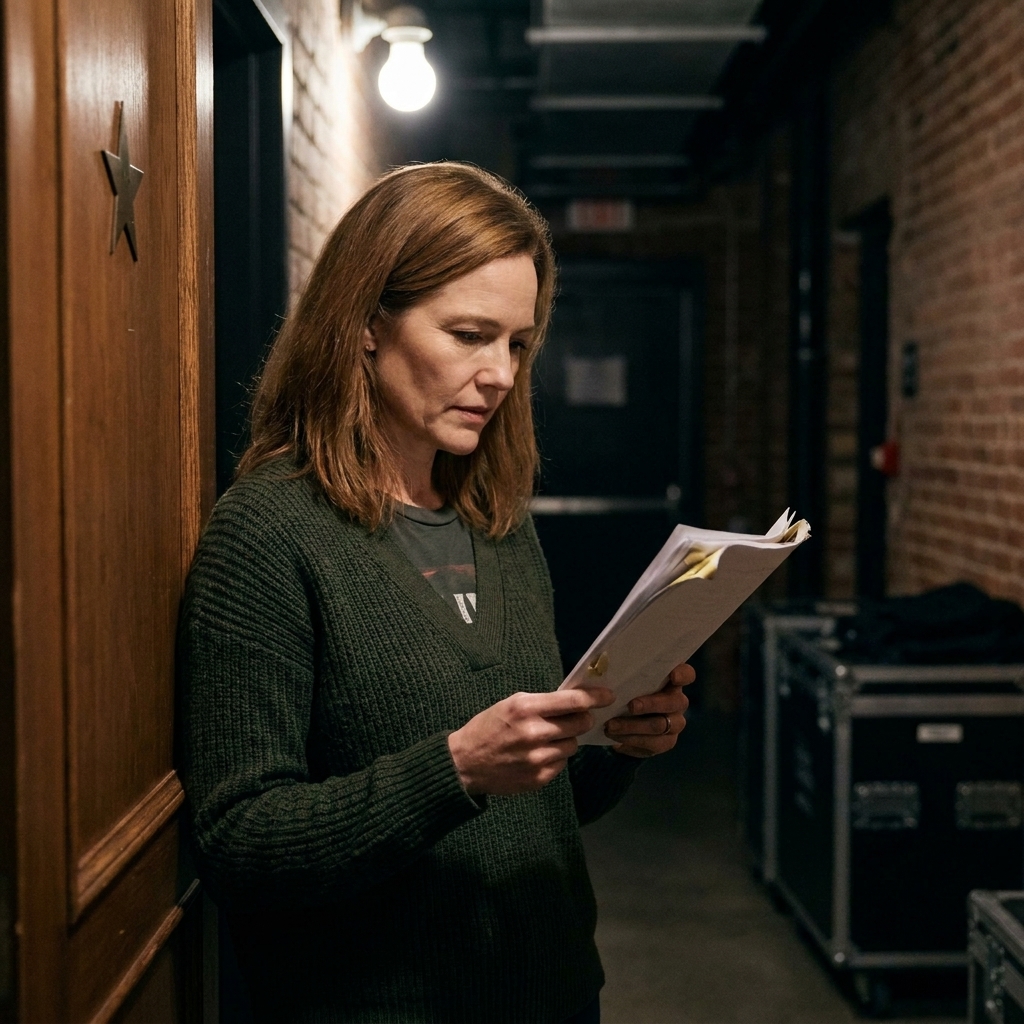
Build a strong two minutes
Even brilliant actors can lose a room by starting at a boil and staying there. Creative teams are scanning for structure, listening skills, and your ability to tell the truth inside a frame.
Start human
Walk in, find your mark or your spot, take the breath you actually need, and let the thought start you. A calm beginning reads as confidence, even if your hands are shaking.
Track your beats
At minimum, you should know:
- What you want from the other person
- What is in your way
- What you try next when that fails
- What changes by the end
This is not about over-intellectualizing. It is about giving your performance a visible spine.
End clean
Actors often “tag” the ending with an extra emotional flourish because silence feels scary. Many casting teams prefer the opposite: finish the thought, let it land, and release the room from the scene.
Time it
Rehearse with a timer. Know where you can cleanly begin and end if you are asked for “about a minute,” if the room cuts you off, or if you need to stop early for a redirect. A professional audition piece has a built-in on-ramp and exit.
Warm up quietly
Warmups are not a superstition. They are basic instrument care. The trick is doing them in a way that supports you and respects the shared space.
A simple 12-minute warmup
- 2 minutes: gentle neck, jaw, and shoulder release
- 3 minutes: breath coordination (slow inhales, long exhales on “sss” or “vvv”)
- 3 minutes: resonance and articulation (lip trills, tongue trills, “red leather yellow leather” at an easy tempo)
- 2 minutes: text on consonants, then on vowels, then full voice
- 2 minutes: one gentler run-through, focused on listening and clarity
For singers
If you are going in for a musical and you have time, consider warming up on something adjacent: similar placement, lower stakes. Then briefly check your audition cut once to confirm key, tempo, and where your breath wants to live. The goal is freshness, not surprise.
For movers
Even for straight plays, a little body prep helps. Think ankles, hips, spine, and breath. You want grounded energy, not jittery adrenaline.
One more grown-up note: do not over-warm. Save your voice for the room. Hydrate, and if you are sick, follow the theatre’s current health and masking norms. Protecting your instrument also protects everyone else’s.

What they notice fast
It is not just your talent. It is your readiness. Auditions are short, so the room reads signals fast.
Your entrance counts
- Be easy to work with: a clear greeting, a calm presence, and listening ears.
- Follow simple directions: stand on the mark, speak toward the panel, adjust if asked.
- Show you can reset: if there is a stumble, recover without apology spirals.
Slate simply
Unless you are given a specific prompt, a slate can be straightforward: name, the piece, and (if requested) your pronouns or union status. Skip the nervous backstory about the commute. The room is here for your work.
Be directable
A note is not a correction of your personality. It is a collaboration test. Take the adjustment, commit fully, and keep your original choices available. Directors love actors who can offer something specific and still pivot.
What to wear
Costumes are for the stage. In an audition, your clothes should support storytelling without stealing focus.
Hint, not Halloween
- Wear something you can move in and breathe in.
- Choose clean lines so the room can read your body and face.
- Avoid loud patterns that distract under bright rehearsal lighting.
- Skip jangly jewelry that competes with your consonants.
If you are auditioning for a period piece, you do not need a corset. If you are auditioning for a tough contemporary role, you do not need combat boots unless they are truly you. Let the work do the heavy lifting.
Materials and details
Creative teams want to remember you. Your materials help them do that quickly.
Bring what the call asks for
- Headshot and resume: if the call is in-person and not explicitly paperless, bring 1 to 2 copies, or a few if it is an open call where multiple teams may need one. If it is paperless, have clean PDFs ready and labeled clearly.
- A pen for forms and notes
- Water and a quiet snack
- Your book (even for a monologue call, just in case)
Make your resume scannable
Lead with your most relevant theatre credits, then training, then special skills that are actually skills. If you claim dialects, be prepared to demonstrate one. If you list stage combat, know your level. Casting directors are not trying to catch you. They are trying to trust you.
In the room
The actors I remember most are not always the loudest. They are the clearest. They make choices that feel like they belong to a person, not an “audition.”
Use the panel well
Unless instructed otherwise, pick a focus point just off the casting table. Let your relationship drive your eyeline. If the room asks for direct eye contact, do that. Follow the room’s protocol.
Keep going after a slip
Most professionals would rather see you navigate the moment than watch you stop, apologize, and restart. Theatre is live. Recovery is a skill.
Take direction fully
If you get an adjustment, avoid the half-step: “Sure, I can try that.” Try it like you would on opening night. Even if the note is not your favorite, the bold attempt tells the room you are collaborative.
Props and space etiquette
- Phone fully off, not just silenced.
- Ask before using a chair, door, set piece, music stand, or anything that is not clearly for you.
- Avoid touching the piano or accompanist’s setup unless invited.

Sides and cold reads
Many auditions include sides, a cold read, or a quick redirect. This is not a trap. It is a glimpse of how you work in rehearsal.
Take a moment
It is professional to ask: “May I take ten seconds?” Use that time to find who you are talking to, what you want, and what changes by the end. Then start.
Make bold, playable choices
- Prioritize clarity: tell the story cleanly before you decorate it.
- Let the other person affect you: even with a reader, listening reads.
- Handle page turns: know where they are, and do not apologize for them.
Redirects are information
If they stop you and say, “Try it like this,” they are giving you a gift: the chance to show you can pivot. Take the note, commit, and do not hedge.
After you leave
Auditions can scramble your nervous system. Treat the aftermath like part of the job.
Should you send a thank-you?
If the theatre has a clear policy, follow it. If you have a direct professional contact and a legitimate reason, like you were asked to send additional materials, a brief, polite email is appropriate. Avoid long notes about how much you want it. Your work already said that.
Log it
- What piece did you do?
- What notes did you get?
- What did your body do under stress?
- What would you adjust in preparation?
This turns every audition, booked or not, into training.
Then let it go
Release the outcome. Casting is a puzzle with variables you will never see: chemistry, height match, season planning, budgets, understudy coverage. Your job is the part you control: honest, repeatable work.
Audition formats
Not every audition room runs the same. The basics hold, but the details shift depending on the call.
- General auditions and EPAs: expect time pressure, quick slates, and efficient transitions. Have a clean start and stop, and keep your materials organized.
- Appointments: the room may have more time for conversation, adjustments, or sides. Do not force charm. Stay available.
- Equity vs non-Equity: requirements and norms vary by market and contract. When in doubt, follow the notice and the monitor’s guidance, and bring what is requested.
- Regional vs educational vs community: the stakes and resources can differ, but professionalism reads the same: preparation, clarity, courtesy.
Quick checklist
- 48 hours out: confirm location, sides, time, and what to prepare
- Night before: hydrate, review beats, pack materials, choose outfit
- Day of: eat something steady, warm up gently, arrive early
- In the room: slate cleanly, tell the story, take direction fully
- After: note what you learned, then move on to the next story
FAQ
How long should a monologue be?
If the notice does not specify, aim for about 60 to 90 seconds of material that has a clear beginning, middle, and turn. Some calls allow up to two minutes, but shorter, sharper work often reads as more professional.
Can I do a monologue from film or TV?
For stage auditions, theatre text is usually the safest bet because it shows you can handle live language and theatrical stakes. If you choose a screen monologue, make sure it plays theatrically and is not dependent on camera intimacy or heavy cutting.
Should I do comedy or drama?
Do what you do best, unless the audition specifically requests a tone. A truthful comedic monologue can be harder than drama because it demands timing and clarity without forcing laughs.
What if they ask for something different?
Stay calm, ask one clarifying question if needed, and offer the closest piece you have. If you have an additional contrasting monologue, mention it succinctly: “I also have a contemporary comedic piece if you would prefer.”