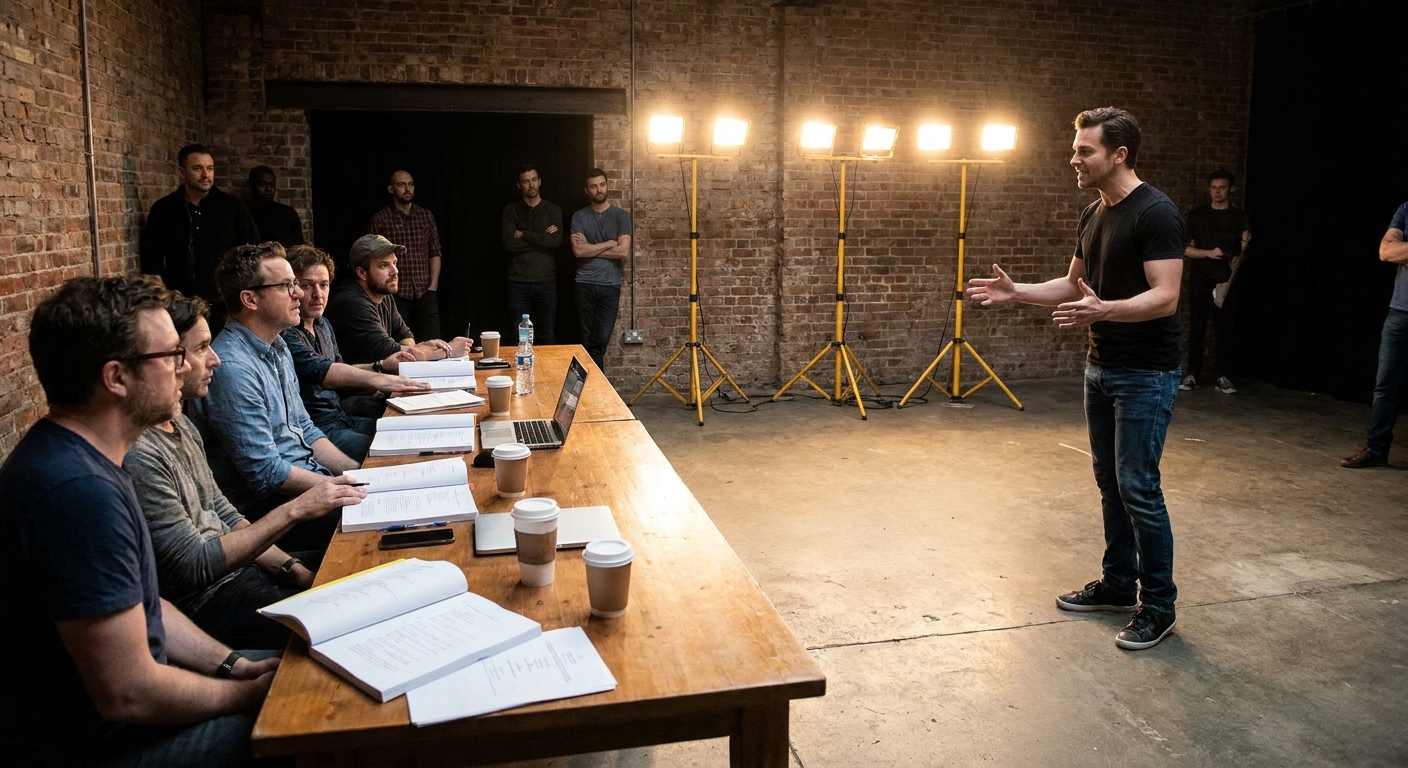
I have watched actors absolutely nail a scene alone, then step into the room with a potential scene partner and suddenly everything changes. The rhythm shifts. The air gets lighter or tenser. A glance lands differently. That is the whole point of a chemistry read: it is not about proving you can act. It is about proving these two specific actors can tell this specific relationship in a way an audience will believe.
What a chemistry read is
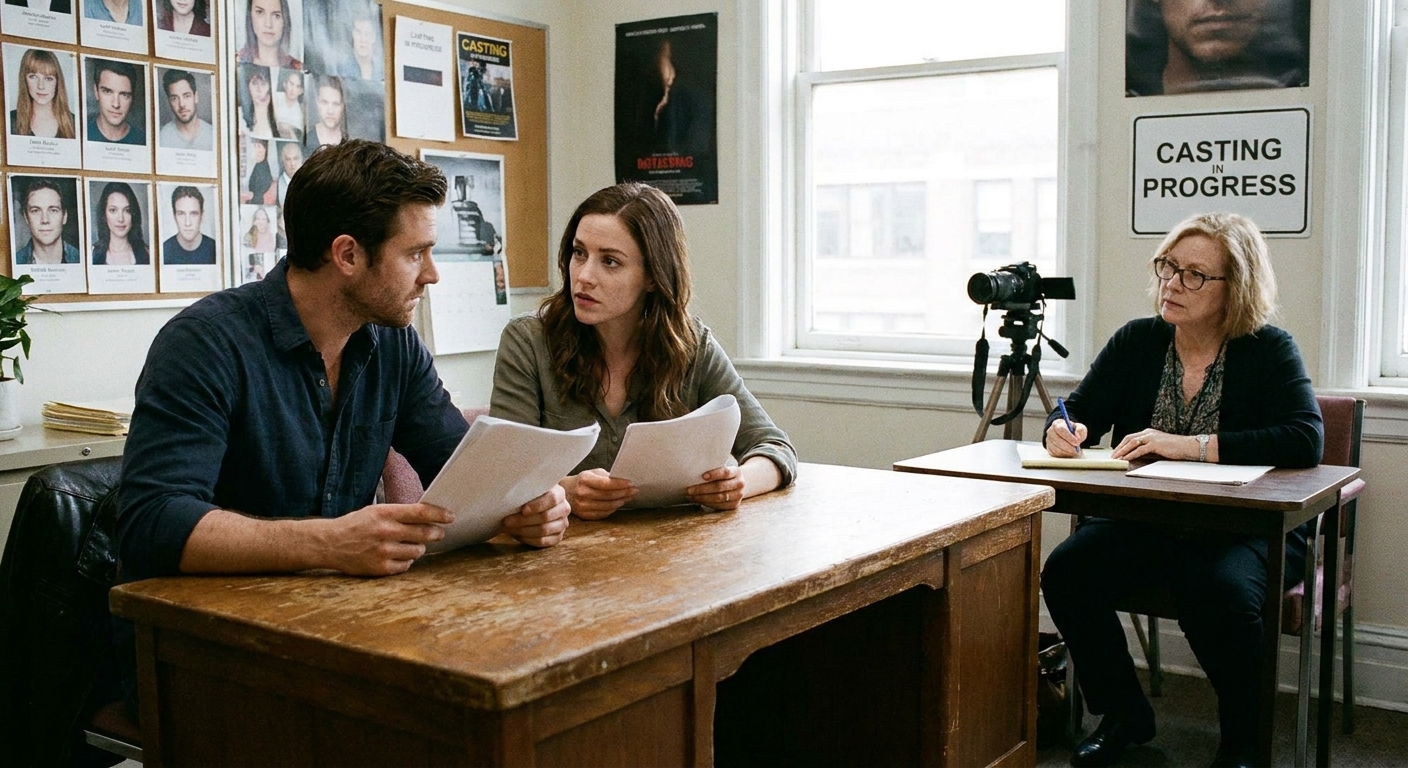
A chemistry read is a paired audition where two actors read scenes together so the creative team can evaluate how they work as a duo. It is most common when casting a relationship that has to feel immediate and true on screen or on stage, including romantic partners, best friends, siblings, rivals, a detective and their suspect, or a mentor and protégé.
The key is that the roles are being evaluated in combination, not in isolation. Casting is asking: if we put these two people together, do we get the story we want without forcing it?
When chemistry reads happen
Chemistry reads often happen later in casting, after initial auditions, once the team has narrowed the field. Think of them as the moment casting stops asking, “Can you play the role?” and starts asking, “Can you play the role with them?”
That said, they can also show up earlier, especially for ensemble projects or when a director wants to test group dynamics before making deeper cuts. Sometimes they are folded into a callback and simply become the paired portion of that session.
They can be used for:
- Final contenders for two leads who will share major screen time
- Mix-and-match pairing when one role is close to locked and the other is still open
- Ensemble dynamics when the project needs a particular group energy
This is different from a callback, which is generally about bringing an actor back to read again, take direction, or try new material. A chemistry read is specifically about evaluating the pairing, even if it happens inside a callback session.
Who is usually in the room
Who attends depends on the project, but chemistry reads tend to be more decision-focused than early rounds.
- Casting director (almost always), often running the session and adjusting sides
- Associates or casting assistants, handling logistics, notes, and sometimes reading opposite when needed
- Director, especially if the relationship is central to the story’s tone
- Producer(s), particularly on film and TV where marketability and schedule matter
- Writer or showrunner, when dialogue, humor, or character intention needs close calibration
On theater projects, you may also see a stage manager or a representative from the producing organization, depending on how that production is structured. On union film and TV, people may attend remotely, or representatives may join by video.
How it usually runs
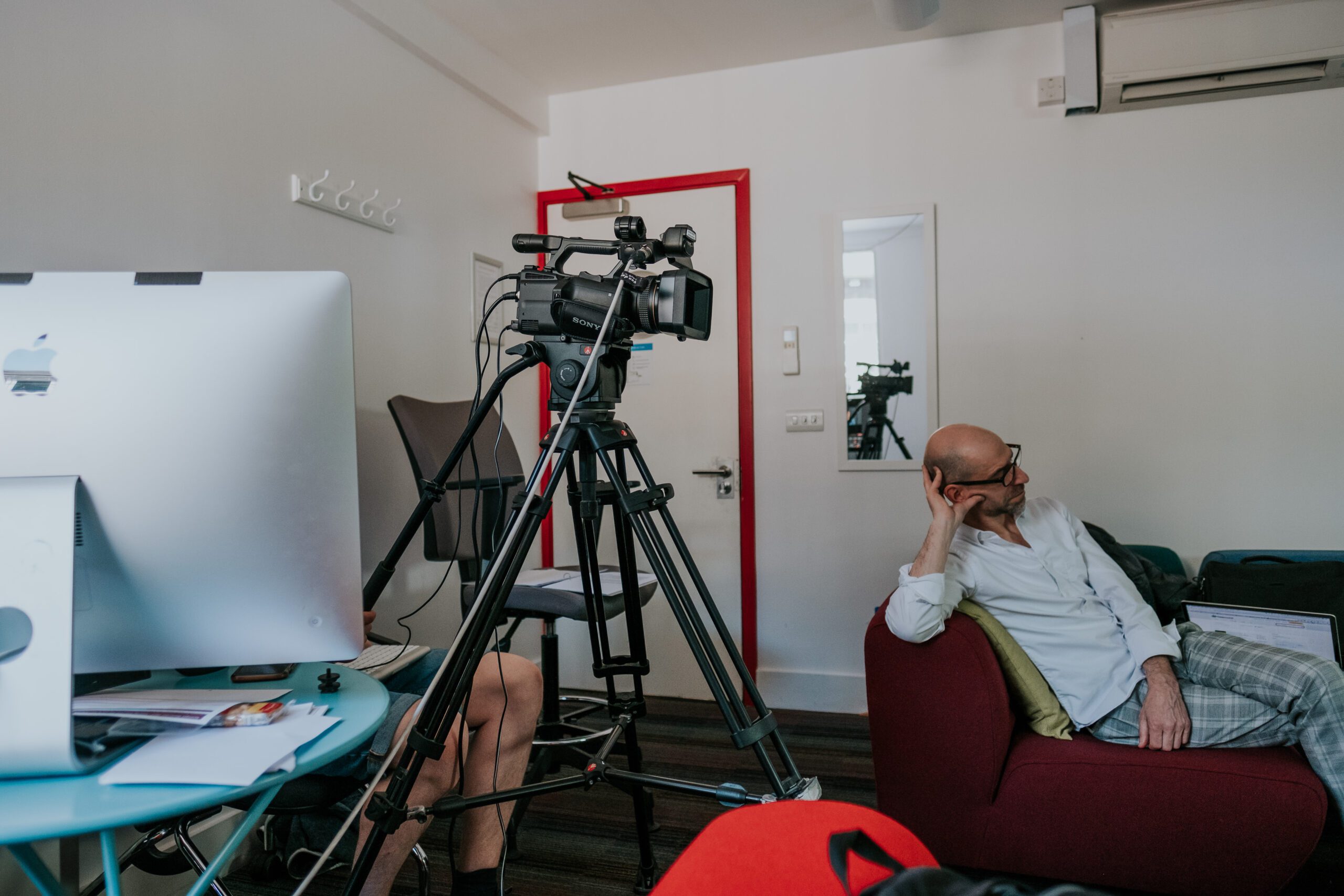
Every team has its own rhythm, but a typical session follows a familiar structure.
1) Quick introductions
The casting director may explain what they want to see: whether this is meant to feel playful, grounded, dangerous, tender, comedic, or a mix. If the actors have never met, there is often a brief hello so the first read is not two strangers colliding in silence.
2) The scene work
Actors read selected scenes called sides. You might run the same scene multiple times with adjustments, or do two different scenes that show different temperatures of the relationship, like conflict and reconciliation.
Sometimes casting will rotate partners, especially if one role is still open. You might read with Actor A, then Actor B, then Actor C. It can be a fast way for the team to learn what shifts when the partner shifts.
3) Direction and adjustments
This is where chemistry reads get revealing. The team may ask for:
- Different intensity (less flirtation, more danger, more tenderness)
- Different stakes (play it like a secret, like a confession, like a dare)
- Tempo changes (pick up the pace, sit in the silences, let it breathe)
- Simple physical choices (standing vs. sitting, more distance, a cross, a handoff, staying out of each other’s space)
None of this is choreography. It is a way to see whether two actors can adjust together without losing connection.
4) Wrap and timeline
At the end, you will usually be thanked and released. Do not expect detailed feedback. If anything is shared, it is often logistical: when decisions might be made, whether additional pairings are still being scheduled, or whether the process is moving to a test.
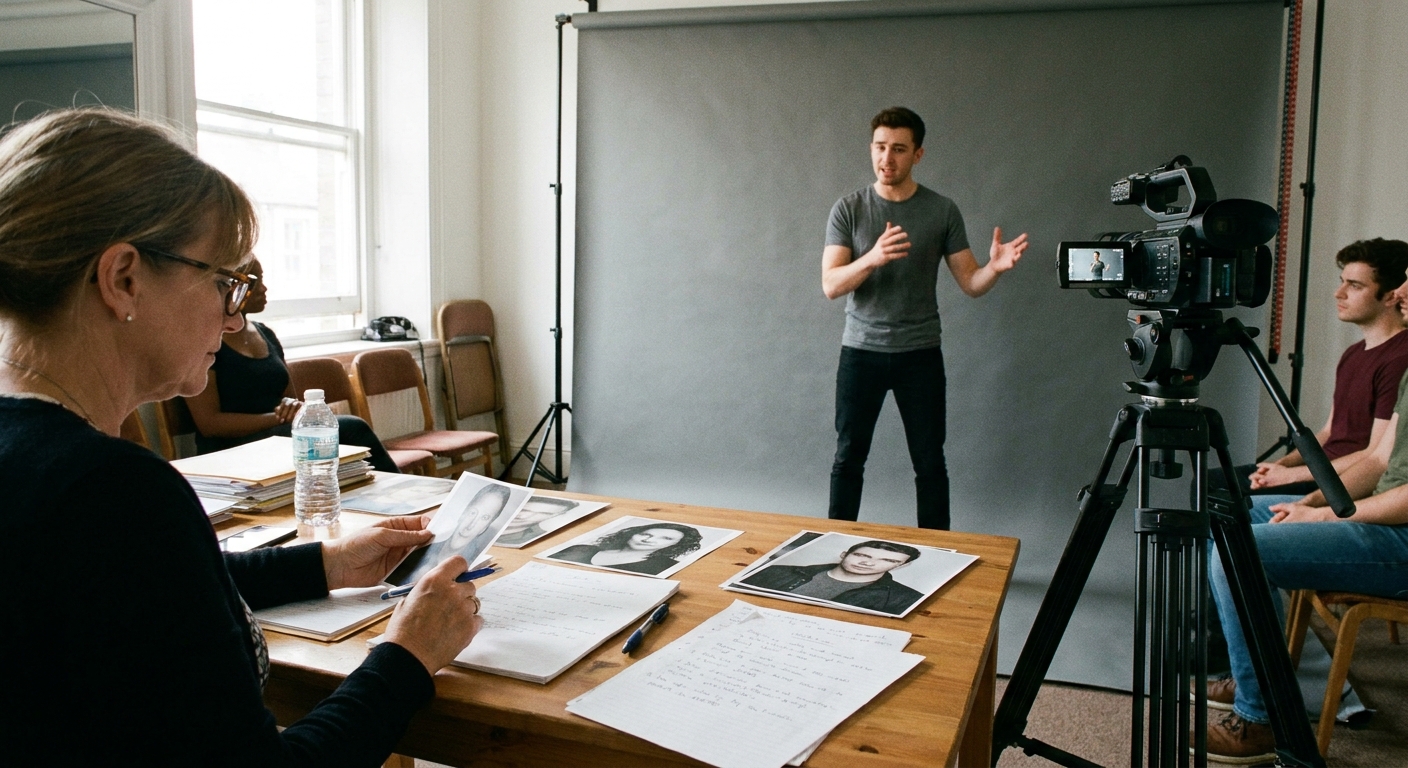
Compared with a cold read, where actors may be handed pages with minimal prep to test instincts, chemistry reads are less about surprise and more about interaction. Compared with a screen test, a chemistry read is often more about the relationship than the lens. Still, on some film and TV projects, chemistry reads are done on camera and can function like a combined chemistry read and screen test.
What they are judging
The word “chemistry” can sound mystical, like sparks or nothing. In practice, casting teams are evaluating very specific, very craft-based things.
Believability
Can the audience accept the bond quickly? Do the actors make choices that create a shared history, even in a short scene?
Rhythm and listening
Chemistry is often less about charm and more about timing. Do they pick up each other’s cues? Does the pace feel alive, or does it feel like two solo performances taking turns?
Tone match
Two talented actors can still be mismatched. One might play a scene like a light rom-com with breezy banter while the other plays it like a quiet naturalistic drama, heavy with subtext. The question is not who is “right.” The question is whether they create the same show together.
Power dynamics
Relationships have shape. Who leads, who follows, who challenges, who softens. Casting watches whether that shape is clear and compelling, and whether it matches the story’s intent.
Ease and boundaries
Especially for romantic storylines, the work has to be collaborative. The team will notice whether two actors can navigate proximity, physical beats, and emotional intensity with clarity and mutual respect. Often that reads as simple professionalism: asking before touching, adjusting without ego, and staying connected without pushing past what is appropriate for an audition.

Is it always romantic?
No. Romance is the headline example because it is easy to picture, but chemistry reads are just as common for:
- Comedy partnerships, where timing and shared playfulness matter
- Family relationships, where resemblance is less important than emotional logic
- Adversarial dynamics, where tension has to feel charged instead of performative
- Buddy stories, where warmth and trust must read instantly
In other words, chemistry is any relationship that the story cannot afford to fake.
How to prepare
A chemistry read is not the time to come in generic. You want strong, playable choices that still leave space for the other actor.
- Know the relationship beats: what shifts in the scene, what each character wants, where the power flips.
- Stay adjustable: be ready to change tempo, volume, or intensity without losing truth.
- Do not force intimacy: connection comes from behavior and listening, not added touching or extra heat.
- Bring your boundaries: if physicality is suggested, it is okay to keep it simple and professional in the room. Clarity is better than guesswork.
- Make your partner look good: chemistry is cooperative. If you are “winning” the scene, you are probably losing the pairing.
Remote chemistry reads
Some chemistry reads happen over video, either because of schedules, distance, or the way a production is casting. Remote reads can be trickier because timing delays flatten comedic rhythm and make overlap feel messy.
What helps is simple: keep your focus on listening, allow slightly cleaner turn-taking than you might in-person, and do not interpret a lag as lack of connection. Casting teams know the medium is imperfect, and they are watching for responsiveness more than polish.
Etiquette and confidentiality
Chemistry reads often involve unreleased material, revised scenes, or sides that do not reflect the final script. If you are given a confidentiality notice or NDA, treat it seriously. Do not post details, do not quote dialogue, and do not recap pairings publicly.
In the waiting room, follow the room’s tone. Some actors like to chat, others are protecting their focus. Do not assume someone wants to run lines unless they invite it.
What it feels like
Actors often describe chemistry reads as higher pressure, not because the work is harder, but because the variables are not fully in your control. You can be prepared, present, and specific, and still discover that the pairing does not land the way the script needs.
It can also be unexpectedly freeing. When the connection is real, you spend less time proving and more time responding. The best chemistry reads feel like the beginning of rehearsal, that rare moment when craft and instinct shake hands.
FAQ
Does a chemistry read mean you are close?
Often, yes. Being invited usually means the team sees you as a serious contender. It is not a guarantee, but it is rarely an early first step.
Are chemistry reads filmed?
Sometimes they are recorded for internal review, especially on film and TV. Some are also done on camera as part of a screen test style setup. If filming is involved, the casting office will usually tell you, and the room may be more formal.
Should actors try to manufacture chemistry?
It is better to focus on strong listening, clear intentions, and truthful behavior. Chemistry is often the byproduct of two actors making compatible choices at the same time.