I grew up in Chicago in the shadowy comfort of backstage corners, where clipboards ruled and paper felt oddly powerful. Years later on sets and in production offices, that same truth still holds: the document that turns a story into a shootable plan is not the glossy dream of a first draft. It is the shooting script.
So what is a shooting script, exactly? It is the numbered production draft used to plan coverage, coordinate departments, and keep everyone from the director to the script supervisor talking about the same scene, even when the pages keep changing.
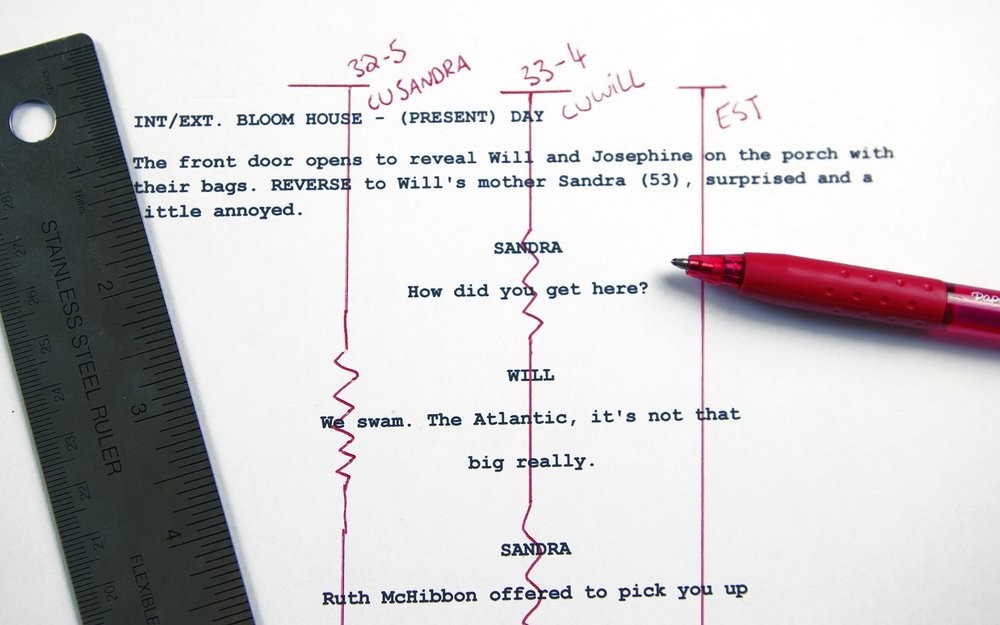
What a shooting script is
A shooting script is the screenplay draft that has been designated for production use and formatted to support the logistics of filming. People will sometimes call it the shooting draft or production draft. You will also hear “locked,” but in practice that usually means locked for numbering, scheduling, and coordination, not “the story will never change again.”
The biggest tell is that its scenes are numbered, and those numbers become the backbone of planning.
In everyday practice, a shooting script is the version used to:
- Break down each scene for cast, props, wardrobe, stunts, VFX, special equipment, and locations
- Schedule the shoot (often with stripboards and a one-line schedule derived from the script)
- Plan coverage (what needs to be shot to cut the scene together)
- Track continuity during production
- Coordinate revisions without losing the thread of what everyone has already prepped
Think of a spec script as the story you are trying to sell. Think of a shooting script as the story you can actually shoot.
Why scene numbers stay put
Once a script becomes a shooting script, scene numbers are treated like permanent addresses. If Scene 24 is the kitchen argument, every department builds plans around “24.” Camera notes, production reports, call sheets, breakdown sheets, and location logistics all point back to that number.
Now imagine a rewrite lands, and the kitchen argument gains a page or gets trimmed by half a page. If the production renumbered all subsequent scenes, it would create instant confusion: yesterday’s Scene 36 would become today’s Scene 37, and half the crew would be working off outdated references.
That is why the convention is:
- Existing scene numbers do not change.
- New scenes are inserted using letters (for example, 24A, 24B) instead of renumbering the entire script.
- Revisions are tracked so departments can see what changed without redoing everything from scratch.
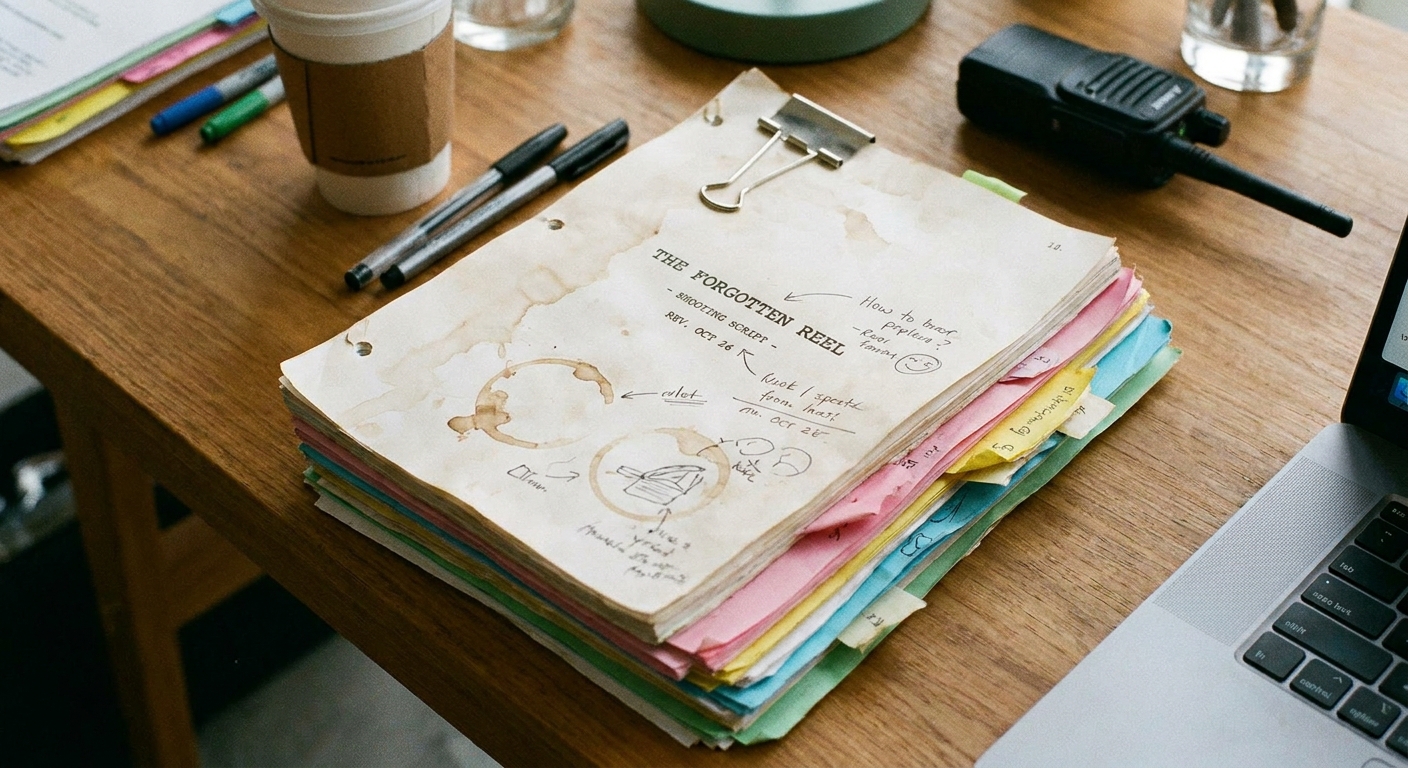
A quick real-world example: you might have Scene 24 on pages 12 to 13, then a rewrite adds a short beat between 24 and 25. Instead of renumbering, that new beat becomes 24A. And if production issues updated pages, you might receive replacement pages 12 to 13 on a revision color (say, blue pages) that slot into your binder without blowing up everyone’s references.
This stability is not just tidiness. It is how a production avoids expensive mistakes, like prepping the wrong props or showing up to the wrong location with the wrong cast.
What is inside a shooting script
Different shows and films have different workflows, but a typical shooting script includes:
- Scene numbers in the margins and often in the headings
- Revision marks that indicate new or altered text (often with margin marks, and sometimes asterisks to flag changed lines)
- Colored revision pages as updates roll out (often starting on white pages, then blue, pink, yellow, and so on)
- Locked formatting designed to stay consistent across the production
- Notes-friendly margins because people will write on these pages. A lot.
Sometimes you will also see elements that reflect the project’s needs, like clearer slug lines for complex locations, standardized headings for multi-camera comedy, or added production notations. The key is that the document is built to serve production, not to charm a reader.
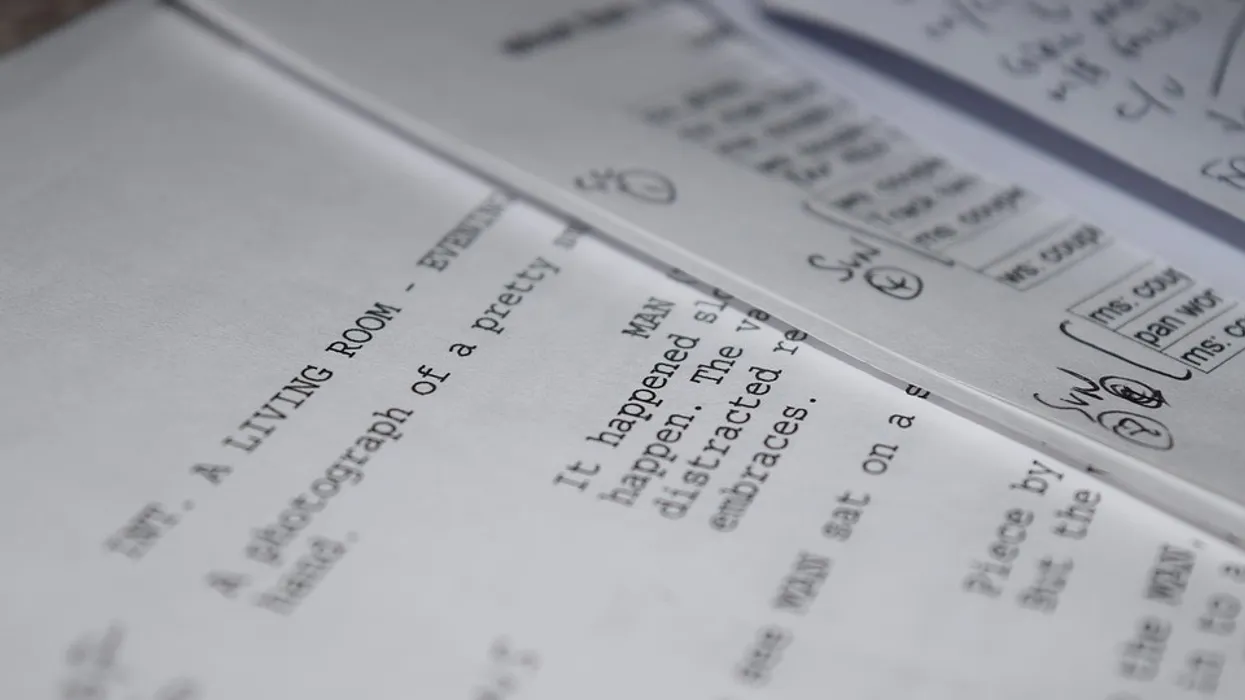
Shooting script vs. spec script
If you have ever read a screenplay that moves like a great short story, you have probably read something closer to a spec script. A spec script is written on speculation, meaning it is designed to be read and to sell the project or secure representation.
Here are the big differences you will notice:
Purpose
- Spec script: A selling document. It prioritizes voice, pace, and a clean reading experience.
- Shooting script: A production document. It prioritizes clarity, consistency, and coordination.
Numbering
- Spec script: Scenes are usually not numbered.
- Shooting script: Scenes are numbered and kept stable through revisions.
Revision workflow
- Spec script: Revisions happen, but they are usually shared as whole drafts.
- Shooting script: Revisions are distributed in a way that helps crews update only what changed, while preserving scene references.
In other words: a spec script is optimized for momentum. A shooting script is optimized for execution.
Shooting script vs. table read draft
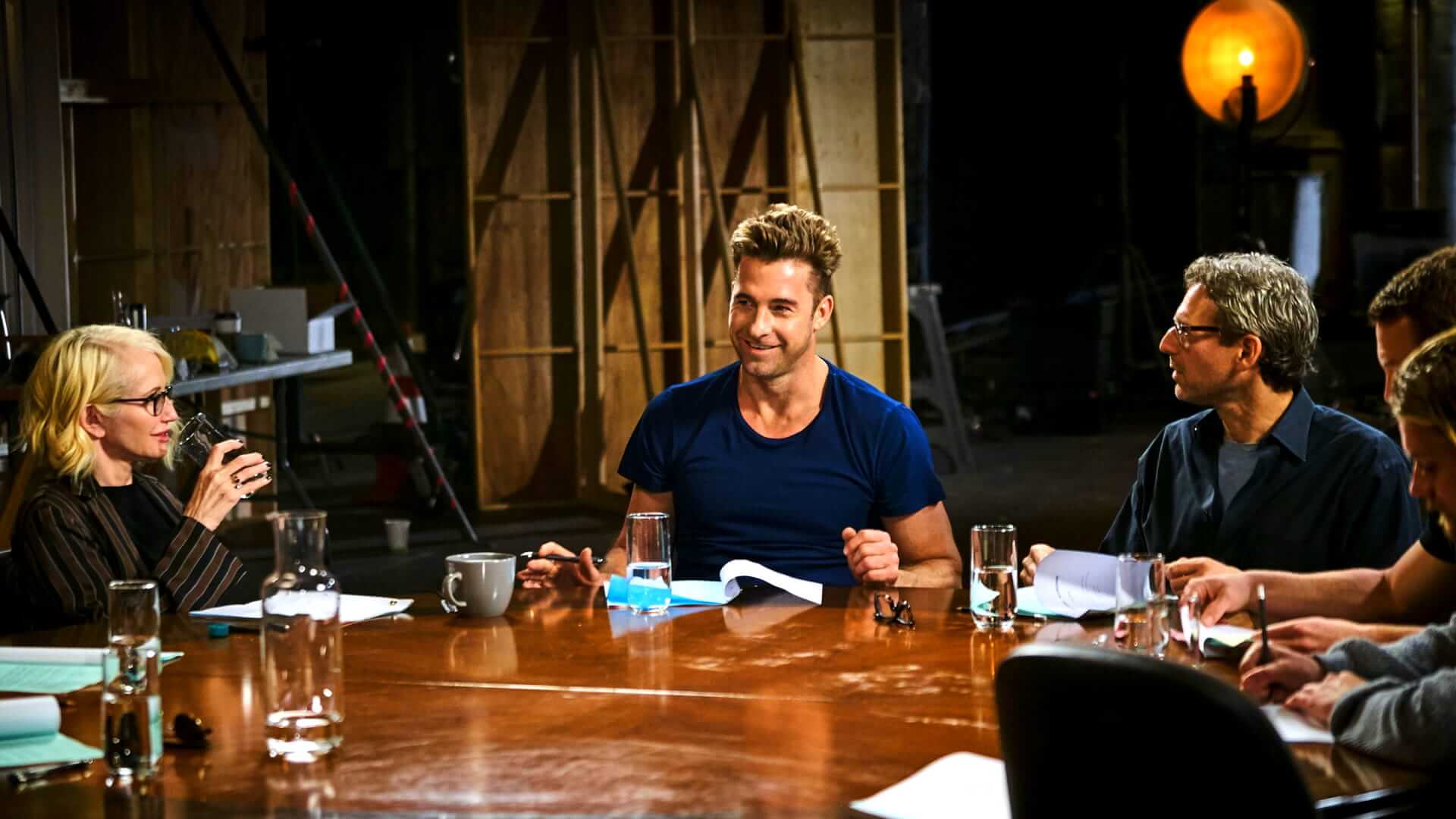
A table read is an event. A shooting script is a tool.
At a table read, the draft being read aloud may be a polished version, a work-in-progress, or even a version tailored for the room. The goal is to hear the story, test the rhythm, find what plays, and give the creative team something you cannot get from silent reading: live timing, performance energy, and immediate clarity about what is landing and what is not.
A shooting script, meanwhile, is the draft that supports production realities like:
- How many setups a scene might require
- What must be captured for editorial
- What the day’s work is on a call sheet
- What continuity details need tracking take-to-take
Sometimes the document used at a table read is already close to a production draft. Sometimes it is not. The defining trait of a shooting script is that it is prepared for shooting, with numbering and a revision system that keeps the production synchronized.
Who uses the shooting script
By the time cameras roll, nearly every department touches the shooting script in some way. A few key relationships:
- Director and AD team: Use it to plan the day, coordinate coverage, and keep the schedule moving.
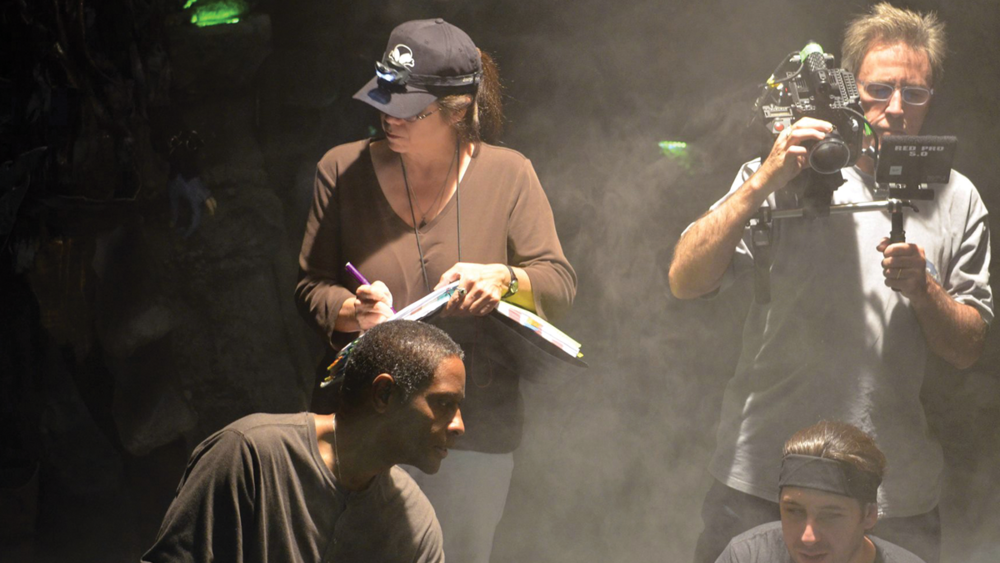
- Script supervisor: Lives in it. Tracks continuity, lines, shot details, and what was actually filmed.
- Camera department: References scenes to plan setups, lenses, and coverage needs.
- Production design, props, wardrobe: Break down scenes to prep what must appear, match, or change.
- Sound, stunts, VFX: Flag technical needs early so the set is not improvising under pressure.
- Post-production and editorial: Use scene numbers alongside slates, takes, and script supervisor notes to keep footage, notes, and cuts organized.
This is why stable scene numbers matter so much. A production is a choir. The shooting script is the sheet music everyone shares.
Quick FAQ
Is a shooting script the final script?
It is often treated as the production baseline, but it is not immune to change. Productions revise constantly. The difference is that changes are managed through a controlled revision process so everyone stays aligned.
Do shooting scripts always have numbered scenes?
As a standard practice in film and most single-camera television workflows, yes. There are edge cases, especially in very small productions or documentary and hybrid projects, where numbering is lighter or handled differently. But in traditional narrative production, numbered scenes are the core feature that makes the draft trackable across departments.
Why do people say “locked” if it can still change?
Because “locked” usually means locked enough to schedule and prep. It marks the shift from development to execution, even if rewrites continue.
Can viewers or fans read shooting scripts?
Sometimes, if they are published later as part of awards campaigns, books, or official releases. But on an active production, shooting scripts are working documents and handled accordingly.