The first time I ever held a call sheet, I treated it like a sacred text. Which, honestly, is not the worst instinct. A background actor call sheet is the production’s way of saying: here is exactly how to get to set, when to arrive, and how not to become the person everyone has to hunt down at 5:58 a.m.
If you are already booked for the day, your job is not to decode the entire production. Your job is to read the sheet like a pro, confirm anything that conflicts, and walk onto set calm, early, and prepared.
What a background call sheet is and is not
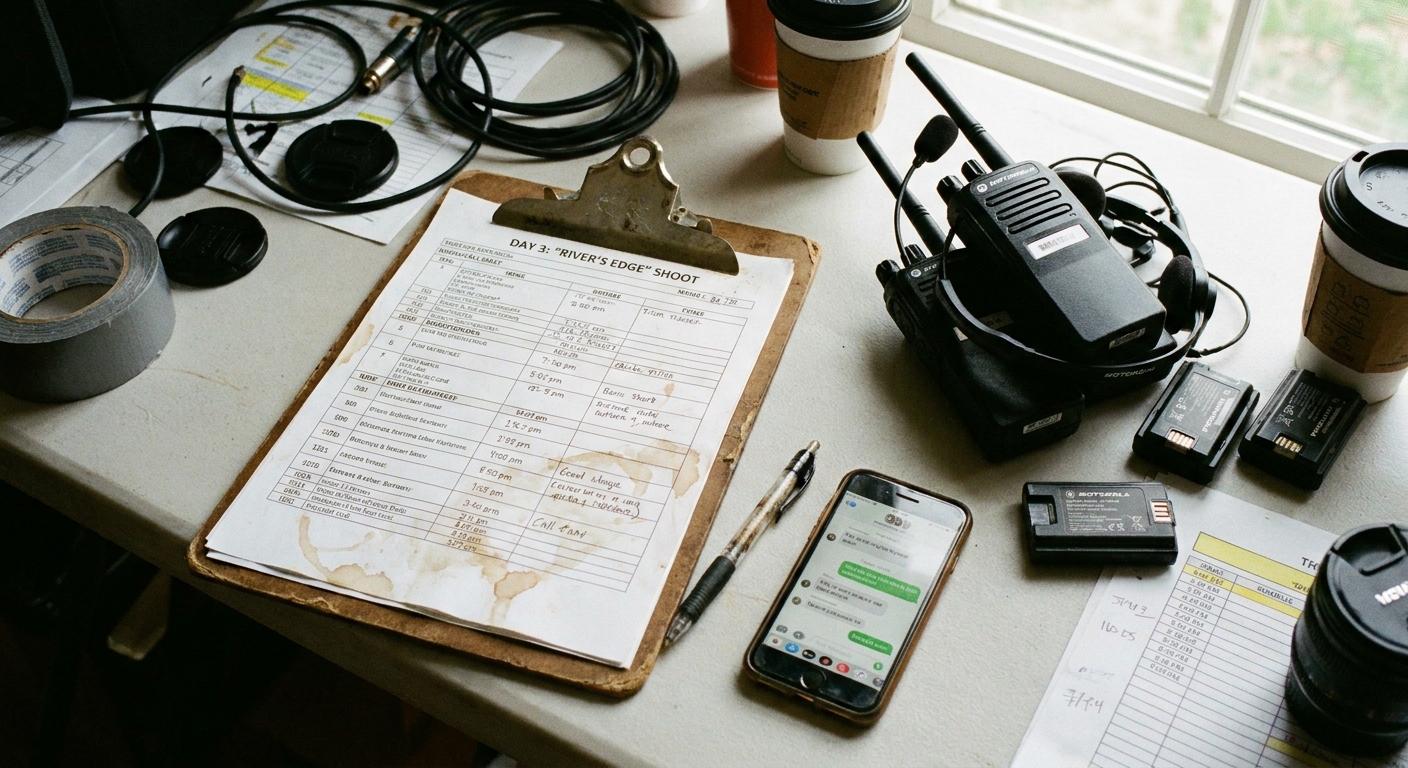
A call sheet is a one-day scheduling document distributed by the assistant director (AD) team. It tells cast and crew where to go, when to be there, what scenes are planned, and the essential safety and contact info.
For background performers, you might receive one of two things:
- The full production call sheet with lots of departments listed, plus a section for background.
- A background-specific call sheet or “BG call” message that contains only what extras need.
Either way, think of it as your overnight checklist. It is not a promise of screen time, a guarantee of wrap time, or a detailed explanation of the story. It is logistics.
How to use it the night before
Before you highlight anything, read the whole thing once top to bottom. Then do a second pass with these four goals:
- Lock your timing: report time, where you actually check in, and whether you are going to wardrobe or holding first.
- Lock your route: address, parking instructions, and how long it will take at the time of day you are traveling.
- Lock your look: wardrobe notes, grooming rules, and what you must bring (or must not bring).
- Lock your contacts: who you call if you are delayed, lost, or have a conflict.
Then set two alarms, charge your phone, pack your bag, and screenshot the key info. Call sheets love to vanish into poor reception the moment you need them most.
One more thing: revisions happen. If you get a new sheet late at night, double-check again when you wake up. The “latest version” wins, even if it shows up at an annoying hour.
The key fields, explained
Call sheets vary, but they tend to repeat the same core elements. Here is what each line usually means, and how to interpret it as background.
Production title, date, and day out
At the top you will see the project name (sometimes a code name), the shoot date, and something like “Day 12 of 40.” This is mostly for tracking, but it helps you make sure you are looking at the correct day. Productions sometimes send revisions, and you do not want yesterday’s PDF.
Version or revision number
If you see “Rev 2” or a time stamp (like 9:30 p.m.), that is your clue that there were updates. Always default to the latest revision you received. If you get two versions and cannot tell which is current, ask your background casting contact.
General call vs your report time
Most sheets list a general crew call time, but background performers will have a specific instruction such as:
- BG Report: when you arrive to check in.
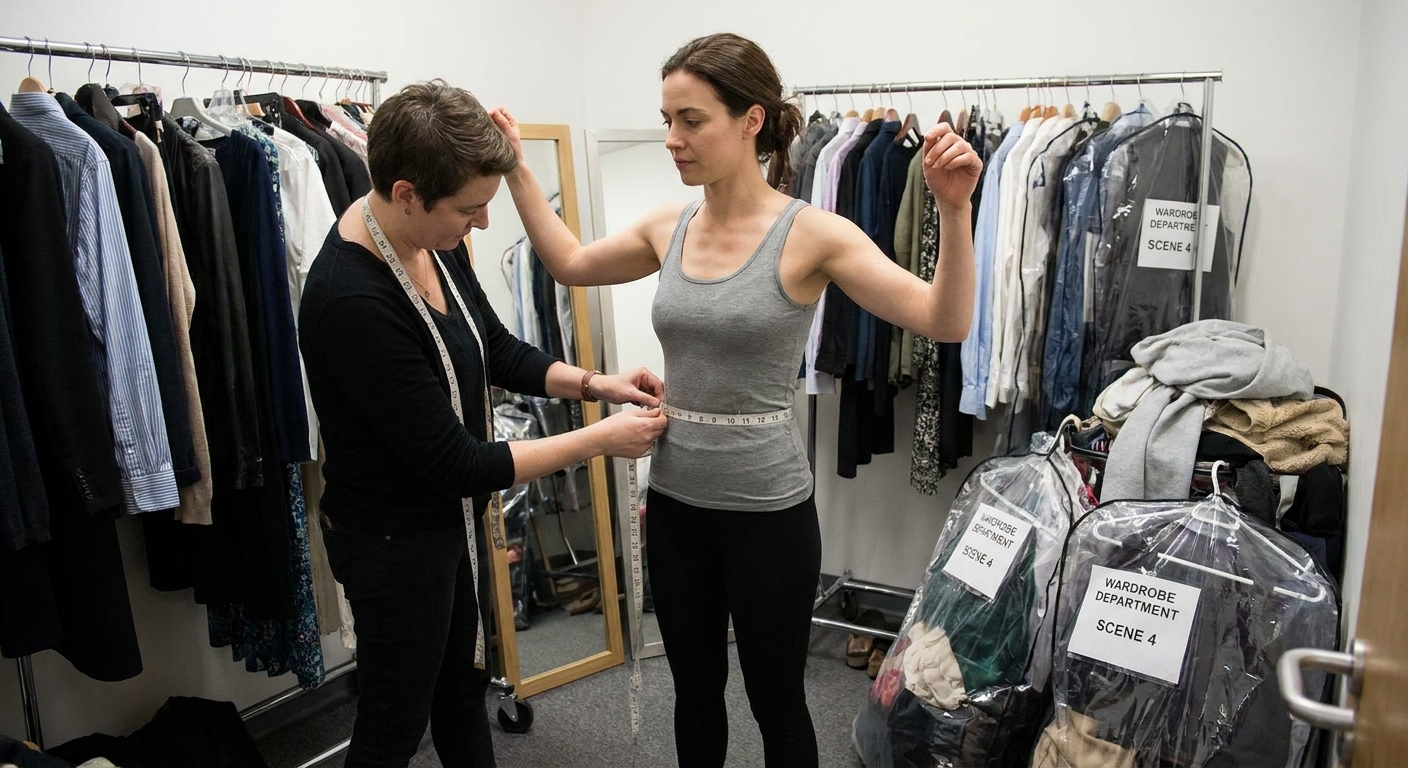
- Wardrobe: when you report to wardrobe, if you are being fitted or adjusted.
- HMU: hair and makeup time, if applicable for your booking.
Use your report time. Do not assume you come at “Crew Call” unless you were told that directly.
Location, basecamp, and holding
Many newcomers get tripped up here because a sheet can include multiple addresses. Typical entries:
- Set location: where filming is happening.
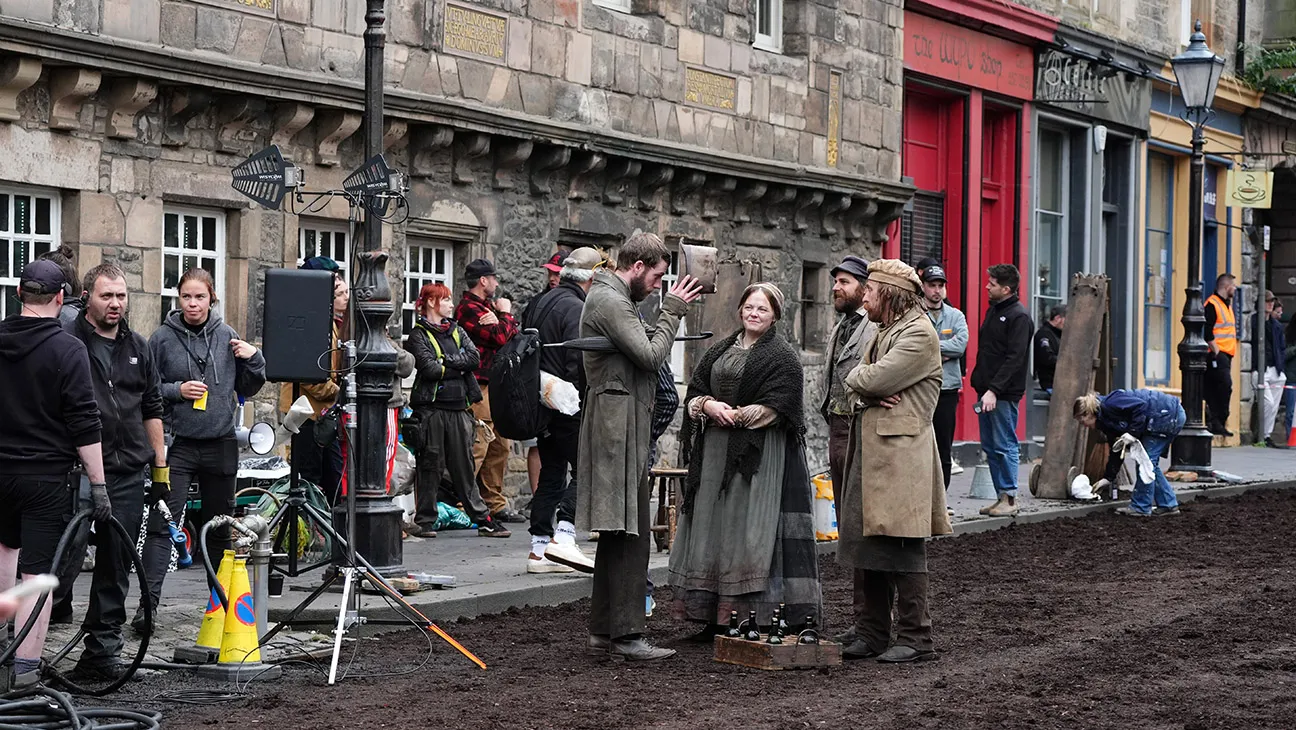
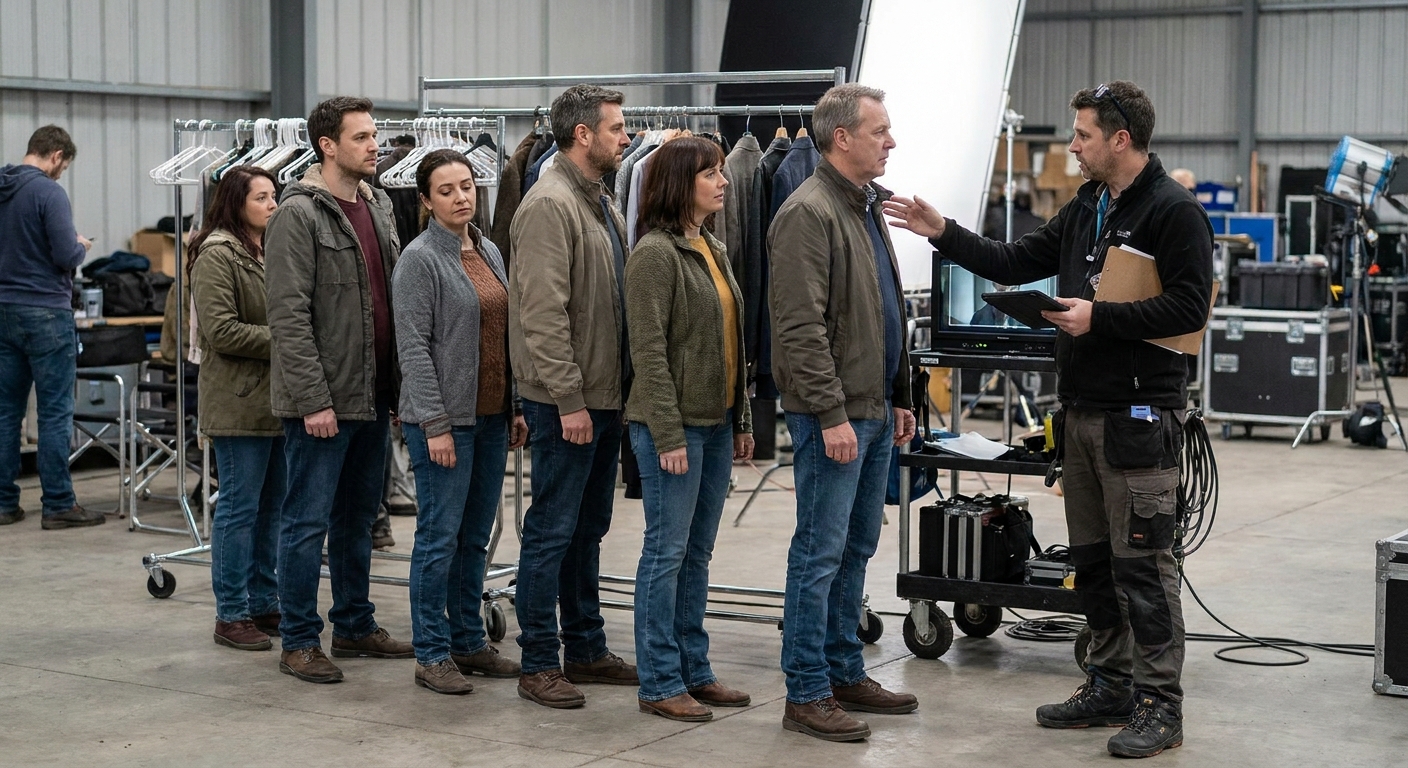
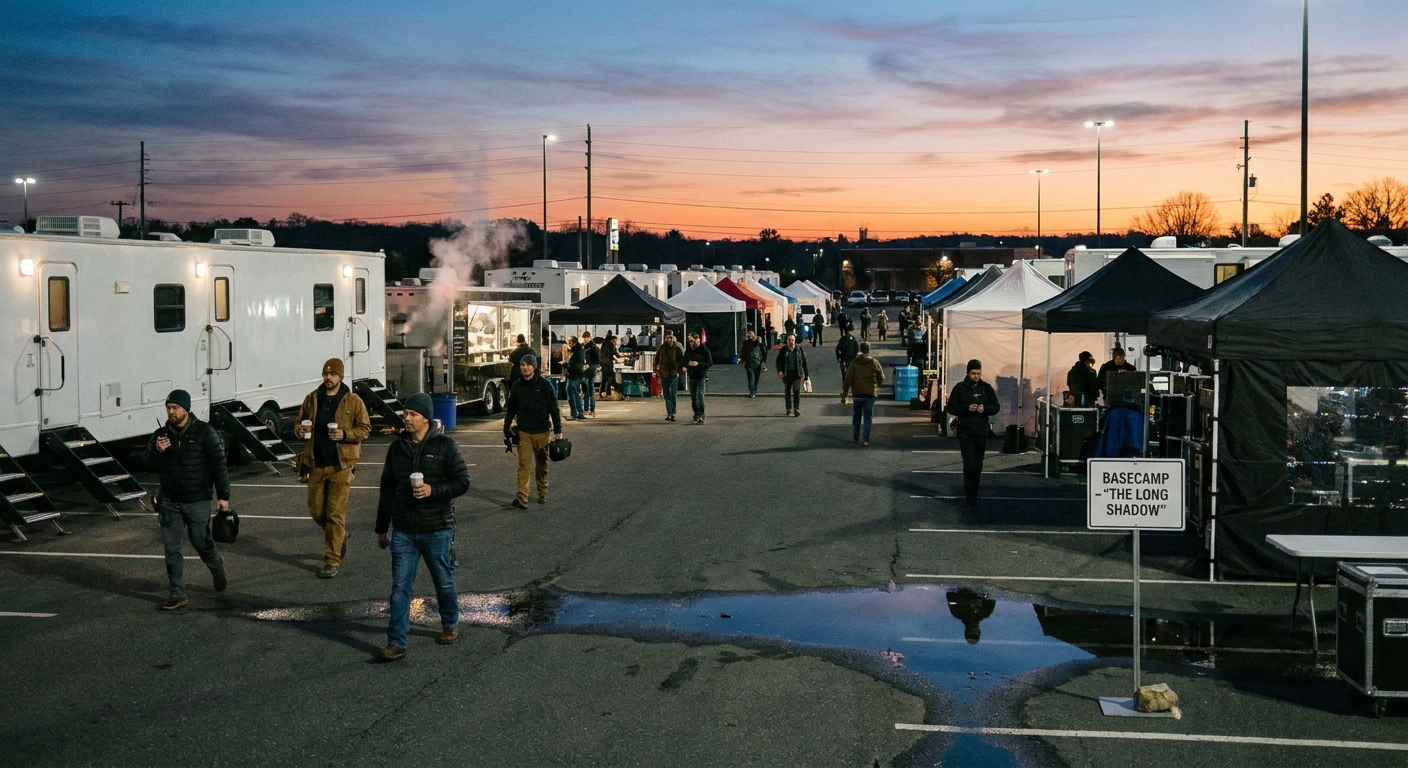
- Basecamp: where trailers, honeywagons, catering, and often background holding are parked.
- Holding: the specific room or area where background waits.
If your background instructions mention holding, go to holding or basecamp, not the front door of the filming location. You can be technically “on time” and still in the wrong place.
Who to check in with
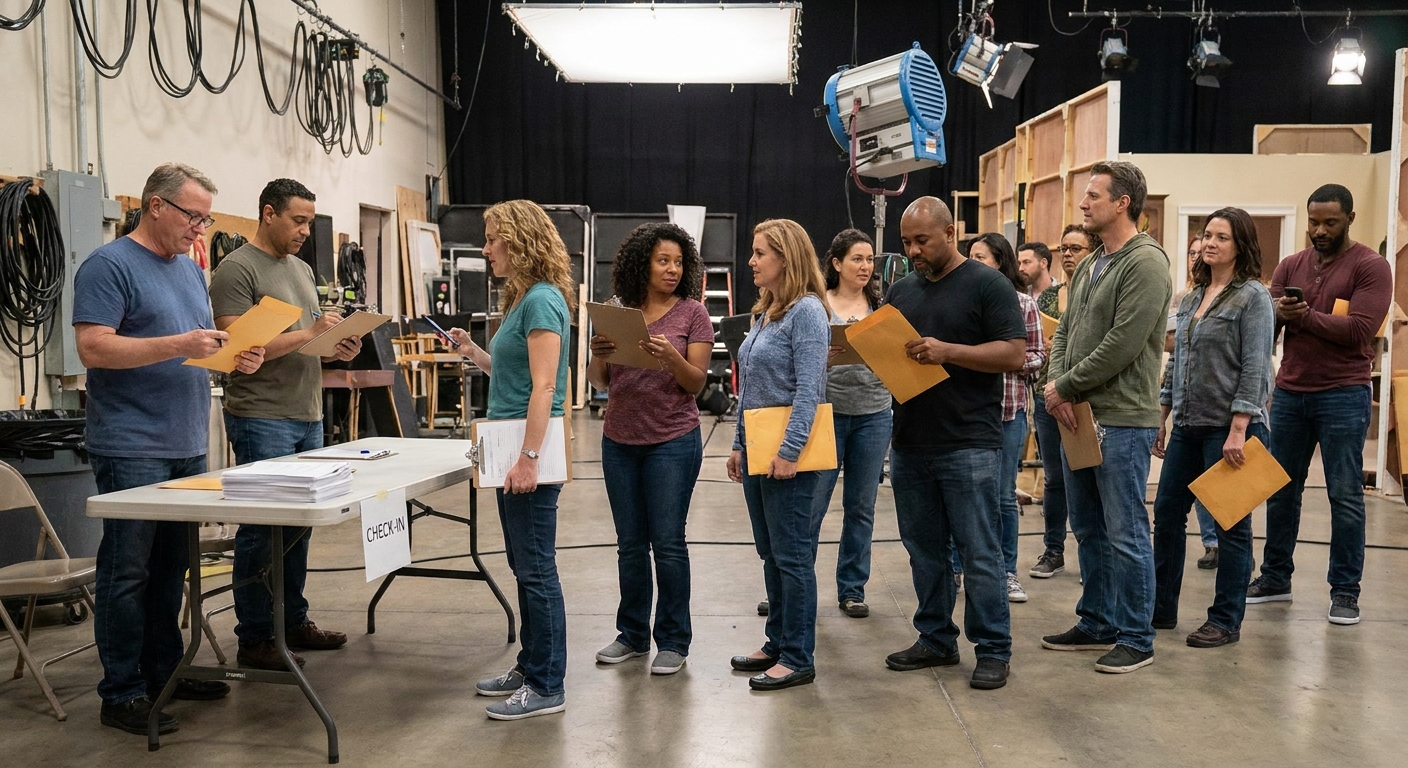
Look for a line like “Check in with BG PA” (background production assistant) or, on some shows, “Report to 2nd 2nd AD” (the assistant director who often handles background logistics). Translation: you are checking in with the person who wrangles background, takes paperwork, assigns groups, and tells you when you are moving.
If the sheet lists a name, save it in your phone. When you arrive, do not wander. Find that person, check in, and then follow directions.
Sign-in and vouchers
Background paperwork is usually handled at check-in. You may sign a roster and receive a voucher (or digital equivalent) that tracks your hours, any bumps (like wardrobe adjustments), and where you need to turn it in at the end of the day.
Bring your ID and whatever the production or casting told you to have on hand (sometimes your paperwork is already on file, sometimes it is not). And fill things out clearly. A sloppy voucher can turn into a payment delay, which is a truly depressing prize for a 12-hour day.
Parking instructions
Parking can be the difference between a smooth day and a panic spiral. On many sets, you will not park at basecamp. You might park in a lot and take a shuttle, or you might park on the street in a specific zone.
Look for:
- Parking address that is different from basecamp.
- Shuttle info: pick-up location and frequency.
- Do not park warnings (towing zones, resident permit streets).
If the parking plan sounds confusing, confirm it the night before. “Where exactly should background park?” is a normal question.
Weather and conditions
Call sheets often list forecast highs and lows, sunrise and sunset, and may include notes about rain plans or heat precautions. As background, your takeaway is practical:
- Bring layers if you will be outside and then inside.
- Plan shoes accordingly if there is rain or mud.
- Pack sunscreen, meds, and any personal comfort items you are allowed to carry.
Even if wardrobe provides the look, you still need to manage your body for a long day.
Scenes and set notes
Somewhere on the sheet you will see a list of scene numbers with brief descriptions, plus script pages and sometimes whether it is day or night. For background, you are reading this for context, not spoilers.
Helpful clues you can extract:
- Environment: “Restaurant,” “Hospital corridor,” “Street fair.” This hints at movement, noise, and comfort needs.
- Interior vs exterior: EXT work can mean weather exposure and more waiting between setups.
- Night work: “N” or “Nights” can indicate a late wrap and colder conditions.
Wardrobe notes and bring options
Background wardrobe instructions range from wonderfully specific to hilariously vague. You might see:
- Color palette: “No logos, no bright white, earth tones.”
- Period notes: “No modern sneakers,” “No visible smartwatches.”
- Duplicates: “Bring two options of jacket,” “Bring two identical outfits.”
- Special items: “Bring business bag,” “Bring yoga mat,” “Bring winter coat.”
My rule: if they say “bring options,” bring options that still look like you belong in the same world. Three wildly different vibes just slow down wardrobe and make you look unprepared.
Hair, makeup, grooming, and nails
Sheets sometimes include grooming notes, especially for period pieces or continuity-heavy sequences. Pay attention to:
- Facial hair instructions: whether you must be clean-shaven or keep your current look.
- Nail rules: neutral polish or none at all.
- Hair rules: arrive with clean, dry hair, no product, no fresh haircut within a certain window.
If you are unsure whether a grooming note applies to you, ask. Do not assume silence means permission to show up with glitter nails for a “gritty courthouse hallway” scene.
Contacts: AD team and background casting
Call sheets list a lot of phone numbers. For background, the ones you actually use are usually:
- Background casting contact or booking coordinator, for schedule conflicts and booking questions.
- BG PA or 2nd 2nd AD (or whoever is listed for background), for “I am on my way but running late” or “I cannot find basecamp.”
Save the relevant numbers before you go to sleep. In the morning, you do not want to be digging through email with one bar of service.
Safety, medical, and rules
Many sheets include the nearest hospital, medic contact, and safety reminders. Read them. Even if you are just “walking in the background,” sets involve vehicles, cables, wet floors, smoke, crowd choreography, and long hours.
Also watch for:
- Illness policies if applicable.
- Confidentiality language and no-photo rules.
- Special effects notices such as smoke, loud noises, or stunts.
And to be painfully clear: do not post call sheet details, set addresses, or schedule info on social. Do not photograph or share the call sheet. If you signed an NDA, treat it like it means something, because it does.
Common terms that confuse people
Here are a few terms that regularly spark questions in my inbox:
- “Hold”: productions use this word differently. Sometimes it means you are being considered but not confirmed yet. Sometimes it means you are confirmed but your time could change. If you are told you are booked and then see “hold” language, verify with casting what you are expected to do and when. Do not guess.
- “TBD”: to be determined. If it is tied to your report time or location, confirm before you go to bed.
- “Fittings”: you may need to arrive earlier or go to a different address. Clarify if it applies to you.
- “BG holding”: where you wait. It could be a tent, a room, a bus, or a rented hall.
- “Map link” or “grid”: directions are sometimes separated into an attachment or second page. Make sure you have it.
What to confirm with casting
Background performers are often juggling another job, public transit timing, childcare, or a long drive. You do not need to overexplain your life story, but you do need to flag true conflicts early.
Reach out to your background casting contact if you see:
- A report time difference from what you were booked for.
- A location change that makes the call impossible for you (or that you did not agree to).
- Wardrobe requirements you cannot meet, such as “must own specific uniform” or “must bring a bicycle.”
- Overlapping instructions like “Report to holding at 6:00 a.m.” and “Wardrobe at 5:30 a.m.” with no explanation of which comes first.
- Age or ID rules that affect you (ID required, no minors, alcohol service scene, etc.).
If you are already booked and something is unclear, a simple message works: “Hi, confirming my background report time and where to check in. The call sheet shows X. Is that correct?”
Your morning-of checklist
Call sheets are designed for people who do this every day. If you do not, here is the short list that keeps you grounded:
- Re-read: report time, check-in contact, parking address.
- Check for any revisions that came in overnight.
- Eat something, even if you think you will be fed immediately.
- Bring: ID, phone charger, quiet entertainment, water bottle, weather protection.
- Arrive early enough to handle shuttles, security, and a wrong turn.
- Once you check in, follow the chain of command and stay reachable.
One quick reality check, too: union and non-union sets, and different regions, can handle breaks, meal timing, and overtime differently. Your call sheet will not spell all of that out for you. Plan for a long day, and let the production tell you what applies on that show.
FAQ
Do background actors always get the full call sheet?
No. Many productions send background only the details they need. If you do receive the full sheet, treat it as confidential and do not share it.
What if my call sheet says one time but my booking text said another?
Confirm with background casting or your booking contact. Do not guess. In practice, the most current revision is usually right, but you want it in writing from the people who booked you.
If the sheet lists set location, should I go there?
Not necessarily. Background frequently reports to basecamp or holding, then is moved to set as a group. Follow the background reporting instructions first.
What if I cannot find parking or the check-in spot?
Call or text the background contact listed on the sheet as soon as you realize you are stuck. The earlier you communicate, the easier it is for them to help you reroute.
Does the scene list tell me what I will be doing?
It can hint at the environment, but it is not a guarantee of your specific action. Background adjustments happen fast based on camera, continuity, and director preference.