I am the kind of person who reads the whole playbill before the curtain and stays through the last curtain call, so I do not say this lightly: having a show cancel can feel like the universe stole your night out. Sometimes it is weather, sometimes it is illness, sometimes it is a touring logistics domino effect. Whatever the reason, your next question is practical and immediate.
Here is the typical path your ticket takes when a performance is canceled entirely, how that differs from a date change, and what you can reasonably expect the venue or ticket seller to handle without you having to file an insurance claim.
One important caveat up front: policies vary by seller, venue, event type, and local law. The cancellation notice and the terms attached to your order will always win.
Canceled vs postponed vs rescheduled
Ticket policies hinge on one word: canceled. In plain English, it means the performance is not happening. The tricky part is that listings and emails can use different labels, so it helps to know how ticketing usually treats each status.
If the show is canceled
- Your ticket is no longer valid for entry because there is no performance to attend.
- A refund is often issued to the original payment method when you bought from an authorized seller or the venue box office, but some sellers require you to request it (or they default to credit) even for cancellations.
- Fees are case by case. Some sellers refund service and facility fees on canceled events; others keep certain processing, delivery, or third-party fees where permitted. Always read the cancellation notice and your order terms.
If the show is postponed
Postponed usually means: not happening tonight, and a new date is not finalized yet. Your ticket is typically held while the organizer figures out the replacement date, and a refund option may show up later once the plan is official.
If the show is rescheduled
Rescheduled usually means: there is a new date on the calendar. In many cases, your ticket stays valid for the new date automatically, and you may have a window to request a refund if you cannot make it.
Translation: a true cancellation usually triggers a money-back process. A new date usually triggers a decision point.
The usual refund path
Most buyers interact with two separate systems that work together: the ticket seller (the company that processed your order) and the presenter/venue (the organization hosting the performance). When a show is canceled, the venue or promoter typically authorizes refunds, then the ticket seller executes them back to customers.
What typically happens behind the scenes
- Event status is updated to “canceled” in the ticketing platform.
- Orders tied to that event are flagged for refund, reversal, or credit depending on the seller’s rules.
- Refunds are issued back to the original form of payment when possible.
- You receive an email confirmation that the refund was processed or initiated, or instructions on how to request it.
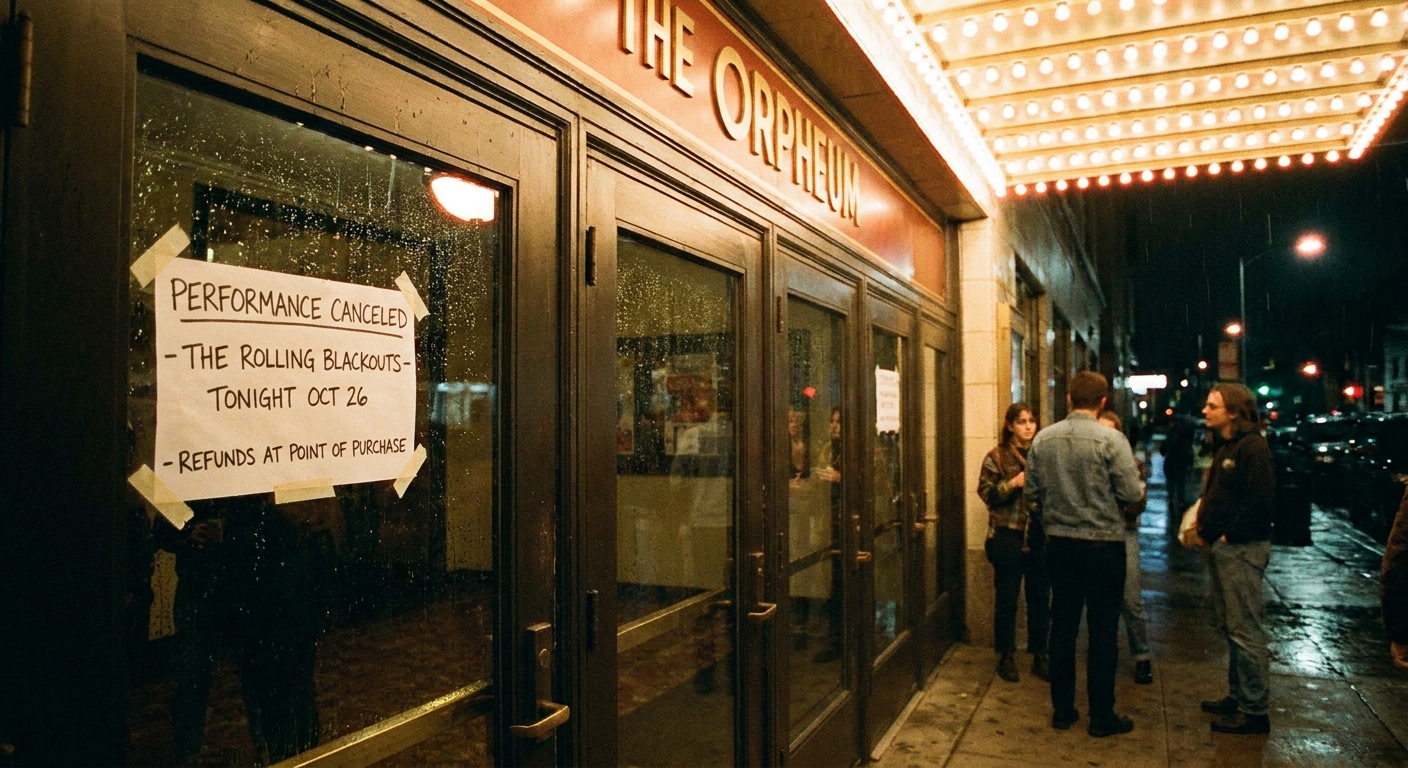
If you bought at the box office and paid cash, the process can look different. Some venues require you to return in person with your receipt, while others offer alternatives such as mailing a check or issuing venue credit. The key is that box office purchases are governed by that venue’s procedures, not a third-party ticketing app’s.
How long do refunds take?
Refund speed depends on two steps: when the seller initiates the refund and how long your bank or card issuer takes to post it.
- Initiation: often within a few business days after the event is officially marked canceled, but it can take longer during large-scale disruptions.
- Posting time: commonly 3 to 10 business days after initiation, but 10 to 14 business days is not unusual, and rare cases can take longer (including up to a billing cycle or two, especially with some international payments).
If you used a debit card, some banks show refunds as “pending” before they fully post. If you used a digital wallet, it may route back through the underlying card. If you used buy-now-pay-later, the refund may first adjust your installment plan, then return any overpayment.
If you only do one thing: wait for the refund confirmation email, then count business days from that date before escalating. Most “missing refund” panics happen in the gap between initiation and posting.
What to check in your order
When you are frustrated and tired, your inbox becomes your best paper trail. Pull up the original confirmation and look for these details:
- Who sold you the ticket: venue box office, primary ticketing partner, or resale marketplace.
- Order number: you will need it for any customer service request.
- Event date and time: useful if the cancellation announcement lists multiple performances.
- Delivery method: mobile entry, PDF, will call, mailed ticket. This affects how some sellers validate the order.
- Payment method: last four digits of the card, wallet used, or gift card balance.
- Fee breakdown: ticket price vs service fees vs delivery fees, so you can understand what is being returned.
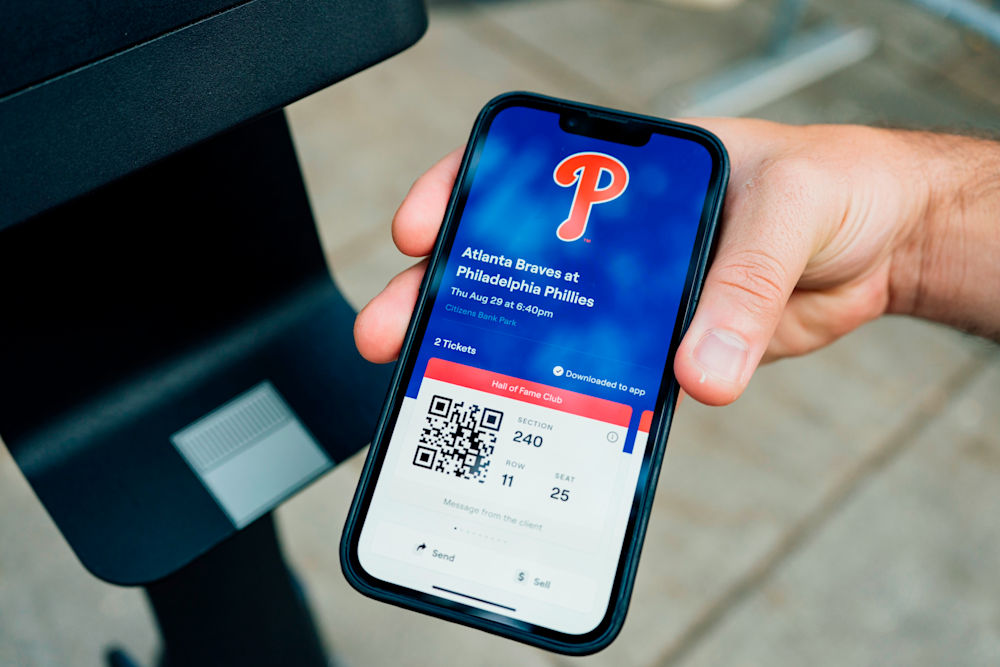
If the order email includes policy language, read it. Not because you deserve legalese on a canceled night out, but because it will answer the big questions: automatic vs requested refunds, fee treatment, and timelines.
Canceled vs new date
Here is the common confusion: “They moved it to another night, but my email says something about refunds.” These are not identical scenarios.
When you usually keep the same seat
If the performance is rescheduled at the same venue with the same seating map, your ticket is often honored as-is, meaning your seat location stays attached to your order. For reserved seating, this is the simplest outcome: same seat, new date.
When your seat might change
- The show moves to a different venue.
- The production changes configurations (for example, an end-stage concert becomes in-the-round, or sections are blocked off).
- Your original ticket type is general admission, where “seat” is really “access.”
- You have accessible seating or a companion ticket. In a reschedule, those accommodations are usually honored, but if the map changes, you may need to confirm the reassignment with the seller.
When refunds are automatic (and when they are not)
If the event is officially listed as canceled, refunds often trigger automatically. If the event is rescheduled, many sellers keep tickets valid and give you a window to request a refund if you cannot make the new date. Some organizers also offer credit by default unless you opt into a cash refund.
Partial and interrupted shows
Not every disaster is a clean cancellation. Sometimes the house opens, the lights go down, and then everything goes sideways.
- Delayed start: a late curtain does not automatically mean refunds. Many venues treat delays as “the show still happened.”
- Show stops mid-performance: policies vary. Some venues offer refunds only if the performance passes a certain point (for example, after intermission), while others offer exchanges or partial credit.
- Lineup changes: at concerts and festivals, an opener being canceled or a set being shortened is often not treated as a cancellation of the event.
If you are dealing with an interrupted performance, look for an on-site announcement, a follow-up email, or a statement on the event page. Those usually set the remedy, if there is one.
Do you need ticket insurance?
In many straightforward cancellations, no. If the event is canceled, the venue and ticket seller typically handle the refund process without you invoking insurance.
When insurance might matter
Ticket insurance, when offered, usually exists for situations where the show still happens but you cannot attend due to a covered reason. That is a different problem than a full cancellation.
- Event canceled: the seller/venue commonly refunds you without an insurance claim, though you may still need to follow a request process in some cases.
- Event happens, you cannot go: you might need insurance, depending on the policy terms.
- Travel costs: ticket refunds do not automatically cover hotels, flights, childcare, parking, or dinner reservations. That is where travel insurance or credit card trip protections can sometimes help.
If you purchased insurance, still skim the confirmation email. Some policies ask you to wait until the promoter’s official status is posted before doing anything. Others specify which documentation they need.
Resale marketplace tickets
This is where the plot thickens. If you bought tickets on a resale platform, your refund is governed by that marketplace’s buyer guarantee and the event’s official status. Many marketplaces refund canceled events, but the timeline and mechanics can vary.
- Expect the marketplace to be your point of contact, not the venue.
- Refund method may differ, depending on how the marketplace processed the payment.
- Fees and shipping are handled according to that platform’s terms.
If your tickets were transferred into your name via a primary ticketing app, do not assume the primary ticketing company will refund you. The company that took your payment is usually the one that issues your refund.
Add-ons and extras
Many live events now come with a constellation of extras. The good news is that add-ons tied to the canceled event often follow the same status logic, but they do not always post back in one neat lump sum.
- Parking purchased through the same ticket order is commonly refunded with the ticket, though it may appear as a separate line item and post separately.
- VIP packages are usually refunded if the underlying event is canceled, but timelines can be longer if multiple vendors are involved.
- Merch pre-orders can be their own category. If it was a separate transaction, it may not automatically cancel unless the seller states it will.
Gift cards and credits
If you paid with a gift card, voucher, or venue credit, do not be surprised if your “refund” returns to that same bucket instead of showing up as cash back on a card. Some sellers also issue account credit by default during mass cancellations, with an option to request a cash refund. The original receipt is your roadmap here.
When to follow up
If the cancellation is official and you have not seen a refund after a reasonable window, here is the cleanest escalation path:
- Check the event page or your account where you bought the tickets for a posted cancellation status and refund note.
- Search your email for a refund initiation message, including spam and promotions tabs.
- Contact the ticket seller with your order number. Keep it factual: event name, date, purchase email, and payment method.
- Then contact your bank or card issuer if the seller confirms a refund was issued but it has not posted after the stated timeframe.
Avoid initiating a chargeback as your first move. But if the seller misses its stated timeline, refuses to honor the posted cancellation policy, or goes unresponsive, a chargeback can be a reasonable last resort.
Quick FAQ
Will I automatically get my money back if a show is canceled?
Often, yes, especially if you purchased through the venue or an authorized primary seller. But some sellers require you to request a refund, and some default to credit. Check the cancellation notice and your order terms.
Do I have to return or “send back” my ticket?
Usually not for mobile tickets. For paper tickets, some venues may require you to present them if you want a cash refund at the box office, but many cancellations are handled without physical returns.
Why did I get refunded in multiple smaller amounts?
Tickets, fees, parking, and upgrades can be processed as separate line items. They can post on different days even if they were initiated together.
What if my card is closed or expired?
Refunds generally go back to the original payment channel. If that account is closed, your bank or card issuer often reroutes the funds or provides an alternative, but you may need to contact them. Start by asking the ticket seller when the refund was initiated.
What if the show is canceled after I traveled?
The ticket refund typically covers the ticket and related add-ons sold with it, not your hotel, transport, or meals. If you booked travel specifically for the performance, check any travel insurance, credit card trip protections, and hotel cancellation terms.
The bottom line
A cancellation is one of the few times live event logistics can be refreshingly straightforward: no performance usually means a refund, and in many cases, you do not need to do anything beyond monitoring your email and account for confirmation. The most important step is knowing where you bought your ticket, because that is who controls your timeline, your method (cash vs credit), and which fees, if any, come back to you.
And when you rebook that night out, I hope the understudy is healthy, the weather behaves, and the curtain actually rises.