
There is a particular kind of thrill in watching a scene and thinking, I know exactly how that got made. Background work, also called being an extra, is one of the most accessible ways to step onto a professional set, earn a paycheck, and learn how film and TV actually move. It is not glamour, not instant stardom, and not a shortcut to speaking roles. It is real work that rewards reliability, patience, and the ability to take direction without disrupting the set.
Here is how beginners can find legitimate extra casting, submit correctly, show up prepared, and avoid the scams that prey on eager newcomers.

What extra work is
Extras fill out the world of a story. You might be a commuter on a subway platform, a fan in stadium seats, a diner at a restaurant, or a parent at a school pick-up. The goal is continuity and realism, not attention. If the camera can linger on you long enough to feel like a performance, the scene is probably not using you as background.
Also worth knowing up front: production controls what is shot and what makes the final cut. You might work all day and never be clearly visible. That is normal, not personal.
Common types of background bookings
- General background: You are part of a crowd or environment.
- Featured background: You are still non-speaking, but you may be closer to camera or repeating a clear action.
- Stand-in: You closely match a principal actor’s height, build, and similar coloring for lighting and camera rehearsals. This is often more technical and can pay more.
- Photo double: Similar to a stand-in, but you appear on camera from behind or in partial views.
- Special ability background: You have a skill the scene needs, such as roller skating, ballroom dancing, playing an instrument, or operating specific sports gear.
The best mindset: you are a small but essential gear in a large machine. People remember the extras who are easy to place, quick to adjust, and professional in downtime.
Where extra work is posted
In many markets, background casting is handled separately from principal casting. A production may use a dedicated background casting director or office, and on set the assistant director team and background PAs coordinate you day to day. Some productions also use online casting platforms to organize submissions and availability.
Legit places to look
- Background casting companies: Many cities with active production have offices that specialize in extras. They post availability requests on their websites and social channels and maintain internal databases.
- Online casting platforms: Reputable services host breakdowns for background and stand-in work. Some are subscription-based, some are free for basic use, and some charge production instead of talent.
- Production and studio postings: Occasionally, studios, networks, or production companies share calls for background for large crowd days, especially for sports scenes or public-event set pieces.
- Local film commission resources: City and state film offices often list casting resources or verified local vendors. It is not a guarantee, but it is a solid starting map.
- Union informational resources: If you live in a union-heavy market, you can learn about background categories, vouchers, and protections through performer union public pages and local offices.
If a listing is vague about the production, that is not automatically a red flag. Some projects keep titles under wraps. The green flag is whether the company is identifiable, reachable, and consistent, with clear submission instructions and professional communication.
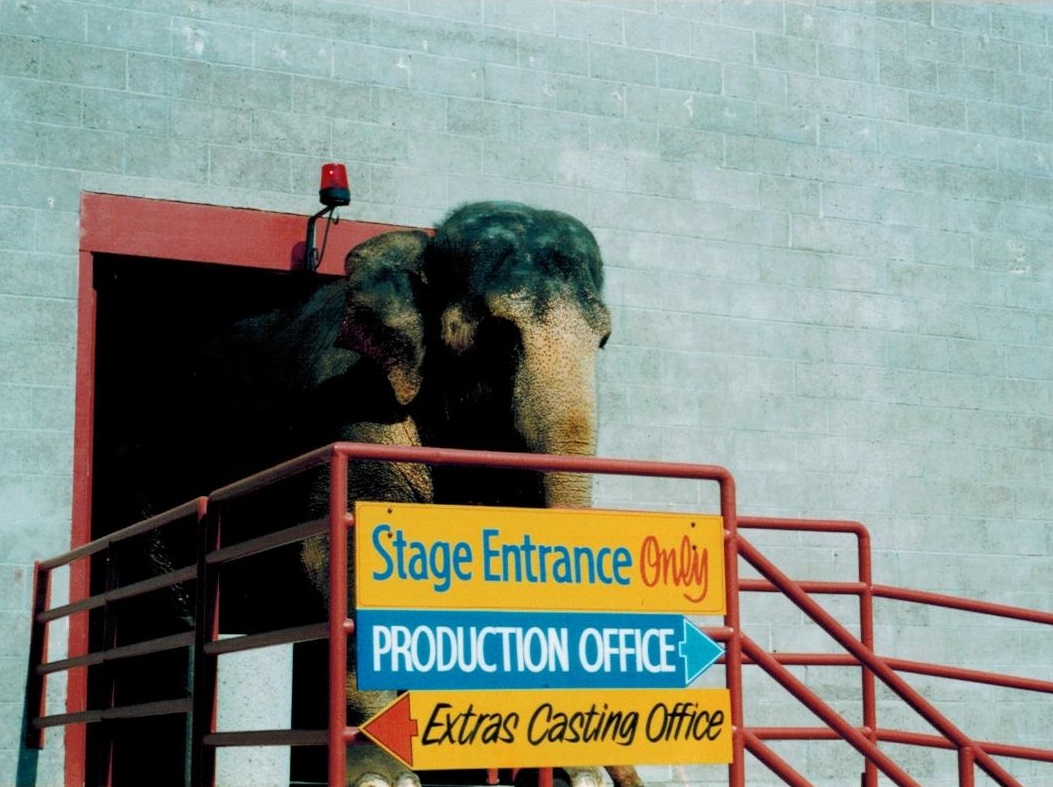
What casting looks for
Extra casting is less about “type” in the celebrity sense and more about believability and logistics. Casting needs a puzzle of ages, sizes, looks, and wardrobe options that match a world. They also need people who will show up on time and follow directions.
Traits that get you re-booked
- Reliability: Confirm quickly, show up early, and do not disappear from holding.
- Accuracy: If you submit that you own a navy business suit, show up with a navy business suit.
- Low-maintenance professionalism: You can wait without complaining and reset your action the same way for the tenth take.
- Continuity awareness: You can remember which hand held the coffee cup and keep it consistent.
- Comfort on set: You can take direction without being starstruck or trying to network mid-take.
Your look matters, but not how you think
Casting books every kind of face. “Camera-ready” is more about grooming and wardrobe fit than fitting a single beauty standard. A polished, honest photo and a straightforward submission beat a filtered headshot every time.
What to prep before you submit
The smoother you make the casting assistant’s day, the more likely you are to get called. Background casting moves fast. People who can provide the right info in the right format get hired.
Must-have photos
- Clear face photo: Natural light, no sunglasses, no heavy filters, neutral expression is fine.
- Full-body photo: So casting can assess silhouette and fit for wardrobe.
- Current photos: If you change hair color, facial hair, or significant weight, update immediately.
You do not need expensive headshots to start. You do need photos that look like you today.
Basic stats casting will ask for
- Name and contact info
- Age range (sometimes your actual age if requested)
- Height, weight, clothing sizes (shirt, pants, dress), shoe size
- Visible tattoos (location and whether they can be covered)
- Availability and whether you can work local hire
- Special skills (languages, sports, instruments) and licenses if relevant
Paperwork and admin to have ready
- Government-issued photo ID: Needed for check-in and security.
- Work eligibility documents: In the US, productions often need I-9 documentation to prove you can legally work. Know where your documents are so you are not scrambling at midnight.
- Direct deposit details: Many payroll companies pay via direct deposit or pay cards.
- Minor paperwork: If you are under 18, there are additional rules and permits, and a guardian is typically involved.
If you are not sure what your local requirements are, ask the casting office or payroll company directly. Legit productions answer plainly.
How to submit
Background submissions are usually straightforward: a short email, a form, or an in-platform submission. The trick is following instructions like it is part of the job, because it is.
Email submissions
- Subject line: Use exactly what the posting requests. If it says “SUBJECT: DINER PATRON 9/12,” do not improvise.
- Body: Name, phone, city, availability, sizes, and any required notes (union status, specific wardrobe, comfort with smoke effects, etc.).
- Format: If nothing else is specified, paste your stats in the email body (easy to skim on a phone) and attach only the requested photos. Avoid PDFs unless they ask for them.
- Photos: Attach only what they ask for, in reasonable file sizes. Label files with your name when possible.
Be honest about availability
If you are not available for the full window, do not submit “just in case.” Background days can be long, and leaving early can throw off continuity and coverage. When you are reliable, you become familiar. Familiar is employable.
Do you need an agent?
For background work, you typically do not need representation. Some actors eventually work with agents for principal roles, but plenty of extras book consistently through casting offices and platforms without anyone submitting on their behalf.
Avoiding scams
Extra work is a known entry point, which also makes it a known hunting ground for scammers. The good news is that most scams are easy to spot once you know the tells.
Big red flags
- You are asked to pay to be booked for a specific job. Legit productions do not charge a “booking fee,” “processing fee,” or “deposit” to hire you for a particular date.
- You are pressured into paying for access. Some legitimate platforms or directories charge subscription or listing fees, but you should be able to verify the company, understand what you are buying, and opt out. Paying should never be the condition for receiving wages on a specific gig.
- They demand money via gift cards, wire transfer, or crypto. That is a near-universal scam tell.
- They promise guaranteed roles or celebrity proximity. No one can guarantee you will be seen on camera, let alone “featured,” and professionals do not sell access.
- The message is vague and pushy. Pressure tactics are a classic scam move.
- They ask for sensitive info upfront. Do not send your Social Security number, passport scans, or banking info to a random email. Payroll paperwork happens through official onboarding channels after you are actually booked.
Green flags
- Clear call times, location zone, pay rate or pay structure, and wardrobe notes
- A verifiable casting office name with a real web presence and consistent contact info
- Communication that looks like production language: “fitting,” “holding,” “voucher,” “call sheet,” “on set,” “wrap”
- A standard onboarding process through a known payroll provider or established production office (not “send money to this person”)
If something feels off, step back and verify. Look up the casting office independently and contact them through their official site, not the link inside a suspicious message.
What a set day is like
The best preparation for a set day is emotional, not just logistical: you will wait more than you will perform. You will repeat tiny actions until they feel like choreography. And you will learn, fast, how much effort it takes to make “casual” look effortless.
Expect early call times, last-minute location updates, and long stretches in holding. Bring what you need to stay quiet, comfortable, and ready to move quickly when they call you.
The basic flow
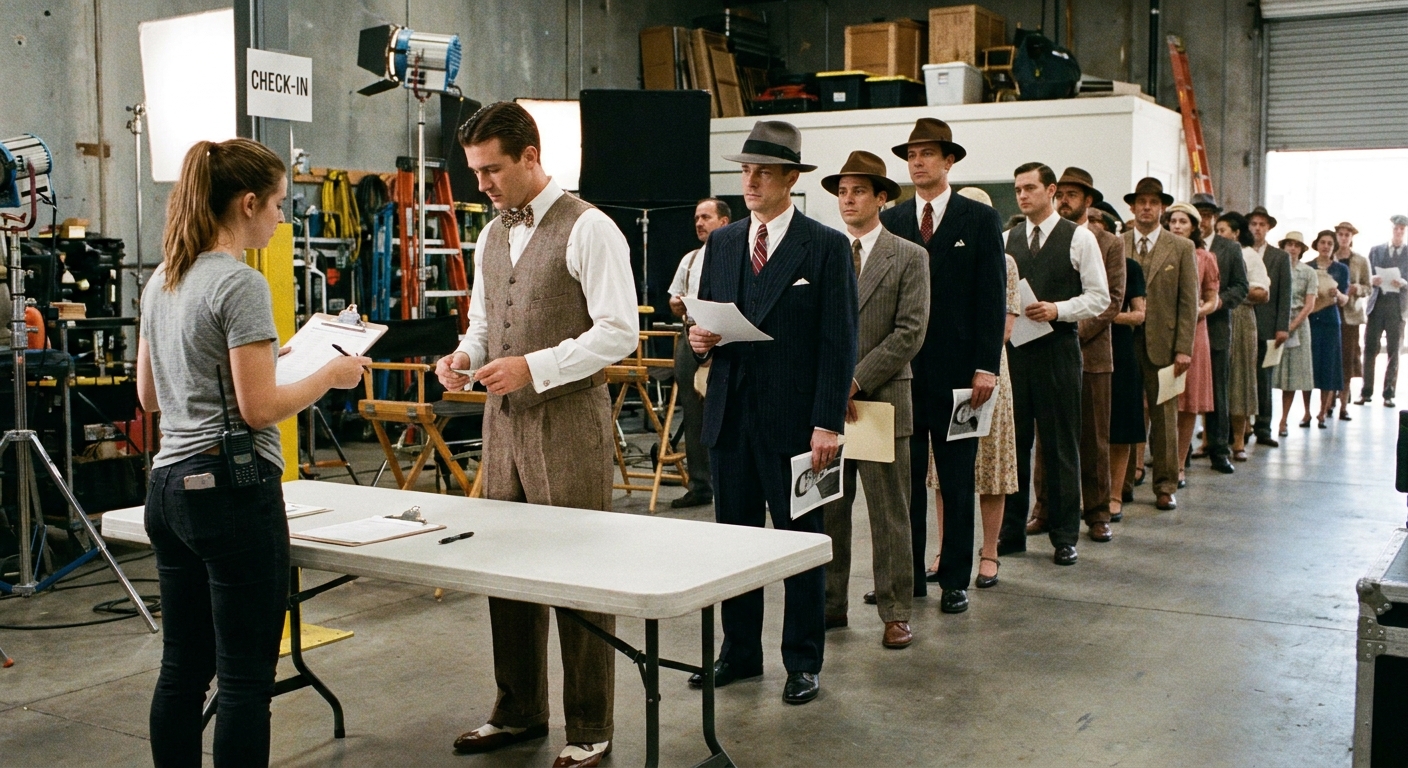
- Check-in: You arrive, show ID, complete any paperwork, and receive a voucher or digital timecard entry.
- Wardrobe and hair: Some jobs have fittings in advance. Others have you arrive camera-ready. Follow instructions precisely.
- Holding: A designated waiting area. Bring a book, charger, quiet hobbies, and patience.
- Blocking and rehearsal: The assistant directors and background PA team will place you, explain the action, and set boundaries.
- Shooting: You will repeat the same action across multiple takes, angles, and resets.
- Meal break: Usually a catered meal or craft services setup. Timing depends on the day’s schedule and agreements.
- Wrap and checkout: You confirm your time, return any wardrobe pieces, and head out.
Set etiquette
- Do not talk while cameras roll. If you need to “talk” in a scene, mime it unless you are instructed otherwise.
- Do not photograph or post from set. Many productions have strict confidentiality rules. Even an innocent selfie can get you sent home.
- Do not approach principal actors. Be friendly when appropriate, but keep professional distance.
- Stay where you are assigned. If you wander, you slow down the day and become a continuity risk.
- Ask questions at the right time. Quietly to the background PA, not mid-rehearsal or during a take.
Safety on set
Legitimate sets take safety seriously, but you still have to advocate for yourself. If something feels unsafe, if you are asked to do anything stunt-like, or if you do not understand the action, flag it to the background PA or AD team before cameras roll. Do not freelance physical business you were not assigned.

Pay and hours
Pay varies by market, project, and whether a union agreement applies. Some background jobs pay a flat day rate, others pay hourly with overtime rules. Special categories like stand-in or photo double can pay more because the responsibilities are more technical or the day is longer.
As a broad reality check, many non-union background jobs land somewhere in the low hundreds for a day, while union-covered background may be higher with clearer overtime and penalties. Rates and rules vary widely by region and contract, so treat any specific number you hear online as a rough ballpark, not a promise.
Union basics
In union-heavy markets, you may hear terms like “union” and “non-union” background, vouchers, or being upgraded. The specifics depend on the contract and location. If you are curious, check the relevant performer union’s public resources for your area, and ask the background office how that production is covered. Never guess on paperwork or membership details.
What to clarify before you say yes
- Pay rate and how overtime works
- Expected call time and general availability window
- Location and parking details, plus whether reimbursement is offered
- Wardrobe requirements and whether you must bring options
- Any special conditions: water work, smoke effects, stunts, intimacy-adjacent staging, or minors on set
“Booked” typically means casting has confirmed you for the date, but schedules change. Weather shifts, scenes get cut, locations fall through. Professional casting offices will release you as early as possible if plans change, and it is normal for background to experience cancellations.
How to book more
Background work is built on a simple, very old-fashioned currency: trust. Once a casting office knows you will show up ready and pleasant, you become an easy yes.
Small habits with big payoff
- Build a set bag: phone charger, snacks, water bottle, layers, rain protection, basic grooming items, and something quiet to do.
- Keep a wardrobe rack at home: neutrals, business casual, and a few era-friendly basics without loud logos.
- Update your look regularly: New haircut, new photos. Do it immediately.
- Respond quickly: Many bookings go to the first qualified people who confirm.
- Track your days: Note which offices you worked with, the dates, and any feedback. It helps you stay organized and professional.
And yes, be nice. Background is a small world inside a big industry. Your reputation travels fast.
FAQ
Do I need acting experience?
No. You need the ability to take direction, hit a mark, and repeat an action consistently. If you have theater training, it can help with body awareness, but it is not required.
Will I get to speak on camera?
Not unless you are specifically cast in a speaking role. If you are booked as background, do not improvise dialogue. It can create legal and union issues for production.
Do extras get paid if they are cut?
If you worked the day, you are typically paid even if you do not appear on screen. If you are cancelled before call time, policies vary by production, payroll, and contract. On some union-covered shows, reporting pay or cancellation windows may apply, and the details differ by agreement and jurisdiction. When in doubt, ask the casting office or payroll contact listed in your confirmation.
Should I put background work on my acting resume?
In most cases, no. Background is valuable for learning set culture and earning income, but it is not usually listed as acting credits. Exceptions can include clearly defined stand-in or photo double work, depending on your career path and how you present it.
What should I wear to set?
Wear exactly what you are instructed to wear, and bring options if requested. Avoid visible logos, busy patterns, and bright whites unless casting asks for them.
The bottom line
Getting cast as an extra is less about “breaking in” and more about becoming someone production can count on. Find legitimate background casting channels, submit cleanly, keep your materials current, and treat each day on set like a masterclass in how stories are built shot by shot. If you do that, you will not just get booked once. You will get called back.