Before a camera rolls or a set gets dressed, there is a deceptively simple ritual that can make a script feel like a living thing: the table read. If you have ever heard a showrunner talk about “hearing the episode,” or watched cast interviews where everyone lights up remembering the first read-through, this is what they mean.
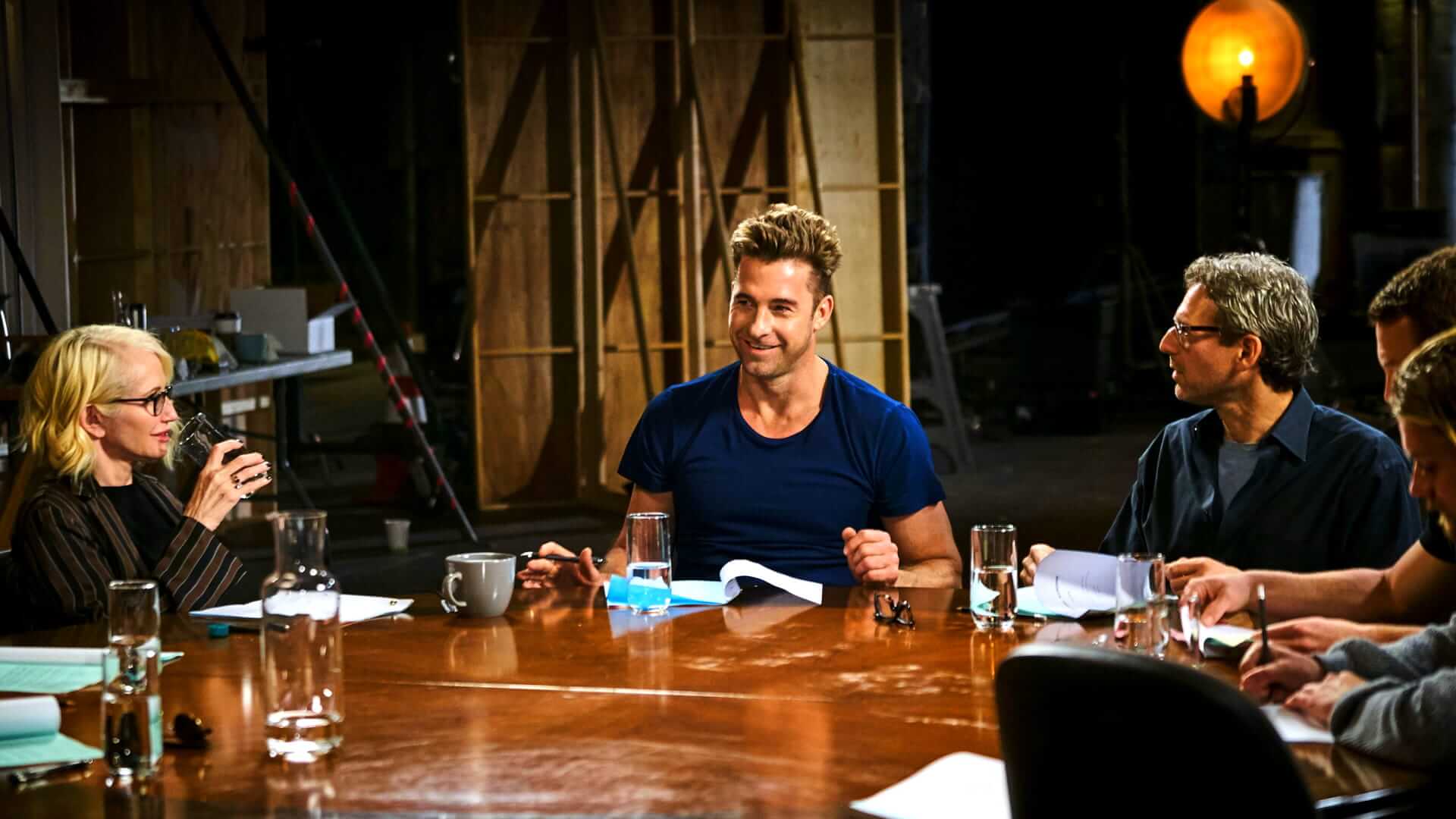
A table read is a scheduled session where the script is read aloud, usually with the principal cast seated around a table, while writers, producers, and key department heads listen for what works and what does not. Think of it as the moment a project stops being words on a page and starts becoming a shared performance.
What happens in a table read?
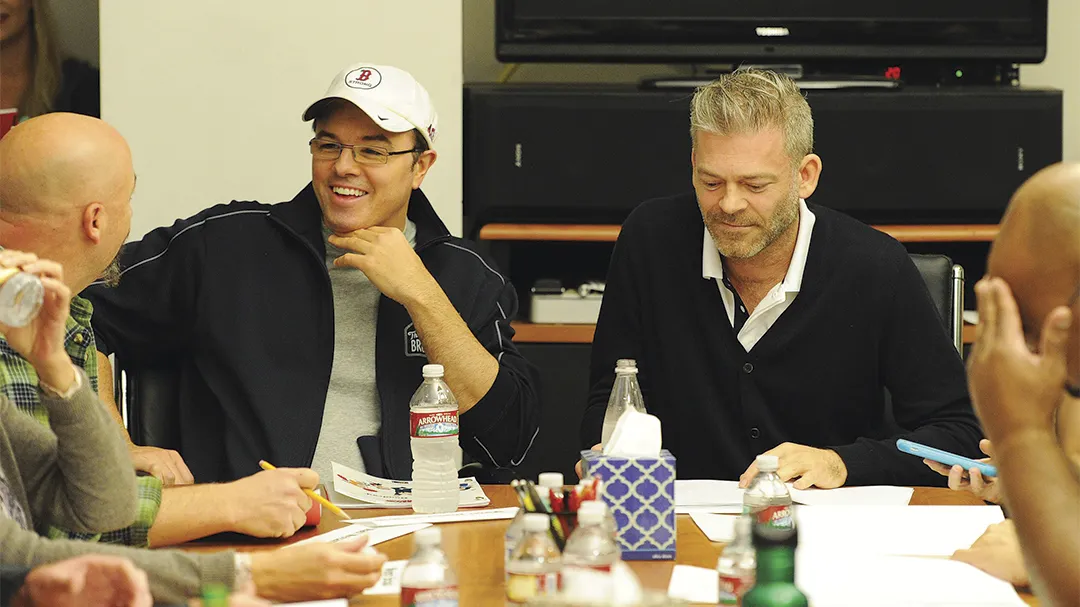
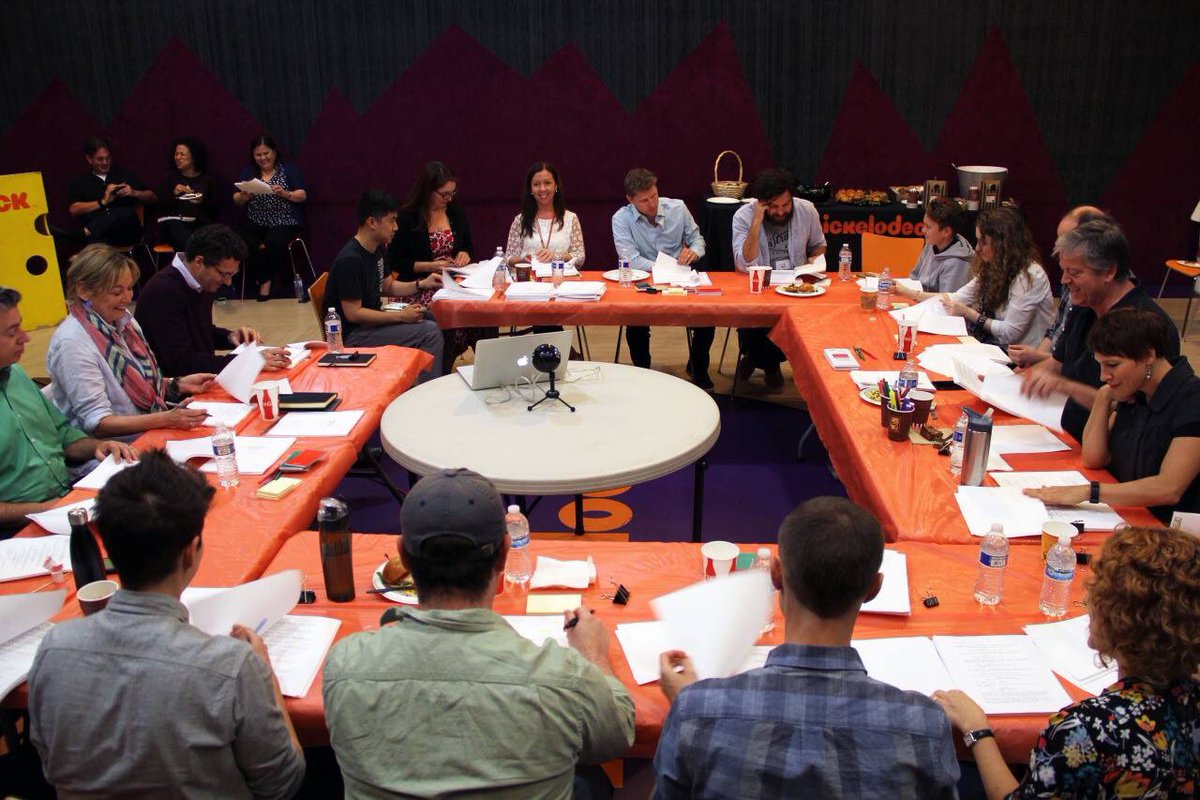
Table reads vary by budget, genre, and how far along the project is, but the heartbeat is the same: everyone gathers to hear the story in real time. This is not blocking, and it is not a full rehearsal. Instead, it is the script spoken aloud, with just enough performance to reveal tone, pacing, and character.
The basics
- The script is read out loud, usually straight through, with actors performing their roles from their seats.
- Writers and producers listen for rhythm, clarity, story logic, and jokes that land or fall flat.
- Notes are taken constantly, both by creatives and by assistants whose job is to capture changes and follow-ups.
- Discussion may happen before the read, after the read, or during a short break, depending on the room’s culture.
For comedy, it can feel like a pressure test: laughs are immediate and brutally honest. For drama, the focus often shifts to emotional continuity, character motivation, and whether key turns feel earned when spoken aloud. Sometimes the note is as small as trimming a setup that drags. Sometimes it is realizing a reveal only makes sense on the page, not when a character says it out loud.
Who is in the room?
The guest list depends on whether you are in film or television, and whether the project is in early development or already marching toward production. But a typical table read brings together the core decision-makers and the people who will have to execute the story.
Common attendees
- Principal cast: the actors playing the main roles, sometimes with supporting actors as well.
- Writers: in TV this is often the full writers’ room; in film, it may be the screenwriter plus producers and creative executives.
- Showrunner and producers: the people steering creative choices, budget priorities, and schedule realities.
- Director: often present for film, and frequently for TV episodes once assigned.
- Studio or network executives: more common in pilots, high-profile episodes, or projects with major notes pending.
- Script coordinator: essential for tracking versions and capturing fixes, especially in TV.
- Script supervisor (sometimes): more common once a project is closer to production, and not always present at early reads.
- Department heads (sometimes): casting, costume, production design, props, and post may listen if the read will affect planning.
Even when attendance is large, the goal is intimacy. A table read works best when people feel safe enough to be honest, specific, and solution-oriented.
Why table reads matter
On the page, a scene can look airtight. Out loud, it may suddenly run long, turn confusing, or unintentionally flatten a character. A table read is one of the fastest ways to reveal the difference between a script that reads well and a script that plays well.
What people listen for
- Pacing: Does the story drag? Are transitions clunky? Do act breaks land cleanly (especially in TV)?
- Clarity: Do we understand who wants what in each scene? Are stakes readable without extra explanation?
- Character voice: Do characters sound distinct, or does everyone share the same rhythm and vocabulary?
- Tone: Does the comedy feel like the right kind of comedy? Does the drama stay grounded without tipping into melodrama?
- Logic and continuity: Do motivations track from scene to scene? Are there missing steps in the story?
- Practicality: Are there sequences that seem simple on paper but balloon in cost, time, or complexity?
Most importantly, it gives everyone a shared reference point. After a table read, the entire team can talk about “that moment in Scene 23” with the same memory of how it sounded, not just how it looked in Courier font.
Table read timeline
No two rooms run identically, but here is a straightforward view of how table reads often unfold, especially in television.
- Pre-read prep: Scripts are distributed ahead of time, when possible. Producers confirm who is reading which roles, including any stand-ins for characters not yet cast.
- Arrivals and introductions: The room settles. The showrunner, director, or producer sets expectations about timing, tone, and whether notes will be held until the end.
- Context: Sometimes writers share a quick overview of story goals, especially if there are unusual structural swings.
- The read-through: Actors read the script in order. Stage directions are often minimized, or read by a designated person, depending on the project.
- Immediate reactions: A short pause for first impressions. In some rooms, this is quick and polite; in others, it becomes a working conversation right away.
- Notes and discussion: Writers, producers, and the director flag what needs attention. Actors may ask questions about intention or backstory.
- Rewrite plan: Writers leave with a to-do list. On TV, this can kick off same-day or overnight revisions, punch-ups, or a full rethink of specific sections.
- Follow-up: Changes are circulated. Some projects do a second table read or a partial read of revised scenes, especially for pilots or finales.
How it helps writers
Writers get something rare at a table read: an immediate, full-body sense of whether the story is communicating what they think it is. It is also one of the few moments where the entire team focuses on the script alone, before the distractions of sets, weather, and scheduling take over.
- Dialogue gets stress-tested: Tongue-twisters, overly formal lines, and repetitive phrasing reveal themselves quickly.
- Scenes show their true length: A “quick” exchange on the page can become a long scene when spoken and breathed.
- Jokes find their shape: In comedy, the difference between a chuckle and a silence can be one word, or one extra sentence of setup.
- Emotional turns become audible: Writers can hear where the audience will need more setup, or where a reveal is arriving too early.
It is also a reminder that scripts are built to be said. Even the most beautiful stage directions mean little if the spoken story does not sing.
How it helps actors
Actors arrive with instincts, questions, and their own private preparation. A table read gives them context: how their character fits into the larger rhythm of the story, and how other characters sound when placed in the same room.
- They learn the ensemble’s rhythm: who overlaps, who pauses, who lives in subtext.
- They spot character consistency issues: an out-of-character line is easier to catch when the full arc is heard at once.
- They clarify intention: table reads often prompt quick conversations like “Is this sarcastic or sincere?” that save hours later.
- They build trust: creative chemistry is not magic. It is repetition, listening, and shared language, starting here.
And yes, sometimes a table read is where a performer discovers the exact pressure point of a scene, the place the story tightens around their character and demands something bolder.
How it helps producers and directors
Producers are listening with two ears: one for story, one for execution. Directors are listening for tone and intention, but also for the practical implications of what is on the page.
- Budget and schedule reality checks: A sequence that plays like a minor beat might require multiple locations, stunts, or complicated coverage.
- Continuity of tone: Producers can spot when a script shifts genres unintentionally, which can ripple into marketing and audience expectations.
- Performance needs: The team may realize a role needs more casting attention, or that a recurring character is underwritten.
- Production planning: Department heads can flag questions early, before a prop becomes a crisis or a location becomes a scramble.
Film vs TV
Not exactly, mostly because television is often built on repetition and speed. Films may do one major read-through during development, then another closer to shooting. TV reads are sometimes part of a weekly rhythm, particularly in network-style production, though streaming schedules and limited series models can be less uniform.
Television
- Table reads are often scheduled per episode, but frequency varies by show and schedule.
- The writers’ room may rewrite immediately afterward.
- The read can function as a temperature check before production locks in.
Film
- Reads can happen during development to attract talent or to refine the script.
- They may include potential cast members, producers, and sometimes financiers or studio executives.
- Some films do multiple reads as the script evolves, especially for dialogue-heavy stories.
In both mediums, the purpose is the same: turn private reading into collective listening.
Cold reads and prep
Not every table read is the same kind of read. Sometimes actors get the script well in advance. Other times, especially with sensitive plot points, late rewrites, or leak concerns, pages arrive close to the start time.
Either way, the goal is similar: find what the story is doing in the air, not just on paper. When confidentiality matters, phones may be restricted and watermarked scripts can be collected afterward.
Table read vs read-through
People use the terms interchangeably, but they can signal slightly different vibes. “Table read” usually implies a formal, scheduled group session with cast and creatives. “Read-through” can be looser and smaller, sometimes just a quick run in a room, an office, or on a stage between other tasks.
The practical difference is less about labels and more about intent: are you gathering to diagnose the script, or simply making sure everyone has the same version in their heads?
Do actors need to perform?
Table reads are not performance auditions in the strict sense, but they are creative first impressions. Most actors aim for a grounded read that communicates intention without “selling” it too hard. The sweet spot is clarity over theatrics.
At the same time, a table read is often where the best kind of discovery happens: a surprising emphasis, a natural stumble that becomes a character trait, a laugh that reveals where the comedy truly lives. The room is listening for truth, not volume.
What comes out of it?
Ideally, a stronger script and a clearer plan. Sometimes that means tiny trims. Sometimes it means a bold restructure. Either way, table reads tend to generate very specific outcomes.
- Punch-ups: tightening jokes, sharpening button lines, and cleaning up repetitive dialogue.
- Story fixes: clarifying motivations, adjusting reveals, strengthening act breaks, or reordering scenes.
- Character adjustments: making voices more distinct, rebalancing screen time, or refining relationships.
- Practical revisions: simplifying locations, consolidating props, or adjusting action to match production realities.
There is also an intangible outcome: momentum. A good table read can energize a team, giving everyone the feeling that the project is real and worth the work ahead.
Etiquette
If you ever find yourself in or adjacent to this world, a few norms tend to keep the room running smoothly.
- Be on time: table reads are scheduled tightly, and a late start can ripple into the entire day.
- Do not interrupt the read unless the room has explicitly invited live notes.
- Take notes quietly: it is a listening environment.
- Ask craft-focused questions: intention, clarity, and character are fair game. Gossip is not the vibe.
- Resist defensiveness: the table read exists to find problems early, when they are cheapest to fix.
Quick FAQs
Is a table read the same as a rehearsal?
No. A rehearsal is about staging, movement, and performance refinement. A table read is about hearing the script and diagnosing what it needs before production commits to choices.
Do table reads happen for every show?
Many scripted TV series do them regularly, but schedules, budgets, and production styles vary. Some productions replace formal table reads with smaller read-throughs or departmental meetings.
Can a table read change the script dramatically?
Yes. Especially on pilots, finales, or episodes with complicated structure. When a room hears a story problem all at once, the solution sometimes requires more than a line edit.
Are table reads recorded?
Sometimes, particularly for internal reference, but practices differ. Even when nothing is recorded, assistants and script staff typically capture detailed notes.
The takeaway
A table read is one of the rare moments in film and television where everyone pauses to listen to the story itself. It is collaborative, practical, occasionally nerve-wracking, and often thrilling. In a business built on revisions, it is also a gift: a relatively low-stakes space to make the work better before the stakes become very real.
If storytelling is a kind of shared electricity, the table read is where someone finally flips the switch.