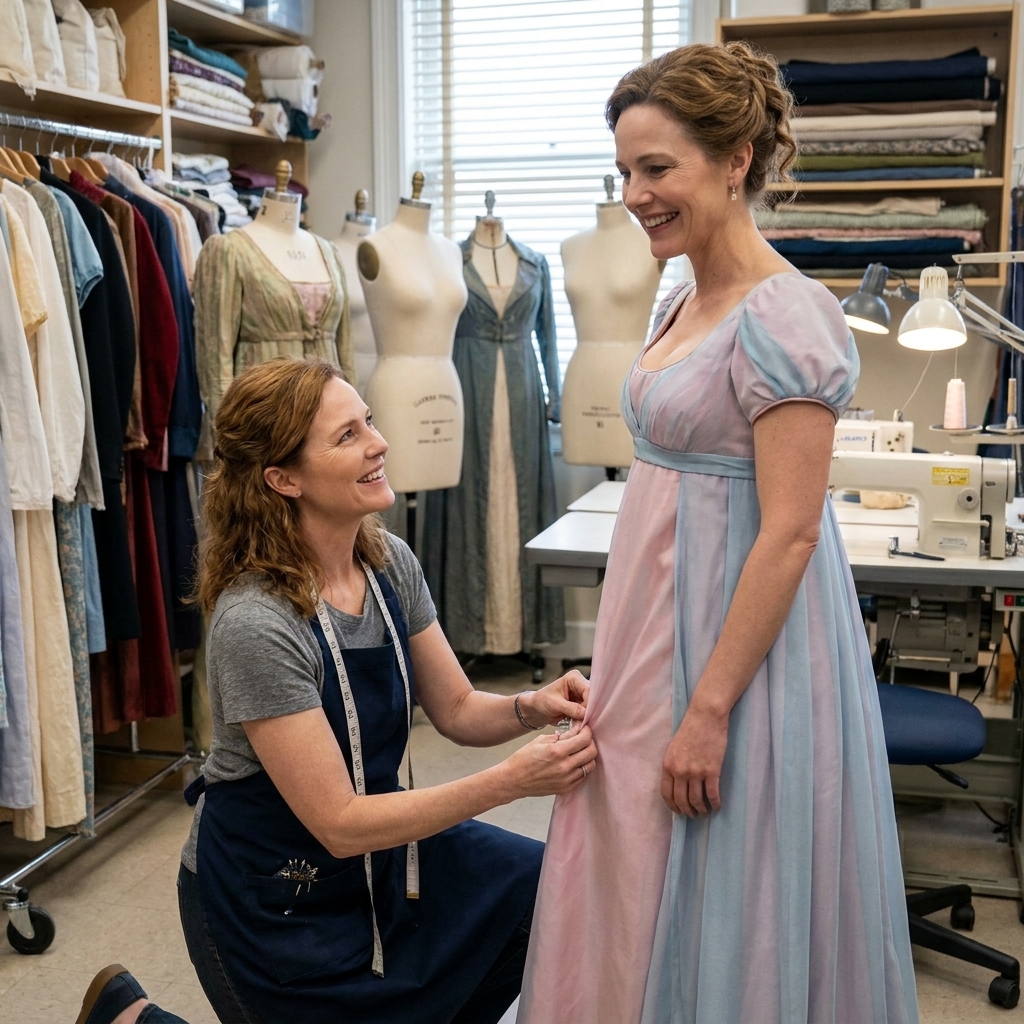
Set decoration is one of those departments audiences rarely name correctly, but they feel it in their bones. The heartbreak in a half-packed moving box. The comedy in a too cheerful throw pillow. The dread in a kitchen that looks normal until you notice there are no family photos anywhere.
If you are the kind of person who clocks wallpaper in the background of a scene and wants to know who chose it, welcome. Here is how to launch a real career in film and television set decoration, with practical steps you can start this week.
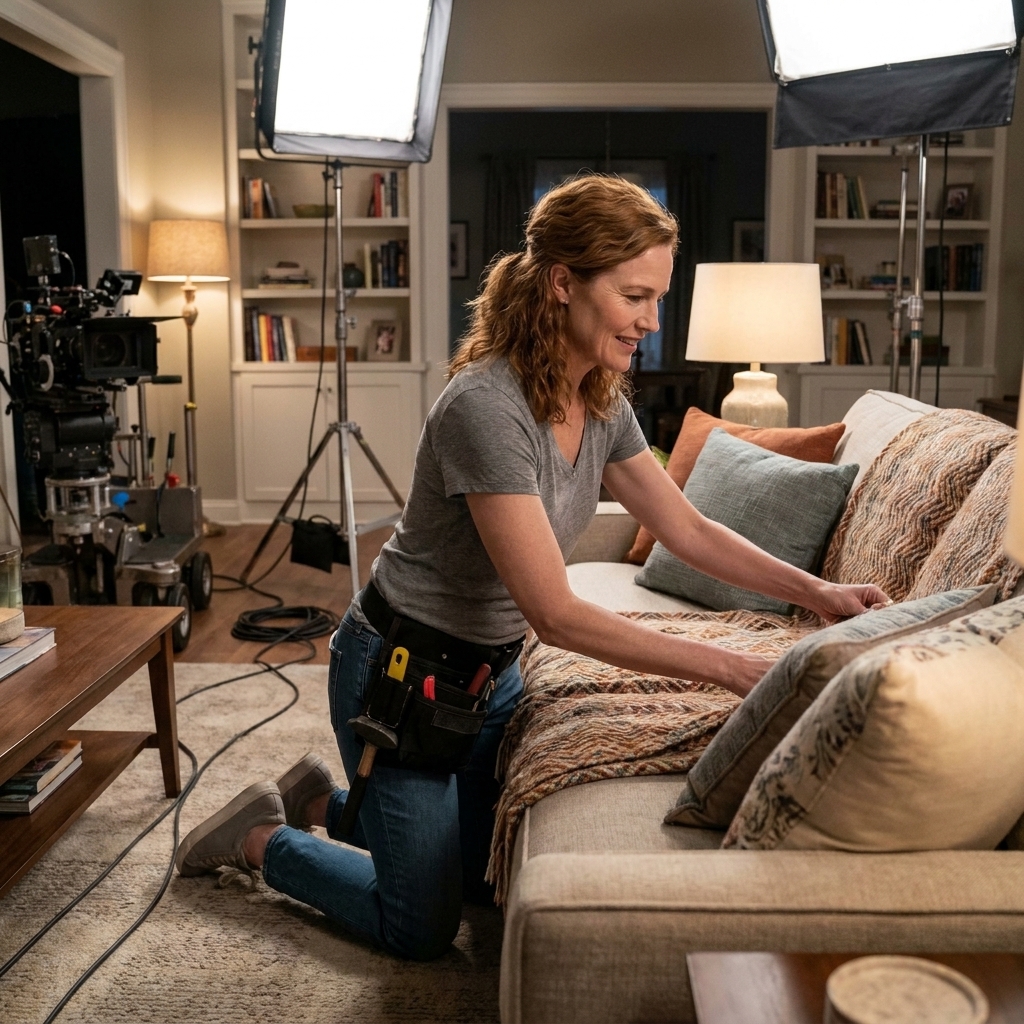
What set decorators do
Set decoration sits inside the production design department. The basic hierarchy often looks like this: production designer defines the visual world; art director(s) manage builds and logistics; the set decorator is responsible for dressing the set once it exists.
That said, credits and responsibilities vary by production, budget, and region. Some shows have a supervising art director, a decoration coordinator, or an art department coordinator who routes logistics and paperwork. Sometimes the set decorator is deeply involved in logistics. Sometimes they are primarily creative and approvals-driven. Learn the structure of your show fast, then be excellent inside it.
Your core responsibilities
- Script breakdowns: Identify what the story needs in every location, scene by scene.
- Concept collaboration: Work with the production designer to align on style, era, character, palette, and cultural details.
- Sourcing and renting: Pull furniture, artwork, lamps, rugs, books, practical items, and sometimes specialty builds with buyers and vendors.
- On-set dressing: Place items for camera, continuity, and performance. This includes resets between takes.
- Budget and paperwork: Track spend, rentals, returns, damage waivers, and approvals.
- Leadership: Manage set dec buyers, assistants, swing gang, and coordinate with props, construction, locations, and camera.
Set dec vs props
A useful rule of thumb: if an actor handles it, props usually owns it. If it lives in the world around them, set decoration usually owns it.
But the gray area is real. Many productions split “hand props” and “set props” differently, and some shows have set decoration supplying items that are technically handled. The line shifts by show, by budget, and by the diplomacy of the people doing the handoff. When in doubt, ask early and get it in writing, even if that writing is just a clear email thread.
Step 1: Learn the language
You do not need a single “right” degree to become a set decorator. You do need visual literacy, research chops, and a practical understanding of how sets get built and shot.
Education paths
- Film or theater design programs: Production design, scenic design, or technical theater often provide the closest workflow training.
- Interior design or architecture coursework: Great for spatial thinking, materials, and presentation skills.
- Art history, anthropology, or cultural studies: Surprisingly useful for period research and detail accuracy.
- Short courses and workshops: Portfolio-driven classes in set dressing, color theory, drafting, and budgeting can be more valuable than another semester of general requirements.
Whatever path you choose, prioritize classes that teach research, visual references, and communication. A set decorator spends as much time explaining choices as making them.
Skills to build early
- Story analysis: What does a character keep, hide, or display?
- Period and cultural research: Accuracy and respect are part of the craft.
- Spatial layout: How a room reads from a lens, not just in real life.
- Color and texture: Camera sees contrast, sheen, and saturation in specific ways.
- Budgeting: Taste is wonderful. Taste within budget gets you rehired.
- On-set etiquette: Quiet communication, quick fixes, and calm under pressure.

Step 2: Get on set
Set decoration is learned by doing. If you are waiting until you feel “ready,” you are going to miss the entry points that teach you how crews actually run.
Entry-level roles
- Art department production assistant: A common first step. You learn set protocol, paperwork, runs, and how decisions move from email to reality.
- Set dec assistant: Helps coordinate pulls, returns, purchases, and on-set needs.
- Set dec buyer: Sources items and manages vendor relationships. This role can be a fast track if you are organized and visually sharp.
- Swing gang: The crew that physically moves and dresses sets, especially on stages. It is hands-on and teaches you speed and safety.
Where to find early credits
- Student films with strong production design ambition
- Short films and proof-of-concept shoots
- Local commercials, branded content, and music videos
- Low-budget indies that still need taste and problem solving
Pro tip from someone who has watched a lot of careers bloom backstage: be the person who returns things in better condition than they arrived, labels bins clearly, and keeps receipts like they are golden tickets.
Step 3: Build a portfolio
Your portfolio should not look like a furniture catalog. It should look like evidence. Evidence that you can build a character’s life out of objects, and that you understand what the camera needs.
What to include
- Finished set photos: Wide shots and detail shots. Include the angle that looks good on camera, not just the room you liked standing in.
- Before and after: If you redressed a location, show the transformation.
- Breakdowns: A page that shows your script notes or a shopping list for one room. Producers love clarity.
- Research boards: Period references, texture pulls, color palettes, and a sentence or two explaining choices.
- Budget snapshots: Even a simplified budget that shows categories and priorities builds trust.
Get material without a big budget
- Design a scene: Pick a screenplay excerpt and dress one corner of a room to match it, then shoot it like coverage.
- Collaborate with photographers and film students: Offer set dec for headshots, short films, or spec scenes.
- Redress a friend’s apartment: With permission, of course. Then restore it. Always restore it.
- Build a micro set: A tabletop “room” can still show taste, aging, and storytelling in detail.
Format and labeling
Keep it clean: a simple website with 10 to 20 of your best images, organized by project, plus a PDF you can email. Label your role clearly. If you were a buyer, say buyer. If you were set dec assistant, say assistant. People hire honesty and potential.
Portfolio permissions
Get permission before you photograph anything on a working set. Assume NDAs and embargoes apply. When you are allowed to use images, ask what is permitted: finished frames only, no call sheets, no actor holding areas, no sensitive signage, no crew faces, no confidential story points. “Can I use this in my private PDF for hiring?” sometimes gets a yes when “Can I post this?” gets a no.

Step 4: Know unions
Union requirements vary by country, region, and jurisdiction, and they can change. The goal here is not to memorize paperwork. The goal is to understand how the system affects your path, so you can plan credits, relationships, and timing.
United States
In the US, film and television art department and set decoration work is often connected to IATSE locals. Which local covers you depends on where you work and what type of production you are on. Rather than listing locals that may not apply to your jurisdiction, treat the local “how to join” page as your source of truth.
- Big takeaway: Many larger shows hire through union rosters, and joining can require documented days, letters of employment, and fees.
- Reality check: People often build qualifying experience on non-union productions, smaller regional jobs, or through adjacent roles, then apply when they meet thresholds.
Canada, UK, and elsewhere
Canada has its own union structures and provincial differences. The UK has strong craft traditions and different hiring norms across studio and location work. Wherever you are, ask working set decorators in your area what the practical path looks like this year, not five years ago.
How to research requirements
- Identify your nearest production hub and the unions or guilds that represent art department and set decoration there
- Read membership categories and “how to join” pages
- Track your days, call sheets, and pay stubs from the start
- Ask coordinators and decorators what documentation they needed
Keep a folder called “Proof I Worked” and feed it after every job. Your future self will want to hug you.
Step 5: Network well
This business runs on trust. People rehire the crew member who makes days easier, not the one who name drops at wrap parties.
Where relationships form
- On set: Be excellent, be calm, be prepared. Your work is your introduction.
- Rental houses and prop houses: Vendors know who is working and who pays on time. Treat them like collaborators.
- Film commissions and local crew databases: Many regions maintain lists that productions use when hiring.
- Professional groups: Production design and art department meetups, talks, and workshops.
- Social media, used wisely: Follow designers and decorators for craft insight. Share your work respectfully and never post spoilers or confidential set photos.
Your best line
“If you ever need an extra set of hands in set dec, I would love to help.” Then you back it up with reliability and a portfolio link that opens quickly on a phone.
Step 6: Workflow that lasts
Set decoration is taste plus logistics. The taste gets you noticed. The logistics keep you employed.
On-the-job habits
- Continuity awareness: Photograph setups, track placement, note changes.
- Labeling and inventory: What is rented, what is purchased, what returns where, and by when.
- Vendor communication: Confirm holds, delivery windows, pickup times, and damage policies.
- Safety: Secure rigs, watch walkways, and coordinate with grips and electrics when dressing near equipment.
- Respect for other departments: Camera needs space, sound needs quiet, actors need personal boundaries.
Tools you will likely use
- Google Sheets or Excel for budgets and inventories
- Google Drive or Dropbox for shared references
- Shot lists and floor plans from the art department
- Measurement tools and a small on-set kit: tape, Velcro, museum gel, markers, gloves, and cleaning wipes
Approvals and camera reality
Your job is not just choosing objects. It is getting the right objects approved, then making sure they behave under a lens.
- With the production designer and director: Present options in clean, fast batches. Give a best choice, a safer choice, and a “we can afford it” choice.
- With the DP and camera team: Watch for moire patterns, glare, and reflective surfaces. If you can, do a quick camera test of problem textiles, frames, and shiny tabletop items before you commit.
- On the day: Be ready to swap a pillow, rotate artwork, dull a reflection, or pull a patterned shirt off a chair because it sings in person and screams on camera.
Clearances and logos
One real-world gotcha: artwork rights, brand logos, and printed materials. Talk to your production designer or coordinator about the show’s clearance process. In many workflows, set dec flags potential issues early, then legal or a clearance team advises what is allowed. Plan time for swaps. The world’s most perfect cereal box becomes useless when it cannot face camera.

Step 7: The ladder
Not everyone takes the same ladder, but here is a common progression on film and TV productions:
- Art PA → learns set protocol and supports department needs
- Set dec assistant → handles coordination, paperwork, and set support
- Buyer → sources items, builds vendor relationships, manages runs and returns
- Lead set dresser → executes the dressing plan on set, supervises swing, maintains continuity
- Set decorator → designs and leads set dressing choices across the project
Some decorators come up through theater scenic worlds. Others come from interior design, vintage dealing, or art direction. The through line is the same: you prove you can translate story into space, under pressure, with kindness.
Mistakes to avoid
- Oversharing online: If you are not sure you can post it, do not.
- Buying everything: Rentals exist for a reason. Budget discipline is part of the craft.
- Ignoring camera reality: Shine, moire patterns, and reflections can ruin a gorgeous choice.
- Not tracking paperwork: Missing receipts and returns will follow you from show to show.
- Confusing taste with storytelling: The set is not your living room. It belongs to the character.
Your first 90 days
Weeks 1 to 2
- Pick 3 films or episodes and pause to study set dressing choices
- Create one mini mood board and one script breakdown page
- Build a simple portfolio site framework, even if it only has one project
Weeks 3 to 6
- Reach out to local film school groups or indie crews and volunteer for one short
- Visit two prop houses or vintage stores and learn their rental or hold policies
- Assemble a small on-set kit
Weeks 7 to 12
- Work one job in an art department capacity, even if it is a PA day
- Ask for permission to photograph your completed set work for your portfolio
- Organize your “Proof I Worked” folder with call sheets, stubs, and contacts
FAQ
Do I need to live in Los Angeles, New York, or Atlanta?
Not necessarily. Many regions have thriving production scenes, especially when tax incentives and studio expansions are active. The key is consistent work opportunities and a local crew ecosystem. If your area has only occasional shoots, you may eventually travel or relocate to level up.
Is set decoration a good career for someone who loves interior design?
Yes, with a big asterisk: set decoration is not about personal taste or long-term comfort. It is about character, story, and camera. If you love design and fast problem solving, you will feel at home.
How do I ask for informational interviews?
Keep it short, respectful, and specific. Mention what you admire about their work, ask for 15 minutes, and accept a no gracefully. Then do not waste the yes. Come prepared with thoughtful questions about workflow, not celebrity stories.
What should I bring on day one?
Comfortable closed-toe shoes, a water bottle, a notebook, a pen, and a great attitude. If you are in set dressing, add gloves and a tape measure. If you do not know what to bring, ask the coordinator. Asking early reads as professional, not inexperienced.
Final word
Set decoration is a career for people who notice. People who understand that a room can hold a lifetime, and that every object is a tiny line of dialogue. Start small, get on set, document your work, respect the crew, and keep learning. The rest is repetition, relationships, and a little bit of movie magic.