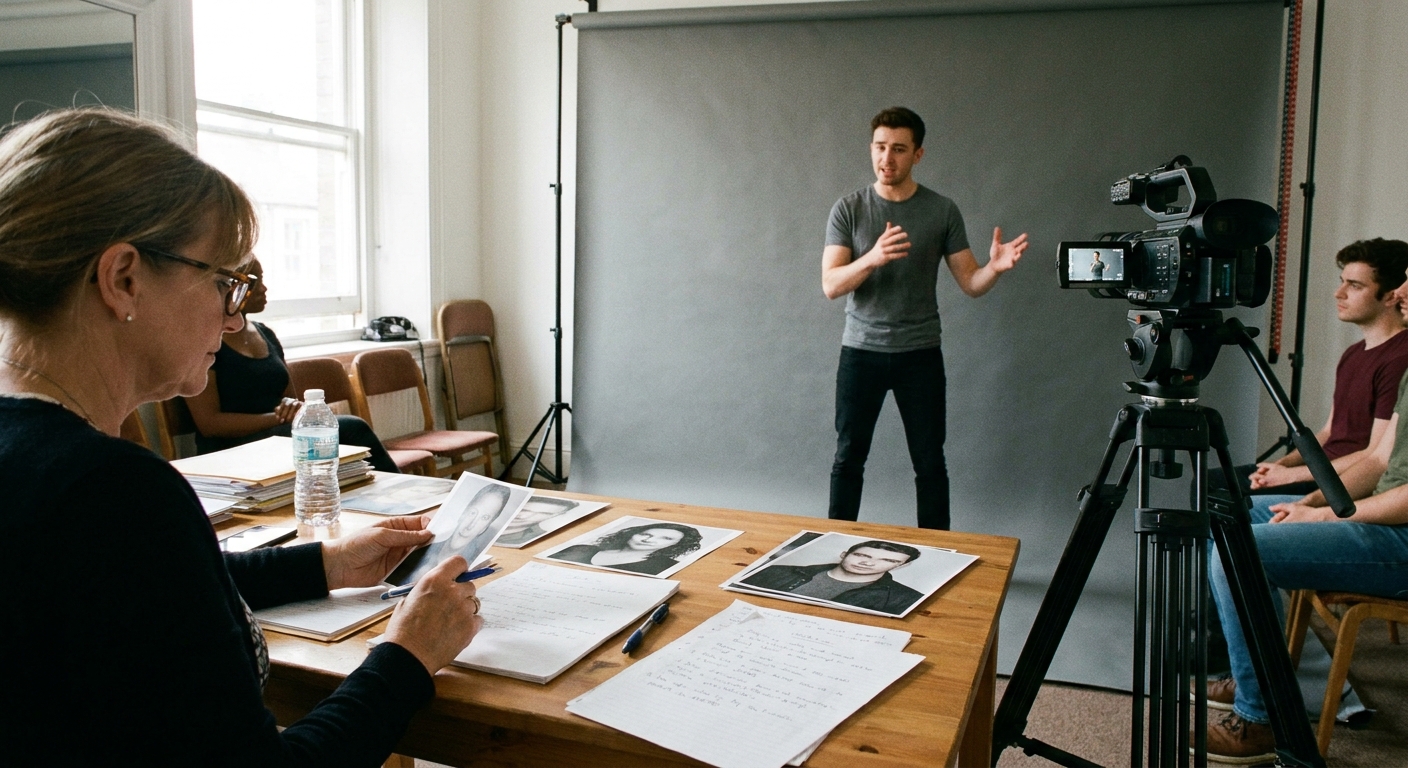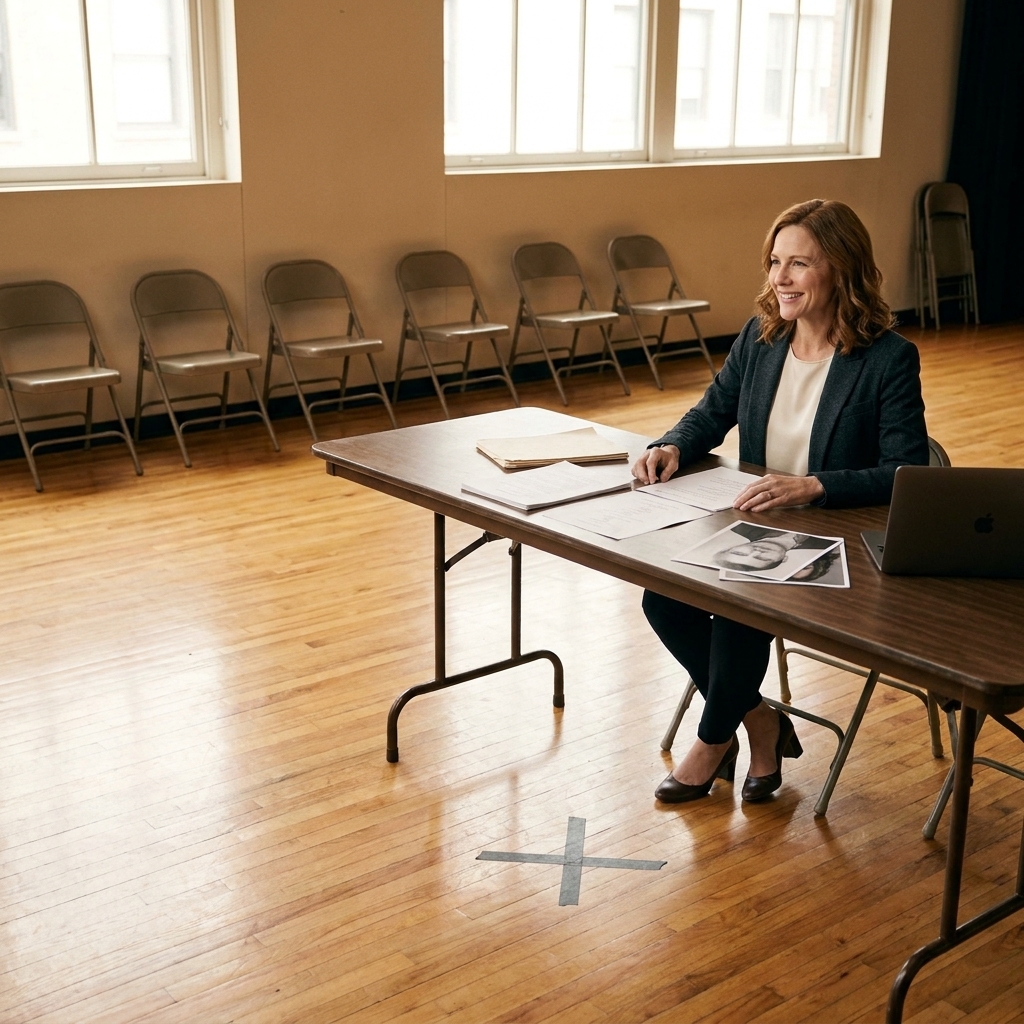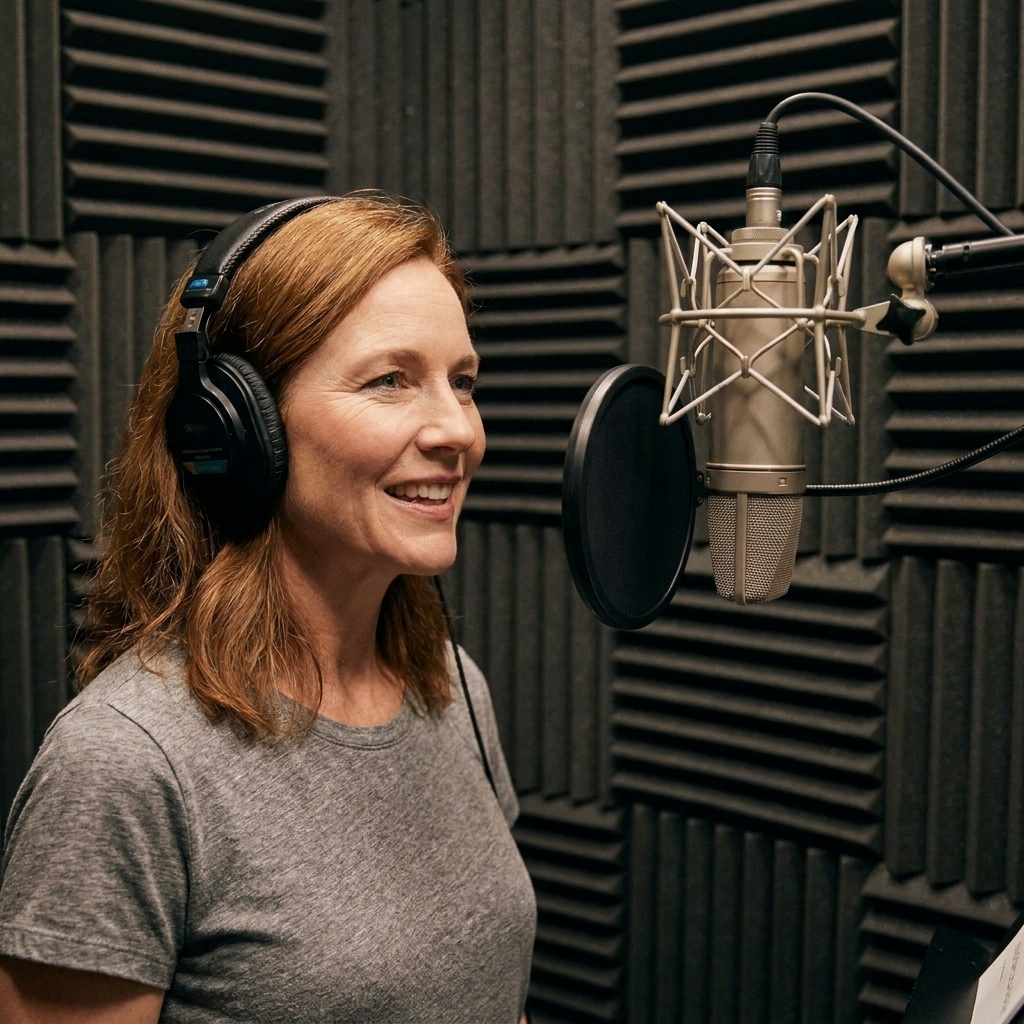
Commercial auditions are their own ecosystem. They move quickly, the sides (the script pages you are given) are often short, and the job is usually less about showing a big emotional arc and more about proving you can be believable, camera-ready, and easy to direct in a small window of time. The good news is that preparation, not mystique, does most of the heavy lifting.
Below is a practical, actor-friendly guide to walking into your first commercial audition (or recording your first self-tape) with confidence, a clean plan, and fewer of the easily avoidable mistakes that can sink an otherwise great read.

How commercials differ
If you come from theatre, the biggest shift is scale. Stage auditions reward projection, heightened choices, and long-form storytelling. Commercial auditions often reward clarity, ease, and specificity on camera.
- The story is small. You are often selling a moment: the first sip, the quick reaction, the friendly handoff. Your job is to make that moment feel like real life.
- You are being cast as a type. Not a stereotype, but a truthful, camera-ready version of a person viewers instantly understand. Casting is asking, “Do we buy you in this world?”
- Naturalism wins. Small shifts register on camera. Commercial acting is often about letting the idea land, not pushing it.
- Adjustments happen fast. You may do it once, get a redirect (a quick new note), then do it again. Flexibility is part of the audition.
- It can be more physical than you expect. Simple business like opening a fridge, checking a phone, taking a bite, or hitting a mark (your position on the floor) can be the whole challenge.
Think of it as: theatre auditions often ask, “Can you sustain a character?” Commercial auditions often ask, “Can you be yourself, on your best day, under imaginary circumstances, with total consistency?”
What to bring or prep
Your essentials
- Headshots and resumes (if the office accepts them). Many rooms are paperless now, but it can still help to have 1 to 2 clean copies in your bag, just in case.
- Water (room temperature is kinder if you are doing multiple takes).
- Breath mints (not gum).
- A small, quiet snack for after, especially if the session runs late.
- A pen for notes, parking validation, or quick paperwork.
- Neutral wardrobe options in your bag if you are unsure and have time to swap.
Wardrobe rules that help
Unless the breakdown (the casting notice with role details) specifies otherwise, aim for clothing that helps casting see you, not the outfit.
- Solid colors read cleanest on camera. Mid-tones are often safest.
- Avoid tight stripes, tiny checks, and busy patterns that can create a shimmer effect on video.
- Skip logos and brand names unless explicitly requested.
- Dress for the role’s world. “Yoga friend” is different from “young professional” is different from “hands-on parent.”
- Shoes matter if the audition includes movement. Wear something you can walk naturally in.
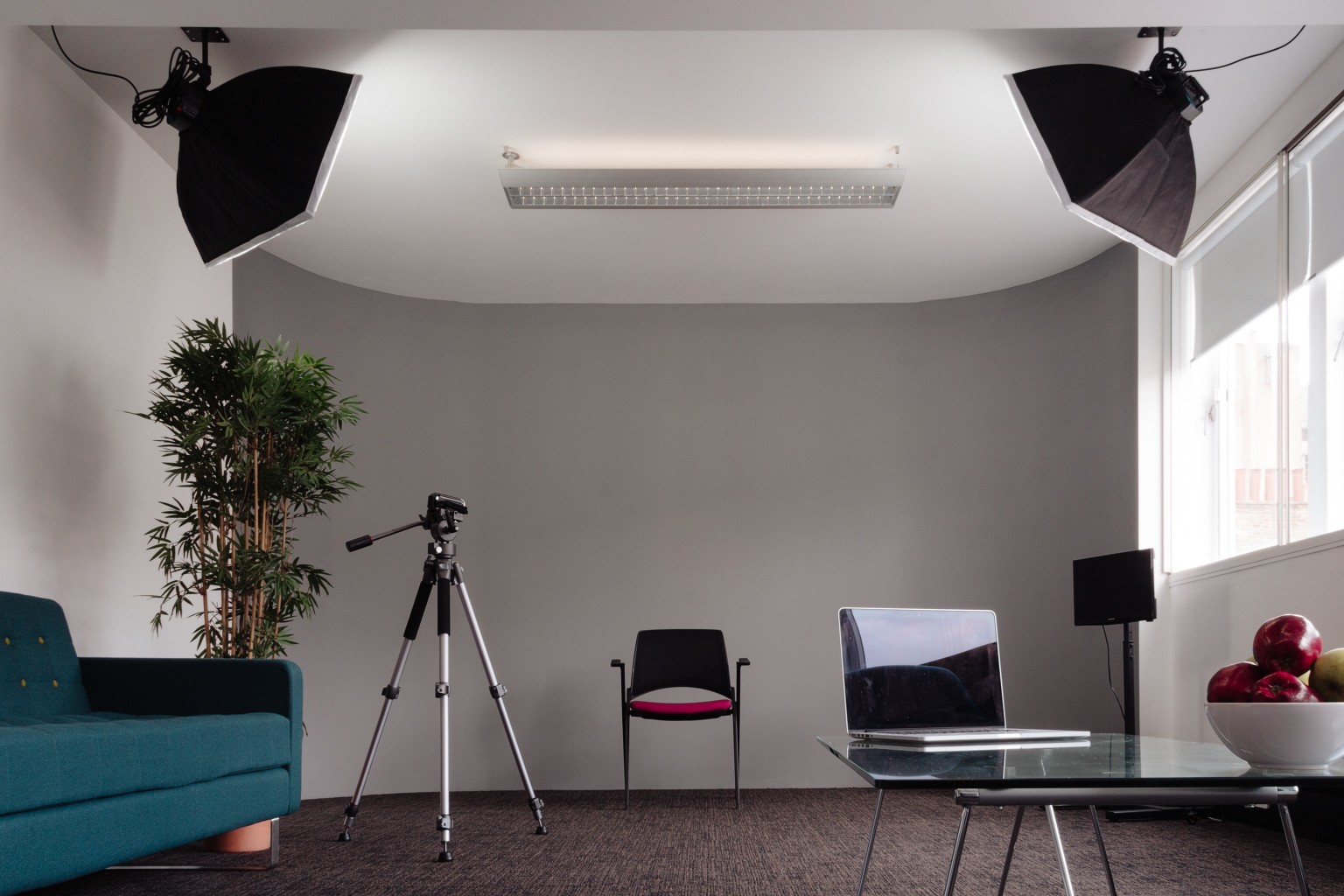
If you are taping
- A simple background (blank wall is great).
- Soft, even light (window light facing you works, or two lamps angled toward your face).
- Stable framing (tripod if possible, or a steady surface). Avoid handheld.
- Clear audio (quiet room, phone close enough to hear you without shouting).
- Printed or clearly displayed sides so you are not scrolling mid-take.
Self-tape specs to watch for
- Framing: follow instructions. If none are given, chest-up is usually a safe default for commercials.
- Orientation: landscape is common unless the casting notice asks for vertical.
- Reader placement: put your reader just off the lens so your eyeline stays close and consistent.
- File naming: follow the requested format. If they do not specify, use something clean like Firstname_Lastname_Role.
Slating
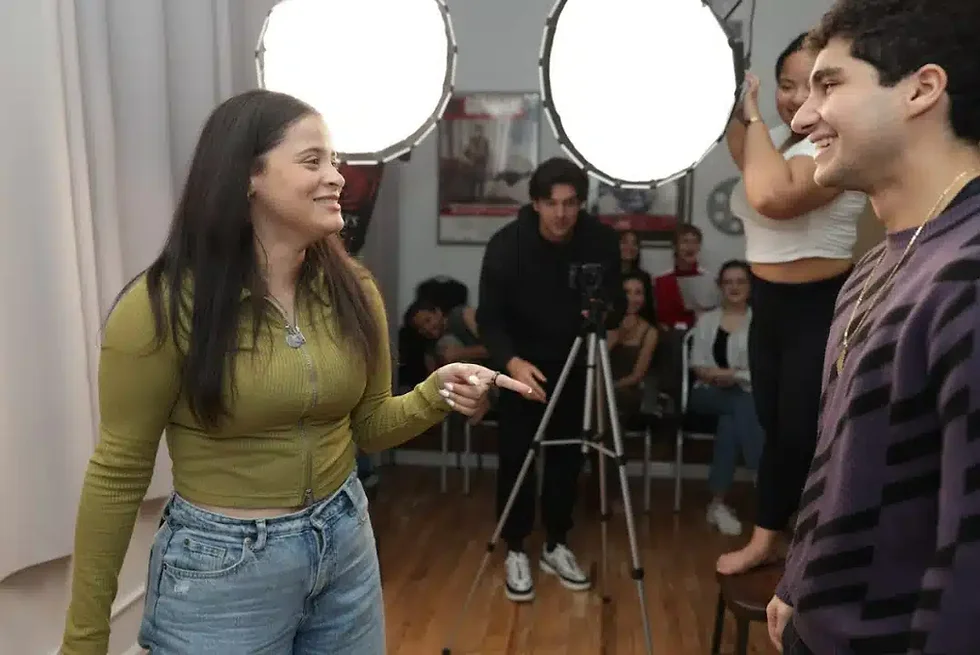
The slate is not an interruption. It is part of the audition, and it answers a practical question: “Who are you, and do you feel comfortable on camera?”
What a slate includes
- Your name (say it clearly).
- Your height (sometimes).
- Your location (especially for self-tapes).
- Your agency (if requested).
- Your profile (left, right) and a smile (sometimes).
A slate script
Keep it friendly and brisk. For example:
“Hi, I’m Elena Vance. I’m 5'6", based in Chicago. Thanks for seeing me.”
Slate tips
- Look at the camera lens, not yourself on the screen.
- Smile like you mean it. Not pageant, not deadpan. Think: you are greeting someone you like.
- Do not rush. One calm breath goes a long way.
- Keep your energy consistent with the spot. A warm, grounded slate pairs well with most commercial copy.
- Follow the instructions exactly. If they ask slate at the end, do it at the end.
What casting looks for
Commercial casting is not just choosing who reads the lines well. They are solving a puzzle: the brand, the tone, the target audience, the director’s style, and who can deliver the same performance across many takes.
- Believability: Do you feel like a real person having a real experience?
- Ease on camera: Are you comfortable, present, and watchable without trying to “perform” the camera?
- Clarity: Can we understand you? This includes diction, pacing, and clean choices.
- Listening: Especially in partner reads. Are you reacting, or just waiting to say your line?
- Energy calibration: The right size for the brand’s tone.
- Ability to take direction: When they adjust your timing or intention, can you shift quickly without spiraling?
- Consistency: Can you repeat the performance so editing is possible?
- Fit: Your look and vibe for the role, wardrobe, and overall campaign world.
One of the most comforting truths: casting is often rooting for you to make their decision easy. Preparation helps you look like the person who will be calm, efficient, and solid to work with on set.
Before you go in
1) Read the breakdown
Highlight the product, tone, and any must-haves (sports ability, improv comfort, real families, languages, etc.). If it says “dry humor,” do not bring sketch-comedy volume. If it says “warm and grounded,” choose sincerity over sparkle.
2) Decode the copy
Commercial copy can be deceptively simple. Find what you are doing to the other person: reassuring them, inviting them, convincing them, teasing them, thanking them. A playable action keeps you from sounding like you are reading.
3) Pick one relationship
Even if the reader is off-camera, decide who you are talking to. Best friend? New coworker? Your kid? Your partner on a chaotic morning? Specificity instantly makes the read more human.
4) Practice the business
If the spot includes pouring, eating, unboxing, or using a phone, rehearse it. Not theatrically, just practically. Fumbling can steal focus and flatten your performance.
5) Build two versions
Have a primary choice and a backup with a different energy level. That way, if they say “Can you do it smaller?” you are not guessing. You are pivoting.
In the room
Basic logistics
- Sign in, silence your phone, and follow the flow of the office.
- Assume you may not be able to hand anyone paper. If they want materials, they will ask.
- Be kind to everyone at the front desk. That is not “audition etiquette.” That is just the job.
Keep it simple
- Stand where they place you and trust the frame.
- Keep your eyeline consistent. A common default is just off camera, but always prioritize the instructions. If they ask you to address camera, look into the lens.
- Let your face do the work. Big gestures can look frantic on camera.
Take direction well
If they redirect you, it is rarely a critique of your talent. It is information. A calm “Absolutely” and a clean adjustment can be the moment you become the obvious choice.
Buttons and improv
You may be asked to “add a button” (a short improvised moment at the end) or to improvise a line or reaction. Keep it simple and in the world of the spot. The goal is rarely to be clever. It is to be natural and usable.
End cleanly
After the last line, hold for a beat. Let the moment land. Many actors drop the scene too fast and the camera catches the energy collapsing.
Callbacks and holds
If things go well, the next steps can move fast, and the terms can sound like their own language.
- Callback: another audition round, sometimes with more specific direction.
- Producer session: a later round where agency and brand stakeholders may be watching. Not every job uses this term, but the vibe is often more final.
- Avail or first refusal: they ask if you are available on the shoot dates and may want you to hold them lightly.
- Hold: you are being seriously considered, and they want you to keep the dates open until they release you or book you.
If you get a hold, ask your agent or the casting office what you are being held for and what conflicts apply. Commercials can come with exclusivity that affects what you can audition for next.
Pay and usage basics
Commercial pay is not just one number. At a high level, many jobs include a session fee (your day rate for the shoot) plus usage (payment tied to where and how long the ad runs). Some projects offer a buyout (a single fee for usage) instead. Terms vary widely by market, union status, platform, and contract.
One word to take seriously is conflicts. If you book a soda campaign, you may be restricted from appearing in competing soda ads for a period of time. That is normal, and it is why commercials can be financially meaningful even when the shoot is short.
Common mistakes
- Trying to be funny instead of being truthful. If the script is comedic, play the situation honestly. Let the humor be the byproduct.
- Overacting the sell. You are not a carnival barker. Think: you genuinely like this thing and you are sharing it.
- Ignoring the product. If the scene involves a cup, a box, a phone, a snack, treat it like it matters. The product is a scene partner.
- Racing. Nerves speed you up. A slightly slower pace reads more confident and gives editors options.
- Showing nerves through apologies. Avoid “Sorry, can I start over?” unless asked. If you stumble, recover and keep going.
- Messy self-tape basics. Bad sound, shaky camera, dim lighting, and a cluttered background can distract from a great performance.
- Too many choices. Commercials like clean, legible behavior. Pick a clear lane and drive it.
Confidence
Confidence in commercial auditions often looks like calm competence. You arrive on time, you are kind to the people at the desk, you follow instructions, you keep your read grounded, and you adjust quickly. That is not flashy. It is deeply bookable.
If your nerves spike, give yourself a private reset that does not require a pep talk:
- Drop your shoulders.
- Exhale longer than you inhale, twice.
- Remind yourself: your job is to connect, not to impress.
Quick checklist
- Review the breakdown and any brand references one last time.
- Wear a simple, role-aligned outfit with no logos or busy patterns.
- Arrive early enough to breathe, not sprint.
- Slate clearly, warmly, and exactly as instructed.
- Play one specific relationship and one clear action.
- Keep it natural, consistent, and camera-friendly.
- Take direction quickly, without apology or over-explaining.
- Finish the moment, hold for a beat, then release.
FAQ
Should I bring props?
Only if requested or if it is truly essential and simple. In many cases, casting prefers you to use a neutral stand-in (a plain mug instead of a branded cup) so the focus stays on you.
Do I need to memorize sides?
Follow the instructions. If it is short and you can memorize comfortably, it can help you stay connected. If you cannot, use a clean, eyeline-friendly setup (reader just off camera, or a discreet reference) rather than looking down like you are reading a speech.
Where should I look?
A common default is just off camera, as if you are talking to a person near the lens. Some auditions want you to address camera, even for conversational copy, so treat the instructions as the rule. If they say “address camera,” look directly into the lens and commit.
What if I do not have the exact type they want?
You cannot control type. You can control specificity, ease, and truth. Many bookings happen because someone brings a more grounded or surprising version of the role that still fits the brand’s world.