Voice acting is one of those jobs that sounds like pure magic until you actually try it. Then it becomes a craft. A very specific, wonderfully nerdy craft that lives at the intersection of acting technique, microphone skill, and the ability to take direction without crumpling like a bad paper straw.
If you are aiming for commercial radio and TV voiceover and animation for TV and streaming, the path is real, doable, and surprisingly structured. You do not need a “perfect voice.” You need control, range, and a portfolio that proves you can deliver under pressure. Here is how to start, step by step, without falling for the usual myths.
Know the lanes
“Voice acting” is an umbrella, and your strategy changes depending on the lane. For radio and broadcast-adjacent animation, you will typically see:
- Radio commercials: 15, 30, and 60 second spots that demand clarity, pace, and a believable point of view.
- TV and streaming ads and promos: often high energy and tight timing, but increasingly conversational too. The common thread is strong copy interpretation and control.
- Station imaging (IDs, bumpers): consistent brand tone, quick reads, and clean delivery.
- Animated series roles: character development, emotional truth, and stamina for multiple takes.
- Short-form animated segments (sports, kids programming, bumpers): character work with broadcast polish.
Your early goal is to pick two lanes to focus on first, usually commercial and animation. That keeps your demos and training targeted, which casting folks appreciate more than a grab bag.
Train like an actor
I have sat through enough rehearsals and opening nights to know this truth: the audience can hear effort. In voice acting, effort often shows up as “announcer voice” or overperformed cartoon energy. Training helps you keep it grounded.
Start with the fundamentals
- Acting class: scene study or on-camera basics still help because it teaches intention, stakes, and listening.
- Voiceover coaching: commercial read technique, animation character work, and audition etiquette.
- Dialect and speech work (optional but powerful): clarity and consistency beat flashiness.
- Improvisation: especially helpful for animation and for learning to take redirects fast.
A weekly routine that works
- Read copy out loud for 10 minutes a day. Record it. Listen back once.
- Pick one ad and do three honest variations: warm, dry, and high-energy.
- Create one character voice per week, then add a point of view and a physicality.
That last part matters. Even in a booth, your body is part of the performance. If you ever wonder why takes start to sound flat, check your posture and breath first.
Build a starter setup
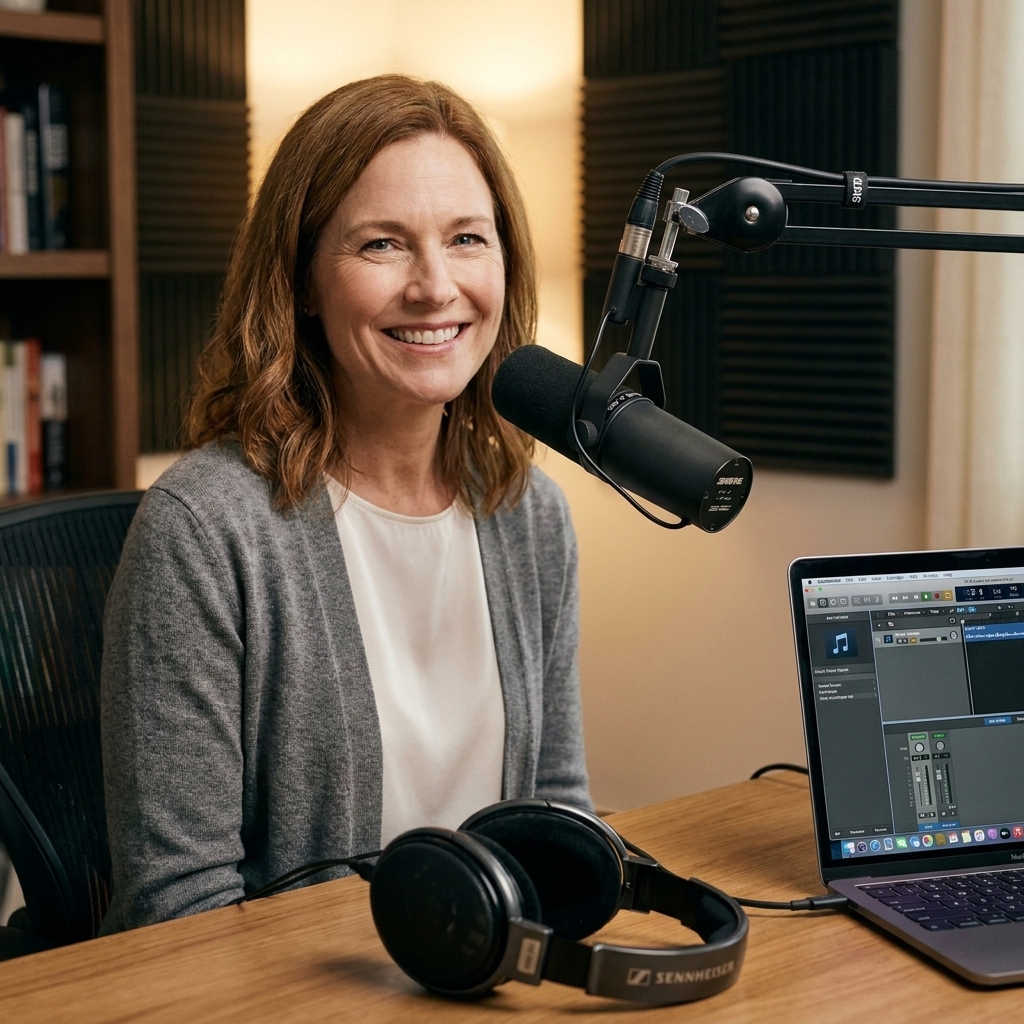
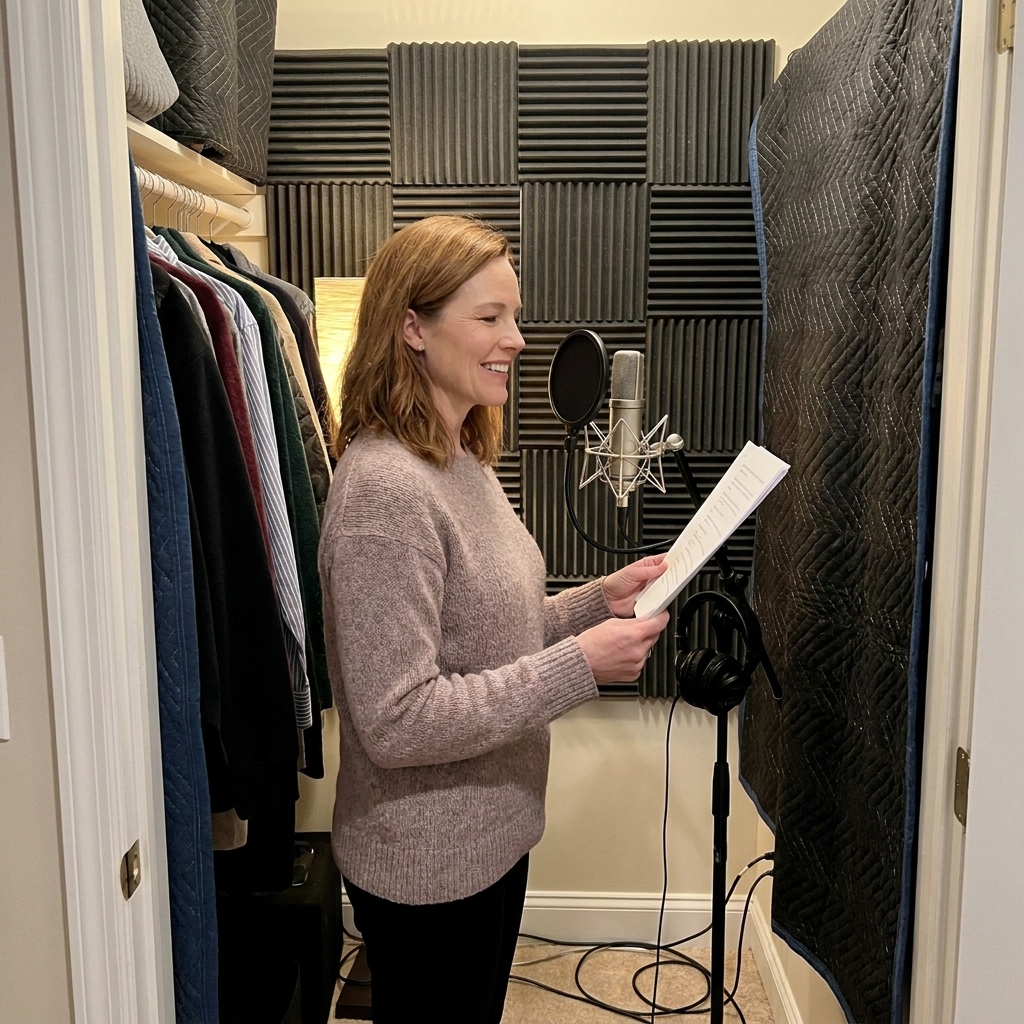
You do not need a Hollywood booth. You need a quiet space and a clean signal. Most beginner problems are not mic quality, they are room noise and echo.
The non-negotiables
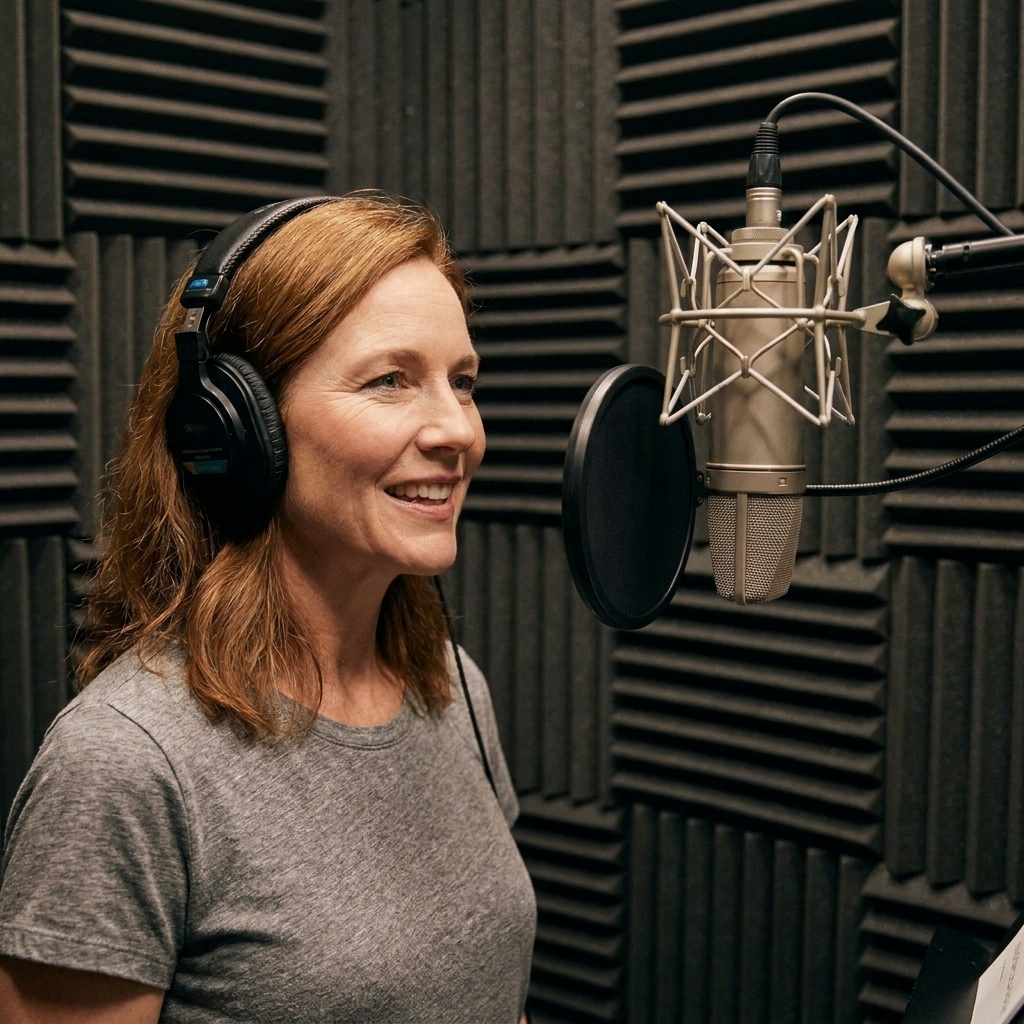
- A quiet recording space: a closet full of clothes can beat an expensive mic in a bare room, if the space is not tiny, not boxy, and not full of airflow noise. Comfort matters too. Heat and stress are not performance enhancers.
- A solid USB or XLR microphone: if you go XLR, you will also need an audio interface.
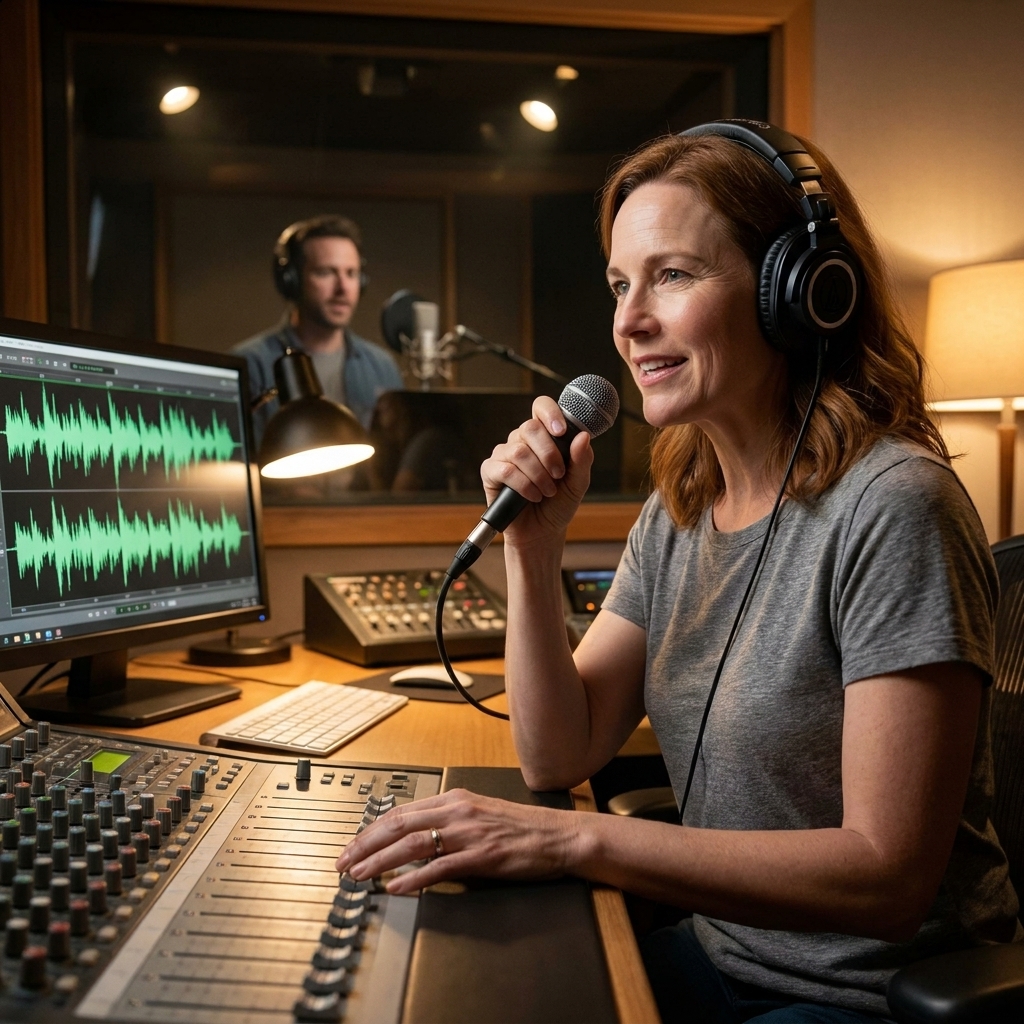
- Closed-back headphones: to monitor mouth noise, plosives, and low-end rumble before you send an audition that makes an engineer sigh.
- Recording software: many pros use paid tools, but a beginner can start with reputable low-cost or free DAWs while learning.
- Basic acoustic treatment: soft materials, thick blankets, and purpose-built panels if your budget allows.
Quick room check
Clap once in your space. If you hear a “ping” or flutter, you have reflections that will show up as a cheap sound. Fix the room before you upgrade the mic.
Practice before a demo
A professional demo can open doors, but only when you are ready to walk through them. If you record a glossy demo too early, it will simply broadcast your inexperience in high definition.
Make two practice reels first
- Commercial practice reel (45 to 60 seconds): 5 to 7 short clips with different tones, pacing, and brands.
- Animation character sampler (45 to 75 seconds): 4 to 6 characters with clear emotional shifts.
These are not meant to be sent to top agencies. They are for coaches, peers, and honest feedback. You are testing your strengths and identifying what you can book reliably.
When to invest in a pro demo
Do it when you can:
- Take direction quickly and adjust without losing authenticity.
- Repeat a sound consistently across takes.
- Deliver broadcast-clean audio from home or have reliable studio access.
Demo ethics and legal basics
- Write “spec” copy instead of lifting real scripts word-for-word.
- Be careful with real brand names. Some demo producers use them, some avoid them. When in doubt, make up a brand and keep the vibe.
- Avoid copyrighted character impressions for anything commercial-facing. A fun impression is not the same as a bookable, original character.
Build a usable portfolio
Think like a casting director or a program director scanning a lineup. Make it easy for someone to hit play, understand you in 10 seconds, and know where you fit.
Your essentials
- Two demos: commercial and animation, separated.
- A simple website or landing page: one page is fine. Include your demos, contact info, and basic specs (studio, turnaround time).
- A concise bio: focus on training and strengths, not hype.
- A clean headshot (optional but useful): this is still show business, even when the camera is off.
Include a short section with your home studio details in plain language: mic, interface, and that you can deliver broadcast-quality WAV files. Keep it factual. No poetry there.
Deliverables basics
Expect to be asked for some combination of:
- WAV delivery, often 48 kHz / 24-bit for video and sometimes 44.1 kHz for audio-only. If they do not specify, ask.
- Light processing or raw: many clients want clean, lightly edited audio, not a heavily compressed “radio voice” chain. Again, ask.
- Room tone (a few seconds) and clean file naming.
- Slate or no slate: follow the instructions. If they do not mention it, default to no slate for many online castings.
Find auditions
Auditions come from a mix of community, hustle, and strategic visibility. Early on, you are building credits, confidence, and relationships.
Go local
- Local radio stations: ask about commercial production needs, station imaging, and fill-in VO. Be polite and persistent, and lead with a clean sample.
- Production houses and ad agencies: a lot of local radio is now produced externally. Stations may outsource, and agencies often need reliable voices on quick turnaround.
- Community theater and improv: not for VO gigs directly, but for networking and performance stamina.
- Film schools and animation programs: student animation needs voices, and some projects end up in festivals.
Online casting, used wisely
Online audition platforms can help you practice volume and consistency. Treat them like a gym. Set boundaries so you do not burn out:
- Pick a realistic number of auditions per week.
- Track what you book and what you do not, then adjust your lanes.
- Do not underprice yourself into resentment. Sustainable rates protect your voice and your time.
Audition like a pro
An audition is a tiny performance with a deadline. Your job is not to prove you can do everything. Your job is to make a specific, bookable choice.
Commercial audition checklist
- Read for meaning: who are you talking to, and what do you want them to feel or do?
- Mark beats: where the thought changes, where the smile is audible, where you need to breathe.
- Record two takes: one safe and one bolder, unless they explicitly ask for one.
- Edit lightly: remove obvious mistakes, tame noise, and do not overprocess.
- Name files clearly: yourname_project_role_take1.wav.
Animation audition checklist
- Build from intention, not from a “funny voice.”
- Find the physicality: posture, jaw tension, breath pattern.
- Protect your voice: warm up, hydrate, and stop when you feel strain.
If a casting note says “natural,” it does not mean “boring.” It means truthful, specific, and free of extra performance glitter.
Common beginner mistakes
- Recording too hot and clipping peaks.
- Overprocessing with heavy noise reduction or compression.
- Ignoring the room and trying to “fix” echo in post.
- Rushing copy to prove you can fit it in time.
- Missing direction notes because you did not read the full brief.
Representation
Agents are not fairy godparents. They are partners who submit you for opportunities you cannot easily access alone, especially union broadcast work and higher-profile animation. You want representation when you are already showing bookable consistency.
When to query
- You have at least one professional demo in your primary lane.
- You are booking small gigs or getting strong shortlist feedback.
- You can deliver clean audio and meet deadlines.
- You understand usage and are not afraid to ask questions.
How to approach agents
- Research fit: target agencies that represent voice talent in your market and lane.
- Send a short email: who you are, your lane, link to demos, and any relevant credits or training.
- Follow up once: one polite follow-up after a reasonable window is enough.
Be wary of anyone who guarantees work or pressures you into expensive, mandatory add-ons. Legitimate representation is selective, clear about terms, and focused on your long game.
Business basics
Broadcast voiceover is not just “a gig.” It is licensing your performance for specific uses. Two ads can take the same amount of time to record and have wildly different value depending on where and how long they run.
Key terms
- Usage: where the audio will play (local radio, regional TV, national broadcast, streaming pre-roll).
- Term: how long they will use it (13 weeks, 1 year, in perpetuity).
- Exclusivity: whether you are blocked from voicing competitor brands.
- Buyout: a one-time fee, often higher, sometimes restrictive.
If you are unsure what is fair, ask other working talent, a coach, or your agent. The most professional sentence in entertainment is still: “Can you clarify the usage and term?”
Vocal care
Your voice is not a limitless resource. It is a living thing attached to sleep, stress, hydration, allergies, and how loud you got at that comedy set last night.
Stay bookable
- Warm up gently before sessions and auditions.
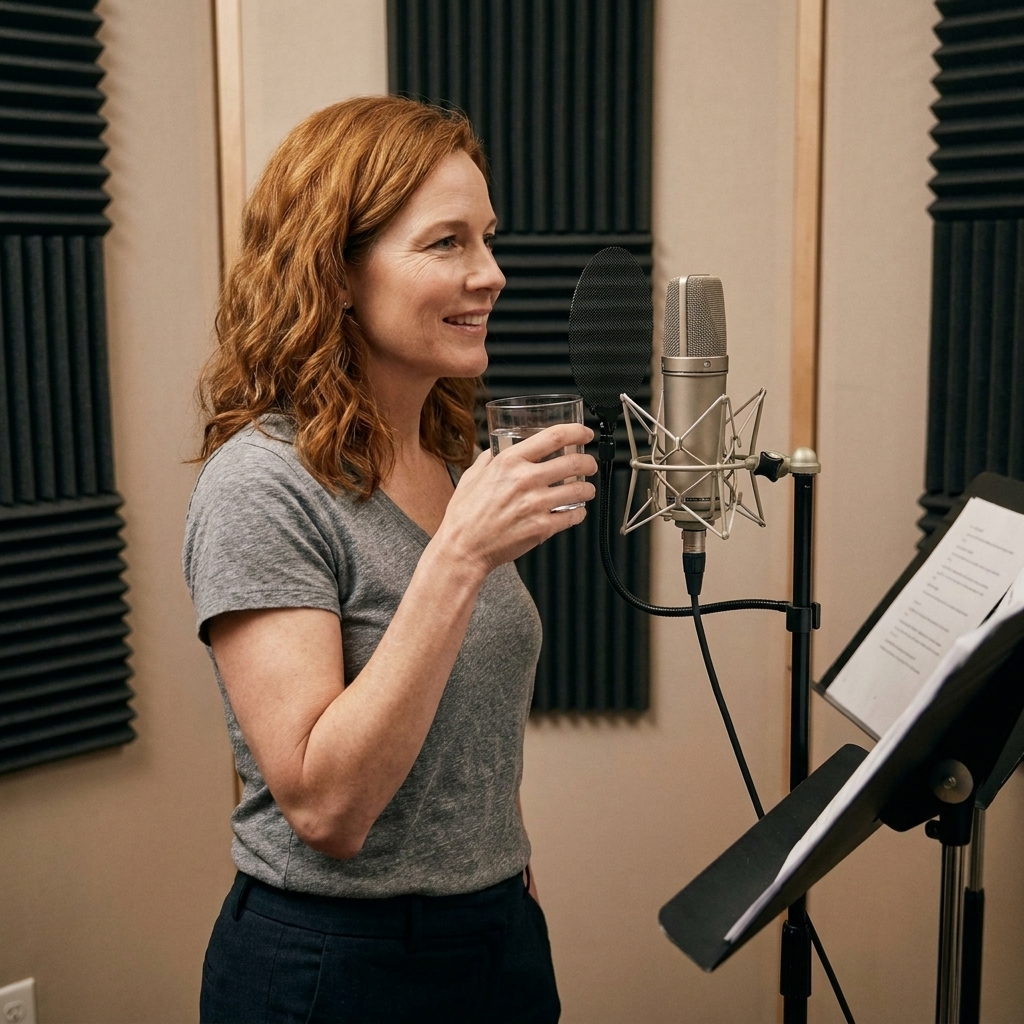
- Hydrate consistently, not just right before recording.
- Take breaks on long reads.
- Learn the difference between character intensity and vocal strain.
- If you feel pain, stop. Pain is not “commitment.”
30-day starter plan
If you want momentum, give yourself one month of focused, realistic work.
Week 1: Foundation
- Set up a quiet recording space and test for echo.
- Record 5 short reads and listen back for noise and pacing.
- Book one voiceover coaching session or join a reputable class.
Week 2: Range
- Build a commercial practice reel draft.
- Create 3 animation characters with distinct intentions.
- Practice taking direction: record a take, then redo it with one specific adjustment.
Week 3: Portfolio
- Launch a simple page with your best practice samples and contact info.
- Ask for feedback from a coach or working talent community.
- Refine your audio chain for clean consistency.
Week 4: Auditions and outreach
- Audition regularly, but set a sustainable cap.
- Reach out to one local station, one production company or agency, and one student animation program.
- Track your results and identify your strongest lane.
FAQ
Do I need a “radio voice” to work in radio?
No. Modern radio and TV ads often favor conversational, specific reads over booming announcer delivery. What you need is clarity, timing, and believability.
Can I start voice acting with a USB mic?
Yes, as long as your room is quiet and your audio is clean. Many beginners start with USB while they learn technique and workflow, then upgrade when bookings justify it.
How long should my demo be?
Commercial demos are often around 60 seconds. Animation demos can run 60 to 90 seconds depending on the material. Shorter is usually better than bloated.
How do I get into animation if I have no credits?
Train, build a focused character sampler, and look for short-form animation projects through student programs, indie studios, and casting calls that welcome emerging talent. Credits grow fastest when you show up reliably and deliver clean audio.
Should I join a union right away?
It depends on your market and opportunities. Union work can offer strong protections and rates, but joining too early can limit non-union jobs that help you build experience. Rules and eligibility pathways vary by country and union. Check SAG-AFTRA, Equity, ACTRA, or your local union, and get informed advice before making the leap.
Keep the joy
The best voice actors I know have two qualities in common: they are disciplined about craft, and they still sound like they are having fun telling the story. Build your skills, build your materials, and then audition like you belong there. Because at a certain point, you will.