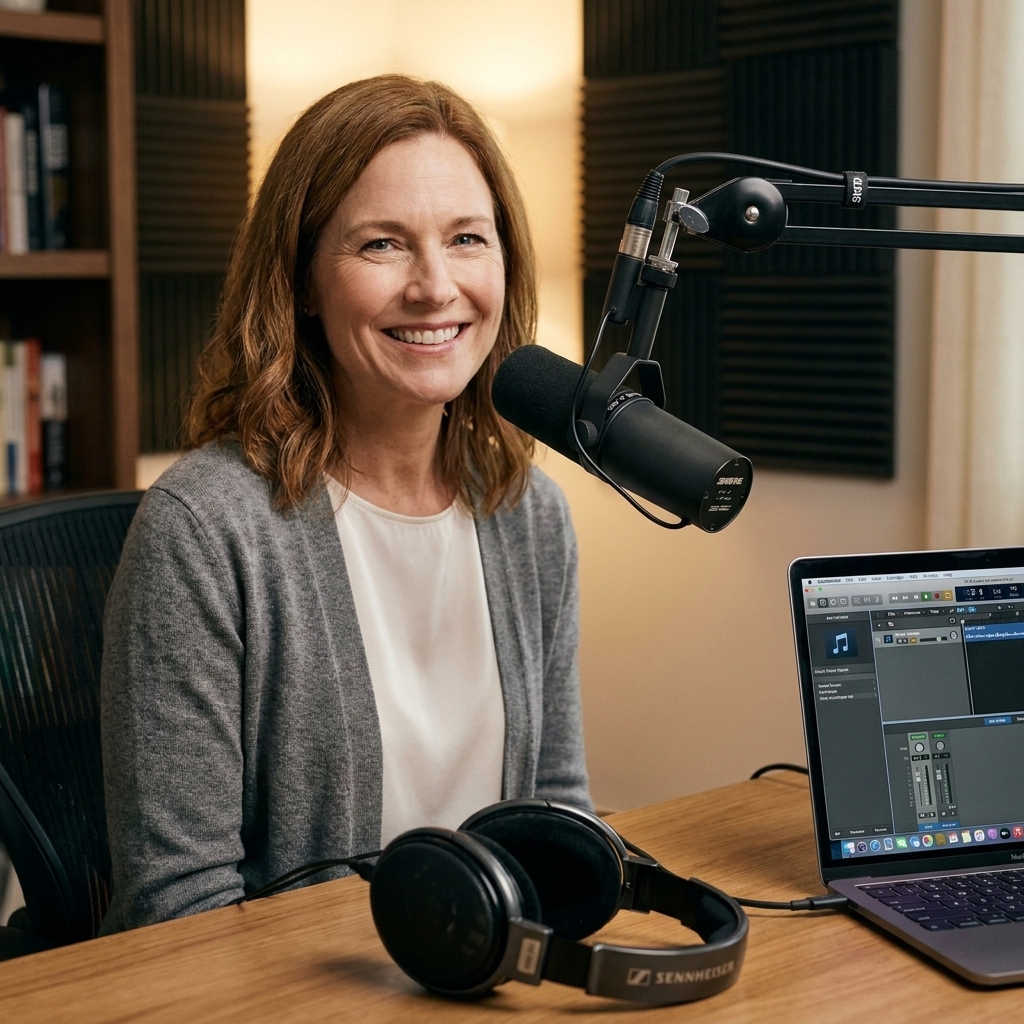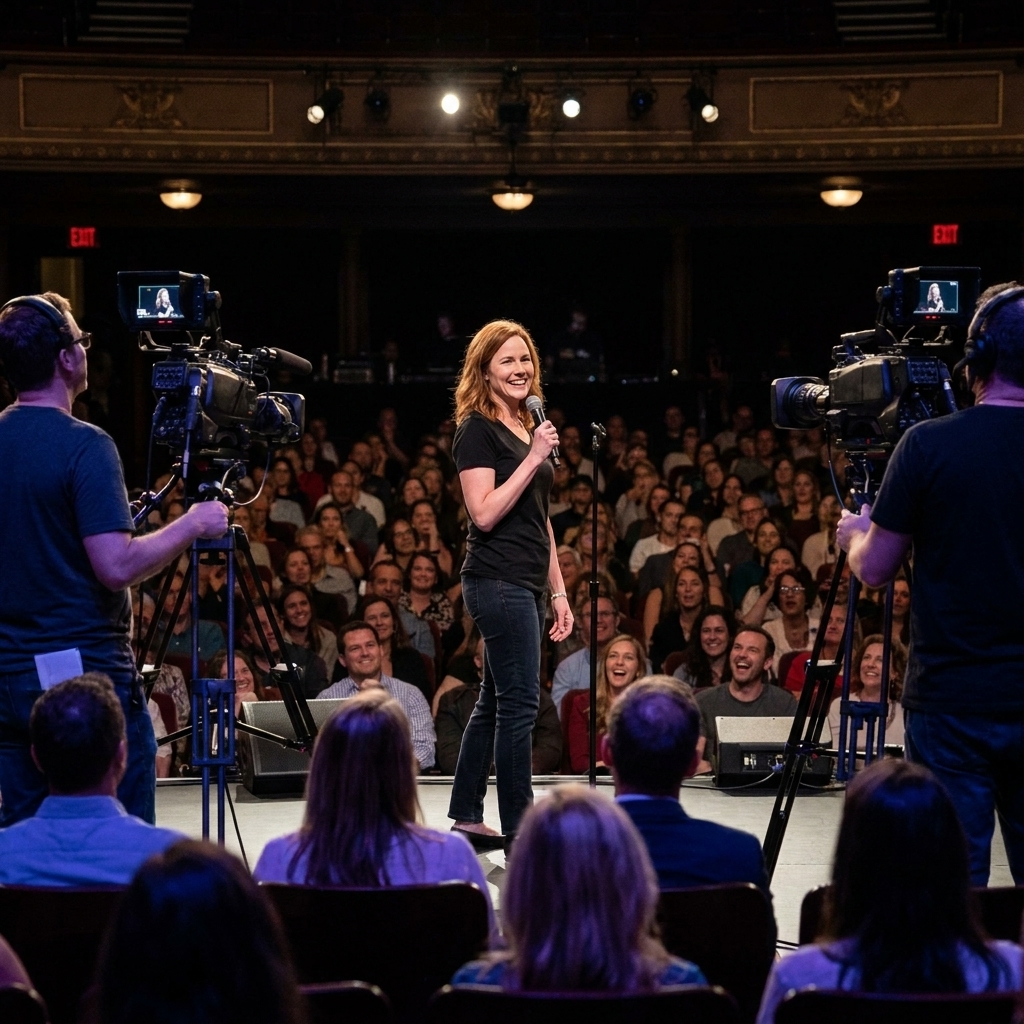
There is a particular romance to traditional radio: the red ON AIR sign, the choreography of faders, the host who can paint a whole city with a sentence. Audio alone asks listeners to co-create the scene in their heads. But the business has shifted under that booth window. Audiences now discover voices through thumbnails, clips, and comments. The same show can live as a morning drive staple and a late-night scroll.
I’ve spent years around studios and production teams, watching how small workflow choices change what a show feels like. That vantage point colors this piece. Not as a eulogy for radio, but as a look at what happens when a format built for sound starts performing for sight, too.
Enter the vodcast, also known as a video podcast, a visually recorded show that treats conversation like a performance you can watch. It is not radio’s replacement so much as its new costume change, a quick one, sometimes mid-monologue. For media professionals, the question is no longer “radio or podcast?” It is “what does this show become when the camera turns on, and what do we gain or lose when it does?”
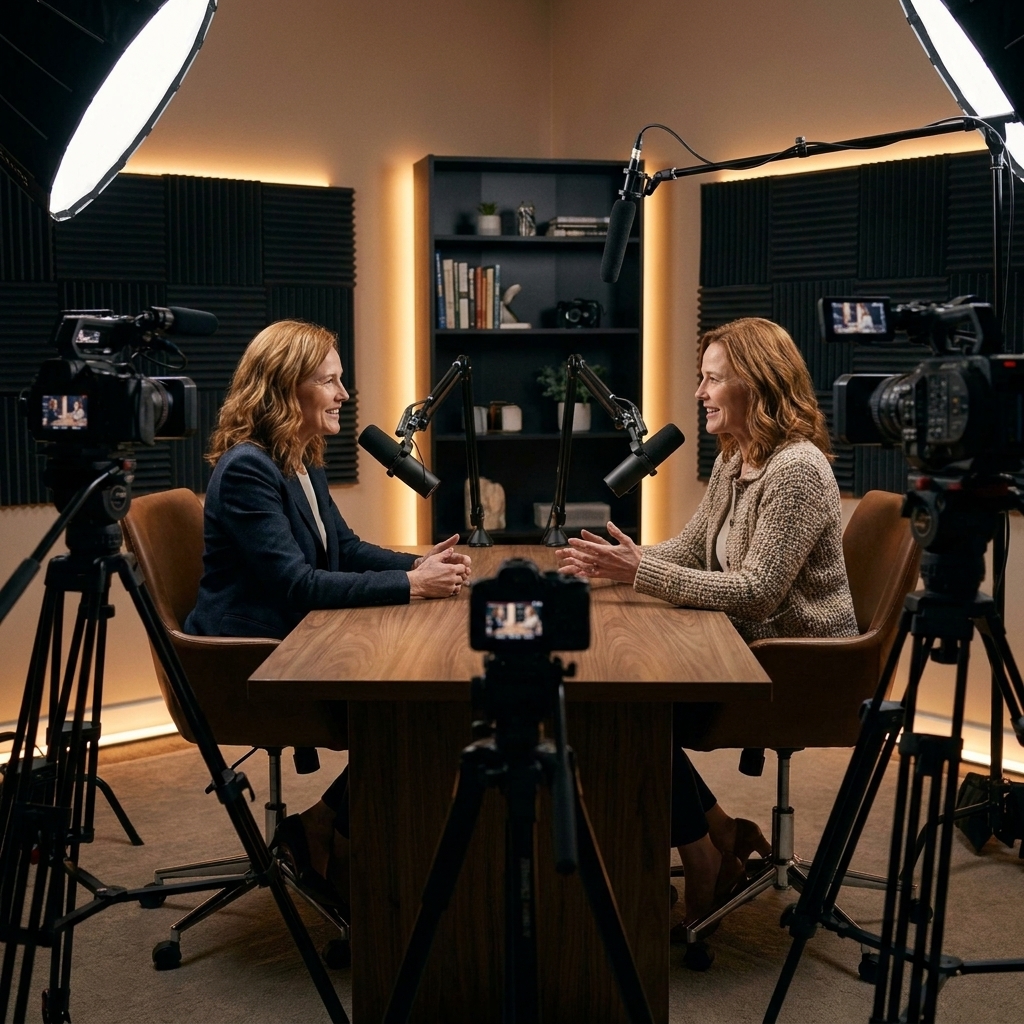
Different promises
Traditional radio is built for momentum. It is primarily linear and live, often tied to the rhythm of a daypart and the beat of a clock. Even when a segment is playful, it is in conversation with traffic, weather, news breaks, and the next element on the log.
Vodcasting, at its best, is built for presence. The audience is not just joining a show, they are joining a room. That subtle shift changes everything, including pacing, topic selection, and the kind of intimacy people expect.
Radio’s superpower
- Frictionless habit: the car, the kitchen, the workplace. Radio is the easiest “yes” in media.
- Live energy: calls, contests, breaking moments, and a sense of community that is hard to fake.
- Local identity: radio can still feel like a neighborhood, not an algorithm.
Vodcasting’s superpower
- Discoverability: clips travel. A great 45 seconds can become a new audience funnel.
- Parasocial texture: a raised eyebrow, a silent laugh, the split-second glance to a producer. These reactions land as character.
- Platform-native monetization: especially on YouTube, ads, memberships, Super Chats, and brand integrations can stack.
Why cameras are showing up
Most radio teams I talk to are not chasing video because it is shiny. They are chasing durability. When listening fragments across apps and platforms, a show needs multiple front doors.
Vodcasting can provide three practical upgrades that are hard to ignore:
- Clippable moments for social feeds that function like mini trailers.
- Evergreen library value where episodes remain searchable and recommendable.
- Talent visibility that strengthens touring, live events, and brand partnerships.
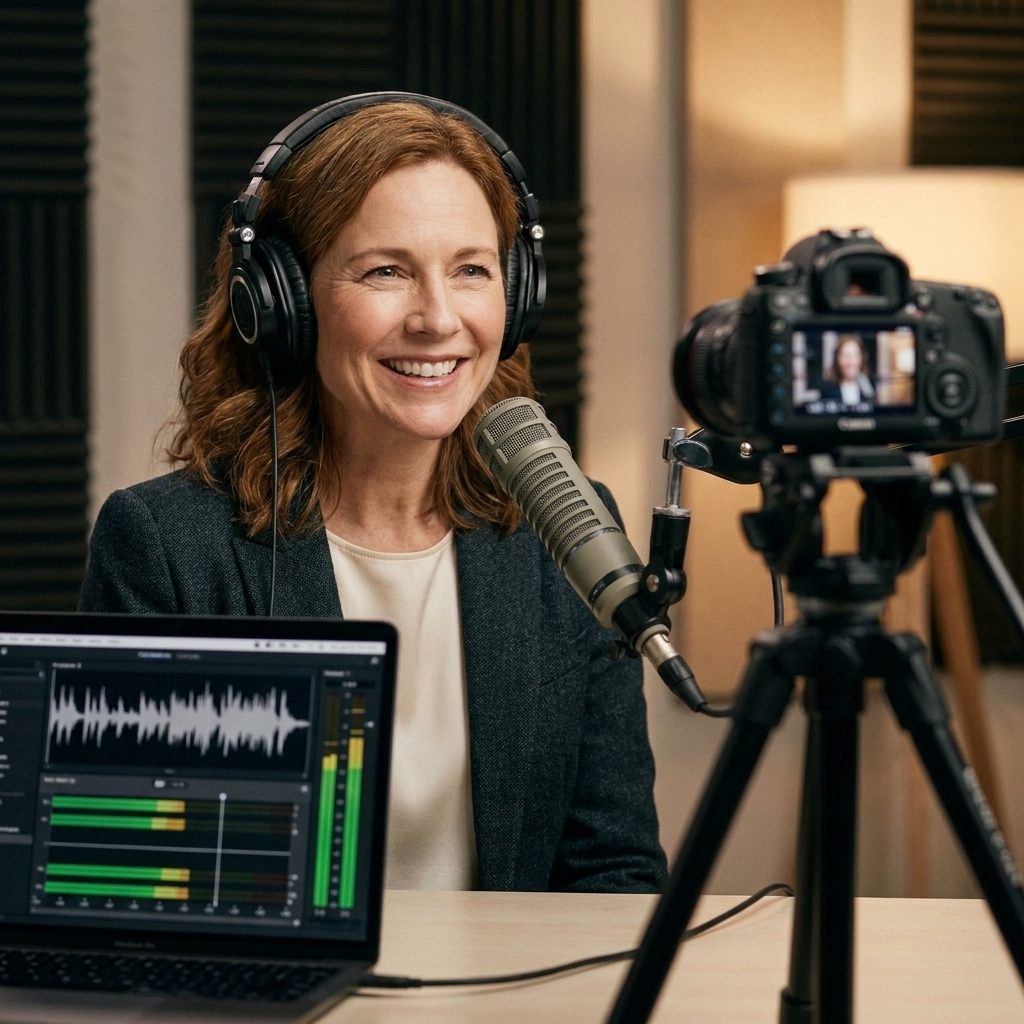
Also, let’s be honest: radio has always been visual, just behind the scenes. The booth is theatre. Vodcasting simply sells tickets to the audience.
Production changes the room
If you have ever watched an actor adjust their performance the moment they find their light, you understand what happens when a radio studio goes on camera. Video does not just document. It directs.
Workflow shifts
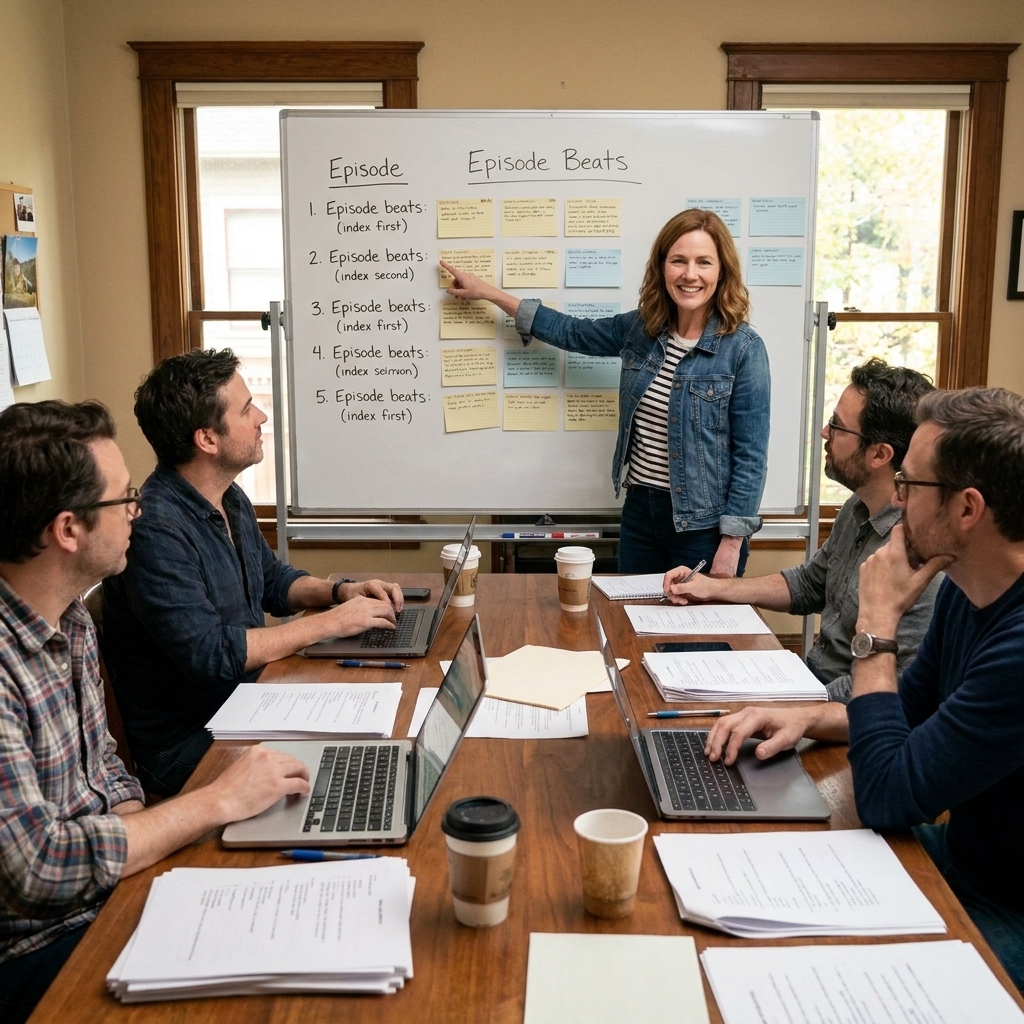
- Prep gets more intentional: visual beats matter. Props, screens, and references can become part of the storytelling.
- Time becomes elastic: radio loves segments. Vodcasts often succeed with longer arcs, fewer interruptions, and fewer hard resets. If you are not living on a broadcast clock, there is less pressure to “hit the out” at a specific minute mark.
- Energy reads instantly: dead air is one thing. Low energy is another, and camera makes it obvious.
New roles
A traditional radio show can run on a tight staff. A vodcast wants a few additional hats covered, even if one person wears multiple:
- Video switching (live cut or post cut)
- Lighting and framing (consistent, flattering, repeatable)
- Post-production (sync, color, audio mix, captions)
- Clips producer (the person who knows what will travel)
Audio still has to be impeccable. Viewers forgive a less-than-cinematic image faster than they forgive muddy sound. The radio instinct for clean signal remains a competitive advantage.
One more practical note: radio often uses music beds, bumpers, and licensed snippets that play fine over the air. On video platforms, those same elements can trigger claims, muting, or takedowns. Before you roll cameras, audit what you use and clear what you need, or build a replacement library you fully control.
Format options
“Put a camera in the studio” is a start, not a strategy. Successful transitions usually land in one of three lanes.
1) Simulcast
This is a common first step. The show stays optimized for broadcast clocks and breaks, with video acting as an added distribution layer.
- Best for: established shows with strong on-air identity and time-sensitive segments.
- Risk: the video can feel like security footage if it is not directed.
2) Hybrid
The show keeps its radio personality, but episodes are structured for on-demand listening and watching. Breaks are cleaner, segments are fewer, and conversations breathe.
- Best for: talent-driven programs with interview strength and recurring bits.
- Risk: requires recalibrating what “tight” means when there is no forced reset every few minutes.
3) Video-first
This treats the vodcast as the flagship. Audio is still important, but visuals shape the storytelling from the start.
- Best for: shows with strong set design, guest appeal, or physical comedy and reaction.
- Risk: can alienate audio-only audiences if too much essential context is visual.
Monetization changes
Radio ad sales are built on reach, frequency, and local trust. Vodcasting expands the menu, but it also expands expectations. Brands want integration that looks natural, not awkwardly staged.
Radio revenue strengths
- Local direct sales with long-standing relationships
- Promotional inventory (live reads, remotes, giveaways)
- Event partnerships tied to community presence
Vodcast revenue strengths
- Platform ads that scale with views (especially on YouTube)
- Sponsorship integrations that show the product in use
- Membership models for bonus episodes or live streams (tooling varies by platform)
- Back-catalog monetization through dynamic ad insertion on the audio RSS and hosting side, plus ongoing video views and sponsorship reads in the video archive
The most robust modern stacks are blended: radio keeps the lights on with dependable local dollars, while vodcasting builds broader reach and deeper fan support.
On mic vs on camera
Radio trained a generation of hosts to “smile through the voice.” Vodcasting asks for an additional discipline: intentional physicality. The goal is not to become an actor. It is to become readable.
- Turn-taking matters more: crosstalk is charming on radio. On video, it can look chaotic and feel exhausting.
- Reaction shots are storytelling: the co-host’s face can be the punchline, so give them room.
- Set design becomes brand: a consistent background reads like a home base, not a rented room.
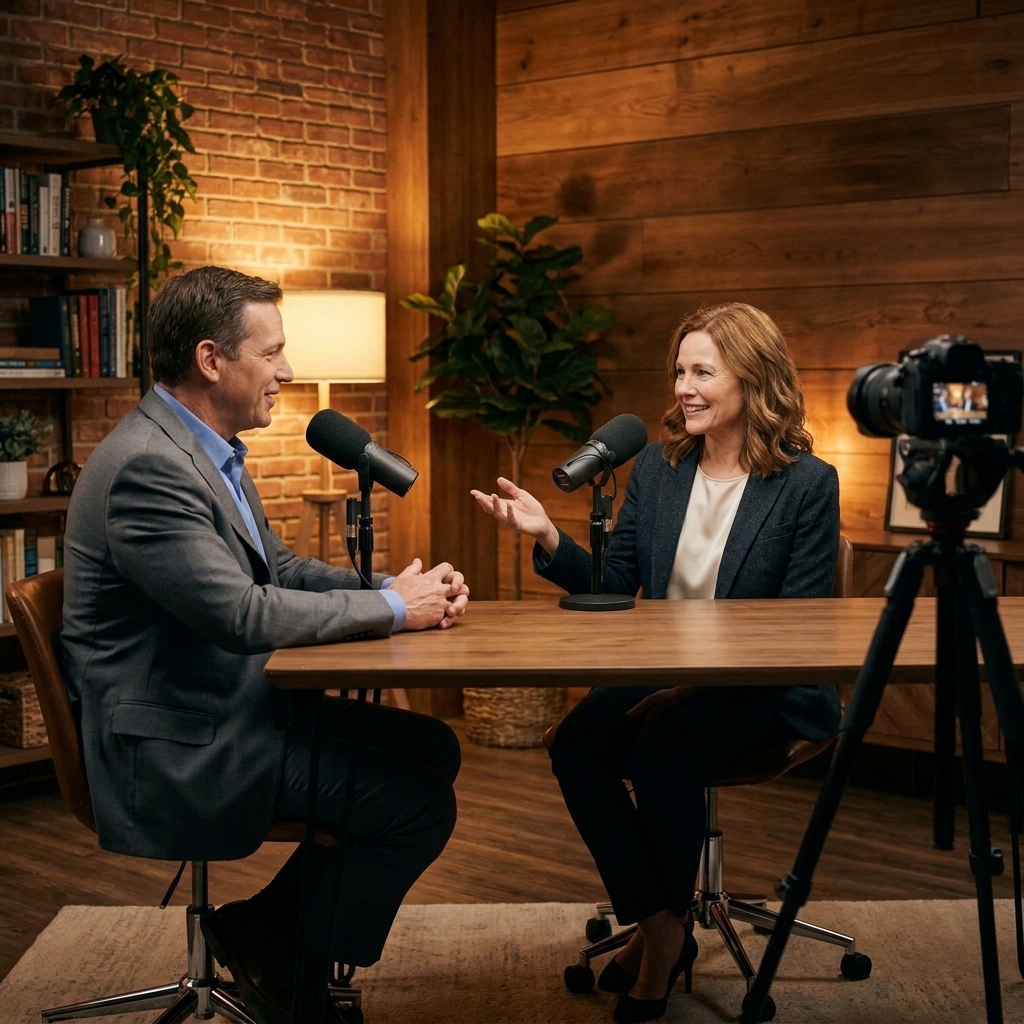
One of my favorite unintended perks is that video can deepen respect for craft. Viewers see how much listening is happening, how quickly a producer texts an adjustment, how a host keeps the tone buoyant when the topic gets heavy.
Distribution is a web
Radio still owns a kind of effortless ubiquity. But vodcasting plays in a multi-platform ecosystem where each outlet rewards different behavior.
Smart distribution
- Full episode video on YouTube or another platform that favors long watch time
- Full episode audio everywhere podcasts live, optimized for commuters and multitaskers
- Short clips tailored to vertical feeds, with clear context, burned-in captions, and a strong first five seconds
- Live elements for premieres, call-ins, or special events that echo radio’s immediacy
The best teams treat each platform like a venue. You do not stage the same show the same way in a black box theatre and a 2,000-seat proscenium house. You adapt. You keep the heart, you change the blocking.
What to measure
Adding cameras without measurement is just adding work. A simple KPI stack keeps the effort honest:
- Video: average view duration, retention curves (where people drop), returning viewers, subscribers per episode
- Clips: hook rate in the first seconds, completion rate, click-through to full episode
- Audio: downloads per episode over 7 and 30 days, followers, completion where available
- Revenue: RPMs, sponsor renewal rate, membership conversion, affiliate conversion
Is vodcasting the future?
Vodcasting is not the future of radio in the sense that it replaces it. It is the future in the sense that it extends it. Traditional radio’s greatest asset is still what it has always been: a human voice that knows how to keep you company. Vodcasting simply lets that voice exist in more places, with more texture, and with a longer shelf life.
For media professionals weighing the transition, the takeaway is refreshingly unglamorous: the winners are not the shows with the fanciest cameras. They are the shows with the clearest point of view, the most consistent release rhythm, and the deepest respect for audience time.
Turn on the camera if it serves the show. If it only serves the trend, the audience will feel it. They always do.
Quick FAQ
Do we need a big studio?
No. You need clean audio, stable cameras, consistent lighting, and a set that looks intentional. A small space can feel premium if it is controlled and repeatable.
Should we record live or edit?
If your team is built for live radio, live-to-tape can work well. Many shows find a middle path: record as if live, then tighten with light edits and strong clip selection.
Will video cannibalize audio?
In most cases, it diversifies the audience. Some fans will watch, some will listen, and many will do both depending on the day. The key is making sure audio-only listeners never feel locked out of the story.
What is the first upgrade that matters?
Lighting and audio. People will forgive a modest camera faster than they will forgive harsh overhead lighting or inconsistent sound. And if you plan to clip for social, captions are not optional. They are the delivery vehicle.