There are podcasts you enjoy, podcasts you quote, and then the rare shows that, for many listeners, can change how everything else sounds afterward. The "all-time greats" are not just popular. They can feel like craft breakthroughs: formats refined, soundscapes elevated, reporting sharpened, and storytelling made so intimate it feels like a seat saved for you.
If you have ever wanted a short, reliable list of essential listens that, for many people, helped define what modern podcasting can do, start here. These five series span narrative journalism, deep investigative reporting, science and philosophy with theatrical sound design, a true-life character study with a novel-like scope, and history told with the pressure and pacing many listeners associate with prestige TV.

This American Life
The vibe: A weekly journalistic show built around a single theme, unfolding through a curated set of real-life acts and reported stories.
Some podcasts feel like a conversation. This American Life can feel, to many listeners, more like a carefully sequenced night of short acts, each story chosen to echo the episode’s central idea in a different emotional key. At its best, it pairs tenderness and curiosity with reporting that is willing to sit with complexity.
Why it belongs on an all-time list: It practically invented the modern style of narrative audio storytelling, blending intimate personal histories with rigorous investigative journalism in a way that became a template for a huge portion of modern podcasting.
Best starting points
- Episode 589: “Tell Me I’m Wrong”
- Episode 175: “The Hostage Crisis”
Serial
The vibe: One real story investigated over a full season, hosted by Sarah Koenig with the momentum of a page-turner.
Serial is often the show people reach for when they want to prove that investigative reporting can be binge-worthy in audio form. It uses the structure of longform journalism, but the season-long arc can feel less like "listening to reporting" and more like staying with one evolving question, episode after episode.
Why it belongs on an all-time list: Season 1, which examines the 1999 murder of Hae Min Lee, became a global obsession. It shattered download records and helped cement podcasting as a major mainstream medium.
Best starting point
- Season 1, Episode 1: “The Alibi”
Radiolab
The vibe: Big, brainy questions about science, philosophy, and legal history, told through a human lens and bold audio production.
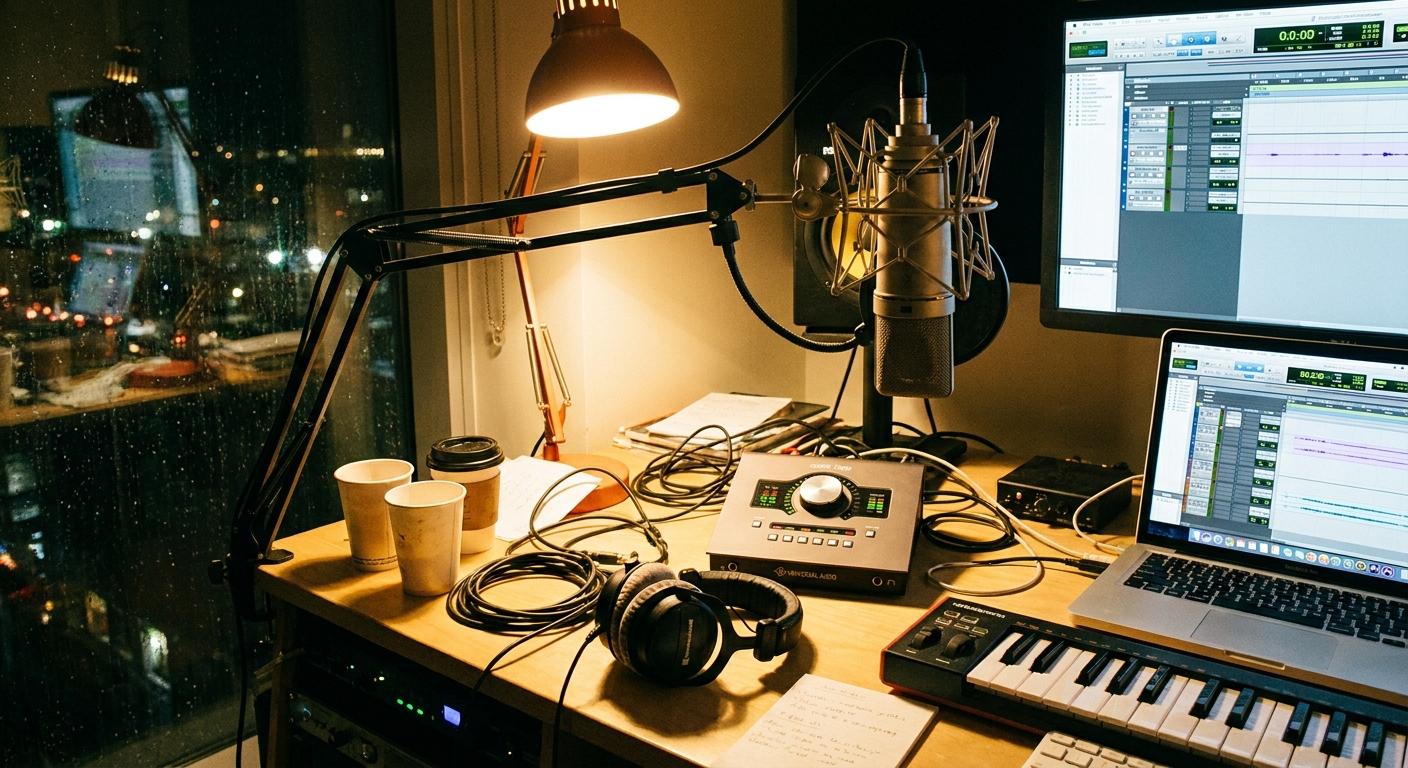
Radiolab does something that can seem impossible: it makes abstract ideas feel personal. Part of that effect is editorial, part is performance, and part is the show’s signature approach to sound. The editing is not just polish. It is a core ingredient of the storytelling, turning concepts into something you can feel.
Why it belongs on an all-time list: It revolutionized audio production by treating sound design and editing as an equal partner to the narration, making abstract scientific concepts feel incredibly emotional.
Best starting points
- “Colors”
- “The Bad Show”

S-Town
The vibe: A story that begins like a mystery in a small Alabama town and becomes something richer, stranger, and more intimate.
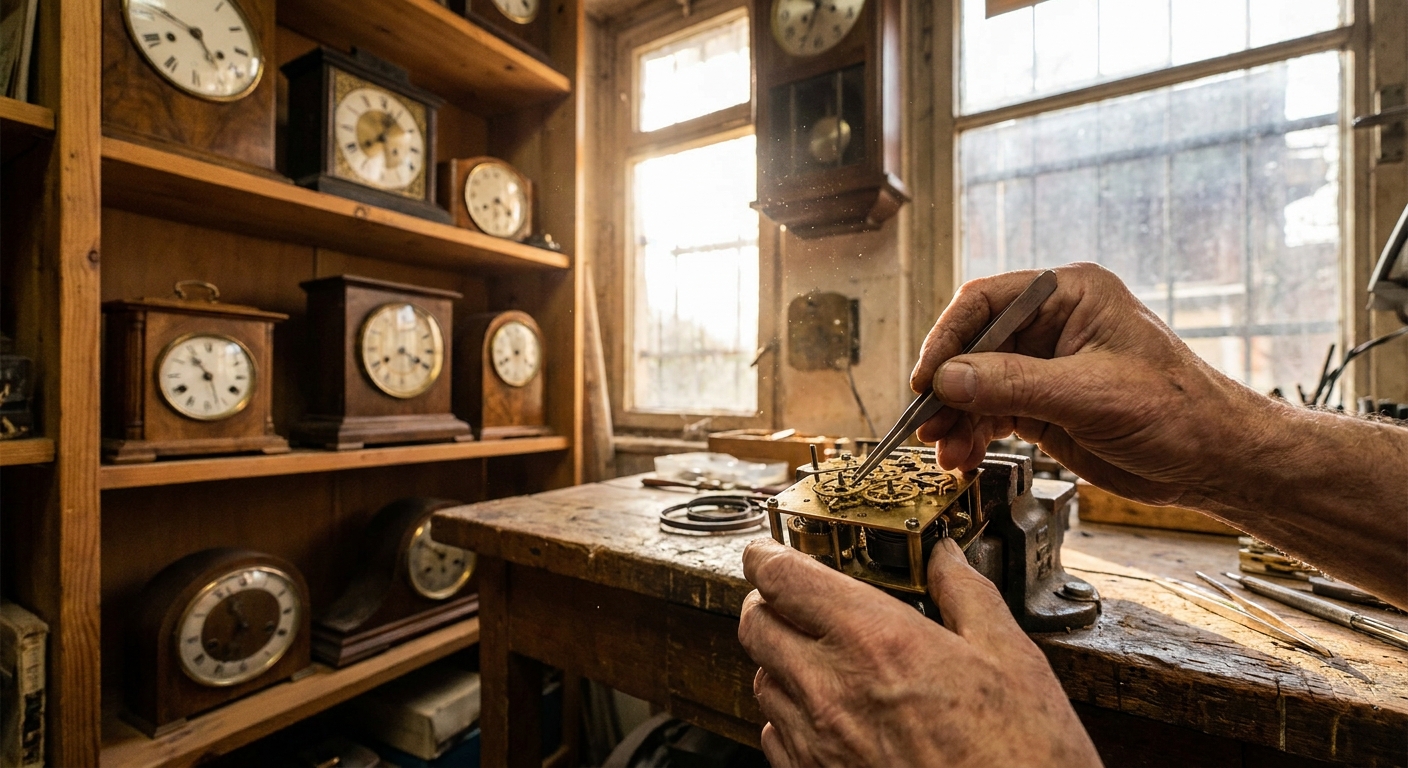
S-Town starts with the promise of an investigation into a rumored murder. Then it gradually shifts its center of gravity. What emerges is a stunning, intimate biography of John B. McLemore, a brilliant, eccentric antique clock restorer whose life unfolds with the emotional architecture of literary fiction.
Why it belongs on an all-time list: It treats a real person’s life with the depth, structure, and poetic prose of a great American novel, inviting you to listen closely.
Best starting point
- Chapter 1 (Start at the beginning and listen in order.)
Hardcore History
The vibe: Solo, sweeping, multi-hour masterclasses on the most dramatic, apocalyptic eras of human history, delivered by former radio host Dan Carlin.
Some history shows are built on dates. Hardcore History is built on stakes. Carlin has a gift for translating massive eras into scenes you can practically see, and for asking the question that makes the past feel immediate: what did it feel like to be there? He skips sterile textbook dates to focus on the raw human experience and psychology of historical figures, maintaining cinematic tension across episodes that can run 4 to 6 hours.
Why it belongs on an all-time list: It focuses on the raw human experience and psychology of historical figures, sustaining cinematic tension across multi-hour episodes.
Best starting points
- “Blueprint for Armageddon” (World War I, multi-part series)
- “Ghosts of the Ostfront” (World War II Eastern Front, multi-part series)
How to start
- If you love theater and character: Start with This American Life for variety, or S-Town for an immersive, novel-like arc.
- If you want a can’t-stop plot: Start with Serial, Season 1, Episode 1: “The Alibi.”
- If you want your brain lit up: Start with Radiolab, where sound and ideas move together.
- If you want an epic: Start with Hardcore History when you have the time to sink in.
Whichever door you choose, give it your full attention. These are the listens that reward it.