Historical TV dramas used to arrive like museum tours: respectable, carefully lit, and faintly scented with homework. Then a handful of shows kicked open the soundstage door and proved the past could be as tense as a thriller, as intimate as a chamber play, and as visually ambitious as cinema. More importantly, they changed what television storytelling could demand from a living-room screen: bolder structure, richer production design, and an audience willing to follow complex politics, unreliable narrators, and moral gray zones.
Below are 12 series that did not just recreate history. They nudged television’s creative instincts in new directions, influencing everything from costumes and camera movement to the way viewers learned to watch.
What “groundbreaking” means here
There are plenty of excellent period dramas. The ones on this list did something disruptive.
- Set design as narrative: spaces that explain power, class, and fear before the dialogue does.
- Cinematography that changed TV grammar: bolder lighting, handheld urgency, longer takes, or painterly composition that raised the baseline for small-screen visuals.
- Audience engagement: shows that demonstrated mass audiences would show up for politics, slow-burn character work, or historically specific detail.
- New relationship to “truth”: some chase authenticity; others admit the past is a story we keep rewriting, and make that tension the point.
The 12 shows that shifted TV
Scope note: This is inevitably selective and largely Anglo-American, shaped by series with widely documented industry ripple effects. It is not a claim that groundbreaking work only happened in English.
1) Roots (1977)
If you want one of the major turning points for appointment television, Roots is a strong candidate. Airing as an eight-night event, it reframed American history on network TV with a scale and moral seriousness that made the country stop, sit, and reckon together, and it did it with blockbuster viewership that became part of the show’s legacy.
- Broadcast impact: helped cement the miniseries as a prime-time “national event” format, with ratings that remain a benchmark in TV history.
- Production design: grounded, tactile environments that resisted romanticizing the past.
- Storytelling shift: multi-generational structure invited long-form emotional investment on a network schedule.
2) I, Claudius (1976)
Yes, it looks stagebound now, but that is the secret weapon. I, Claudius helped show television could be a gladiator arena for performance, where close-ups and long scenes turn palace politics into psychological horror. Its influence is less about scale than about how a camera can weaponize a face in a tight room.
- Cinematography: intimacy over spectacle, with the camera behaving like a gossip who cannot look away.
- Set design: confined rooms that make Rome feel claustrophobic, like a gold-plated trap.
- Legacy: a template for “big history” carried by acting, not battlefields.
3) Brideshead Revisited (1981)
Before “prestige TV” had a name, this miniseries brought literary adaptation into homes with a patient, novelistic rhythm. It trusted silence, longing, and architecture to do heavy emotional lifting, and it made the case that atmosphere could be plot.
- Visual impact: locations and interiors used as mood, not just backdrop.
- Audience engagement: proved slow-burn character drama could be a ratings draw when it feels immersive.
- Craft lesson: production value is not only money. It is taste, restraint, and specificity.
4) The Civil War (1990)
Ken Burns’ landmark series is not a scripted drama, but it changed television history storytelling so profoundly that scripted series still borrow its tools: voice, image, music, and point of view as propulsion. It also proved PBS could turn long-form history into cultural appointment viewing.
- Visual language: the now-famous slow pan and zoom across photographs became a shorthand for intimacy.
- Sound design: music and narration weaving to build momentum where visuals are static.
- Prime-time effect: made long-form history feel episodic and addictive, even when the ending is known.
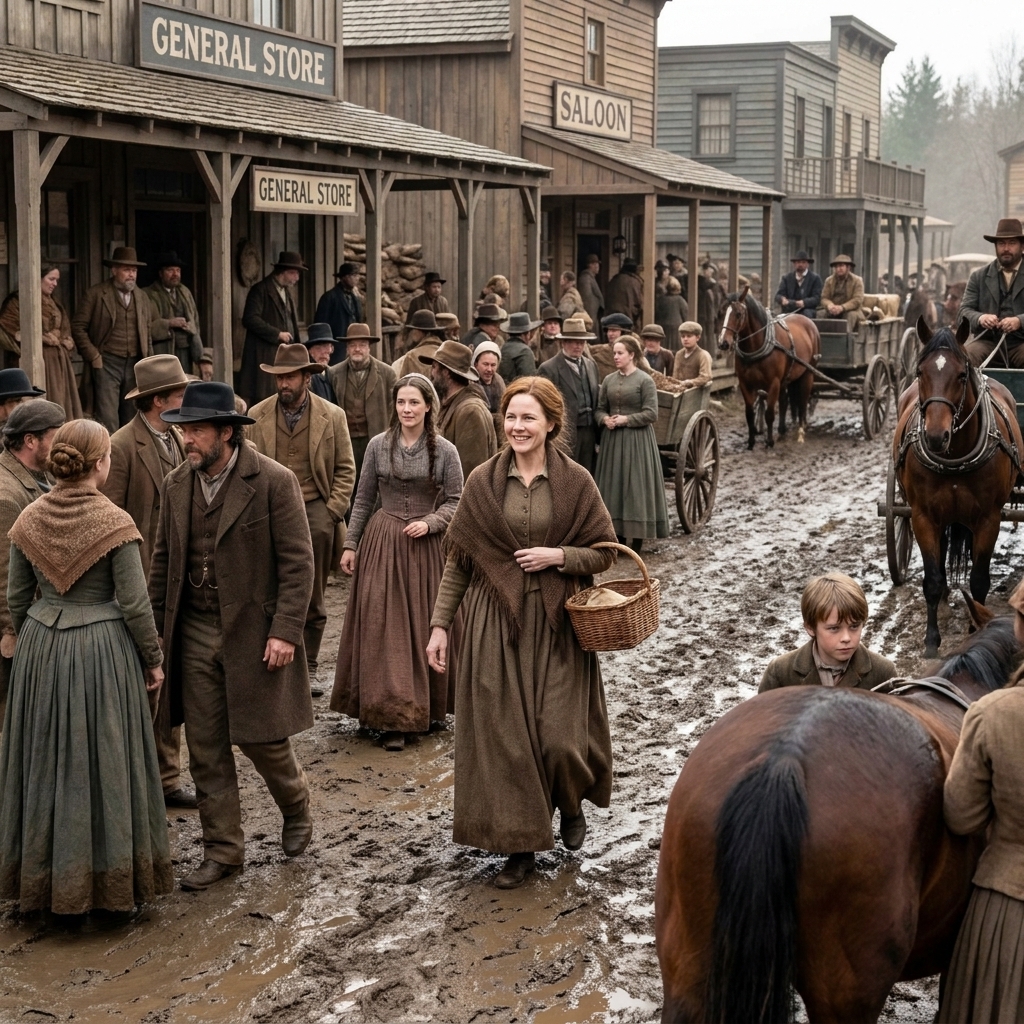
5) Deadwood (2004)
Deadwood did not polish the Old West into legend. It dragged it into the light, mud and profanity intact, and helped prove a period drama could feel as immediate as breaking news. Its dialogue is operatic grime, and its violence arrives with the ugly speed of real consequences.
- Cinematography: a restless camera and textured interiors that make the past feel inhabited, not exhibited.
- Set design: the town’s geography is the power map, with every boardwalk and back room bargaining for control.
- Concrete craft tell: crowded saloons staged with overlapping conversations and blocking that keeps hierarchy visible without a speech explaining it.
6) Band of Brothers (2001)
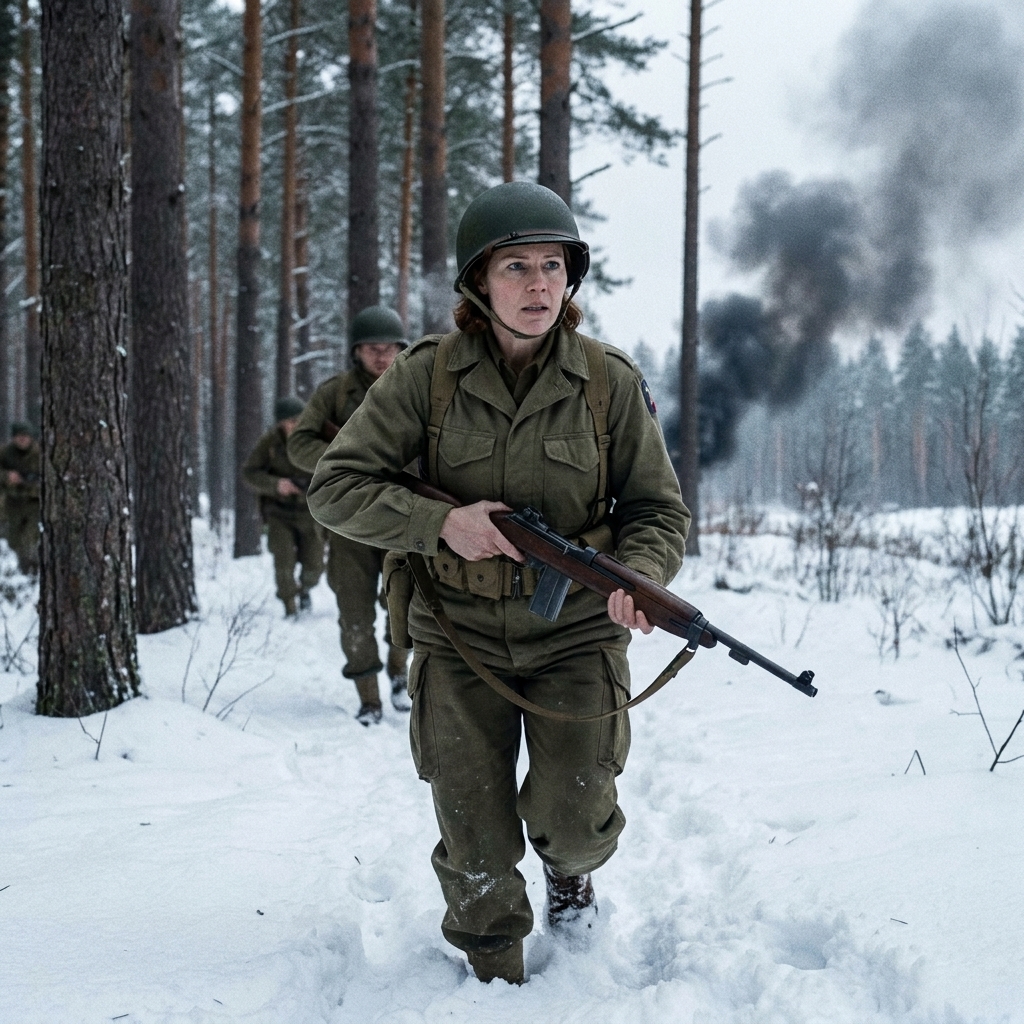
This miniseries did not just recreate World War II. It made the genre feel physically present, and its production scale became a reference point for what television could mount when it decided to compete with film on craft. Mud had weight. Cold looked painful. Silence after battle sounded like trauma settling into bone.
- Cinematography: cinematic battle coverage and controlled chaos that raised the bar for what TV could stage.
- Design and props: gear and environments treated as extensions of character and survival.
- Industry marker: its critical haul and lasting reputation helped lock in the limited-series war epic as “serious TV,” not a niche undertaking.
7) Rome (2005)
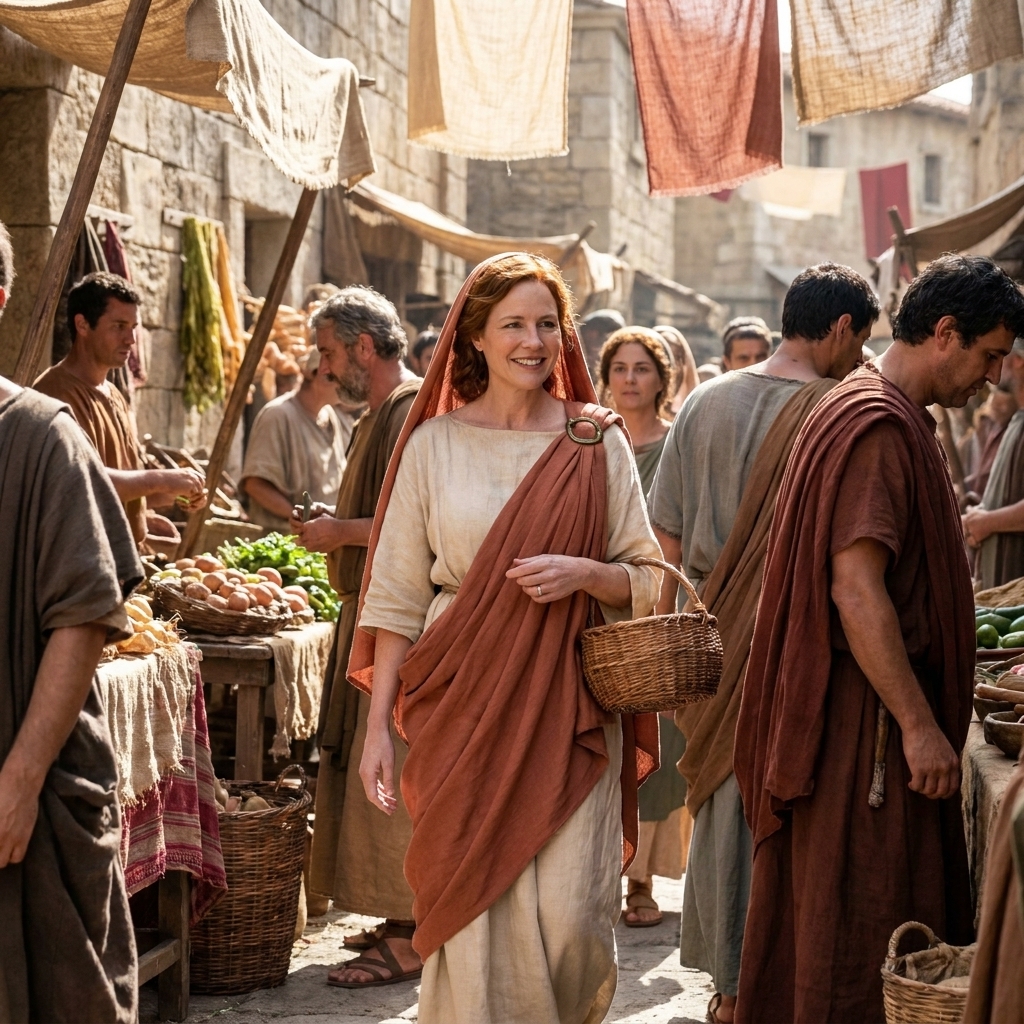
Rome made ancient history feel crowded, sweaty, and political in the most recognizable sense. Instead of marble-clean myth, it gave viewers a city of markets, alleyways, and messy human appetites. It also arrived as a high-cost gamble that helped lay track for later big-ticket historical series to be treated as viable ongoing television, not just occasional spectacles.
- Set design: dense, layered streetscapes that suggest a whole world beyond the frame.
- Costuming: fabric and wear used as class storytelling.
- Concrete example: public rituals and private negotiations share the same physical spaces, so politics feels lived rather than declared.
8) Mad Men (2007)
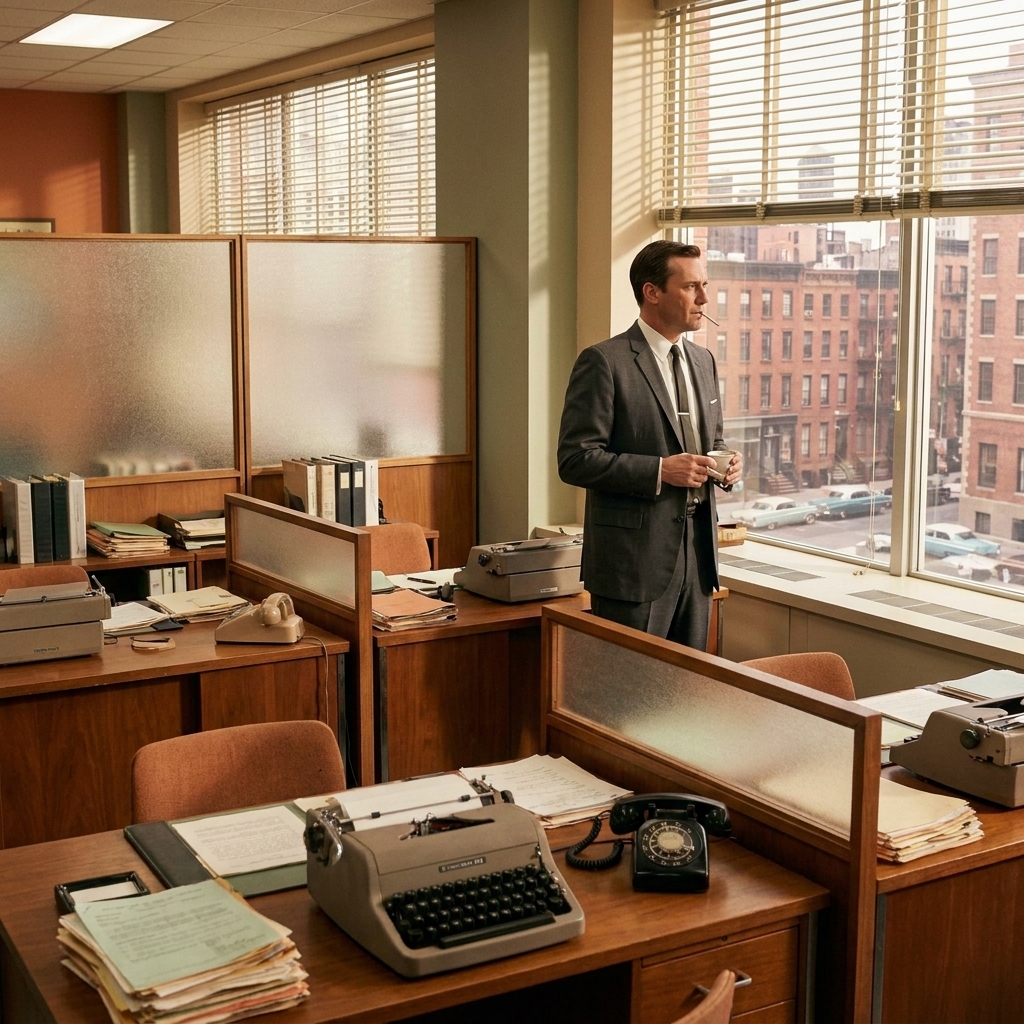
Here is the magic trick: Mad Men turned meticulous mid-century design into moral suspense. You watch the suits, the ashtrays, the office glass, and slowly realize the set is a trap built from taste. Even the title sequence feels like a thesis about surfaces and free fall.
- Production design: period accuracy used to express psychological pressure and social change.
- Cinematography: composed frames that feel like editorial photography, but with emotional undertow.
- Concrete craft tell: the office’s glass walls create constant visibility and constant secrecy, a contradiction the show uses like a metronome.
9) Downton Abbey (2010)
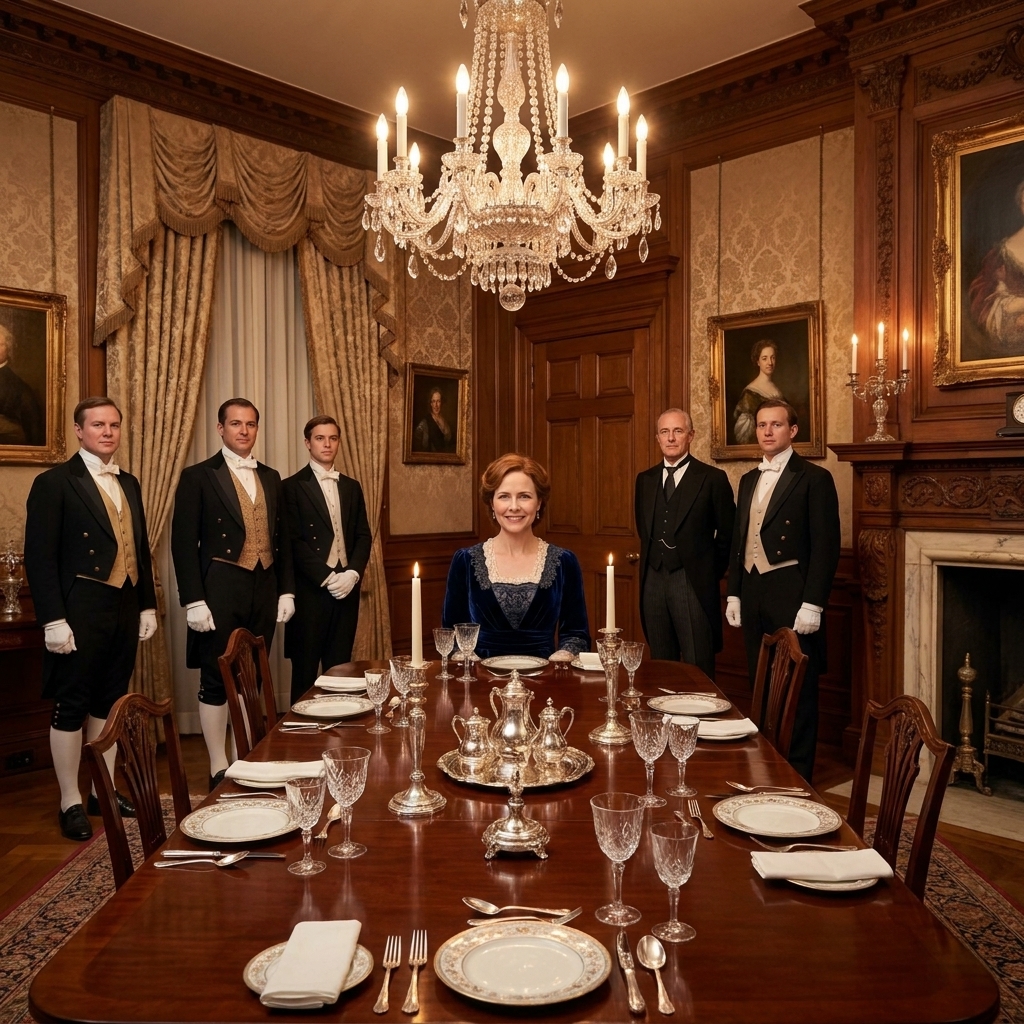
Downton did something rare: it made a deeply class-conscious period drama into a global comfort watch without sanding off the social tensions. Part of the hook is architectural storytelling: upstairs and downstairs as two different genres sharing one address, edited with a rhythm that turns meals, bells, and corridors into plot engines.
- Set design: geography equals hierarchy, and the camera uses staircases like plot devices.
- Prime-time pull: showed audiences would follow a large ensemble across years if every character has a place in the ecosystem.
- Impact: renewed confidence in traditional period drama as an ongoing series, not just limited events.
10) The Americans (2013)
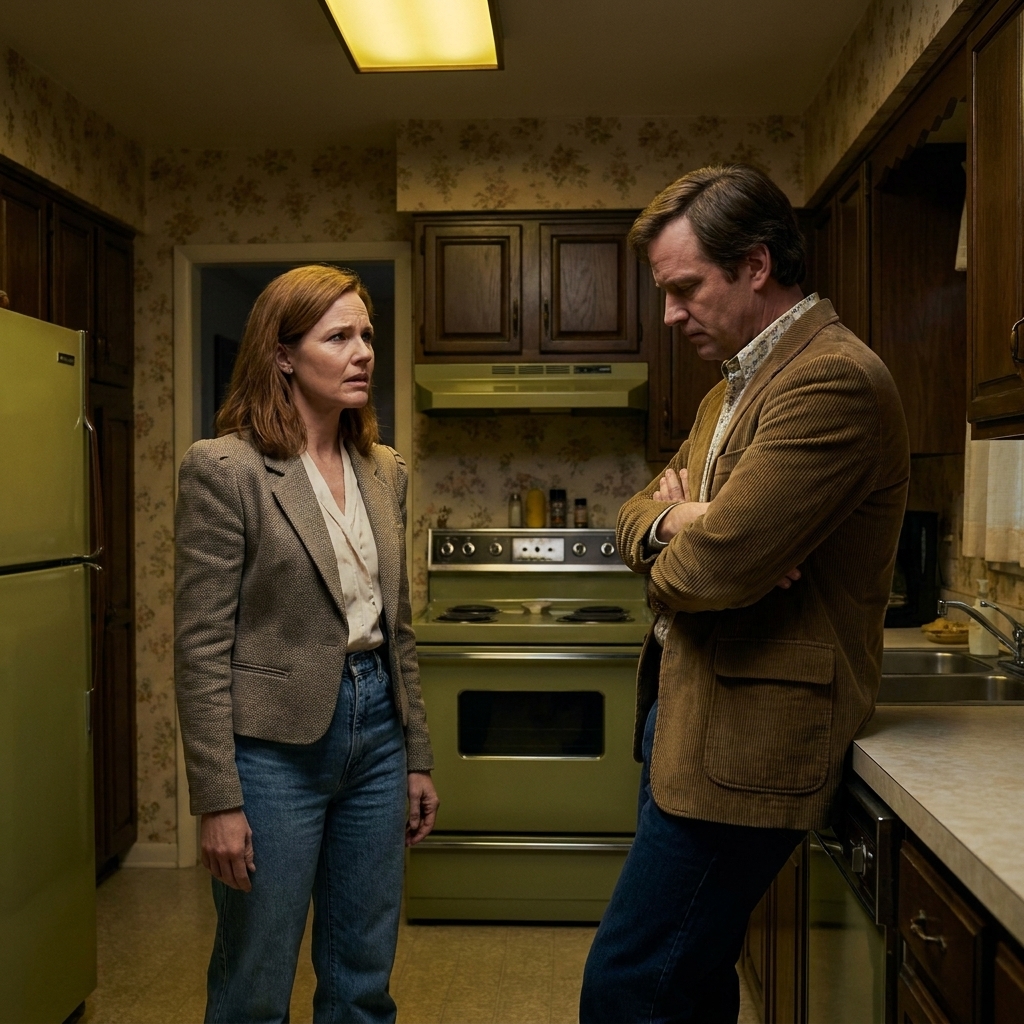
Cold War nostalgia often arrives as neon and needle drops. The Americans chose tension instead: the 1980s as a suburban pressure cooker where domestic routine and espionage share the same kitchen counter. Its period detail is never a wink; it is the air the characters breathe while lying.
- Cinematography: shadowy, controlled frames that keep secrets in the corners.
- Design: period detail is present but never performative, letting the era feel like lived reality.
- Concrete craft tell: disguise work and wardrobe changes are staged as character scenes, not just spy-business logistics.
11) The Crown (2016)
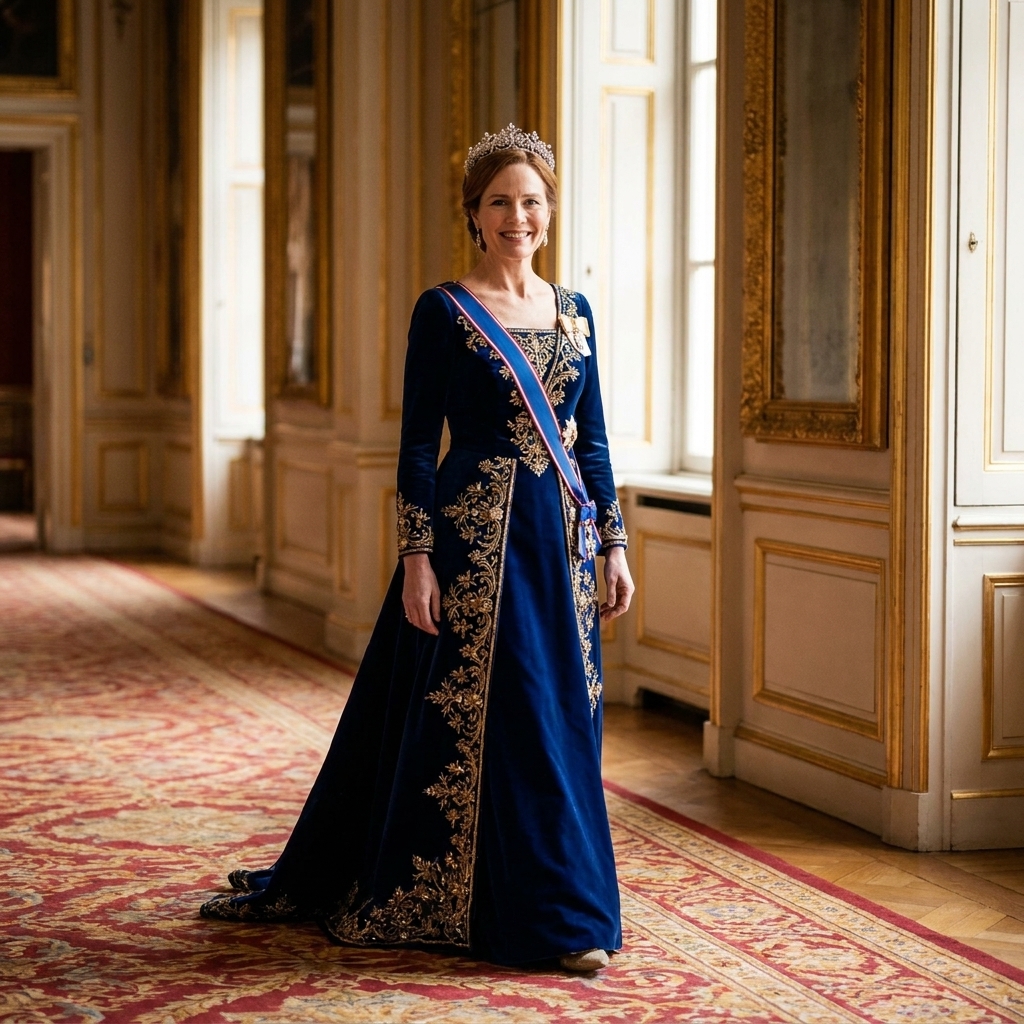
Lavish does not automatically mean meaningful, but The Crown uses polish as a theme. The gleam of palaces, uniforms, and ceremony becomes a visual argument about the cost of public duty and the performance of monarchy. Its scale, widely reported as among the most expensive on television, became part of the show’s cultural footprint.
- Production scale: film-level sets and costumes that raised expectations for what a TV period drama could look like.
- Cinematography: stately compositions that contrast with intimate emotional damage.
- Audience engagement: turned institutional history into bingeable character study, sparking debates about fact, fiction, and responsibility.
12) Chernobyl (2019)
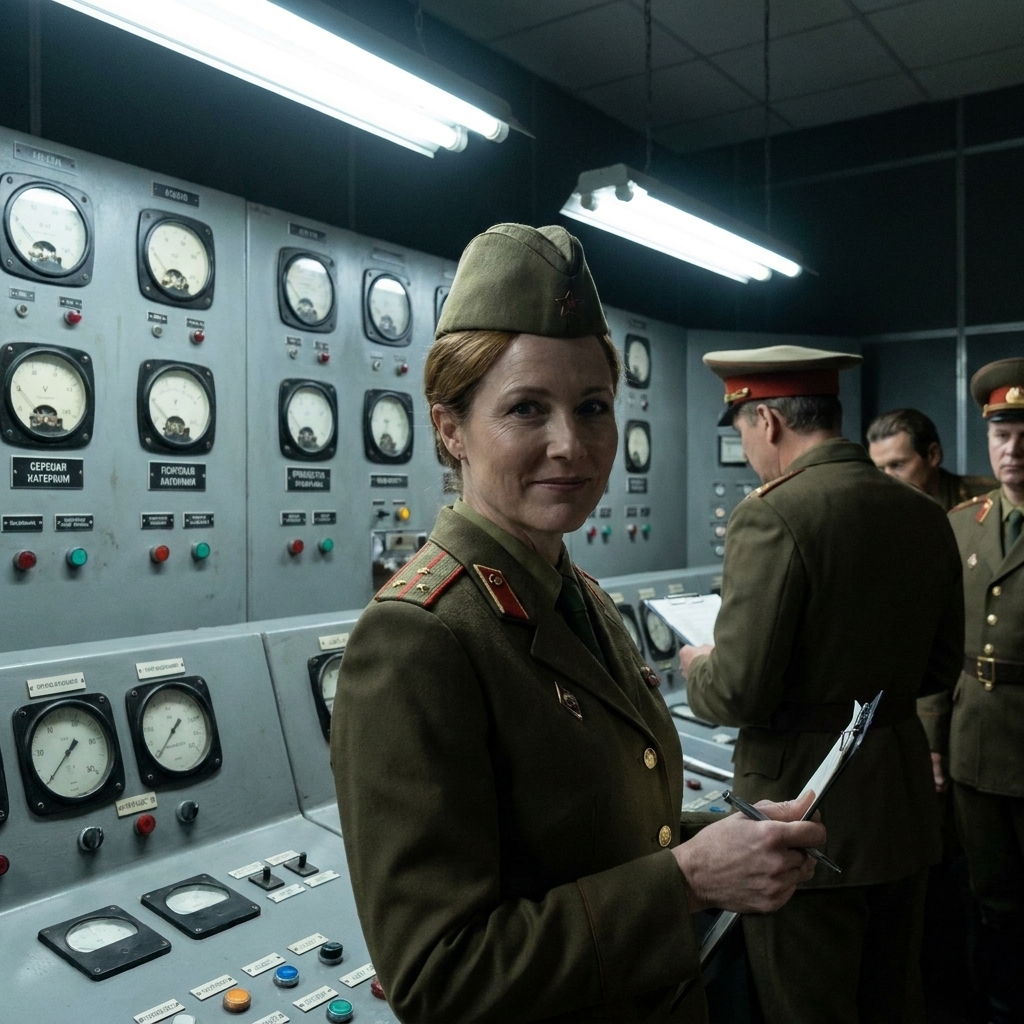
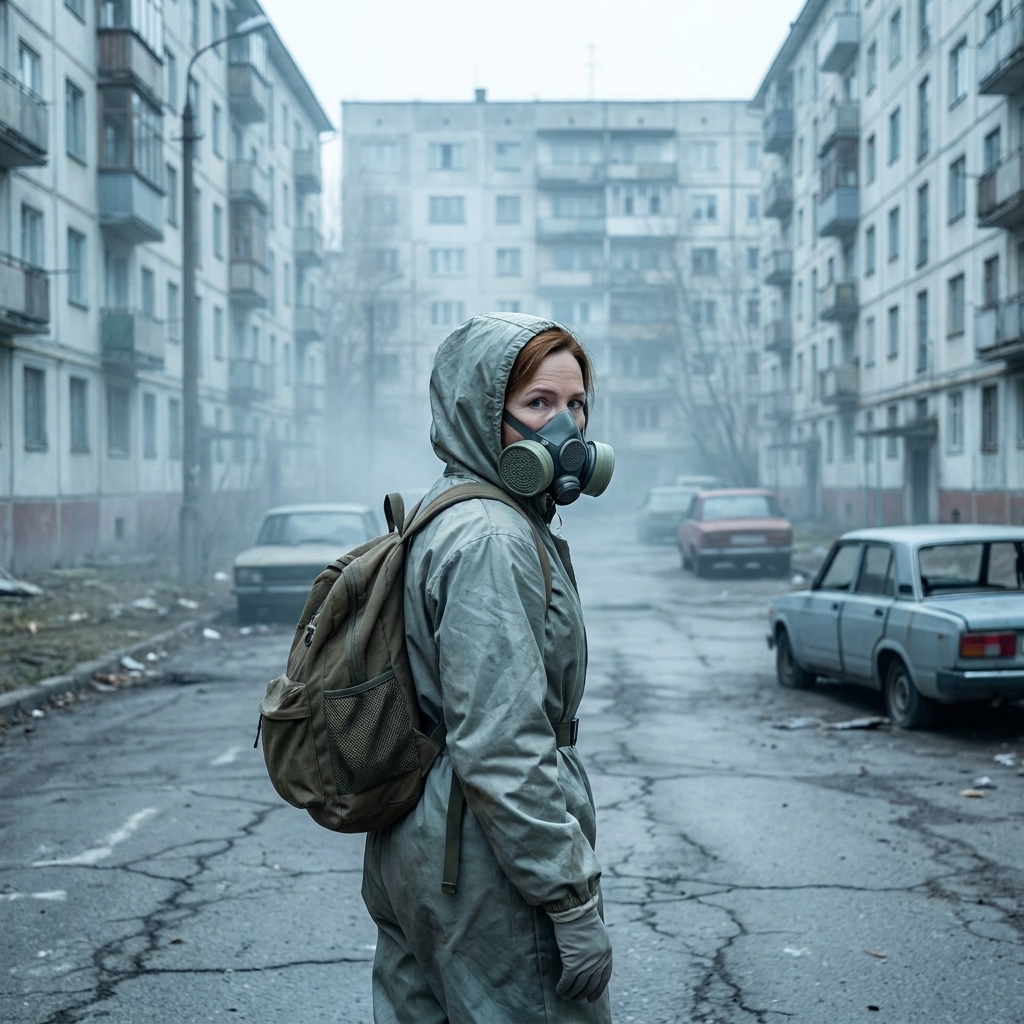
Chernobyl is a masterclass in turning systems into suspense. It takes bureaucracy, denial, and scientific reality and stages them like a horror story where the monster is invisible but measurable. It also helps to say the quiet part out loud: it is rigorous in intent and research-forward in texture, while still using dramatization, composites, and compression in the service of story.
- Design and texture: brutalist interiors, institutional greens, and oppressive ceilings that make the air feel heavy.
- Cinematography: controlled dread through lighting and composition, with images that linger like an alarm you cannot shut off.
- Concrete craft tell: procedural dialogue is staged like action, with maps, meters, and whiteboards treated as life-or-death props.
How these dramas changed craft
Sets as story
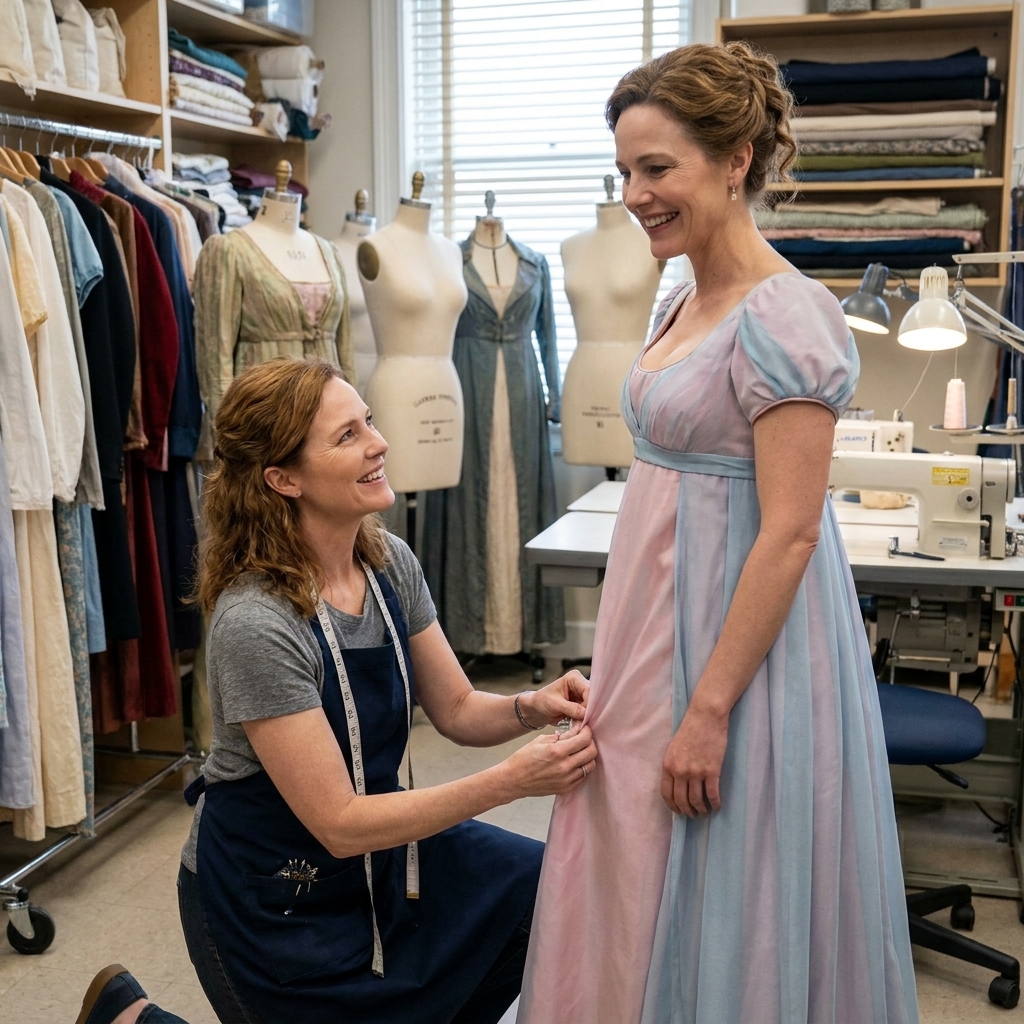
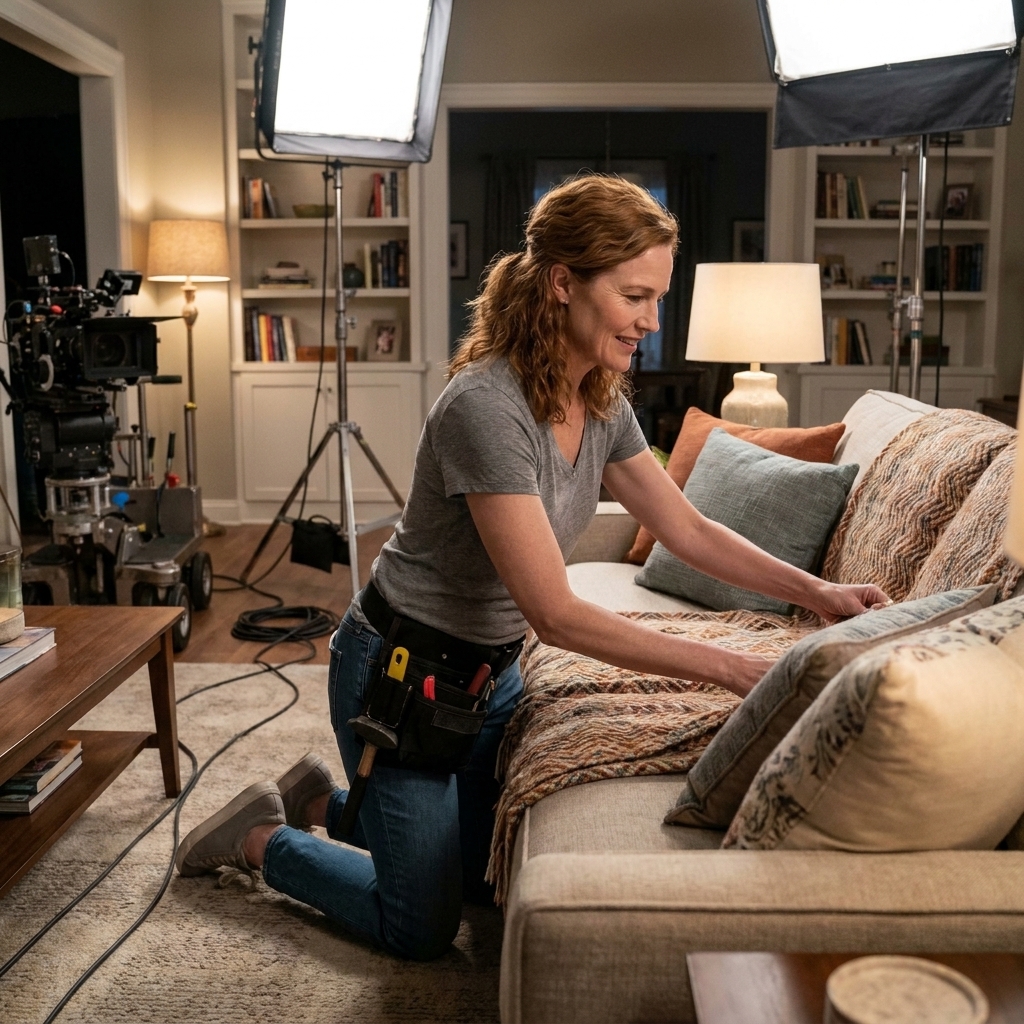
Across these series, sets stop behaving like wallpaper. The palace rooms in I, Claudius compress like a vice. The world of Rome feels populous enough to smell. Mad Men and The Crown use immaculate spaces to show how power curates reality. Deadwood flips the equation, making a town’s filth and improvisation into its political philosophy. When viewers started noticing doorknobs, textiles, and fluorescent buzz, historical drama became a kind of sensory time machine.
How TV learned to look
From Deadwood’s tactile immediacy to Band of Brothers’ battlefield immersion and Chernobyl’s calibrated dread, the camera becomes a storyteller rather than a recorder. Even the quiet elegance of Brideshead signaled that TV could hold a painterly frame and trust audiences to read it.
Trusting the viewer
Roots and The Civil War proved history could be event television. Later, Downton Abbey and The Crown showed that large casts and institutional politics could be comfort viewing and conversation fuel. The common thread is trust: these shows respect the audience’s patience and curiosity, then reward it with emotional clarity.
Quick starters
- If you want political poison in a goblet: I, Claudius, Rome
- If you want immaculate design with sharp teeth: Mad Men, The Crown
- If you want history that lands like a punch: Roots, Chernobyl
- If you want sweeping war storytelling: Band of Brothers
- If you want a slow, gorgeous ache: Brideshead Revisited
- If you want a town built on lies and deals: Deadwood
- If you want espionage as marriage drama: The Americans
- If you want class as an engine, not a theme: Downton Abbey
FAQ
Are these all historically accurate?
Accuracy is a spectrum, and drama is always interpretation. What these series share is seriousness of intent: whether they aim for research-driven realism (Chernobyl, with acknowledged dramatization), emotional truth within a period frame (Mad Men), or a literary lens on history (Brideshead Revisited), they treat the past as consequential, not decorative.
Why include a documentary like The Civil War?
Because it changed television history storytelling in a way scripted series still echo. Its techniques shaped how audiences feel historical narrative on TV, influencing pacing, scoring, and the expectation that history can be binge-compelling even when you already know the ending.
What should I watch first if I think I dislike period dramas?
Try Chernobyl for pure tension, The Americans for character-first suspense, or Mad Men for a workplace drama that quietly turns into a cultural earthquake.
One last note from someone who reads the whole playbill: the best historical dramas do not merely recreate costumes and furniture. They recreate choices. They let us watch people improvising their lives inside forces they cannot control, and then they ask us, gently and sometimes brutally, to notice the forces we are living inside now.