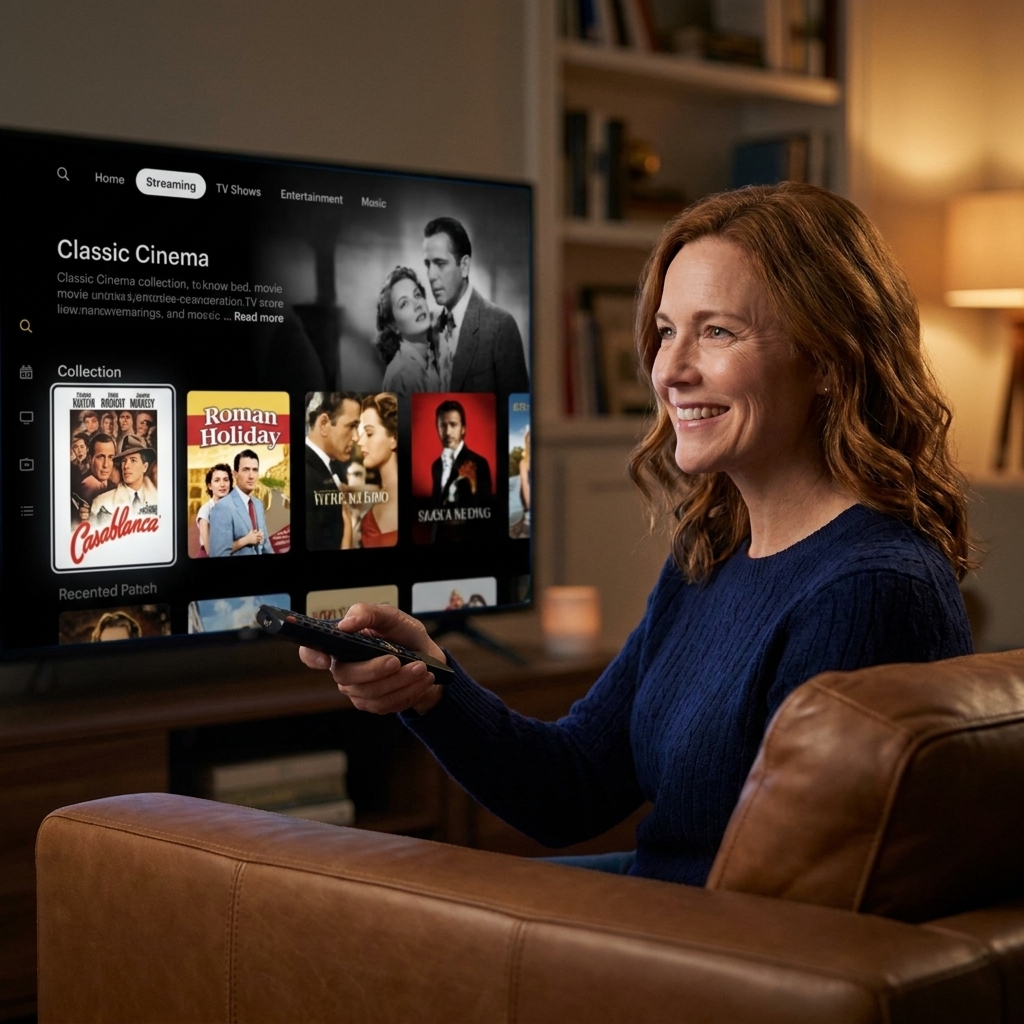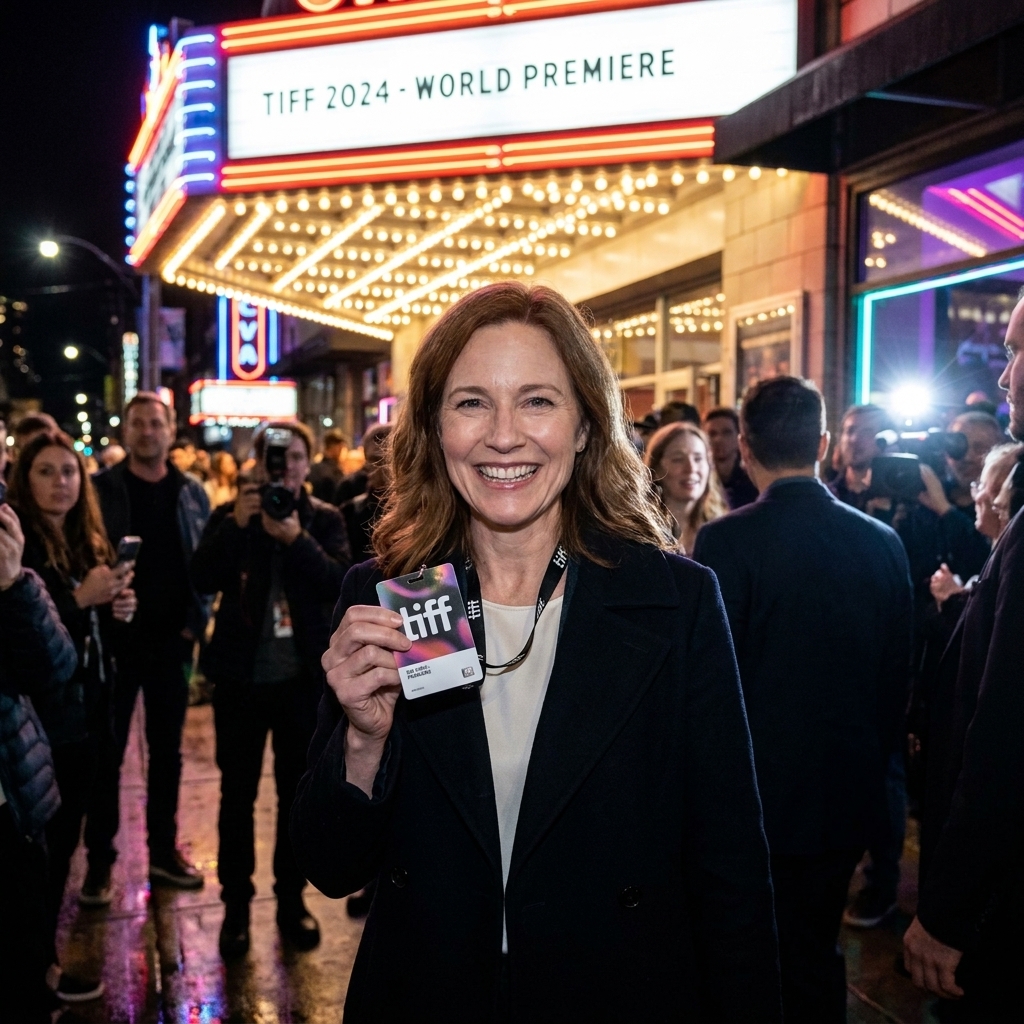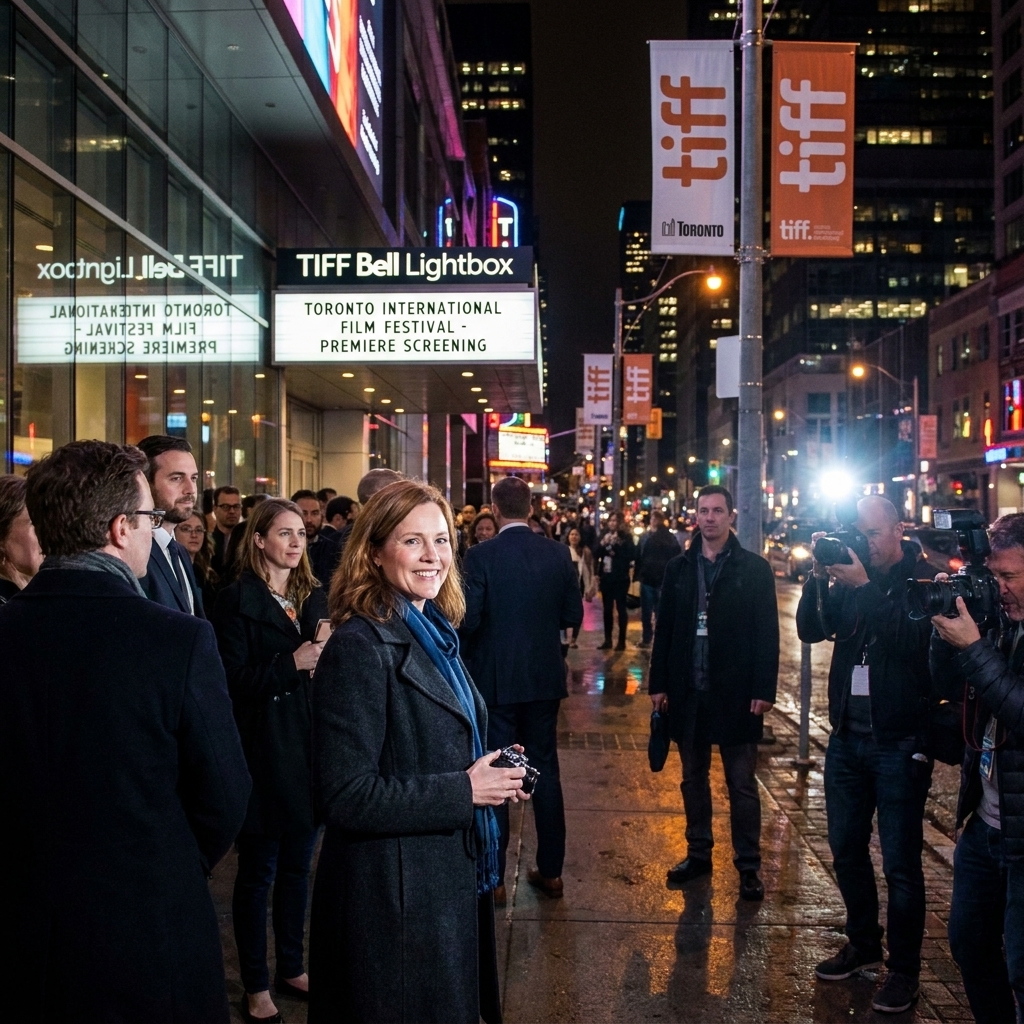
Not long ago, movie distribution had the comforting predictability of a well-run stage manager: wide theatrical release, a long exclusive run, then home video, then premium cable, then maybe streaming. Today, the call sheet looks different every week. A film might premiere at a festival , pop into a handful of theaters for a qualifying run, hit premium VOD while the marketing is still warm, and show up on a streaming homepage in time to become your Sunday night plan.
The big shift is not “streaming versus theaters” so much as streaming and theaters negotiating new terms. Studios are treating theatrical like an event tool rather than the default. Streamers are treating theaters like a prestige amplifier rather than a rival. And audiences are voting with their wallets, their time, and their tolerance for leaving the couch.
The new release window
The “theatrical window” used to be a protected stretch where a movie could only be seen in cinemas. That exclusivity helped theaters thrive and gave studios time to build word of mouth. Now, windows are shorter and more flexible. In the U.S., for many mainstream titles, the exclusive period commonly falls somewhere in the roughly 17 to 45 day range, with wide variation depending on studio, franchise, and performance.
One practical example: Universal has often operated with a tiered approach widely reported in the trade press, where some titles become eligible for PVOD earlier (often discussed in the 17-day neighborhood for lower openers, closer to a month for stronger debuts). By contrast, true tentpoles that keep filling premium screens often hold theatrical longer because the math still works. Recent standout runs like Top Gun: Maverick and Avatar: The Way of Water are reminders that when a movie plays like a long-distance runner, the industry still lets it run.
Why windows are shrinking
- Marketing is expensive. Studios want the ad spend to carry across platforms, not restart for each phase of release.
- Audience habits changed. A sizable portion of moviegoers will wait if they think a home option is close.
- Franchise films are front-loaded. Many big titles make a large portion of their total gross early, making a long exclusive run less essential.
The upshot is that theatrical exclusivity is increasingly treated like a premium benefit you earn through performance. If a film is holding strong, it can stay exclusive longer. If it is sliding, the next platform arrives sooner.
Day-and-date releases
Day-and-date releases, where a film debuts in theaters and on streaming the same day, had a moment that felt like an inevitability. Then the industry watched what happened. In many cases, the model can soften theatrical grosses, exhibitors and some analysts argue, and theaters pushed back. Studios were also reminded that “available everywhere” can sometimes translate to “urgent nowhere.” Warner Bros.’ 2021 day-and-date experiment, born from pandemic conditions, became the most cited case study in the trade press for how complicated the trade-off can be.
In the past few years, day-and-date has settled into a narrower lane. It tends to show up most often with:
- Smaller dramas and adult-targeted films that may struggle for screens in a crowded marketplace
- Genre titles where at-home viewing is a feature, not a compromise
- Films positioned as streaming drivers where subscriber value matters more than ticket sales
The trade-off
Day-and-date can be great for access and buzz, but it can also dilute the idea of theatrical as the “must-see” version. For theaters, it is like trying to sell a live performance when a high-quality taping is available at the same time. For some titles, that is fine. For others, it changes the entire psychology of the purchase.
What’s working at the box office
Box office is no longer a single story about “movies are up” or “movies are down.” It is a story about which kinds of releases still create gravity.
Event movies still win
Big, social-viewing-friendly films still benefit massively from a theatrical-first approach, especially when the movie is designed for scale. The communal factor matters. You feel it in the laugh timing, the collective gasp, the end-credit chatter where strangers briefly become colleagues.
Mid-budget films are fighting for oxygen
Here is where distribution choices get thorny. Mid-budget thrillers, romantic comedies, and adult dramas used to be reliable theatrical staples. Now, they often face a tough choice: go theatrical and risk being squeezed by tentpoles, or go streaming and risk becoming background noise.
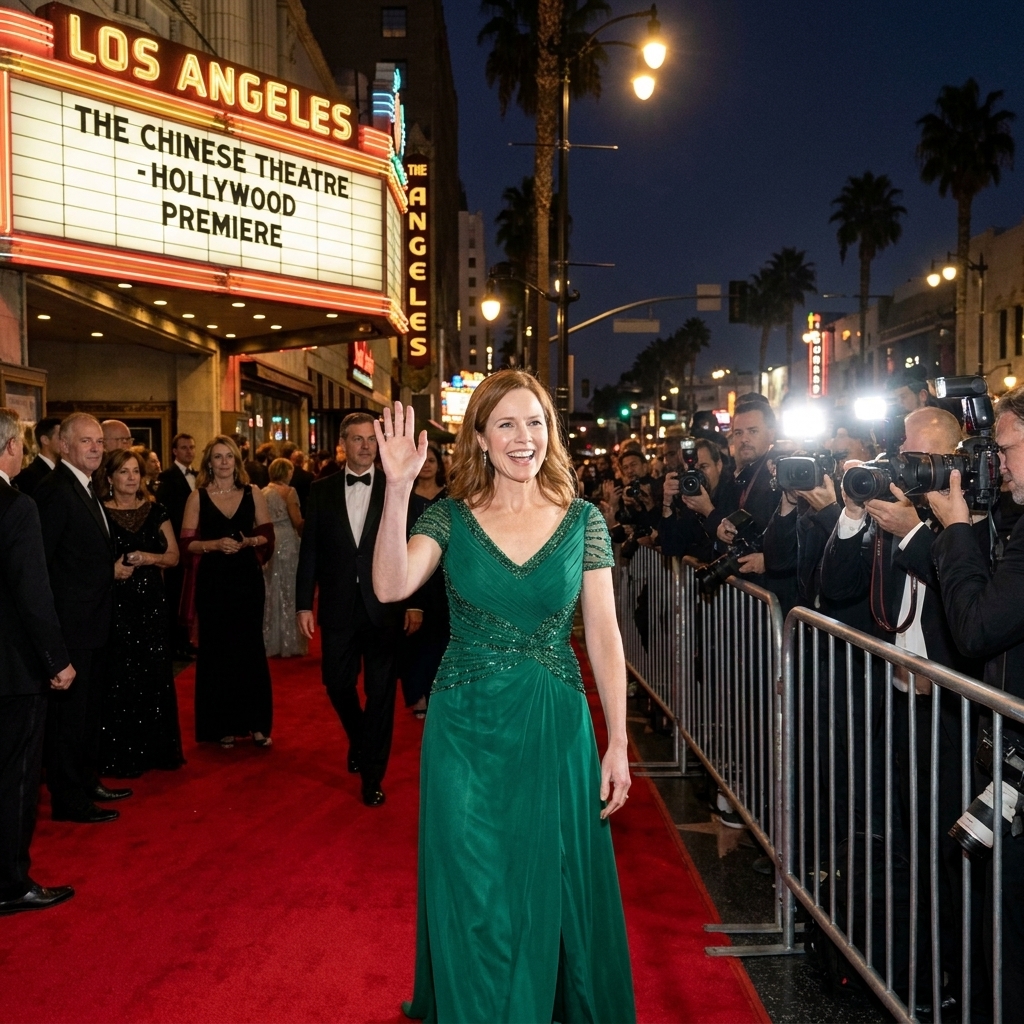
As a result, we are seeing more targeted theatrical releases that start limited, build reviews and word of mouth, then expand if the audience shows up. It is the platform-release strategy reinvented for an era where streaming is always waiting in the wings. A common awards-season pattern also fits here: a short qualifying theatrical run to spark reviews and credibility, followed by a faster move to home viewing where the audience actually lives. Netflix, for instance, has frequently used theatrical runs for prestige titles to build critical conversation and awards eligibility before the films settle into their streaming afterlife.
Premium VOD
Premium VOD, where new releases are rented at a higher price shortly after or alongside theatrical, has become one of the most consequential pieces of the distribution puzzle . It caters to families, friend groups who would rather host than commute, and anyone who likes pausing for snacks without missing dialogue.
A quick distinction, since the labels blur in conversation:
- PVOD is typically a higher-priced rental (often around $19.99 to $29.99 in the U.S.) shortly after theatrical.
- SVOD is “included with subscription” streaming.
- EST is an electronic sell-through purchase (digital ownership), usually priced separately from rentals.
Why PVOD keeps growing
- It can be lucrative per transaction, especially for films that might not break out theatrically
- It may reduce piracy pressure for some titles by offering a convenient legal option sooner, though evidence is mixed and results vary by market and genre
- It extends the marketing moment while the film is still culturally present
For theaters, PVOD can feel like competition. For some audiences, it is a different product entirely. The industry is still figuring out how to price that difference honestly without training viewers to wait.
Streaming’s role now
Streaming platforms are still hungry for fresh titles, but several major platforms have moved away from a pure volume approach since 2023 and into 2024. Instead, they are emphasizing:
- Fewer, louder releases with clear marketing hooks
- Films that drive retention, meaning people stay subscribed after watching
- Prestige positioning, where awards and critical conversation matter
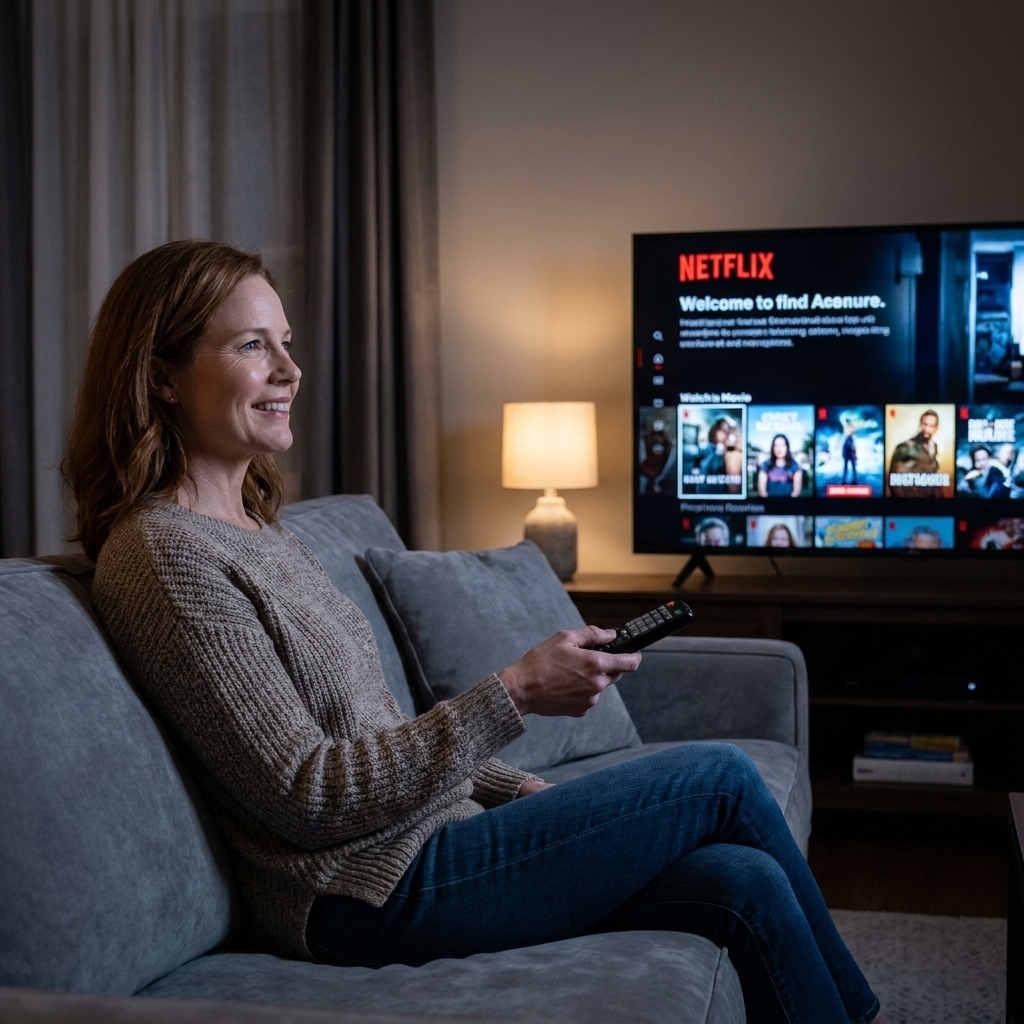
It also helps to remember that “streaming” is not one thing. Subscription streaming (SVOD) plays differently from ad-supported streaming (AVOD), and licensing versus originals changes the incentives again. The strategy behind the tile matters as much as the tile itself.
That prestige push has brought theaters back into the picture. A theatrical run can signal seriousness, encourage reviews, and help a film feel like an occasion rather than another rectangle in an endless grid.
Why theaters still matter
I am biased in the way anyone raised backstage is biased: I love the room where the art happens. But there are practical reasons theaters remain essential.
Theatrical builds brands
A theatrical release can make a film feel legitimate in the cultural conversation. It gives it a timeline, a sense of arrival. Even people who do not buy tickets often treat theatrical as the moment a movie becomes “real.”
Exclusivity pays the bills
The exhibitor math is not mysterious, just unforgiving. Ticket revenue is shared, concessions keep the lights on, and premium formats like IMAX and Dolby Cinema help theaters make the business case for a night out. A period of exclusivity concentrates demand into weekends, and weekends are the heartbeat of the whole operation.
More revenue lanes help risk
Multiple release phases can mean multiple revenue streams. When the system works, it supports riskier choices, like originals and auteur-driven projects. When everything funnels into one platform, the pressure to chase only the broadest tastes can intensify.
The crowd changes the film
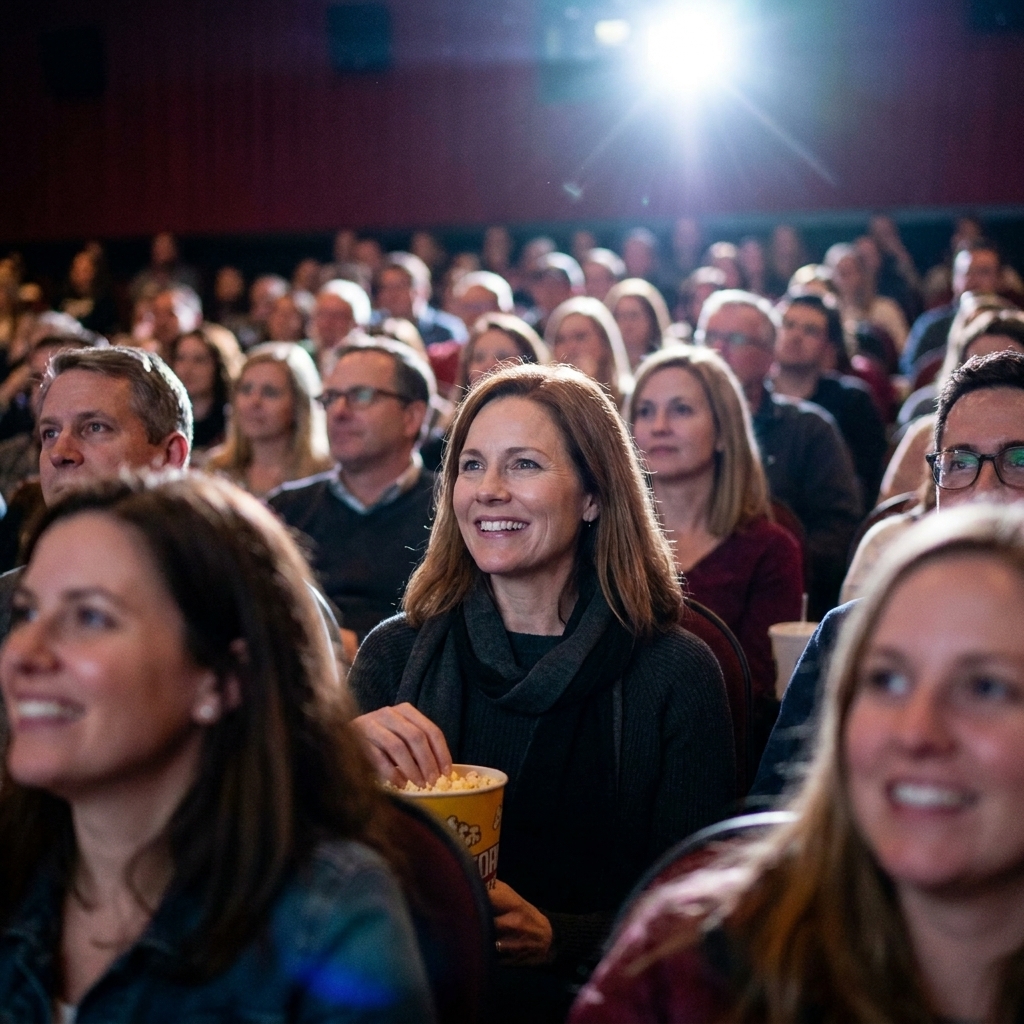
Comedies land differently with a crowd. Horror becomes a shared endurance test. Dramas feel more intimate when you cannot check your phone without someone noticing. The theater is not just a screen. It is a social contract.
How strategies are chosen
Distribution decisions used to follow a more standardized playbook. Now they look like a set of sliding scales. Studios and streamers are weighing:
- Audience profile: Is this a date-night ticket, a family outing, or a solo watch?
- Format appeal: Does it benefit from IMAX, premium sound, or spectacle?
- Star and director draw: Can the name alone open a film?
- Awards goals: Does a theatrical run strengthen its campaign credibility?
- Competitive calendar: What else is landing that weekend?
- Long-tail potential: Will it keep finding viewers for months on streaming?
The most telling pattern is that studios are increasingly comfortable with hybrid thinking. The question is no longer “theaters or streaming?” It is “what order, what window, and what promise are we making to the audience?”
Underneath that is the exhibitor reality. Big chains and independents alike depend heavily on weekend momentum and premium formats, and they are protective of exclusivity when it drives attendance. That tension is part business, part psychology, and it shows up in every negotiation about windows.
What it means for viewers
For audiences, the distribution shake-up brings genuine benefits, plus a little confusion.
The good news
- More home access. People outside major cities can see more films closer to release thanks to faster PVOD and streaming availability, even when theatrical runs are limited.
- More options. You can choose the premium big-screen experience or the at-home version without waiting months.
- More discovery. Smaller films can break through via streaming buzz even if their theatrical footprint is brief.
The tricky part
- It is easier to miss movies. A short theatrical run can vanish before word of mouth catches up.
- Fewer default movie nights. When theatrical is reserved for events, casual moviegoing can shrink.
- Fragmentation fatigue. Viewers are juggling subscriptions, rentals, and exclusives.
What to watch next
If the current era has a theme, it is precision. Theatrical releases are being treated like spotlights, not floodlights. Streaming premieres are being treated like tentpoles, not leftovers. And the middle space, limited runs plus quick PVOD plus eventual streaming, is where a huge amount of the industry’s experimentation is happening.
Expect more movies to take a “right-sized” path. A giant spectacle can still own the multiplex for weeks. A quiet character piece might do a curated theatrical rollout to build credibility, then find its audience at home. Neither route is inherently noble or cynical. The craft deserves respect in both. The question is whether the strategy gives the film a real chance to be seen, not merely uploaded.
One note on geography: release windows and platform timing vary significantly outside the U.S., shaped by local distributors, regulations, and market norms. If you feel like you are living in a different timeline than the headlines, you probably are.
FAQ
Are theaters going away?
No. But the theatrical business is increasingly anchored by event films, premium formats, and strong opening-weekend momentum. Theaters are also leaning into amenities, memberships, and programming that makes moviegoing feel special again.
Why do some films hit streaming so fast now?
Shorter windows let studios capitalize on marketing while a film is still top-of-mind. If a movie is not holding strongly in theaters, moving it to PVOD or streaming can be a way to find the audience faster.
Is day-and-date bad for movies?
Not automatically. It can be great for accessibility and for films that benefit from immediate at-home availability. But it can reduce the urgency of a theatrical trip, which matters for box office and for the cultural event feeling.
What is PVOD, exactly?
Premium video on demand is a higher-priced rental option that arrives close to a movie’s theatrical release, often priced around $19.99 to $29.99 in the U.S. It is aimed at viewers willing to pay extra to watch at home while the film is still new.