
There is a particular thrill to independent film and documentaries that the algorithm cannot fake. It is the risk in the frame, the specificity of a voice, the feeling that you are watching something made by real people in real rooms with real stakes. The good news is 2024 has no shortage of places to find that work. The slightly chaotic news is that it is spread across a lot of apps.
One quick definition, just so we are watching the same movie: here, “indie” means independent and art-house leaning films, often festival-circuited, international, or made outside major studio machinery. Sometimes that overlaps with classics, sometimes it overlaps with microbudget debuts. The common thread is voice.
Below are 10 of the best streaming platforms for indie films and documentaries, chosen for how strong their catalogs are and how much value you get for the subscription. Think of this as your playbill, neatly tabbed, with a few personal notes in the margins.
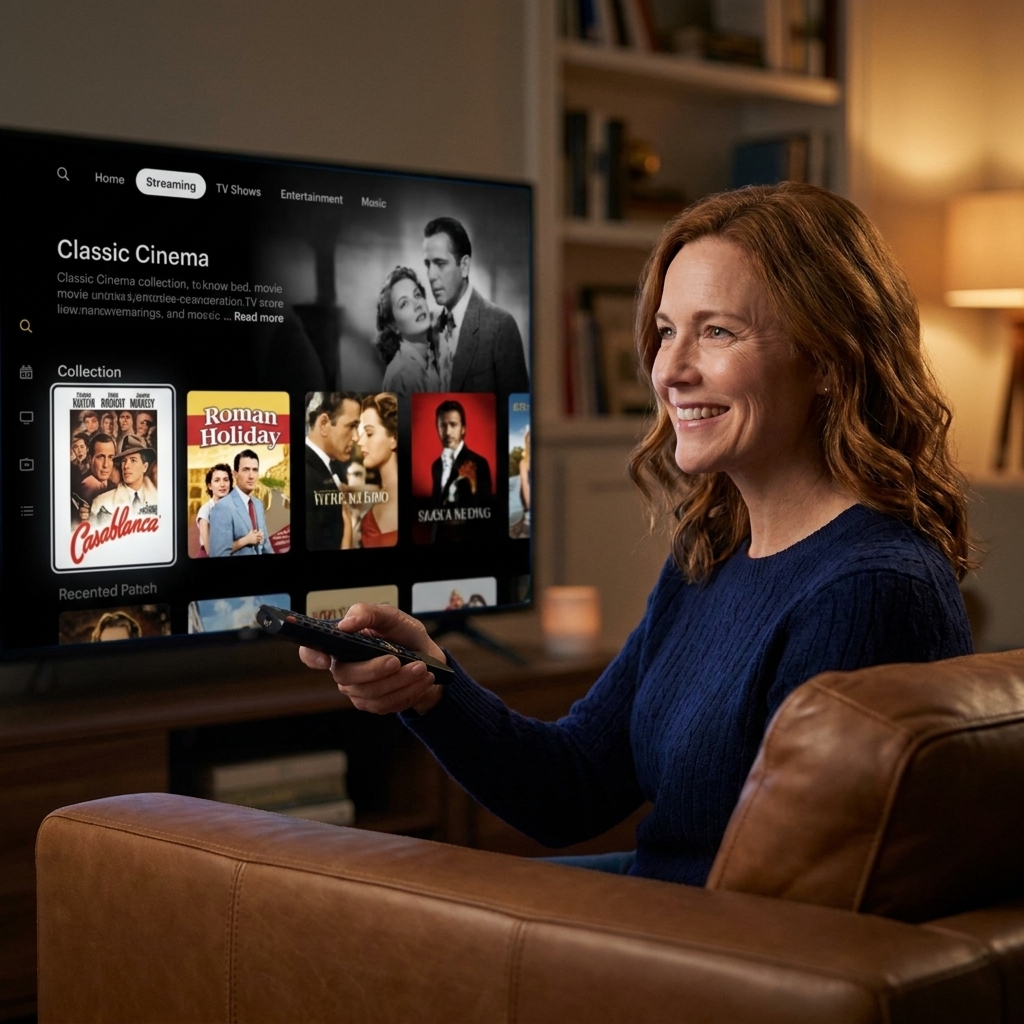
How I weighed it
Indie and doc streaming is less about having everything and more about having the right everything. For each service, I considered:
- Catalog depth: How expansive the library feels over time, including back catalog and rotation.
- Curation: Are collections thoughtful, or is it a warehouse with a search bar?
- Documentary strength: Breadth of subjects, plus the kind of formal experimentation that keeps nonfiction exciting.
- Subscription value: Price relative to quality and how often you will realistically press play.
- Film discovery: Does it introduce you to filmmakers, movements, and festivals you would not otherwise find?
- Viewing logistics: Is it a standalone app, a channel add-on, or tied to a library or station?
1) The Criterion Channel
Best for: cinephiles who love context, restoration, and the joy of a well-built double feature.
How you watch: standalone subscription app.
If you grew up reading liner notes and staying through the credits, Criterion Channel feels like home. The catalog leans classic and canonical, but it is never dusty. Rotating series, filmmaker spotlights, and themed collections make discovery feel guided rather than gamified.
- Catalog size: Deep, curated rotation rather than an endless dump.
- Documentaries: Strong in film history, cultural nonfiction, and essential auteurs.
- Value note: Worth it if you watch even a few films a month because the programming is premium.
2) MUBI
Best for: adventurous viewers who like a little mystery and a lot of international cinema.
How you watch: standalone subscription app (availability and catalog vary by country).
MUBI is the cool repertory theater friend who texts you, “Trust me,” and is usually right. Its signature approach, a curated selection that rotates, makes the platform feel alive. You will find festival favorites, daring debuts, and films that ask you to meet them halfway.
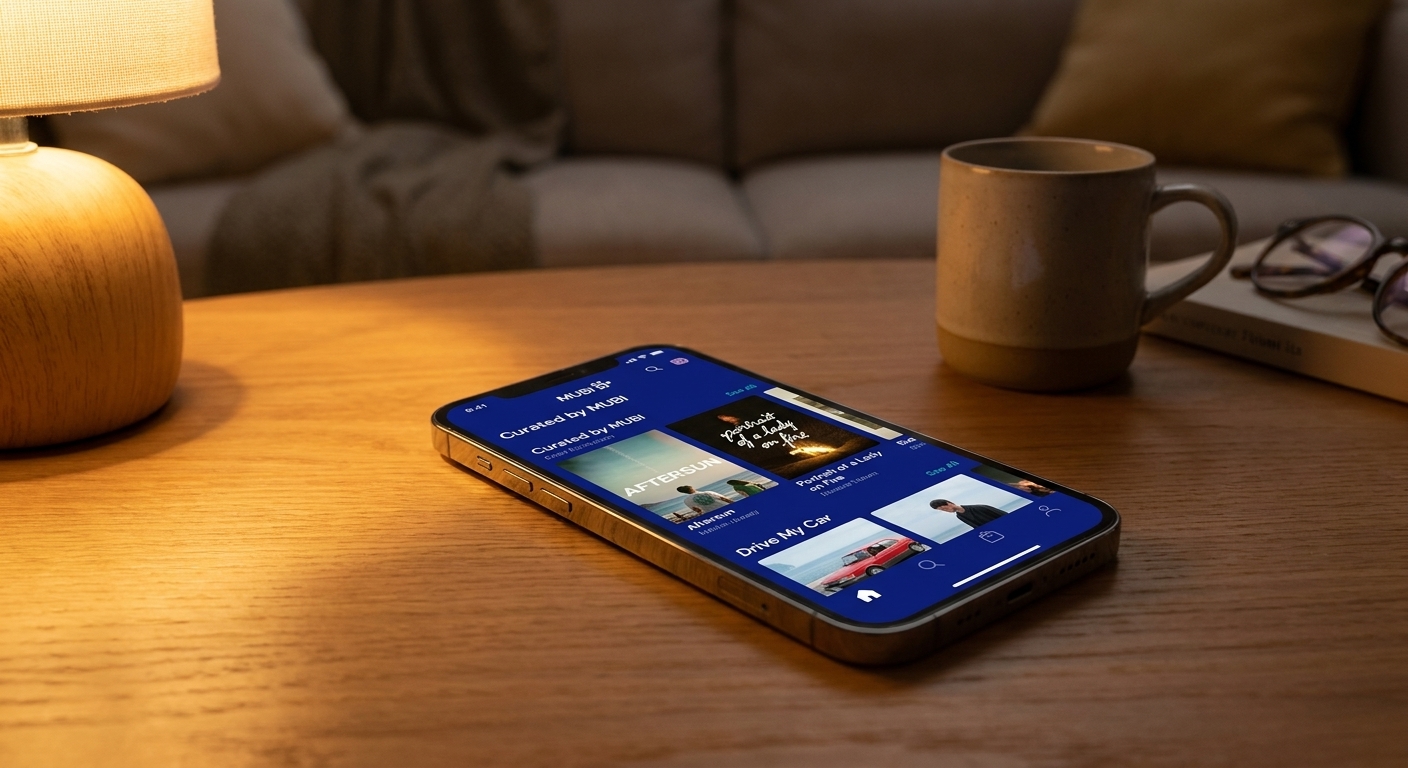
- Catalog size: Smaller than the mega-streamers, but densely curated.
- Documentaries: Selective, often art-forward and director-driven.
- Value note: High value if you want curation to do some of the work for you.
3) Kanopy
Best for: library card holders and students who want indie and doc essentials without another bill.
How you watch: free via participating public libraries or universities (catalog and monthly limits vary by system).
Kanopy remains one of the best-kept not-a-secret secrets in streaming, largely because many people can access it free through a public library or university. The catalog tends to be intelligent and substantial, with plenty of documentaries, classic cinema, and contemporary indies.
- Catalog size: Surprisingly robust, depending on your library’s participation and licensing.
- Documentaries: A major strength, including educational and festival-friendly titles.
- Value note: Hard to beat “free,” even with monthly viewing limits in some systems.
4) Hoopla
Best for: documentary dabblers and indie viewers who also love audiobooks, comics, and music.
How you watch: free via participating libraries (borrowing limits and catalogs vary by system).
Hoopla is another library-powered gem, and its value comes from versatility. Film selection varies, but documentaries are often plentiful, and the ability to borrow across media makes it feel like a whole cultural buffet.
- Catalog size: Variable by library system, but frequently broad.
- Documentaries: Solid, especially for general-interest and topical viewing.
- Value note: Excellent if you want a multi-format library experience in one place.
5) OVID
Best for: serious documentary lovers and art-house devotees who want global, director-led nonfiction.
How you watch: standalone subscription app (and sometimes via partner bundles, depending on region).
OVID is the kind of platform that makes you sit up a little straighter, in the best way. It has a reputation for curating rigorous work: international documentaries, independent features, and films that play like essays. If you like cinema that converses with literature, politics, and art history, this one belongs on your home screen.
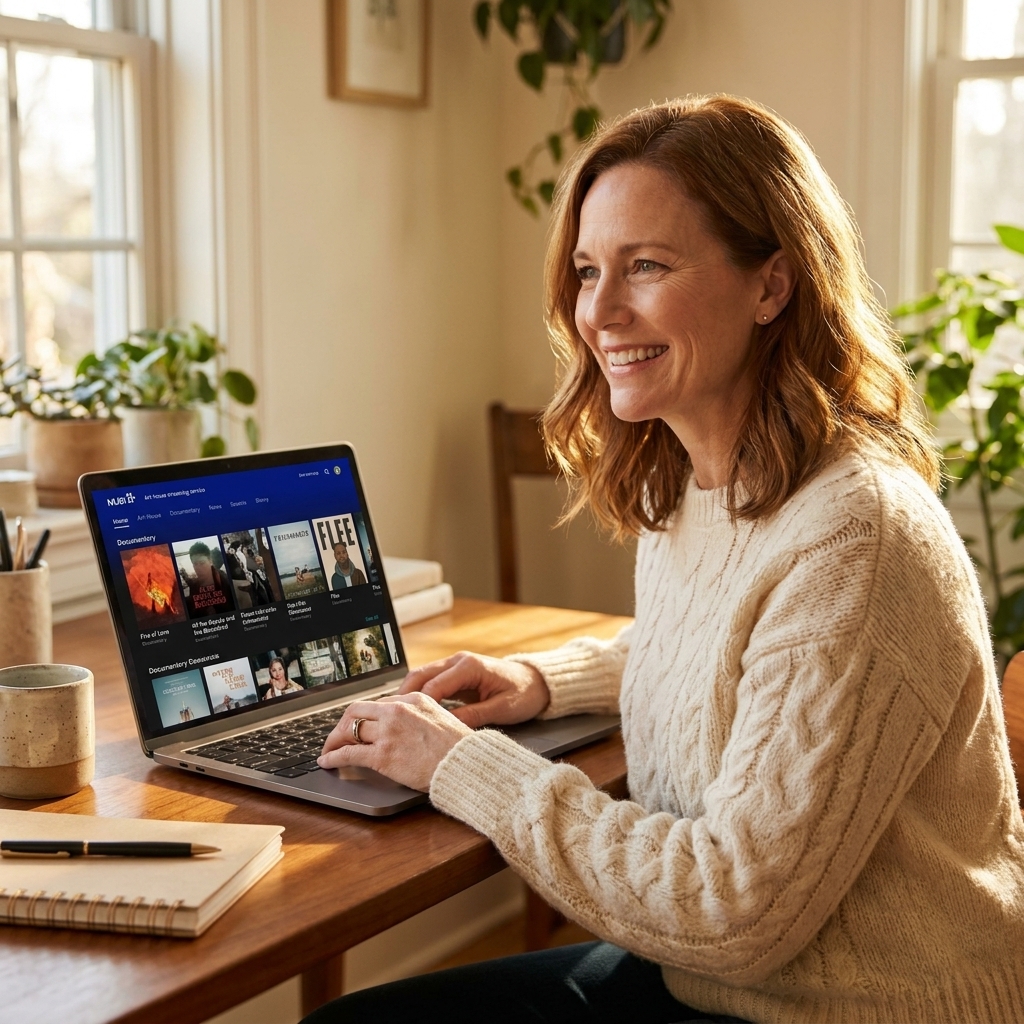
- Catalog size: Modest compared to mainstream platforms, but highly focused.
- Documentaries: A standout strength, with challenging and rewarding titles.
- Value note: Best value for viewers who want depth over breadth.
6) Kino Film Collection
Best for: viewers who want smart, modern documentaries and indie-minded series.
How you watch: typically as an add-on channel through major TV platforms (availability and branding can vary by device and region).
If you miss Topic, consider this a good place to look next. Topic wound down as a standalone service, and Kino Lorber has been expanding its documentary-forward programming through the Kino Film Collection channel. Not every title maps one-to-one, and lineups rotate, but the sensibility is familiar: contemporary, globally minded, and craft-forward, with a taste for work that feels curated rather than mass-produced.
- Catalog size: Compact, curated selection.
- Documentaries: Strong in current-affairs, cultural stories, and filmmaker-driven nonfiction.
- Value note: Great if you want fewer options and a higher hit rate.
7) PBS Documentaries (PBS Passport)
Best for: nonfiction fans who trust public media storytelling.
How you watch: Passport access through participating local PBS stations (catalog varies by station and by rights windows).
PBS has long been a steady hand in the documentary world, and Passport extends access to a range of documentaries and series that emphasize reporting, craft, and clarity. It is not the place for shock-value programming. It is the place for patient, well-built storytelling.
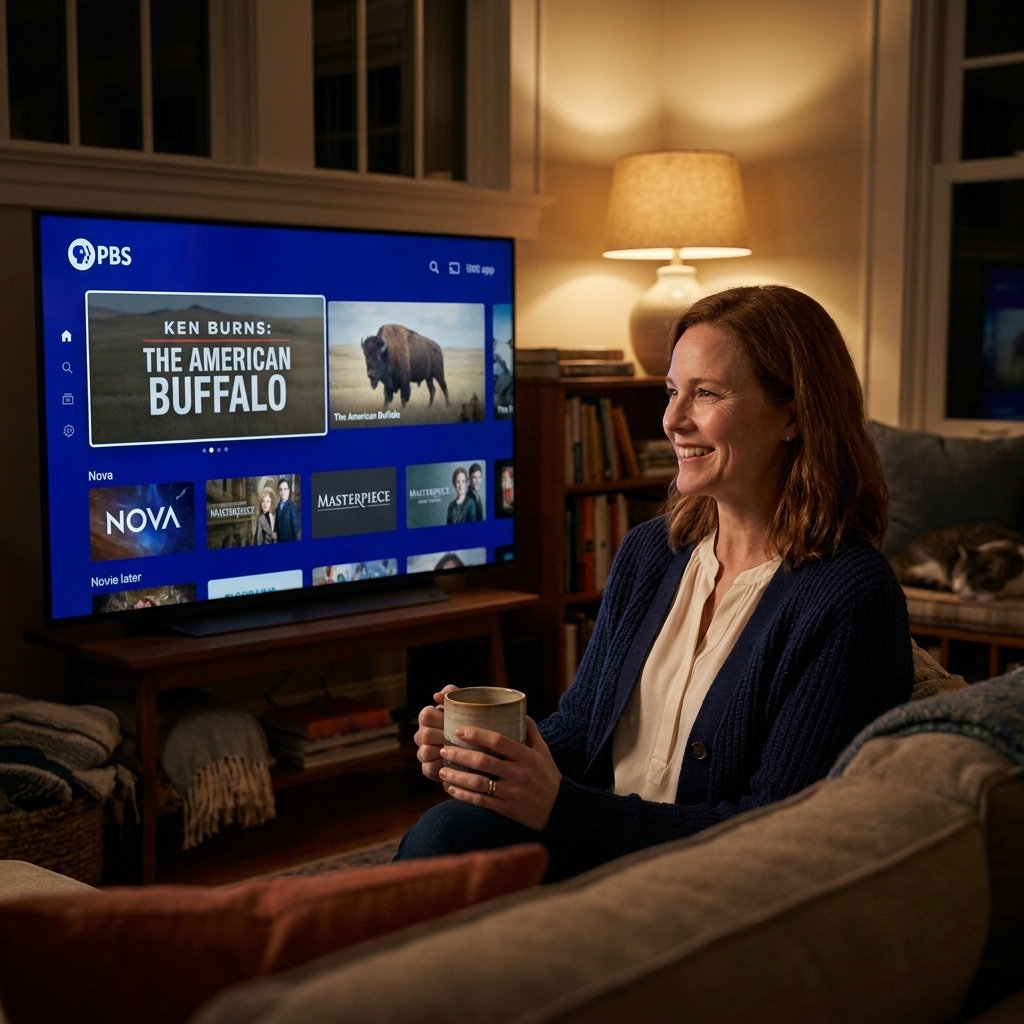
- Catalog size: Strong within public media lanes, with deep series libraries.
- Documentaries: Reliable, varied, and often conversation-starting.
- Value note: Excellent if you already support your local station or want to, with the small caveat that some favorites come and go.
8) Curiosity Stream
Best for: science, nature, history, and learning-forward documentary viewing.
How you watch: standalone subscription app (often priced lower than most entertainment streamers).
Curiosity Stream is less “festival doc afterparty” and more “smart Sunday morning.” If your documentary appetite leans toward space, wildlife, engineering, ancient civilizations, or the kind of history that makes you pause and open a second tab to read more, the value is very real.
- Catalog size: Large for its niche, with a steady pipeline of factual programming.
- Documentaries: Strong in STEM, history, and nature genres.
- Value note: Often one of the most affordable subscriptions in the doc space.
9) ARTE (ARTE.tv)
Best for: European documentaries, arts programming, and curious viewers who do not mind subtitles.
How you watch: free streaming where available, with geo-restrictions and many titles offered for limited time windows.
ARTE is a public cultural broadcaster based in France and Germany, and its streaming offerings can feel like stumbling into a beautifully programmed museum theater. Availability varies by region and title, but if you can access it, you will find terrific arts coverage, documentaries, and current affairs with a distinctly European editorial eye.
- Catalog size: Rotating selection with strong editorial choices.
- Documentaries: Excellent for arts, culture, society, and international topics.
- Value note: High value when it is available to you, especially because much of it can be streamed free within its supported regions.
10) Sundance Now
Best for: festival energy at home, with a lean toward indie storytelling and true-crime-adjacent series.
How you watch: standalone subscription app (and sometimes bundled through partner offerings, depending on platform).
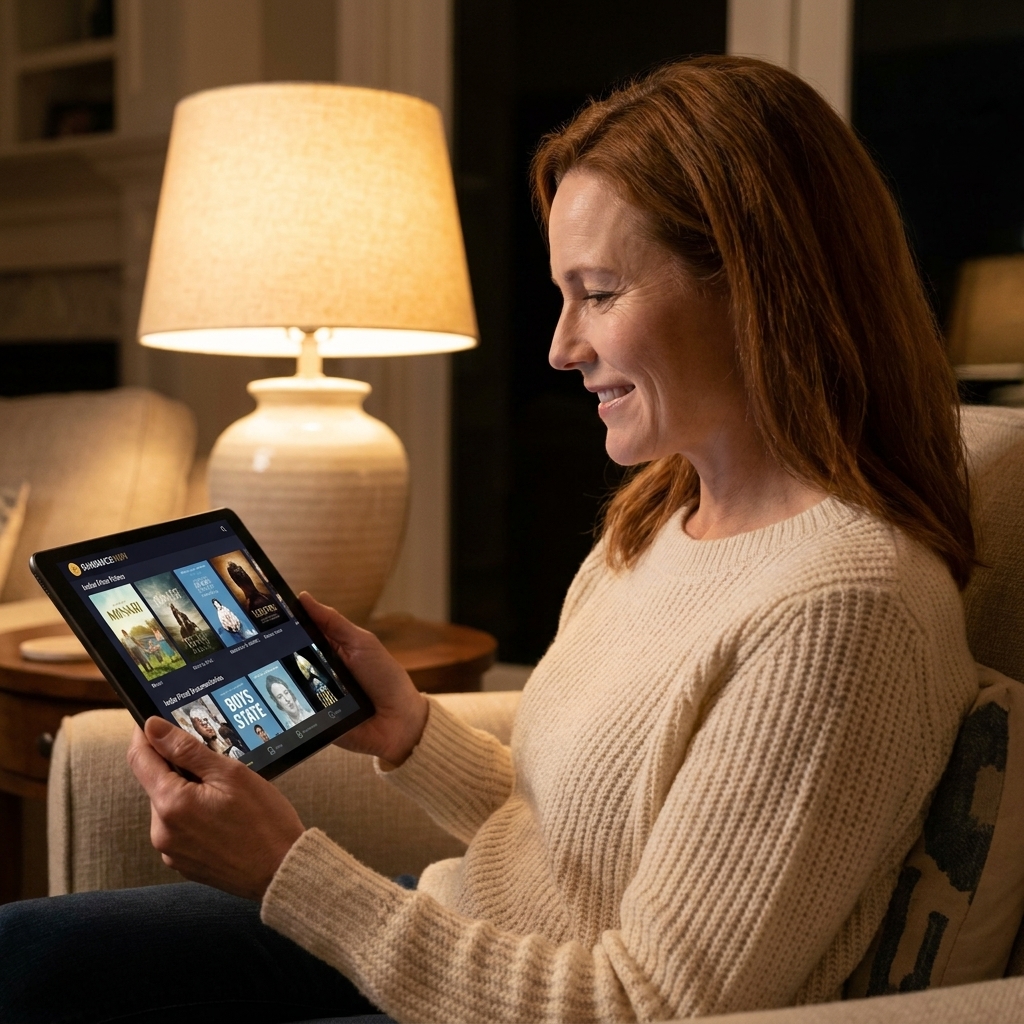
Sundance Now is a good pick for viewers who want indie prestige with a side of bingeability. While it is not exclusively documentaries, it often speaks the same language: character-driven, atmosphere-rich, and a little off the well-lit path.
- Catalog size: Mid-sized, focused.
- Documentaries: Solid, plus nonfiction-adjacent series for easy watching.
- Value note: Best if you like a mix of indie films and curated series.
Quick picks
- Best curation: The Criterion Channel, MUBI, OVID
- Best value: Kanopy, Hoopla, PBS Passport
- Mostly nonfiction: Kino Film Collection, PBS Passport, Curiosity Stream, ARTE
- Festival vibes: MUBI, Sundance Now
FAQ
Which streaming service has the biggest indie film library?
For dedicated indie discovery, “biggest” depends on what counts as indie to you. In practice, The Criterion Channel and MUBI often feel the most rewarding because their libraries are curated with intention, while Kanopy can be surprisingly expansive if your library system licenses broadly. With library services, the size and exact titles can differ materially from one ZIP code to the next.
What is the best streaming service for documentaries in 2024?
If you want wide-ranging, high-quality nonfiction, start with PBS Passport for breadth and trustworthiness, Kino Film Collection for modern, curated indie-doc programming, and Curiosity Stream for science and history-heavy viewing. For more formally adventurous documentary work, OVID and ARTE are excellent, with the reminder that ARTE titles can be time-limited and geo-restricted.
Are there any free options for indie films and documentaries?
Yes. Kanopy and Hoopla are often free through your local library or university, though catalogs and monthly limits depend on participation and licensing. ARTE also offers a significant amount of programming free in supported regions, often with limited viewing windows.
How do I avoid subscribing to too many services?
Pick one “home base” and one “seasonal add-on.” For example, keep Criterion Channel year-round if you watch regularly, then rotate a month of MUBI or Kino Film Collection when you want a fresh batch. It is the streaming equivalent of buying tickets for the shows you actually plan to see.
Final note
If you only subscribe to one paid service, choose the one that matches your default mood: Criterion for film history and context, MUBI for festival discovery, PBS Passport for trustworthy nonfiction. Then build outward with library access and one rotating add-on. The best part of indie film and documentary streaming in 2024 is that you can assemble a lineup that reflects your tastes, not a studio’s release calendar. Whether you are chasing festival buzz, film history, or the kind of nonfiction that changes how you see the world, there is a platform here that will make your watchlist feel like a love letter.