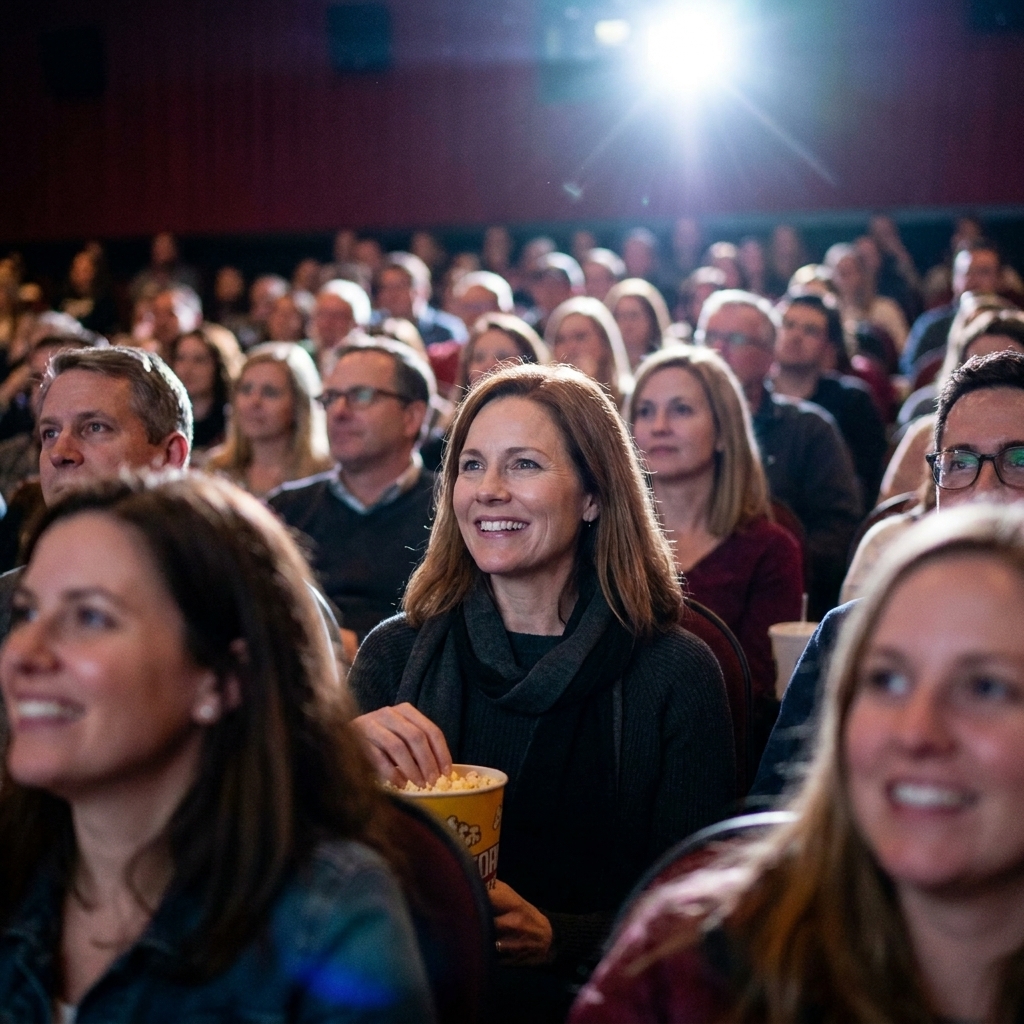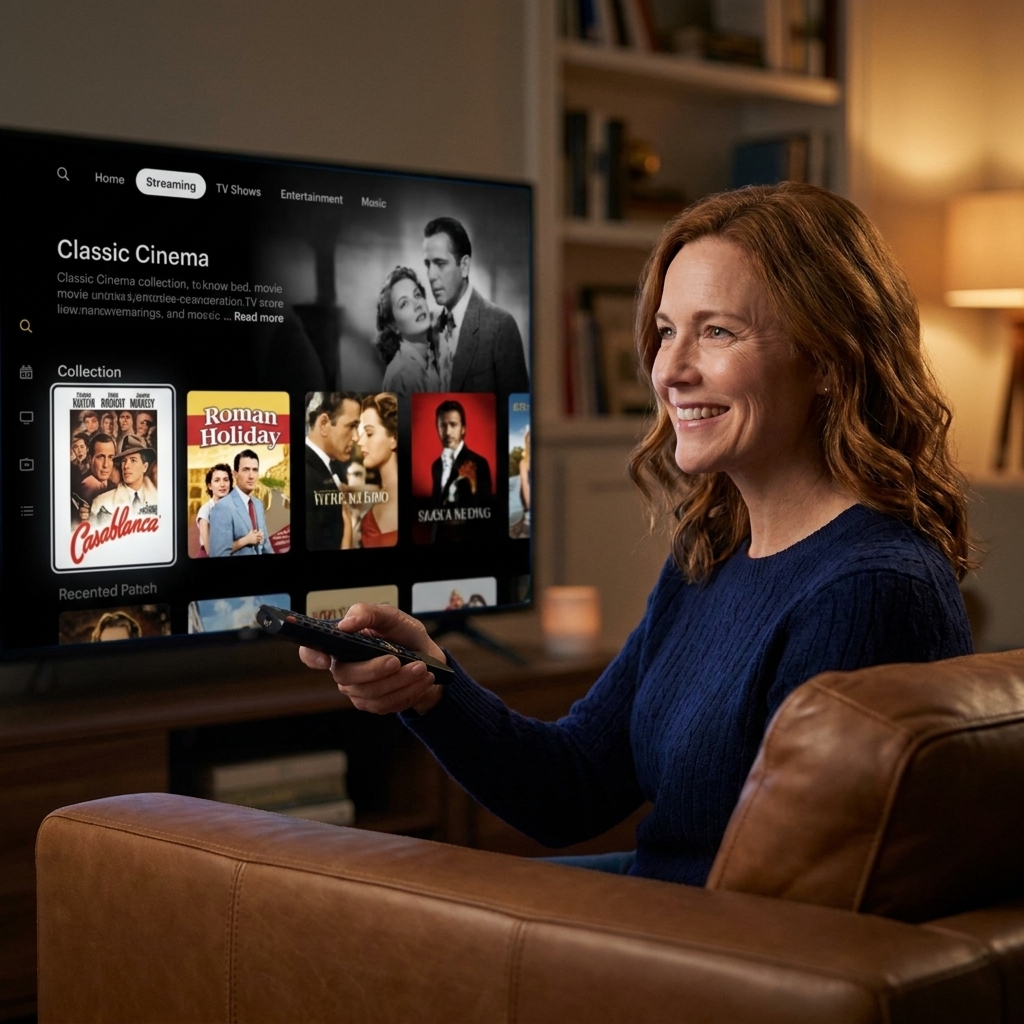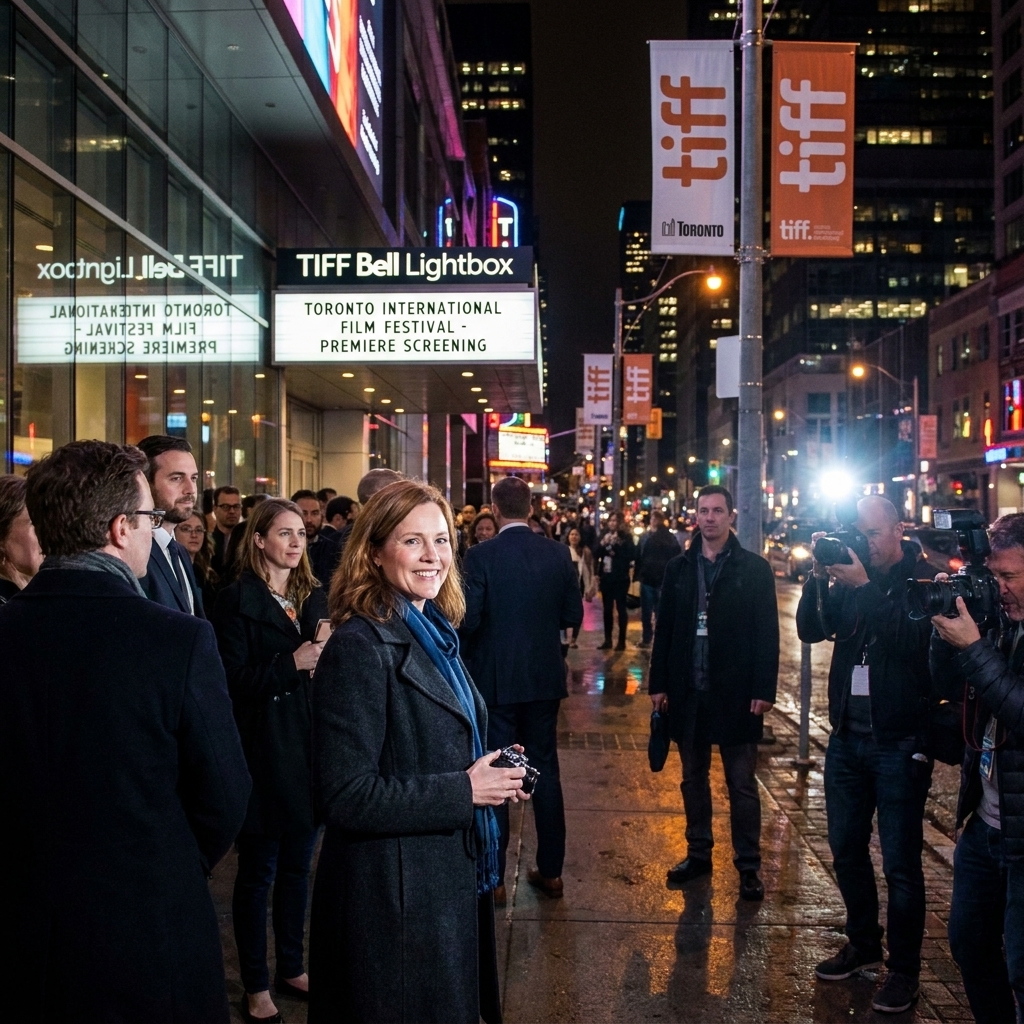
There is a specific thrill to a movie night that starts with the glow of a marquee. There is also a very real pleasure in pausing a film to refill popcorn without missing a line of dialogue. Today, most viewers bounce between both worlds, but the choice is not just about convenience. The way a film is released changes what you see, what you hear, how you talk about it, and even which movies get made.
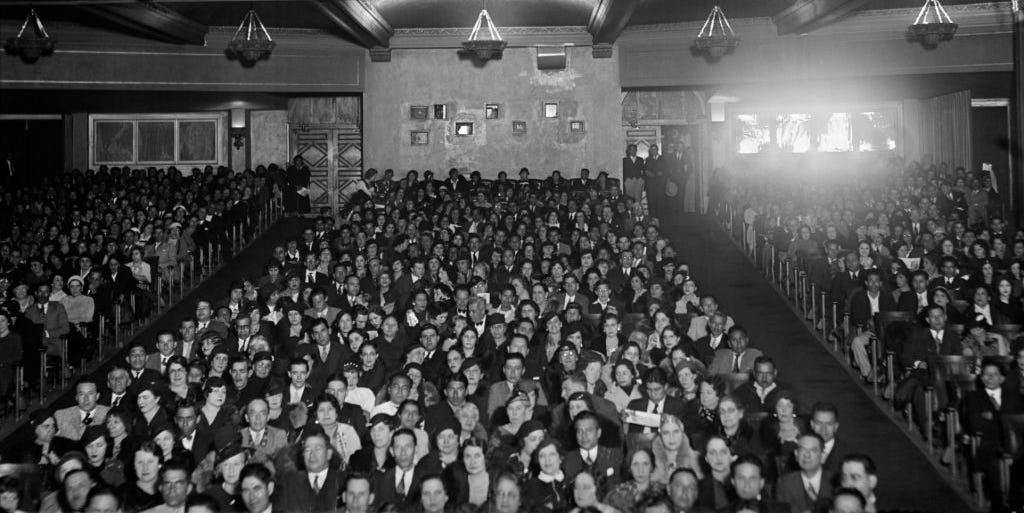
Let’s break down how release windows work, why some films still go theatrical first, and when streaming is the best seat in the house.
What a release window is
A release window is the period when a movie is available in one place before it becomes available somewhere else. Historically, the path was often theatrical first, then home video, then pay-per-view or premium cable, then basic cable or broadcast. Streaming arrived later and now overlaps with several of those at-home steps.
One more point of confusion: people often use “streaming” to mean anything at home. In practice, it usually splits into subscription streaming (included with a service) and digital rental or purchase (paid per title).
Today, windows vary by studio, by title, and sometimes by how the film performs. You will usually see one of these models:
- Theatrical exclusive window: The film plays only in theaters for a set period before it can be rented, bought, or included on a streaming service.
- Shortened theatrical window: The film still opens in theaters first, but it moves to digital rental or a streaming service sooner than the old standard.
- Day-and-date: The film hits theaters and a streaming platform on the same day.
- Streaming-first: The film premieres on a streaming service with little or no traditional theatrical run, sometimes with limited qualifying screenings in select cities.
None of these is automatically “better.” Each one changes the viewing experience and the economics behind the scenes.
Why theaters still matter
If streaming is so common, why does the theatrical-first model hang on? Because theaters still offer a combination of event status, premium presentation, and revenue potential that is hard to replicate at home.
The big screen is part of the filmmaking
Some directors and cinematographers compose images for a towering canvas: wide establishing shots, intricate production design, and visual effects that reward scale. Even a great home setup can flatten the sensation of immersion.
Sound does a lot of the storytelling
Theaters, especially premium formats, are built for dynamic range: whispers you lean into, bass you feel in your chest, and surround mixes that move like choreography. At home, even a solid soundbar can struggle if your neighbors, walls, or roommates are part of the equation.
Opening weekend creates momentum
Theatrical release concentrates attention. It becomes easier to gather friends, avoid spoilers for a single weekend, and participate in the larger conversation. That shared timing can be a cultural accelerant.
Box office can shape what gets made
Box office performance can influence sequels, spin-offs, and what types of original films studios greenlight. It is not purely romantic. Ticket sales are a loud signal.
What changes with streaming-first
Streaming-first releases can be a gift to audiences, especially when the film is intimate, dialogue-driven, or built to be discovered rather than “opened.” But streaming also changes how movies land.
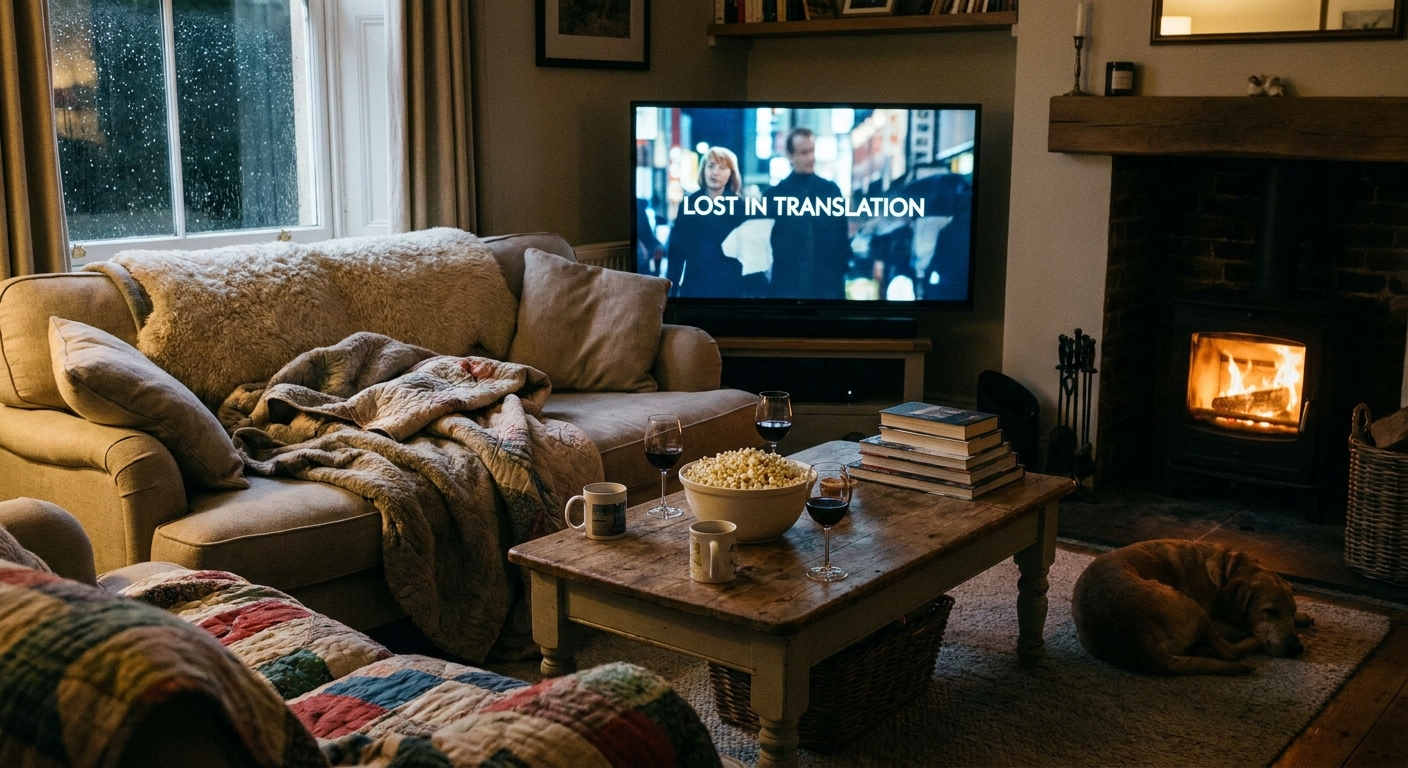
You control the pace, but the spell can break
Pausing is practical. It is also a vibe-killer for certain kinds of storytelling, especially slow-burn suspense or films that rely on sustained tension. The option to stop is not the same as the ability to stay locked in.
Picture and sound depend on your setup
Streaming quality varies with bandwidth, device, and subscription tier. Some platforms compress the image more than you might expect, which can soften fine detail or introduce banding in dark scenes. A theater’s projection and audio are often more standardized than most living rooms, though quality can vary by theater and even by screening.
Cost can be lower, but not always
A monthly subscription can feel cheaper than multiple tickets, parking, and snacks. But premium digital rentals, add-on fees, and the temptation to stack services can add up quickly.
Discovery is easier, conversation is messier
Streaming makes it simple to stumble onto an indie gem on a random Tuesday. The downside is timing. When everyone watches on their own schedule, the collective conversation splinters, and spoiler etiquette becomes a minefield.
Theater: gains and losses
Gains
- Scale and immersion: The screen dominates your field of view, which matters for action, dance, landscape-heavy epics, and visual experimentation.
- Communal energy: Comedies hit harder with a crowd. Horror can feel like a group endurance test, in the best way.
- Fewer distractions: Your phone is still there, but the room makes it easier to commit.
- Premium formats: IMAX, Dolby Cinema, and other large-format or high-dynamic-range presentations can be a genuine upgrade, not marketing fog.
Losses
- Cost and logistics: Tickets, transit, childcare, accessibility needs, and time all factor in.
- Less control: No pausing, no subtitles you control, no quick rewind when someone coughs through an important line.
- Audience variables: Chatty neighbors, bright phones, and that one person unwrapping candy like a percussion solo.
Home: gains and losses
Gains
- Comfort and accessibility: Your seating, your volume, your captions, your snacks, your breaks.
- Great for rewatches: Complex plotting, dense dialogue, and layered performances benefit from a second pass.
- Better for small, intimate films: Character studies and talky dramas can thrive when watched closely and quietly.
Losses
- Less spectacle: Even large TVs cannot fully replicate a theater’s sense of scale and depth.
- Sound compromises: Many homes simply cannot play a mix as loud or as clean as it was designed to be heard.
- More distractions: Laundry exists. Notifications exist. The fridge exists. The movie competes.
How long is theatrical first?
There is no single rule, but a modern reality is that many wide releases move to digital rental or purchase somewhere in the roughly 17 to 45 day range, with big hits sometimes staying exclusive longer. International windows can also differ by country, even for the same title.
The useful takeaway is simple: if you care about seeing a movie in a theater, do not assume it will still be there “next month.”
When streaming wins
Streaming shines when the movie is built around performance, dialogue, mood, or ideas more than pure sensory impact, or when you want to make the experience fit your life.
- Intimate dramas and relationship films: If the power is in faces and pauses, your living room can be perfect.
- Long runtimes: Some epics benefit from a built-in intermission that you control.
- Documentaries: Especially investigative docs where you may want to pause and absorb or discuss.
- Family viewing: Kids need breaks. Parents need breaks. Streaming makes that easier.
- Rewatch-heavy movies: Mysteries, twisty thrillers, and films with dense world-building.
Real-world example patterns: Many prestige dramas, smaller indie festival discoveries, and certain documentaries find their audience faster on subscription streaming because the barrier to entry is low and word-of-mouth can travel without geography.
When theaters win
Theater is the ideal home for films that are designed to overwhelm you, or to place you in a shared emotional wave.
- Action and sci-fi spectacles: Big set pieces, elaborate effects, and kinetic editing land differently on a massive screen.
- Horror: The tension becomes communal. The jump scares become a chorus.
- Broad comedies: Laughter is contagious, and timing feels sharper when a room reacts together.
- Musicals and dance-forward films: The visual rhythm benefits from scale, and the sound mix often deserves the full treatment.
- Premium format releases: If a movie is marketed around IMAX or Dolby, it is often a clue the studio wants you to see it that way. Look for wording like “filmed for IMAX” versus an “IMAX presentation,” since some titles are upscaled or only partially use those cameras.
Real-world example patterns: Franchise tentpoles, effects-driven adventures, and crowd-pleasers still lean theatrical because the “event” factor is part of the product.
Quick checklist
If you are on the fence, ask yourself five questions.
- Is it spectacle-forward? If the trailer is selling you scale, consider theaters.
- Is it spoiler-sensitive? Theatrical opening weekend can be the safest spoiler shelter.
- Do you care about sound design? If yes and you do not have a robust home setup, theaters win.
- Will you benefit from captions, pauses, or rewinds? If yes, streaming is more humane.
- Is this a “together” movie? Some films are better as a shared ritual, whether that is a crowded multiplex or a couch full of friends.
If you want to be swept away, go theatrical. If you want to catch details, revisit scenes, and live inside the performances at your own pace, at-home viewing can be the better microscope.
Limited runs and exclusives
You may notice films that play in a handful of theaters for a short time before heading to streaming. Sometimes this is about building buzz. Sometimes it is about eligibility for awards. Sometimes it is simply a way to serve audiences who love the theater experience without committing to a wide release.
For viewers, limited runs are a trade: you get the big-screen version, but you might have fewer showtimes or need to travel. If you love a filmmaker’s work, these can be worth catching, especially for visually ambitious films that will look different at home.
FAQ
Are streaming and theatrical the same cut?
Usually, yes. Occasionally you will see a director’s cut or extended edition arrive later. Also, some at-home versions may differ in small ways, such as aspect ratio changes or platform-specific presentation choices. If a service advertises a special version, it will typically be labeled clearly.
Does “on streaming” mean “free”?
Not necessarily. A film can be included with a subscription, offered as a digital rental, or sold digitally. “Streaming” is sometimes used as shorthand for several different at-home options.
How long do movies stay in theaters before streaming?
It varies. Some films keep a longer exclusive theatrical period, especially if they are performing well. Others move to at-home viewing faster. The only reliable answer is: it depends on the distributor, the country, and the movie’s momentum.
Is premium large format worth it?
For movies built around scale, sound, and image clarity, it can be. If the appeal is primarily story and performance, a standard screening is often enough.
The bottom line
Theatrical release asks you to show up and surrender to the movie. Streaming release asks the movie to fit into your life. Neither is a lesser art experience by default. They are different stages, with different acoustics.
If the film is chasing awe, choose the biggest screen you can reasonably access. If the film is chasing intimacy, choose the setting where you can listen closely. And if you can do both, catch it in theaters first, then revisit at home. Some stories deserve an encore.