Every time a new movie drops, the same tiny negotiation happens: couch or cinema? The answer is not just about pajamas versus popcorn. Where you watch changes what you notice, how you feel, and sometimes what the movie even becomes by the time it reaches you. A horror film can play like a roller coaster with a crowd, or like a quiet exercise in dread at home. A talky drama can feel intimate on your TV, or suddenly monumental on a giant screen.
Below is the real-world breakdown, minus the snobbery, plus a little love for the craft.
The key differences
Sound: the part you feel
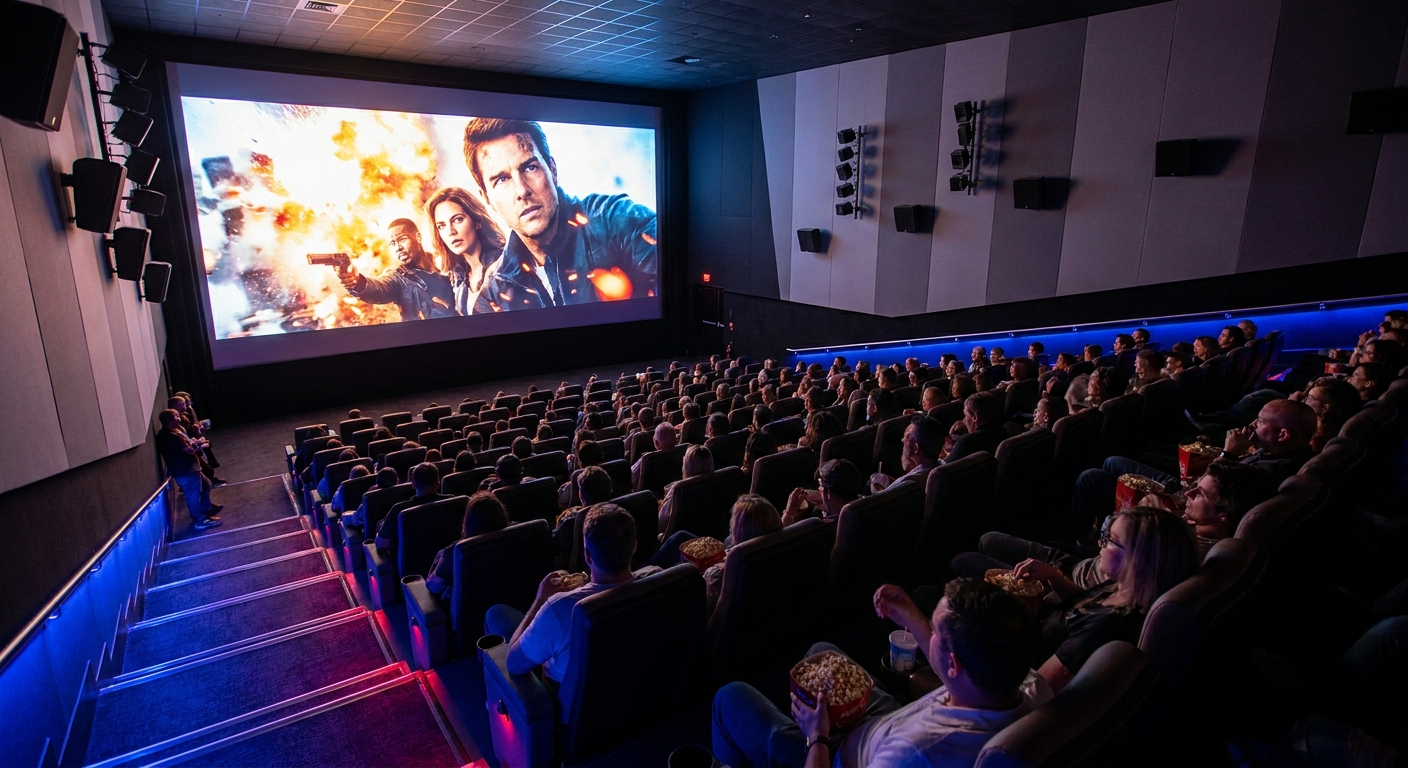
Movie theaters are designed around sound. Not just volume, but dynamic range (the difference between a whisper and an explosion), directionality (sounds moving around you), and bass that is meant to be physical.
- In theaters: You typically get multi-speaker setups tuned for the room, sometimes with premium formats. In an Atmos-equipped auditorium playing an Atmos mix, sound can be placed overhead and around you. Even subtle choices, like footsteps behind you, can land in a way your body registers.
- At home: You may be limited by TV speakers, neighbors, kids asleep, or your own tolerance for “loud.” Even with a solid soundbar or surround setup, you are dealing with room shape, speaker placement, and everyday noise.
Best match for theaters: action, sci-fi, big musicals, creature features, anything with a soundscape doing heavy lifting.
Picture: size is not everything
Yes, theaters are bigger. But “better picture” comes down to more than inches. It is also brightness, contrast, color, and whether the image was composed expecting your full field of vision to be taken over.
- In theaters: The screen size changes your relationship to detail. Close-ups read like landscapes of emotion. Wide shots register as scale, not just scenery.
- At home: A great TV can look spectacular, especially with HDR, and you can sit at an optimal distance. But small screens can flatten visual storytelling that relies on scale or peripheral cues.
The factor people forget: presentation varies. Some theaters are immaculate. Others have dim bulbs, washed-out contrast, or slightly off alignment. If your living room setup is excellent and your local theater is inconsistent, your TV can win on sharpness and black levels. The best experience is the one that is actually well presented.
Audience: the invisible co-star
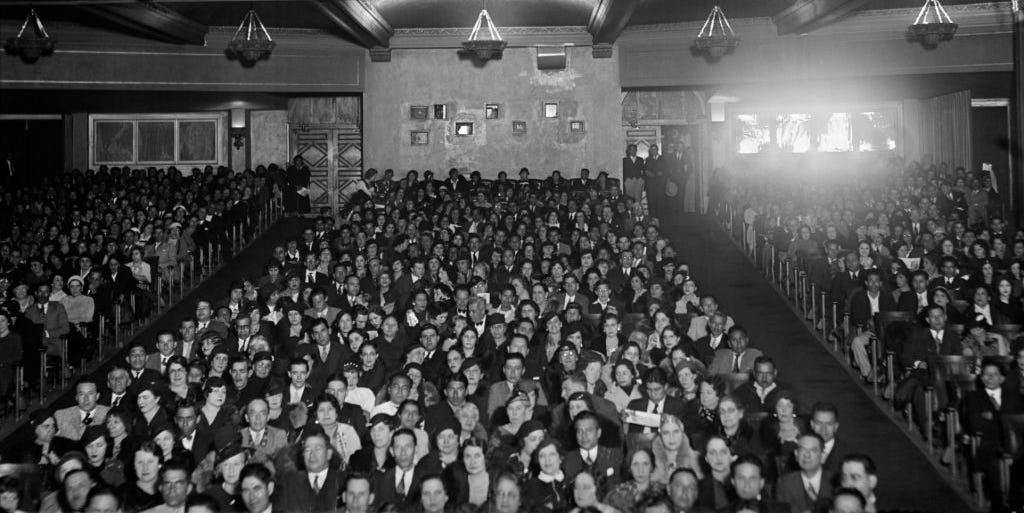
I grew up around backstage culture, where you learn fast that an audience changes a performance. Movies are not live theater, but the group energy still shapes what lands and what lingers afterward.
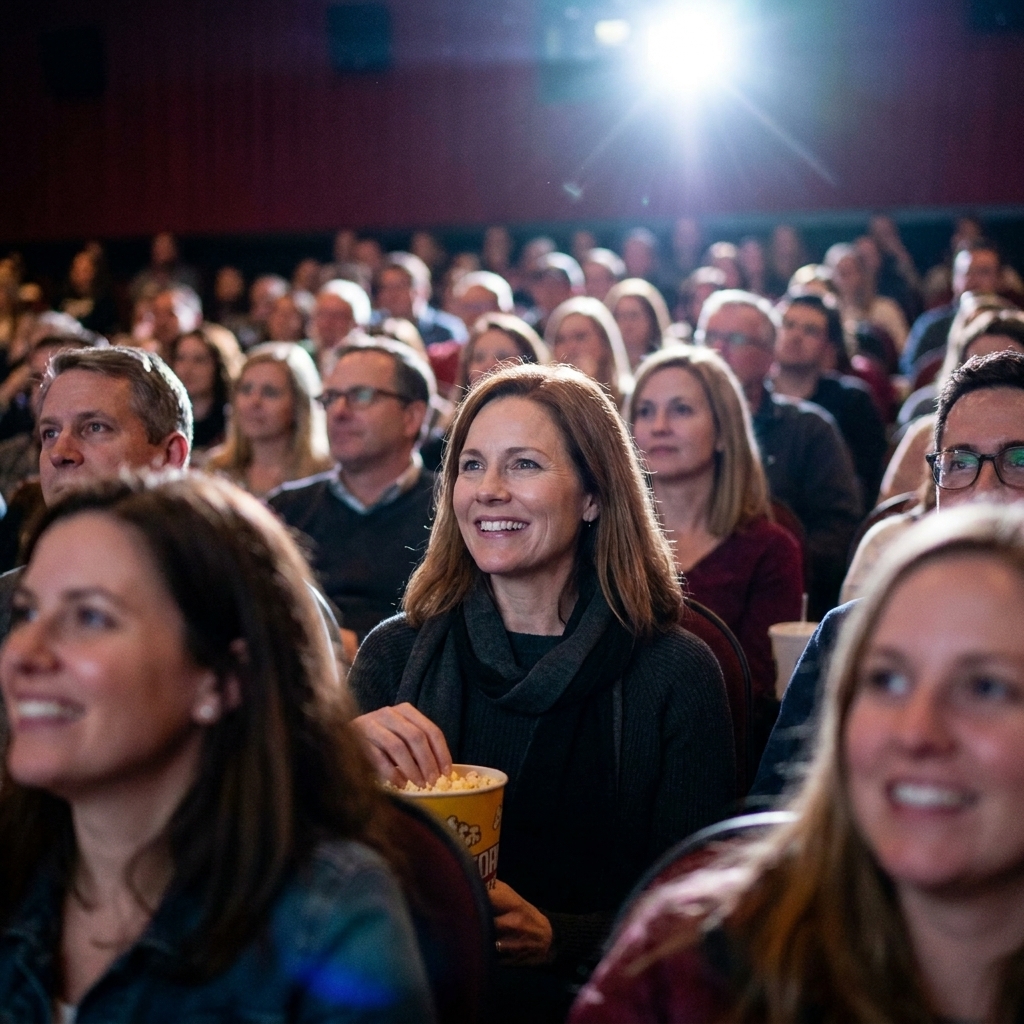
- In theaters: Laughter spreads. Tension syncs up. Applause at the end can feel corny until it feels earned. A great crowd can turn a good comedy into a memory.
- At home: You control the vibe. No chatter, no glowing phones in your peripheral vision, no stranger unwrapping candy like it is a suspense sequence. If you are sensitive to distractions, streaming can be bliss.
Best match for theaters: comedies, crowd-pleasing adventures, horror (if you like communal screams), event movies you want to experience in sync with others.
Attention: pause changes pacing
Pausing is a gift. It is also a subtle shift in how a movie works on you.
- In theaters: You surrender to the runtime. That commitment often makes slower movies play better, because you are not negotiating with your phone every ten minutes.
- At home: You can rewind a mumbled line, grab a snack, or split a long film into two nights. That can help dense plots, but it can also drain momentum, especially for movies built around tension.
Timing: when you watch shapes the conversation
In the current landscape, some films arrive in theaters first, some land day-and-date, and some pop onto streaming with little warning. The practical impact is this: theater-first releases often become shared cultural moments faster, especially big franchise or opening-weekend movies, while streaming-first releases can feel more individualized, like everyone watched “around the same time” rather than together.
That may not matter to you. But if you love participating in the conversation while it is fresh, seeing something in theaters during opening weeks still has a particular buzz.
Cost and convenience: the math is personal
“Cheaper” is situational. One ticket can be less than a month of subscriptions, but a family night at the movies adds up quickly.
- Theater tends to win if: you are going solo, you value the premium experience, you want a night out, or you live near a well-run theater with consistent projection and sound.
- Streaming tends to win if: you are watching with multiple people, you rewatch often, you need accessibility options on demand, or you like to watch on your schedule.
What plays best where
Movies that thrive in theaters
- Spectacle with intention: films built for scale, whether that is a superhero swing or an artful epic that uses landscapes and architecture as storytelling.
- Sound-driven filmmaking: war films, musicals, action set pieces, any movie where design and mixing are part of the narrative.
- Crowd-reactive genres: big comedies, slashers, creature features, opening-weekend “you had to be there” titles.
- Visually precise work: films with meticulous composition where the frame is meant to dominate your vision.
Movies that often shine at home
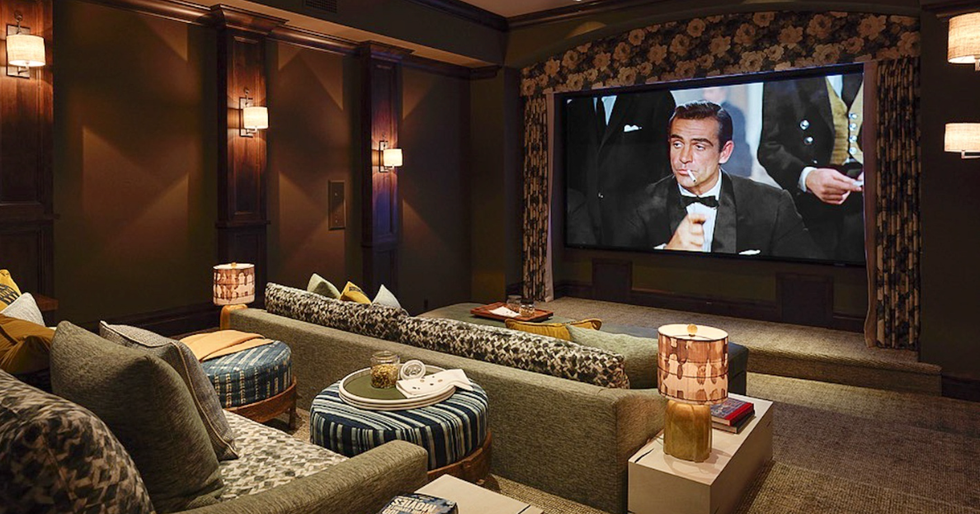
- Character-first dramas and romances: intimacy can feel even more personal in your living room.
- Dialogue-heavy mysteries: rewinding is not a crime, it is a tool.
- Long runtimes: if you need breaks, streaming turns an endurance test into a flexible experience.
- Comfort rewatches: the movies you put on like a favorite album tend to belong to home viewing.
Premium formats
Not all theatrical experiences are equal. A well-maintained standard auditorium can be great. A premium format can be transformative if the film is crafted for it.
IMAX, Dolby, and large formats
- Why it matters: bigger screens, higher brightness, stronger contrast, and immersive sound can make action clearer and visuals more dimensional.
- When it is worth it: movies with large-format photography, detailed production design, or sequences built around scale and motion.
3D and 4DX
3D is at its best when directors use depth as part of composition, not as a theme-park gimmick. 4DX and motion-seat formats are pure ride energy. Fun when you want that. Not ideal when you want to admire acting choices in a quiet scene.
How it shapes filmmaking
This is the part viewers feel even if they do not label it. The intended venue affects creative decisions.
- Sound mixes: dialogue clarity, music emphasis, and dynamic range can be tailored to theatrical playback or softened for typical home listening.
- Visual pacing: fast action can be easier to parse on a big screen, while subtle facial acting can be read in both places, differently.
- Risk and discovery: streaming has made more niche stories available at the click of a button, while theaters still act as a spotlight for films positioned as “must-see.”
Neither model is automatically more “pure.” What matters is whether the movie is being served by the way it is presented.
How to decide
If you are standing in the aisle of indecision, here is a simple checklist that works more often than it fails.
Choose theaters if
- You want the biggest sensory version of the movie, especially for action, music, or sweeping visuals.
- You care about crowd energy and being part of the moment.
- You know you will pay attention better away from home.
- You have access to a theater you trust for projection, sound, and comfort.
Choose streaming if
- You want control: subtitles on demand, pause, rewind, snacks that do not cost as much as a small appliance.
- You are watching with a group and the ticket math is brutal.
- You expect distractions in the theater to ruin it for you.
- The film is more about conversation, performance, or mood than scale.
Quick home tip: if you stream, turn off motion smoothing, consider a “filmmaker” or cinema mode, and do a quick audio check (even basic speakers benefit from dialogue enhancement or a sensible night mode).
FAQ
Is streaming quality worse than theaters?
Sometimes yes, sometimes no. Streaming usually uses heavier compression and lower bitrates than a theatrical DCP, which can soften fine detail and reduce audio punch. That said, theaters are not “uncompressed” either, and some premium streaming tiers deliver higher bitrates than the bargain-basement versions. A top-tier TV with a strong home audio setup can look and sound excellent, especially compared to an older or poorly maintained auditorium. The best approach is to think less in absolutes and more in: “Which presentation is likely to be better where I live?”
Do I miss anything by waiting for streaming?
You might miss the communal part, and you might miss seeing the film in its largest intended format. You also might gain comfort, control, and the ability to watch on your own time. If a movie feels like an “event” to you, that is usually the clue to see it theatrically.
What about subtitles and accessibility?
At home, subtitles are easy and consistent, and you can often toggle audio description just as easily. In theaters, accessibility options vary by venue and country, though in many markets theaters offer closed-caption devices, audio-description headsets, and occasional open-caption or sensory-friendly screenings. If captions or audio description are central to your enjoyment, streaming is often the smoother experience.
Is there a best of both worlds?
Absolutely: see the big, sensory films in theaters, then rewatch on streaming when you want to catch details. Some movies are built for that second pass, where you notice production design, foreshadowing, or editing rhythms you missed the first time.