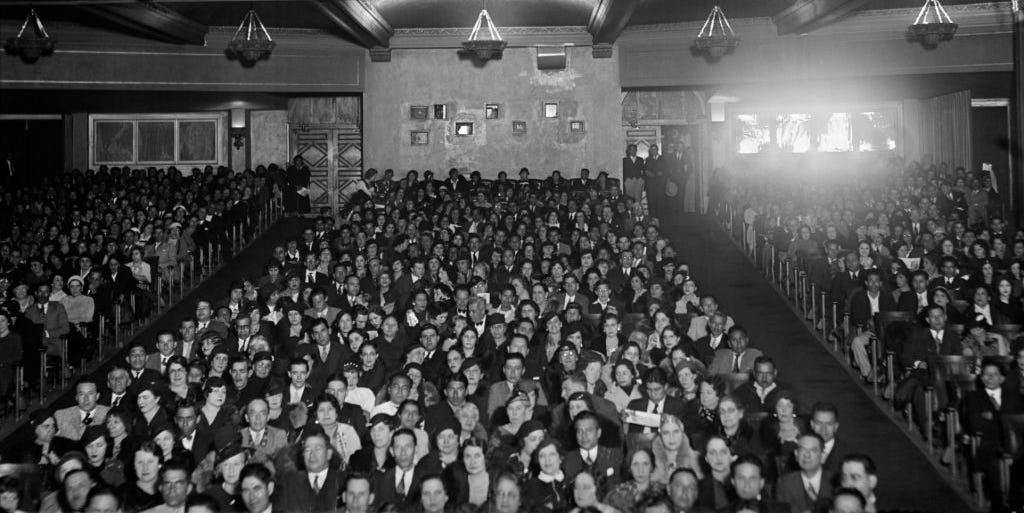
There is a special kind of modern suspense reserved for movie lovers: not whether a film is good, but when you will be able to watch it at home. A title leaves theaters, your group chat starts asking, “Is it streaming yet?”, and suddenly you are knee-deep in acronyms and pricing tiers.
Here is the good news. Most films follow a fairly predictable path from the big screen to your couch. The confusing part is that studios can adjust the timeline based on money, awards strategy, territory-by-territory deals, and even how well a film is holding on in theaters. Let’s walk through the usual release windows, what the jargon means, and how to make an educated guess about when a movie will land where you watch.
The basic path
Think of a movie’s release like a touring production. It plays its biggest venue first, then it travels through smaller rooms, and eventually it lands somewhere you can revisit whenever you want.
For most major releases, the availability typically unfolds like this:
- Theatrical exclusive window (only in cinemas)
- Premium TVOD (PVOD pricing for rental and often purchase on digital storefronts)
- Standard TVOD (the price-drop phase: cheaper rentals and lower purchase pricing)
- Subscription streaming (SVOD, included with a service like Netflix, Max, Disney+, or Peacock)
- Ad-supported streaming (AVOD on select platforms, often later)
- Physical media (Blu-ray, 4K UHD), which often arrives around the TVOD period but can vary by title
Not every film hits every step, and the spacing between steps is where the studio strategy lives.
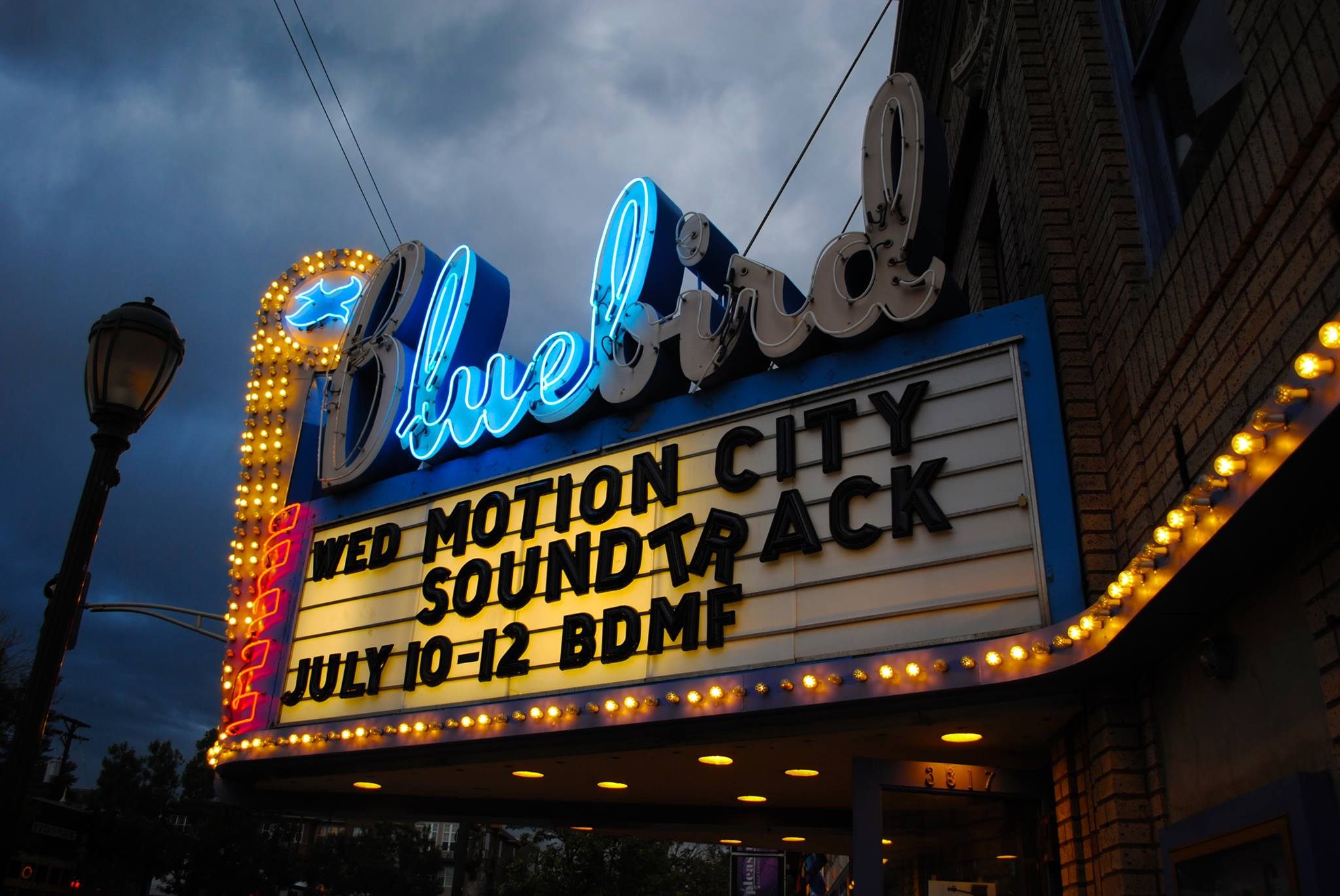
Window 1: Theaters
The first window is the one filmmakers still dream about, for artistic reasons and financial ones. A theatrical run can build buzz, create a communal experience, and generate revenue that will shape everything that comes next.
How long is theatrical exclusivity?
In the current era, many wide studio releases aim for about 30 to 45 days of theatrical exclusivity in the US before they appear at home in some form. But there are plenty of exceptions. Some films pivot earlier, sometimes around 17 to 21 days, especially if they are front-loaded or underperforming. Breakout hits can stay exclusive 60 days or more if they are still selling tickets.
Timing can also change by:
- Studio and exhibitor agreements (and how much leverage a title has)
- Territory (windows and pricing vary by country and region)
- Competition (a crowded calendar can nudge plans)
- Awards strategy (some films maintain a longer theatrical footprint)
- Audience patterns (family titles and horror can behave very differently)

Window 2: Premium TVOD (PVOD)
PVOD is the industry’s premium at-home tier. This is the phase where a movie becomes available at home, but at a higher price meant to mimic the economics of a night out.
What PVOD usually costs
- Premium rental is often $19.99 to $29.99 in the US (pricing can vary by storefront and region).
- Premium purchase (buy-to-own at an early, higher price) often launches alongside PVOD rental on the same day.
PVOD is attractive to studios because it can capture families, groups, or viewers who would rather pay once than wrangle a theatrical outing.
How long after theaters does PVOD arrive?
Commonly, PVOD lands around 3 to 6 weeks after theatrical release. Many titles still cluster closer to the 40 to 45 day mark, while others arrive earlier if box office momentum fades quickly. Studios use this window like a pressure valve: it can open sooner when demand is high but theatrical returns are dropping.
One practical note: TVOD rental terms vary, but many platforms use a structure like 30 days to start once you rent it, and 48 hours to finish once you press play. Always check the fine print on your storefront.
Window 3: Digital purchase
Digital purchase is often available at the same time as PVOD rental, especially on major storefronts. If you see a film available to “buy” for $24.99 while renting is still expensive, you are looking at that early premium pricing phase.
One important distinction: buy-to-own is not the same as subscription streaming. You are paying to add that title to your library inside a platform’s ecosystem, with the usual caveat that licensing terms can change, apps can shut down, and “ownership” is not the same as a disc on your shelf.
Window 4: Standard rental
This is the moment many casual viewers mean when they say “available to rent.” It is the familiar, lower pricing, often around $3.99 to $7.99 for a newer release rental depending on storefront, region, and timing.
Standard rental usually appears after the premium period ends and the studio drops the price. Sometimes it lines up with a physical media date, sometimes it does not.
If a movie is still only rentable at $19.99 to $29.99, you are still in PVOD territory.
Window 5: Subscription streaming
Subscription streaming is the most variable window, because it depends on a tangle of business deals. Some studios feed their movies into their own services. Others have output arrangements with different streamers. Even within the same studio, different titles can be handled differently.
Why subscription dates vary
- Revenue sequencing: Studios often exhaust higher-paying windows first (theaters and premium TVOD) before moving to a flat subscription value.
- Licensing obligations: Older agreements can send certain films to services that are not the studio’s own.
- Performance: A film with long legs in theaters or strong PVOD sales may be held out longer.
- Marketing timing: A streamer may wait for a quieter week so the title can be the headline.
As a general rule, subscription streaming arrives several weeks to a few months after premium TVOD, but the spread is real. Movie windows do not run on the same clock as next-day TV.
Day-and-date
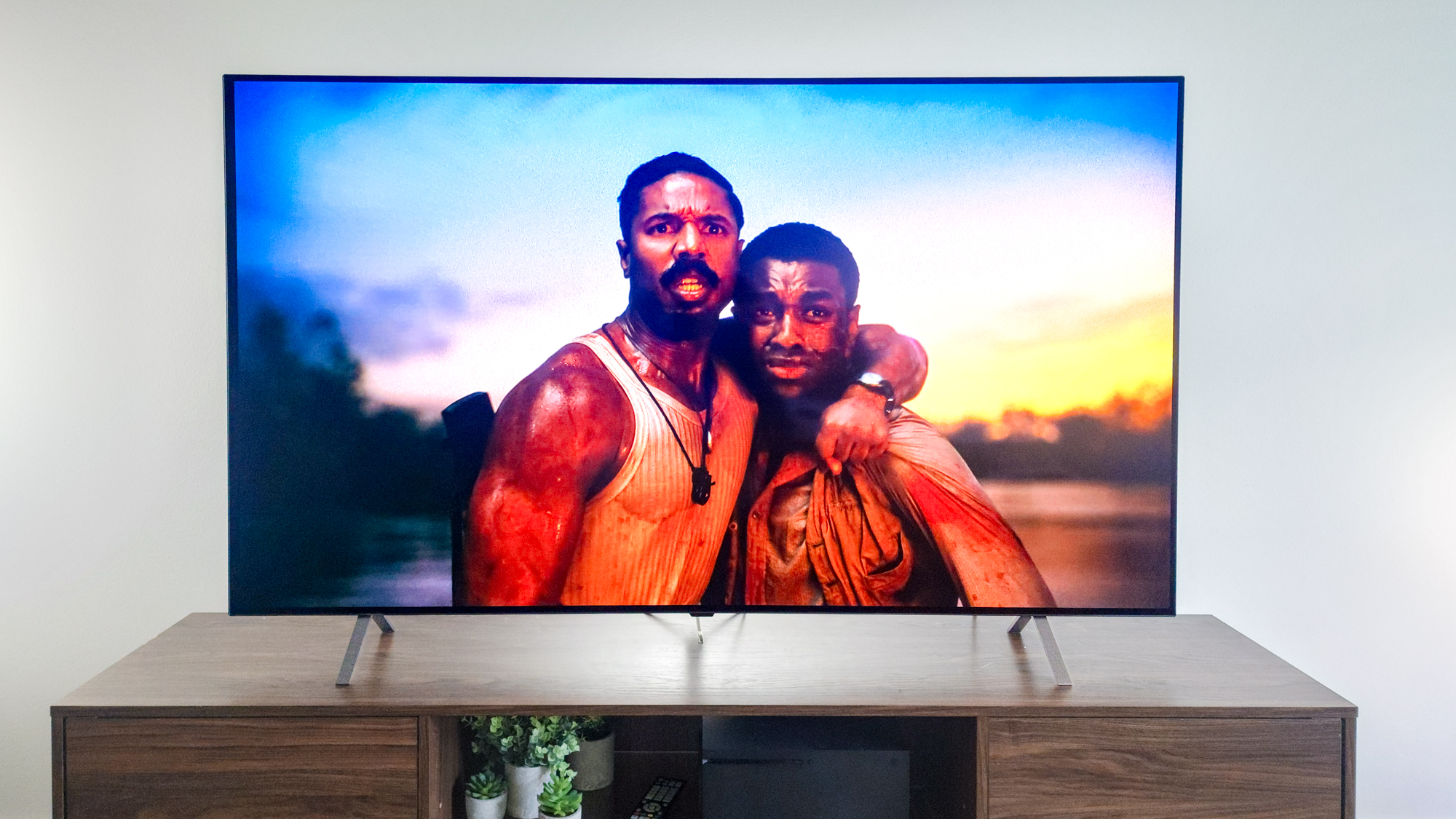
Day-and-date means a movie releases in theaters and at home on the same day. Sometimes that at-home option is PVOD pricing, sometimes it is included with a subscription service, and sometimes it varies by region.
This approach surged during pandemic disruptions, but now it is used more selectively. Studios weigh:
- Theatrical relationships: Some exhibitors resist booking films without meaningful exclusivity.
- Audience behavior: Day-and-date can pull people to at-home viewing and shrink box office.
- The title itself: Smaller releases, niche documentaries, and certain genre films are more likely to go this route.
If you hear “day-and-date,” confirm whether it means subscription included or premium priced. Those are two very different experiences for your wallet.
Why windows exist
It is tempting to imagine one big, simple “release” where everything appears everywhere at once. But windows exist because each platform attracts a different kind of customer with a different willingness to pay.
In plain terms, windows help studios:
- maximize total revenue by charging different prices at different times
- protect theatrical value, which still matters for brand and profit
- extend a film’s moment, letting it peak more than once (first in theaters, then again at home)
For artists, windows can also mean a longer life in the conversation, especially for movies that build an audience slowly through word of mouth.
How to predict home release
You do not need a studio calendar to make a smart prediction. You just need a few clues.
1) Look for the first “at home” date
Studios often announce PVOD or digital dates with language like “available on digital” or “own it at home.” If the price is premium, that is PVOD. If the rental price looks normal, the premium period has likely passed.
2) Watch pricing, not the app
A movie can appear on Apple TV, Prime Video, and other storefronts at the same time. What matters is the price tier:
- $19.99 to $29.99 rental: premium window
- $3.99 to $7.99 rental: standard rental window
- Included with subscription: subscription window
3) Use opening weekend as the anchor
If a film is a typical wide release, start counting from its theatrical debut:
- About 3 to 6 weeks: likely premium TVOD (PVOD pricing)
- About 6 to 10 weeks: often standard pricing begins (especially rentals)
- About 2 to 4 months: a common range for subscription streaming, with major exceptions
4) A quick example
Say a movie opens in theaters on the first weekend of May. If it follows a common pattern, you might see premium at-home availability in late May or mid June. Standard rental pricing could show up sometime in June or July. Subscription streaming might arrive in late summer. If the movie becomes a genuine box-office fixture, every step can slide later. If it stalls quickly, the at-home steps can arrive earlier.
Window terms
- PVOD: Premium video on demand, the higher-priced rental window.
- TVOD: Transactional video on demand, which includes rentals and purchases (premium or standard).
- SVOD: Subscription video on demand, included with a monthly service.
- AVOD: Ad-supported streaming, where you “pay” by watching commercials.
- Exclusive window: A period when a film is only available in one place (like theaters).
- Windowing: The overall strategy of staggering availability across formats.
FAQ
Why is a movie “available on digital” but not “streaming”?
Because “digital” often means you can rent or buy it from a store (transactional). “Streaming” in everyday conversation usually means included with a subscription. Those are different windows with different economics.
Does “available to rent” always mean cheap?
No. If the rental price is $19.99 to $29.99, that is premium rental (PVOD). Standard rentals are usually much lower, but exact pricing varies by storefront and region.
Do streaming services announce dates far in advance?
Sometimes, but the clearest dates often arrive closer to release. Services tend to promote what is coming in the next few weeks, not necessarily months out, and plans can shift.
Why do some movies hit subscription fast while others take forever?
It can be strategy (protecting ticket sales or PVOD revenue), existing licensing deals, territory differences, or a studio deciding a film will do better as a headline title later.
If a movie is on a studio’s service, will it stay there?
Not always. Even “owned” titles can move around due to internal strategy or pre-existing contracts. If you love a film and want reliable access, physical media or a digital purchase can offer more stability.
The takeaway
Release windows are not designed to torment you, even if they sometimes feel like they are. They are a set of stepping stones: theatrical exclusivity, premium at-home pricing, standard pricing, and finally the subscription landing spot.
If you anchor yourself to the theatrical release date, watch for PVOD pricing, and remember that “digital” is not the same as “subscription,” you can usually predict the home-viewing timeline with surprising accuracy. And in the meantime, there is always the old-school pleasure of catching something in a theater while it is still a shared secret in the dark.